Primary Antibodies
Primary antibodies are immunoglobulins that bind specifically to an antigen of interest, allowing for the detection and quantification of proteins, peptides, or other biomolecules. These antibodies are critical tools in a wide range of applications, including Western blotting, immunohistochemistry, and ELISA. At CymitQuimica, we offer an extensive selection of high-quality primary antibodies that provide specificity and sensitivity for various research needs, including cancer, immunology, and cell biology studies.
Subcategories of "Primary Antibodies"
- Cancer Research Antibodies(3,721 products)
- Cardiovascular Antibodies(2 products)
- Developmental Biology(764 products)
- Epigenetics Antibodies(162 products)
- Immunology Antibodies(2,585 products)
- Metabolism Antibodies(286 products)
- Microbiology Antibodies(741 products)
- Signal Transduction(2,765 products)
- Tags & Cellular Markers(34 products)
Show 1 more subcategories
Found 75562 products of "Primary Antibodies"
Sort by
Purity (%)
0
100
|
0
|
50
|
90
|
95
|
100
6-Carboxyfluorescein
CAS:Formula:C21H12O7Purity:>97.0%(HPLC)Color and Shape:Light yellow to Brown powder to crystalMolecular weight:376.324-Chloro-1-naphthol (Ready-to-use solution) [for Western blotting]
CAS:Color and Shape:Colorless to Almost colorless clear liquidGlucoamylase from Rhizopus (contains 50% Diatomaceous earth)
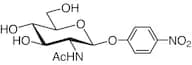
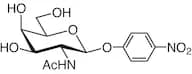
CAS:Color and Shape:White to Gray to Red powder to crystal4-Nitrophenyl 2-Acetamido-2-deoxy-β-D-glucopyranoside
CAS:Formula:C14H18N2O8Purity:>98.0%(HPLC)(N)Color and Shape:White to Almost white powder to crystalMolecular weight:342.304-Nitrophenyl β-D-Galactopyranoside [Substrate for β-Galactosidase]
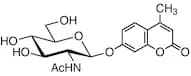
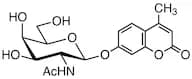
CAS:Formula:C12H15NO8Purity:>98.0%(HPLC)Color and Shape:White to Almost white powder to crystalMolecular weight:301.254-Methylumbelliferyl 2-Acetamido-2-deoxy-β-D-glucopyranoside
CAS:Formula:C18H21NO8Purity:>98.0%(HPLC)Color and Shape:White to Almost white powder to crystalMolecular weight:379.37Sodium 3-[Ethyl(m-tolyl)amino]-2-hydroxy-1-propanesulfonate
CAS:Formula:C12H18NNaO4SPurity:>98.0%(HPLC)Color and Shape:White to Almost white powder to crystalMolecular weight:295.33Blue Tetrazolium [for Biochemical Research]
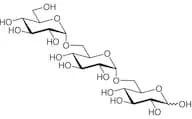
CAS:Formula:C40H32Cl2N8O2Purity:>95.0%(T)Color and Shape:White to Amber powder to crystalMolecular weight:727.65Isomaltotriose
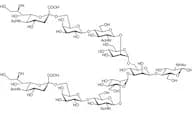
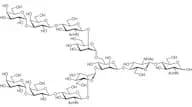
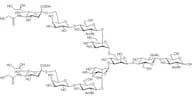
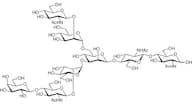
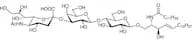
CAS:Formula:C18H32O16Purity:>95.0%(HPLC)Color and Shape:White to Almost white powder to crystalMolecular weight:504.44Disialyloctasaccharide
CAS:Formula:C76H125N5O57Purity:>98.0%(HPLC)Color and Shape:White powder to crystalMolecular weight:2,020.81D-(+)-Glucose
CAS:Formula:C6H12O6Purity:>98.0%(GC)Color and Shape:White powder to crystalMolecular weight:180.16N-Succinimidyl 7-Methoxycoumarin-3-carboxylate
CAS:Formula:C15H11NO7Purity:>98.0%(HPLC)(N)Color and Shape:White to Almost white powder to crystalMolecular weight:317.25N-GlcNAc-Biotin
CAS:Formula:C18H30N4O7SPurity:>90.0%(qNMR)Color and Shape:White to Almost white powder to crystalMolecular weight:446.52DABCYL C2 maleimide
CAS:Formula:C21H21N5O3Purity:>95.0%(T)(HPLC)Color and Shape:White to Yellow to Orange powder to crystalMolecular weight:391.433,3'-Diaminobenzidine [for Biochemical Research]
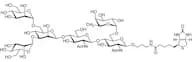
CAS:Formula:C12H14N4Purity:>97.0%(T)Color and Shape:Light yellow to Brown powder to crystalMolecular weight:214.27M3-biotin
CAS:Formula:C47H79N5O28SPurity:min. 95.0 area%(HPLC)Color and Shape:SolidMolecular weight:1,194.224-Aminoantipyrine [for Biochemical Research]
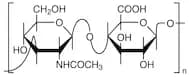
CAS:Formula:C11H13N3OPurity:>98.0%(T)Color and Shape:White to Light yellow to Light orange powder to crystalMolecular weight:203.25Anti-Chondroitin Sulfate A Monoclonal Antibody (LY111)
Color and Shape:Colorless to Almost colorless clear liquidrEGCase II assisted by Activator II
Color and Shape:Colorless to Light yellow to Light orange clear liquidα-Amylase diluted with Starch, from Bacillus amyloliquefaciens
CAS:Color and Shape:White to Almost white powder to crystalAnti-Influenza A Virus Hemagglutinin H3 Monoclonal Antibody (Preservative : 0.05% NaN3, Stabilizer : 1% BSA)
Color and Shape:Colorless to Almost colorless clear liquid5-Bromo-4-chloro-3-indolyl β-D-Galactopyranoside [for Biochemical Research]
CAS:Formula:C14H15BrClNO6Purity:>98.0%(HPLC)(N)Color and Shape:White to Light gray powder to crystalMolecular weight:408.63Galα(1-3) core 6-Fucosylated N-Glycan 2AB (500pmol/vial)
Formula:C87H142N6O60Purity:>98.0%(HPLC)Color and Shape:White to Almost white powder to crystalMolecular weight:2,232.084-Nitrophenyl β-D-Xylopyranoside [Substrate for β-Xylosidase]
CAS:Formula:C11H13NO7Purity:>98.0%(HPLC)Color and Shape:White to Light yellow powder to crystalMolecular weight:271.23Disialylnonasaccharide-β-pNP
CAS:Formula:C90H141N7O64Purity:>98.0%(HPLC)Color and Shape:White to Light yellow powder to crystalMolecular weight:2,345.104-Nitrophenyl α-D-Mannopyranoside [Substrate for α-Mannosidase]
CAS:Formula:C12H15NO8Purity:>98.0%(HPLC)Color and Shape:White to Orange to Green powder to crystalMolecular weight:301.25SialylGb5 Ceramide
Formula:C77H136N3NaO36Purity:>95.0%(HPLC)Color and Shape:White to Light yellow powder to crystalMolecular weight:1,702.91MANT-M3GN2-DNP
CAS:Formula:C51H75N7O30Purity:>98.0%(HPLC)Color and Shape:Light yellow to Brown powder to crystalMolecular weight:1,266.18L-(-)-Fucose
CAS:Formula:C6H12O5Purity:>97.0%(HPLC)Color and Shape:White to Almost white powder to crystalMolecular weight:164.16Recombinant Griffithsia sp. lectin (= rGRFT) expressed in Escherichia coli
Color and Shape:Colorless to Light yellow to Light orange clear liquid7-Hydroxycoumarin-3-carboxylic Acid
CAS:Formula:C10H6O5Purity:>98.0%(HPLC)Color and Shape:White to Light yellow powder to crystalMolecular weight:206.15Sodium 3-(N-Ethyl-3-methoxyanilino)-2-hydroxy-1-propanesulfonate [for Biochemical Research]
CAS:Formula:C12H18NNaO5SPurity:>98.0%(T)(HPLC)Color and Shape:White to Almost white powder to crystalMolecular weight:311.33Galα(1-3) core 6-Fucosylated N-Glycan
CAS:Formula:C80H134N4O60Color and Shape:SolidMolecular weight:2,111.921,2-Phenylenediamine Dihydrochloride [for Biochemical Research]
CAS:Formula:C6H8N2·2HClPurity:>98.0%(HPLC)(N)Color and Shape:White to Light yellow to Light red powder to crystalMolecular weight:181.061-Naphthol [for Biochemical Research]
CAS:Formula:C10H8OPurity:>98.0%(GC)Color and Shape:White to Gray to Red powder to crystalMolecular weight:144.17N,N-Dimethyl-1,4-phenylenediamine Dihydrochloride [for Biochemical Research]
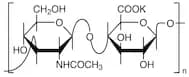
CAS:Formula:C8H12N2·2HClPurity:>99.0%(T)(HPLC)Color and Shape:White to Light yellow to Dark green powder to crystalMolecular weight:209.11Amylopectin (Amylose free), from Waxy Corn
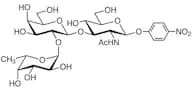
CAS:Formula:(C6H10O5)nColor and Shape:White to Almost white powder to crystalFucα(1-2)Galβ(1-3)GlcNAc-β-pNP (=H type 1 β-pNP Glycoside)
CAS:Formula:C26H38N2O17Color and Shape:SolidMolecular weight:650.593-Methyl-2-benzothiazolinonehydrazone Hydrochloride [for Biochemical Research]
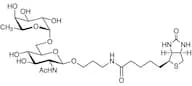
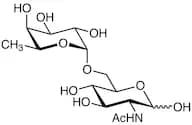
CAS:Formula:C8H9N3S·HClPurity:>98.0%(T)(HPLC)Color and Shape:White to Light yellow to Light orange powder to crystalMolecular weight:215.70Fucα(1-6)GlcNAc-β-propylamido-biotin
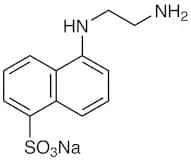
CAS:Formula:C27H46N4O12SColor and Shape:SolidMolecular weight:650.74Sodium 5-(2-Aminoethylamino)-1-naphthalenesulfonate
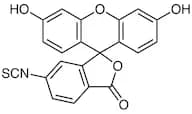
CAS:Formula:C12H13N2NaO3SPurity:>98.0%(HPLC)Color and Shape:Light orange to Yellow to Green powder to crystalMolecular weight:288.30Fluorescein 6-Isothiocyanate (isomer II)
CAS:Formula:C21H11NO5SPurity:>97.0%(T)(HPLC)Color and Shape:Yellow to Amber powder to crystalMolecular weight:389.38N-Succinimidyl 4-[4-(Dimethylamino)phenylazo]benzoate
CAS:Formula:C19H18N4O4Purity:>98.0%(T)(HPLC)Color and Shape:Light yellow to Brown to Dark red powder to crystalMolecular weight:366.38AzBTS [=2,2'-Azinobis(3-ethylbenzothiazoline-6-sulfonic Acid Ammonium Salt)] [for Biochemical Research]
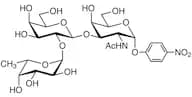
CAS:Formula:C18H24N6O6S4Purity:>98.0%(T)Color and Shape:White to Dark green powder to crystalMolecular weight:548.67Fucα(1-2)Galβ(1-3)GalNAc-α-pNP (=H type 3 α-pNP Glycoside)
CAS:Formula:C26H38N2O17Color and Shape:SolidMolecular weight:650.59Disodium 1-Naphthyl Phosphate Hydrate [Substrate for Phosphatase]
CAS:Formula:C10H7Na2O4P·xH2OPurity:>98.0%(HPLC)Color and Shape:White to Light yellow to Light red powder to crystalMolecular weight:268.12 (as Anhydrous)6-Chloro-3-indolyl β-D-Galactopyranoside [for Biochemical Research]
CAS:Formula:C14H16ClNO6Purity:>98.0%(HPLC)Color and Shape:White to Light yellow powder to crystalMolecular weight:329.73Sialyl Neolactotetraosylceramide (=Sialyl nLc4Cer)
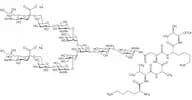
CAS:Formula:C73H131N3O31Color and Shape:SolidMolecular weight:1,546.84Sialylglycopeptide
CAS:Formula:C112H187N15Na2O70Purity:>95.0%(HPLC)Color and Shape:White to Almost white powder to crystalMolecular weight:2,909.74rLSL-N-Biotin [for Galβ(1-4)GlcNAc, poly LacNAc]
Color and Shape:Colorless to Almost colorless clear liquid5-Carboxyfluorescein
CAS:Formula:C21H12O7Purity:>97.0%(T)(HPLC)Color and Shape:Light yellow to Brown powder to crystalMolecular weight:376.32Sialyl Lewis X-Lactose Ethylazide
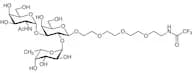
Formula:C45H75N5O33Purity:min. 95.0 area%(HPLC)Color and Shape:SolidMolecular weight:1,214.10Neu5Acα(2-6)Galβ(1-4)GlcNAcβ(1-3)Galβ(1-4)GlcNAcβ(1-3)Galβ(1-4)GlcNAc-β-propylamine
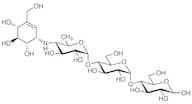
CAS:Formula:C56H95N5O39Purity:min. 95.0 area%(HPLC)Color and Shape:SolidMolecular weight:1,462.37Acarbose
CAS:Formula:C25H43NO18Purity:>98.0%(HPLC)(N)Color and Shape:White to Almost white powder to crystalMolecular weight:645.614-Methylumbelliferyl 2-Acetamido-2-deoxy-β-D-galactopyranoside
CAS:Formula:C18H21NO8Purity:>98.0%(HPLC)Color and Shape:White to Light yellow powder to crystalMolecular weight:379.37AOL-LecBeads [for Fucα(1-6)/α(1-4)/α(1-3)/α(1-2)]
Color and Shape:White to Almost white clear liquid to cloudy liquidSodium 3-(N-Ethylanilino)propanesulfonate [for Biochemical Research]
CAS:Formula:C11H16NNaO3SPurity:>98.0%(HPLC)Color and Shape:White to Almost white powder to crystalMolecular weight:265.304-Chloro-1-naphthol [for Biochemical Research]
CAS:Formula:C10H7ClOPurity:>98.0%(T)Color and Shape:White to Gray to Brown powder to crystalMolecular weight:178.62Galα(1-3) N-Glycan
CAS:Formula:C74H124N4O56Purity:min. 95.0 area%(HPLC)Color and Shape:SolidMolecular weight:1,965.78M3(Fuc6)-biotin
CAS:Formula:C53H89N5O32SPurity:min. 95.0 area%(HPLC)Color and Shape:SolidMolecular weight:1,340.36Neu5Gcα(2-6) N-Glycan
CAS:Formula:C84H138N6O64Purity:min. 95.0 area%(HPLC)Color and Shape:SolidMolecular weight:2,256.014-Nitrophenyl 2-Acetamido-2-deoxy-β-D-galactopyranoside
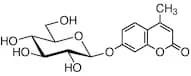
CAS:Formula:C14H18N2O8Purity:min. 98.0 area%(HPLC)Color and Shape:White to Almost white powder to crystalineMolecular weight:342.304-Methylumbelliferyl β-D-Glucopyranoside
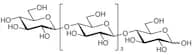
CAS:Formula:C16H18O8Purity:>98.0%(HPLC)Color and Shape:White to Almost white powder to crystalMolecular weight:338.31Cellopentaose
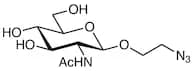
CAS:Formula:C30H52O26Purity:>95.0%(HPLC)Color and Shape:White to Almost white powder to crystalMolecular weight:828.722-Azidoethyl 2-Acetamido-2-deoxy-β-D-glucopyranoside
CAS:Formula:C10H18N4O6Purity:>98.0%(HPLC)Color and Shape:White to Almost white powder to crystalMolecular weight:290.283,3',5,5'-Tetramethylbenzidine [for Biochemical Research]
CAS:Formula:C16H20N2Purity:>98.0%(T)(HPLC)Color and Shape:White to Green to Brown powder to crystalineMolecular weight:240.35Anti-DTBTA-Eu3+ Rabbit Polyclonal Antibody [2.5mg/mL in PBS(-)] (Preservative : 0.1% NaN3)
Color and Shape:White or Colorless to Almost white or Almost colorless powder to lump to clear liquid5-Bromo-4-chloro-3-indolyl Phosphate p-Toluidine Salt [for Biochemical Research]
CAS:Formula:C8H6BrClNO4P·C7H9NPurity:>98.0%(T)Color and Shape:White to Orange to Green powder to crystalMolecular weight:433.62Recombinant Polyporus squamosus lectin (= rPSL1a) expressed in Escherichia coli
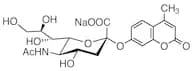
Color and Shape:Colorless to Light yellow to Light orange clear liquid4-Methylumbelliferyl-N-acetyl-α-D-neuraminic Acid Sodium Salt
CAS:Formula:C21H24NNaO11Purity:>93.0%(HPLC)Color and Shape:White to Light yellow powder to crystalMolecular weight:489.413-G1 Glycan
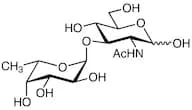
CAS:Formula:C56H94N4O41Purity:min. 95.0 area%(HPLC)Color and Shape:SolidMolecular weight:1,479.36Fucα(1-3)GlcNAc
CAS:Formula:C14H25NO10Purity:min. 95.0 area%(HPLC)Color and Shape:SolidMolecular weight:367.357-(Diethylamino)coumarin-3-carboxylic Acid
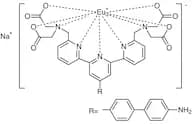
CAS:Formula:C14H15NO4Purity:>98.0%(GC)(T)Color and Shape:Light yellow to Brown powder to crystalMolecular weight:261.28ATBTA-Eu3+
CAS:Formula:C37H30EuN6NaO8Purity:>90.0%(T)(HPLC)Color and Shape:Light yellow to Brown to Dark green powder to crystalineMolecular weight:861.63Fucα(1-2)Galβ(1-3)GalNAc-β-pNP (=H type 3 β-pNP Glycoside)
Formula:C26H38N2O17Color and Shape:SolidMolecular weight:650.59Isomaltose
CAS:Formula:C12H22O11Purity:>97.0%(HPLC)Color and Shape:White to Almost white powder to crystalMolecular weight:342.30rEGCase I assisted by Activator II
Color and Shape:Colorless to Light yellow to Light orange clear liquid5-Carboxyfluorescein N-Succinimidyl Ester
CAS:Formula:C25H15NO9Purity:>90.0%(HPLC)Color and Shape:Light yellow to Yellow to Orange powder to crystalMolecular weight:473.394-Nitrophenyl β-D-Glucopyranoside Monohydrate [Substrate for β-D-Glucosidase]
CAS:Formula:C12H15NO8·H2OPurity:>98.0%(HPLC)Color and Shape:White to Light yellow powder to crystalMolecular weight:319.27N,N-Diethyl-m-toluidine [for Biochemical Research]
CAS:Formula:C11H17NPurity:>99.0%(GC)Color and Shape:Light orange to Yellow to Green clear liquidMolecular weight:163.264-Aminoantipyrine Hydrochloride [for Biochemical Research]
CAS:Formula:C11H13N3O·HClPurity:>98.0%(T)(HPLC)Color and Shape:White to Light yellow to Light orange powder to crystalMolecular weight:239.70SGN
CAS:Formula:C88H144N8O64Purity:>90.0%(HPLC)Color and Shape:White to Light yellow powder to crystalMolecular weight:2,338.114-Nitrophenyl Phosphate Di(tris) Salt [Substrate for Phosphatase]
CAS:Formula:C6H6NO6P·(C4H11NO3)2Purity:>90.0%(T)Color and Shape:White to Orange to Green powder to crystalineMolecular weight:461.361,2-Phenylenediamine [for Biochemical Research]
CAS:Formula:C6H8N2Purity:>98.0%(GC)(T)Color and Shape:White to Almost white powder to crystalMolecular weight:108.143,3'-Diaminobenzidine Tetrahydrochloride Hydrate [for Biochemical Research]
CAS:Formula:C12H14N4·4HCl·xH2OPurity:>98.0%(HPLC)(N)Color and Shape:White to Amber to Dark purple powder to crystalMolecular weight:360.10 (as Anhydrous)o-Dianisidine [for Biochemical Research]
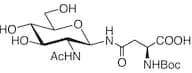
CAS:Formula:C14H16N2O2Purity:>90.0%(T)Color and Shape:Yellow to Amber to Dark purple powder to crystalMolecular weight:244.29Nω-(2-Acetamido-2-deoxy-β-D-glucopyranosyl)-Nα-(tert-butoxycarbonyl)-L-asparagine
CAS:Formula:C17H29N3O10Purity:>96.0%(HPLC)Color and Shape:White to Almost white powder to crystalMolecular weight:435.432-(4-Iodophenyl)-3-(4-nitrophenyl)-5-phenyltetrazolium Chloride [for Biochemical Research]
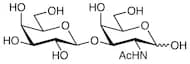
CAS:Formula:C19H13ClIN5O2Purity:>98.0%(HPLC)Color and Shape:White to Yellow to Orange powder to crystalMolecular weight:505.70Galacto-N-biose
CAS:Formula:C14H25NO11Purity:min. 95.0 area%(HPLC)Color and Shape:White to Almost white powder to crystalMolecular weight:383.354-Nitrophenyl α-D-Glucopyranoside [Substrate for α-D-Glucosidase]
CAS:Formula:C12H15NO8Purity:>98.0%(HPLC)Color and Shape:Very Pale Yellow - Pale Yellow SolidMolecular weight:301.254-Nitrophenyl Phosphate (Ready-to-use solution) [for ELISA]
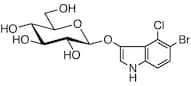
Color and Shape:Colorless to Light orange to Yellow clear liquid5-Bromo-4-chloro-3-indolyl β-D-Glucopyranoside
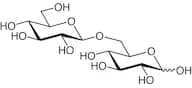
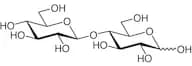
CAS:Formula:C14H15BrClNO6Purity:>98.0%(HPLC)Color and Shape:White to Light yellow powder to crystalMolecular weight:408.63Gentiobiose
CAS:Formula:C12H22O11Purity:>96.0%(HPLC)Color and Shape:White to Almost white powder to crystalMolecular weight:342.30Streptavidin from Streptomyces avidinii
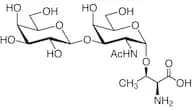
CAS:Color and Shape:White to Brown to Dark green powder to crystalGalβ(1-3)GalNAc-α-Thr
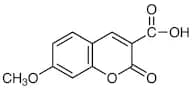
CAS:Formula:C18H32N2O13Purity:>97.0%(HPLC)Color and Shape:White to Almost white powder to crystalMolecular weight:484.467-Methoxycoumarin-3-carboxylic Acid
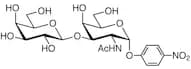
CAS:Formula:C11H8O5Purity:>98.0%(GC)(T)Color and Shape:White to Almost white powder to crystalMolecular weight:220.18Galβ(1-3)GalNAc-α-pNP
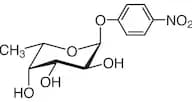
CAS:Formula:C20H28N2O13Purity:>97.0%(HPLC)Color and Shape:White to Almost white powder to crystalMolecular weight:504.454-Nitrophenyl α-L-Fucopyranoside
CAS:Formula:C12H15NO7Purity:>98.0%(HPLC)Color and Shape:White to Light yellow powder to crystalineMolecular weight:285.255-Aminosalicylic Acid [for Biochemical Research]
CAS:Formula:C7H7NO3Purity:>98.0%(T)Color and Shape:White to Gray to Red powder to crystalMolecular weight:153.14Keratanase II from Bacillus circulans, Recombinant
Color and Shape:Colorless to Almost colorlessclear liquidGalβ(1-3)GlcNAc[6S]β(1-3)Galβ(1-4)GlcNAc[6S]-β-PEG3-biotin
Formula:C49H82N6Na2O33S3Purity:min. 95.0 area%(HPLC)Color and Shape:SolidMolecular weight:1,425.366-G1 Glycan
CAS:Formula:C56H94N4O41Purity:min. 95.0 area%(HPLC)Color and Shape:SolidMolecular weight:1,479.36rSRL-Biotin [for GlcNAcβ(1-2)Man, Galβ(1-3)GalNAc]
Color and Shape:Colorless to Almost colorless clear liquidG2 Glycan
CAS:Formula:C62H104N4O46Purity:>95.0%(HPLC)Color and Shape:White to Almost white powder to crystalMolecular weight:1,641.505-Aminofluorescein (isomer I)
CAS:Formula:C20H13NO5Purity:>95.0%(T)(HPLC)Color and Shape:Orange to Brown to Dark red powder to crystalMolecular weight:347.335-Bromo-3-indolyl β-D-Galactopyranoside [for Biochemical Research]
CAS:Formula:C14H16BrNO6Purity:>98.0%(HPLC)Color and Shape:White to Almost white powder to crystalMolecular weight:374.19D-(+)-Cellobiose
CAS:Formula:C12H22O11Purity:>98.0%(HPLC)Color and Shape:White to Almost white powder to crystalMolecular weight:342.302,4-Dichlorophenol [for Biochemical Research]
CAS:Formula:C6H4Cl2OPurity:>98.0%(GC)Color and Shape:White to Almost white powder to crystalMolecular weight:163.00Nitro Blue Tetrazolium [for Biochemical Research]
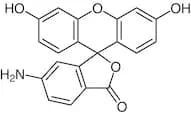
CAS:Formula:C40H30Cl2N10O6Purity:>98.0%(T)(HPLC)Color and Shape:Light yellow to Brown powder to crystalMolecular weight:817.646-Aminofluorescein (isomer II)
CAS:Formula:C20H13NO5Purity:>95.0%(T)Color and Shape:Light yellow to Brown powder to crystalMolecular weight:347.334-Nitrophenyl β-D-Glucuronide [Substrate for β-Glucuronidase]
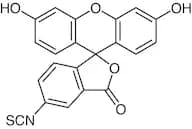
CAS:Formula:C12H13NO9Purity:>98.0%(HPLC)Color and Shape:White to Yellow to Orange powder to crystalMolecular weight:315.23Fluorescein 5-Isothiocyanate (isomer I)
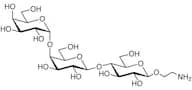
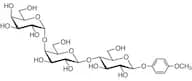
CAS:Formula:C21H11NO5SPurity:>97.0%(T)(HPLC)Color and Shape:White to Yellow to Orange powder to crystalMolecular weight:389.38Gb3-β-MP
CAS:Formula:C25H38O17Purity:>95.0%(HPLC)Color and Shape:White to Almost white powder to crystalMolecular weight:610.56GlcNAcβ(1-4)[Fucα(1-6)]GlcNAc
CAS:Formula:C22H38N2O15Purity:>98.0%(HPLC)Color and Shape:White to Almost white powder to crystalMolecular weight:570.55Ganglioside GM3(Neu5Gc) (phyto-type)
CAS:Formula:C59H110N2O23Purity:min. 95.0 area%(HPLC)Color and Shape:SolidMolecular weight:1,215.52N-(2-Hydroxy-3-sulfopropyl)-3,5-dimethoxyaniline Sodium Salt [for Biochemical Research]
CAS:Formula:C11H16NNaO6SPurity:>98.0%(HPLC)Color and Shape:White to Light yellow to Light orange powder to crystalMolecular weight:313.30Disodium 4-Nitrophenyl Phosphate Hexahydrate [for Biochemical Research]
CAS:Formula:C6H4NNa2O6P·6H2OPurity:>98.0%(T)(HPLC)Color and Shape:White to Light yellow powder to crystalMolecular weight:371.142-Nitrophenyl β-D-Galactopyranoside [Substrate for β-D-Galactosidase]
CAS:Formula:C12H15NO8Purity:>98.0%(HPLC)Color and Shape:White to Light yellow powder to crystalineMolecular weight:301.25Sialyl Lewis X-Lactose Ethylamine
Formula:C45H77N3O33Purity:min. 95.0 area%(HPLC)Color and Shape:SolidMolecular weight:1,188.10Glucose Oxidase from Aspergillus niger
CAS:Color and Shape:Light yellow to Yellow to Orange powder to crystalNeu5Acα(2-6)Galβ(1-4)GlcNAcβ(1-3)Galβ(1-4)GlcNAc-β-propylamine
CAS:Formula:C42H72N4O29Purity:min. 95.0 area%(HPLC)Color and Shape:SolidMolecular weight:1,097.04Lectin, Fucose specific (= AOL) from Aspergillus oryzae (5mg/mL, PBS pH6.5)
Color and Shape:Colorless to Light yellow to Light orange clear liquidCD95 rabbit pAb
The protein encoded by this gene is a member of the TNF-receptor superfamily. This receptor contains a death domain. It has been shown to play a central role in the physiological regulation of programmed cell death, and has been implicated in the pathogenesis of various malignancies and diseases of the immune system. The interaction of this receptor with its ligand allows the formation of a death-inducing signaling complex that includes Fas-associated death domain protein (FADD), caspase 8, and caspase 10. The autoproteolytic processing of the caspases in the complex triggers a downstream caspase cascade, and leads to apoptosis. This receptor has been also shown to activate NF-kappaB, MAPK3/ERK1, and MAPK8/JNK, and is found to be involved in transducing the proliferating signals in normal diploid fibroblast and T cells. Several alternatively spliced transcript variants have been described, sZFHX4 rabbit pAb
disease:A chromosomal aberration involving [ZFHX4] is found in one patient with ptosis. Translocation t(1;8)(p34.3;q21.12).,function:May play a role in neural and muscle differentiation (By similarity). May be involved in transcriptional regulation.,similarity:Belongs to the krueppel C2H2-type zinc-finger protein family.,similarity:Contains 20 C2H2-type zinc fingers.,similarity:Contains 4 homeobox DNA-binding domains.,tissue specificity:Expressed in brain, skeletal muscle and liver. Very low expression in stomach.,VGLL4 rabbit pAb
function:May act as a specific coactivator for the mammalian TEFs.,similarity:Belongs to the vestigial family.,subunit:Interacts with TEFs.,CITE1 rabbit pAb
This gene encodes a member of the CREB-binding protein/p300-interacting transactivator with Asp/Glu-rich C-terminal domain (CITED) family of proteins. The encoded protein, also known as melanocyte-specific gene 1, may function as a transcriptional coactivator and may play a role in pigmentation of melanocytes. Alternatively spliced transcript variants have been described. [provided by RefSeq, Jan 2009],TNR18 rabbit pAb
This gene encodes a member of the TNF-receptor superfamily. The encoded receptor has been shown to have increased expression upon T-cell activation, and it is thought to play a key role in dominant immunological self-tolerance maintained by CD25(+)CD4(+) regulatory T cells. Knockout studies in mice also suggest the role of this receptor is in the regulation of CD3-driven T-cell activation and programmed cell death. Three alternatively spliced transcript variants of this gene encoding distinct isoforms have been reported. [provided by RefSeq, Feb 2011],MEK Kinase-6 rabbit pAb
This gene encodes a serine/threonine protein kinase that forms a component of protein kinase-mediated signal transduction cascades. The encoded kinase participates in the regulation of vascular endothelial growth factor (VEGF) expression. Alternative splicing results in multiple transcript variants. [provided by RefSeq, Jul 2014],MIB2 rabbit pAb
function:E3 ubiquitin-protein ligase that mediates ubiquitination of Delta receptors, which act as ligands of Notch proteins. Positively regulates the Delta-mediated Notch signaling by ubiquitinating the intracellular domain of Delta, leading to endocytosis of Delta receptors.,induction:Down-regulated in many primary skin melanomas. Treatment with a demethylating agent, 5'-aza-2-deoxycytidine, restores expression, suggesting that down-regulation is the result of methylation of the gene.,pathway:Protein modification; protein ubiquitination.,PTM:Ubiquitinated. Possibly via autoubiquitination.,similarity:Contains 1 ZZ-type zinc finger.,similarity:Contains 2 MIB/HERC2 domains.,similarity:Contains 2 RING-type zinc fingers.,similarity:Contains 9 ANK repeats.,subcellular location:Colocalizes with endosomal compartments.,subunit:Interacts with actin monomer.,tissue specificity:Expressed in skeletal muscle, and to a lesser extent in heart, brain and kidney.,CYP8B1 rabbit pAb
This gene encodes a member of the cytochrome P450 superfamily of enzymes. The cytochrome P450 proteins are monooxygenases which catalyze many reactions involved in drug metabolism and synthesis of cholesterol, steroids and other lipids. This endoplasmic reticulum membrane protein catalyzes the conversion of 7 alpha-hydroxy-4-cholesten-3-one into 7-alpha,12-alpha-dihydroxy-4-cholesten-3-one. The balance between these two steroids determines the relative amounts of cholic acid and chenodeoxycholic acid both of which are secreted in the bile and affect the solubility of cholesterol. This gene is unique among the cytochrome P450 genes in that it is intronless. [provided by RefSeq, Jul 2008],MEK-6 (phospho Ser207) rabbit pAb
This gene encodes a member of the dual specificity protein kinase family, which functions as a mitogen-activated protein (MAP) kinase kinase. MAP kinases, also known as extracellular signal-regulated kinases (ERKs), act as an integration point for multiple biochemical signals. This protein phosphorylates and activates p38 MAP kinase in response to inflammatory cytokines or environmental stress. As an essential component of p38 MAP kinase mediated signal transduction pathway, this gene is involved in many cellular processes such as stress induced cell cycle arrest, transcription activation and apoptosis. [provided by RefSeq, Jul 2008],GBP1 rabbit pAb
Guanylate binding protein expression is induced by interferon. Guanylate binding proteins are characterized by their ability to specifically bind guanine nucleotides (GMP, GDP, and GTP) and are distinguished from the GTP-binding proteins by the presence of 2 binding motifs rather than 3. [provided by RefSeq, Jul 2008],MASTL rabbit pAb
This gene encodes a microtubule-associated serine/threonine kinase. Mutations at this locus have been associated with autosomal dominant thrombocytopenia, also known as thrombocytopenia-2. Alternatively spliced transcript variants have been described for this locus. [provided by RefSeq, Feb 2010],EF-1 α1/2 rabbit pAb
This gene encodes an isoform of the alpha subunit of the elongation factor-1 complex, which is responsible for the enzymatic delivery of aminoacyl tRNAs to the ribosome. This isoform (alpha 1) is expressed in brain, placenta, lung, liver, kidney, and pancreas, and the other isoform (alpha 2) is expressed in brain, heart and skeletal muscle. This isoform is identified as an autoantigen in 66% of patients with Felty syndrome. This gene has been found to have multiple copies on many chromosomes, some of which, if not all, represent different pseudogenes. [provided by RefSeq, Jul 2008],PRAS40 (phospho-Ser183) rabbit pAb
AKT1S1 is a proline-rich substrate of AKT (MIM 164730) that binds 14-3-3 protein (see YWHAH, MIM 113508) when phosphorylated (Kovacina et al., 2003 [PubMed 12524439]).[supplied by OMIM, Mar 2008],Op18 (phospho Ser62) rabbit pAb
This gene belongs to the stathmin family of genes. It encodes a ubiquitous cytosolic phosphoprotein proposed to function as an intracellular relay integrating regulatory signals of the cellular environment. The encoded protein is involved in the regulation of the microtubule filament system by destabilizing microtubules. It prevents assembly and promotes disassembly of microtubules. Multiple transcript variants encoding different isoforms have been found for this gene. [provided by RefSeq, Feb 2009],CALR3 rabbit pAb
The protein encoded by this gene belongs to the calreticulin family, members of which are calcium-binding chaperones localized mainly in the endoplasmic reticulum. This protein is also localized to the endoplasmic reticulum lumen, however, its capacity for calcium-binding may be absent or much lower than other family members. This gene is specifically expressed in the testis, and may be required for sperm fertility. Mutation in this gene has been associated with familial hypertrophic cardiomyopathy. [provided by RefSeq, Dec 2011],Mnk1 (phospho Thr250) rabbit pAb
MAP kinase interacting serine/threonine kinase 1(MKNK1) Homo sapiens This gene encodes a Ser/Thr protein kinase that interacts with, and is activated by ERK1 and p38 mitogen-activated protein kinases, and thus may play a role in the response to environmental stress and cytokines. This kinase may also regulate transcription by phosphorylating eIF4E via interaction with the C-terminal region of eIF4G. Alternatively spliced transcript variants have been noted for this gene. [provided by RefSeq, Jan 2012],Arginase I rabbit pAb
Arginase catalyzes the hydrolysis of arginine to ornithine and urea. At least two isoforms of mammalian arginase exist (types I and II) which differ in their tissue distribution, subcellular localization, immunologic crossreactivity and physiologic function. The type I isoform encoded by this gene, is a cytosolic enzyme and expressed predominantly in the liver as a component of the urea cycle. Inherited deficiency of this enzyme results in argininemia, an autosomal recessive disorder characterized by hyperammonemia. Two transcript variants encoding different isoforms have been found for this gene. [provided by RefSeq, Sep 2011],PRAK (phospho Thr182) rabbit pAb
The protein encoded by this gene is a tumor suppressor and member of the serine/threonine kinase family. In response to cellular stress and proinflammatory cytokines, this kinase is activated through its phosphorylation by MAP kinases including MAPK1/ERK, MAPK14/p38-alpha, and MAPK11/p38-beta. The encoded protein is found in the nucleus but translocates to the cytoplasm upon phosphorylation and activation. This kinase phosphorylates heat shock protein HSP27 at its physiologically relevant sites. Two alternately spliced transcript variants of this gene encoding distinct isoforms have been reported. [provided by RefSeq, Nov 2012],OSGI1 rabbit pAb
This gene encodes an oxidative stress response protein that regulates cell death. Expression of the gene is regulated by p53 and is induced by DNA damage. The protein regulates apoptosis by inducing cytochrome c release from mitochondria. It also appears to be a key regulator of both inflammatory and anti-inflammatory molecules. The loss of this protein correlates with uncontrolled cell growth and tumor formation. Naturally occurring read-through transcription exists between this gene and the neighboring upstream malonyl-CoA decarboxylase (MLYCD) gene, but the read-through transcripts are unlikely to produce a protein product. [provided by RefSeq, Aug 2011],PEPC rabbit pAb
This gene encodes an aspartic proteinase that belongs to the peptidase family A1. The encoded protein is a digestive enzyme that is produced in the stomach and constitutes a major component of the gastric mucosa. This protein is also secreted into the serum. This protein is synthesized as an inactive zymogen that includes a highly basic prosegment. This enzyme is converted into its active mature form at low pH by sequential cleavage of the prosegment that is carried out by the enzyme itself. Polymorphisms in this gene are associated with susceptibility to gastric cancers. Serum levels of this enzyme are used as a biomarker for certain gastric diseases including Helicobacter pylori related gastritis. Alternate splicing results in multiple transcript variants. A pseudogene of this gene is found on chromosome 1. [provided by RefSeq, Oct 2009],IRE1α rabbit pAb
The protein encoded by this gene is the ER to nucleus signalling 1 protein, a human homologue of the yeast Ire1 gene product. This protein possesses intrinsic kinase activity and an endoribonuclease activity and it is important in altering gene expression as a response to endoplasmic reticulum-based stress signals. [provided by RefSeq, Jul 2008],TIMAP rabbit pAb
The protein encoded by this gene is membrane-associated and contains five ankyrin repeats, a protein phosphatase-1-interacting domain, and a carboxy-terminal CAAX box domain. Synthesis of the encoded protein is inhibited by transforming growth factor beta-1. The protein may bind to the membrane through its CAAX box domain and may act as a signaling molecule through interaction with protein phosphatase-1. Alternative splicing results in multiple transcript variants encoding different isoforms that may undergo similar processing to generate mature protein. [provided by RefSeq, Sep 2015],OR1S1 rabbit pAb
Olfactory receptors interact with odorant molecules in the nose, to initiate a neuronal response that triggers the perception of a smell. The olfactory receptor proteins are members of a large family of G-protein-coupled receptors (GPCR) arising from single coding-exon genes. Olfactory receptors share a 7-transmembrane domain structure with many neurotransmitter and hormone receptors and are responsible for the recognition and G protein-mediated transduction of odorant signals. The olfactory receptor gene family is the largest in the genome. The nomenclature assigned to the olfactory receptor genes and proteins for this organism is independent of other organisms. This olfactory receptor gene is a segregating pseudogene, where some individuals have an allele that encodes a functional olfactory receptor, while other individuals have an allele encoding aKCNE4 rabbit pAb
potassium voltage-gated channel subfamily E regulatory subunit 4(KCNE4) Homo sapiens Voltage-gated potassium (Kv) channels represent the most complex class of voltage-gated ion channels from both functional and structural standpoints. Their diverse functions include regulating neurotransmitter release, heart rate, insulin secretion, neuronal excitability, epithelial electrolyte transport, smooth muscle contraction, and cell volume. This gene encodes a member of the potassium channel, voltage-gated, isk-related subfamily. This member is a type I membrane protein, and a beta subunit that assembles with a potassium channel alpha-subunit to modulate the gating kinetics and enhance stability of the multimeric complex. This gene is prominently expressed in the embryo and in adult uterus. [provided by RefSeq, Jul 2008],TMC7 rabbit pAb
function:May function as ion channels, transporters, or modulators of such.,similarity:Belongs to the TMC family.,TBL2 rabbit pAb
This gene encodes a member of the beta-transducin protein family. Most proteins of the beta-transducin family are involved in regulatory functions. This protein is possibly involved in some intracellular signaling pathway. This gene is deleted in Williams-Beuren syndrome, a developmental disorder caused by deletion of multiple genes at 7q11.23. [provided by RefSeq, Jul 2008],GPRC6A rabbit pAb
Members of family C of the G protein-coupled receptor (GPCR) superfamily, such as GPRC6A, are characterized by an evolutionarily conserved amino acid-sensing motif linked to an intramembranous 7-transmembrane loop region. Several members of GPCR family C, including GPRC6A, also have a long N-terminal domain (summary by Pi et al., 2005 [PubMed 16199532]).[supplied by OMIM, Nov 2010],C/EBP α (phospho Thr230) rabbit pAb
This intronless gene encodes a transcription factor that contains a basic leucine zipper (bZIP) domain and recognizes the CCAAT motif in the promoters of target genes. The encoded protein functions in homodimers and also heterodimers with CCAAT/enhancer-binding proteins beta and gamma. Activity of this protein can modulate the expression of genes involved in cell cycle regulation as well as in body weight homeostasis. Mutation of this gene is associated with acute myeloid leukemia. The use of alternative in-frame non-AUG (GUG) and AUG start codons results in protein isoforms with different lengths. Differential translation initiation is mediated by an out-of-frame, upstream open reading frame which is located between the GUG and the first AUG start codons. [provided by RefSeq, Dec 2013],Flotillin-2 rabbit pAb
Caveolae are small domains on the inner cell membrane involved in vesicular trafficking and signal transduction. This gene encodes a caveolae-associated, integral membrane protein, which is thought to function in neuronal signaling. [provided by RefSeq, Jul 2008],GRK 4 rabbit pAb
This gene encodes a member of the guanine nucleotide-binding protein (G protein)-coupled receptor kinase subfamily of the Ser/Thr protein kinase family. The protein phosphorylates the activated forms of G protein-coupled receptors thus initiating its deactivation. This gene has been linked to both genetic and acquired hypertension. Several transcript variants encoding different isoforms have been found for this gene. [provided by RefSeq, Nov 2013],Mcl-1 rabbit pAb
This gene encodes an anti-apoptotic protein, which is a member of the Bcl-2 family. Alternative splicing results in multiple transcript variants. The longest gene product (isoform 1) enhances cell survival by inhibiting apoptosis while the alternatively spliced shorter gene products (isoform 2 and isoform 3) promote apoptosis and are death-inducing. [provided by RefSeq, Oct 2010],SEC61B Polyclona Antibody
The Sec61 complex is the central component of the protein translocation apparatus of the endoplasmic reticulum (ER) membrane. Oligomers of the Sec61 complex form a transmembrane channel where proteins are translocated across and integrated into the ER membrane. This complex consists of three membrane proteins- alpha, beta, and gamma. This gene encodes the beta-subunit protein. The Sec61 subunits are also observed in the post-ER compartment, suggesting that these proteins can escape the ER and recycle back. There is evidence for multiple polyadenylated sites for this transcript. [provided by RefSeq, Jul 2008],POLR3D rabbit pAb
This gene complements a temperature-sensitive mutant isolated from the BHK-21 Syrian hamster cell line. It leads to a block in progression through the G1 phase of the cell cycle at nonpermissive temperatures. [provided by RefSeq, Jul 2008],Olfactory receptor 52W1 rabbit pAb
Olfactory receptors interact with odorant molecules in the nose, to initiate a neuronal response that triggers the perception of a smell. The olfactory receptor proteins are members of a large family of G-protein-coupled receptors (GPCR) arising from single coding-exon genes. Olfactory receptors share a 7-transmembrane domain structure with many neurotransmitter and hormone receptors and are responsible for the recognition and G protein-mediated transduction of odorant signals. The olfactory receptor gene family is the largest in the genome. The nomenclature assigned to the olfactory receptor genes and proteins for this organism is independent of other organisms. [provided by RefSeq, Jul 2008],HSP 75 rabbit pAb
This gene encodes a mitochondrial chaperone protein that is member of the heat shock protein 90 (HSP90) family. The encoded protein has ATPase activity and interacts with tumor necrosis factor type I. This protein may function in regulating cellular stress responses. Alternate splicing results in multiple transcript variants. [provided by RefSeq, Jan 2013],PDHK1 rabbit pAb
catalytic activity:ATP + a protein = ADP + a phosphoprotein.,function:Phosphorylates and activates not only PKB/AKT, but also PKA, PKC-zeta, RPS6KA1 and RPS6KB1. May play a general role in signaling processes and in development (By similarity). Isoform 3 is catalytically inactive.,PTM:Phosphorylated on tyrosine and serine/threonine. Phosphorylation on Ser-241 in the activation loop is required for full activity. PDK1 itself can autophosphorylate Ser-241, leading to its own activation.,similarity:Belongs to the protein kinase superfamily.,similarity:Belongs to the protein kinase superfamily. AGC Ser/Thr protein kinase family. PDK1 subfamily.,similarity:Contains 1 PH domain.,similarity:Contains 1 protein kinase domain.,subcellular location:Membrane-associated after cell stimulation leading to its translocation. Tyrosine phosphorylation seems to occur only at the plasma membrane.,subunit:Interacts with TUSC4.,tissue specificity:Appears to be expressed ubiquitously.,CD66c/d rabbit pAb
This gene encodes a member of the family of carcinoembryonic antigen-related cell adhesion molecules (CEACAMs), which are used by several bacterial pathogens to bind and invade host cells. The encoded transmembrane protein directs phagocytosis of several bacterial species that is dependent on the small GTPase Rac. It is thought to serve an important role in controlling human-specific pathogens by the innate immune system. Alternatively spliced transcript variants have been described. [provided by RefSeq, Mar 2013],Bim (phospho-Ser77) rabbit pAb
The protein encoded by this gene belongs to the BCL-2 protein family. BCL-2 family members form hetero- or homodimers and act as anti- or pro-apoptotic regulators that are involved in a wide variety of cellular activities. The protein encoded by this gene contains a Bcl-2 homology domain 3 (BH3). It has been shown to interact with other members of the BCL-2 protein family and to act as an apoptotic activator. The expression of this gene can be induced by nerve growth factor (NGF), as well as by the forkhead transcription factor FKHR-L1, which suggests a role of this gene in neuronal and lymphocyte apoptosis. Transgenic studies of the mouse counterpart suggested that this gene functions as an essential initiator of apoptosis in thymocyte-negative selection. Several alternatively spliced transcript variants of this gene have been identified. [provided by RefSeq, Jun 2013],


![4-Chloro-1-naphthol (Ready-to-use solution) [for Western blotting]](/_next/image/?url=https%3A%2Fstatic.cymitquimica.com%2Fproducts%2F3B%2Fthumb-webp%2FC3384.webp&w=3840&q=75)

![4-Nitrophenyl β-D-Galactopyranoside [Substrate for β-Galactosidase]](/_next/image/?url=https%3A%2Fstatic.cymitquimica.com%2Fproducts%2F3B%2Fthumb-webp%2FN0616.webp&w=3840&q=75)
![Sodium 3-[Ethyl(m-tolyl)amino]-2-hydroxy-1-propanesulfonate](/_next/image/?url=https%3A%2Fstatic.cymitquimica.com%2Fproducts%2F3B%2Fthumb-webp%2FS0805.webp&w=3840&q=75)
![Blue Tetrazolium [for Biochemical Research]](/_next/image/?url=https%3A%2Fstatic.cymitquimica.com%2Fproducts%2F3B%2Fthumb-webp%2FB3581.webp&w=3840&q=75)

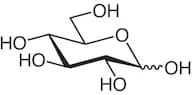
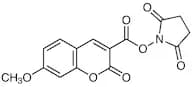
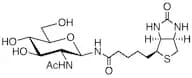
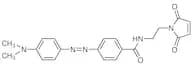
![3,3'-Diaminobenzidine [for Biochemical Research]](/_next/image/?url=https%3A%2Fstatic.cymitquimica.com%2Fproducts%2F3B%2Fthumb-webp%2FD3756.webp&w=3840&q=75)
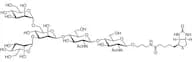
![4-Aminoantipyrine [for Biochemical Research]](/_next/image/?url=https%3A%2Fstatic.cymitquimica.com%2Fproducts%2F3B%2Fthumb-webp%2FA2254.webp&w=3840&q=75)




![5-Bromo-4-chloro-3-indolyl β-D-Galactopyranoside [for Biochemical Research]](/_next/image/?url=https%3A%2Fstatic.cymitquimica.com%2Fproducts%2F3B%2Fthumb-webp%2FB3201.webp&w=3840&q=75)
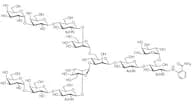

![4-Nitrophenyl β-D-Xylopyranoside [Substrate for β-Xylosidase]](/_next/image/?url=https%3A%2Fstatic.cymitquimica.com%2Fproducts%2F3B%2Fthumb-webp%2FN0620.webp&w=3840&q=75)
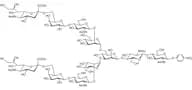
![4-Nitrophenyl α-D-Mannopyranoside [Substrate for α-Mannosidase]](/_next/image/?url=https%3A%2Fstatic.cymitquimica.com%2Fproducts%2F3B%2Fthumb-webp%2FN0619.webp&w=3840&q=75)
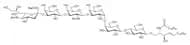
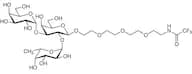
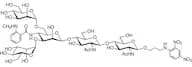
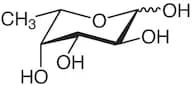


![Sodium 3-(N-Ethyl-3-methoxyanilino)-2-hydroxy-1-propanesulfonate [for Biochemical Research]](/_next/image/?url=https%3A%2Fstatic.cymitquimica.com%2Fproducts%2F3B%2Fthumb-webp%2FS0826.webp&w=3840&q=75)
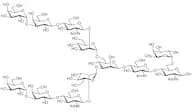
![1,2-Phenylenediamine Dihydrochloride [for Biochemical Research]](/_next/image/?url=https%3A%2Fstatic.cymitquimica.com%2Fproducts%2F3B%2Fthumb-webp%2FP1144.webp&w=3840&q=75)
![rGRFT-Biotin [for Manα(1-2)Man]](/_next/image/?url=https%3A%2Fstatic.cymitquimica.com%2Fproducts%2F3B%2Fthumb-webp%2FR0234.webp&w=3840&q=75)
![1-Naphthol [for Biochemical Research]](/_next/image/?url=https%3A%2Fstatic.cymitquimica.com%2Fproducts%2F3B%2Fthumb-webp%2FN0864.webp&w=3840&q=75)
![N,N-Dimethyl-1,4-phenylenediamine Dihydrochloride [for Biochemical Research]](/_next/image/?url=https%3A%2Fstatic.cymitquimica.com%2Fproducts%2F3B%2Fthumb-webp%2FD3931.webp&w=3840&q=75)

![3-Methyl-2-benzothiazolinonehydrazone Hydrochloride [for Biochemical Research]](/_next/image/?url=https%3A%2Fstatic.cymitquimica.com%2Fproducts%2F3B%2Fthumb-webp%2FM2155.webp&w=3840&q=75)
![N-Succinimidyl 4-[4-(Dimethylamino)phenylazo]benzoate](/_next/image/?url=https%3A%2Fstatic.cymitquimica.com%2Fproducts%2F3B%2Fthumb-webp%2FS0857.webp&w=3840&q=75)
![AzBTS [=2,2'-Azinobis(3-ethylbenzothiazoline-6-sulfonic Acid Ammonium Salt)] [for Biochemical Rese…](/_next/image/?url=https%3A%2Fstatic.cymitquimica.com%2Fproducts%2F3B%2Fthumb-webp%2FA2166.webp&w=3840&q=75)
![Disodium 1-Naphthyl Phosphate Hydrate [Substrate for Phosphatase]](/_next/image/?url=https%3A%2Fstatic.cymitquimica.com%2Fproducts%2F3B%2Fthumb-webp%2FP0263.webp&w=3840&q=75)
![6-Chloro-3-indolyl β-D-Galactopyranoside [for Biochemical Research]](/_next/image/?url=https%3A%2Fstatic.cymitquimica.com%2Fproducts%2F3B%2Fthumb-webp%2FC2371.webp&w=3840&q=75)


![rLSL-N-Biotin [for Galβ(1-4)GlcNAc, poly LacNAc]](/_next/image/?url=https%3A%2Fstatic.cymitquimica.com%2Fproducts%2F3B%2Fthumb-webp%2FR0231.webp&w=3840&q=75)



![AOL-LecBeads [for Fucα(1-6)/α(1-4)/α(1-3)/α(1-2)]](/_next/image/?url=https%3A%2Fstatic.cymitquimica.com%2Fproducts%2F3B%2Fthumb-webp%2FA3331.webp&w=3840&q=75)
![Sodium 3-(N-Ethylanilino)propanesulfonate [for Biochemical Research]](/_next/image/?url=https%3A%2Fstatic.cymitquimica.com%2Fproducts%2F3B%2Fthumb-webp%2FS0817.webp&w=3840&q=75)
![4-Chloro-1-naphthol [for Biochemical Research]](/_next/image/?url=https%3A%2Fstatic.cymitquimica.com%2Fproducts%2F3B%2Fthumb-webp%2FC2291.webp&w=3840&q=75)



![3,3',5,5'-Tetramethylbenzidine [for Biochemical Research]](/_next/image/?url=https%3A%2Fstatic.cymitquimica.com%2Fproducts%2F3B%2Fthumb-webp%2FT2573.webp&w=3840&q=75)
![Anti-DTBTA-Eu3+ Rabbit Polyclonal Antibody [2.5mg/mL in PBS(-)] (Preservative : 0.1% NaN3)](/_next/image/?url=https%3A%2Fstatic.cymitquimica.com%2Fproducts%2F3B%2Fthumb-webp%2FA2239.webp&w=3840&q=75)
![5-Bromo-4-chloro-3-indolyl Phosphate p-Toluidine Salt [for Biochemical Research]](/_next/image/?url=https%3A%2Fstatic.cymitquimica.com%2Fproducts%2F3B%2Fthumb-webp%2FB1239.webp&w=3840&q=75)


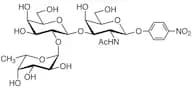


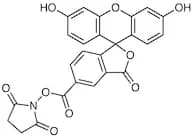
![4-Nitrophenyl β-D-Glucopyranoside Monohydrate [Substrate for β-D-Glucosidase]](/_next/image/?url=https%3A%2Fstatic.cymitquimica.com%2Fproducts%2F3B%2Fthumb-webp%2FN0235.webp&w=3840&q=75)
![N,N-Diethyl-m-toluidine [for Biochemical Research]](/_next/image/?url=https%3A%2Fstatic.cymitquimica.com%2Fproducts%2F3B%2Fthumb-webp%2FD3868.webp&w=3840&q=75)
![4-Aminoantipyrine Hydrochloride [for Biochemical Research]](/_next/image/?url=https%3A%2Fstatic.cymitquimica.com%2Fproducts%2F3B%2Fthumb-webp%2FA0257.webp&w=3840&q=75)
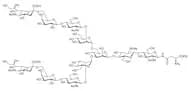
![4-Nitrophenyl Phosphate Di(tris) Salt [Substrate for Phosphatase]](/_next/image/?url=https%3A%2Fstatic.cymitquimica.com%2Fproducts%2F3B%2Fthumb-webp%2FN0422.webp&w=3840&q=75)
![1,2-Phenylenediamine [for Biochemical Research]](/_next/image/?url=https%3A%2Fstatic.cymitquimica.com%2Fproducts%2F3B%2Fthumb-webp%2FP1805.webp&w=3840&q=75)
![3,3'-Diaminobenzidine Tetrahydrochloride Hydrate [for Biochemical Research]](/_next/image/?url=https%3A%2Fstatic.cymitquimica.com%2Fproducts%2F3B%2Fthumb-webp%2FD3757.webp&w=3840&q=75)
![o-Dianisidine [for Biochemical Research]](/_next/image/?url=https%3A%2Fstatic.cymitquimica.com%2Fproducts%2F3B%2Fthumb-webp%2FD3864.webp&w=3840&q=75)

![2-(4-Iodophenyl)-3-(4-nitrophenyl)-5-phenyltetrazolium Chloride [for Biochemical Research]](/_next/image/?url=https%3A%2Fstatic.cymitquimica.com%2Fproducts%2F3B%2Fthumb-webp%2FI0781.webp&w=3840&q=75)

![4-Nitrophenyl α-D-Glucopyranoside [Substrate for α-D-Glucosidase]](/_next/image/?url=https%3A%2Fstatic.cymitquimica.com%2Fproducts%2F3B%2Fthumb-webp%2FN0493.webp&w=3840&q=75)
![4-Nitrophenyl Phosphate (Ready-to-use solution) [for ELISA]](/_next/image/?url=https%3A%2Fstatic.cymitquimica.com%2Fproducts%2F3B%2Fthumb-webp%2FN1109.webp&w=3840&q=75)
![rPSL1a-Biotin [for Siaα(2-6)Gal]](/_next/image/?url=https%3A%2Fstatic.cymitquimica.com%2Fproducts%2F3B%2Fthumb-webp%2FR0230.webp&w=3840&q=75)

![5-Aminosalicylic Acid [for Biochemical Research]](/_next/image/?url=https%3A%2Fstatic.cymitquimica.com%2Fproducts%2F3B%2Fthumb-webp%2FA2291.webp&w=3840&q=75)

![Galβ(1-3)GlcNAc[6S]β(1-3)Galβ(1-4)GlcNAc[6S]-β-PEG3-biotin](/_next/image/?url=https%3A%2Fstatic.cymitquimica.com%2Fproducts%2F3B%2Fthumb-webp%2FG0514.webp&w=3840&q=75)
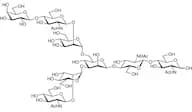
![rSRL-Biotin [for GlcNAcβ(1-2)Man, Galβ(1-3)GalNAc]](/_next/image/?url=https%3A%2Fstatic.cymitquimica.com%2Fproducts%2F3B%2Fthumb-webp%2FR0233.webp&w=3840&q=75)
![TMB [for ELISA] (Ready-to-use solution)](/_next/image/?url=https%3A%2Fstatic.cymitquimica.com%2Fproducts%2F3B%2Fthumb-webp%2FT3854.webp&w=3840&q=75)

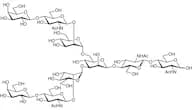
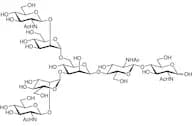


![5-Bromo-3-indolyl β-D-Galactopyranoside [for Biochemical Research]](/_next/image/?url=https%3A%2Fstatic.cymitquimica.com%2Fproducts%2F3B%2Fthumb-webp%2FB3470.webp&w=3840&q=75)
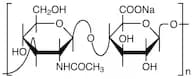
![2,4-Dichlorophenol [for Biochemical Research]](/_next/image/?url=https%3A%2Fstatic.cymitquimica.com%2Fproducts%2F3B%2Fthumb-webp%2FD3865.webp&w=3840&q=75)
![Nitro Blue Tetrazolium [for Biochemical Research]](/_next/image/?url=https%3A%2Fstatic.cymitquimica.com%2Fproducts%2F3B%2Fthumb-webp%2FD0844.webp&w=3840&q=75)
![4-Nitrophenyl β-D-Glucuronide [Substrate for β-Glucuronidase]](/_next/image/?url=https%3A%2Fstatic.cymitquimica.com%2Fproducts%2F3B%2Fthumb-webp%2FN0618.webp&w=3840&q=75)

![GlcNAcβ(1-4)[Fucα(1-6)]GlcNAc](/_next/image/?url=https%3A%2Fstatic.cymitquimica.com%2Fproducts%2F3B%2Fthumb-webp%2FG0423.webp&w=3840&q=75)
![N-(2-Hydroxy-3-sulfopropyl)-3,5-dimethoxyaniline Sodium Salt [for Biochemical Research]](/_next/image/?url=https%3A%2Fstatic.cymitquimica.com%2Fproducts%2F3B%2Fthumb-webp%2FS0827.webp&w=3840&q=75)
![AzBTS (Ready-to-use solution) [for ELISA]](/_next/image/?url=https%3A%2Fstatic.cymitquimica.com%2Fproducts%2F3B%2Fthumb-webp%2FA3176.webp&w=3840&q=75)
![Disodium 4-Nitrophenyl Phosphate Hexahydrate [for Biochemical Research]](/_next/image/?url=https%3A%2Fstatic.cymitquimica.com%2Fproducts%2F3B%2Fthumb-webp%2FD4005.webp&w=3840&q=75)
![2-Nitrophenyl β-D-Galactopyranoside [Substrate for β-D-Galactosidase]](/_next/image/?url=https%3A%2Fstatic.cymitquimica.com%2Fproducts%2F3B%2Fthumb-webp%2FN0418.webp&w=3840&q=75)