Metabolism
Metabolism inhibitors are compounds that interfere with metabolic pathways, altering the production and utilization of energy within cells. These inhibitors are used to study the regulation of metabolism, the role of metabolic pathways in diseases like cancer and diabetes, and to develop new therapeutic strategies. Metabolism inhibitors can target various enzymes and processes involved in glycolysis, fatty acid oxidation, and other metabolic functions. At CymitQuimica, we offer a wide range of high-quality metabolism inhibitors to support your research in biochemistry, metabolic disorders, and drug development.
Subcategories of "Metabolism"
- AhR(42 products)
- Aminopeptidase(76 products)
- CETP(20 products)
- Carbonic Anhydrase(197 products)
- Casein Kinase(139 products)
- DHFR(30 products)
- Decarboxylase(4 products)
- Dehydrogenase(303 products)
- FAAH(64 products)
- FXR(63 products)
- Factor Xa(87 products)
- Fatty Acid Synthase(37 products)
- Ferroptosis(233 products)
- GR(3 products)
- GSNOR(3 products)
- Glucokinase(56 products)
- HIF/HIF Prolyl-Hydroxylase(147 products)
- HMG-CoA Reductase(36 products)
- Hydroxylase(36 products)
- IDO(84 products)
- LDL(7 products)
- Lipase(107 products)
- Lipid(62 products)
- Lipoxygenase(134 products)
- MAO(84 products)
- MPO(2 products)
- NAMPT(40 products)
- P450(6 products)
- PAI-1(26 products)
- PDE(170 products)
- PED(1 products)
- PKM(17 products)
- PPAR(170 products)
- Phospholipase(84 products)
- ROR(47 products)
- Retinoid Receptor(16 products)
- SGK(10 products)
- Thioredoxin(12 products)
- Transferase(30 products)
- Transporter(43 products)
- UGT(4 products)
- Xanthine Oxidase (XO) Inhibitors(9 products)
Show 34 more subcategories
Found 9205 products of "Metabolism"
Sort by
Purity (%)
0
100
|
0
|
50
|
90
|
95
|
100
Mouse S1PR1(Sphingosine 1 Phosphate Receptor 1) ELISA Kit
The test principle applied in this kit is Sandwich enzyme immunoassay. The microtiter plate provided in this kit has been pre-coated with an antibody specific to Mouse S1PR1. Standards or samples are added to the appropriate microtiter plate wells then with a biotin-conjugated antibody specific to Mouse S1PR1. Next, Avidin conjugated to Horseradish Peroxidase (HRP) is added to each microplate well and incubated. After TMB substrate solution is added, only those wells that contain Mouse S1PR1, biotin-conjugated antibody and enzyme-conjugated Avidin will exhibit a change in color. The enzyme-substrate reaction is terminated by the addition of sulphuric acid solution and the color change is measured spectrophotometrically at a wavelength of 450nm ± 10nm. The concentration of Mouse S1PR1 in the samples is then determined by comparing the OD of the samples to the standard curve.Color and Shape:Colourless TransparentliquidGoat MMP13(Matrix Metalloproteinase 13) ELISA Kit
The test principle applied in this kit is Sandwich enzyme immunoassay. The microtiter plate provided in this kit has been pre-coated with an antibody specific to Goat MMP13. Standards or samples are added to the appropriate microtiter plate wells then with a biotin-conjugated antibody specific to Goat MMP13. Next, Avidin conjugated to Horseradish Peroxidase (HRP) is added to each microplate well and incubated. After TMB substrate solution is added, only those wells that contain Goat MMP13, biotin-conjugated antibody and enzyme-conjugated Avidin will exhibit a change in color. The enzyme-substrate reaction is terminated by the addition of sulphuric acid solution and the color change is measured spectrophotometrically at a wavelength of 450nm ± 10nm. The concentration of Goat MMP13 in the samples is then determined by comparing the OD of the samples to the standard curve.Color and Shape:Colourless TransparentliquidHuman HS(Heparan Sulfate) ELISA Kit
This assay employs the competitive inhibition enzyme immunoassay technique. The microtiter plate provided in this kit has been pre-coated with Human HS. Standards or samples are added to the appropriate microtiter plate wells then with a biotin-conjugated antibody specific to Human HS. Next, Avidin conjugated to Horseradish Peroxidase (HRP) is added to each microplate well and incubated. After TMB substrate solution is added. The enzyme-substrate reaction is terminated by the addition of sulphuric acid solution and the color change is measured spectrophotometrically at a wavelength of 450nm ± 10nm. The concentration of Human HS in the samples is then determined by comparing the OD of the samples to the standard curve.Color and Shape:Colourless TransparentliquidRat CORO1A(Coronin 1A) ELISA Kit
The test principle applied in this kit is Sandwich enzyme immunoassay. The microtiter plate provided in this kit has been pre-coated with an antibody specific to Rat CORO1A. Standards or samples are added to the appropriate microtiter plate wells then with a biotin-conjugated antibody specific to Rat CORO1A. Next, Avidin conjugated to Horseradish Peroxidase (HRP) is added to each microplate well and incubated. After TMB substrate solution is added, only those wells that contain Rat CORO1A, biotin-conjugated antibody and enzyme-conjugated Avidin will exhibit a change in color. The enzyme-substrate reaction is terminated by the addition of sulphuric acid solution and the color change is measured spectrophotometrically at a wavelength of 450nm ± 10nm. The concentration of Rat CORO1A in the samples is then determined by comparing the OD of the samples to the standard curve.Color and Shape:Colourless TransparentliquidChicken OC(Osteocalcin) ELISA Kit
The test principle applied in this kit is Sandwich enzyme immunoassay. The microtiter plate provided in this kit has been pre-coated with an antibody specific to Chicken OC. Standards or samples are added to the appropriate microtiter plate wells then with a biotin-conjugated antibody specific to Chicken OC. Next, Avidin conjugated to Horseradish Peroxidase (HRP) is added to each microplate well and incubated. After TMB substrate solution is added, only those wells that contain Chicken OC, biotin-conjugated antibody and enzyme-conjugated Avidin will exhibit a change in color. The enzyme-substrate reaction is terminated by the addition of sulphuric acid solution and the color change is measured spectrophotometrically at a wavelength of 450nm ± 10nm. The concentration of Chicken OC in the samples is then determined by comparing the OD of the samples to the standard curve.Color and Shape:Colourless TransparentliquidMDA(Malondialdehyde) ELISA Kit
This assay employs the competitive inhibition enzyme immunoassay technique. The microtiter plate provided in this kit has been pre-coated with MDA. Standards or samples are added to the appropriate microtiter plate wells then with a biotin-conjugated antibody specific to MDA. Next, Avidin conjugated to Horseradish Peroxidase (HRP) is added to each microplate well and incubated. After TMB substrate solution is added. The enzyme-substrate reaction is terminated by the addition of sulphuric acid solution and the color change is measured spectrophotometrically at a wavelength of 450nm ± 10nm. The concentration of MDA in the samples is then determined by comparing the OD of the samples to the standard curve.Color and Shape:Colourless TransparentliquidHuman SDC4(Syndecan 4) ELISA Kit
The test principle applied in this kit is Sandwich enzyme immunoassay. The microtiter plate provided in this kit has been pre-coated with an antibody specific to Human SDC4. Standards or samples are added to the appropriate microtiter plate wells then with a biotin-conjugated antibody specific to Human SDC4. Next, Avidin conjugated to Horseradish Peroxidase (HRP) is added to each microplate well and incubated. After TMB substrate solution is added, only those wells that contain Human SDC4, biotin-conjugated antibody and enzyme-conjugated Avidin will exhibit a change in color. The enzyme-substrate reaction is terminated by the addition of sulphuric acid solution and the color change is measured spectrophotometrically at a wavelength of 450nm ± 10nm. The concentration of Human SDC4 in the samples is then determined by comparing the OD of the samples to the standard curve.Color and Shape:Colourless TransparentliquidRat ADH3(Alcohol Dehydrogenase 3) ELISA Kit
The test principle applied in this kit is Sandwich enzyme immunoassay. The microtiter plate provided in this kit has been pre-coated with an antibody specific to Rat ADH3. Standards or samples are added to the appropriate microtiter plate wells then with a biotin-conjugated antibody specific to Rat ADH3. Next, Avidin conjugated to Horseradish Peroxidase (HRP) is added to each microplate well and incubated. After TMB substrate solution is added, only those wells that contain Rat ADH3, biotin-conjugated antibody and enzyme-conjugated Avidin will exhibit a change in color. The enzyme-substrate reaction is terminated by the addition of sulphuric acid solution and the color change is measured spectrophotometrically at a wavelength of 450nm ± 10nm. The concentration of Rat ADH3 in the samples is then determined by comparing the OD of the samples to the standard curve.Color and Shape:Colourless TransparentliquidActarit
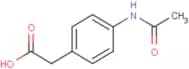
CAS:Actarit (4-acetylaminophenylacetic acid) is an anti-inflammatory drug.Formula:C10H11NO3Purity:99.64% - 99.74%Color and Shape:White Or Off-White Crystal Or Crystalline SolidMolecular weight:193.2Rabbit LIPD(Lipase, Lipoprotein) ELISA Kit
The test principle applied in this kit is Sandwich enzyme immunoassay. The microtiter plate provided in this kit has been pre-coated with an antibody specific to Rabbit LIPD. Standards or samples are added to the appropriate microtiter plate wells then with a biotin-conjugated antibody specific to Rabbit LIPD. Next, Avidin conjugated to Horseradish Peroxidase (HRP) is added to each microplate well and incubated. After TMB substrate solution is added, only those wells that contain Rabbit LIPD, biotin-conjugated antibody and enzyme-conjugated Avidin will exhibit a change in color. The enzyme-substrate reaction is terminated by the addition of sulphuric acid solution and the color change is measured spectrophotometrically at a wavelength of 450nm ± 10nm. The concentration of Rabbit LIPD in the samples is then determined by comparing the OD of the samples to the standard curve.Color and Shape:Colourless TransparentliquidMouse GR(Glutathione Reductase) ELISA Kit
The test principle applied in this kit is Sandwich enzyme immunoassay. The microtiter plate provided in this kit has been pre-coated with an antibody specific to Mouse GR. Standards or samples are added to the appropriate microtiter plate wells then with a biotin-conjugated antibody specific to Mouse GR. Next, Avidin conjugated to Horseradish Peroxidase (HRP) is added to each microplate well and incubated. After TMB substrate solution is added, only those wells that contain Mouse GR, biotin-conjugated antibody and enzyme-conjugated Avidin will exhibit a change in color. The enzyme-substrate reaction is terminated by the addition of sulphuric acid solution and the color change is measured spectrophotometrically at a wavelength of 450nm ± 10nm. The concentration of Mouse GR in the samples is then determined by comparing the OD of the samples to the standard curve.Color and Shape:Colourless TransparentliquidHuman GGCT(γ-Glutamylcyclotransferase) ELISA Kit
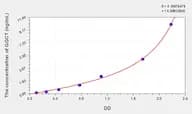
The test principle applied in this kit is Sandwich enzyme immunoassay. The microtiter plate provided in this kit has been pre-coated with an antibody specific to Human GGCT. Standards or samples are added to the appropriate microtiter plate wells then with a biotin-conjugated antibody specific to Human GGCT. Next, Avidin conjugated to Horseradish Peroxidase (HRP) is added to each microplate well and incubated. After TMB substrate solution is added, only those wells that contain Human GGCT, biotin-conjugated antibody and enzyme-conjugated Avidin will exhibit a change in color. The enzyme-substrate reaction is terminated by the addition of sulphuric acid solution and the color change is measured spectrophotometrically at a wavelength of 450nm ± 10nm. The concentration of Human GGCT in the samples is then determined by comparing the OD of the samples to the standard curve.Color and Shape:Colourless TransparentliquidHuman NMT1(Glycylpeptide N-tetradecanoyltransferase 1) ELISA Kit
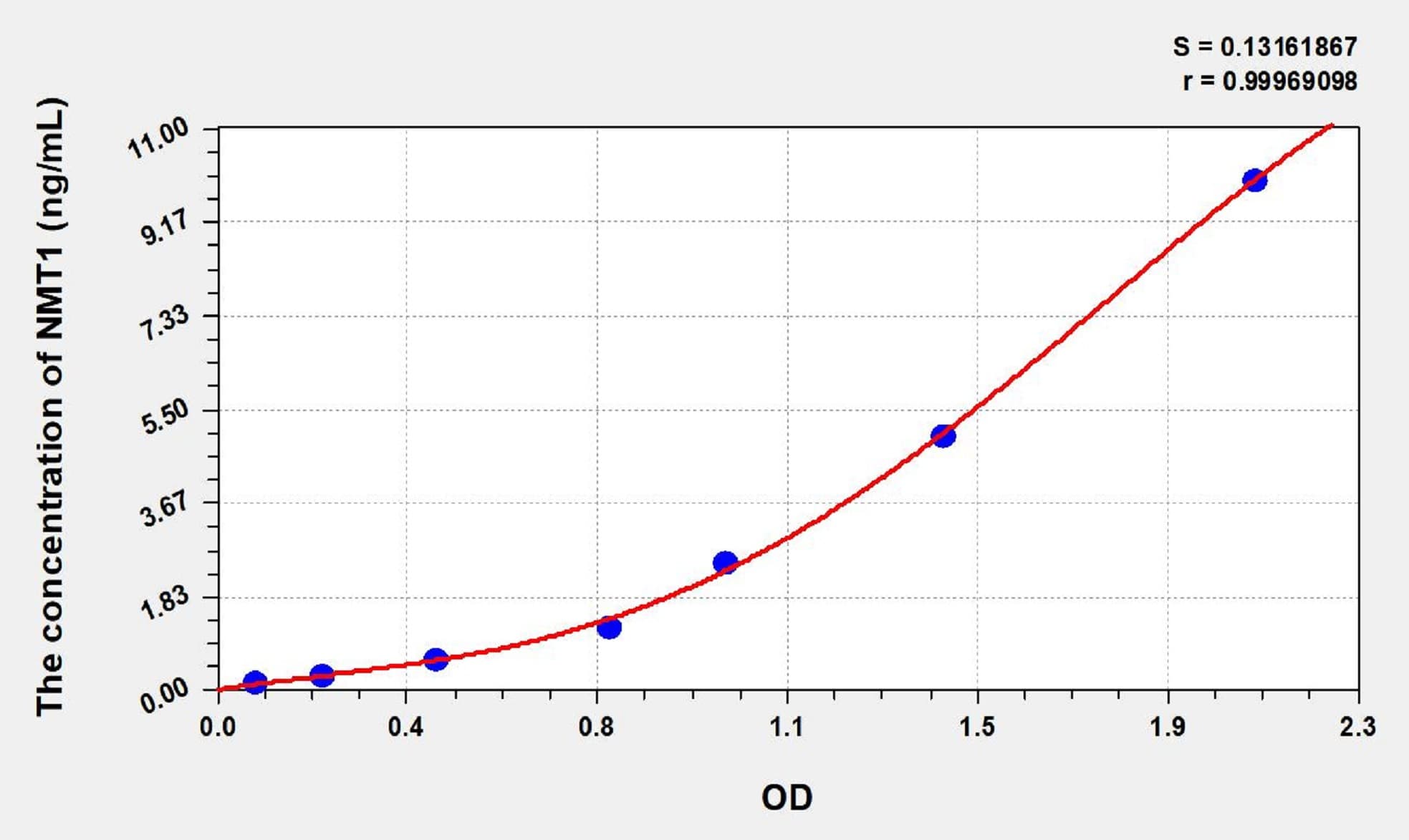
The test principle applied in this kit is Sandwich enzyme immunoassay. The microtiter plate provided in this kit has been pre-coated with an antibody specific to Human NMT1. Standards or samples are added to the appropriate microtiter plate wells then with a biotin-conjugated antibody specific to Human NMT1. Next, Avidin conjugated to Horseradish Peroxidase (HRP) is added to each microplate well and incubated. After TMB substrate solution is added, only those wells that contain Human NMT1, biotin-conjugated antibody and enzyme-conjugated Avidin will exhibit a change in color. The enzyme-substrate reaction is terminated by the addition of sulphuric acid solution and the color change is measured spectrophotometrically at a wavelength of 450nm ± 10nm. The concentration of Human NMT1 in the samples is then determined by comparing the OD of the samples to the standard curve.Color and Shape:Colourless TransparentliquidRat CYP2E1(Cytochrome P450 2E1) ELISA Kit
The test principle applied in this kit is Sandwich enzyme immunoassay. The microtiter plate provided in this kit has been pre-coated with an antibody specific to Rat CYP2E1. Standards or samples are added to the appropriate microtiter plate wells then with a biotin-conjugated antibody specific to Rat CYP2E1. Next, Avidin conjugated to Horseradish Peroxidase (HRP) is added to each microplate well and incubated. After TMB substrate solution is added, only those wells that contain Rat CYP2E1, biotin-conjugated antibody and enzyme-conjugated Avidin will exhibit a change in color. The enzyme-substrate reaction is terminated by the addition of sulphuric acid solution and the color change is measured spectrophotometrically at a wavelength of 450nm ± 10nm. The concentration of Rat CYP2E1 in the samples is then determined by comparing the OD of the samples to the standard curve.Color and Shape:Colourless TransparentliquidPFB-FDGlu
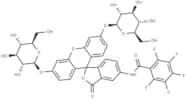
CAS:PFB-FDGlu, a cell-permeable GCase substrate, is cleaved to emit fluorescein, used to assess GCase activity in live cells via flow cytometry.
Formula:C39H32F5NO16Purity:98.35% - 99.86%Color and Shape:SolidMolecular weight:865.66Human A-GHRL(AcylatedGhrelin) ELISA Kit
The test principle applied in this kit is Sandwich enzyme immunoassay. The microtiter plate provided in this kit has been pre-coated with an antibody specific to Human A-GHRL. Standards or samples are added to the appropriate microtiter plate wells then with a biotin-conjugated antibody specific to Human A-GHRL. Next, Avidin conjugated to Horseradish Peroxidase (HRP) is added to each microplate well and incubated. After TMB substrate solution is added, only those wells that contain Human A-GHRL, biotin-conjugated antibody and enzyme-conjugated Avidin will exhibit a change in color. The enzyme-substrate reaction is terminated by the addition of sulphuric acid solution and the color change is measured spectrophotometrically at a wavelength of 450nm ± 10nm. The concentration of Human A-GHRL in the samples is then determined by comparing the OD of the samples to the standard curve.Color and Shape:Colourless TransparentliquidRat COL6a1(Collagen Type VI α 1) ELISA Kit
The test principle applied in this kit is Sandwich enzyme immunoassay. The microtiter plate provided in this kit has been pre-coated with an antibody specific to Rat COL6a1. Standards or samples are added to the appropriate microtiter plate wells then with a biotin-conjugated antibody specific to Rat COL6a1. Next, Avidin conjugated to Horseradish Peroxidase (HRP) is added to each microplate well and incubated. After TMB substrate solution is added, only those wells that contain Rat COL6a1, biotin-conjugated antibody and enzyme-conjugated Avidin will exhibit a change in color. The enzyme-substrate reaction is terminated by the addition of sulphuric acid solution and the color change is measured spectrophotometrically at a wavelength of 450nm ± 10nm. The concentration of Rat COL6a1 in the samples is then determined by comparing the OD of the samples to the standard curve.Color and Shape:Colourless TransparentliquidRat COL2(Collagen Type II) ELISA Kit
The test principle applied in this kit is Sandwich enzyme immunoassay. The microtiter plate provided in this kit has been pre-coated with an antibody specific to Rat COL2. Standards or samples are added to the appropriate microtiter plate wells then with a biotin-conjugated antibody specific to Rat COL2. Next, Avidin conjugated to Horseradish Peroxidase (HRP) is added to each microplate well and incubated. After TMB substrate solution is added, only those wells that contain Rat COL2, biotin-conjugated antibody and enzyme-conjugated Avidin will exhibit a change in color. The enzyme-substrate reaction is terminated by the addition of sulphuric acid solution and the color change is measured spectrophotometrically at a wavelength of 450nm ± 10nm. The concentration of Rat COL2 in the samples is then determined by comparing the OD of the samples to the standard curve.Color and Shape:Colourless TransparentliquidHuman KS(Keratan Sulfate) ELISA Kit
This assay employs the competitive inhibition enzyme immunoassay technique. The microtiter plate provided in this kit has been pre-coated with Human KS. Standards or samples are added to the appropriate microtiter plate wells then with a biotin-conjugated antibody specific to Human KS. Next, Avidin conjugated to Horseradish Peroxidase (HRP) is added to each microplate well and incubated. After TMB substrate solution is added. The enzyme-substrate reaction is terminated by the addition of sulphuric acid solution and the color change is measured spectrophotometrically at a wavelength of 450nm ± 10nm. The concentration of Human KS in the samples is then determined by comparing the OD of the samples to the standard curve.Color and Shape:Colourless TransparentliquidERAP1-IN-1
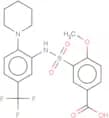
CAS:ERAP1-IN-1 inhibits and allosterically activates ERAP1, affecting fluorogenic, chromogenic, and nonamer peptide substrates.Formula:C20H21F3N2O5SPurity:98.95%Color and Shape:SolidMolecular weight:458.45Ref: TM-T11221
1mg82.00€5mg161.00€1mL*10mM (DMSO)161.00€10mg259.00€25mg425.00€50mg583.00€100mg800.00€200mg1,071.00€