Metabolism
Metabolism inhibitors are compounds that interfere with metabolic pathways, altering the production and utilization of energy within cells. These inhibitors are used to study the regulation of metabolism, the role of metabolic pathways in diseases like cancer and diabetes, and to develop new therapeutic strategies. Metabolism inhibitors can target various enzymes and processes involved in glycolysis, fatty acid oxidation, and other metabolic functions. At CymitQuimica, we offer a wide range of high-quality metabolism inhibitors to support your research in biochemistry, metabolic disorders, and drug development.
Subcategories of "Metabolism"
- AhR(41 products)
- Aminopeptidase(67 products)
- CETP(18 products)
- Carbonic Anhydrase(177 products)
- Casein Kinase(130 products)
- DHFR(32 products)
- Decarboxylase(4 products)
- Dehydrogenase(267 products)
- FAAH(63 products)
- FXR(58 products)
- Factor Xa(80 products)
- Fatty Acid Synthase(32 products)
- Ferroptosis(215 products)
- GR(3 products)
- GSNOR(3 products)
- Glucokinase(53 products)
- HIF/HIF Prolyl-Hydroxylase(142 products)
- HMG-CoA Reductase(32 products)
- Hydroxylase(30 products)
- IDO(82 products)
- LDL(8 products)
- Lipase(96 products)
- Lipid(59 products)
- Lipoxygenase(124 products)
- MAO(87 products)
- MPO(2 products)
- NAMPT(36 products)
- P450(6 products)
- PAI-1(25 products)
- PDE(165 products)
- PED(1 products)
- PKM(15 products)
- PPAR(164 products)
- Phospholipase(82 products)
- ROR(42 products)
- Retinoid Receptor(29 products)
- SGK(11 products)
- Thioredoxin(12 products)
- Transferase(30 products)
- Transporter(42 products)
- UGT(4 products)
- Xanthine Oxidase (XO) Inhibitors(9 products)
Show 34 more subcategories
Found 8597 products of "Metabolism"
Sort by
Purity (%)
0
100
|
0
|
50
|
90
|
95
|
100
Calcitriol Derivatives
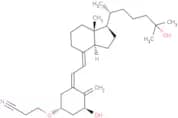
<p>Calcitriol Derivatives is an analog of vitamin D3.</p>Formula:C30H47NO3Purity:98%Color and Shape:SolidMolecular weight:469.7ESI1
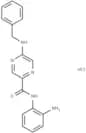
<p>ESI1 is a small molecule inhibitor of epigenetic silencing. This compound induces the formation of nuclear aggregates of the key lipid metabolism regulator SREBP1/2, thereby concentrating transcription co-activators to drive lipid/cholesterol biosynthesis. Additionally, ESI1 promotes myelin regeneration in demyelination animal models and facilitates de novo myelination on regenerating CNS axons, reversing age-related cognitive decline.</p>Formula:C18H18ClN5OColor and Shape:SolidMolecular weight:355.8219,20-Epoxycytochalasin D
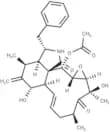
CAS:<p>Fungal metabolite 19,20-Epoxycytochalasin D from Nemania sp. kills P. falciparum; non-toxic to Vero, toxic to BT-549, LLC-PK11, P388 cells.</p>Formula:C30H37NO7Color and Shape:SolidMolecular weight:523.626NU223612
CAS:<p>"NU223612 is a potent IDO1-degrading PROTAC with Kd 640 nM, binds CRBN at 290 nM, and crosses the BBB."</p>Formula:C49H55FN6O9Color and Shape:SolidMolecular weight:890.99Galactose 1-dehydrogenase
<p>Galactose 1-dehydrogenase, pseudomonas fluorescens, a dehydrogenase found in Pseudomonas fluorescens, facilitates the oxidation of L-arabinose and D-galactose, utilizing NADP+/NAD+ as a cofactor. This enzyme is employed in diagnostic assays to quantify total galactose levels and serves as a biocatalyst in the production of galacturonic acid salts.</p>Color and Shape:Odour Solidsn-Glycerol 3-phosphate lithium
<p>Lithium sn-glycerol 3-phosphate made by converting dihydroxyacetone phosphate via NADH from glycolysis.</p>Color and Shape:SolidYokonoside
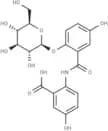
CAS:<p>Yokonoside is a biochemical.</p>Formula:C20H21NO11Color and Shape:SolidMolecular weight:451.384Glycerol-3-phosphate dehydrogenase
CAS:<p>Glycerol-3-phosphate dehydrogenase from Saccharomyces cerevisiae is an enzyme that catalyzes the oxidation of glycerol-3-phosphate (G3P) to dihydroxyacetone phosphate (DHAP), playing a crucial role in glycerol metabolism and energy production. This enzyme acts as the rate-limiting step in glycerol production within Saccharomyces cerevisiae, regulating glycerol formation and accumulation to aid the yeast in adapting to hyperosmotic environments. Additionally, glycerol-3-phosphate dehydrogenase from Saccharomyces cerevisiae is relevant in research within the field of metabolic engineering.</p>Color and Shape:SolidDiacetinase
<p>Diacetinase, a member of the esterase family, catalyzes the hydrolysis of glyceryl diacetate (Diacetin). It is utilized in the measurement of lipase activity.</p>Color and Shape:Odour SolidAutophagy inducer 5
<p>Autophagyinducer 5 (compound 21o) serves as a potent inhibitor of MCF-7 (IC50: 2 μM), making it a potential candidate for breast cancer therapy. It induces autophagy by activating the ROS/JNK signaling pathway, which increases ROS production and JNK phosphorylation, ultimately exerting cytotoxic effects.</p>Formula:C41H52N4O3Color and Shape:SolidMolecular weight:648.88KKII5
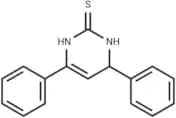
CAS:<p>KKII5 is a potent inhibitor of the lipoxygenase LOX-1 with an IC50 of 19 μM.KKII5 inhibits lipid peroxidation and enhances the ability of the active centers of</p>Formula:C16H14N2SPurity:99.34%Color and Shape:SolidMolecular weight:266.36Pregnant mare serum gonadotropin
CAS:<p>Pregnant mare serum gonadotropin (PMSG) functions as a gonadotropin that enhances follicular development and ovulation in animals. This compound operates by modulating blood hormones, gonadotropins, and cytoplasmic estradiol receptors in the anterior pituitary and hypothalamus. Commonly employed in livestock to boost reproductive efficiency, PMSG is also valuable for research focused on estrous cycle regulation.</p>Color and Shape:SolidSorbitol-6-phosphate 2-dehydrogenase
CAS:<p>Sorbitol-6-phosphate 2-dehydrogenase, a dehydrogenase enzyme produced by Escherichia coli, catalyzes the interconversion of D-sorbitol 6-phosphate and D-fructose 6-phosphate. The enzyme oxidizes D-sorbitol 6-phosphate at a rate ten times faster than it reduces D-fructose 6-phosphate, playing a role in various cellular processes.</p>Color and Shape:Solid12α-Hydroxysteroid dehydrogenase
CAS:<p>12α-Hydroxysteroid dehydrogenase, an NAD-dependent enzyme expressed in Bacillus sphaericus, actively processes both free and conjugated bile salts. It is utilized to determine the levels of 12α-hydroxy bile acids in serum.</p>Color and Shape:SolidMethyl (5α,7α)-7-hydroxy-3-oxocholan-24-oate
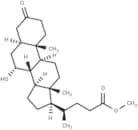
CAS:<p>Compound 7a, Methyl (5α,7α)-7-hydroxy-3-oxocholan-24-oate, is a metabolite of bile acid.</p>Formula:C25H40O4Color and Shape:SolidMolecular weight:404.58Angiotensin I-13C6,15N (human, mouse, rat) TFA
<p>Angiotensin I-13C6,15N (human, mouse, rat) TFA is a labeled version of Angiotensin I, using isotopes 13C and 15N, specifically targeted for human, mouse, and rat studies. This compound serves as a precursor to angiotensin II, which is formed through the cleavage by angiotensin-converting enzyme (ACE).</p>Formula:C5713C6H89N1615NO14·xC2HF3O2Color and Shape:SolidMolecular weight:1303.42 (free base)PDE11A4-IN-1
<p>PDE11A4-IN-1 (compound 23b) is a potent, selective inhibitor of PDE11A4, demonstrating an IC50 of 12 nM and exhibiting high selectivity against PDE1, PDE2,</p>Color and Shape:Odour SolidMPC-IN-1
<p>MPC-IN-1 (compound 4i), a derivative of UK-5099, is a cyanocinnamate-based inhibitor of the mitochondrial pyruvate transporter (MPC). This compound selectively fosters the development of hair follicle stem cells while not impacting normal cells. It enhances cellular lactate production and has shown significant hair growth promotion in mice, suggesting its potential use in combating hair loss.</p>Formula:C18H13N3O2Color and Shape:SolidMolecular weight:303.31DSPE-PEG1000-THRPPMWSPVWP
<p>DSPE-PEG1000-THRPPMWSPVWP is a PEG compound composed of DSPE and the transferrin receptor (TfR) peptide. The THRPPMWSPVWP peptide binds to TfR and is subsequently internalized into cells expressing TfR.</p>Color and Shape:Odour SolidLeuhistin
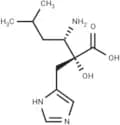
CAS:<p>Leuhistin is an aminopeptidases N inhibitor isolated from Bacillus laterosporus BMI156-14F1.</p>Formula:C11H19N3O3Purity:98%Color and Shape:White To Off-White SolidMolecular weight:241.29