Metabolism
Metabolism inhibitors are compounds that interfere with metabolic pathways, altering the production and utilization of energy within cells. These inhibitors are used to study the regulation of metabolism, the role of metabolic pathways in diseases like cancer and diabetes, and to develop new therapeutic strategies. Metabolism inhibitors can target various enzymes and processes involved in glycolysis, fatty acid oxidation, and other metabolic functions. At CymitQuimica, we offer a wide range of high-quality metabolism inhibitors to support your research in biochemistry, metabolic disorders, and drug development.
Subcategories of "Metabolism"
- AhR(41 products)
- Aminopeptidase(67 products)
- CETP(18 products)
- Carbonic Anhydrase(178 products)
- Casein Kinase(130 products)
- DHFR(33 products)
- Decarboxylase(4 products)
- Dehydrogenase(270 products)
- FAAH(64 products)
- FXR(58 products)
- Factor Xa(80 products)
- Fatty Acid Synthase(33 products)
- Ferroptosis(215 products)
- GR(3 products)
- GSNOR(3 products)
- Glucokinase(54 products)
- HIF/HIF Prolyl-Hydroxylase(142 products)
- HMG-CoA Reductase(33 products)
- Hydroxylase(30 products)
- IDO(82 products)
- LDL(8 products)
- Lipase(97 products)
- Lipid(59 products)
- Lipoxygenase(125 products)
- MAO(87 products)
- MPO(2 products)
- NAMPT(36 products)
- P450(6 products)
- PAI-1(25 products)
- PDE(166 products)
- PED(1 products)
- PKM(15 products)
- PPAR(164 products)
- Phospholipase(82 products)
- ROR(42 products)
- Retinoid Receptor(29 products)
- SGK(11 products)
- Thioredoxin(12 products)
- Transferase(30 products)
- Transporter(42 products)
- UGT(4 products)
- Xanthine Oxidase (XO) Inhibitors(9 products)
Show 34 more subcategories
Found 8625 products of "Metabolism"
Sort by
Purity (%)
0
100
|
0
|
50
|
90
|
95
|
100
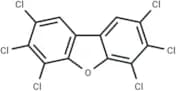
2,3,4,6,7,8-Hexachlorodibenzofuran
CAS:<p>2,3,4,6,7,8-Hexachlorodibenzofuran (2,3,4,6,7,8-HxCDF) is a type of polychlorinated dibenzofuran (PCDF). It induces the expression of aryl hydrocarbon hydroxylase (AHH) and ethoxyresorufin-o-deethylase (EROD) genes in H-4-II-E rat hepatoma cells, with EC50 values of 0.687 and 0.575 nM, respectively.</p>Formula:C12H2Cl6OColor and Shape:SolidMolecular weight:374.86Triethyl phosphate
CAS:<p>Triethyl phosphate is a chemical compound. It can be called "phosphoric acid, triethyl ester".</p>Formula:C6H15O4PPurity:98%Color and Shape:Clear LiquidMolecular weight:182.16HIF-1 α (556-574) (TFA)
<p>HIF-1 alpha (556-574) TFA is a 19-residue fragment of hypoxia-inducible factor-1 (HIF-1), which serves as the master regulator of oxygen homeostasis [1].</p>Purity:98%Color and Shape:Odour SolidDSPE-PEG1000-T7
<p>DSPE-PEG1000-T7 is a PEG compound composed of DSPE and transferrin receptor peptide (T7). The T7 peptide (HAIYPRH) specifically binds to TfR. DSPE-PEG1000-T7 is applicable in drug delivery.</p>Color and Shape:Odour SolidDSPE-PEG5000-M2pep
<p>DSPE-PEG5000-M2pep is a PEG compound composed of DSPE and the M2 macrophage-targeting peptide (M2pep). Serving either as a monovalent or multivalent ligand, M2pep is conjugated with pro-apoptotic peptides to direct toxicity specifically toward M2 macrophages. DSPE-PEG5000-M2pep is applicable for drug delivery.</p>Color and Shape:Odour SolidDSPE-PEG2000-PP1
<p>DSPE-PEG2000-PP1 is a PEG compound composed of DSPE and the PP1 peptide. The PP1 peptide specifically targets inflammatory atherosclerotic plaques. DSPE-PEG2000-PP1 is utilized in drug delivery applications.</p>Color and Shape:Odour SolidDSPE-PEG1000-LTLRWVGLMS
<p>DSPE-PEG1000-LTLRWVGLMS is a PEG compound composed of DSPE and the decapeptide (LTLRWVGLMS). The receptor for LLRWVGLMS is the chondroitin sulfate proteoglycan NG2. LLRWVGLMS demonstrates homing to pericytes associated with tumor vasculature. DSPE-PEG1000-LTLRWVGLMS can be utilized for drug delivery.</p>Color and Shape:Odour SolidDSPE-PEG2000-NGR
<p>DSPE-PEG2000-NGR is a PEG compound composed of DSPE and the Asn-Gly-Arg (NGR) peptide. The NGR peptide specifically targets the tumor vasculature antigen CD13. This compound is suitable for drug delivery applications.</p>Color and Shape:Odour SolidMAGL-IN-8
<p>MAGL-IN-8 (compound 13) serves as a reversible inhibitor of monoacylglycerol lipase (MAGL), exhibiting an inhibitory concentration half-maximal (IC50) value of</p>Purity:98%Color and Shape:Odour Solid1-Palmitoyl Lysophosphatidic Acid (sodium salt)
CAS:<p>1-Palmitoyl LPA: a palmitic acid-containing LPA analog, targets GPCRs, affects cell responses, and boosts β-lactam antibiotics against Pseudomonas aeruginosa.</p>Formula:C19H38NaO7PColor and Shape:SolidMolecular weight:432.46α-Glucosidase-IN-32
<p>α-Glucosidase-IN-32 (compound f26) is a reversible, noncompetitive inhibitor of α-glucosidase that is orally active and exhibits an IC50 of 3.07 μM.</p>Formula:C32H22N4OSPurity:98%Color and Shape:SolidMolecular weight:510.619AzNue5Ac
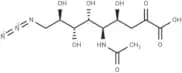
CAS:<p>9AzNue5Ac is a Neu5Ac analog that is metabolized in vivo in living cells and in mice.9AzNue5Ac binds to sialoglycans.</p>Formula:C11H18N4O8Purity:≥98%Color and Shape:SolidMolecular weight:334.28Monoglyceride lipase
CAS:<p>Monoglyceridelipase is a crucial enzyme involved in lipid metabolism, catalyzing the hydrolysis of monoglycerides (especially 2-AG, or 2-arachidonoylglycerol) into glycerol and free fatty acids. By regulating the levels of 2-AG, this enzyme impacts neural signaling, pain perception, inflammatory responses, and metabolic processes.</p>Color and Shape:Solidα-Glucosidase-IN-72
<p>α-Glucosidase-IN-72 (compound 5i), a 2,4-dichloro-N-phenylacetamide derivative, functions as an α-glucosidase inhibitor with an inhibitory concentration (IC 50) of 6 μM. Notably, it does not adhere to Lipinski's "rule of five" and is not a cancer inducer.</p>Formula:C37H26Cl2N4O9Color and Shape:SolidMolecular weight:741.53NAD Synthetase
CAS:<p>NAD Synthetase is responsible for the final step in the synthesis of Nicotinamide Adenine Dinucleotide (NAD). The enzyme sourced from Escherichia coli exhibits Km values of 200 μM for NAD, 11 μM for ATP, and 0.65 μM for ammonia. Conversely, NAD Synthetase derived from yeast demonstrates Km values of 170 μM for NAD, 190 μM for ATP, and 64 μM for ammonia. This enzyme is applicable in enzymatic assays for ATP, ammonia, urea, or creatinine and can also be used in enzymatic recycling methods. Additionally, NAD Synthetase holds potential for research into metabolic diseases, cancer, aging, and neurodegenerative disorders.</p>Color and Shape:SolidESI1
<p>ESI1 is a small molecule inhibitor of epigenetic silencing. This compound induces the formation of nuclear aggregates of the key lipid metabolism regulator SREBP1/2, thereby concentrating transcription co-activators to drive lipid/cholesterol biosynthesis. Additionally, ESI1 promotes myelin regeneration in demyelination animal models and facilitates de novo myelination on regenerating CNS axons, reversing age-related cognitive decline.</p>Formula:C18H18ClN5OColor and Shape:SolidMolecular weight:355.82α-Glucosidase-IN-42
<p>α-Glucosidase-IN-42 (Compound 26), a 9-O-berberrubine carboxylate derivative, exhibits potent α-glucosidase inhibitory activity with an IC50 value of 1.61 μM</p>Purity:98%Color and Shape:Odour SolidOctapeptide-2
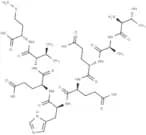
CAS:<p>Octapeptide-2 is a bioactive peptide known for its hair growth-promoting effects and is reported to be used as a cosmetic ingredient [1].</p>Formula:C38H60N10O16SPurity:98%Color and Shape:SolidMolecular weight:945.01Galactose 1-dehydrogenase
<p>Galactose 1-dehydrogenase, pseudomonas fluorescens, a dehydrogenase found in Pseudomonas fluorescens, facilitates the oxidation of L-arabinose and D-galactose, utilizing NADP+/NAD+ as a cofactor. This enzyme is employed in diagnostic assays to quantify total galactose levels and serves as a biocatalyst in the production of galacturonic acid salts.</p>Color and Shape:Odour SolidFABP4-IN-2
<p>FABP4-IN-2 (Compd 10g), a selective and orally active FABP4 inhibitor, exhibits K i values of 0.51 μM for FABP4 and 33.01 μM for FABP3, demonstrating its</p>Formula:C22H14ClF3O3Purity:98%Color and Shape:SolidMolecular weight:418.79