Metabolism
Metabolism inhibitors are compounds that interfere with metabolic pathways, altering the production and utilization of energy within cells. These inhibitors are used to study the regulation of metabolism, the role of metabolic pathways in diseases like cancer and diabetes, and to develop new therapeutic strategies. Metabolism inhibitors can target various enzymes and processes involved in glycolysis, fatty acid oxidation, and other metabolic functions. At CymitQuimica, we offer a wide range of high-quality metabolism inhibitors to support your research in biochemistry, metabolic disorders, and drug development.
Subcategories of "Metabolism"
- AhR(42 products)
- Aminopeptidase(76 products)
- CETP(20 products)
- Carbonic Anhydrase(196 products)
- Casein Kinase(139 products)
- DHFR(30 products)
- Decarboxylase(4 products)
- Dehydrogenase(302 products)
- FAAH(64 products)
- FXR(62 products)
- Factor Xa(87 products)
- Fatty Acid Synthase(37 products)
- Ferroptosis(227 products)
- GR(3 products)
- GSNOR(3 products)
- Glucokinase(56 products)
- HIF/HIF Prolyl-Hydroxylase(146 products)
- HMG-CoA Reductase(34 products)
- Hydroxylase(36 products)
- IDO(84 products)
- LDL(7 products)
- Lipase(107 products)
- Lipid(62 products)
- Lipoxygenase(133 products)
- MAO(85 products)
- MPO(2 products)
- NAMPT(40 products)
- P450(6 products)
- PAI-1(26 products)
- PDE(170 products)
- PED(1 products)
- PKM(17 products)
- PPAR(170 products)
- Phospholipase(85 products)
- ROR(47 products)
- Retinoid Receptor(20 products)
- SGK(10 products)
- Thioredoxin(12 products)
- Transferase(30 products)
- Transporter(43 products)
- UGT(4 products)
- Xanthine Oxidase (XO) Inhibitors(9 products)
Show 34 more subcategories
Found 9197 products of "Metabolism"
Sort by
Purity (%)
0
100
|
0
|
50
|
90
|
95
|
100
Human HDLBP(High Density Lipoprotein Binding Protein) Microsample ELISA Kit
The test principle applied in this kit is Sandwich enzyme immunoassay. The microtiter plate provided in this kit has been pre-coated with an antibody specific to Human HDLBP. Standards or samples are added to the appropriate microtiter plate wells then with a biotin-conjugated antibody specific to Human HDLBP. Next, Avidin conjugated to Horseradish Peroxidase (HRP) is added to each microplate well and incubated. After TMB substrate solution is added, only those wells that contain Human HDLBP, biotin-conjugated antibody and enzyme-conjugated Avidin will exhibit a change in color. The enzyme-substrate reaction is terminated by the addition of sulphuric acid solution and the color change is measured spectrophotometrically at a wavelength of 450nm ± 10nm. The concentration of Human HDLBP in the samples is then determined by comparing the OD of the samples to the standard curve.Rat LPIN1(Lipin 1) Microsample ELISA Kit
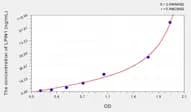
The test principle applied in this kit is Sandwich enzyme immunoassay. The microtiter plate provided in this kit has been pre-coated with an antibody specific to Rat LPIN1. Standards or samples are added to the appropriate microtiter plate wells then with a biotin-conjugated antibody specific to Rat LPIN1. Next, Avidin conjugated to Horseradish Peroxidase (HRP) is added to each microplate well and incubated. After TMB substrate solution is added, only those wells that contain Rat LPIN1, biotin-conjugated antibody and enzyme-conjugated Avidin will exhibit a change in color. The enzyme-substrate reaction is terminated by the addition of sulphuric acid solution and the color change is measured spectrophotometrically at a wavelength of 450nm ± 10nm. The concentration of Rat LPIN1 in the samples is then determined by comparing the OD of the samples to the standard curve.Mouse ALPI(Alkaline Phosphatase, Intestinal) ELISA Kit
The test principle applied in this kit is Sandwich enzyme immunoassay. The microtiter plate provided in this kit has been pre-coated with an antibody specific to Mouse ALPI. Standards or samples are added to the appropriate microtiter plate wells then with a biotin-conjugated antibody specific to Mouse ALPI. Next, Avidin conjugated to Horseradish Peroxidase (HRP) is added to each microplate well and incubated. After TMB substrate solution is added, only those wells that contain Mouse ALPI, biotin-conjugated antibody and enzyme-conjugated Avidin will exhibit a change in color. The enzyme-substrate reaction is terminated by the addition of sulphuric acid solution and the color change is measured spectrophotometrically at a wavelength of 450nm ± 10nm. The concentration of Mouse ALPI in the samples is then determined by comparing the OD of the samples to the standard curve.Human iPLA2(Phospholipase A2, Calcium Independent) Microsample ELISA Kit
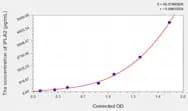
The test principle applied in this kit is Sandwich enzyme immunoassay. The microtiter plate provided in this kit has been pre-coated with an antibody specific to Human iPLA2. Standards or samples are added to the appropriate microtiter plate wells then with a biotin-conjugated antibody specific to Human iPLA2. Next, Avidin conjugated to Horseradish Peroxidase (HRP) is added to each microplate well and incubated. After TMB substrate solution is added, only those wells that contain Human iPLA2, biotin-conjugated antibody and enzyme-conjugated Avidin will exhibit a change in color. The enzyme-substrate reaction is terminated by the addition of sulphuric acid solution and the color change is measured spectrophotometrically at a wavelength of 450nm ± 10nm. The concentration of Human iPLA2 in the samples is then determined by comparing the OD of the samples to the standard curve.3,4-dihydroxyphenyl acetic acid (DOPAC) ELISA Kit
This assay employs the competitive inhibition enzyme immunoassay technique. The microtiter plate provided in this kit has been pre-coated with DOPAC protein. Standards or samples are added to the appropriate microtiter plate wells then with a biotin-conjugated antibody specific to DOPAC. Next, Avidin conjugated to Horseradish Peroxidase (HRP) is added to each microplate well and incubated. After TMB substrate solution is added. The enzyme-substrate reaction is terminated by the addition of sulphuric acid solution and the color change is measured spectrophotometrically at a wavelength of 450nm ± 10nm. The concentration of DOPAC in the samples is then determined by comparing the OD of the samples to the standard curve.
Human COL14(Collagen Type XIV) Microsample ELISA Kit
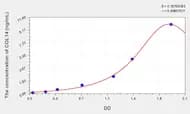
The test principle applied in this kit is Sandwich enzyme immunoassay. The microtiter plate provided in this kit has been pre-coated with an antibody specific to Human COL14. Standards or samples are added to the appropriate microtiter plate wells then with a biotin-conjugated antibody specific to Human COL14. Next, Avidin conjugated to Horseradish Peroxidase (HRP) is added to each microplate well and incubated. After TMB substrate solution is added, only those wells that contain Human COL14, biotin-conjugated antibody and enzyme-conjugated Avidin will exhibit a change in color. The enzyme-substrate reaction is terminated by the addition of sulphuric acid solution and the color change is measured spectrophotometrically at a wavelength of 450nm ± 10nm. The concentration of Human COL14 in the samples is then determined by comparing the OD of the samples to the standard curve.Mouse OCT(Ornithine Carbamoyl Transferase) ELISA Kit
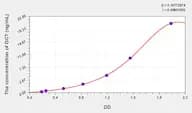
The test principle applied in this kit is Sandwich enzyme immunoassay. The microtiter plate provided in this kit has been pre-coated with an antibody specific to Mouse OCT. Standards or samples are added to the appropriate microtiter plate wells then with a biotin-conjugated antibody specific to Mouse OCT. Next, Avidin conjugated to Horseradish Peroxidase (HRP) is added to each microplate well and incubated. After TMB substrate solution is added, only those wells that contain Mouse OCT, biotin-conjugated antibody and enzyme-conjugated Avidin will exhibit a change in color. The enzyme-substrate reaction is terminated by the addition of sulphuric acid solution and the color change is measured spectrophotometrically at a wavelength of 450nm ± 10nm. The concentration of Mouse OCT in the samples is then determined by comparing the OD of the samples to the standard curve.Mouse GDF2(Growth Differentiation Factor 2) Microsample ELISA Kit
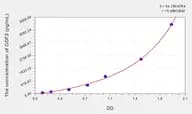
The test principle applied in this kit is Sandwich enzyme immunoassay. The microtiter plate provided in this kit has been pre-coated with an antibody specific to Mouse GDF2. Standards or samples are added to the appropriate microtiter plate wells then with a biotin-conjugated antibody specific to Mouse GDF2. Next, Avidin conjugated to Horseradish Peroxidase (HRP) is added to each microplate well and incubated. After TMB substrate solution is added, only those wells that contain Mouse GDF2, biotin-conjugated antibody and enzyme-conjugated Avidin will exhibit a change in color. The enzyme-substrate reaction is terminated by the addition of sulphuric acid solution and the color change is measured spectrophotometrically at a wavelength of 450nm ± 10nm. The concentration of Mouse GDF2 in the samples is then determined by comparing the OD of the samples to the standard curve.Human GPA33(Glycoprotein A33) ELISA Kit
The test principle applied in this kit is Sandwich enzyme immunoassay. The microtiter plate provided in this kit has been pre-coated with an antibody specific to Human GPA33. Standards or samples are added to the appropriate microtiter plate wells then with a biotin-conjugated antibody specific to Human GPA33. Next, Avidin conjugated to Horseradish Peroxidase (HRP) is added to each microplate well and incubated. After TMB substrate solution is added, only those wells that contain Human GPA33, biotin-conjugated antibody and enzyme-conjugated Avidin will exhibit a change in color. The enzyme-substrate reaction is terminated by the addition of sulphuric acid solution and the color change is measured spectrophotometrically at a wavelength of 450nm ± 10nm. The concentration of Human GPA33 in the samples is then determined by comparing the OD of the samples to the standard curve.Color and Shape:Colourless TransparentliquidHuman ADH(Antidiuretic Hormone) Microsample ELISA Kit
The test principle applied in this kit is Sandwich enzyme immunoassay. The microtiter plate provided in this kit has been pre-coated with an antibody specific to Human ADH. Standards or samples are added to the appropriate microtiter plate wells then with a biotin-conjugated antibody specific to Human ADH. Next, Avidin conjugated to Horseradish Peroxidase (HRP) is added to each microplate well and incubated. After TMB substrate solution is added, only those wells that contain Human ADH, biotin-conjugated antibody and enzyme-conjugated Avidin will exhibit a change in color. The enzyme-substrate reaction is terminated by the addition of sulphuric acid solution and the color change is measured spectrophotometrically at a wavelength of 450nm ± 10nm. The concentration of Human ADH in the samples is then determined by comparing the OD of the samples to the standard curve.Human RARg(Retinoic Acid Receptor γ) ELISA Kit
The test principle applied in this kit is Sandwich enzyme immunoassay. The microtiter plate provided in this kit has been pre-coated with an antibody specific to Human RARg. Standards or samples are added to the appropriate microtiter plate wells then with a biotin-conjugated antibody specific to Human RARg. Next, Avidin conjugated to Horseradish Peroxidase (HRP) is added to each microplate well and incubated. After TMB substrate solution is added, only those wells that contain Human RARg, biotin-conjugated antibody and enzyme-conjugated Avidin will exhibit a change in color. The enzyme-substrate reaction is terminated by the addition of sulphuric acid solution and the color change is measured spectrophotometrically at a wavelength of 450nm ± 10nm. The concentration of Human RARg in the samples is then determined by comparing the OD of the samples to the standard curve.Color and Shape:Colourless TransparentliquidRat VGF(VGF Nerve Growth Factor Inducible) Microsample ELISA Kit
The test principle applied in this kit is Sandwich enzyme immunoassay. The microtiter plate provided in this kit has been pre-coated with an antibody specific to Rat VGF. Standards or samples are added to the appropriate microtiter plate wells then with a biotin-conjugated antibody specific to Rat VGF. Next, Avidin conjugated to Horseradish Peroxidase (HRP) is added to each microplate well and incubated. After TMB substrate solution is added, only those wells that contain Rat VGF, biotin-conjugated antibody and enzyme-conjugated Avidin will exhibit a change in color. The enzyme-substrate reaction is terminated by the addition of sulphuric acid solution and the color change is measured spectrophotometrically at a wavelength of 450nm ± 10nm. The concentration of Rat VGF in the samples is then determined by comparing the OD of the samples to the standard curve.Mouse CRAT(Carnitine Acetyltransferase) ELISA Kit
The test principle applied in this kit is Sandwich enzyme immunoassay. The microtiter plate provided in this kit has been pre-coated with an antibody specific to Mouse C. Standards or samples are added to the appropriate microtiter plate wells then with a biotin-conjugated antibody specific to Mouse C. Next, Avidin conjugated to Horseradish Peroxidase (HRP) is added to each microplate well and incubated. After TMB substrate solution is added, only those wells that contain Mouse C, biotin-conjugated antibody and enzyme-conjugated Avidin will exhibit a change in color. The enzyme-substrate reaction is terminated by the addition of sulphuric acid solution and the color change is measured spectrophotometrically at a wavelength of 450nm ± 10nm. The concentration of Mouse C in the samples is then determined by comparing the OD of the samples to the standard curve.Color and Shape:Colourless TransparentliquidHuman PLD(Phospholipase D) Microsample ELISA Kit
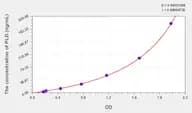
The test principle applied in this kit is Sandwich enzyme immunoassay. The microtiter plate provided in this kit has been pre-coated with an antibody specific to Human PLD. Standards or samples are added to the appropriate microtiter plate wells then with a biotin-conjugated antibody specific to Human PLD. Next, Avidin conjugated to Horseradish Peroxidase (HRP) is added to each microplate well and incubated. After TMB substrate solution is added, only those wells that contain Human PLD, biotin-conjugated antibody and enzyme-conjugated Avidin will exhibit a change in color. The enzyme-substrate reaction is terminated by the addition of sulphuric acid solution and the color change is measured spectrophotometrically at a wavelength of 450nm ± 10nm. The concentration of Human PLD in the samples is then determined by comparing the OD of the samples to the standard curve.Mouse ARC(Activity Regulated Cytoskeleton Associated Protein) Microsample ELISA Kit
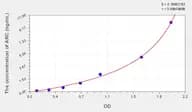
The test principle applied in this kit is Sandwich enzyme immunoassay. The microtiter plate provided in this kit has been pre-coated with an antibody specific to Mouse ARC. Standards or samples are added to the appropriate microtiter plate wells then with a biotin-conjugated antibody specific to Mouse ARC. Next, Avidin conjugated to Horseradish Peroxidase (HRP) is added to each microplate well and incubated. After TMB substrate solution is added, only those wells that contain Mouse ARC, biotin-conjugated antibody and enzyme-conjugated Avidin will exhibit a change in color. The enzyme-substrate reaction is terminated by the addition of sulphuric acid solution and the color change is measured spectrophotometrically at a wavelength of 450nm ± 10nm. The concentration of Mouse ARC in the samples is then determined by comparing the OD of the samples to the standard curve.Human MSR1(Macrophage Scavenger Receptor 1) Microsample ELISA Kit
The test principle applied in this kit is Sandwich enzyme immunoassay. The microtiter plate provided in this kit has been pre-coated with an antibody specific to Human MSR1. Standards or samples are added to the appropriate microtiter plate wells then with a biotin-conjugated antibody specific to Human MSR1. Next, Avidin conjugated to Horseradish Peroxidase (HRP) is added to each microplate well and incubated. After TMB substrate solution is added, only those wells that contain Human MSR1, biotin-conjugated antibody and enzyme-conjugated Avidin will exhibit a change in color. The enzyme-substrate reaction is terminated by the addition of sulphuric acid solution and the color change is measured spectrophotometrically at a wavelength of 450nm ± 10nm. The concentration of Human MSR1 in the samples is then determined by comparing the OD of the samples to the standard curve.Mouse APOB(Apolipoprotein B) Microsample ELISA Kit
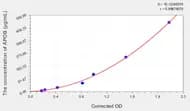
The test principle applied in this kit is Sandwich enzyme immunoassay. The microtiter plate provided in this kit has been pre-coated with an antibody specific to Mouse APOB. Standards or samples are added to the appropriate microtiter plate wells then with a biotin-conjugated antibody specific to Mouse APOB. Next, Avidin conjugated to Horseradish Peroxidase (HRP) is added to each microplate well and incubated. After TMB substrate solution is added, only those wells that contain Mouse APOB, biotin-conjugated antibody and enzyme-conjugated Avidin will exhibit a change in color. The enzyme-substrate reaction is terminated by the addition of sulphuric acid solution and the color change is measured spectrophotometrically at a wavelength of 450nm ± 10nm. The concentration of Mouse APOB in the samples is then determined by comparing the OD of the samples to the standard curve.Human ETFb(Electron Transfer Flavoprotein β Polypeptide) Microsample ELISA Kit
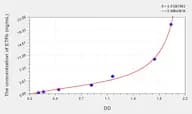
The test principle applied in this kit is Sandwich enzyme immunoassay. The microtiter plate provided in this kit has been pre-coated with an antibody specific to Human ETFb. Standards or samples are added to the appropriate microtiter plate wells then with a biotin-conjugated antibody specific to Human ETFb. Next, Avidin conjugated to Horseradish Peroxidase (HRP) is added to each microplate well and incubated. After TMB substrate solution is added, only those wells that contain Human ETFb, biotin-conjugated antibody and enzyme-conjugated Avidin will exhibit a change in color. The enzyme-substrate reaction is terminated by the addition of sulphuric acid solution and the color change is measured spectrophotometrically at a wavelength of 450nm ± 10nm. The concentration of Human ETFb in the samples is then determined by comparing the OD of the samples to the standard curve.Human MMP14(Matrix Metalloproteinase 14) ELISA Kit
The test principle applied in this kit is Sandwich enzyme immunoassay. The microtiter plate provided in this kit has been pre-coated with an antibody specific to Human MMP14. Standards or samples are added to the appropriate microtiter plate wells then with a biotin-conjugated antibody specific to Human MMP14. Next, Avidin conjugated to Horseradish Peroxidase (HRP) is added to each microplate well and incubated. After TMB substrate solution is added, only those wells that contain Human MMP14, biotin-conjugated antibody and enzyme-conjugated Avidin will exhibit a change in color. The enzyme-substrate reaction is terminated by the addition of sulphuric acid solution and the color change is measured spectrophotometrically at a wavelength of 450nm ± 10nm. The concentration of Human MMP14 in the samples is then determined by comparing the OD of the samples to the standard curve.Color and Shape:Colourless TransparentliquidPepstatin
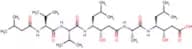
CAS:Pepstatin (Pepsin Inhibitor S 735A) is a specific and orally aspartate protease inhibitor that also inhibits HIV protease activity. Cost effective and quality assured.Formula:C34H63N5O9Purity:96.74% - 99.94%Color and Shape:SolidMolecular weight:685.89