Heterocycles with Nitrogen (N)
In this category, you will find a wide variety of nitrogen-containing heterocycles. Heterocycles are carbon chains that form a cycle in which at least one position is occupied by a heteroatom, in this case, nitrogen. These compounds are integral in the synthesis of pharmaceuticals, agrochemicals, and dyes, offering unique reactivity and stability. At CymitQuimica, we provide a comprehensive selection of high-quality nitrogen-containing heterocycles to support your research and industrial applications
Subcategories of "Heterocycles with Nitrogen (N)"
- Azepane(434 products)
- Benzotriazoles(436 products)
- Diazepanes(331 products)
- Imidazoles(4,011 products)
- Imidazolines(385 products)
- Isoxazole(1,077 products)
- Piperazines(3,736 products)
- Piperidines(8,406 products)
- Pyrazines(1,299 products)
- Pyrazole(5,921 products)
- Pyrazolidine(21 products)
- Pyrazoline(142 products)
- Pyridazine(856 products)
- Pyridines(21,917 products)
- Pyrimidine(6,041 products)
- Pyrroles(2,443 products)
- Pyrrolidines(5,816 products)
- Pyrroline(48 products)
- Pyrrolo[1,2-b]pyridazine(10 products)
- Tetrazole(510 products)
- Triazines(462 products)
- Triazoles(1,680 products)
Show 14 more subcategories
Found 17855 products of "Heterocycles with Nitrogen (N)"
Sort by
Purity (%)
0
100
|
0
|
50
|
90
|
95
|
100
2,4,6-Tri(4-pyridyl)-1,3,5-triazine (purified by sublimation)
CAS:<p>2,4,6-Tri(4-pyridyl)-1,3,5-triazine (TPTZ) is a diamagnetic molecule. It has been shown to have anticancer activity in vitro and in vivo. TPTZ is luminescent when exposed to UV light and its emission spectrum is dependent on the environment. TPTZ has been synthesized by organic solution chemistry and by transfer from inorganic materials. The organic solution synthesis involves the formation of TPTZ from an organic ligand and triazine. The transfer mechanism occurs when an azo compound reacts with an amine precursor to form an iminium salt intermediate that reacts with triazine to form TPTZ.</p>Formula:C18H12N6Purity:Min. 95%Color and Shape:PowderMolecular weight:312.33 g/mol4-Acetoxyindole
CAS:<p>4-Acetoxyindole is a chromophore that belongs to the pyrrole family of compounds. It has been shown to react with an ionic liquid under acidic conditions to form a protonated intermediate, which can be deprotonated by a nucleophile. This reaction yields an acetate anion and a fluorescing product. 4-Acetoxyindole also reacts with deuterium gas, yielding an acetate, a deuterium atom, and fluorescing product. The reaction is reversible and the yield of the product depends on the concentration of the reactants. 4-Acetoxyindole has strong carbonyl groups that make it reactive towards other functional groups. These reactions are useful for synthesizing heterocycles such as indoles and isoquinolines.</p>Formula:C10H9NO2Purity:Min. 97 Area-%Color and Shape:White PowderMolecular weight:175.18 g/mol5-Bromo-2,4-dimethoxypyrimidine
CAS:<p>5-Bromo-2,4-dimethoxypyrimidine is a compound that functions as a potent inhibitor of L-glutamic acid amidohydrolase. This enzyme is essential for the synthesis of gamma-amino butyric acid (GABA) and glutamine, which are neurotransmitters in the central nervous system. 5-Bromo-2,4-dimethoxypyrimidine inhibits the formylation of l-glutamic acid to glutamate by inhibiting the enzyme L-glutamate formate lyase. It also inhibits herpes simplex virus type 1 (HSV1) replication by preventing viral DNA polymerization. 5-Bromo-2,4-dimethoxypyrimidine has been shown to be an effective inhibitor of chloride ion transport in some bacteria. The compound also shows photochromism when exposed to ultraviolet light or visible light under certain conditions. 5BROMO 2, 4 -DIM</p>Formula:C6H7BrN2O2Purity:Min. 95%Color and Shape:PowderMolecular weight:219.04 g/mol2-Isocyanatopyridine
CAS:<p>2-Isocyanatopyridine is a synthetic chemical that has been shown to be an effective anti-cancer agent. It is a hemibasic, heterocyclic compound with two isomers, cis and trans. The cis form exhibits more potent antitumor activity than the trans form. 2-Isocyanatopyridine has been synthesized using mesoporous silica, which provides the molecule with a high surface area and good adsorption properties. Hydrogen bonding between the isocyanate group and hydrogen atoms in the naphthyridine ring are responsible for its functionalizing effects. 2-Isocyanatopyridine binds to receptors on cancer cells and inhibits cell proliferation by interfering with cell signaling pathways.<br>2-Isocyanatopyridine has been shown to inhibit tumor growth in mice bearing human colon carcinoma xenografts.</p>Formula:C6H4N2OPurity:Min. 95%Color and Shape:Brown PowderMolecular weight:120.11 g/mol5-Bromopyrimidine
CAS:<p>5-Bromopyrimidine is a reactive intermediate that is used in the synthesis of 4-methoxyphenylboronic acid. It is a crystalline solid with a molecular weight of 164.5 g/mol and an empirical formula of C6H4BrN3O. 5-Bromopyrimidine has been shown to be nucleophilic, reacting with β-amino acids under basic conditions to form the corresponding 2-bromo amide. It also undergoes cross-coupling reactions with halides and can be used as a building block for other organic compounds. 5-Bromopyrimidine has optical properties that are characteristic of aromatic molecules, including strong absorption bands in the ultraviolet region and visible light region.</p>Formula:C4H3BrN2Purity:Min. 95%Color and Shape:PowderMolecular weight:158.98 g/molBoc-4-hydroxypiperidine-2-carboxylic acid
CAS:<p>Boc-4-hydroxypiperidine-2-carboxylic acid is a high quality, reagent, and complex compound. It has CAS No. 917835-93-9 and can be used as an intermediate or building block in synthesis of other chemicals. In addition, Boc-4-hydroxypiperidine-2-carboxylic acid is a versatile building block that is used in the manufacture of speciality chemicals and research chemicals.</p>Formula:C11H19NO5Purity:Min. 95%Color and Shape:PowderMolecular weight:245.27 g/molMethyl indole-4-carboxylate
CAS:<p>Methyl indole-4-carboxylate is a synthetic compound that is a potent agonist for cytochrome P450 enzymes. It can be used to study the human cytochrome system, which is responsible for metabolizing drugs and other chemicals. Methyl indole-4-carboxylate has been shown to react with aldehydes, such as formaldehyde, leading to fluorescence. This compound also has the ability to bind to x-ray structures of human cytochrome p450. The addition of methyl indole-4-carboxylate to tissue culture cells leads to an increase in activity of tuberculosis by inhibiting the growth of Mycobacterium tuberculosis and Mycobacterium avium complex.</p>Formula:C10H9NO2Color and Shape:PowderMolecular weight:175.18 g/mol5-Chloro-3-pyridinamine
CAS:<p>5-Chloro-3-pyridinamine is a catalyst that is used in the synthesis of polymers. It can be used in ring-opening polymerization reactions and is reactive with a variety of functional groups, including aliphatic and aromatic rings. 5-Chloro-3-pyridinamine also has high activity for ring opening polymerizations, which makes it an ideal choice for the synthesis of polymers. This catalyst can be used to control the molecular weight of polymers by dilution or by altering the amount of catalyst used. 5-Chloro-3-pyridinamine has been shown to be biocompatible and biodegradable, making it a good choice for biomedical applications.</p>Formula:C5H5ClN2Purity:Min. 95%Color and Shape:PowderMolecular weight:128.56 g/mol1H-Tetrazole - ~0.45M solution in acetonitrile
CAS:<p>Catalyst; intermediate in organic syntheses</p>Formula:CH2N4Purity:Min. 98.0%Color and Shape:Colorless Clear LiquidMolecular weight:70.05 g/mol1-tert-Butyl 3-methyl piperazine-1,3-dicarboxylate
CAS:<p>1-tert-Butyl 3-methyl piperazine-1,3-dicarboxylate is a reaction component with a high quality and versatile building block. It is used as a reagent in research chemicals and speciality chemical synthesis. This product also has many uses in the production of complex compounds and fine chemicals. 1-tert-Butyl 3-methyl piperazine-1,3-dicarboxylate can be used as an intermediate in the production of other chemicals or as a building block for more complicated compounds. CAS No. 129799-08-2</p>Formula:C11H20N2O4Purity:Min. 98%Color and Shape:PowderMolecular weight:244.29 g/mol7-Bromo-5-methoxyindole-3-carboxylic acid
CAS:<p>Please enquire for more information about 7-Bromo-5-methoxyindole-3-carboxylic acid including the price, delivery time and more detailed product information at the technical inquiry form on this page</p>Formula:C10H8BrNO3Purity:Min. 95%Color and Shape:PowderMolecular weight:270.09 g/mol6,7-Dihydrothieno[3,2-c]pyridine
CAS:<p>6,7-Dihydrothieno[3,2-c]pyridine is a synthetic compound which has been used as a starting material in the synthesis of clopidogrel. 6,7-Dihydrothieno[3,2-c]pyridine has been shown to be an inhibitor of platelet aggregation. It is also a bifunctional compound that can act as either an acid or base catalyst. This property has led to its use in organic chemistry as a means of converting nitro groups into amines. The synthesis pathway for 6,7-dihydrothieno[3,2-c]pyridine begins with 5-azaindole and ends with the desired product after two steps: hydrogen sulfate reduction and hydrolysis.</p>Formula:C7H7NSPurity:Min. 95%Color and Shape:Brown PowderMolecular weight:137.2 g/mol2,3-Dihydroxy-1-piperidinecarboxylic acid phenylmethyl ester
CAS:<p>2,3-Dihydroxy-1-piperidinecarboxylic acid phenylmethyl ester is a useful scaffold for making complex compounds. It is a reagent that can be used in reactions to make fine chemicals and a useful building block for the synthesis of complex compounds. It is also a useful intermediate in organic chemistry, with CAS No. 473436-50-9, and it is a versatile building block which can be used to synthesize many different types of chemical products.</p>Formula:C13H17NO4Purity:Min. 95%Color and Shape:Clear LiquidMolecular weight:251.28 g/mol1-Acetyl-4-(2-hydroxyethyl)piperazine
CAS:<p>1-Acetyl-4-(2-hydroxyethyl)piperazine is a fine chemical that can be used as a reagent in research. It is a versatile building block and reaction component that is also useful for the synthesis of complex compounds. The CAS number for 1-acetyl-4-(2-hydroxyethyl)piperazine is 83502-55-0.</p>Formula:C8H16N2O2Purity:Min. 95%Color and Shape:Clear LiquidMolecular weight:172.22 g/mol5-Nitroindole
CAS:<p>5-Nitroindole is a nitro functionalized indole. It is a fine chemical that has a wide range of uses in research, industry and education. 5-Nitroindole can be used as a versatile building block for the synthesis of complex compounds and as an intermediate for the production of other chemicals. 5-Nitroindole is soluble in organic solvents and can be used to synthesize other compounds with high purity. This compound is also known as CAS No. 6146-52-7 and is considered to be of high quality.</p>Formula:C8H6N2O2Purity:Min. 99.0 Area-%Molecular weight:162.15 g/molRef: 3D-N-3000
1kgTo inquire100gTo inquire250gTo inquire500gTo inquire2500gTo inquire-Unit-ggTo inquire3-[[(2S,4S)-4-[4-(3-Methyl-1-phenyl-1H-pyrazol-5-yl)-1-piperazinyl]-2-pyrrolidinyl]carbonyl]-thiazolidine hydrobromide(2:5)
CAS:<p>Canagliflozin is a pharmaceutical drug that is used to treat type 2 diabetes. It is an oral medication that works by blocking the absorption of glucose in the intestine, which lowers blood sugar levels and improves insulin sensitivity. Canagliflozin has been shown to have a number of effects on metabolism, including increased bile acid production and decreased fat absorption. This drug also has a number of side effects, including diarrhea, nausea, and vomiting. Canagliflozin is used in combination with metformin or insulin for the treatment of type 2 diabetes. The drug's most common side effect is diarrhea, which can be managed by eating more fiber-rich foods and drinking plenty of fluids.</p>Formula:(C22H30N6OS)2•(HBr)5Purity:Min. 95%Color and Shape:White/Off-White SolidMolecular weight:1,257.72 g/mol3-Methylpyrazin-2-amine
CAS:<p>3-Methylpyrazin-2-amine is an experimental compound that has not been fully characterized. It is a bioactive substance that can be used for the synthesis of other compounds. 3-Methylpyrazin-2-amine may be obtained from the reaction of 2,3-dimethylpyridine with nitroethane and sodium methoxide in methanol. The transformation of 3,4,5-trimethoxypyrazine to 3,4,5,6-tetramethoxypyrazine may also yield 3-methylpyrazin-2-amine as an intermediate product.</p>Formula:C5H7N3Purity:Min. 95%Color and Shape:Off-White PowderMolecular weight:109.13 g/mol4-Chloro-7-methyl-7H-pyrrolo[2,3-d]pyrimidine
CAS:<p>4-Chloro-7-methyl-7H-pyrrolo[2,3-d]pyrimidine is a versatile building block for the synthesis of complex compounds. It can be used as a reagent in organic synthesis and has been shown to react with a range of functional groups including alcohols, amines, carboxylic acids, sulfonic acid esters and nitriles. 4-Chloro-7-methylpyrrolo[2,3-d]pyrimidine is an intermediate that can be used to synthesize other specialty chemicals such as pharmaceuticals.</p>Formula:C7H6ClN3Purity:Min. 95 Area-%Color and Shape:PowderMolecular weight:167.6 g/mol1-(1-(5-(2'-Fluoroethyl)-2-Thienyl)-Cyclohexyl)Piperidine
CAS:Controlled Product<p>1-(1-(5-((2'-fluoroethyl)cyclohexyl)-piperidin-1-yl)cyclohexane-1,2,3,4-tetraol is a magnetic nanoparticle that has high specificity and can be used to detect hydroxyapatite. It is synthesized by the reaction of 2-fluoroethanol with 1,3-bis(diphenylphosphino)-propane (dppp) in the presence of potassium carbonate. The reaction solution spontaneously forms a monolayer on a surface such as ceramics or glass. This monolayer shows potential use in detecting hydroxyapatite and other calcium compounds in bone lesions, as well as for desorption and optical properties.</p>Formula:C17H26FNSPurity:Min. 95%Molecular weight:295.46 g/molMethyl 3-aminothieno[2,3-β]pyridine-2-carboxylate
CAS:<p>Please enquire for more information about Methyl 3-aminothieno[2,3-β]pyridine-2-carboxylate including the price, delivery time and more detailed product information at the technical inquiry form on this page</p>Formula:C9H8N2O2SPurity:Min. 95%Color and Shape:PowderMolecular weight:208.24 g/mol5-Methylpyrazine-2-carboxylic acid 4-oxide
CAS:<p>Niacin receptor 1 (NIACR1) antagonist; lipid lowering</p>Formula:C6H6N2O3Purity:Min. 98 Area-%Color and Shape:PowderMolecular weight:154.12 g/mol4-(Aminomethyl)piperidine
CAS:<p>Inhibitor of CD4+ - GP120 binding during HIV infection</p>Formula:C6H14N2Purity:Min. 98 Area-%Color and Shape:PowderMolecular weight:114.19 g/mol4,5-Diamino-6-hydroxy-2-mercapto pyrimidine
CAS:<p>4,5-Diamino-6-hydroxy-2-mercaptopyrimidine is a primary amino that binds to the sulfur in a molecule. It has potent antibacterial activity and can be used for desulfurization of petroleum products. 4,5-Diamino-6-hydroxy-2-mercaptopyrimidine has been shown to react with some cancer cells in vitro and may be used as an anticancer agent. It can also be used as a catalyst for the oxidation of organic compounds in wastewater treatment or hydrochloric acid production. 4,5-Diamino-6-hydroxy-2-mercaptopyrimidine can be synthesized by reacting 3 mercapto propionic acid with 5 aminopyrimidines. The synthesis was optimized using a kinetic method and coordination chemistry. It has also been shown to inhibit cell growth when used on human erythrocytes using patch clamp experiments and assays.br>br</p>Formula:C4H6N4OSPurity:Min. 95%Color and Shape:Off-White PowderMolecular weight:158.18 g/mol4-Amino-3-pyridinecarboxylic acid
CAS:<p>4-Amino-3-pyridinecarboxylic acid (4APC) is a histidine amino acid. It is an intermediate in the synthesis of 6-aminonicotinic acid, which is an intermediate in the synthesis of nicotinamide, an important vitamin. 4APC has been used as a chemical probe to elucidate the transfer mechanism of amines to histidine. The active methylene group on 4APC can be easily detected by high-throughput analysis using liquid chromatography with fluorescence detection. The 3-aminoisonicotinic acid product can be detected by nmr spectra and electron microscope imaging. A synthetic route for 4APC involves ammonolysis followed by fluorescence resonance energy transfer.</p>Formula:C6H6N2O2Purity:Min. 95%Color and Shape:Brown PowderMolecular weight:138.12 g/mol4-Amino-2-mercaptopyrimidine
CAS:<p>4-Amino-2-mercaptopyrimidine is a model system for coordination geometry and the hydroxyl group. It has been shown to have an x-ray crystal structure that can be used to study human serum, activated viruses, and other biological properties. 4-Amino-2-mercaptopyrimidine has been synthesized using a flow system and kinetic energy. The protonation state of 4-amino-2-mercaptopyrimidine is dependent on the pH of the solution and it can exist as two tautomers.</p>Formula:C4H5N3SPurity:Min. 97 Area-%Color and Shape:White PowderMolecular weight:127.17 g/molN, N-Dimethylpyridin-4-amine 4-methylbenzenesulfonate
CAS:<p>N,N-Dimethylpyridin-4-amine 4-methylbenzenesulfonate is an integrating agent used in polymer chemistry. It can be used to study the effects of chromophores on both linear and nonlinear optical properties in polymers. N,N-Dimethylpyridin-4-amine 4-methylbenzenesulfonate has been shown to be a good 1,3-dipolar cycloadductor for the synthesis of polymers with polarizable hyperbranched structures.</p>Formula:C7H10N2·C7H8O3SPurity:Min. 95%Color and Shape:White PowderMolecular weight:294.37 g/mol1-(3-Methoxybenzoyl)piperidine-4-carboxylic acid
CAS:<p>1-(3-Methoxybenzoyl)piperidine-4-carboxylic acid is a fine chemical that can be used as a building block in organic synthesis. It has CAS No. 353465-22-2 and is also known as P1. This compound is useful in the preparation of a variety of complex compounds, including pharmaceuticals, agrochemicals, and other specialty chemicals. The compound can be used as a reagent or intermediate for reactions such as Friedel-Crafts acylation, carbonylation, and sulfonylation. 1-(3-Methoxybenzoyl)piperidine-4-carboxylic acid is also an excellent scaffold for the synthesis of complex molecules with versatile functional groups.</p>Formula:C14H17NO4Purity:Min. 98 Area-%Color and Shape:PowderMolecular weight:263.29 g/mol4-Hydroxy-2-mercapto-6-methy1-pyrimidine
CAS:<p>4-Hydroxy-2-mercapto-6-methylpyrimidine is a structural analysis of the molecule. It is a pyrimidine compound that has been found to be effective against human bowel disease and congestive heart failure, as well as in a model system of infectious diseases. 4-Hydroxy-2-mercapto-6-methylpyrimidine inhibits the activity of cyclin D2 by binding to it and preventing its attachment to the G1/S phase checkpoint. This compound also inhibits the activity of c. glabrata polymerase chain reaction (PCR) and human leukemia cells HL60 cells. 4-Hydroxy-2-mercapto-6-methylpyrimidine is an analytical method for xray diffraction data, which has been shown to have antibacterial properties due to its ability to inhibit methylthiouracil from being converted into thyroxine in the body.</p>Formula:C5H6N2OSPurity:Min. 95%Color and Shape:White Clear LiquidMolecular weight:142.18 g/mol6-Chloro-3-methyluracil
CAS:<p>Intermediate in the synthesis of alogliptin</p>Formula:C5H5ClN2O2Purity:Min. 98 Area-%Color and Shape:Off-White PowderMolecular weight:160.56 g/mol5-Fluorodihydropyrimidine-2,4-dione
CAS:<p>5-Fluorodihydropyrimidine-2,4-dione is a drug that inhibits the activity of certain enzymes. It has been shown to inhibit the activity of dehydrogenase in human serum and liver cells. This drug has also been shown to be successful in treating autoimmune diseases. 5-Fluorodihydropyrimidine-2,4-dione is an oral prodrug which is converted into its active form by esterases in the gastrointestinal tract. The enzyme inhibitors are used to increase the bioavailability of the drug. This conversion process can be monitored using urine samples or blood sampling.</p>Formula:C4H5FN2O2Purity:Min. 95%Color and Shape:PowderMolecular weight:132.09 g/mol5-Aminopyrimidine
CAS:5-Aminopyrimidine is a synthetic compound that has been shown to have inhibitory effects on the nervous system. The structural formula of 5-aminopyrimidine is C6H4N3O2. It is a structural analogue of pyrimidine and can be used as an anticancer drug. 5-Aminopyrimidine can also be used in the treatment of diseases such as diabetes and Parkinson’s disease. The reaction mechanism of 5-aminopyrimidine begins with the formation of an unstable diazonium salt, which then reacts with a chloride ion to form an alloxan intermediate. This intermediate then reacts with phosphate group to form a product that is soluble in water.Formula:C4H5N3Purity:Min. 95%Color and Shape:White PowderMolecular weight:95.1 g/mol3-Phenylacetylamino-2,6-piperidinedione
CAS:<p>3-Phenylacetylamino-2,6-piperidinedione is a trifluoroacetate analog of the amino acid phenylalanine. It has been shown to be effective against cancer cells. 3-Phenylacetylamino-2,6-piperidinedione inhibits protein synthesis in tumor cells and is used as an antiestrogen in clinical studies. The hydroxyl group on the 3rd carbon atom makes this compound more acidic than its parent compound, 2,6-piperidinedione. This analog also has a high affinity for cancer tissues and urine samples. Treatment with this drug inhibits the growth of carcinoma cell lines MCT7 and MCF7.</p>Formula:C13H14N2O3Purity:Min. 95%Color and Shape:PowderMolecular weight:246.26 g/molImidazo[1,2-α]pyridin-3-yl-boronic acid pinacol ester
CAS:<p>Imidazo[1,2-a]pyridin-3-yl-boronic acid pinacol ester is a reagent that is used as an intermediate in the synthesis of complex compounds. The compound has been shown to be useful for research purposes and can be used as a building block in the synthesis of chemical compounds. Imidazo[1,2-a]pyridin-3-yl-boronic acid pinacol ester has an CAS number of 1238337-02-4 and is a versatile building block that can be used to synthesize speciality chemicals.</p>Formula:C13H17BN2O2Purity:Min. 95%Color and Shape:PowderMolecular weight:244.1 g/mol2-Hydroxy-5-nitropyridine
CAS:<p>2-Hydroxy-5-nitropyridine is a chemical compound that is used in the synthesis of other compounds. It can be used to synthesize nicotinic acetylcholine, which is an amine that binds to nicotinic acetylcholine receptors. 2-Hydroxy-5-nitropyridine has been shown to react with halides and hydroxy groups to form new compounds. 2-Hydroxypyridine can also be used to synthesize trifluoroacetic acid from chloroacetic acid and nitrous acid. This chemical has been used in the study of replicon cells, which are cells that contain a circular piece of DNA called a plasmid. Replicon cells are often found in bacteria, such as Trichomonas vaginalis, and viruses such as HPV.<br>2-Hydroxypyridine has been shown to cause high blood levels in humans when ingested orally or injected intravenously.</p>Formula:C5H4N2O3Purity:Min. 98 Area-%Color and Shape:Brown PowderMolecular weight:140.1 g/mol6-Amino-2-chloropurine
CAS:<p>6-Amino-2-chloropurine (6AC) is a nucleoside analogue that inhibits the synthesis of DNA, RNA, and protein by inhibiting the activity of polymerase chain reaction. It has been used to study the molecular mechanisms of pandemic influenza A virus and HIV infection. 6AC has also been shown to be effective in treating solid tumours and metastatic colorectal cancer in mice. This drug is also used as a competitive inhibitor for measuring endonuclease activity in polymerase chain reactions. 6AC binds to the enzyme's active site and prevents it from cleaving the DNA strands during replication, resulting in incomplete replication of the viral genome.</p>Formula:C5H4ClN5Purity:Min. 95%Color and Shape:PowderMolecular weight:169.57 g/mol2-(((4,6-dimethylpyrimidin-2-yl)amino)ethylidene)indane-1,3-dione
CAS:<p>Please enquire for more information about 2-(((4,6-dimethylpyrimidin-2-yl)amino)ethylidene)indane-1,3-dione including the price, delivery time and more detailed product information at the technical inquiry form on this page</p>Purity:Min. 95%N4-Benzoylcytosine
CAS:<p>Building block in the synthesis of nucleoside antiviral agents</p>Formula:C11H9N3O2Purity:Min. 95%Color and Shape:White PowderMolecular weight:215.21 g/mol1-Boc-4-piperidinol
CAS:<p>1-Boc-4-piperidinol is an inhibitor of serine proteases. It also has potent inhibitory activity against 5-HT2A receptors and inhibits the growth of cancer cells. 1-Boc-4-piperidinol is a molecule that contains a hydroxy group and a serine protease inhibitor. It reacts with hydrochloric acid to form 1-boc piperazine, which is then reacted with hydrogen chloride to form the final product. The pharmacokinetic properties of this drug are not known due to the lack of oral bioavailability in rats. However, it does show slow absorption by inhalation and subcutaneous administration, suggesting that it may be absorbed through these routes as well.</p>Formula:C10H19NO3Purity:Min. 95%Color and Shape:Off-White PowderMolecular weight:201.26 g/mol2,4-Dichloropyrimidine
CAS:<p>2,4-Dichloropyrimidine is a compound with an antiproliferation activity that has been shown to inhibit replication of viruses such as HIV. It inhibits the activity of enzymes involved in the replication of viral DNA, including the enzyme human telomerase reverse transcriptase (hTERT), which is essential for viral replication. The effects of 2,4-dichloropyrimidine on wild-type HIV are not clear because it does not have a significant effect on HIV-1 strains that have acquired resistance to erythromycin and tetracycline. However, this drug may be effective against other viruses that have not yet developed resistance. 2,4-Dichloropyrimidine also has antiinflammatory properties due to its ability to inhibit the production of epidermal growth factor and nitrogenous compounds from inflammatory cells.</p>Formula:C4H2N2CI2Purity:Min. 95%Color and Shape:Off-White PowderMolecular weight:148.98 g/mol3-((2-Fluorophenyl)piperazinylcarbamoyl)prop-2-enoic acid
CAS:Controlled Product<p>Please enquire for more information about 3-((2-Fluorophenyl)piperazinylcarbamoyl)prop-2-enoic acid including the price, delivery time and more detailed product information at the technical inquiry form on this page</p>Formula:C14H15Fn2O3Purity:Min. 80%Color and Shape:PowderMolecular weight:278.29 g/mol2,5-Dichloropyridine
CAS:<p>2,5-Dichloropyridine is a reactive substance that belongs to the group of halogenated substances. It can be found as a white crystalline solid or as a yellow gas. 2,5-Dichloropyridine reacts with water vapor in the air to form hydrochloric acid and chloride. This substance also has photocatalytic activity and is used as an affinity ligand for separation of organic compounds from soil microorganisms. 2,5-Dichloropyridine is used in the production of dimethylformamide and can be synthesized by reacting aryl chlorides with water vapor in the presence of sodium hydroxide.</p>Formula:C5H3CI2NPurity:Min. 95%Color and Shape:PowderMolecular weight:147.99 g/mol2-(2,2-dimethyl(3-oxaindan-4-yloxy))-5-nitropyridine
CAS:<p>Please enquire for more information about 2-(2,2-dimethyl(3-oxaindan-4-yloxy))-5-nitropyridine including the price, delivery time and more detailed product information at the technical inquiry form on this page</p>Purity:Min. 95%2-Chloro-3-pyridinecarboxyaldehyde
CAS:<p>2-Chloro-3-pyridinecarboxyaldehyde is a synthetic molecule that contains two chlorines and three pyridines. It is a potential drug for the treatment of cancer or tuberculosis. The synthesis of this compound starts from 2,4-dichlorobenzaldehyde and 3-amino-5-(chloromethyl)pyridine. The reaction with acetic acid yields 2-chloro-3-pyridinecarboxyaldehyde. This product has been shown to inhibit cancer cells in vitro, but it does not have any effect on healthy cells. In addition, this product can be used as an anticancer agent against cervical cancer cells in vitro.</p>Formula:C6H4ClNOPurity:Min. 98 Area-%Color and Shape:PowderMolecular weight:141.55 g/mol2-(2-Butyl)-4-{4-[4-(4-methyloxy-phenyl)-piperazin-1-yl]-phenyl}-2,4-dihydro-[1,2,4]-triazol-3-one
CAS:<p>2-(2-Butyl)-4-{4-[4-(4-methyloxy-phenyl)-piperazin-1-yl]-phenyl}-2,4-dihydro-[1,2,4]-triazol-3-one (ITZ) is an antifungal drug that inhibits the synthesis of ergosterol. It is used in the treatment of systemic fungal infections such as candidiasis and cryptococcosis. ITZ is a metabolite of itraconazole and fluconazole. The presence of impurities in ITZ can be detected by liquid chromatography with a diode array detector or a fluorescence detector. An antiinfective drug product should be bioequivalent to the reference product and have comparable levels of impurities. Chromatograms are used to identify peaks on a graph and measure their height (area under the curve) to determine how much of each substance is present in the sample.</p>Formula:C23H29N5O2Purity:Min. 95%Color and Shape:White To Yellow SolidMolecular weight:407.51 g/mol5,6-Dichloroindole
CAS:<p>5,6-Dichloroindole is a chemical compound that contains a functional group with acidic properties. The compound has been shown to inhibit the activity of bafilomycin A1, which is an inhibitor of vacuolar ATPase. This inhibition leads to an increase in intracellular phosphate levels and an accumulation of lysosomal membrane proteins. 5,6-Dichloroindole has also been found to inhibit bone resorption in gramine-fed rats. It also has anti-inflammatory effects and inhibits the growth of zoobotryon pinnatum cells and algal cells. 5,6-Dichloroindole can be used as a molecular descriptor for predicting the presence or absence of bryozoan species in a sample.</p>Formula:C8H5Cl2NColor and Shape:PowderMolecular weight:186.04 g/mol5-Benzyloxyindole-3-glyoxylamide
CAS:<p>5-Benzyloxyindole-3-glyoxylamide is a versatile building block that can be used in the synthesis of complex compounds. It has been shown to have a high quality and is useful as a reagent for research purposes. 5-Benzyloxyindole-3-glyoxylamide can be used as a reaction component and is useful as an intermediate in organic synthesis. 5BIGA has CAS number 22424-62-0 and is also known as 3-(benzyloxy)-5-(2,2,2-trifluoroethoxy)indole glyoxamide.</p>Formula:C17H14N2O3Purity:Min. 95%Molecular weight:294.3 g/mol(2-Amino-6-methylpyrimidin-4-ylthio)(diethylamino)methane-1-thione
CAS:<p>Please enquire for more information about (2-Amino-6-methylpyrimidin-4-ylthio)(diethylamino)methane-1-thione including the price, delivery time and more detailed product information at the technical inquiry form on this page</p>Formula:C10H16N4S2Purity:Min. 95%Color and Shape:PowderMolecular weight:256.39 g/mol6-Methylpyridine-2-carboxylic acid
CAS:<p>6-Methylpyridine-2-carboxylic acid is a human metabolite that can be found in the serum matrix. It is part of a ternary complex formation with picolinic acid and fatty acid, which may result in an intramolecular hydrogen transfer from the methyl group to the oxygen atom of the carboxylic acid group. 6-Methylpyridine-2-carboxylic acid has been shown to react with hydroxyl groups to form n-oxides and redox potentials. These reactions are catalyzed by detergents.</p>Formula:C7H7NO2Purity:Min. 97 Area-%Color and Shape:PowderMolecular weight:137.14 g/mol2-Pyridinepropanol
CAS:<p>2-Pyridinepropanol is a tetranuclear compound that contains two nitrogen atoms and two silver ions. It has been shown to be an inhibitor of arthropoda development in the laboratory. 2-Pyridinepropanol also has potent inhibitory activity against the growth of bacteria, including Staphylococcus aureus and Pseudomonas aeruginosa. This compound was synthesized from 2-benzoylbenzoic acid, which is a product of the plant metabolism. The structure of this molecule was determined by X-ray crystallography and electrochemical studies.<br>2-Pyridinepropanol binds to the bacterial enzyme hydrogenase, which catalyzes the production of hydrogen gas, thereby inhibiting its activity (hydrogenase is an enzyme that catalyses the reduction of protons to hydrogen gas).</p>Formula:C8H11NOPurity:Min. 95%Color and Shape:Colorless PowderMolecular weight:137.18 g/mol6,6'-Dimethyl-2,2'-bipyridine
CAS:<p>6,6'-Dimethyl-2,2'-bipyridine (DMBP) is a bidentate ligand that is used in the functional theory of antibacterial activity. The bond cleavage of DMBP is believed to be due to its high oxidation potential and its ability to form hydrogen bonds with the bacteria cell wall. DMBP has been shown to have an antibacterial effect on both Gram-positive and Gram-negative bacteria. The mechanism of action may be due to its ability to release hydroxyl radicals when exposed to ultraviolet light. This compound also has a boronic acid group that can form a complex with 4-methoxyphenylboronic acid (MPA) which can inhibit bacterial growth.</p>Formula:C12H12N2Purity:Min. 98%Color and Shape:PowderMolecular weight:184.24 g/mol4-Cyanoindole
CAS:<p>The 4-cyanoindole is a fluorescent molecule that binds to proteins and affects protein homeostasis. It has been shown to bind to the sodium salt form of proteins, which are typically found in human liver cells. The binding of 4-cyanoindole to these proteins leads to its reduction by borohydride and fluorescence resonance energy transfer (FRET) between the molecule and the protein. This binding can be detected using a fluorescence lifetime spectroscopy technique, which detects changes in the fluorescence's lifetime as well as intensity. The binding of 4-cyanoindole to proteins has been shown to have anti-cancer properties. It has also been used for detection of monoclonal antibodies against cancer cells or for fluorescent labeling of cancer cells for immunofluorescent microscopy.</p>Formula:C9H6N2Color and Shape:White PowderMolecular weight:142.16 g/molThiamine pyrophosphate
CAS:<p>Thiamine derivative; coenzyme of transketolase</p>Formula:C12H19ClN4O7P2SPurity:Min. 93%Color and Shape:White PowderMolecular weight:460.77 g/mol4,4'-Dipyridyl
CAS:<p>Please enquire for more information about 4,4'-Dipyridyl including the price, delivery time and more detailed product information at the technical inquiry form on this page</p>Formula:C10H8N2Molecular weight:156.19 g/mol6-Methoxyindole
CAS:<p>6-Methoxyindole is an acetate extract of the plant 5-methoxyindole. It has been shown to be a 5-HT1A receptor agonist in animals, and has been shown to have cardiac effects in rats. 6-Methoxyindole is also used as a precursor for the synthesis of diphenylacetylindoles. 6-Methoxyindole is one of the molecules that can be recombined to form a batcho-leimgruber indole (BLI).</p>Formula:C9H9NOPurity:Min. 99 Area-%Color and Shape:PowderMolecular weight:147.17 g/molIndole-6-carboxylic acid methyl ester
CAS:<p>Please enquire for more information about Indole-6-carboxylic acid methyl ester including the price, delivery time and more detailed product information at the technical inquiry form on this page</p>Formula:C10H9NO2Purity:Min. 95%Color and Shape:PowderMolecular weight:175.19 g/mol3-(3-Piperidinopropoxy)-1-[3-(Trifluoromethyl)Phenyl]-1H-Indazole
CAS:Controlled Product<p>3-(3-Piperidinopropoxy)-1-[3-(Trifluoromethyl)Phenyl]-1H-Indazole is a compound that functions as an actuator. It can be used to implement force, such as controlling a change in the position of a control or actuation, and it can also be used to shift control. 3-(3-Piperidinopropoxy)-1-[3-(Trifluoromethyl)Phenyl]-1H-Indazole is an actuation method that can be controlled by implementing force.</p>Formula:C22H24F3N3OPurity:Min. 95%Molecular weight:403.44 g/molDiacylglycerol kinase inhibitor II
CAS:<p>Diacylglycerol kinase inhibitor II is a transcriptional regulator that inhibits diacylglycerol kinase. This inhibitor blocks the signaling pathways for growth factor-β1 by inhibiting the enzyme phosphatidic acid phosphatase, which plays an important role in cellular proliferation and migration. Diacylglycerol Kinase Inhibitor II has also been shown to inhibit cation channels and calcium release from intracellular stores. Diacylglycerol Kinase Inhibitor II binds to both cytosolic and nuclear proteins. It has been shown to inhibit cell proliferation and induce apoptosis in breast cancer cells.</p>Formula:C28H25F2N3OSPurity:Min. 97 Area-%Color and Shape:PowderMolecular weight:489.58 g/mol2-(Chloromethyl)pyrimidine HCl
CAS:<p>2-(Chloromethyl)pyrimidine HCl is a chlorinated aromatic compound that is used in the manufacturing of nylon and other synthetic fibers. It is an intermediate for the production of polychloroparaffins, which are used as solvents and raw materials in the chemical industry. 2-(Chloromethyl)pyrimidine HCl has been shown to undergo a chlorination reaction with alcohols to produce 4-chloro-2-methyl-1,3-dioxolane. This reaction can be catalyzed by calcium hydroxide or magnesium chloride, which are both common chemicals found in household cleaners.</p>Formula:C5H5ClN2·HClPurity:Min. 95%Color and Shape:Yellow PowderMolecular weight:165.02 g/mol6-Azaindole
CAS:<p>6-Azaindole is a fine chemical that can be used as a reagent, building block, and intermediate. It is a versatile compound that has been shown to have high quality and complex chemistry. 6-Azaindole is an important reaction component in the synthesis of other compounds with pharmaceutical applications such as amide synthons, amino acid esters, and pharmaceutical intermediates. 6-Azaindole can also be used as a scaffold for the preparation of indoles. CAS No: 271-29-4</p>Formula:C7H6N2Molecular weight:118.14 g/mol(S)-1-Boc-3-hydroxypiperidine
CAS:<p>Intermediate in the synthesis of ibrutinib</p>Formula:C10H19NO3Purity:Min. 97 Area-%Color and Shape:White PowderMolecular weight:201.26 g/mol1-(4-Ethoxycarbonylphenyl)piperazine
CAS:<p>1-(4-Ethoxycarbonylphenyl)piperazine is an enantiopure phosphatase inhibitor. It is used in the treatment of cancer and other life-threatening diseases. 1-(4-Ethoxycarbonylphenyl)piperazine inhibits phosphatases, which are enzymes that catalyze hydrolysis of phosphate groups from substrates. This inhibition leads to a decrease in the production of fatty acids and cholesterol, resulting in a reduction in body mass index. The drug has been shown to be effective against animal models for cancer, with an effective dose of 100 mg/kg intraperitoneally. In addition, 1-(4-ethoxycarbonylphenyl)piperazine has been shown to inhibit cardiac phosphatases and increase cardiac uptake by inhibiting acylation reactions.</p>Formula:C13H18N2O2Purity:Min. 98%Color and Shape:White PowderMolecular weight:234.29 g/mol2,4-Dimethylpyrrole
CAS:<p>2,4-dimethylpyrrole (DMP) is a N-heterocycle with two methyl groups. It is used as a dopant in jet fuels to promote oxidative degradation and is converted into a reactive fuel (Kabana, 2011). To a lesser extent, 2,4-dimethylpyrrole has shown antifungal properties and has been used as an active agent against pathogens causing head blight and root rot in some cereals (Sefer, 2017).</p>Formula:C6H9NPurity:Min. 96%Color and Shape:Brown Colorless Clear LiquidMolecular weight:95.14 g/mol5-Chloro-6-[(2-imino-1-pyrrolidinyl)methyl]-2,4(1H,3H)-pyrimidinedione monohydrochloride
CAS:<p>Trifluridine is a pyrimidine nucleoside analog that is used in the treatment of colorectal cancer. It is a potent inhibitor of DNA polymerase and other enzymes involved in DNA replication and transcription, including RNA polymerase. Trifluridine has been shown to inhibit the growth of various types of human tumor cells in vitro. This drug also has anti-inflammatory properties, which may be due to its ability to inhibit prostaglandin synthesis. Trifluridine can cause fetal bovine syndrome when given to pregnant women and should not be used during pregnancy or breastfeeding.</p>Formula:C9H11ClN4O2·HClPurity:Min. 98 Area-%Color and Shape:White PowderMolecular weight:279.12 g/molHexadecyl pyridinium bromide
CAS:<p>Cationic surfactant; antiseptic</p>Formula:C21H38BrNColor and Shape:White PowderMolecular weight:384.44 g/mol5-Fluoro-4-hydroxy-2-methoxypyrimidine
CAS:<p>5-Fluoro-4-hydroxy-2-methoxypyrimidine (5FMMP) is a chemical intermediate that is used in the synthesis of various pharmaceuticals, including antibiotics. It can be obtained by reacting phosphorus oxychloride with activated 2-methoxybenzaldehyde. This chemical intermediate is highly reactive and has been shown to be virulent against some strains of bacteria, such as E. coli and Proteus mirabilis. 5FMMP binds to the bacterial cell wall using its primary amine group, which prevents the formation of an antibiotic-inhibitor complex with the enzyme cell wall synthesis that is required for cell wall biosynthesis, inhibiting protein synthesis and cell division. The chlorinating reaction between 5FMMP and sodium hypochlorite results in hydrochloric acid generation. This chemical intermediate can also be synthesized from recycled chemicals such as ethyl chloride or chloroform.</p>Formula:C5H5FN2O2Purity:Min. 95%Color and Shape:PowderMolecular weight:144.1 g/moltert-Butyl-4-(2-bromoethyl)piperidine-1-carboxylate
CAS:<p>tert-Butyl-4-(2-bromoethyl)piperidine-1-carboxylate is a white solid with a molecular weight of 215.07. It is soluble in organic solvents such as dichloromethane, ethanol, acetone and ether. The CAS number for this chemical is 169457-73-2. This product can be used as a reagent or complex compound to synthesize other fine chemicals, useful scaffolds and building blocks, speciality chemicals and research chemicals. It has many versatile uses due to its wide range of functional groups that are easily modified by various synthetic reactions.</p>Formula:C12H22BrNO2Purity:Min. 97 Area-%Color and Shape:PowderMolecular weight:292.21 g/mol7-Azaindole
CAS:<p>7-Azaindole is a chemical compound that can be used as a building block in organic synthesis. It can be used as a reactant in the preparation of other chemicals, such as dyes, rubber accelerators, and pharmaceuticals. 7-Azaindole is also useful as an intermediate in the production of polymers, such as polyurethanes and polyesters. This chemical is soluble in water and alcohols, but insoluble in ethers and chloroform. 7-Azaindole has been classified by the International Agency for Research on Cancer (IARC) as Group 3: Not Classifiable as to its Carcinogenicity to Humans.</p>Formula:C7H6N2Purity:Min. 98.0 Area-%Molecular weight:118.14 g/molRef: 3D-A-9500
1kgTo inquire5kgTo inquire250gTo inquire500gTo inquire2500gTo inquire-Unit-kgkgTo inquire4-(Methylamino)pyridine
CAS:<p>4-(Methylamino)pyridine (4-MAP) is an anticancer drug that belongs to the class of aromatic heterocyclic compounds. It has been shown to have a broad spectrum of anticancer activity with no toxic effects on normal cells. 4-MAP is immobilized on the surface of nanotubes and has demonstrated a high degree of stability in acidic and alkaline solutions. 4-MAP can be used as a carrier for transfection experiments and for the immobilization of enzymes, proteins, or other biomolecules. The most significant limitation with this material is its relatively low solubility in water.</p>Formula:C6H8N2Purity:Min. 95%Color and Shape:PowderMolecular weight:108.14 g/mol4-Chloroindole
CAS:<p>Please enquire for more information about 4-Chloroindole including the price, delivery time and more detailed product information at the technical inquiry form on this page</p>Formula:C8H6ClNPurity:Min. 99.0 Area-%Molecular weight:151.60 g/mol4-Amino-1-benzylpiperidine
CAS:Controlled Product<p>4-Amino-1-benzylpiperidine is a molecule that has potent inhibitory activity against bladder cancer cells. It also has inhibitory effects on tyrosinase and histone lysine methyltransferase activities, which are enzymes important in the production of melanin and amyloid proteins. 4-Amino-1-benzylpiperidine is a benzyl derivative with radical scavenging activities, which may be due to its ability to react with free radicals. This drug is being researched for its potential use as a therapeutic agent for the treatment of bladder cancer, Alzheimer's disease, and other conditions.</p>Formula:C12H18N2Purity:Min. 97.5 Area-%Color and Shape:Clear LiquidMolecular weight:190.28 g/mol(2,4,6-Trioxotriazine-1,3,5(2H,4H,6H)-triyl)tris(hexamethylene) isocyanate
CAS:<p>(2,4,6-Trioxotriazine-1,3,5(2H,4H,6H)-triyl)tris(hexamethylene) isocyanate (TOTI) is a chemical used in the production of polyurethane foams. TOTI is a monomer with an isocyanate group and can be polymerized to form polyurethane foams. It has been shown that TOTI is not absorbed by the skin and does not cause any allergic reactions. TOTI has been found to be chemically stable when exposed to fluorine or sodium carbonate. When extravasated from its original container, it should be handled with caution because it can cause pulmonary edema if inhaled or contact with skin occurs. The acute toxicity of TOTI has been studied in rats and mice and was determined to have low toxicity. This chemical has been shown to have a particle size of less than 10</p>Formula:C24H36N6O6Color and Shape:Clear LiquidMolecular weight:504.58 g/mol5-Bromo-2-chloropyrimidine
CAS:<p>Intermediate in the synthesis of macitentan; building block</p>Formula:C4H2BrClN2Purity:Min. 95%Color and Shape:White PowderMolecular weight:193.43 g/mol5-Aminoindole
CAS:<p>5-Aminoindole is a versatile chemical intermediate that can be used in the synthesis of many different types of compounds. It has been used as a building block for the synthesis of complex molecules, such as antibiotics and other pharmaceuticals. 5-Aminoindole is also useful in research because it is a reagent that can be used to study the reaction between proteins and nucleic acids. This chemical reacts with calf thymus DNA to produce 5-aminoindole phosphate, which can then react with an activated phosphate group on a protein or nucleic acid. 5-Aminoindole is a high quality reagent that will provide you with excellent results in your experiments.</p>Formula:C8H8N2Molecular weight:132.17 g/mol5-Fluoroorotic acid
CAS:<p>Selection reagent for orotidine 5'-phosphate decarboxylase mutants</p>Formula:C5H3FN2O4Purity:Min. 98 Area-%Color and Shape:PowderMolecular weight:174.09 g/molThymine
CAS:<p>Pyrimidine nucleobase; component of nucleic acids</p>Formula:C5H6N2O2Purity:Min. 99 Area-%Color and Shape:White PowderMolecular weight:126.11 g/mol1H-Pyrrolo[3,2-b]pyridine-7-carboxylic acid
CAS:<p>1H-Pyrrolo[3,2-b]pyridine-7-carboxylic acid is a chemical compound that belongs to the group of organic compounds. The spatial property of 1H-pyrrolo[3,2-b]pyridine-7-carboxylic acid is protrusion. It has a molecular weight of 293.1 g/mol and optical properties of module and positioning. The actuator module position can be used as an on/off switch for the molecule's optical properties.</p>Formula:C8H6N2O2Purity:Min. 95 Area-%Color and Shape:PowderMolecular weight:162.15 g/mol7-Bromo-1H-indole-3-carboxylic acid
CAS:<p>Please enquire for more information about 7-Bromo-1H-indole-3-carboxylic acid including the price, delivery time and more detailed product information at the technical inquiry form on this page</p>Formula:C9H6BrNO2Purity:Min. 95%Color and Shape:PowderMolecular weight:240.05 g/mol1-Methylindole
CAS:<p>1-Methylindole is a chemical compound that belongs to the group of pyrimidine compounds. It has been shown to have antibacterial activity against many types of bacteria, including methicillin-resistant Staphylococcus aureus and Clostridium perfringens. 1-Methylindole inhibits bacterial growth by binding to DNA and RNA, preventing the synthesis of proteins necessary for cell division. The high chemical stability and low redox potential make 1-methylindole an excellent candidate for use as an anticancer agent. This drug has been shown to be effective in killing cancer cells in vitro, but more research needs to be done before it can be used in vivo.</p>Formula:C9H9NPurity:Min. 97 Area-%Color and Shape:Colorless Clear LiquidMolecular weight:131.17 g/mol4-(Dimethylamino)pyridine, polymer-bound
CAS:<p>4-(Dimethylamino)pyridine, polymer-bound (4DAP-P), is a chemical compound that belongs to the aminopyridine class of compounds. 4DAP-P has been shown to have antibacterial efficacy against bacteria such as Escherichia coli and Klebsiella pneumoniae in vitro assays. It also has anti-inflammatory properties and can be used for the treatment of inflammatory bowel disease. 4DAP-P is not absorbed through the skin or mucus membranes, but can be taken orally with food or liquid. The polymer-bound form of 4DAP-P has been shown to be more stable than its free form, which may make it a better choice for some applications.</p>Purity:Min. 95%Color and Shape:Orange PowderMolecular weight:104.153-Fluoro-5-methylpyridine
CAS:<p>3-Fluoro-5-methylpyridine is a fine chemical, useful building block and research chemical. It is a versatile building block that can be used as a reaction component or as an intermediate in the synthesis of various other organic compounds. 3-Fluoro-5-methylpyridine is also a reagent for the preparation of pharmaceuticals and agrochemicals. This compound can be used in the synthesis of complex compounds with high quality and purity, such as inorganic salts, metal complexes and organometallic compounds. 3-Fluoro-5-methylpyridine has CAS No. 407-21-6 and has been assigned to category 1B by the European Union's classification system (EU CLP).</p>Formula:C6H6FNPurity:Min. 95%Molecular weight:111.12 g/molCetirizine propanediol ester dihydrochloride, mixture of regioisomers
<p>Please enquire for more information about Cetirizine propanediol ester dihydrochloride, mixture of regioisomers including the price, delivery time and more detailed product information at the technical inquiry form on this page</p>Formula:C24H31ClN2O4•(HCl)2Purity:Min. 95%Color and Shape:PowderMolecular weight:519.89 g/mol6-Chloro-2-fluoropyridine-3-boronic acid
CAS:<p>6-Chloro-2-fluoropyridine-3-boronic acid is a versatile building block for the synthesis of complex compounds, which can be used as a reagent in research or as a speciality chemical. This compound can be used as an intermediate, reaction component, or scaffold to synthesize other more complex structures. 6-Chloro-2-fluoropyridine-3-boronic acid is available in high quality and has CAS No. 1256345-66-0.</p>Formula:C5H4BClFNO2Purity:Min. 95%Color and Shape:Light (Or Pale) Orange SolidMolecular weight:175.35 g/mol8-Hydroxyquinoline
CAS:<p>8-HQ, liberated by enzymatic activity, is a strong metal chelator and forms insoluble, grey precipitates with several metal cations such as Fe3+</p>Formula:C9H7NOColor and Shape:PowderMolecular weight:145.16 g/mol4-Amino-2,2,6,6-tetramethylpiperidine-1-oxyl free radical
CAS:4-Amino-2,2,6,6-tetramethylpiperidine-1-oxyl free radical (ATMPO) is a hydroxyl radical that has been used as a diagnostic agent for oxidative injury. ATMPO reacts with the amino groups on proteins to form an adduct and changes their color from red to blue. This reaction can be used to identify the type of oxidative injury and the degree of injury in cells. ATMPO also interacts with integrin receptors on cell surfaces and causes neuronal death. This effect is reversible when ATMPO is removed from the cells. The molecular weight of this compound is 614 g/mol and it has biocompatible properties because of its long ester linkages and fatty acid chains.Formula:C9H19N2OPurity:Min. 95 Area-%Color and Shape:Red PowderMolecular weight:171.26 g/mol3-Piperazinyl-1,2-benzisothiazole hydrochloride
CAS:<p>3-Piperazinyl-1,2-benzisothiazole hydrochloride is an atypical antipsychotic that binds to the dopamine D2 receptor. It is water soluble and reacts with inorganic bases such as mercury oxide (HgO) to form 3-piperazinyl-1,2-benzisothiazole monohydrochloride (3PBZMHC). This product has a reaction time of about 2 hours and an industrial application for the synthesis of atypical antipsychotics. 3PBZMHC also has an impurity level of less than 0.5%.</p>Formula:C11H13N3S•HClPurity:Min. 95%Color and Shape:PowderMolecular weight:255.77 g/mol3,6-Dichloropyrazine-2-carbonitrile
CAS:<p>3,6-Dichloropyrazine-2-carbonitrile is a synthetic nucleophilic compound that can be used to produce antiviral drugs. This chemical belongs to the class of chlorination compounds and reacts with nucleophiles in a nucleophilic substitution reaction. 3,6-Dichloropyrazine-2-carbonitrile has been optimized for synthesis by recrystallization and solvents. The reactants are heated and then mixed, where it undergoes an acid catalyzed hydrolysis followed by a dehydration reaction. 3,6-Dichloropyrazine-2-carbonitrile is synthesized by reacting a nitrile with phosgene to form the chloroformate ester which is reacted with ammonia or amines. The final product is purified using recrystallization or solvent extraction.</p>Formula:C5HCl2N3Purity:Min. 97 Area-%Color and Shape:PowderMolecular weight:173.99 g/mol2,3-Pyrazinedicarboxylic acid
CAS:<p>2,3-Pyrazinedicarboxylic acid is a molecule that can be found in bacteria and is the product of an intramolecular hydrogen reaction. It has been shown to have antibacterial activity against a strain of Bacillus subtilis. 2,3-Pyrazinedicarboxylic acid has been shown to react with hydrochloric acid to form an acid complex. The intramolecular hydrogen bond of 2,3-pyrazinedicarboxylic acid makes it hydrophilic and therefore it is soluble in water. This molecule also has the ability to form hydrogen bonding interactions with other molecules.<br>2,3-Pyrazinedicarboxylic acid has been shown to have anti-inflammatory properties because it inhibits prostaglandin synthesis by inhibiting cyclooxygenase and lipoxygenase enzymes.</p>Formula:C6H4N2O4Purity:Min. 95%Color and Shape:White PowderMolecular weight:168.11 g/molPentathiodiphosphorus(V) acid P,P'bis(pyridinium betaine)
CAS:<p>Please enquire for more information about Pentathiodiphosphorus(V) acid P,P'bis(pyridinium betaine) including the price, delivery time and more detailed product information at the technical inquiry form on this page</p>Formula:C10H10N2P2S5Color and Shape:PowderMolecular weight:380.48 g/mol1-[(5-Chloro-1-methyl-1H-indol-3-yl)methyl]piperidine-4-carboxylic acid
CAS:Controlled Product<p>Please enquire for more information about 1-[(5-Chloro-1-methyl-1H-indol-3-yl)methyl]piperidine-4-carboxylic acid including the price, delivery time and more detailed product information at the technical inquiry form on this page</p>Formula:C16H19ClN2O2Purity:Min. 95%Molecular weight:306.79 g/mol6-Bromo-2-oxindole
CAS:<p>6-Bromo-2-oxindole is a crystalline compound with a molecular formula of C10H6BrO. It has been shown to have a high efficiency in the production of butyric acid and other organic acids. 6-Bromo-2-oxindole is also used in electron microscopy studies as an electron acceptor, and can be used for producing polymers with crystalline structures and dihedral angles. The compound has been shown to inhibit the growth of breast cancer cells by preventing the synthesis of mda-mb-231 breast cancer cells. It also has been shown to inhibit the production of isoindigo and morphology.</p>Formula:C8H6BrNOPurity:Min. 98 Area-%Color and Shape:PowderMolecular weight:212.04 g/mol5,6-Difluoroindole
CAS:<p>5,6-Difluoroindole is a chemical compound that has been studied in biological and chemical research. It is an analog of the neurotransmitter serotonin, which binds to the 5-HT2C receptor and activates phospholipase C (PLC) to produce inositol triphosphate (IP3). This compound may be useful for the treatment of neurodegenerative diseases such as Alzheimer's disease. 5,6-Difluoroindole has been shown to block the activity of acetylcholinesterase (AChE), which is an enzyme that breaks down acetylcholine. This leads to an increase in acetylcholine levels and a decrease in AChE activity. The reaction mechanism for this process is not known.</p>Formula:C8H5NF2Color and Shape:PowderMolecular weight:153.13 g/mol1-(4-Iodobenzyl)-4-methylpiperazine
CAS:Controlled Product<p>1-(4-Iodobenzyl)-4-methylpiperazine is a chemical compound that is used as a building block for the synthesis of other organic compounds. It is also a reagent for organic synthesis and can be used to prepare high-quality research chemicals. 1-(4-Iodobenzyl)-4-methylpiperazine has many applications, including use as a versatile building block and a reaction component in the preparation of complex compounds. This chemical compound has CAS No. 102294-97-3 and can be found under the name <br>"1-(4-iodobenzyl)piperazine".</p>Formula:C12H17IN2Purity:Min. 95%Color and Shape:PowderMolecular weight:316.18 g/mol2-Bromo-5-chloropyridine
CAS:<p>2-Bromo-5-chloropyridine is a synthetic compound that acts as an inhibitor of tyrosine kinase. It binds to the active site of the enzyme and blocks its activity. This inhibits protein phosphorylation, which is essential for cell signaling. The mechanism of this inhibition is similar to that of piperidine and diethanolamine, which are competitive inhibitors of the enzyme. 2-Bromo-5-chloropyridine also reacts with chloride ion to give bipyridines, which have been shown to inhibit cholesterol ester transfer protein (CETP) by binding covalently to the enzyme's active site. 2-Bromo-5-chloropyridine has been shown to be effective in inhibiting tumor growth in mice when given orally at doses ranging from 10 mg/kg to 30 mg/kg daily.<br>2-Bromo-5-chloropyridine can also be used as a starting material for</p>Formula:C5H3BrClNPurity:Min. 98 Area-%Color and Shape:White PowderMolecular weight:192.44 g/mol1-Hydroxyisoquinoline
CAS:<p>1-Hydroxyisoquinoline is a molecule with a carbonyl group and is found in heart tissue. It has been proposed as a treatment for herpes simplex virus, but no studies have been done to confirm this. 1-Hydroxyisoquinoline can be prepared by reacting hydrochloric acid with sodium salts. This molecule also has the ability to inhibit cancer cells and may have potential as an anticancer agent. It also has anti-inflammatory properties, which may be due to its inhibition of prostaglandin synthesis. The mechanism of action for 1-hydroxyisoquinoline is not yet fully understood, but it inhibits the replication of DNA and RNA in cancer cells.</p>Formula:C9H7NOPurity:Min. 98 Area-%Color and Shape:White PowderMolecular weight:145.16 g/mol4-Chloroindole-3-acetic acid
CAS:<p>4-Chloroindole-3-acetic acid is a plant hormone that belongs to the group of auxins. It has been shown to stimulate root formation in plants by increasing the amount of auxin present in the plant's tissues. 4-Chloroindole-3-acetic acid is an intramolecular hydrogen donor and can form hydrogen bonds with other molecules. It also has a receptor binding site and cyclic peptide backbone, which allow it to act as a transcription factor or enzyme inhibitor. This molecule has been shown to be an optimum concentration for root formation in physiology experiments, and can be used as a model system for auxin research.</p>Formula:C10H8ClNO2Purity:Min. 95%Color and Shape:Off-White PowderMolecular weight:209.63 g/mol5-Bromo-2-methoxypyridine
CAS:<p>5-Bromo-2-methoxypyridine is a synthetic organic chemical that is used in organic chemistry. It is a precursor to the HIV integrase inhibitor, PSC 833, and has been shown to be effective in treating idiopathic pulmonary fibrosis. 5-Bromo-2-methoxypyridine is synthesized by reacting phosphorus oxychloride with 2-bromomethoxybenzene. This reaction produces a mixture of products that are then separated using column chromatography. The desired product can be purified by recrystallization or distillation. 5-Bromo-2-methoxypyridine has three pairs of asymmetric carbon atoms and four different functional groups: halides, sulfur trifluoride, bromine, and methoxy groups.</p>Formula:C6H6BrNOPurity:Min. 95%Color and Shape:Clear LiquidMolecular weight:188.02 g/molQuinoline 2,4-dicarboxylic acid
CAS:<p>Quinoline 2,4-dicarboxylic acid (QDA) is a novel cytotoxic agent that targets cervical cancer cells. It inhibits the uptake of glucose and other nutrients by cervical cancer cells, leading to cell death through apoptosis. QDA also inhibits the expression of genes involved in cross-linking reactions, which are important for the structural integrity of proteins. This agent has been shown to inhibit the growth of aniline-induced breast cancer cells and glutamate-stimulated PC12 cells. QDA binds to DNA and forms covalent bonds with nucleotide bases, inhibiting DNA synthesis, as well as interfering with protein synthesis and cell division. The QDA mechanism is similar to that of benzoquinolines and estrone sulfate.</p>Formula:C11H7NO4Purity:Min. 95%Color and Shape:White PowderMolecular weight:217.18 g/mol4-Methyl-6-chloropyrimidine
CAS:<p>4-Methyl-6-chloropyrimidine is an intermediate in the synthesis of 6-chloropurine, which is a dihydrochloride salt that can be hydrolyzed to form tetrapeptides. The nature of the reaction conditions employed for this conversion determines the yield of 4-methyl-6-chloropyrimidine. It can be synthesized by alkaline hydrolysis or by condensation of n-terminal amino acids with chloroacetic acid derivatives. This compound can also undergo hydrolytic cleavage to form oligopeptides and glycinates, which are n-substituted with dicyclohexylcarbodiimide.</p>Formula:C5H5ClN2Purity:Min. 95%Color and Shape:PowderMolecular weight:128.56 g/mol2-Chloro-4-(methylthio)pyrimidine
CAS:<p>Please enquire for more information about 2-Chloro-4-(methylthio)pyrimidine including the price, delivery time and more detailed product information at the technical inquiry form on this page</p>Formula:C5H5ClN2SPurity:Min. 95%Color and Shape:PowderMolecular weight:160.62 g/mol4.6-Dihydroxy-2-methylpyrimidine
CAS:<p>4,6-Dihydroxy-2-methylpyrimidine is a monomer that is used in the synthesis of polyurethanes. It is an intermediate in the reaction between hydrochloric acid and nitrous acid, which produces 4,6-dichloro-2-methylpyrimidine. The reaction mechanism involves transfer of a methyl group from an organic molecule to hydrochloric acid. This reaction can be carried out at either low or high pH values. The addition of magnesium salt increases the rate of the reaction by increasing the solubility of chloroformate in water. When ethyl esters are used as starting materials, a constant conversion rate can be obtained with a large excess of magnesium salt.</p>Formula:C5H6N2O2Purity:Min 99%Color and Shape:PowderMolecular weight:126.11 g/molIndoline-2-carboxylic acid
CAS:<p>Indoline-2-carboxylic acid is a photophysical molecule with an absorption maximum at 518 nm. It has been shown to inhibit the activity of enzymes such as cyclooxygenase, lipoxygenase, and monoamine oxidases. This compound has been found to be effective in the treatment of cancer cells. Indoline-2-carboxylic acid is also used in pharmaceutical preparations, where it binds to enantiomers of other molecules and inhibits their biological activity. Indoline-2-carboxylic acid reacts with hydrochloric acid to form allyl carbonate and amide.</p>Formula:C9H9NO2Purity:Min. 97 Area-%Color and Shape:PowderMolecular weight:163.17 g/mol3,4-Diaminopyridine
CAS:<p>3,4-Diaminopyridine is a drug that can be used to treat some diseases. It is an aminopyridine with pharmacological effects on the central nervous system, cardiovascular system, and other organ systems. 3,4-Diaminopyridine has been shown to have potent antitumor activity against various tumor cells in vitro and in vivo. The drug also inhibits ATP-sensitive potassium channels and has been shown to prevent the development of autoimmune diseases by inhibiting the production of cytokines. 3,4-Diaminopyridine is a glycosidic compound that can exist as either a zwitterion or a monoanion depending on pH. The zwitterion form of 3,4-diaminopyridine binds with high affinity to the atp-sensitive K+ channel and causes cell death by increasing intracellular calcium concentration.</p>Formula:C5H7N3Purity:Min. 95%Color and Shape:PowderMolecular weight:109.13 g/mol4-Hydroxyindole
CAS:<p>4-Hydroxyindole is an inorganic acid that is produced by the oxidation of 4-hydroxyphenylacetic acid. It is a metabolite of the synthetic cannabinoids, JWH-018 and JWH-073. The production of 4-hydroxyindole has been shown to be dependent on the presence of a nucleophilic attack on the diazonium salt, which leads to protonation. The fluorescence properties of this molecule are dependent on its hydroxyl group, which allows for detection using magnetic resonance spectroscopy. Hydrochloric acid can be used as an alternate solvent to produce 4-hydroxyindole from 4-hydroxyphenylacetic acid. 4-Hydroxyindole has been shown to have pharmacokinetic properties that are similar to those of THC, but it does not bind well to cannabinoid receptors or activate them.br> br> The structure of this molecule can be seen below</p>Formula:C8H7NOColor and Shape:White PowderMolecular weight:133.15 g/mol5-Methoxy-2-methylindole
CAS:<p>5-Methoxy-2-methylindole is an organic solvent that has been shown to have a wide range of bioactive properties. It is used in the production of acetylcholine, which is an important neurotransmitter. 5-Methoxy-2-methylindole also reacts with chloride ions, which may be an important factor when considering the life cycles and bioactive substances of this molecule. The reaction yield depends on the pH of the solution. 5-Methoxy-2-methylindole can undergo chlorination reactions to form polychlorinated derivatives, which are used as petrochemicals. This molecule also has retinoid properties and can act as a proton donor or acceptor depending on whether it is protonated or deprotonated.</p>Formula:C10H11NOColor and Shape:PowderMolecular weight:161.2 g/molPyridine 4-acetic acid HCl
CAS:<p>Pyridine 4-acetic acid HCl is a synthetic, fluorescent probe with reactive and luminescence properties. It is used for the detection of hydrogen bond formation in organic compounds. It is also used as a probe to study the molecular interactions between metal ions and β-unsaturated aldehydes. Pyridine 4-acetic acid HCl has been shown to be useful for transduction of light energy into chemical energy. The pyridine ring makes this compound an excellent candidate for molecular modeling studies due to its rigid structure.</p>Formula:C7H8ClNO2Purity:Min. 95%Color and Shape:PowderMolecular weight:173.6 g/mol(S)-2,5-Dihydro-3,6-dimethoxy-2-isopropylpyrazine
CAS:<p>(S)-2,5-Dihydro-3,6-dimethoxy-2-isopropylpyrazine and its enantiomer, (R)-2,5-Dihydro-3,6-dimethoxy-2-isopropylpyrazine, are also known as Schöllkopf chiral auxiliaries or Schöllkopf reagents, and are used to produce optically pure α-amino acids via asymmetric synthesis. The Schöllkopf reagent can be deprotonated at the prochiral α-carbon, and the resulting enolate is trapped with electrophiles to yield adducts with high (typically > 95% d.e.) diastereoselectivity. The enolate is essentially planar, and the steric bulk of the isopropyl group directs the incoming electrophile to attack from the opposite face, yielding trans adducts. A wide range of electrophiles including alkyl halides, alkyl sulfonates, acyl chlorides, aldehydes, ketones, epoxides, thioketones and enones can be used. Hydrolysis, typically under mild acidic conditions, yields the non-substituted amino acid with high (typically > 95 e.e.) enantiopurity.</p>Formula:C9H16N2O2Purity:Min. 97%Color and Shape:Colorless Clear LiquidMolecular weight:184.24 g/mol7-Hydroxyquinoline-(1H)-2-one
CAS:<p>7-Hydroxyquinoline-(1H)-2-one is a quinoline derivative that binds to epidermal growth factor (EGF) receptors. It has been shown to inhibit the chloride current in neurons, which may be due to its ability to bind to the dopamine receptors in these cells. 7-Hydroxyquinoline-(1H)-2-one also inhibits DNA and protein synthesis by binding to nucleophilic nitrogen atoms and protonated nitrogen atoms, respectively. It has been shown to have an inhibitory effect on cancer cell growth in control experiments. This drug is not active against normal cells because it does not bind well to them. 7-Hydroxyquinoline-(1H)-2-one binds with high affinity to piperazine and this interaction can be used as a fluorescent probe for the presence of quinoline derivatives.</p>Formula:C9H7NO2Purity:Min. 95%Color and Shape:PowderMolecular weight:161.16 g/mol5-Methyl-3-piperidin-4-yl-1H-indole hydrochloride
CAS:<p>5-Methyl-3-piperidin-4-yl-1H-indole hydrochloride is a synthetic chemical that is used as a building block for the synthesis of other compounds. It is a versatile intermediate, having been shown to react with amines, alcohols, phenols, and thiols. 5-Methyl-3-piperidin-4-yl-1H-indole hydrochloride can be used in the manufacture of pharmaceuticals and agrochemicals. This compound has been found to be an effective reagent for the preparation of cyclic peptides and can be used as a building block for the synthesis of other compounds. When reacted with 2-(trimethylsilyl)ethanol, it produces a high quality complex compound.</p>Formula:C14H18N2·HClPurity:Min. 97 Area-%Color and Shape:PowderMolecular weight:250.77 g/mol2,6-Pyridinedicarboxylic acid
CAS:2,6-Pyridinedicarboxylic acid is a chemical compound that is mainly used as an antimicrobial agent. It binds to DNA by hydrogen bonding interactions and alters the polymerase chain reaction (PCR) process. This leads to inhibition of DNA synthesis and cell death. 2,6-Pyridinedicarboxylic acid has been shown to have synergistic effects when combined with sodium salts. It also inhibits transfer reactions in bacteria, which may be due to its ability to bind to picolinic acid. The structural analysis of 2,6-pyridinedicarboxylic acid showed that it contains a pyridine ring fused with two carboxyl groups. 2,6-Pyridinedicarboxylic acid reacts with picolinic acid in the presence of sodium salts and undergoes a series of reactions leading to the formation of picolinamide, which may explain its inhibitory properties.Formula:C7H5NO4Purity:Min. 95%Color and Shape:PowderMolecular weight:167.12 g/mol2-Chloro-6-(trichloromethyl)pyridine
CAS:<p>2-Chloro-6-(trichloromethyl)pyridine (2CTCP) is an inorganic acid that is used as a synthetic reagent in the synthesis of pharmaceuticals, such as antihistamines, vasodilators and antipsychotics. 2CTCP inhibits the process of nitrification by competing with nitrite for the enzyme nitrate reductase. It also inhibits plant metabolism by inhibiting nitrogen fixation and hydrogen production. 2CTCP is not toxic to humans or animals under normal conditions; however, it may be hazardous if inhaled or ingested. 2CTCP can be synthesized by reacting sodium carbonate with chloroacetyl chloride followed by hydrolysis of the resulting intermediate. The analytical method for 2CTCP involves gas chromatography with electron capture detection (GC-ECD). The compound can also be analyzed using high performance liquid chromatography (HPLC).</p>Formula:C6H3Cl4NPurity:Min. 95%Molecular weight:230.91 g/mol3-(4-Morpholinyl)-1-(4-nitrophenyl)-5,6-dihydro-2(1H)-pyridinone
CAS:<p>3-(4-Morpholinyl)-1-(4-nitrophenyl)-5,6-dihydro-2(1H)-pyridinone is a synthetic coagulation factor that has been shown to be cost-effective and to have a high yield. It is an inhibitor of blood coagulation, which is detectable by x-ray powder diffraction. 3-(4-Morpholinyl)-1-(4-nitrophenyl)-5,6-dihydro-2(1H)-pyridinone has been synthetically prepared from 3,5,6,7,8,9,10,-hexahydro-[2]benzo[e][1]pyridinone and 4-morpholinecarboxylic acid.</p>Formula:C15H17N3O4Purity:Min. 98 Area-%Color and Shape:Yellow PowderMolecular weight:303.31 g/mol4-Amino-3-nitropyridine
CAS:<p>4-Amino-3-nitropyridine is a molecule with the chemical formula C6H6N4O2. It is an organic compound that has been shown to have analgesic, antimicrobial, and antiviral properties. 4-Amino-3-nitropyridine has been shown to inhibit the growth of bacteria in vitro by reducing the ability of bacteria to synthesize DNA. It is not active against bacteria that use RNA as their genetic material. 4-Amino-3-nitropyridine also inhibits viral replication and may be useful in treating chronic pain, diabetic neuropathy, and other conditions related to nerve damage. This drug binds to chloride ions and nucleophilic functional groups on microbial metabolites, which prevents their conversion into other metabolites.</p>Formula:C5H5N3O2Purity:Min. 95%Color and Shape:PowderMolecular weight:139.11 g/mol5-Amino-1H-imidazole-4-carboxamide
CAS:<p>5-Amino-1H-imidazole-4-carboxamide is a potent inhibitor of inosine monophosphate dehydrogenase (IMPDH). This enzyme converts inosine 5'-monophosphate (IMP) to xanthosine 5'-monophosphate (XMP) and is essential for the synthesis of purines. By inhibiting IMPDH, 5-amino-1H-imidazole-4-carboxamide prevents the formation of XMP, which leads to the depletion of purines, thereby inhibiting DNA synthesis. In addition to its role as an anti-inflammatory agent, this drug has been shown to reduce disease activity in bowel disease patients by reducing nitrate reductase activity. The molecule has also been shown to inhibit protein kinases such as PKC and MAPK/ERK kinases.</p>Formula:C4H6N4OPurity:Min. 95%Color and Shape:PowderMolecular weight:126.12 g/mol(4-Benzylpiperazinyl)-N-propylformamide
CAS:Controlled Product<p>Please enquire for more information about (4-Benzylpiperazinyl)-N-propylformamide including the price, delivery time and more detailed product information at the technical inquiry form on this page</p>Formula:C15H23N3OPurity:Min. 95%Color and Shape:PowderMolecular weight:261.36 g/mol2-Phenyl-2-(2-piperidyl)acetamide
CAS:<p>2-Phenyl-2-(2-piperidyl)acetamide is an enantiomeric amide that can be used as a chiral building block for the synthesis of other organic compounds. It is synthesized by reacting phenylacetic acid with piperidine. 2-Phenyl-2-(2-piperidyl)acetamide is a primary amide and has been shown to have analgesic properties.</p>Formula:C13H18N2OPurity:Min. 97 Area-%Color and Shape:PowderMolecular weight:218.29 g/molAdenine
CAS:<p>Purine nucleobase; component of nucleic acids and coenzymes</p>Formula:C5H5N5Purity:Min. 98 Area-%Color and Shape:White PowderMolecular weight:135.13 g/molN-Acetyl-3-hydroxyindole
CAS:<p>N-Acetyl-3-hydroxyindole is a chemical compound that can be used as a building block for other organic compounds. It is an intermediate in the synthesis of 3-amino-2,4,6-trichloropyrimidine, which is used in the synthesis of some pharmaceuticals and pesticides. N-Acetyl-3-hydroxyindole has been shown to react with thiourea to yield 2-(3,4-dihydroxyphenyl)acetic acid. It also reacts with hydroxylamine to produce 2-(aminooxymethyl)pyrrolidinone. N-Acetyl-3-hydroxyindole has been shown to have antioxidant properties, which may be due to its ability to reduce lipid peroxidation and scavenge reactive oxygen species.</p>Formula:C10H9NO2Purity:Min. 98.0 Area-%Molecular weight:175.19 g/mol1-Fluoro-2,4,6-trimethylpyridinium tetrafluoroborate
CAS:<p>1-Fluoro-2,4,6-trimethylpyridinium tetrafluoroborate is a reactive compound that is used in the synthesis of organic compounds. It can be used as a precursor to introduce fluorine into organic molecules. This reagent may also be used in reductive eliminations and dehydrogenative coupling reactions. 1-Fluoro-2,4,6-trimethylpyridinium tetrafluoroborate is thermodynamically stable and can be stored at room temperature for long periods of time.</p>Formula:C8H11BF5NPurity:Min. 98 Area-%Color and Shape:PowderMolecular weight:226.98 g/mol4-Amino-6-bromoindole
CAS:<p>4-Amino-6-bromoindole is a potent and selective antagonist of the 5-HT6 receptor, which is a subtype of serotonin receptor. It has been shown to bind with high affinity to this receptor in both rat and human brain tissue. 4-Amino-6-bromoindole has been synthesised by medicinal chemistry methods and has been shown to block the effects of scopolamine in animal models. 4-Amino-6-bromoindole has also shown promise as a potential treatment for schizophrenia, depression, anxiety disorders, and other psychiatric disorders.</p>Formula:C8H7BrN2Purity:Min. 90%Molecular weight:211.06 g/mol5-Fluoroindole-3-acetic acid
CAS:<p>5-Fluoroindole-3-acetic acid is a fluorine-containing drug that inhibits the transport of indoleacetic acid (IAA), an auxin, in the peo-iaa system. It has been shown to inhibit cancer cell growth and induce apoptosis in a variety of tumour cells. 5-Fluoroindole-3-acetic acid can be used as a chemotherapeutic agent for cancers such as bladder, breast, and prostate cancers. This drug also activates enzymatic reactions by introducing fluorine atoms into reaction sites.</p>Formula:C10H8FNO2Color and Shape:PowderMolecular weight:193.17 g/molPyridoxal hydrochloride
CAS:<p>Pyridoxal hydrochloride is a vitamin B6 metabolite. It is involved in many biochemical reactions, including trans-sulfuration, amino acid synthesis, and neurotransmitter synthesis. Pyridoxal hydrochloride has been shown to have antimicrobial activity against some bacteria species by inhibiting their enzyme activities. This compound also inhibits the growth of various fungi. The redox potentials of pyridoxal hydrochloride can be determined by titration calorimetry, which can be used to study its structural properties. In vitro experiments with cells have shown that pyridoxal hydrochloride may increase the efficiency of protein production when used during cell transfection. Toxicity studies have shown that pyridoxal hydrochloride is not toxic to humans at doses up to 2000 mg/kg body weight per day for up to 14 days.</p>Formula:C8H9NO3·HClPurity:Min. 98 Area-%Color and Shape:White PowderMolecular weight:203.62 g/mol8-Bromoguanine
CAS:<p>8-Bromoguanine is a nucleoside analog drug that is used as an antileukemic agent. It is a synthetic derivative of guanine and has been shown to inhibit the growth of leukemic cells by interfering with the synthesis of DNA. 8-Bromoguanine has also been shown to be reactive with eosinophil peroxidase and other electron-rich substances, which may be due to its hydroxyl group. The analytical method for 8-bromoguanine includes fluorescence spectroscopy, high pressure liquid chromatography (HPLC), and thin layer chromatography (TLC). Chemical diversity studies have shown that 8-bromoguanine can react with glycosylase or hydroxy groups, forming reaction products.</p>Formula:C5H4BrN5OPurity:Min. 97 Area-%Color and Shape:PowderMolecular weight:230.02 g/mol4,4'-Diethyl-2,2'-bipyridine
CAS:<p>Please enquire for more information about 4,4'-Diethyl-2,2'-bipyridine including the price, delivery time and more detailed product information at the technical inquiry form on this page</p>Formula:C14H16N2Purity:Min. 95%Color and Shape:PowderMolecular weight:212.29 g/mol6-Aminoquinolyl-N-hydroxysuccinimidylcarbamate
CAS:<p>6-Aminoquinolyl-N-hydroxysuccinimidylcarbamate reacts rapidly with amino acids to form stable urea derivatives. The use of fluorescence detection techniques allows quantification of amines at pmol levels. 6-Aminoquinolyl-N-hydroxysuccinimidylcarbamate was used in a study to derivatize glycated amino acids with the purpose of developing chromatographic assays for their quantification. Glycation of proteins initially gives rise to early glycation adducts, then progresses to advanced glycation end-products, which are markers for conditions such as diabetes, cataracts, uraemia and Alzheimer's disease. <br>We also offer the product FA172347 with a particle size < 0.25 mm.</p>Formula:C14H11N3O4Purity:(Q-1H Nmr) Min 83%Color and Shape:PowderMolecular weight:285.25 g/mol2-Hydrazinylpyridine
CAS:<p>2-Hydrazinylpyridine (2HNP) is a compound that has been used to detect the presence of hydrogen bonds in biological samples. It reacts with the nitrogen atoms in a sample to form an adduct and then reacts with human serum to form a fluorescent product. This reaction has been shown to be sensitive enough for detection of hydrogen bonding interactions in biological samples. 2HNP has also been shown to react with proteins, such as cyclic peptides, which are targets for toxicological studies. 2HNP reacts with the nitrogen atoms of proteins to form an adduct, which can be detected by changes in fluorescence or by x-ray crystallography. The structures of 2HNP and its adducts have been determined using x-ray crystal structures and high performance liquid chromatography (HPLC).</p>Formula:C5H7N3Purity:Min. 95%Color and Shape:PowderMolecular weight:109.13 g/mol3H-Imidazo[4,5-c]pyridine-7-carboxylic acid
CAS:<p>3H-Imidazo[4,5-c]pyridine-7-carboxylic acid is a useful chemical that can be used as a reaction component for the synthesis of other compounds. It is an intermediate in the synthesis of many other chemicals. 3H-Imidazo[4,5-c]pyridine-7-carboxylic acid is a high quality chemical with a CAS number of 1234616-39-7.</p>Formula:C7H5N3O2Purity:Min. 95 Area-%Color and Shape:PowderMolecular weight:163.13 g/molAvanafil
CAS:<p>Avanafil is a drug that can be used as a treatment for male erectile dysfunction. It works by inhibiting the production of PDE5, which is an enzyme that regulates the levels of cGMP in the penis. Avanafil has been shown to be effective when taken at a dose of 100 mg; this is because it takes about 30 minutes for avanafil to reach its peak level. Avanafil has a chemical stability that is greater than 12 hours, with an average lifespan of 24 hours. The drug also has no major drug interactions and does not inhibit any other drugs from working.</p>Formula:C23H26ClN7O3Purity:Min. 98 Area-%Color and Shape:White PowderMolecular weight:483.95 g/mol4-Nitroindole
CAS:<p>4-Nitroindole is a chemical compound that is used to synthesize 5-hydroxytryptamine (5-HT) and also has been used as a substitute for tryptophan in the synthesis of serotonin. It can be prepared by reacting sodium nitrite with an organic acid such as acetic acid or propionic acid. The reaction proceeds through a diazonium salt intermediate, which is hydrolyzed with hydrochloric acid to give 4-nitroindole. 4-Nitroindole can also be prepared by the Friedel-Crafts reaction between an aromatic nitro compound and an alkyl halide. The hydrogen bond between the hydroxyl group and nitrogen atom in the molecule makes it soluble in organic solvents. In addition, the constant boiling point of the compound allows it to be analyzed using gas chromatography.</p>Formula:C8H6N2O2Purity:Min. 95%Color and Shape:PowderMolecular weight:162.15 g/mol8-Hydroxy-2-methylquinoline-5-carboxylic acid hydrochloride
CAS:<p>Please enquire for more information about 8-Hydroxy-2-methylquinoline-5-carboxylic acid hydrochloride including the price, delivery time and more detailed product information at the technical inquiry form on this page</p>Formula:C11H9NO3•(HCl)xPurity:Min. 95%Molecular weight:203.19 g/mol4-Imidazoleacetic acid HCl
CAS:<p>4-Imidazoleacetic acid HCl is a fluorescent probe that binds to the α1 subunit of the dinucleotide phosphate (NADH) oxidoreductase. It has been shown to inhibit mitochondrial functions, which may be due to its ability to inhibit the pentose phosphate pathway and reduce reactive oxygen species levels. 4-Imidazoleacetic acid HCl has also shown inhibitory properties against congestive heart failure by acting on the mitochondria and inhibiting energy metabolism. It can also be used as a chemical biology tool for studying protein interactions with NADH dehydrogenase. The x-ray crystal structures have revealed that 4-imidazoleacetic acid HCl binds to the active site of NADH oxidoreductase with an orientation that mimics a substrate molecule. This allows it to bind tightly and disrupt enzyme activity.</p>Formula:C5H6N2O2·HClPurity:Min. 95%Color and Shape:PowderMolecular weight:162.57 g/mol4-Chloropyridine-3-carboxaldehyde
CAS:<p>4-Chloropyridine-3-carboxaldehyde (4CPCA) is a potent inhibitor of the enzyme, formylation. 4CPCA is synthesized in an experimental method involving reaction of 4-chloropyridine and 3-bromoformaldehyde with a base, followed by hydrolysis to produce the desired product. This compound has been shown to inhibit formylation in vitro with inhibition potentials as high as 5000 μM. The IC 50 value for 4CPCA was found to be 0.6 mM. Formylation activity was inhibited in cell free systems and in cells from rat liver and human erythrocytes. The pharmacokinetic profile of 4CPCA is dose dependent and it is metabolized into inactive compounds by oxidation or conjugation with glucuronic acid.</p>Formula:C6H4ClNOPurity:Min. 95%Color and Shape:Yellow SolidMolecular weight:141.55 g/mol4,6-Dihydroxy-2-methylpyrimidine
CAS:<p>4,6-Dihydroxy-2-methylpyrimidine is an organic compound that is synthesized by the reaction of 2-chloroethanol with ethyl chloroformate and nitroethane in the presence of a magnesium salt. The synthesis can be done systematically or by chance. 4,6-Dihydroxy-2-methylpyrimidine can be formed by the hydrolysis of ethyl esters with a metallacycle. Its acidic properties are due to its electron withdrawing groups. The systematic synthesis is carried out in two steps: 1) formation of the monomers from ethyl chloroformate and nitroethane; 2) condensation of the monomers to form 4,6-dihydroxy-2-methylpyrimidine. This synthesis requires hydroxide solution and chloroformate as well as a base such as sodium hydroxide or potassium hydroxide. The chemical reaction mechanism is based</p>Formula:C5H6N2O2Purity:Min. 95%Molecular weight:126.11 g/mol2,2'-Biquinoline-4,4'-dicarboxylic acid disodium salt
CAS:<p>2,2'-Biquinoline-4,4'-dicarboxylic acid disodium salt is a model system for studying the sequence and hydrogen bonding interactions of polymers. It is a biocompatible polymer that has been shown to have inhibitory properties in response to atherosclerotic lesions. 2,2'-Biquinoline-4,4'-dicarboxylic acid disodium salt has shown optical properties that can be used as a signal in recording sequences. This polymerase chain reaction (PCR) substrate is able to bind with DNA and protein molecules when they are present in an appropriate buffer. The sequence of 2,2'-biquinoline-4,4'-dicarboxylic acid disodium salt is controlled by the coordination geometry of the metal ions involved in its formation.</p>Formula:C20H10N2Na2O4Purity:Min. 95%Color and Shape:PowderMolecular weight:388.28 g/molMaleimide
CAS:<p>Maleimide is a chemical compound that can be synthesized from maleic anhydride and hydrogen fluoride. It has been used as a fluorescent probe for the measurement of electrochemical impedance spectroscopy (EIS) in biological systems. Maleimide is also used to study the interaction with mouse monoclonal antibody, which can be used to detect the presence of specific proteins or antigens in blood. Maleimides are covalently linked to proteins and other macromolecules through their thiol groups, forming a stable linkage. Maleimide reacts with hydrogen gas at high temperatures, leading to a decrease in its redox potentials. The reaction solution can be analyzed by plasma mass spectrometry, which determines the concentration of maleimide and its reactants by measuring ions produced by ionization or fragmentation reactions.</p>Formula:C4H3NO2Purity:Min. 95%Color and Shape:Off-White PowderMolecular weight:97.07 g/mol(4-Bromophenyl)-(pyridin-3-yl)methanone
CAS:<p>The compound is a reactive, logistic and logistic regression analysis. The logistic regression was used to determine the effects of temperature on the yields of this organic chemical. The compound is not active against test organisms such as dimethylamine, but does react with carbonyl groups in other organic chemicals. This chemical is considered reactive because it can be easily oxidized by air or water. It has been shown that this chemical reacts with oxygen molecules to form aldehydes and ketones.</p>Formula:C12H8BrNOPurity:Min. 95%Molecular weight:262.1 g/mol5-Chloro-2-mercaptobenzimidazole
CAS:<p>5-Chloro-2-mercaptobenzimidazole is an inorganic base that is used as a microscopy reagent. It has been shown to have a transfer mechanism that is similar to the hydrogen ion transfer mechanism. 5-Chloro-2-mercaptobenzimidazole has been used in vivo assays and has functional groups that are important for its use in coatings and aluminum oxide. The molecule also contains chlorine atoms, which are important for its use in chlorination reactions. 5-Chloro-2-mercaptobenzimidazole can be used in voltammetry to test samples of organic compounds (e.g., casein) and has been shown to be effective against the Gram positive bacterium Staphylococcus aureus.</p>Formula:C7H5ClN2SPurity:Min. 98.5 Area-%Color and Shape:Off-White PowderMolecular weight:184.65 g/mol2,6-Dichloro-4-(2,4,6-triphenyl-1-pyridinio)phenolate
CAS:<p>2,6-Dichloro-4-(2,4,6-triphenyl-1-pyridinio)phenolate is a protonated form of the anion of 2,6-dichloro-4-(2,4,6-triphenyl-1-pyridinio)phenolate. It has hydrophobic properties and a low solubility in water. The solution temperature is close to 0°C. It can be analyzed by regression and chloride or physicochemical methods. This compound has a polarizability that is similar to that of nitrogen atoms and hydrogen bonds with chloride ions.</p>Formula:C29H19Cl2NOPurity:Min. 95%Color and Shape:PowderMolecular weight:468.37 g/molIndole-5-carboxylic acid ethyl ester
CAS:Indole-5-carboxylic acid ethyl ester is a formamide activated analog of piperidine. It is an effective antibacterial agent against Staphylococcus aureus. Indole-5-carboxylic acid ethyl ester inhibits the growth of bacteria by binding to the extracellular surface and interfering with cell membrane permeability. The compound also has anti-cancer properties, and may be used in pharmaceuticals as a pyrazole derivative.Formula:C11H11NO2Purity:Min. 95%Color and Shape:PowderMolecular weight:189.21 g/mol7,8,9,10-Tetrahydro-8-(trifluoroacetyl)-6,10-methano-6H-pyrazino[2,3-h][3]benzazepine
CAS:<p>7,8,9,10-Tetrahydro-8-(trifluoroacetyl)-6,10-methano-6H-pyrazino[2,3-h][3]benzazepine is a chemical compound that is used as a reagent in the synthesis of other compounds. It is an intermediate for the production of fine chemicals and useful scaffolds. This compound has been shown to be a versatile building block for a variety of reactions. 7,8,9,10-Tetrahydro-8-(trifluoroacetyl)-6,10-methano-6H-pyrazino[2,3-h][3]benzazepine also has CAS number 230615-70-0 and can be found on the Chemical Abstracts Service Registry Number.</p>Formula:C15H12F3N3OPurity:Min. 98 Area-%Color and Shape:Slightly Yellow PowderMolecular weight:307.27 g/mol5-Pyridin-4-yl-1H-pyrazole-3-carboxylic acid
CAS:<p>5-Pyridin-4-yl-1H-pyrazole-3-carboxylic acid is a white crystalline solid. It is soluble in water, methanol and ethanol. The molecular weight of 5-Pyridin-4-yl-1H-pyrazole-3 carboxylic acid is 177.17 g/mol. This compound has been found to have an elemental composition of C, H, N and O with a calculated density of 1.62 g/cm3 in the form of a single crystal x ray diffraction pattern. 5-Pyridin 4 yl 1H pyrazole 3 carboxylic acid has synergistic effects with other drugs used for chemotherapy such as cisplatin and doxorubicin against cancer cells.</p>Formula:C9H7N3O2Purity:Min. 95%Color and Shape:PowderMolecular weight:189.17 g/mol2-Mercaptopyridine N-oxide
CAS:<p>2-Mercaptopyridine N-oxide is a radical that has been shown to have antifungal activity in vitro. It also inhibits the synthesis of peptide hormones by binding to copper ions, which are required for this process. 2-Mercaptopyridine N-oxide has been shown to chelate metal ions such as iron, which can lead to oxidative injury. This compound has been shown to be toxic in vivo, but it is not currently known if it is toxic in vitro.</p>Formula:C5H5NOSPurity:Min 97%Color and Shape:Off-White PowderMolecular weight:127.17 g/mol4-Chloropyrimidine
CAS:<p>4-Chloropyrimidine is a nucleophilic compound that is synthesized by the reaction of acetone with hydrogen chloride. The proton NMR spectrum of 4-chloropyrimidine has been determined and it has been shown to be active against herpes simplex virus in clinical studies. The synthesis of this compound is accomplished using a flow system. It can be prepared from trifluoroacetic acid and carbon disulphide or from sodium hydroxide and amines. The structure of 4-chloropyrimidine was determined by X-ray crystallography. It reacts with organic compounds to form new compounds, such as fluorine, which are often toxic to humans or animals.</p>Formula:C4H3ClN2Purity:90%MinColor and Shape:Off-White PowderMolecular weight:114.53 g/mol6-Methyl-1H-indole-2,3-dione
CAS:<p>6-Methyl-1H-indole-2,3-dione is a synthetic molecule that has an amide orientation. The molecule is a crystalline solid and can be found in the form of a white powder. This product also contains impurities such as amino acids, transport molecules, and formic acid. 6-Methyl-1H-indole-2,3-dione is soluble in solvents like formic acid and water. It has been shown to have transport properties for electrons and aldehydes.</p>Formula:C9H7NO2Purity:Min. 95%Color and Shape:PowderMolecular weight:161.16 g/molIndole-3-carbinol
CAS:<p>Indole-3-carbinol is a fine chemical that has been used for research purposes as a reagent and speciality chemical. Indole-3-carbinol is also a versatile building block and reaction intermediate in organic synthesis, which has been used for the synthesis of many complex compounds. Indole-3-carbinol is also an important precursor to pharmaceuticals, including antiestrogens and anti-angiogenesis agents. Indole-3-carbinol has been shown to have antiinflammatory effects, which may be due to its ability to inhibit prostaglandin synthesis.</p>Formula:C9H9NOPurity:Min. 99 Area-%Molecular weight:147.18 g/molRef: 3D-I-2100
1kgTo inquire50gTo inquire100gTo inquire250gTo inquire500gTo inquire-Unit-ggTo inquire2-Amino-5-iodopyridine
CAS:<p>2-Amino-5-iodopyridine (2-AI) is a water molecule that has been shown to have vibrational and optical properties. 2-AI is an orange pigment that is found in methyl ketones, such as 2,4,6-trimethylheptanone and 3,4,5-trimethylhexanone. 2-AI has also been used as a dye for wool in the past. 2-AI is not found naturally but can be synthesized from an aryl halide and ammonia or ammonium hydroxide. The synthesis of this compound involves the reaction of an aromatic amine and nitrous acid or diazonium salt. 2-AI can be used as an antimicrobial agent against bacteria by interfering with the nicotinic acetylcholine receptor on the bacterial cell membrane. FTIR spectroscopy can be used to identify its chemical structure.</p>Formula:C5H5IN2Purity:Min. 98 Area-%Color and Shape:White PowderMolecular weight:220.01 g/mol4-Bromo-2,6-pyridinedicarboxylic acid ethyl ester
CAS:<p>4-Bromo-2,6-pyridinedicarboxylic acid ethyl ester is a luminescent compound that emits light in the visible region of the spectrum. It can be used as a ligand for polymerized monolayers or as a bifunctional covalent coupling agent. The carboxylate group on 4-Bromo-2,6-pyridinedicarboxylic acid ethyl ester interacts with lanthanide metal ions to produce luminescence. This chemical also has low frequency emission and can be used for supramolecular interactions.</p>Formula:C11H12BrNO4Purity:Min. 95%Molecular weight:302.12 g/mol2-Amino-3-nitropyridine
CAS:<p>2-Amino-3-nitropyridine is a synthetic molecule that has the chemical formula C6H7N5O2. It can exist in four different forms, three of which are isomers. These three isomers have different properties, such as melting point and solubility. The synthesis of 2-amino-3-nitropyridine can be achieved through a solid phase synthesis using sodium periodate as the acid catalyst. The reaction mechanism involves nitration of 2-amino pyridine with hydrogen peroxide to produce 3-nitro pyridine followed by hydrolysis to form 2-amino-3 nitropyridine. This reaction produces two dihedral angles in the molecule, one between the nitrogen and oxygen atoms and another between the nitrogen atom and carbon atom bonded to it. The functional groups present on this molecule are an amino group, a nitro group, and an amide group.</p>Purity:Min. 98 Area-%Color and Shape:Yellow SolidMolecular weight:139.11 g/mol5-Hydroxyindole-3-acetic acid
CAS:<p>5-Hydroxyindole-3-acetic acid is a versatile building block that is useful as a reagent, speciality chemical, and reaction component. It has been used in the synthesis of complex compounds with various applications. The compound can be distilled to produce high-purity 5-hydroxyindole-3-acetic acid for research purposes.</p>Formula:C10H9NO3Purity:Min. 98.0 Area-%Molecular weight:191.19 g/mol4-Cyanopiperidine
CAS:<p>4-Cyanopiperidine is an organic compound that belongs to the class of medicines and has a cyclohexane ring with two functional groups. It is a part of the compound class of dehydrating agents. 4-Cyanopiperidine is most commonly used as an intermediate in the synthesis of other compounds, but can also be used as a medicine. 4-Cyanopiperidine has been shown to be effective against pain, cancer, and seizures. The inhibitory effect of 4-cyanopiperidine on cyclic AMP causes it to have potent inhibitory activity against cb1 receptor, which is responsible for the psychoactive effects caused by tetrahydrocannabinol (THC). This drug also has potent antagonistic effects on pethidine and related drugs such as fentanyl, morphine, and oxycodone.</p>Formula:C6H10N2Purity:Min. 95%Color and Shape:Colorless Clear LiquidMolecular weight:110.16 g/mol1-Aminopyridinium iodide
CAS:<p>1-Aminopyridinium iodide is a reactive compound that can bind to receptors, including the epidermal growth factor receptor. It is also a pyridinium salt and a type of chlorine. The compound has been shown to be effective in inhibiting cancer cell growth and has been used in chemotherapy treatments. 1-Aminopyridinium iodide binds to the glycogen synthase kinase 3 enzyme, which regulates cellular processes such as cell division, and inhibits its activity. This causes the process of glycogen synthesis to stop and leads to cell death by apoptosis. 1-Aminopyridinium iodide is most commonly used in cancer research because of its ability to inhibit tumor growth.</p>Formula:C5H7IN2Purity:Min. 95%Color and Shape:PowderMolecular weight:222.03 g/molPitolisant hydrochloride
CAS:<p>Pitolisant is an inverse agonist and antagonist of the histamine (H3) receptor. It acts as an allosteric modulator of the H3 receptor to increase the activity of histamine at the M1 receptor. Pitolisant has been used in the treatment of narcolepsy, schizophrenia and Alzheimer's disease. Its mechanism of action involves binding to the amide group on histamine, which increases its affinity for the H3 receptor and enhances its activity at this site. Pitolisant has been shown to improve cognitive ability and reduce fatigue in patients with Alzheimer's disease.</p>Formula:C17H26ClNO·HClPurity:Min. 95%Color and Shape:White Off-White PowderMolecular weight:332.31 g/mol2,3,5-Trimethyl-4-nitropyridine 1-oxide
CAS:<p>The reaction of 2,3,5-trimethyl-4-nitropyridine 1-oxide with hydrogen peroxide is an example of a peroxide reaction. The HOOH molecule is a nucleophilic and attacks the CNO group. This leads to the formation of a new bond between the oxygen and carbon atoms in the molecule. The oxygen atom then becomes an oxidizing agent, which can react with other molecules in order to form more products. In this reaction, hydrogen peroxide is used as an oxidizing agent to produce chlorine gas, water vapor, and nitric oxide gas. The reaction can be summarized as follows: 2CNO + 3HOOH → 4CO + 2O + 3N2O + 3HO2</p>Formula:C8H10N2O3Purity:Min. 95%Color and Shape:PowderMolecular weight:182.18 g/mol(S)-3-N-Boc-Aminopiperidine
CAS:<p>Intermediate in the synthesis of linagliptin</p>Formula:C10H20N2O2Purity:Min. 95%Color and Shape:White PowderMolecular weight:200.28 g/mol5-Fluoroorotic acid hydrate
CAS:<p>Selection reagent for orotidine 5'-phosphate decarboxylase mutants</p>Formula:C5H3FN2O4·xH2OPurity:(%) Min. 97%Color and Shape:Off-White Yellow PowderMolecular weight:174.09 g/mol5-Benzyloxyindole-3-acetic acid
CAS:<p>5-Benzyloxyindole-3-acetic acid is a synthetic chemical that is used as a plant growth regulator. It inhibits the uptake of other plant nutrients, such as nitrates and phosphate ions by roots, which leads to decreased plant growth. This compound also has an inhibitory effect on membranes and morphology. The inhibition of membrane transport can lead to cell death, which can be seen in the case of plants treated with this chemical. 5-Benzyloxyindole-3-acetic acid has been shown to affect the response pathway of plants at temperatures between c1-c3 degrees Celsius.</p>Formula:C17H15NO3Purity:Min. 95%Color and Shape:PowderMolecular weight:281.31 g/mol20-Deoxo-23-deoxy-5-O-[3,6-dideoxy-3-(dimethylamino)-β-D-glucopyranosyl]-20,23-di-1-piperidinyltylonolide
CAS:<p>20-Deoxo-23-deoxy-5-O-[3,6-dideoxy-3-(dimethylamino)-beta-D-glucopyranosyl]-20,23-di-1-piperidinyltylonolide is an antimicrobial agent that belongs to the group of chemotherapeutic agents. It is a fluorinated analog of tilmicosin. The low dose group was treated with this drug for five days, and the high dose group received 20 times the amount of drug. Fluorescence spectrometry showed that there was no significant difference in the fluorescence intensity between these two groups after 24 hours. This drug has been shown to have pharmacokinetic properties in rats and mice, but further optimization may be required to improve its process.</p>Formula:C41H71N3O8Purity:Min. 95%Color and Shape:Off-White PowderMolecular weight:734.02 g/mol5-Chloro-2-methylindole
CAS:<p>5-Chloro-2-methylindole is an antimicrobial agent that is used to treat bacterial infections. It binds to the enzyme acetylacetone hydrazide, which prevents it from forming acetoacetate and 5-chloroindole. This leads to a decrease in the formation of serotonin, which may contribute to the alleviation of symptoms in patients with cerebral escherichia coli infection. 5-Chloro-2-methylindole has been shown to have antimicrobial effects against a number of bacteria, including E. coli and Staphylococcus aureus. The drug is injected intraperitoneally as a magnetic resonance imaging contrast agent for myelography, angiography, and other medical imaging procedures.</p>Formula:C9H8ClNPurity:Min. 95%Molecular weight:165.62 g/mol4-Aminopyridine
CAS:<p>4-Aminopyridine, sometimes abbreviated as 4-AP, is an organic compound and one of the three isomeric amines of pyridine. It is an ion channel modulator used as a research tool in characterizing subtypes of the potassium channel (K channel), which is associated with multiple sclerosis disease. 4-Aminopyridine (4AP) acts a K channel blocker that is useful clinically. It is reported that the use of 4-AP can potentially improve cognitive functions. 4-aminopyridine has shown strong evidence as potent neurotransmitter modulator with the capacity to target the damaged nervous system through blockage of voltage-gated potassium channels. This fact widen the spectrum for new therapies for another related diseases such as Parkinson.</p>Formula:C5H6N2Purity:Min. 95%Color and Shape:PowderMolecular weight:94.11 g/molN-Hydroxysuccinimide
CAS:<p>An additive in carbodiimide peptide coupling</p>Formula:C4H5NO3Color and Shape:White PowderMolecular weight:115.09 g/mol2-Bromo-4-iodopyridine
CAS:<p>2-Bromo-4-iodopyridine is a coordination compound that inhibits bacterial enzyme catechol-O-methyltransferase (COMT). It is also an inhibitor of methicillin-resistant Staphylococcus aureus (MRSA) and other bacteria. 2-Bromo-4-iodopyridine binds to the active site of COMT, which is located in the bacterial cell wall, and prevents methylamine from binding to the enzyme. This prevents methylation of the catechol ring, which is required for bacterial growth. 2-Bromo-4-iodopyridine has been shown to have antimicrobial activity against Escherichia coli, Enterococcus faecalis, Bacillus subtilis, and Candida albicans.</p>Formula:C5H3BrINPurity:Min. 95%Color and Shape:PowderMolecular weight:283.88 g/molEthyl 4-(((tert-butyl)amino)thioxomethyl)piperazinecarboxylate
CAS:<p>Please enquire for more information about Ethyl 4-(((tert-butyl)amino)thioxomethyl)piperazinecarboxylate including the price, delivery time and more detailed product information at the technical inquiry form on this page</p>Purity:Min. 95%tert-Butyl 1-piperazinecarboxylate
CAS:<p>tert-Butyl 1-piperazinecarboxylate is an antimicrobial agent that belongs to the group of aryl halides. It has been shown to have high affinity for the 5-HT1A receptor and inhibit its function. Tert-butyl 1-piperazinecarboxylate inhibits the kinase activity of protein tyrosine phosphatase 1B (PTP1B) and prevents the activation of this enzyme, which is involved in a number of cellular processes. This compound has been shown to inhibit the growth factor amines, such as NGF, IGF-1, PDGF and GHRH. Hydrogen bonds are formed between tert-butyl 1-piperazinecarboxylate molecules through hydrophobic interactions with aromatic rings, which may account for its potency against resistant mutants.</p>Formula:C9H18N2O2Purity:Min. 95%Color and Shape:PowderMolecular weight:186.25 g/mol(S)-3-(4-Phenyl-1-piperazinyl)-1,2-propanediol
CAS:<p>(S)-3-(4-Phenyl-1-piperazinyl)-1,2-propanediol is a synthetic compound that has been shown to have antiinflammatory activity in rat urine and human bronchial tissue. The antiinflammatory effect of (S)-3-(4-Phenyl-1-piperazinyl)-1,2-propanediol may be due to its ability to inhibit the release of leukotrienes and prostaglandins. The drug is currently being tested as a treatment for chronic cough in children. This drug has not been approved by the FDA for use in children under 12 years old.</p>Formula:C13H20N2O2Purity:Min. 95%Color and Shape:White To Off-White SolidMolecular weight:236.31 g/mol4'-(4-Methylphenyl)-2,2':6',2''-terpyridine
CAS:<p>4'-(4-Methylphenyl)-2,2':6',2''-terpyridine (TPEN) is a chemical compound with anti-cancer properties that has been shown to induce apoptosis in cancer cells. TPEN also inhibits the growth of tumor cells by interacting with mitochondria and inducing mitochondrial dysfunction. TPEN synergistically induces death in neuronal cells when combined with other agents that are known to cause neuronal cell death. In vivo studies have shown that TPEN produces neuroprotective effects at normoxic temperatures, but can be toxic at hyperthermic temperatures.</p>Formula:C22H17N3Purity:Min. 95%Color and Shape:PowderMolecular weight:323.39 g/molPyridin-3-Yl-[4-[3-(Trifluoromethyl)Phenyl]Piperazin-1-Yl]Methanone Dihydrochloride
CAS:Controlled Product<p>This polymer is a high efficiency, low cost particle that can be used to store electricity at temperatures of up to 300 degrees Celsius. It has a cycle life of more than 10,000 cycles and can be recharged in less than one minute. This polymer has been shown to have excellent structural stability and structural reversibility with lithium ion insertion/extraction. The coulombic efficiency is greater than 99%.</p>Formula:C17H18Cl2F3N3OPurity:Min. 95%Molecular weight:408.25 g/mol(5α)-17-(3-Pyridinyl)androst-16-en-3-one
CAS:Controlled Product<p>(5α)-17-(3-Pyridinyl)androst-16-en-3-one is a natural metabolite of testosterone that is produced in the liver. It has been identified as an impurity in API, which can be found in drugs used for the treatment of high blood pressure and prostate cancer. (5α)-17-(3-Pyridinyl)androst-16-en-3-one is not active as a drug itself, but it can be used as a standard to study the metabolism of testosterone and other steroids.</p>Formula:C24H31NOPurity:Min. 98 Area-%Color and Shape:White PowderMolecular weight:349.51 g/mol5-Methoxy-2-[[(4-methoxy-3,5-dimethyl-2-pyridinyl)methyl]thio]-1H-benzimidazole N-oxide
CAS:<p>5-Methoxy-2-[[(4-methoxy-3,5-dimethyl-2-pyridinyl)methyl]thio]-1H-benzimidazole N-oxide is a sulfoxide that belongs to the family of medicines called proton pump inhibitors. It is a stereoselective proton pump inhibitor due to its cyclic nature and has been used as a pharmaceutical preparation for the treatment of gastroesophageal reflux disease. 5-Methoxy-2-[(4-methoxy-3,5-dimethylpyridinium) methylthio]-1H benzimidazole N oxide has been shown to be an enantiomerically pure salt form with magnesium chloride.</p>Formula:C17H19N3O3SPurity:Min. 95%Color and Shape:White to off-white solid.Molecular weight:345.42 g/mol2-Amino-3-chloropyrazine
CAS:<p>2-Amino-3-chloropyrazine is an active analogue of pyrazinamide, which is a potent antimycobacterial drug. It has been shown to have bacteriostatic activity against Mycobacterium tuberculosis in vitro and in vivo. 2-Amino-3-chloropyrazine has been shown to inhibit mitochondrial membrane potential, which may be due to its ability to inhibit hepg2 cell growth by decreasing intracellular ATP levels. It also inhibits the synthesis of bacterial DNA and protein, thereby inhibiting bacterial growth. 2-Amino-3-chloropyrazine has also been shown to have antitumor properties against mouse tumor cells. The pharmacokinetic properties of this drug are not well understood yet, but it has been shown that it can be detected in serum after administration</p>Purity:Min. 95%Color and Shape:PowderMolecular weight:129.55 g/mol1-Boc-4-bromomethylpiperidine
CAS:<p>1-Boc-4-bromomethylpiperidine is a versatile building block for the synthesis of complex compounds with diverse biological activity. It is an excellent reagent for the synthesis of 1,2,3-triazoles, which are useful scaffolds in the synthesis of high quality pharmaceuticals. This compound can be used as a reaction component and as a useful intermediate in various chemical reactions.</p>Formula:C11H20BrNO2Purity:Min. 97 Area-%Color and Shape:PowderMolecular weight:278.19 g/molDiethyl 2,6-pyridinedicarboxylate
CAS:<p>Diethyl 2,6-pyridinedicarboxylate is a methyl ketone with an unsymmetrical structure. It is used in the synthesis of fatty acids and optical properties. Diethyl 2,6-pyridinedicarboxylate reacts with trifluoroacetic acid and chlorine to form an active methylene. The presence of this active methylene allows for the synthesis of new molecules that are not possible with other reagents. Magnetic resonance spectroscopy has been used to identify the binding constants for diethyl 2,6-pyridinedicarboxylate and fatty acids. This molecule can be studied using MALDI-TOF mass spectrometry, which generates a molecular weight spectrum from 1,000 to 100,000 Da. Diethyl 2,6-pyridinedicarboxylate has been shown to react with water molecules to form hydrogen peroxide.</p>Formula:C11H13NO4Purity:Min. 95%Molecular weight:223.23 g/mol4,4'-Dihydroxy-2,2'-bipyridine
CAS:<p>4,4'-Dihydroxy-2,2'-bipyridine is a metallo-organic compound that can be used as a homogeneous catalyst for the oxidation of hydroxyl groups. It is also used in cancer research because it has been shown to inhibit tumor cell proliferation and induce apoptosis. 4,4'-Dihydroxy-2,2'-bipyridine is an activated form of 2,2'-bipyridyl with a hydroxyl group on its ortho position. It can be prepared by reacting bromine with the metal salt of 2-hydroxybenzaldehyde in the presence of sodium hydroxide. This reaction produces two products: 4,4'-dihydroxy-2,2'-bipyridine and 2-bromoethanol. The deuterium isotope is used for nuclear magnetic resonance spectroscopy studies because it has a spin quantum number of one and does not cause chemical shift</p>Formula:C10H8N2O2Purity:Min. 98 Area-%Color and Shape:White PowderMolecular weight:188.18 g/mol5-Nitroindole
CAS:<p>5-Nitroindole is a chemical used in wastewater treatment. It is an electron acceptor that can be used to reduce the cost of the process. 5-Nitroindole has significant cytotoxicity and polymerase chain activity in human pathogens, such as Escherichia coli, Salmonella enterica, Staphylococcus aureus, and Mycobacterium tuberculosis. The drug is stable under aerobic conditions and has shown no significant cytotoxicity to mammalian cells. 5-Nitroindole has been shown to hybridize with DNA duplexes containing guanine bases and form covalent bonds in a model system. The drug also has been shown to be present in colonies of colony-stimulating factor (CSF) cells that are found in the blood stream of healthy individuals.</p>Formula:C8H6N2O2Purity:Min. 95%Color and Shape:Yellow PowderMolecular weight:162.15 g/mol2,3-Pyridinedicarboxylic acid
CAS:<p>2,3-Pyridinedicarboxylic acid is a metabolite of glutamate and quinolinate. It has been shown to inhibit mitochondrial membrane potential, which may lead to neuronal death. 2,3-Pyridinedicarboxylic acid is also an inhibitor of the enzyme activities of the group P2 synthetases. The compound can act as a pharmacological agent against infectious diseases such as malaria and tuberculosis.</p>Formula:C7H5NO4Purity:Min. 98 Area-%Color and Shape:White PowderMolecular weight:167.12 g/mol4-Hydroxypyridine
CAS:<p>4-Hydroxypyridine is a nitrite ion that contains two nitrogen atoms. It is used to study microbial metabolism and the role of nitrogen in biological systems. 4-Hydroxypyridine can be synthesized from pyridinium, which can be prepared by treating aniline with nitrous acid. The synthesis of 4-hydroxypyridine has been investigated using a hydroxylation reaction catalyzed by palladium, followed by cyclization to form a cyclic peptide. This reaction has been shown to have significant cytotoxicity against HIV-infected cells, with light emission as a result of the reaction between the hydrogen atom on the pyridine ring and oxygen molecule.</p>Formula:C5H5NOPurity:Min. 98 Area-%Color and Shape:White PowderMolecular weight:95.1 g/molIndole-4-carboxaldehyde
CAS:<p>Please enquire for more information about Indole-4-carboxaldehyde including the price, delivery time and more detailed product information at the technical inquiry form on this page</p>Formula:C9H7NOMolecular weight:145.16 g/mol2-Amino-4-hydroxy-6-chloro-s-triazine
CAS:<p>2-Amino-4-hydroxy-6-chloro-s-triazine is a type strain of a chemical compound with clinical pharmacology. It is an active substance that can be used to treat cancer. 2-Amino-4-hydroxy-6-chloro-s-triazine has been shown to inhibit the growth of prostate cancer cells and phosphatase in hematopoietic cells. This drug also inhibits kinase receptor, which leads to the inhibition of protein synthesis and cell division. The reaction mechanism for 2-amino 4 hydroxy 6 chloros triazine is nucleophilic substitution.</p>Formula:C3H3ClN4OPurity:Min. 95%Color and Shape:White PowderMolecular weight:146.53 g/mol2-Chloromethyl-3,5-dimethyl-4-methoxypyridine
CAS:<p>2-Chloromethyl-3,5-dimethyl-4-methoxypyridine is a drug substance that is used as a pump inhibitor. The optimal reaction conditions for the synthesis of this molecule are a Grignard reagent, chlorinating agent, and magnesium salt. Impurities may arise during the synthetic process due to chloride or inorganic acid catalyst. This drug substance is not soluble in water but can be dissolved in organic solvents such as ethers, chloroform, or benzene. It reacts with magnesium to form a chelate ring with an organic molecule.</p>Formula:C9H12ClNOPurity:Min. 95%Color and Shape:PowderMolecular weight:185.65 g/mol3-(9-((6-(2,5-Dioxopyrrolidin-1-yloxy)-6-oxohexyl)(tosyl)carbamoyl)acridinium-10-yl)propane-1-sulfonate
CAS:<p>3-(9-((6-(2,5-Dioxopyrrolidin-1-yloxy)-6-oxohexyl)(tosyl)carbamoyl)acridinium-10-yl)propane-1-sulfonate is a fine chemical that is used as a versatile building block for complex compounds. It can be used in the synthesis of research chemicals or reagents, or as a speciality chemical. 3-(9-((6-(2,5-Dioxopyrrolidin-1-yloxy)-6-oxohexyl)(tosyl)carbamoyl)acridinium-10-yl)propane sulfonate can be reacted with other compounds to form useful scaffolds and reaction components. This compound has CAS number 866366–12–3.</p>Formula:C34H35N3O10S2Purity:Min. 95%Color and Shape:PowderMolecular weight:709.79 g/mol3-Indoleacetic acid potassium salt
CAS:<p>Plant hormone of the auxin class; promotes root growth</p>Formula:C10H8NO2·KPurity:Min. 95%Color and Shape:White PowderMolecular weight:213.27 g/molN-[(4-Amino-2-methylpyrimidin-5-yl)methyl]formamide
CAS:<p>N-[(4-Amino-2-methylpyrimidin-5-yl)methyl]formamide (NAMPT) is a triazolo compound that inhibits the ATP binding cassette transporter and blocks the uptake of uridine and pyrimidine compounds. It also inhibits inorganic pyrophosphatase, which is an enzyme that catalyzes the hydrolysis of pyrophosphate to inorganic phosphate. NAMPT has been shown to be a substrate for hypochlorous acid production in neutrophils, suggesting it may play a role in the regulation of oxidative stress. Chemical biology studies have demonstrated that NAMPT plays a physiological function as an intermediate in vitamin B1 biosynthesis.</p>Formula:C7H10N4OPurity:Min. 95%Color and Shape:PowderMolecular weight:166.18 g/mol2,4-Dichloro-5-iodopyrimidine
CAS:<p>2,4-Dichloro-5-iodopyrimidine is a nucleophilic chemical reagent that can be used to synthesize uracil. It is made by the hydrolysis of 2,4-dichloro-5-iodopyrimidine with sodium hydroxide in water. The reaction yields two isomers which are separated by chromatography. The chemical is used in the synthesis of alkoxides and pyrroles, as well as the synthesis of furans and benzene derivatives. 2,4-Dichloro-5-iodopyrimidine reacts with phosphorus oxychloride to form acetonitrile and oxychloride.</p>Formula:C4HCl2IN2Color and Shape:PowderMolecular weight:274.87 g/molPyridin-2-sulfonyl chloride
CAS:<p>Pyridin-2-sulfonyl chloride is a kinase receptor inhibitor that binds to and inhibits the activity of certain protein kinases. It is used in the treatment of cardiovascular disorders and can be administered intravenously or orally. Pyridin-2-sulfonyl chloride has been shown to inhibit tumor necrosis factor-α (TNF-α) production in vivo, which may be due to its ability to inhibit the release of proinflammatory cytokines from macrophages. This drug also has pharmacokinetic properties that are similar to those of other sulfonamides, with an elimination half life of about 2 hours. Pyridin-2-sulfonyl chloride is not reactive with amines, which makes it a useful reagent for organic synthesis.</p>Formula:C5H4ClNO2SPurity:Min. 95%Color and Shape:Colorless Clear LiquidMolecular weight:177.61 g/mol4,4'-Bis(bromomethyl)-2,2'-bipyridine
CAS:<p>4,4'-Bis(bromomethyl)-2,2'-bipyridine is a cyclic molecule that can be synthesized by the reaction of 4-bromo-2,2'-bipyridine with a brominating agent. It is used as a precursor to ruthenium catalysts in organic synthesis, and as an additive in dendrimers. The compound has been shown to have light absorption properties and can be used in photovoltaics and electropolymerization.</p>Formula:C12H10N2Br2Purity:Min. 95%Color and Shape:PowderMolecular weight:342.03 g/mol4-(Bromomethyl)pyridine hydrobromide
CAS:<p>4-Bromomethylpyridine hydrobromide is a carboxylate that has the molecular formula C5H6BrN. It has been shown to be a potent inhibitor of Leishmania, the protozoan parasite that causes leishmaniasis. The molecular structure of 4-bromomethylpyridine hydrobromide may be derived from pyridinium or phosphate groups. This molecule has been synthesized using electrochemical methods in which the oxidation catalyst is protonated on a platinum electrode and reacts with methylpyridine to form 4-bromomethylpyridine. This synthetic pathway also produces nucleobases such as thymine, cytosine, and uracil, which are used for DNA synthesis and repair.</p>Formula:C6H6BrN•HBrPurity:(%) Min. 85%Color and Shape:PowderMolecular weight:252.93 g/mol6-Amino-2-methylthio-4(3H)pyrimidinone
CAS:<p>6-Amino-2-methylthio-4(3H)pyrimidinone is a potential antitumor drug with a radical mechanism of action. It inhibits the activity of the NS5B polymerase, an enzyme in the virus's RNA replication complex. The drug has been shown to inhibit proliferation of cancer cells in vitro and to have antiviral effects against a number of viruses, including influenza A and B. 6-Amino-2-methylthio-4(3H)pyrimidinone inhibits tyrosine kinases and also inhibits erythrocyte progenitors from differentiating into megakaryocytes. This drug is not metabolized by cytochrome P450 enzymes and does not bind to plasma proteins.</p>Formula:C5H7N3OSPurity:Min. 95%Color and Shape:White PowderMolecular weight:157.19 g/molIndole-3-carboxylic acid methyl ester
CAS:Controlled Product<p>Indole-3-carboxylic acid methyl ester is a quinoline derivative that is structurally related to the well-known antibiotic, ciprofloxacin. It has been shown to be cytotoxic against a variety of bacterial strains including Pseudomonas aeruginosa and Staphylococcus aureus. The mechanism of action for this compound is not yet fully understood, but it has been shown to inhibit collagen production in cell cultures and induce neuronal death in mice. Indole-3-carboxylic acid methyl ester also possesses anti-cancer properties and inhibits fatty acid synthesis. This compound also has antifungal effects against Candida albicans and other fungi.</p>Formula:C10H9NO2Purity:Min. 98 Area-%Color and Shape:PowderMolecular weight:175.18 g/mol4,4'-Dinonyl-2,2'-bipyridine
CAS:<p>4,4'-Dinonyl-2,2'-bipyridine is a high-yield transfer reagent that is used in organic synthesis. It can be used to transfer aryl or alkyl groups from ancillary to the functional group on the substrate. 4,4'-Dinonyl-2,2'-bipyridine is also used for the production of polymers and organic semiconductors. In addition, this compound has been shown to be useful in the production of silicon solar cells and as a catalyst for photovoltaic devices. 4,4'-Dinonyl-2,2'-bipyridine has been shown to be thermostable and can be used in temperatures up to 200°C. This compound is also a ligand with ruthenium complex properties and can be used as an electron acceptor in radiation therapy procedures.</p>Formula:C28H44N2Purity:Min. 98 Area-%Color and Shape:White PowderMolecular weight:408.68 g/mol6-Aminoindole
CAS:<p>6-Aminoindole is a model complex that can be used for studying the interactions of primary amines with acidic molecules in bioinorganic chemistry. The molecule was synthesized by electropolymerization, which involves the oxidation of aniline with bifunctional oxidases. 6-Aminoindole has been shown to have protonation and salicylaldehyde properties. It reacts with metal surfaces to form a molecular target.</p>Formula:C8H8N2Purity:Min. 97 Area-%Color and Shape:PowderMolecular weight:132.16 g/mol7-Hydroxyindole
CAS:<p>7-Hydroxyindole is a biochemical that is produced by wild-type strains of Escherichia coli. It has been shown to inhibit the action of an efflux pump, which is a protein that pumps drugs and other foreign substances out of the cell. The alkoxy radical reacts with 7-hydroxyindole to form a hydroperoxide intermediate. This intermediate then reacts with molecular oxygen to form hydrogen peroxide, which may be responsible for the antimicrobial activity of 7-hydoxyindole. Studies have shown that this compound can also inhibit multidrug efflux pumps in Pseudomonas aeruginosa cells, which may lead to an increase in antibiotic uptake.</p>Formula:C8H7NOPurity:Min. 98 Area-%Color and Shape:Off-White PowderMolecular weight:133.15 g/mol2,4-Dimethyl-5-nitropyridine
CAS:<p>2,4-Dimethyl-5-nitropyridine is a hydroxyurea analog that inhibits the synthesis of ribonucleotides by competitively binding to the enzyme ribonucleotide reductase. This inhibition leads to the accumulation of diphosphate and deoxyribonucleotides, which are necessary for DNA synthesis. 2,4-Dimethyl-5-nitropyridine was found to be more potent than hydroxyurea as an inhibitor of cellular growth in vitro and cancer cell lines in vivo. The potency of 2,4-dimethyl-5-nitropyridine can be attributed to its ability to bind very tightly with ribonucleotide reductase and form a stable complex.</p>Formula:C7H8N2O2Purity:Min. 95%Color and Shape:Yellow Clear LiquidMolecular weight:152.15 g/mol7-Fluoro-1H-indole
CAS:<p>7-Fluoro-1H-indole is a molecule that belongs to the class of antimicrobial agents. It has been shown to be effective against human pathogens such as P. aeruginosa and S. aureus, and has also shown hemolytic activity against erythrocytes. 7-Fluoro-1H-indole inhibits bacterial growth by binding to siderophores, which are molecules produced by bacteria in response to iron starvation, thereby blocking their uptake of iron from the environment. It has also been shown to have protease activity against Gram negative bacteria. This compound can be synthesized using an in vivo model, where it was shown that 7-fluoro-1H-indole was able to bind to the cytoplasmic membrane and inhibit protein synthesis in Gram negative bacteria cells.</p>Formula:C8H6FNPurity:Min. 95%Color and Shape:PowderMolecular weight:135.14 g/mol7-[4-(4-Fluorophenyl)-6-(1-methylethyl)-2-(N-methyl-N-methylsulfonyl-amino)-pyrimidin-5-yl]-3,5-dihydroxy-hept-6-enoic acid ethyl es ter
CAS:<p>Rosuvastatin is a statin drug that inhibits cholesterol synthesis by inhibiting the enzyme HMG-CoA reductase. Rosuvastatin has been shown to reduce high-sensitivity C-reactive protein (hsCRP) and low-density lipoprotein cholesterol (LDL-C), which are risk factors for cardiovascular disease, in patients with hypercholesterolemia. Rosuvastatin also has a high degree of potency and specificity for the HMG-CoA reductase enzyme and shows no significant cross-reactivity with other HMG-CoA reductase inhibitors. Rosuvastatin is metabolized by CYP3A4 and CYP2C9. Drugs that inhibit these enzymes may increase the plasma levels of rosuvastatin, while drugs that induce these enzymes may decrease the plasma levels of rosuvastatin.</p>Formula:C24H32FN3O6SPurity:Min. 95%Color and Shape:PowderMolecular weight:509.59 g/mol4-(4-Chloro-3-nitrobenzyl)pyridine
CAS:<p>Ai Product Descriptions 50 Creative</p>Formula:C12H9ClN2O2Purity:Min. 95%Color and Shape:PowderMolecular weight:248.66 g/mol6-Iodopurine
CAS:<p>6-Iodopurine is a biologically active substance that belongs to the group of carbinols. It is biosynthesized from 6-chloropurine and an iridoid glucoside, and has been shown to have biochemical properties. 6-Iodopurine can be converted into 6-iodoindoxyl by oxidation with halogens or transfer mechanism with palladium-catalyzed cross-coupling. A high efficiency method for the synthesis of this substance has been developed using a strain of bacteria. The reaction requires an activation energy of 150 kJ/mol.br><br>6-Iodopurine inhibits tumor growth by inhibiting DNA synthesis. It also possesses anti-inflammatory activity, which may be due to its inhibitory effects on prostaglandin synthesis.</p>Formula:C5H3IN4Purity:Min. 95%Color and Shape:White PowderMolecular weight:246.01 g/mol1H-Indazole-3-carboxylic acid
CAS:<p>1H-Indazole-3-carboxylic acid is an organic compound with a molecular formula of C9H6N2O2. It is a colorless solid, but appears yellow in solution. This compound has been shown to inhibit protein synthesis by binding to the apical site of the ribosome, preventing the peptide bond from forming between amino acids. It also inhibits carboxylate metabolism and cellular glycolysis by inhibiting ATP production. 1H-Indazole-3-carboxylic acid has been shown to be effective against cancer cells and can be used as a potential anti-cancer drug.</p>Formula:C8H6N2O2Purity:Min. 98 Area-%Color and Shape:PowderMolecular weight:162.15 g/mol2,6-Dichloro-3-deazapurine
CAS:<p>2,6-Dichloro-3-deazapurine is an isomer of the nucleoside guanosine. It has been shown to inhibit the synthesis of viruses in cell cultures and may be useful in the treatment of leukemia. The synthesis of 2,6-dichloro-3-deazapurine can be achieved through a solid-phase synthesis that uses synthons as starting materials. The molecular modelling studies have shown that this molecule has a potential to bind to adenosine receptor subtypes A2a, A2b, and A3.</p>Formula:C6H3Cl2N3Purity:Min. 95%Color and Shape:Off-White PowderMolecular weight:188.02 g/mol4-Chloro-3-methoxy-2-methylpyridine N-oxide
CAS:<p>The compound 4-Chloro-3-methoxy-2-methylpyridine N-oxide is an organic compound with a neutral chemical nature. It is a byproduct of the production of methylpyridine, which is achieved through the reaction between phosphorus oxychloride and toluene. The toxicological properties of this substance are unknown.</p>Formula:C7H8ClNO2Purity:Min. 95%Color and Shape:PowderMolecular weight:173.6 g/mol2-Chloromethyl-3-methyl-4-(2,2,2-trifluoroethoxy)pyridine, hydrochloride
CAS:<p>Please enquire for more information about 2-Chloromethyl-3-methyl-4-(2,2,2-trifluoroethoxy)pyridine, hydrochloride including the price, delivery time and more detailed product information at the technical inquiry form on this page</p>Formula:C9H10Cl2F3NOPurity:Min. 95%Molecular weight:276.08 g/molN-(1-Oxyl-2,2,6,6-tetramethyl-4-piperidinyl)maleimide
CAS:<p>N-(1-Oxyl-2,2,6,6-tetramethyl-4-piperidinyl)maleimide (TTFA) is a reactive molecule that belongs to the class of maleimides. TTFA has been shown to be stable in physiological levels and is not toxic at low concentrations. TTFA binds to serine protease enzymes and inhibits their activity. This inhibition can be used as a model for the inhibition of influenza virus replication by serine proteases. TTFA inhibits translation in a variety of model systems, including yeast, bacteria and mammalian cells. TTFA also inhibits mitochondrial protein synthesis in a model system with rat liver mitochondria and human leukemia cells. In addition, TTFA inhibits fatty acid biosynthesis in yeast cells. The reactivity of this molecule makes it useful for studying the dynamics of protein folding under physiological conditions.</p>Formula:C13H19N2O3Purity:Min. 95%Color and Shape:PowderMolecular weight:251.3 g/molO6-Diphenylcarbamoyl-N2-isobutyrylguanine
CAS:<p>Synthetic building block for nucleic acid research</p>Formula:C22H20N6O3Purity:Min. 95%Color and Shape:PowderMolecular weight:416.43 g/mol
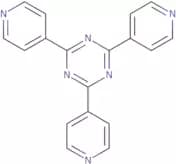

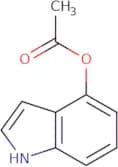
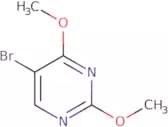
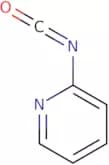
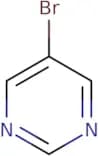
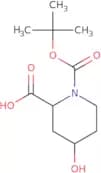
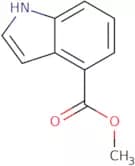
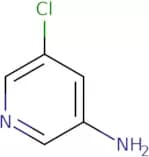
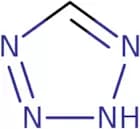
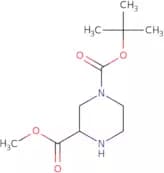

![6,7-Dihydrothieno[3,2-c]pyridine](/_next/image/?url=https%3A%2Fstatic.cymitquimica.com%2Fproducts%2F3D%2Fthumb-webp%2FFD22047.webp&w=3840&q=75)
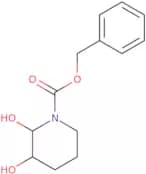
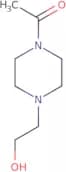

![3-[[(2S,4S)-4-[4-(3-Methyl-1-phenyl-1H-pyrazol-5-yl)-1-piperazinyl]-2-pyrrolidinyl]carbonyl]-thiaz…](/_next/image/?url=https%3A%2Fstatic.cymitquimica.com%2Fproducts%2F3D%2Fthumb-webp%2FFM61598.webp&w=3840&q=75)

![4-Chloro-7-methyl-7H-pyrrolo[2,3-d]pyrimidine](/_next/image/?url=https%3A%2Fstatic.cymitquimica.com%2Fproducts%2F3D%2Fthumb-webp%2FFC140698.webp&w=3840&q=75)
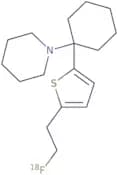
![Methyl 3-aminothieno[2,3-β]pyridine-2-carboxylate](/_next/image/?url=https%3A%2Fstatic.cymitquimica.com%2Fproducts%2F3D%2Fthumb-webp%2FFM57205.webp&w=3840&q=75)
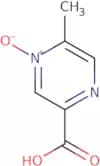
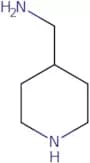
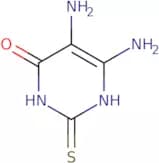
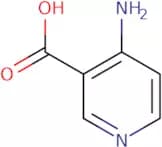
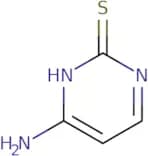
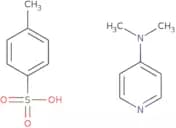
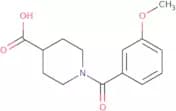
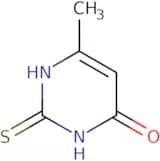
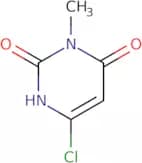
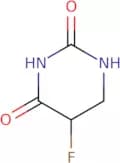
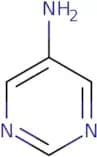
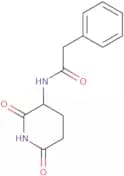
![Imidazo[1,2-α]pyridin-3-yl-boronic acid pinacol ester](/_next/image/?url=https%3A%2Fstatic.cymitquimica.com%2Fproducts%2F3D%2Fthumb-webp%2FFI51745.webp&w=3840&q=75)
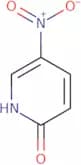
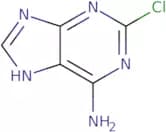
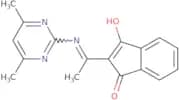
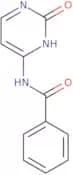
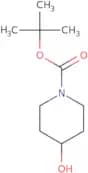
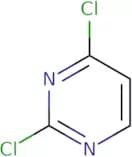
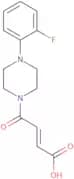
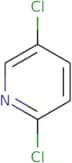

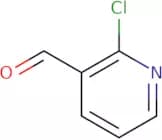
![2-(2-Butyl)-4-{4-[4-(4-methyloxy-phenyl)-piperazin-1-yl]-phenyl}-2,4-dihydro-[1,2,4]-triazol-3-one](/_next/image/?url=https%3A%2Fstatic.cymitquimica.com%2Fproducts%2F3D%2Fthumb-webp%2FFB19470.webp&w=3840&q=75)
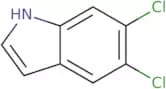
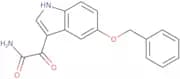
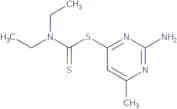
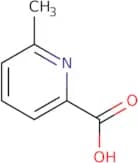
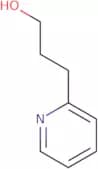
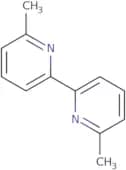
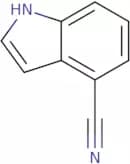
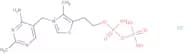

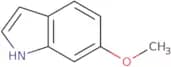

![3-(3-Piperidinopropoxy)-1-[3-(Trifluoromethyl)Phenyl]-1H-Indazole](/_next/image/?url=https%3A%2Fstatic.cymitquimica.com%2Fproducts%2F3D%2Fthumb-webp%2FFP97740.webp&w=3840&q=75)

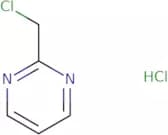

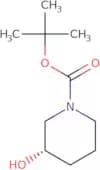
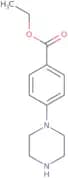
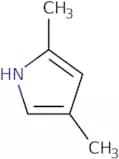
![5-Chloro-6-[(2-imino-1-pyrrolidinyl)methyl]-2,4(1H,3H)-pyrimidinedione monohydrochloride](/_next/image/?url=https%3A%2Fstatic.cymitquimica.com%2Fproducts%2F3D%2Fthumb-webp%2FFC126316.webp&w=3840&q=75)

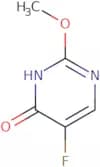
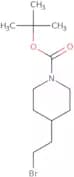

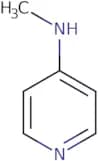

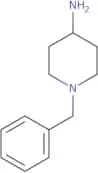
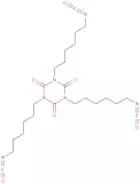
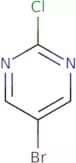

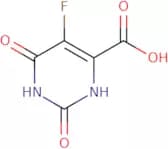
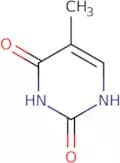
![1H-Pyrrolo[3,2-b]pyridine-7-carboxylic acid](/_next/image/?url=https%3A%2Fstatic.cymitquimica.com%2Fproducts%2F3D%2Fthumb-webp%2FFP167590.webp&w=3840&q=75)
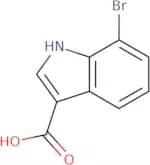
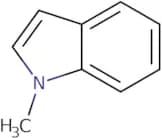
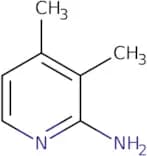
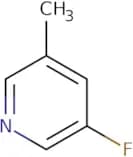

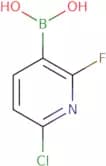
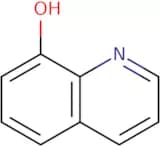

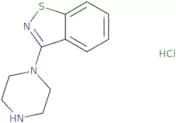
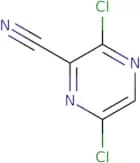
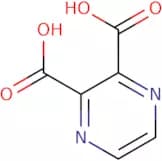
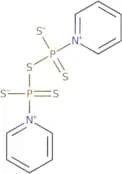
![1-[(5-Chloro-1-methyl-1H-indol-3-yl)methyl]piperidine-4-carboxylic acid](/_next/image/?url=https%3A%2Fstatic.cymitquimica.com%2Fproducts%2F3D%2Fthumb-webp%2FFC128187.webp&w=3840&q=75)
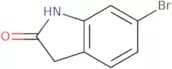
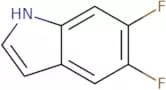
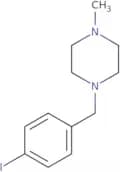
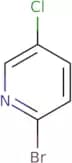

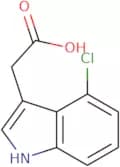
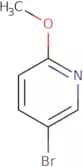
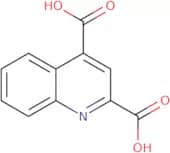
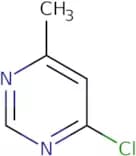
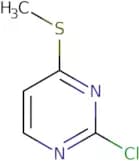
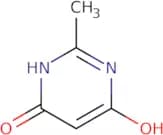
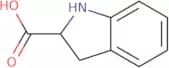
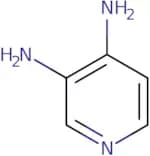
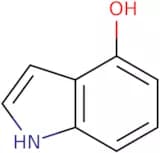
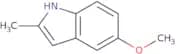
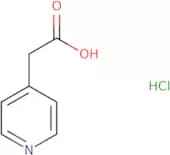
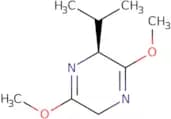
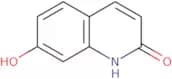
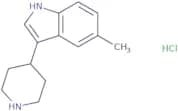
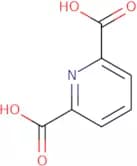

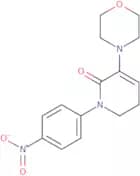

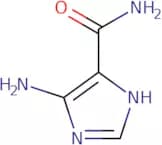
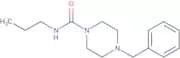


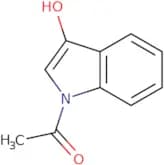
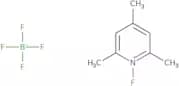

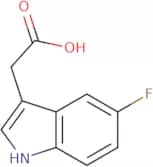
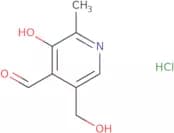

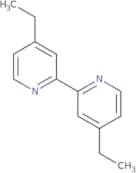
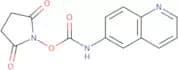
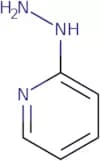
![3H-Imidazo[4,5-c]pyridine-7-carboxylic acid](/_next/image/?url=https%3A%2Fstatic.cymitquimica.com%2Fproducts%2F3D%2Fthumb-webp%2FFI167598.webp&w=3840&q=75)

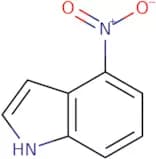

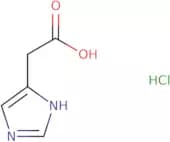

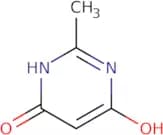
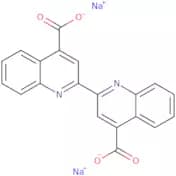
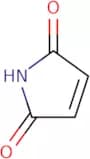
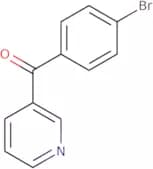
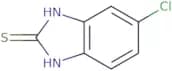
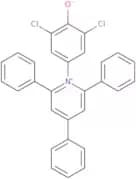
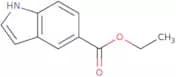
![7,8,9,10-Tetrahydro-8-(trifluoroacetyl)-6,10-methano-6H-pyrazino[2,3-h][3]benzazepine](/_next/image/?url=https%3A%2Fstatic.cymitquimica.com%2Fproducts%2F3D%2Fthumb-webp%2FFT11986.webp&w=3840&q=75)
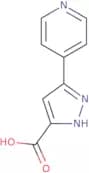
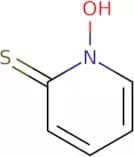
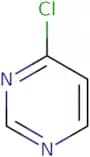
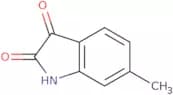

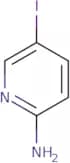
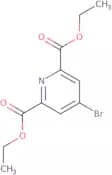
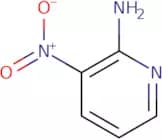

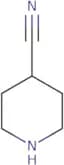
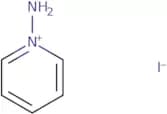

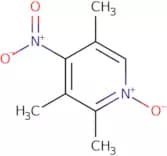

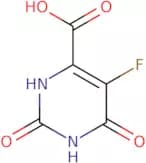
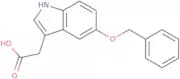
![20-Deoxo-23-deoxy-5-O-[3,6-dideoxy-3-(dimethylamino)-β-D-glucopyranosyl]-20,23-di-1-piperidinyltyl…](/_next/image/?url=https%3A%2Fstatic.cymitquimica.com%2Fproducts%2F3D%2Fthumb-webp%2FFT137728.webp&w=3840&q=75)
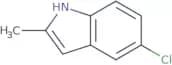
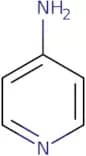


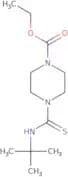
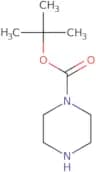
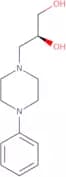
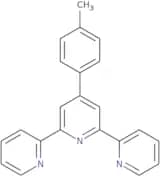
![Pyridin-3-Yl-[4-[3-(Trifluoromethyl)Phenyl]Piperazin-1-Yl]Methanone Dihydrochloride](/_next/image/?url=https%3A%2Fstatic.cymitquimica.com%2Fproducts%2F3D%2Fthumb-webp%2FFP100969.webp&w=3840&q=75)
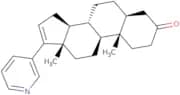
![5-Methoxy-2-[[(4-methoxy-3,5-dimethyl-2-pyridinyl)methyl]thio]-1H-benzimidazole N-oxide](/_next/image/?url=https%3A%2Fstatic.cymitquimica.com%2Fproducts%2F3D%2Fthumb-webp%2FFM63432.webp&w=3840&q=75)
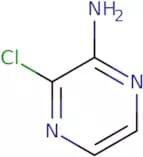
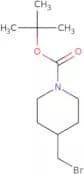
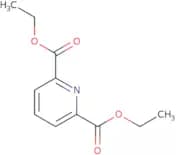
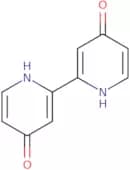
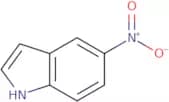
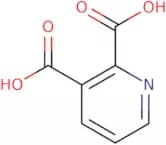
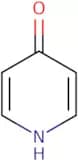

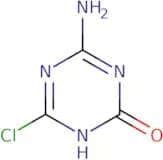
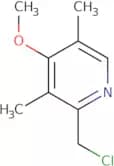
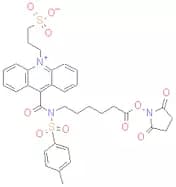
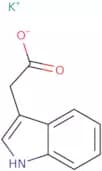
![N-[(4-Amino-2-methylpyrimidin-5-yl)methyl]formamide](/_next/image/?url=https%3A%2Fstatic.cymitquimica.com%2Fproducts%2F3D%2Fthumb-webp%2FFA31702.webp&w=3840&q=75)
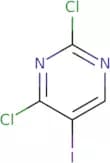
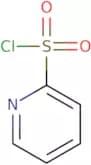
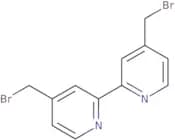
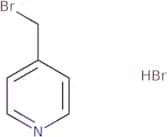
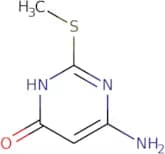
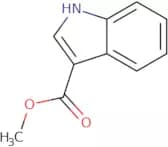
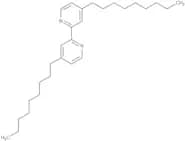
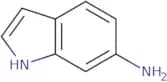
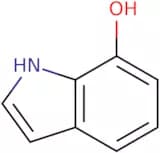
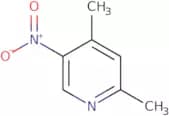
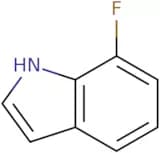
![7-[4-(4-Fluorophenyl)-6-(1-methylethyl)-2-(N-methyl-N-methylsulfonyl-amino)-pyrimidin-5-yl]-3,5-di…](/_next/image/?url=https%3A%2Fstatic.cymitquimica.com%2Fproducts%2F3D%2Fthumb-webp%2FFF35383.webp&w=3840&q=75)