


Amines
Amines are a set of molecules containing an amino functional group (derived from ammonia). This category includes amines at any level of substitution : primary, secondary, tertiary, and ammonium salts. Amines are fundamental in organic synthesis and are widely used in pharmaceuticals, agrochemicals, and materials science. At CymitQuimica, we provide a comprehensive selection of amines to meet your research and industrial needs. Our range ensures access to various amines for diverse chemical processes and innovative research.
Subcategories of "Amines"
- Nitrosamines(2,605 products)
- Primary Amines(30,821 products)
- Quaternary Ammonium Cations and Salts(1,099 products)
- Secondary Amines(20,817 products)
- Tertiary Amines(17,117 products)
Found 8778 products of "Amines"
Sort by
Purity (%)
0
100
|
0
|
50
|
90
|
95
|
100
6-Amino-1-hexanethiol hydrochloride
CAS:<p>6-Amino-1-hexanethiol hydrochloride is a monolayer with an affinity for basic proteins, such as theophylline. The binding of 6-aminohexanethiol hydrochloride to theophylline has been shown to be linear and specific in electrochemical methods. 6-Aminohexanethiol hydrochloride immobilized on a surface binds theophylline with high affinity. This compound was also found to bind phosphatidylcholine, which is a major component of biological membranes. It has been demonstrated that 6-aminohexanethiol hydrochloride can be used as a functional group for immobilizing biomolecules on surfaces.</p>Formula:C6H15NS•HClPurity:Min. 95%Color and Shape:PowderMolecular weight:169.72 g/mol4-(4-Methylpiperazino)-1,2-benzenediamine
CAS:<p>4-(4-Methylpiperazino)-1,2-benzenediamine (4MPBD) is a small molecule that binds to the telomerase enzyme and inhibits its activity. Telomerase is an enzyme that maintains telomeres by adding nucleotides to the end of dna strands. 4MPBD has been shown to inhibit telomerase activity in vitro and in vivo, and it has been found to induce apoptosis in cancer cells. This compound also stabilizes telomeres and causes a shift in the equilibrium between short and long telomeres. The inhibition of telomerase by 4MPBD may lead to an increased risk of cancer progression and death, as well as an increase in susceptibility to infection due to shortened dna strands.</p>Formula:C11H18N4Purity:Min. 95%Color and Shape:PowderMolecular weight:206.29 g/mol[2-(4-Chlorophenoxy)ethyl]amine hydrochloride
CAS:<p>2-(4-Chlorophenoxy)ethyl]amine hydrochloride is a chemical that can be used as a building block for the synthesis of pharmaceuticals. It is an intermediate in the production of fine chemicals and other reagents. 2-[2-(4-Chlorophenoxy)ethoxy]ethylamine hydrochloride has CAS number 28769-06-4 and can be used for research purposes.</p>Formula:C8H10ClNOPurity:Min. 95 Area-%Color and Shape:Clear LiquidMolecular weight:171.62 g/mol4'-Dimethylaminoacetophenone
CAS:<p>4'-Dimethylaminoacetophenone is a fluorescent probe that has been shown to be a potential use for measuring the activation energy of radical chain reactions. It has been shown to have synergistic effects with hydroxyl group radicals, and can be used as an indicator for carbon tetrachloride. The fluorescence properties of 4'-dimethylaminoacetophenone are dependent on the polarity of the solvent in which it is dissolved. This compound is a colorless liquid that is soluble in acetonitrile, but insoluble in water. 4'-Dimethylaminoacetophenone also has sunscreen properties, which may be due to its ability to absorb UV radiation.</p>Formula:C10H13NOPurity:Min. 95%Color and Shape:PowderMolecular weight:163.22 g/mol4-Acetamido-2'-amino-2-nitrophenyl sulphide
CAS:<p>4-Acetamido-2'-amino-2-nitrophenyl sulphide is a versatile building block that is used as a reagent, speciality chemical, and useful scaffold. It is a complex compound with CAS No. 1017060-37-5. This compound has been shown to be useful in the synthesis of fine chemicals and other research chemicals. 4-Acetamido-2'-amino-2-nitrophenyl sulphide can also be used as an intermediate in reactions or as a reaction component, making it an important building block for high quality compounds.</p>Formula:C14H13N3O3SPurity:Min. 95%Color and Shape:PowderMolecular weight:303.34 g/mol4-[[(2-Amino-1,2-dicyanoethenyl)imino]methyl]benzoic acid
CAS:<p>Please enquire for more information about 4-[[(2-Amino-1,2-dicyanoethenyl)imino]methyl]benzoic acid including the price, delivery time and more detailed product information at the technical inquiry form on this page</p>Formula:C12H8N4O2Purity:Min. 95%Color and Shape:PowderMolecular weight:240.22 g/molCapstone product B
CAS:<p>Capstone product B is a magnetic resonance spectroscopy agent that has been deacetylated. It can be broken down by photolysis, and is metabolized by hydrocarbon-degrading enzymes. Capstone product B contains a betaine group that is sensitive to light, and can be detected by resonance spectroscopy. The experiment was conducted on soil samples with the use of a surfactant to increase the solubility of the analyte in water.</p>Formula:C15H19F13N2O4SPurity:(Elemental Analysis) Min. 95%Color and Shape:PowderMolecular weight:570.37 g/mol20-Deoxo-23-deoxy-5-O-[3,6-dideoxy-3-(dimethylamino)-β-D-glucopyranosyl]-20,23-di-1-piperidinyltylonolide
CAS:<p>20-Deoxo-23-deoxy-5-O-[3,6-dideoxy-3-(dimethylamino)-beta-D-glucopyranosyl]-20,23-di-1-piperidinyltylonolide is an antimicrobial agent that belongs to the group of chemotherapeutic agents. It is a fluorinated analog of tilmicosin. The low dose group was treated with this drug for five days, and the high dose group received 20 times the amount of drug. Fluorescence spectrometry showed that there was no significant difference in the fluorescence intensity between these two groups after 24 hours. This drug has been shown to have pharmacokinetic properties in rats and mice, but further optimization may be required to improve its process.</p>Formula:C41H71N3O8Purity:Min. 95%Color and Shape:Off-White PowderMolecular weight:734.02 g/mol4-Amino-3-nitrophenol
CAS:<p>4-Amino-3-nitrophenol is a reactive aminophenol that can be synthesized from hydrogen sulfate and diethyl ester. It is used in the synthesis of amines and other chemicals, as well as in analytical methods for determining the concentration of nitrates, nitrites, and aminophenols. 4-Amino-3-nitrophenol has been shown to have photocatalytic activity.</p>Formula:C6H6N2O3Purity:Min. 95%Color and Shape:PowderMolecular weight:154.12 g/mol2,5-Diaminobenzylamine hydrochloride
<p>2,5-Diaminobenzylamine hydrochloride is a fine chemical that is used as a versatile building block and research chemicals. This compound has been shown to be an intermediate for the synthesis of other compounds with pharmaceutical properties. 2,5-Diaminobenzylamine hydrochloride can also be used as a reagent in organic chemistry. It has CAS No. 1008-77-4 and is listed on the inventory list of speciality chemicals by the European Commission (EC). 2,5-Diaminobenzylamine hydrochloride is water soluble and has a high quality.</p>Formula:C7H12ClN3Purity:Min. 95%Molecular weight:173.64 g/mol4-Aminobenzoic acid N-butyl ester
CAS:<p>4-Aminobenzoic acid N-butyl ester is a glycol ether compound that has been shown to have strong immunosuppressive and anti-inflammatory properties. It has been used in the treatment of autoimmune diseases, such as systemic lupus erythematosus and rheumatoid arthritis. 4-Aminobenzoic acid N-butyl ester also has a low potential for drug interactions with other drugs. The water solubility of this compound is high, making it suitable for use in humid environments, such as the respiratory tract. The bone cancer drug butamben was developed using 4-aminobenzoic acid N-butyl ester as a starting material. This drug also reacts with benzalkonium chloride to form stable complexes with high potency and high values.</p>Formula:C11H15NO2Purity:Min. 95 Area-%Color and Shape:PowderMolecular weight:193.24 g/molN,N-Dimethyl-tert-butylamine
CAS:<p>N,N-Dimethyl-tert-butylamine is an organic compound that is used as a primary amine in the preparation of piperidines. It can be obtained by electrolysis of carbon tetrachloride with n-nitrosopiperidine as the catalyst. The process of obtaining N,N-Dimethyl-tert-butylamine is unsymmetrical and yields are low. The amines may be prepared by transfer hydrogenation or catalytic reduction of an aldehyde. The asymmetric synthesis may be achieved using chiral auxiliaries.</p>Formula:C6H15NPurity:Min. 95%Color and Shape:Colorless Clear LiquidMolecular weight:101.19 g/mol4-(4-(dimethylamino)phenyl)-2-methylthiosemicarbazide
CAS:<p>Please enquire for more information about 4-(4-(dimethylamino)phenyl)-2-methylthiosemicarbazide including the price, delivery time and more detailed product information at the technical inquiry form on this page</p>Purity:Min. 95%2,2-Bis[4-(4-aminophenoxy)phenyl]propane
CAS:<p>2,2-Bis[4-(4-aminophenoxy)phenyl]propane is a monomer that is used in the production of polyurethanes. It has a number of alkyl substituents, including chloride, which are removed during the process. 2,2-Bis[4-(4-aminophenoxy)phenyl]propane reacts with chlorides to form hydrochloric acid and 2,2-bis(4-hydroxyphenyl)propane. The reaction time depends on the concentration of chloride and can be determined by gel permeation chromatography. This monomer has been shown to have a kinetic data that is dependent on temperature, as well as magnetic resonance spectroscopy and proton NMR data. The product also exhibits an increase in thermal expansion when compared to other monomers.</p>Formula:C27H26N2O2Purity:Min. 98 Area-%Color and Shape:White PowderMolecular weight:410.51 g/mol4-(Dimethylamino)phenylaceticacid
CAS:<p>4-(Dimethylamino)phenylacetic acid (DMAPA) is a chemical inhibitor that binds to fatty acids. It has been shown to have antitumor effects on prostate cancer cells in vitro and in vivo, as well as anti-inflammatory properties. DMAPA also inhibits the synthesis of prostaglandins, which may be due to its binding to amines or the uv irradiation of the molecule. DMAPA has been shown to be effective in preventing the aggregation of serotonin receptors, which may play a role in its potential use for treating depression.</p>Formula:C10H13NO2Purity:Min. 95%Color and Shape:PowderMolecular weight:179.22 g/mol1-(2-Dimethylaminoethyl)-5-mercaptotetrazole
CAS:<p>The 1-(2-Dimethylaminoethyl)-5-mercaptotetrazole (DMTT) is a nucleophilic molecule that has been studied extensively in electrochemical impedance spectroscopy. It is a potentiodynamic polarization agent, which is used to study the kinetics of redox reactions. The DMTT has also been shown to be an efficient catalyst for the oxidation of iodomethane to iodine and methanol. This chemical compound can also be used as a medicine due its virulent properties against cancer cells. The DMTT binds to polybenzimidazole and produces morphological changes in the polymer chains, which may be due to its ability to induce aggregation and crosslinking of polybenzimidazole chains. DMTT can also be used as a precursor for other molecules by reacting with polybenzimidazoles under certain conditions.</p>Formula:C5H11N5SPurity:Min. 98 Area-%Molecular weight:173.24 g/molAcetyl-L-glutamine
CAS:<p>Acetyl-L-glutamine is a naturally occurring amino acid that is synthesized by the body and can be found in various foods. It has been shown to have many beneficial effects, such as the prevention of bowel disease. Acetyl-L-glutamine has also been shown to stimulate the production of neurotrophic factors, which are proteins that promote neuron growth and survival. This amino acid is used in therapy groups for people with neurodegenerative diseases, such as Parkinson's disease and Alzheimer's disease. Acetyl-L-glutamine may be effective against acute brain injury or stroke due to its ability to increase neuronal survival and inhibit neuronal death. The therapeutic effect of acetyl-L-glutamine on neuronal death may be due to its ability to inhibit apoptosis by preventing reactive oxygen species from binding to DNA. Acetyl-L-glutamine also promotes nerve cell growth and protects against damage caused by ischemia–reperf</p>Formula:C7H12N2O4Purity:Min. 95%Color and Shape:PowderMolecular weight:188.18 g/mol(1H-Indol-3-yl)methanamine
CAS:<p>Indol-3-ylmethanamine is a plant hormone that belongs to the group of indole alkaloids. It inhibits the production of phytoalexins, which are secondary metabolites that protect plants against pathogens. Indol-3-ylmethanamine induces signal pathways and enzyme activities in cells, including hydroxylase activity and polyphenol oxidase activity. Indol-3-ylmethanamine has been shown to be active against 5-HT4 receptors in vitro.</p>Formula:C9H10N2Color and Shape:PowderMolecular weight:146.19 g/molFmoc-(R)-4-amino-5-methylhexanoic acid
CAS:<p>Fmoc-(R)-4-amino-5-methylhexanoic acid is a versatile building block, useful scaffold, and useful intermediate. It can be used in the synthesis of complex compounds with high quality and purity. Fmoc-(R)-4-amino-5-methylhexanoic acid is also an important reaction component for research chemicals, speciality chemicals, and many other chemical reactions. It can be used as a reagent in organic synthesis.</p>Formula:C22H25NO4Purity:Min. 95%Color and Shape:PowderMolecular weight:367.44 g/molα-Aminoisobutyric acid methyl ester hydrochloride
CAS:<p>Alpha-aminoisobutyric acid methyl ester hydrochloride (AABME) is an amino acid that is a metabolite of the neurotransmitter GABA. It has been shown to be transported across the blood-brain barrier by a carrier-mediated transport system and is taken up by neurons via a solute carrier family 38 member 2 transporter. AABME has been observed at physiological levels in maternal blood plasma, urine, cerebrospinal fluid, and brain tissue. It has also been studied in vitro using 3T3-L1 preadipocytes as a model for adipogenesis. In this context, it has been shown to increase cell proliferation and inhibit apoptosis.</p>Formula:C5H11NO2•HClColor and Shape:PowderMolecular weight:153.61 g/mol4-Carbethoxyaminothiazole
CAS:<p>4-Carbethoxyaminothiazole is a versatile building block for the synthesis of many fine chemicals and complex compounds. It is a reagent that can be used in research, as a speciality chemical, or as an intermediate to produce other useful compounds. 4-Carbethoxyaminothiazole is also a useful scaffold for the synthesis of organic molecules with interesting biological properties.</p>Formula:C6H8N2O2SPurity:Min. 95%Color and Shape:White solid.Molecular weight:172.21 g/moldiethyl 2-(((2,5-dimethoxyphenyl)amino)methylene)propane-1,3-dioate
CAS:<p>Please enquire for more information about diethyl 2-(((2,5-dimethoxyphenyl)amino)methylene)propane-1,3-dioate including the price, delivery time and more detailed product information at the technical inquiry form on this page</p>Purity:Min. 95%3-(2-(2-Aminoethoxy)ethoxy)-propanoic acid
CAS:<p>3-(2-(2-Aminoethoxy)ethoxy)-propanoic acid is a PEG compound with two different functional groups (also known as heterobifunctional). Unlike homobifunctional PEG compounds (same functional group on both ends), this type of compounds are more versatile as have two different anchor points. 3-(2-(2-Aminoethoxy)ethoxy)-propanoic acid is used as a linker and spacer to add a PEG moiety, via pegylation (a bioconjugation technique) to proteins, peptides, oligonucleotides, small molecules and nanoparticles.</p>Formula:C7H15NO4Purity:Min. 95%Color and Shape:White PowderMolecular weight:177.2 g/molDi-(1-adamantyl)amine hydrochloride
CAS:<p>Di-(1-adamantyl)amine hydrochloride is a fine chemical that is used as a building block in research. It has been shown to be an effective reagent for the preparation of polymers and as a speciality chemical. Di-(1-adamantyl)amine hydrochloride can be used as a reaction component for the synthesis of other compounds and is available in high quality. It is also versatile, being able to react with carboxylic acids, amines, alcohols, phosphorus halides, and thiols. This compound is not listed with CAS No., but it is available from many suppliers.</p>Formula:C20H32ClNPurity:Min. 95%Color and Shape:PowderMolecular weight:321.93 g/mol2-Aminoethanephosphonic acid
CAS:<p>2-Aminoethanephosphonic acid (2AEP) is a phosphonic acid that is used as a fungicide. 2AEP binds to the target enzymes, such as bacterial RNA polymerase and bacterial DNA gyrase, by steric interactions with the hydroxyl groups of the enzyme. 2AEP also inhibits the synthesis of proteins in bacteria, which leads to cell death. The binding of 2AEP to bacterial RNA polymerase prevents the enzyme from interacting with ribonucleoside triphosphates, thus inhibiting transcription and translation of proteins. This compound has been shown to be effective against Caulobacter crescentus and Escherichia coli K-12 strains. A matrix effect was observed in this study for 2AEP when it was mixed with other compounds such as sodium azide or DMSO. In addition, there are some biochemical properties that are specific for 2AEP including its ability to inhibit fetal bovine serum</p>Formula:C2H8NO3PPurity:Min. 95%Color and Shape:PowderMolecular weight:125.06 g/molN,N-Dimethyldodecylamine N-oxide - 30% solution in water
CAS:<p>N,N-Dimethyldodecylamine N-oxide, also known as lauryldimethylamine oxide (LDAO), is an amine oxide nonionic surfactant with a C12 alkyl chain used widely in cosmetics, washing, cleaning and personal care products. LDAO has antimicrobial properties and is effective against common bacteria such as S. aureus and E. coli.</p>Formula:C14H31NOColor and Shape:Colorless Clear LiquidMolecular weight:229.4 g/mol6-Carboxytetramethylrhodamine succinimidyl ester
CAS:<p>6-Carboxytetramethylrhodamine (TAMRA) is a widely employed fluorescent dye (orange-red) suitable for different uses. In PCR applications, it has been used both as a reporter at the 5â or as a quencher at the 3â end. TAMRA-labelled oligonucleotides have been used to study interactions with DNA or DNA/proteins interactions. It is an excellent fluorescent acceptor for FRET applications with a suitable dye pair. It is used as a protein/antibody labelling agent for structural studies, immunochemistry and flow cytometry. Bioconjugation is generally performed through coupling of the carboxylic acid to a primary amine at the N-terminus of a protein, on lysine side chains or amino-modified oligonucleotide. Carboxylic acids activated with succinimidyl esters react with primary amines.</p>Formula:C29H25N3O7Purity:Min. 95 Area-%Color and Shape:PowderMolecular weight:527.52 g/mol(R)-4-(Boc-amino)-3-(Z-amino)butyric acid
CAS:<p>(R)-4-(Boc-amino)-3-(Z-amino)butyric acid is a synthetic ligand that binds to dna. The binding of this ligand can be monitored by the thermodynamic interaction between the ligand and dna. (R)-4-(Boc-amino)-3-(Z-amino)butyric acid has been shown to bind to the phosphate groups on dna, which are apolar in nature. This ligand also interacts with the vector group of dna, and it has a multivalency of two. It is water soluble and neutral, making it suitable for use in supramolecular chemistry. (R)-4-(Boc-amino)-3-(Z-amino)butyric acid is not very polar and does not have any charges or functional groups that would make it an ionizable species. It can form complexes with carbohydrates because it is neutral, and its interactions with them are</p>Formula:C17H24N2O6Purity:Min. 98 Area-%Color and Shape:PowderMolecular weight:352.38 g/molAcridine-3,6-diamine
CAS:<p>Acridine-3,6-diamine is a fluorescent dye that is used in analytical chemistry to measure the concentration of DNA. The dye binds to the enzyme form of DNA and can be detected with a fluorescence microscope. Acridine-3,6-diamine is also used as a model system for studying multidrug efflux pumps found in cells, which are ATPases that pump out toxic substances from bacteria. This drug has shown antibacterial efficacy against various bacteria, including Staphylococcus aureus and Escherichia coli. The potential mechanism of action may be due to inhibition of the bacterial DNA replication processes by binding to the cell nuclei or through inhibition of energy metabolism or dinucleotide phosphate synthesis.</p>Formula:C13H11N3Purity:Min. 95%Color and Shape:PowderMolecular weight:209.25 g/mol1-(4-Aminophenyl)propane-1,2,3-triol
CAS:<p>1-(4-Aminophenyl)propane-1,2,3-triol is a fine chemical that is useful for research and development of pharmaceuticals. It has the CAS number 695191-72-1. This compound has been used as a building block in the synthesis of a wide range of complex molecules. It is also used as a reagent and speciality chemical in the production of pharmaceuticals and agrochemicals. 1-(4-Aminophenyl)propane-1,2,3-triol is a versatile building block that can be used to create new compounds with different properties. It also functions as a useful intermediate or scaffold for drug discovery programs.</p>Formula:C9H13NO3Purity:Min. 95%Color and Shape:Off-White To Brown SolidMolecular weight:183.2 g/mol[(3-Methylphenyl)(phenyl)methyl]amine hydrochloride
CAS:<p>[(3-Methylphenyl)(phenyl)methyl]amine hydrochloride is a useful building block in the synthesis of many organic compounds. It has been used extensively as a research chemical, and is often used as an intermediate to synthesize other chemicals. [(3-Methylphenyl)(phenyl)methyl]amine hydrochloride is also a versatile scaffold for drug design, and has shown anti-inflammatory properties.</p>Formula:C14H16ClNPurity:Min. 95 Area-%Color and Shape:PowderMolecular weight:233.74 g/mol4-[(7-Chloro-4-quinolinyl)amino]-1-pentanol
CAS:<p>4-[(7-Chloro-4-quinolinyl)amino]-1-pentanol (QLT) is a drug that has been shown to be effective against both healthy volunteers and malaria patients. It is a prodrug that is metabolized by the liver into 7-chloroquinalone, which inhibits the growth of plasmodium falciparum. QLT has been shown to be safe and well tolerated in studies with healthy volunteers, and it does not appear to cause significant adverse effects. QLT also has an effect on T cells, which may be due to its ability to inhibit protein synthesis and cell division.</p>Formula:C14H17ClN2OPurity:Min. 95%Color and Shape:Yellow SolidMolecular weight:264.75 g/mol(S)-trans-2-Amino-4-(2-aminoethoxy)-3-butenoic acid hydrochloride
CAS:<p>(S)-trans-2-Amino-4-(2-aminoethoxy)-3-butenoic acid hydrochloride is a chemical pesticide that inhibits the production of ethylene in plants. It is used to control growth and enhance the fruit quality of horticultural crops. It is also used as an inhibitor of serine proteases, which are enzymes that catalyze the hydrolysis of proteins. This product has been shown to act as a growth regulator by inhibiting the activity of serine proteases and blocking the biosynthesis of ethylene. (S)-trans-2-Amino-4-(2-aminoethoxy)-3-butenoic acid hydrochloride also blocks the biosynthesis of human chorionic gonadotropin, a hormone involved in reproduction and development.</p>Formula:C6H13ClN2O3Purity:Min. 97 Area-%Color and Shape:Off-White PowderMolecular weight:196.63 g/mol(1R)-(1S,2S,3R,5S)-Pinanediol-N-(N-pyrazinylphenylalaninoyl)-1-amino-3-methyl-butane-1-boronate
CAS:<p>(1R)-(1S,2S,3R,5S)-Pinanediol-N-(N-pyrazinylphenylalaninoyl)-1-amino-3-methyl-butane-1-boronate is a boronic acid derivative that has been shown to have an antiproliferative effect on cancer cells. It is a biodegradable, water soluble drug with a low toxicity profile. The maximum tolerated dose has been established in vivo studies and it can be used as an imaging agent for diagnosis. (1R)-(1S,2S,3R,5S)-Pinanediol-N-(N-pyrazinylphenylalaninoyl)-1-amino-3-methyl-butane-1-boronate may be used to treat cancers such as breast cancer or leukemia. This drug targets the proteasome and inhibits its activity by binding to the active site of the 20s</p>Formula:C29H39BN4O4Purity:Min. 95%Color and Shape:SolidMolecular weight:518.46 g/mol7-Fluorobenzo-2-oxa-1,3-diazole-4-sulfonic acid ammonium
CAS:<p>7-Fluorobenzo-2-oxa-1,3-diazole-4-sulfonic acid ammonium is a fluorescent derivative that is used in clinical pathology to study human metabolism. The compound reacts with blood cells to form a fluorescent derivative that can be detected by use of a fluorescence detector. A sample preparation technique is required to prepare the blood samples before analysis. 7-Fluorobenzo-2-oxa-1,3-diazole-4-sulfonic acid ammonium has been shown to react with disulfide bonds and endogenous substances, such as glutathione, dopamine and serotonin. The detection sensitivity for this compound is approximately 10 pM.</p>Formula:C6H6FN3O4SPurity:Min. 95%Color and Shape:White PowderMolecular weight:235.19 g/mol1-Acetyl-1,2,3,4-tetrahydroquinolin-7-amine hydrochloride
CAS:<p>1-Acetyl-1,2,3,4-tetrahydroquinolin-7-amine hydrochloride is a versatile building block that can be used in the synthesis of complex compounds with high quality and as a speciality chemical. This compound is useful as a reagent and reaction component in organic synthesis. It has been shown to be useful in the synthesis of new scaffolds for drug discovery.</p>Formula:C11H14N2O·HClPurity:Min. 95%Color and Shape:Off-White PowderMolecular weight:226.7 g/mol1-(3-Chlorophenyl)biguanide hydrochlorid
CAS:<p>N-(3-Chlorophenyl)-N'-(diaminomethylene)guanidine is a 5-HT3 receptor antagonist that binds to the 5-HT3 receptor in the gastrointestinal tract and blocks the voltage-dependent calcium channels. It has been shown to have a protective effect on the bowel by reducing inflammation and increasing the rate of recovery after colitis. N-(3-Chlorophenyl)-N'-(diaminomethylene)guanidine also has been shown to be effective in treating Parkinson's disease, although its mechanism of action is not yet fully understood.</p>Formula:C8H10ClN5•HClPurity:Min. 95%Color and Shape:PowderMolecular weight:248.11 g/molN-Ethylamine-2,4,6-triphenyl pyridinium tetrafluoroborate
CAS:<p>N-Ethylamine-2,4,6-triphenyl pyridinium tetrafluoroborate is a chemical reagent that belongs to the group of fine chemicals. It is soluble in water and ethanol, and has a melting point of around 100°C. N-Ethylamine-2,4,6-triphenyl pyridinium tetrafluoroborate is used in organic synthesis as a useful building block or as a research chemical for the production of other compounds. This compound is a versatile building block that can be used in the preparation of complex compounds such as pharmaceuticals. N-Ethylamine-2,4,6-triphenyl pyridinium tetrafluoroborate has been classified as an extremely hazardous substance by the US Department of Transportation due to its high reactivity with water.</p>Formula:C25H23N2·BF4Purity:Min. 95%Molecular weight:438.27 g/molMitotenamine
CAS:<p>Please enquire for more information about Mitotenamine including the price, delivery time and more detailed product information at the technical inquiry form on this page</p>Formula:C13H15BrClNSPurity:Min. 95%Molecular weight:332.69 g/molEthyl 2-(4-(4-(trifluoromethyl)phenylamino)-3,5-thiazolyl)acetate
CAS:<p>Please enquire for more information about Ethyl 2-(4-(4-(trifluoromethyl)phenylamino)-3,5-thiazolyl)acetate including the price, delivery time and more detailed product information at the technical inquiry form on this page</p>Purity:Min. 90%1,4-Dioxaspiro[4.5]decan-8-ylmethanamine
CAS:<p>1,4-Dioxaspiro[4.5]decan-8-ylmethanamine is a fine chemical that is a versatile building block and reagent. It can be used as a reaction component, useful intermediate, or useful scaffold in the synthesis of complex compounds. The CAS number for 1,4-Dioxaspiro[4.5]decan-8-ylmethanamine is 30482-25-8.</p>Formula:C9H17NO2Purity:(%) Min. 95%Color and Shape:Brown PowderMolecular weight:171.24 g/molethyl 2-nitrilo-3-((2-phenylethyl)amino)prop-2-enoate
CAS:<p>Please enquire for more information about ethyl 2-nitrilo-3-((2-phenylethyl)amino)prop-2-enoate including the price, delivery time and more detailed product information at the technical inquiry form on this page</p>Purity:Min. 85%4-(Acetylamino)-3-nitrobenzoic acid
CAS:<p>4-(Acetylamino)-3-nitrobenzoic acid (AANBA) is a molecule that inhibits the growth of Mycobacterium tuberculosis and influenza virus. It has been shown to have tuberculostatic activity and is able to adsorb to the cavity of the enzyme protein, preventing access by other molecules. AANBA also has antiviral properties that may be due to its ability to inhibit viral particles from binding with a cell surface receptor or inhibiting the synthesis of viral proteins. AANBA binds to the chloride ion in order to maintain the negative charge of the molecule, which is crucial for its antiviral activity.</p>Formula:C9H8N2O5Purity:Min. 95%Color and Shape:Slightly Yellow PowderMolecular weight:224.17 g/molN-Dihydrocinnamoylaminocaproic acid
CAS:<p>Please enquire for more information about N-Dihydrocinnamoylaminocaproic acid including the price, delivery time and more detailed product information at the technical inquiry form on this page</p>Formula:C15H21NO3Purity:Min. 95%Molecular weight:263.33 g/mol4-Aminobenzaldehyde polymer
CAS:<p>4-Aminobenzaldehyde polymer is a crystalline solid that is soluble in organic solvents. It can be used as a reaction vessel for acylation reactions, such as the conversion of an acid chloride to the corresponding amide. 4-Aminobenzaldehyde polymer has been shown to react with diazonium salts to form the corresponding diazo compounds in high yields. The electron activity of the molecule was tested by measuring its oxidation potentials and reducing power. 4-Aminobenzaldehyde polymer is functionalized with both nucleophilic and electrophilic groups. This compound also has electrochemical properties, including optical properties and nmr spectra. The control experiments for this substance are sodium nitrate, which does not react with diazonium salts or react with 4-aminobenzaldehyde polymer at all.</p>Formula:(C7H7NO)xPurity:Min. 95%Color and Shape:Powder(S)-2-((Methoxycarbonyl)amino)-3-methylbutanoic acid
CAS:<p>(S)-2-((Methoxycarbonyl)amino)-3-methylbutanoic acid is a synthetic molecule that has been studied for its antiviral activity against hepatitis C virus. The compound was found to inhibit the replication of the virus, with an IC50 of 0.5 mM in cell culture studies. It also inhibited the replicon and reaction yield of the virus in vitro. (S)-2-((Methoxycarbonyl)amino)-3-methylbutanoic acid is effective against genotype 1 and 2, but not against genotype 3. It is active against a broad range of HCV isolates, including those resistant to other drugs such as ribavirin or telaprevir. The drug has been shown to be well tolerated in animals and humans. END></p>Formula:C7H13NO4Purity:Min. 95%Color and Shape:White PowderMolecular weight:175.18 g/mol3-Amino-4-carbomethoxybenzoic acid
CAS:<p>3-Amino-4-carbomethoxybenzoic acid is a compound that has not yet been labeled with a function. It has been shown to be an intermediate in the synthesis of polymers, such as polyamides and polyesters. 3-Amino-4-carbomethoxybenzoic acid is involved in biological functions related to butyric acid, which is a metabolite of the amino acids phenylalanine and tyrosine, or from the degradation of proteins. It is also used as a precursor for amines and may be an intermediate in the synthesis of glycoconjugates. The compound was found to have anticancer properties when used in combination with other drugs, such as doxorubicin and etoposide. Furthermore, it was found to have anti-inflammatory activities by inhibiting prostaglandin synthesis.</p>Formula:C9H9NO4Purity:Min. 95%Color and Shape:PowderMolecular weight:195.17 g/molethyl 2-(4-((4-phenoxyphenyl)amino)-3,5-thiazolyl)acetate
CAS:<p>Please enquire for more information about ethyl 2-(4-((4-phenoxyphenyl)amino)-3,5-thiazolyl)acetate including the price, delivery time and more detailed product information at the technical inquiry form on this page</p>Purity:Min. 95%2,3-Diaminophenazine
CAS:<p>2,3-Diaminophenazine is a fluorescent probe that is used for the detection of dopamine. 2,3-Diaminophenazine has been shown to be a good indicator of the presence of organic compounds in human serum. Research has also shown that 2,3-diaminophenazine can be used as a fluorescence probe for transport properties and transfer reactions. It is soluble in water and shows no evidence of toxicity or mutagenicity.<br>2,3-Diaminophenazine has been shown to react with copper ions to form a copper complex. This reaction solution can catalyze the enzyme catalysis of p-nitrophenyl phosphate to produce acid p-nitrophenol (pNP). The nitrogen atoms on 2,3-diaminophenazine are responsible for its ability to bind with copper ions and act as an electron acceptor at the electrode surface.</p>Formula:C12H10N4Purity:Min 95%Molecular weight:210.23 g/molPerfluoroalkylsulfonyl quaternary ammonium iodide
CAS:Controlled Product<p>Perfluoroalkylsulfonyl quaternary ammonium iodide is a chemical substance that is used as an industrial treatment for wastewater, including industrial effluents, sludge, and waste water. It is liquid at room temperature. The reaction mechanism of perfluoroalkylsulfonyl quaternary ammonium iodide is nucleophilic attack on the electron-deficient carbon atom in the aromatic ring of the target molecule. This leads to formation of a covalent bond between the two molecules. The photoelectron microscopy technique has been used to study this reaction and has shown that it occurs in three phases: liquid phase, gas phase, and solid phase. Infrared spectrometry was also used to show that perfluoroalkylsulfonyl quaternary ammonium iodide reacts with chemical substances such as triphase.</p>Formula:C14H16F17IN2O2SPurity:Min. 95%Color and Shape:Slightly Yellow PowderMolecular weight:726.23 g/mol4-Aminobenzhydrazide
CAS:<p>4-Aminobenzhydrazide is a reactive chemical that can be used to study the kinetics of reactions. It is used in vitro as an antimicrobial agent against human eosinophils, HL-60 cells, and K562 cells. 4-Aminobenzhydrazide has been shown to inhibit the production of eosinophil peroxidase by inhibiting mmp-9 activity. This drug also inhibits the growth of bacteria such as Staphylococcus aureus and Escherichia coli in vitro. 4-Aminobenzhydrazide is chemically stable and does not decompose at high temperatures or react with sodium ferulate (a common oxidant).</p>Formula:C7H9ON3Purity:Min. 94 Area-%Color and Shape:PowderMolecular weight:151.17 g/mol2-Amino-1-aza-3-((4-methylphenyl)sulfonyl)prop-1-enyl thiophene-2-carboxylate
CAS:<p>Please enquire for more information about 2-Amino-1-aza-3-((4-methylphenyl)sulfonyl)prop-1-enyl thiophene-2-carboxylate including the price, delivery time and more detailed product information at the technical inquiry form on this page</p>Formula:C14H14N2O4S2Purity:Min. 95%Color and Shape:PowderMolecular weight:338.4 g/molDL-1,2-Diphenyl-1,2-ethanediamine
CAS:<p>The fluorescence resonance energy transfer (FRET) technique is used to measure the distance between two molecules in a crystalline state. The FRET phenomenon occurs when one molecule is excited with light of a specific wavelength and interacts with another molecule that has an absorption spectrum at the same wavelength. The energy from the excited molecule is transferred to the second molecule, which then emits light of a different wavelength. This phenomenon can be used to study structures and interactions within molecules. A large number of studies have been done using this technique to study how small molecules bind together, such as dopamine and trifluoroacetic acid, or hydrogen bonding interactions in nitrogen-containing molecules.</p>Formula:C14H16N2Purity:Min. 95%Color and Shape:White PowderMolecular weight:212.29 g/mol(2-chlorophenyl)(4-(4-fluorophenyl)(2,5-thiazolyl))amine
CAS:<p>Please enquire for more information about (2-chlorophenyl)(4-(4-fluorophenyl)(2,5-thiazolyl))amine including the price, delivery time and more detailed product information at the technical inquiry form on this page</p>Purity:Min. 95%1-Methyl-3-propylamine hydrochloride
CAS:<p>1-Methyl-3-propylamine hydrochloride is a fine chemical, research chemicals, and speciality chemical. It is a versatile building block for organic synthesis and has been used as a reagent in the production of other compounds. 1-Methyl-3-propylamine hydrochloride is also used as an intermediate in reactions involving complex compounds. This product has CAS number 578-72-5 and is of high quality.</p>Formula:C4H11N•HClPurity:Min. 95%Molecular weight:109.6 g/mol2-(2,2-dimethylpropanoyl)-3-hydroxy-3-(phenylamino)prop-2-enenitrile
CAS:<p>Please enquire for more information about 2-(2,2-dimethylpropanoyl)-3-hydroxy-3-(phenylamino)prop-2-enenitrile including the price, delivery time and more detailed product information at the technical inquiry form on this page</p>Purity:Min. 95%(5-Methylpyridin-2-yl)methanamine
CAS:<p>5-Methylpyridin-2-yl)methanamine is a high quality reagent that is used as a building block in the synthesis of complex compounds. It can be used as an intermediate, useful for the preparation of fine chemicals and useful scaffolds. It can also be used as a speciality chemical and is often used as a reaction component in research chemicals.</p>Formula:C7H10N2Purity:Min. 98 Area-%Color and Shape:Clear LiquidMolecular weight:122.17 g/molN-[5-(Phenylamino)-2,4-pentadienylidene]aniline monohydrochloride
CAS:<p>N-[5-(Phenylamino)-2,4-pentadienylidene]aniline monohydrochloride is a fluorescent probe that reacts with malonic acid. The reaction produces an emission peak at 595 nm and can be detected by fluorescence microscopy. This probe has been used in the study of hypoxia imaging, as well as for detection of reactive carbonyl groups and acetylation reactions. It can also be used to monitor treatment effects on residues from emulsions.</p>Formula:C17H16N2·HClPurity:(Titration) Min 98%Color and Shape:Red PowderMolecular weight:284.78 g/molPropargylamine
CAS:<p>Propargylamine is an irreversible inhibitor that binds to the active site of the enzyme acetylcholinesterase (AChE) and blocks the breakdown of acetylcholine. This leads to increased levels of acetylcholine in the synaptic cleft, which enhances neurotransmission and causes increased muscle contractions. Propargylamine has been shown to be a potent chemotherapy agent against cancer cells, causing neuronal death. It also inhibits epidermal growth factor receptor (EGFR) signaling pathways, leading to decreased tumor cell proliferation. The drug may also have neurotrophic effects by stimulating nerve growth factors or preventing neuronal apoptosis.</p>Formula:C3H5NPurity:Min. 95%Color and Shape:Colorless Yellow Clear LiquidMolecular weight:55.08 g/mol5,7-Dihydroxytryptamine hydrobromide
CAS:Controlled Product<p>5,7-Dihydroxytryptamine hydrobromide (5,7-DHT) is a serotonin agonist that inhibits the reuptake of 5-hydroxytryptamine. 5,7-DHT is used to study the role of serotonin in regulating mood and behavior. It is also used as an experimental model for studying pain mechanisms and for testing potential analgesic drugs. The drug has been shown to act on the serotonergic system by increasing cholinergic activity and decreasing dopamine levels, leading to an excitatory effect. 5,7-DHT can also inhibit histamine release from mast cells. This drug also has a potent anti-inflammatory effect through its action on cytokine production. 5,7-DHT has been shown to be effective against chronic neuropathic pain in rats with experimental models of peripheral neuropathy and spinal cord injury.</p>Formula:C10H12N2O2•HBrPurity:(Hplc-Ms) Min. 94 Area-%Color and Shape:PowderMolecular weight:273.13 g/mol2-bromo-5,5-dimethyl-3-((4-(trifluoromethoxy)phenyl)amino)cyclohex-2-en-1-one
CAS:<p>Please enquire for more information about 2-bromo-5,5-dimethyl-3-((4-(trifluoromethoxy)phenyl)amino)cyclohex-2-en-1-one including the price, delivery time and more detailed product information at the technical inquiry form on this page</p>Purity:Min. 95%2,6-Dimethylbenzylamine
CAS:<p>2,6-Dimethylbenzylamine is a chemical compound that has been shown to have potent antiviral activity. It binds to the active site of the HIV-1 protease enzyme, which blocks the cleavage of polyproteins into functional proteins. In addition, 2,6-dimethylbenzylamine has been shown to be capable of blocking other enzymes such as human immunodeficiency virus (HIV)-1 integrase and influenza virus neuraminidase. The chemical structure of 2,6-dimethylbenzylamine includes a heterocyclic ring that may be modified to optimise its antiviral activity. This modification can be done by using peptidomimetics or bioactive molecules such as small molecules or lipids.</p>Formula:C9H13NPurity:Min. 95%Color and Shape:Clear LiquidMolecular weight:135.21 g/mol2,5-Dihydroxybenzenesulfonic acid N-ethylethanamine
CAS:<p>2,5-Dihydroxybenzenesulfonic acid N-ethylethanamine is a drug that has been used to treat muscle spasms. It is a potassium salt of 2,5-dihydroxybenzenesulfonic acid, which is the active form of the drug. The mechanism of this drug is not fully understood but it may act by relaxing smooth muscles in the bladder. This drug has been shown to be effective in combination therapy with sodium ferulate and sodium salts (sodium chloride and sodium bicarbonate) for treating muscle spasms caused by urinary tract infections.<br>Fluorescence measurements are used for analytical determinations because of their high sensitivity and low cost, as well as the ability to provide results quickly. The synchronous fluorescence technique enables rapid quantification of both free and protein bound 2,5-dihydroxybenzenesulfonic acid N-ethylethanamine in urine samples due to its high sensitivity.</p>Formula:C10H17NO5SPurity:Min. 95%Color and Shape:White PowderMolecular weight:263.31 g/mol3-[(4-Chlorophenyl)amino]-5,5-dimethylcyclohex-2-en-1-one
CAS:<p>The compound is a chiral molecule, meaning that it has two different structures. One side of the molecule is the mirror image of the other. The translation and conformation of this molecule are asymmetric because the carbon atoms in its chain are not lined up in a straight line. The hydrogen bonds that form between these chains are also asymmetric, as one side of the molecule has more than one hydrogen bond while the other side only has one hydrogen bond.</p>Formula:C14H16ClNOPurity:Min. 95%Molecular weight:249.74 g/molN-D-Biotinyl-7-amino-4-methylcoumarin
CAS:<p>N-D-Biotinyl-7-amino-4-methylcoumarin is a fluorescent substrate that is used to measure the activity of biotinidase, an enzyme that catalyzes the hydrolysis of biotin. It is detectable by measuring fluorescence with a spectrophotometer. Biotinidase deficiency can be diagnosed by measuring the activity of this enzyme in biological fluids. This assay has been shown to be useful for diagnosing patients with deficient biotinidase activity.</p>Formula:C20H23N3O4SPurity:Min. 98 Area-%Color and Shape:PowderMolecular weight:401.48 g/mol5-Amino-1H-tetrazole potassium salt
CAS:<p>5-Amino-1H-tetrazole potassium salt is a chemical compound that is used as a reagent for the alkylation of organic compounds. It can be synthesized by reacting sodium with 5-amino-1H-tetrazole in the presence of dimethylformamide and ether. The yield of this reaction is high, but it is not an efficient process because it requires large quantities of starting materials. The potassium salt can be isolated from the mixture by adding water to produce a precipitate, which can then be dried.</p>Formula:CH2KN5Purity:Min. 95%Color and Shape:Slightly Yellow PowderMolecular weight:123.16 g/mol4-Bromo-3-methylbenzylamine hydrochloride
CAS:<p>4-Bromo-3-methylbenzylamine hydrochloride is a synthetic chemical that can be used in the synthesis of various products. This compound is a useful scaffold for the preparation of complex compounds, and it has been used as a reaction component in organic chemistry. It is also a versatile building block that can be used to synthesize fine chemicals with high purity. 4-Bromo-3-methylbenzylamine hydrochloride has been assigned CAS No. 1955514-32-5 by the Chemical Abstracts Service (CAS).</p>Formula:C8H10BrN·HClPurity:Min. 95%Molecular weight:236.54 g/mol(-)-Scopolamine N-butyl bromide
CAS:<p>(-)-Scopolamine N-butyl bromide is an anti-cholinergic drug that is used for the diagnosis and treatment of bowel diseases. It has been shown to be effective in two different animal models of bowel disease, one of which was induced by dextran sulfate sodium. (-)-Scopolamine N-butyl bromide has been shown to decrease motility and increase tone in the colon, as well as reduce the severity of diarrhea in animals with experimental colitis. It also has a sedative effect on the gastrointestinal tract that may be due to its ability to bind to acetylcholine receptors.</p>Formula:C21H30NO4BrPurity:Min. 98 Area-%Color and Shape:White PowderMolecular weight:440.37 g/molN-Benzylhydroxylamine hydrochloride
CAS:<p>N-Benzylhydroxylamine HCl is a quinolizidine alkaloid with a hydroxamic acid group. It is used in the synthesis of various organic compounds and pharmaceuticals, such as hydroxamic acids, bisected tetrahydrofurans, and β-amino acids. N-Benzylhydroxylamine HCl is also a substrate for gelatinase. The reaction yield depends on the choice of solvent; methyl alcohol yields higher yields than does ethyl alcohol. The asymmetric synthesis of this compound is stereoselective and can be achieved through different methods, including bisection or tetrahydrofuran (THF) synthesis.</p>Formula:C7H9NO•HClPurity:Min. 95%Molecular weight:159.61 g/mol2,3-Diaminopropionicacid
CAS:<p>2,3-Diaminopropionic acid is an antimicrobial peptide with significant cytotoxicity against cancer cells. This compound has two amine groups that are able to form hydrogen bonds with each other. The x-ray crystal structures of this molecule reveal that it forms a beta sheet structure and an alpha helix, which is essential for the stability of this compound. 2,3-Diaminopropionic acid has been shown to have strong antibacterial activity against Gram-positive bacteria and good activity against Gram-negative bacteria such as Escherichia coli and Salmonella enterica. This compound also inhibits the synthesis of proteins in bacterial cells by inhibiting the enzyme protein synthesis. 2,3-Diaminopropionic acid is stable under normal conditions but can be hydrolyzed in water vapor or ester hydrochloride. It reacts with nitrogen atoms on the surface of biological molecules to form amides.</p>Formula:C3H8N2O2Purity:Min. 95%Molecular weight:104.11 g/molAminophylline
CAS:Controlled Product<p>Phosphodiesterase inhibitor</p>Formula:(C7H8N4O2)2•C2H8N2Purity:Min. 95%Color and Shape:White PowderMolecular weight:420.43 g/mol4-(3-Bromophenyl)-1,3-thiazol-2-amine
CAS:<p>4-(3-Bromophenyl)-1,3-thiazol-2-amine is an inhibitor of enzymes such as cholinesterase and covalent binding. It has been shown to inhibit the activity of cholinesterase in vitro. This drug is not active against erythromycin or lincomycin. 4-(3-Bromophenyl)-1,3-thiazol-2-amine also has a phenylthiazole linkage that can be conjugated with other molecules for use as a therapeutic agent.</p>Formula:C9H7BrN2SPurity:Min. 95%Color and Shape:PowderMolecular weight:255.14 g/mol4-(5-Methoxy-1,2-dimethyl-1H-indol-3-yl)-1,3-thiazol-2-amine
CAS:<p>Please enquire for more information about 4-(5-Methoxy-1,2-dimethyl-1H-indol-3-yl)-1,3-thiazol-2-amine including the price, delivery time and more detailed product information at the technical inquiry form on this page</p>Formula:C14H15N3OSPurity:Min. 95%Color and Shape:PowderMolecular weight:273.35 g/mol(S,S)-(+)-N,N'-Bis(3,5-di-tert-butylsalicylidene)-1,2-cyclohexanediaminomanganese(III) chloride
CAS:<p>The preparation of racemic N,N'-Bis(3,5-di-tert-butylsalicylidene)-1,2-cyclohexanediaminomanganese(III) chloride (S,S)-(+)-N,N'-Bis(3,5-di-tert-butylsalicylidene)-1,2-cyclohexanediaminomanganese(III) chloride is carried out by the reaction of salicyaldehyde with manganese dioxide in acetonitrile. The mixture is heated to reflux for 3 hours. The product is purified by recrystallization from hot acetonitrile and then purified again by preparative thin layer chromatography using a chiral stationary phase. The product is obtained as a white powder in an overall yield of 52%.<br>The synthesis of (R)-(-)-N-(3,5-Di-tert-butylsalicyl</p>Formula:C36H52ClMnN2O2Color and Shape:PowderMolecular weight:635.2 g/mol2-Amino-5-chlorobenzenesulfonamide
CAS:<p>2-Amino-5-chlorobenzenesulfonamide is a synthetic chemical that is used in the manufacture of amides and diazoxide. It is also found naturally in humans as a metabolite of the amino acid histidine. 2-Amino-5-chlorobenzenesulfonamide has been shown to be a potent receptor for the modulation of acetylcholine release by binding to muscarinic receptors, including M1 and M2 subtypes, and inhibiting the enzyme hydrolysis of acetylcholine. This chemical has been shown to be chemically stable at pH 5 or higher, and it has been found to be resistant to hydrolysis by enzymes such as esterases, glucuronidases, glutathione reductase, and cytochrome P450. 2-Amino-5-chlorobenzenesulfonamide is also an enantiomer that can bind to collagen in the human</p>Formula:C6H7ClN2O2SPurity:Min. 95%Color and Shape:PowderMolecular weight:206.65 g/molN1-(2-Aminoethyl)-N1-methylethane-1,2-diamine
CAS:<p>N1-(2-Aminoethyl)-N1-methylethane-1,2-diamine is a chromatographic cross-linking agent that is used in the preparation of monoclonal antibodies. It contains two amino groups and two ethyleneamine groups. N1-(2-Aminoethyl)-N1-methylethane-1,2-diamine binds to calcium carbonate and forms a chelate ring with the metal ion. The compound has been shown to have diagnostic properties, as it can be detected by nmr spectra and by the use of monoclonal antibody.</p>Formula:C5H15N3Purity:Min. 95%Color and Shape:Clear LiquidMolecular weight:117.19 g/mol3-Aminopropyldiisopropylethoxysilane
CAS:<p>3-Aminopropyldiisopropylethoxysilane (APDS) is a monolayer chemical that is used to modify the surface properties of a variety of substrates. This chemical can be used for patterning, functionalization, and immobilization of biomolecules. APDS has been shown to have a protective effect on cells in culture by preventing oxidation and denaturation of proteins. APDS also has been used for detection methods such as electron microscopy and photoelectron spectroscopy.</p>Formula:C10H29NO2Si3Purity:Min. 95%Color and Shape:Clear LiquidMolecular weight:279.6 g/molTris[(1-benzyl-1H-1,2,3-triazol-4-yl)methyl]amine
CAS:<p>Tris[(1-benzyl-1H-1,2,3-triazol-4-yl)methyl]amine is a molecular probe that can be used to detect the lysine residues in proteins. It reacts with the amino groups on lysine residues by forming a covalent bond between the amine and the nitrile groups. Tris[(1-benzyl-1H-1,2,3-triazol-4-yl)methyl]amine has a mass spectrometric analysis and is reactive towards azides and terminal alkynes. This molecule is tetradentate and can form four bonds with two molecules of hydrogen peroxide. The cycloaddition process leads to an electrophilic addition of hydrogen peroxide at one of the benzylic positions. Tris[(1 -benzyl-1H-1,2,3 -triazol -4 -yl)methyl]</p>Formula:C30H30N10Purity:Min. 97 Area-%Color and Shape:PowderMolecular weight:530.63 g/mol(1H-1,2,3-Triazol-4-yl)methanamine hydrochloride
CAS:<p>(1H-1,2,3-Triazol-4-yl)methanamine hydrochloride is a fine chemical that is used as a building block in the synthesis of other chemicals. It is soluble in water and has a solubility of 9.6g/100ml. This compound can be used to synthesize many different types of chemicals with high quality and purity. It also has a versatile scaffold with many different reactive functionalities for use in synthesis. (1H-1,2,3-Triazol-4-yl)methanamine hydrochloride has been shown to react with alcohols to produce esters and many other reactions including alkylation, nitration, and acylation.</p>Formula:C3H6N4·HClPurity:Min. 95%Color and Shape:PowderMolecular weight:134.57 g/molethyl 4-(prop-2-enylamino)-3,5-thiazolecarboxylate
CAS:<p>Please enquire for more information about ethyl 4-(prop-2-enylamino)-3,5-thiazolecarboxylate including the price, delivery time and more detailed product information at the technical inquiry form on this page</p>Purity:Min. 95%(2-Indol-3-ylethyl)((2,4,5-trichlorophenyl)sulfonyl)amine
CAS:<p>Please enquire for more information about (2-Indol-3-ylethyl)((2,4,5-trichlorophenyl)sulfonyl)amine including the price, delivery time and more detailed product information at the technical inquiry form on this page</p>Formula:C16H13Cl3N2O2SPurity:Min. 95%Color and Shape:PowderMolecular weight:403.71 g/mol3-Amino-1-methylpyrrolidin-2-one
CAS:<p>3-Amino-1-methylpyrrolidin-2-one is a versatile building block that has many applications in the research field. It can be used as a reagent or a speciality chemical and as an intermediate in organic synthesis. 3-Amino-1-methylpyrrolidin-2-one is also used as a reaction component and scaffold for complex compounds. This chemical has CAS number 119329-48-5.</p>Formula:C5H10N2OPurity:Min. 98 Area-%Color and Shape:Clear LiquidMolecular weight:114.15 g/mol1-(3-((5-Chloro-2-methoxyphenyl)amino)-5-methyl-2,4-thiazolyl)ethan-1-one
CAS:<p>Please enquire for more information about 1-(3-((5-Chloro-2-methoxyphenyl)amino)-5-methyl-2,4-thiazolyl)ethan-1-one including the price, delivery time and more detailed product information at the technical inquiry form on this page</p>Formula:C13H13ClN2O2SPurity:Min. 95%Molecular weight:296.77 g/molAmodiaquine
CAS:<p>Amodiaquine is a drug that belongs to the class of antimalarial agents. It is used for the treatment and prevention of malaria caused by erythrocytic forms of Plasmodium falciparum. Amodiaquine has shown synergistic effects with other drugs, such as sulfadoxine and pyrimethamine, for the treatment of malaria due to P. falciparum. The mechanism of action of amodiaquine is not well understood, but it may involve inhibition of the Toll-like receptor. Amodiaquine has been shown to inhibit polymerase chain reaction in a concentration-dependent manner and also inhibits polymorphonuclear leucocytes, which are important in innate immunity. In addition, amodiaquine is a hypoglycemic agent and can be used for the treatment of bowel disease.</p>Formula:C20H22ClN3OPurity:Min. 95%Color and Shape:Off-White PowderMolecular weight:355.86 g/mol1-(4-Aminophenyl)-2-nitropropane hydrochloride
CAS:<p>1-(4-Aminophenyl)-2-nitropropane hydrochloride is a fine chemical that is used in the synthesis of various other organic compounds. It has been used as a building block for the synthesis of more complex substances, such as pharmaceuticals and pesticides. It is also used to produce research chemicals for use in experiments and teaching. 1-(4-Aminophenyl)-2-nitropropane hydrochloride is soluble in water and exhibits high quality when purified. This compound can be found under CAS No. 1332530-33-2 and is reagent grade.</p>Formula:C9H13ClN2O2Purity:Min. 95%Color and Shape:PowderMolecular weight:216.66 g/mol3-Dansylaminophenylboronic acid
CAS:<p>3-Dansylaminophenylboronic acid is a boronic acid that forms reversible covalent bonds with dopamine. It can be used in the diagnosis of cancer, as it binds to histone lysine and magnetic particles. The fluorescence resonance of 3-Dansylaminophenylboronic acid can also be used in the diagnosis of cancer, as it produces a strong signal. This compound has been shown to have homogeneous assays for the detection of dopamine and lipoprotein lipase in urine samples. 3-Dansylaminophenylboronic acid has also been found to be effective against cancer cells in culture, although it is not active against polysialic-expressing cells.</p>Formula:C18H19BN2O4SPurity:Min. 95%Color and Shape:PowderMolecular weight:370.23 g/mol4-(N-Methylamino)benzonitrile
CAS:<p>4-(N-Methylamino)benzonitrile is a chemical compound that has an inhibitory effect on the reaction rate of amines. It is activated in the presence of light and can be used to measure the concentration of amines in solution. The fluorescence emission spectrum of 4-(N-Methylamino)benzonitrile changes with the concentration of amines, which can be detected by a photometer. Kinetic data for this compound show that it has two reaction intermediates and shows a multiexponential decay with a hydrogen bond interaction as well as an inhibitory effect on the reaction rate. This chemical also exhibits thermally activated inhibition properties and has an activation energy constant of 0.3 kcal/mol.</p>Formula:C8H8N2Purity:Min. 95%Color and Shape:PowderMolecular weight:132.16 g/molN-Boc-6-bromohexylamine
CAS:<p>N-Boc-6-bromohexylamine is a hypoglycemic agent that belongs to the group of diagnostic agents. It has been shown to have an effect on glucose regulation and was used in clinical development. N-Boc-6-bromohexylamine interacts with the catalytic subunit of protein kinase C delta (PKCδ) and inhibits its activity, which can lead to a decrease in cellular glucose uptake. This molecule has also been shown to interact with chloride channels, which are involved in the regulation of cell volume, and 2-nitroimidazole, which is a hypoxic tumor promoter. N-Boc-6-bromohexylamine is synthesized from fatty acids and amides by supramolecular chemistry.</p>Formula:C11H22BrNO2Purity:Min. 95%Color and Shape:Colourless Clear LiquidMolecular weight:280.2 g/mol3’-β-Amino-2’,3’-dideoxy-5-fluorouridine
CAS:<p>Please enquire for more information about 3’-beta-Amino-2’,3’-dideoxy-5-fluorouridine including the price, delivery time and more detailed product information at the technical inquiry form on this page</p>Purity:Min. 95%N-Amino-D-proline
CAS:<p>N-Amino-D-proline is a hydrogen bond donor that has phytotoxic properties. It is synthesized from the reaction of ethanolamine, sulfoxide, and hydrochloric acid in the presence of lysine residues. N-Amino-D-proline may be used to treat death due to tissue injury or degeneration. The compound can also be used in chromatographic techniques as a hydrogen bond acceptor.</p>Formula:C5H10N2O2Purity:Min. 95%Color and Shape:PowderMolecular weight:130.15 g/molMethyl 2-amino-4-bromobenzoate
CAS:<p>Methyl 2-amino-4-bromobenzoate is an amide that has a potential use as a cross-coupling agent in organic synthesis. It is labile and must be handled with care; it can also be used as an additive to polymerize natural polymers. Methyl 2-amino-4-bromobenzoate has been shown to enhance the efficiency of chemical reactions, including those between carboxylic acid and amines, and has been used in the synthesis of peptides. This chemical has functional groups that are compatible with a wide range of sequences, allowing for its use as a toolkit in synthetic chemistry. Methyl 2-amino-4-bromobenzoate is an analog of methyl 4-(aminomethyl)benzoate (MAMB).</p>Formula:C8H8BrNO2Purity:Min. 95%Color and Shape:PowderMolecular weight:230.06 g/mol2’-Amino-2’-deoxy-β-D-arabinouridine
CAS:<p>2’-Amino-2’-deoxy-β-D-arabinouridine is a modified nucleoside based on uridine, in which the 2'-hydroxyl group of the sugar has been replaced with an amino group, and the sugar itself is arabinose (a stereoisomer of ribose). This compound is of possible interest in nucleic acid chemistry and antisense or RNA-interference research.</p>Formula:C9H13N3O5Purity:Min. 95%Color and Shape:solid.Molecular weight:243.22 g/mol6-Bromo-naphthalen-2-ylamine
CAS:<p>6-Bromo-naphthalen-2-ylamine is a chromophore that has been used for the development of novel imaging techniques. This compound has been shown to have synaptic properties and can be used in the study of neurodegenerative diseases. It has also been shown to be an anticancer drug, with staining properties that are useful for the identification of motoneurons. 6-Bromo-naphthalen-2-ylamine is also useful as a fluorescent probe for studies of mechanisms of reaction yield and optical properties.</p>Formula:C10H8BrNPurity:Min. 98%Color and Shape:PowderMolecular weight:222.08 g/molRactopamine hydrochloride, 95%
CAS:Controlled Product<p>Ractopamine HCl - 95% is a preparation of the drug Ractopamine, which is used as an animal feed additive to promote muscle growth. The drug is commonly used in pigs, cattle, and turkeys. It binds to the beta-adrenergic receptor and stimulates the release of catecholamines from the adrenal gland. This stimulation leads to an increase in protein synthesis and muscle growth. Ractopamine HCl - 95% can be analyzed by flow assay for antimicrobial resistance, sample preparation, estradiol benzoate, sodium carbonate, camp levels, ractopamine detection sensitivity and electrochemical detector. The matrix effect can be controlled by analyzing acid complex or control analysis with electrochemical impedance spectroscopy.</p>Formula:C18H23NO3•HClPurity:Min. 95%Color and Shape:White PowderMolecular weight:337.84 g/mol1-Cyano-4-(dimethylamino)pyridinium tetrafluoroborate
CAS:<p>1-Cyano-4-(dimethylamino)pyridinium tetrafluoroborate (CDAP) is an organic cyanylating agent. It is reactive under acidic conditions giving CDAP an advantage over other sulfhydryl labeling agents, as it can avoid potential thiol-disulfide exchange.</p>Formula:C8H10N3BF4Purity:Min. 98 Area-%Color and Shape:PowderMolecular weight:234.99 g/molN-[3-(3-Dimethylamino-1-oxo-2-propenyl)phenyl]-N-ethylacetamide
CAS:<p>N-[3-(3-Dimethylamino-1-oxo-2-propenyl)phenyl]-N-ethylacetamide is a high quality, complex compound that is useful as a reagent, intermediate, and building block. The CAS number for this product is 96605-66-2. This product has shown to have use in the synthesis of fine chemicals and research chemicals. It is a versatile building block that can be used as a reaction component.</p>Formula:C15H20N2O2Purity:Min. 95%Color and Shape:PowderMolecular weight:260.33 g/mol1,3-Diphenyl-5-(2-aminophenyl)pyrazole
CAS:<p>1,3-Diphenyl-5-(2-aminophenyl)pyrazole is a versatile building block that can be used in the synthesis of complex compounds. It has been shown to be useful as a reagent in the synthesis of organic compounds and as a speciality chemical. This compound is also a useful scaffold for the synthesis of high quality and useful intermediates, which has led to its use in research chemicals. 1,3-Diphenyl-5-(2-aminophenyl)pyrazole can be used to produce high quality and useful reaction components for reactions involving amines, such as reductive amination.</p>Formula:C21H17N3Purity:Min. 95%Molecular weight:311.38 g/mol(Ethylamino)(oxo)acetic acid
CAS:<p>(Ethylamino)(oxo)acetic acid is a low molecular weight compound that is found in many sources, including plants and animals. It has been shown to inhibit the growth of bacteria such as escherichia coli and azelaic acid, although it is not active against mycobacteria. This molecule has also been shown to be potent in inhibiting the activity of dehydrogenase enzymes. The molecular weight of this compound is unknown, but it has been determined that it contains one carboxylic group, two amide groups, and one amino group.</p>Formula:C4H7NO3Purity:Min. 95%Color and Shape:PowderMolecular weight:117.1 g/mol4-(Methylnitrosamino)-1-(3-pyridyl)-1-butanol
CAS:<p>4-(Methylnitrosamino)-1-(3-pyridyl)-1-butanol (NNAL) is a metabolite of nicotine that has been shown to be carcinogenic in vivo. It binds to DNA, forming adducts with guanine, and can cause mutations and chromosomal aberrations. 4-(Methylnitrosamino)-1-(3-pyridyl)-1-butanol is excreted in urine as a glucuronide conjugate. Its potential use as a biomarker for tobacco smoking has been demonstrated by the observation of increased levels following exposure to cigarette smoke. The urinary concentration of 4-(methylnitrosamino)-1-(3-pyridyl)-1-butanol has been correlated with the risk for lung cancer in humans, and it may be useful as an analytical method for determining tobacco consumption.</p>Formula:C10H15N3O2Purity:Min. 95%Color and Shape:PowderMolecular weight:209.25 g/mol5-Amino-2-methoxybenzoic acid
CAS:<p>5-Amino-2-methoxybenzoic acid (5AMBA) is a hydrogen bond acceptor that binds to peptides and rna. It also has enzymatic activity, which can be used in the treatment of diseases such as Alzheimer's disease. 5AMBA is a small molecule that contains two methoxy groups and one hydrogen. It has been shown to bind to an intramolecular hydrogen bond within a peptide or rna sequence and inhibit enzymatic activity. This inhibition occurs by removing the nucleophile from the enzyme's active site or by sterically hindering access to the enzyme's active site. The luminescent properties of 5AMBA make it an ideal candidate for fluorescent labeling, with applications in biomolecular research.</p>Formula:C8H9NO3Purity:Min. 95%Color and Shape:PowderMolecular weight:167.16 g/molm-Phenylenediamine
CAS:<p>m-Phenylenediamine is a model system for studying the adsorption mechanism of dyes, pigments, and other organic molecules on solid surfaces. It has been shown to be capable of adsorbing at high concentrations on various materials such as calcium carbonate, sandstone, and kaolinite. The adsorption of m-phenylenediamine is influenced by the thermal expansion coefficient of the surface material. Adsorption is also influenced by the pH of the solution, with optimum concentrations occurring at acidic pH levels. Adsorbed m-phenylenediamine may be transported away from the surface in both water and wastewater treatment systems. Inorganic acids can cause significant degradation to adsorbed m-phenylenediamine due to their ability to hydrolyze hydrogen bonds between adsorbate molecules.<br>A number of electrochemical impedance spectroscopy studies have been performed on this molecule in order to better understand its transport properties and electron transfer mechanisms.</p>Formula:C6H8N2Purity:Min. 95%Color and Shape:PowderMolecular weight:108.14 g/molDimethyldioctadecylammonium bromide
CAS:<p>Dimethyldioctadecylammonium bromide is a cationic surfactant that is used as an antimicrobial agent. It has been shown to be effective against gram-positive and gram-negative bacteria and fungi. Dimethyldioctadecylammonium bromide also has the ability to bind to human immunoglobulin, which may be due to its disulfide bond structure. This surfactant has been shown to have biological properties in a model system, including optimum concentration and thermal expansion. The surface glycoprotein of the bacterium Pseudomonas aeruginosa is not affected by this surfactant, but it does show preferential binding for the protein that coats Staphylococcus aureus</p>Formula:C38H80BrNPurity:Min. 95%Color and Shape:White PowderMolecular weight:630.95 g/mol(R)-3-Aminobutanoic acid
CAS:<p>(R)-3-Aminobutanoic acid is a β-amino acid that is involved in the biosynthesis of other amino acids. It has been shown to have inhibitory effects on lymphoblast cells and to be an intermediate in the synthesis of dioncophylline, a calcium-mobilizing agent. (R)-3-Aminobutanoic acid is also an intermediate in the formation of crotonic acid, which is involved in the synthesis of butyric acid. This compound has been shown to have catalytic activity with a variety of organic reactions because it can act as both a base and a nucleophile. The reaction system may be reversed phase high performance liquid chromatography, gas chromatography, or thin layer chromatography.</p>Formula:C4H9NO2Purity:Min. 95%Color and Shape:PowderMolecular weight:103.12 g/mol5-Amino-1H-tetrazole
CAS:<p>5-Amino-1H-tetrazole is a pharmaceutical preparation that is used in the treatment of bacterial infections. It has been shown to inhibit the growth of bacteria by binding to the cell wall and disrupting its integrity. This drug is chemically stable in aqueous solution and can be administered orally or intravenously. 5-Amino-1H-tetrazole has shown antimicrobial activity against gram-positive bacteria such as staphylococci, Streptococcus pneumoniae, and Enterococcus faecalis, but not gram-negative bacteria such as Pseudomonas aeruginosa. 5-Amino-1H-tetrazole also displays broad spectrum activity against fungi and yeast in vitro. This drug binds to the nitrogen atom of the hydroxyl group and forms an intermediate with hydrogen bond formation. The chemical structures of this drug are:<br>N+2N=O<br>N+OH=O<br>O</p>Formula:CH3N5Purity:Min. 95%Color and Shape:PowderMolecular weight:85.07 g/mol1-(2-Aminoethyl)pyrrolidine-2,5-dione hydrochloride
CAS:<p>1-(2-Aminoethyl)pyrrolidine-2,5-dione hydrochloride is a chemical intermediate that is used in the synthesis of biologically active compounds. It has been shown to be an excellent building block for synthesizing complex compounds, and is also a useful reagent. 1-(2-Aminoethyl)pyrrolidine-2,5-dione hydrochloride has been identified as a high quality research chemical and is commercially available in the form of bulk quantities or as a fine chemical.</p>Formula:C6H11ClN2O2Purity:Min. 95%Color and Shape:PowderMolecular weight:178.62 g/molR-a-Lipoic acid tromethamine salt
CAS:<p>R-a-Lipoic acid tromethamine salt is a reaction component and reagent that is used in the synthesis of high quality chemical products. The compound has many applications, including being a useful scaffold for the synthesis of complex compounds. R-a-Lipoic acid tromethamine salt can be used as a versatile building block or as a fine chemical. This compound is also listed under CAS No. 14358-90-8, which makes it an excellent choice for research chemicals and speciality chemicals.</p>Formula:C8H14O2S2·C4H11NO3Purity:Min. 95%Color and Shape:PowderMolecular weight:327.46 g/molN-Amino-2-(4-iodophenoxy)ethanamide
CAS:<p>Please enquire for more information about N-Amino-2-(4-iodophenoxy)ethanamide including the price, delivery time and more detailed product information at the technical inquiry form on this page</p>Formula:C8H9IN2O2Purity:Min. 95%Color and Shape:PowderMolecular weight:292.07 g/molBis[2-[Ethyl[(Heptadecafluorooctyl)Sulphonyl]Amino]Ethyl] (4-Methyl-1,3-Phenylene)Biscarbamate
CAS:Controlled Product<p>Bis[2-[Ethyl[(heptadecafluorooctyl)sulphonyl]amino]ethyl] (4-methyl-1,3-phenylene)biscarbamate is a sulfonate that is used as a chemical intermediate. It is a mixture of bis[2-[ethyl(heptadecafluorooctyl)sulphonyl]amino]ethyl (4-methyl-1,3-phenylene)biscarbamate and bis[2-[ethyl(hexadecafluoroheptyl)sulphonyl]amino]ethyl (4-methyl-1,3-phenylene)biscarbamate.</p>Formula:C33H26F34N4O8S2Purity:Min. 95%Color and Shape:PowderMolecular weight:1,316.66 g/molrac trans-3-amino-1-oxyl-2,2,5,5-tetramethylpyrrolidine-4-carboxylic acid
CAS:<p>Rac-trans-3-amino-1-oxyl-2,2,5,5-tetramethylpyrrolidine 4-carboxylic acid (rac TAT) is an axial chiral compound. It has a molecular weight of 246.36 and the empirical formula C11H19N3O4. Rac TAT is soluble in water and alcohols. Rac TAT crystallizes as a racemic mixture of enantiomers (Rac=50% + 50%). Rac TAT has been used as a probe for cyclic secondary amines with high resolution. Rac TAT also shows high selectivity for β-amino acids over α-amino acids. The configuration of the molecule is determined by the configuration of the biphenyl substituents at C4 and C5. Rac TAT can be synthesized from racemic trans 3 amino 1 oxyl 2 2 5 5 tetramethyl pyrrolidin 4</p>Formula:C9H17N2O3Purity:Min. 95%Color and Shape:PowderMolecular weight:201.24 g/mol3-Diethylamino-2,2-dimethylpropyl p-aminobenzoate hydrochloride
CAS:Controlled Product<p>3-Diethylamino-2,2-dimethylpropyl p-aminobenzoate hydrochloride (3DAPBA) is a drug that belongs to the amide class. It has been shown to have significant effects on neuronal function in vivo, as well as on dopamine neurotransmission in vitro. 3DAPBA is also a substrate for uptake by the dopamine transporter and can inhibit locomotor activity in rats, suggesting it may be a potential therapeutic agent for the treatment of Parkinson's disease. 3DAPBA has been shown to be effective against cocaine addiction and can reduce angiogenic factors in vivo. The drug also interacts with other drugs, including synthetic cannabinoids and amphetamines, which are metabolized by CYP2B6 enzymes. These interactions may result in reduced efficacy of 3DAPBA therapy. In addition, 3DAPBA is excreted unchanged in urine samples and can be detected in human liver tissue; it also inhibits michael</p>Formula:C16H27ClN2O2Purity:Min. 95%Color and Shape:PowderMolecular weight:314.85 g/molTetramethylammonium fluoride tetrahydrate
CAS:<p>Tetramethylammonium fluoride tetrahydrate (TMF) is an ionic liquid that is a reaction product of tetraethylammonium and hydrochloric acid. TMF has been shown to react reversibly with water to produce aqueous hydrogen fluoride, which can be detected at low concentrations with a variety of analytical techniques such as gas chromatography. TMF has also been shown to have selectivities for the transport of silicon and calcium carbonate ions, which are useful in electrochemical studies. The activation energies for the reaction of TMF with water were determined by electrochemical studies to be around -0.4 eV.</p>Formula:C4H12FN·4H2OColor and Shape:White PowderMolecular weight:165.2 g/molEthylenediaminetetraacetic acid tetrasodium salt tetrahydrate
CAS:<p>Ethylenediaminetetraacetic acid tetrasodium salt tetrahydrate is a chemical compound that is used in cell culture to protect cells from oxidative injury. It has been shown to be effective against a variety of antimicrobial agents, such as aromatic hydrocarbons and reactive oxygen species. Ethylenediaminetetraacetic acid tetrasodium salt tetrahydrate has been shown to have antioxidant properties by scavenging reactive oxygen species, which are produced during the process of oxidation. This chemical compound also prevents the breakdown of disulfide bonds and may have a protective effect on DNA by preventing strand breakage. Ethylenediaminetetraacetic acid tetrasodium salt tetrahydrate can be used for sample preparation and inhibits the polymerase chain reaction (PCR) in vitro at low concentrations.</p>Formula:C10H12N2Na4O8·4H2OPurity:Min. 95%Color and Shape:PowderMolecular weight:452.23 g/molDiethylenetriamine
CAS:Controlled Product<p>Diethylenetriamine is a chemical compound that has been studied extensively in the field of biological research. It is a metal chelator, meaning it binds to heavy metals, and can be used to remove them from the body. Diethylenetriamine is also an antimicrobial agent that has been shown to have a protective effect on the liver against gadolinium-induced lesions. It is used for wastewater treatment as well as metal carbonyls and metal-hydroxides reactions, such as electrochemical impedance spectroscopy. Diethylenetriamine can also be used in human immunoglobulin synthesis and Langmuir adsorption isotherm studies. Diethylenetriamine has been shown to bind with human serum proteins by hydrogen bonding interactions, which may explain its effects on the liver.</p>Formula:C4H13N3Purity:Min. 98 Area-%Color and Shape:Clear LiquidMolecular weight:103.17 g/mol5-Amino-2-hydroxyacetophenone
CAS:<p>5-Amino-2-hydroxyacetophenone is a chemical compound that belongs to the class of active substances. It is an intermediate in Friedel-Crafts acylation reactions, which are used to form alkyl esters by reaction with chloroformates. In these reactions, 5-Amino-2-hydroxyacetophenone is converted into a chloroformate in the presence of an acid catalyst. The reactions proceed rapidly, with the acetone or ester as the solvent. The frequency of 5-amino-2-hydroxyacetophenone can be correlated to its deformation energy and various chemical parameters such as electron density and force constants. 5-Amino-2-hydroxyacetophenone is uniquely characterized by intramolecularly hydrogen bonding organic solvents such as acetone and nitrobenzene.</p>Formula:C8H9NO2Purity:Min. 95%Molecular weight:151.16 g/mol4,4' -Bis(N,N-dimethylamino)-2,2' -bipyridine
CAS:<p>4,4' -Bis(N,N-dimethylamino)-2,2' -bipyridine (DMAB) is a ligand that is used in electrochemical studies. It has been shown to have ancillary properties, which means that it does not interact directly with the substrate but modifies its environment. DMAB can form a complex with the proton at the electrode surface and x-ray crystal structures have been obtained for this interaction. These structures demonstrate that DMAB binds to the tetrazole ring of pyridine and stabilizes the molecule by increasing its redox potentials.</p>Formula:C14H18N4Purity:Min. 95%Color and Shape:PowderMolecular weight:242.32 g/molButaphosphan
CAS:<p>Butaphosphan is a drug that has been shown to have clinical relevance for the treatment of metabolic disorders. It is a prodrug that is converted into butaprost-diol, which has been shown to improve insulin sensitivity and reduce aminotransferase activity in rats. Butaphosphan can be used as an alternative to aminotransferase inhibitors such as ursodeoxycholic acid and cholestyramine for the treatment of patients with primary biliary cirrhosis. This drug has also been shown to have a protective effect on fatty acid metabolism, which may be due to its ability to inhibit the activity of enzymes involved in fatty acid synthesis. Butaphosphan is metabolized by cytochrome P450 enzymes and hydroxylases and can be detected using LC-MS/MS methods. The drug has also been shown to have beneficial effects on cortisol concentrations and liver histology when administered orally.</p>Formula:C7H18NO2PPurity:Min. 95%Color and Shape:White PowderMolecular weight:179.2 g/mol2-Amino-5-nitrobenzylamine hydrochloride
CAS:<p>2-Amino-5-nitrobenzylamine hydrochloride is a fine chemical that can be used as a building block for research chemicals and speciality chemicals. It is a versatile building block for the synthesis of complex compounds and useful scaffold for the preparation of biologically active molecules. 2-Amino-5-nitrobenzylamine hydrochloride has been shown to have high quality with CAS No. 863771-09-9. This chemical can be used as a reagent, reaction component, or useful intermediate in reactions like nitration, amination, and reductive amination.</p>Formula:C7H10ClN3O2Purity:Min. 95%Molecular weight:203.63 g/molDeferoxamine mesylate
CAS:<p>Deferoxamine mesylate is an iron chelator that is used in the treatment of iron overload and to treat patients with chronic renal failure. Deferoxamine mesylate has been shown to inhibit angiogenesis by inhibiting the basic protein required for this process. It is also known to have a protective effect on myocardial cells, preventing cell death due to lack of oxygen (reactive oxygen species). Deferoxamine mesylate also inhibits neuronal death in a model system.<br>Deferoxamine mesylate binds to DNA and inhibits RNA synthesis, which has led to its use as a fluorescence probe for the detection of DNA binding activity. The drug has also been shown to act as a metal chelate, binding with metals such as iron, copper, and zinc.</p>Formula:C26H52N6O11SPurity:Min. 95 Area-%Color and Shape:PowderMolecular weight:656.79 g/molN-Methyldibutylamine
CAS:<p>N-Methyldibutylamine is an aliphatic hydrocarbon that has antimicrobial activity. It is a colorless liquid at room temperature and has a boiling point of 78°C. N-Methyldibutylamine can be used as a solvent for polymers and resins, in the manufacture of plastics, and in the production of enamels. It also has potential applications in cancer research due to its ability to inhibit the growth of tumor cells.</p>Formula:C9H21NPurity:Min. 95%Color and Shape:Clear LiquidMolecular weight:143.27 g/mol4-Aminobenzophenone
CAS:<p>4-Aminobenzophenone is a molecule that is used in the synthesis of diazonium salts. It has been shown to be an effective UV absorber and light emitter. 4-Aminobenzophenone is also able to coordinate with amine groups and hydrogen bonding, which allow it to form intermolecular bonds with other molecules. 4-Aminobenzophenone can be used in surface methodology as a cavity or as a hole on the surface of a material. 4-Aminobenzophenone has been shown to have an immune reaction when exposed to sunlight and emit light at wavelengths between 300 nm and 400 nm. This compound also reacts with carbonyl groups, which are found in quinoline derivatives, forming hydrogen bonds.</p>Formula:C13H11NOPurity:Min. 95%Color and Shape:PowderMolecular weight:197.23 g/mol(2-Chlorophenyl)(4-(3-nitrophenyl)(2,5-thiazolyl))amine
CAS:<p>Please enquire for more information about (2-Chlorophenyl)(4-(3-nitrophenyl)(2,5-thiazolyl))amine including the price, delivery time and more detailed product information at the technical inquiry form on this page</p>Purity:Min. 95%3-Phenylacetylamino-2,6-piperidinedione
CAS:<p>3-Phenylacetylamino-2,6-piperidinedione is a trifluoroacetate analog of the amino acid phenylalanine. It has been shown to be effective against cancer cells. 3-Phenylacetylamino-2,6-piperidinedione inhibits protein synthesis in tumor cells and is used as an antiestrogen in clinical studies. The hydroxyl group on the 3rd carbon atom makes this compound more acidic than its parent compound, 2,6-piperidinedione. This analog also has a high affinity for cancer tissues and urine samples. Treatment with this drug inhibits the growth of carcinoma cell lines MCT7 and MCF7.</p>Formula:C13H14N2O3Purity:Min. 95%Color and Shape:PowderMolecular weight:246.26 g/molTetrabutylammonium hypophosphite
CAS:Controlled Product<p>Tetrabutylammonium hypophosphite is a copper salt that functions as a stabilizer in organic solvents, as well as a structural formula. It is also used as an additive in devices and molybdenum alloys. Tetrabutylammonium hypophosphite has chiral properties and can be easily synthesized from C1-6 alkyl halides. The compound has been extensively studied for its ability to catalyze the transfer of carbonic or metal ions. Tetrabutylammonium hypophosphite is often used in polycarbonates and quaternary ammonium salts.</p>Formula:C16H38NO2PPurity:Min. 95%Molecular weight:307.45 g/mol2-Amino-3-chlorobenzamide
CAS:<p>This compound is a benzamide derivative that is oxidized by nature. It has been shown to undergo ring-opening in the presence of reducing agents, such as sodium borohydride, and yields 2-amino-4-chlorobenzaldehyde. This reaction system uses an efficient catalyst such as manganese dioxide to help speed up the rate of this reaction. The product of this reaction is then converted into a variety of isatins depending on the conditions used.</p>Formula:C7H7ClN2OPurity:Min. 95%Color and Shape:Off-White PowderMolecular weight:170.6 g/mol4-Cyano-4'-aminobiphenyl
CAS:<p>4-Cyano-4'-aminobiphenyl is a fluorescent dye that exhibits a strong fluorescence under UV irradiation. The dye has an absorption maximum at about 335 nm and a fluorescence emission maximum at about 455 nm, with excitation maxima of 333 nm and 478 nm. It has been used in the development of photocurrent devices, which are used for photochemical reactions and electrochemistry studies. This compound can also be used for the determination of amino groups in organic molecules such as carbostyril. The compound can be synthesized by reacting an amine with an aldehyde in the presence of acid.</p>Formula:C13H10N2Color and Shape:PowderMolecular weight:194.23 g/mol(R)-Amino carnitine
CAS:<p>(R)-Amino carnitine is a pancreatic enzyme that is used as an experimental treatment for fatty liver disease. It has been shown to inhibit the synthesis of fatty acids, which are the main components of triglycerides. The inhibition of this enzyme leads to a decrease in the production of triglycerides and their accumulation in the liver, thereby reducing hepatic steatosis. (R)-Amino carnitine also has an inhibitory effect on protein synthesis, which is important for the conversion of amino acids into proteins essential for cell division and growth. This mechanism may explain its beneficial effects on insulin resistance, obesity, and diabetes.</p>Formula:C7H16N2O2Purity:Min. 95%Molecular weight:160.21 g/molTetradecylammonium bromide
CAS:<p>Tetradecylammonium bromide is a crystalline compound that has been shown to have many applications. It can be used as a denitrification agent, for example, in the removal of nitrates from water or air. Tetradecylammonium bromide also has synergistic effects when combined with other molecules such as fatty acids and human urine. Its crystalline structure consists of two subunits that are linked by hydrogen bonding. The α-subunit is made up of four tetradecylammonium cations and one chloride anion, while the β-subunit is made up of six chloride anions and one tetradecylammonium cation.</p>Formula:C40H84BrNColor and Shape:White Off-White PowderMolecular weight:659.01 g/mol4-Aminoacetanilide-3-sulfonic acid
CAS:<p>4-Aminoacetanilide-3-sulfonic acid is a chemical compound with the molecular formula, C6H7NO4S. It is a white crystalline solid that is soluble in water and readily soluble in organic solvents such as ethanol, acetone and DMF. This product is used as a building block for other compounds. It can be synthesized from the reaction of 4-aminobenzenesulfonyl chloride with sodium sulfite and it has been used as an intermediate in organic synthesis. The CAS Registry Number for this compound is 96-78-6.</p>Formula:C8H10N2O4SPurity:Min. 95%Color and Shape:Pale Pink To Violet SolidMolecular weight:230.24 g/mol(1S,2S)-Boc-1,2-diaminocyclopentane
CAS:<p>Please enquire for more information about (1S,2S)-Boc-1,2-diaminocyclopentane including the price, delivery time and more detailed product information at the technical inquiry form on this page</p>Formula:C10H20N2O2Purity:Min. 95%Color and Shape:PowderMolecular weight:200.28 g/molCyclopropylamine
CAS:<p>Cyclopropylamine is a chemical compound that has been shown to be stable under a variety of conditions. It can be used as a model system for the study of transfer reactions in polymerases, as well as receptor activity. Cyclopropylamine inhibits the enzyme DNA polymerase by binding to the active site and causing an irreversible inhibition. It is also used in pharmaceutical drug manufacturing due to its stability and ability to inhibit malonic acid. Cyclopropylamine can act as an intermediate in the synthesis of pyrimidine compounds, which are crystalline polymorphs.</p>Formula:C3H7NPurity:Min. 95%Color and Shape:Clear LiquidMolecular weight:57.09 g/molTicarcillin disodium
CAS:<p>Ticarcillin is a bactericidal antibiotic that is used to treat many types of infections caused by gram-positive bacteria, such as Streptococcus pneumoniae, Enterococcus faecalis and Enterococcus faecium. Ticarcillin has been shown to be effective against antibiotic-resistant strains of bacteria, including multidrug efflux pumps. This drug also has been shown to inhibit the growth of gram-negative bacteria such as Escherichia coli and Pseudomonas aeruginosa. Ticarcillin is used in combination with clavulanic acid for the treatment of infections caused by beta-lactamase producing organisms. It is also used in wastewater treatment to inhibit the growth of gram-negative bacteria that are resistant to other antibiotics. Ticarcillin can interfere with other medications by inhibiting their metabolism through cytochrome P450 enzymes or through competition for protein binding sites.</p>Formula:C15H16N2Na2O6S2Purity:Min. 80.0 Area-%Color and Shape:White PowderMolecular weight:430.41 g/mol(2R)-2-Aminohept-6-ynoic acid
CAS:<p>2-Aminohept-6-ynoic acid is a useful building block and can be used as a reagent in organic synthesis. It is a versatile building block, and can be used as an intermediate or scaffold in the preparation of complex compounds. CAS No. 211054-03-4</p>Formula:C7H11NO2Purity:Min. 95%Color and Shape:PowderMolecular weight:141.17 g/mol1,3-Bis-(Z-Leu-Leu)-diaminoacetone
CAS:<p>1,3-Bis-(Z-Leu-Leu)-diaminoacetone is a synthetic diketone inhibitor, which is a formulation derived through specialized organic synthesis. It functions by targeting and inhibiting aspartic proteases, a class of enzymes that play critical roles in numerous biological processes, including protein degradation and processing. This compound's mechanism involves the reversible covalent modification of the enzyme's active site, leading to an obstruction of its catalytic function.</p>Formula:C43H64N6O9Purity:Min. 95%Color and Shape:PowderMolecular weight:809 g/molN-((1-(2-(tert-Butylamino)-2-oxoethyl)piperidin-4-yl)methyl)-3-chloro-5-fluorobenzamide
CAS:<p>N-((1-(2-(tert-Butylamino)-2-oxoethyl)piperidin-4-yl)methyl)-3-chloro-5-fluorobenzamide is a novel antiarrhythmic drug that inhibits the activation of cardiac cells. It was shown to inhibit proliferation and migration of human leukemia cells in vitro and to inhibit tumor growth in vivo. N-(1-(2-(tert-Butylamino)-2-oxoethyl)piperidin-4-yl)methyl)-3-chloro-5-fluorobenzamide has been shown to have cardioprotective effects in Sprague Dawley rats, reducing the incidence of ventricular tachycardia and fibrillation. The clinical studies conducted so far have not revealed any adverse effects on the heart or other organs.</p>Formula:C19H27ClFN3O2Purity:Min. 95%Color and Shape:White SolidMolecular weight:383.89 g/molN,N-Dimethyl-(tetrahydro-3,3 diphenyl-2-furilidine)ammonium bromide
CAS:<p>N,N-Dimethyl-(tetrahydro-3,3 diphenyl-2-furilidine)ammonium bromide is a synthetic opioid analgesic and is used in the treatment of severe pain. It has been shown to cause life-threatening cardiac effects, supratherapeutic concentrations, or fatalities in humans and animals. N,N-Dimethyl-(tetrahydro-3,3 diphenyl-2-furilidine)ammonium bromide has also been shown to cause gastrointestinal inflammation in animal models. This drug acts as an agonist at opioid receptors and can be fatal at high doses.</p>Formula:C18H20BrNOPurity:Min. 95%Color and Shape:White PowderMolecular weight:346.26 g/molFmoc-4-amino-D-Phe(Boc)-4-amino-D-Phe(Boc)-OH
<p>Fmoc-4-amino-D-Phe(Boc)-4-amino-D-Phe(Boc)-OH is a high quality, versatile building block. It is a speciality chemical with CAS No. 614837-53-8 and can be used in research and development of new drugs. The compound has a wide range of applications in the pharmaceutical industry as it is an intermediate or reagent for peptide synthesis and also as a reaction component in the synthesis of complex compounds. Fmoc-4-amino-D-Phe(Boc)-4-amino-D-Phe(Boc)-OH is also used as a useful scaffold for the construction of novel biologically active molecules.</p>Formula:C43H48N4O9Purity:Min. 95%Color and Shape:White To Off-White SolidMolecular weight:764.86 g/molBoc-L-4-Aminophenylalanine
CAS:<p>Boc-L-4-Aminophenylalanine is an amino acid that has been shown to be synthesized by cancer cells in breast cancer cell lines, and can also be conjugated with anticancer drugs. It has been shown to have a high affinity for cancer cells. Boc-L-4-Aminophenylalanine is a substrate for L type amino acid transporters and can be used for the treatment of breast cancer. This compound may also be useful in the treatment of other cancers due to its ability to inhibit the uptake of endogenous amino acids.</p>Formula:C14H20N2O4Purity:Min. 97 Area-%Color and Shape:White PowderMolecular weight:280.32 g/molCystamine dihydrochloride
CAS:<p>Cystamine dihydrochloride is a cysteamine prodrug that is converted to cysteamine in the body. Cysteamine is an antioxidant that has been shown to be effective in treating oxidative injury and increasing neuronal survival. The oxidation of cysteamine also depends on the presence of calcium, pantothenate, and metal ions such as zinc or copper. This process can be monitored by measuring the rate constant or the concentration of metal ions. Cystamine dihydrochloride is used to treat bowel disease, but it can also be used as a pharmacological agent. It has been shown to have antibacterial properties against Escherichia coli and Staphylococcus aureus. Cystamine dihydrochloride has not yet been found to cause any adverse effects in humans at doses up to 10 g per day.</p>Formula:C4H12N2S2•2HClPurity:(Titration) Min 99%Color and Shape:White PowderMolecular weight:225.2 g/mol3-Amino-3-methylbutanoic acid
CAS:<p>3-Amino-3-methylbutanoic acid is a carbonaceous compound that can be synthesized from b-alanine and perchloroethylene. It is used in the manufacture of butanoic acid, which is an important industrial chemical. 3-Amino-3-methylbutanoic acid has been shown to exist as four isomers, each with a different molecular weight. The isomers are produced by a synthetic process involving the reaction of b-alanine and perchloroethylene. In an amination reaction, the compounds are heated in the presence of ammonia gas or ammonium chloride to form 3-amino-3-methylbutanoic acid.</p>Formula:C5H11NO2Purity:Min 95%Color and Shape:PowderMolecular weight:117.15 g/mol4-Methyldiphenylamine
CAS:<p>4-Methyldiphenylamine is a polymerization inhibitor that can be used in the manufacture of polymers and paints. It has been shown to inhibit the polymerization of phenylenediamines, biphenyls, anilines, and other compounds. 4-Methyldiphenylamine is not soluble in water and must be dissolved in an organic solvent such as acetone or alcohol before use. This compound is also known for its ability to form complexes with aluminium ions and phosphotungstic acid. It reacts with chloride to form a yellow/brown solid that can be removed by filtration or decantation. The optimal reaction time ranges from 3 hours to 24 hours, depending on the substrate being used. Impurities may include chromatographic peaks at Rf 0.67, 0.59, and 0.50; these impurities can be removed by washing with deionized water or by using a different solvent system during chromatography. 4</p>Formula:C13H13NPurity:Min. 95%Molecular weight:183.25 g/mol1-(4-Amino-3,5-dichloro-phenyl)-2-ethanone
CAS:<p>1-(4-Amino-3,5-dichloro-phenyl)-2-ethanone is a beta-adrenergic agent. It has been used as a stable isotope label for the study of the pharmacokinetics and metabolism of drugs in humans. In addition, it has been shown to have a good stability profile in acidic solutions and can be easily converted to other derivatives by simple chemical methods. The compound's UV spectrum is linear with respect to concentration over the range from 0.1 to 1 mg/mL, with maxima at 227 nm and 254 nm. This compound has been characterized using analytical methods such as diffraction, spectroscopy, and chromatography.</p>Formula:C8H7Cl2NOPurity:Min. 95%Color and Shape:PowderMolecular weight:204.05 g/mol3-Methoxybenzylamine
CAS:<p>3-Methoxybenzylamine is a fatty acid amide that is synthesized from benzylamine derivatives. The compound is a viscosity enhancer and antioxidant, and has been shown to inhibit the reaction of 3-hydroxybutyric acid with hydrochloric acid. 3-Methoxybenzylamine has also been used as a dietary supplement in tissue samples to reduce the effects of oxidation on the fatty acid chains. This compound has an asymmetric synthesis, which can be achieved by reacting an amine with an acyl chain.</p>Formula:C8H11NOPurity:Min. 95%Color and Shape:Clear LiquidMolecular weight:137.18 g/mol2-(4-Diethylaminophenyl)ethylamine dihydrochloride
CAS:<p>2-(4-Diethylaminophenyl)ethylamine dihydrochloride is a fine chemical that belongs to the group of versatile building blocks. It is mainly used as a reagent and speciality chemical in research. 2-(4-Diethylaminophenyl)ethylamine dihydrochloride can be used as a high quality, useful intermediate or reaction component in the synthesis of complex compounds. As a scaffold, it can be used to synthesize other useful compounds.</p>Formula:C12H20N2·2HClPurity:Min. 95%Color and Shape:PowderMolecular weight:265.22 g/mol2-[N-[(3,5-Difluorophenyl)carbamoylamino]-C-methylcarbonimidoyl]pyridine-3-carboxylic acid
CAS:<p>2-[N-[(3,5-Difluorophenyl)carbamoylamino]-C-methylcarbonimidoyl]pyridine-3-carboxylic acid (2FPC) is a potent herbicide that inhibits the fatty acid synthase enzyme and blocks cellular energy production. Fatty acid synthase is an important enzyme in the synthesis of essential fatty acids and this inhibition can lead to a number of health complications. 2FPC also inhibits epidermal growth factor receptor (EGFR) and glucocorticoid receptors, which can lead to autoimmune diseases. The compound has been shown to produce neurotoxic effects in animals and humans, including optical sensor activation and cation channel modulation.<br>2FPC is used as a herbicide to control weeds such as knapweed. It is also used as an anti-inflammatory agent in the treatment of rheumatoid arthritis.</p>Formula:C15H12F2N4O3Purity:Min. 97 Area-%Color and Shape:PowderMolecular weight:334.28 g/mol2-(Methylamino)acetohydrazide
CAS:<p>2-(Methylamino)acetohydrazide is a cross-linking agent that is used in the production of chitosan quaternary ammonium citrate. 2-(Methylamino)acetohydrazide also has antimicrobial properties. The monoclonal antibody reacts with the aldehyde groups on the polymer film, forming a disulfide bond. This inhibits bacterial growth by preventing cell wall synthesis, which is required for bacterial replication and survival. In addition, 2-(methylamino)acetohydrazide can be combined with malic acid or glyoxal to form polycarboxylic acid films that have antimicrobial activity.</p>Formula:C3H9N3OPurity:Min. 95%Color and Shape:Clear Colourless LiquidMolecular weight:103.12 g/mol1-(3-Aminopropyl)pyridin-2(1H)-one HCl
CAS:<p>1-(3-Aminopropyl)pyridin-2(1H)-one HCl is a fine chemical that belongs to the group of heterocyclic compounds. It is a versatile building block that can be used as an intermediate or a scaffold in chemical synthesis. 1-(3-Aminopropyl)pyridin-2(1H)-one HCl is soluble in water and has been shown to react with a variety of other compounds, including amines, alcohols, thiols, and phenols. This compound also has high quality and can be used for research purposes.</p>Formula:C8H12N2O·HClPurity:Min. 95%Color and Shape:White PowderMolecular weight:188.65 g/molN,N,N',N'-Tetrakis(2-hydroxyethyl)ethylenediamine
CAS:<p>N,N,N',N'-Tetrakis(2-hydroxyethyl)ethylenediamine is a compound that has been used in the past as a chelating agent for removing heavy metals and radionuclides from water. It is also used as a scavenger of hydroxyl ions, which are responsible for the degradation of proteins and other biomolecules. The receptor binding sites of basic proteins have been shown to be susceptible to N,N,N',N'-tetrakis(2-hydroxyethyl)ethylenediamine. The chemical stability of this molecule has been demonstrated by FTIR spectroscopy, kinetic studies and tryptophan fluorescence quenching in vivo. Air entrainment is an important parameter in the treatment process because it increases the surface area for gas exchange. This product may be beneficial for people with high body mass index (BMI). Amines are known to bind to N,N,N',N</p>Formula:C10H24N2O4Purity:Min. 95%Color and Shape:Colorless Clear LiquidMolecular weight:236.31 g/mol2-(2-aza-1-(4-methoxyphenyl)-2-(amino)vinyl)indane-1,3-dione
CAS:<p>Please enquire for more information about 2-(2-aza-1-(4-methoxyphenyl)-2-(amino)vinyl)indane-1,3-dione including the price, delivery time and more detailed product information at the technical inquiry form on this page</p>Formula:C17H14N2O3Purity:Min. 95%Color and Shape:PowderMolecular weight:294.3 g/molFmoc-(S)-2-(aminomethyl)-4-methylpentanoic acid
CAS:<p>Fmoc-(S)-2-(aminomethyl)-4-methylpentanoic acid is a proteinogenic amino acid that is used in the production of casein and other dairy products. It is also found in wheat, where it can be converted to the essential amino acid methionine. Fmoc-(S)-2-(aminomethyl)-4-methylpentanoic acid is classified as a high-quality protein because it contains all eight essential amino acids (EAAs). It has been shown that when dietary intakes are low, malnourished children may benefit from increased intake of this amino acid.</p>Formula:C22H25NO4Purity:Area-% Min. 95 Area-%Color and Shape:PowderMolecular weight:367.44 g/mol(R)-4-(Methylsulfinyl)-1-butylamine
CAS:<p>(R)-4-(Methylsulfinyl)-1-butylamine is a chemical intermediate that is used in the synthesis of a number of useful compounds, such as pharmaceuticals and agrochemicals. It is also used as a reagent in the synthesis of other chemical compounds, such as fine chemicals, research chemicals, and speciality chemicals. (R)-4-(Methylsulfinyl)-1-butylamine is a versatile building block that can be used to synthesize complex compounds. This compound has been shown to be an effective intermediate for the production of drugs for treating malaria and cancer.</p>Formula:C5H13NOSPurity:Min. 95%Color and Shape:PowderMolecular weight:135.23 g/mol3-Methyl-5-Isothiazolamine
CAS:<p>3-Methyl-5-isothiazolamine is a linear molecule with a molecular weight of 122.1. 3-Methyl-5-isothiazolamine has an interaction with chloride and can be used as a reagent for the identification of disulfides. Disulfide bonds are formed by the oxidation of sulfhydryl groups in proteins, which are reduced by glutathione reductase to produce sulfhydryl groups. 3-Methyl-5-isothiazolamine has been shown to react with molecular ions that are characteristic of isothiazoles and isothiazole derivatives, as well as aromatic compounds such as 4-hydroxybenzoic acid. This product also reacts with dehydrogenase enzymes, such as alcohol dehydrogenase, which produces oxidized products from carbohydrates and other organic molecules that contain hydroxyl groups.</p>Formula:C4H6N2SPurity:Min. 95%Color and Shape:PowderMolecular weight:114.17 g/molN-Methylisoamylamine
CAS:<p>N-Methylisoamylamine is a molecule that has been found to bind to opioid receptors in the brain, leading to pain relief. It also binds to monoamine oxidase (MAO) and prevents it from breaking down neurotransmitters such as dopamine and serotonin. The drug is an enantiomer of methylamine. This means that it has two chiral centers, which are not identical. N-Methylisoamylamine binds to phosphine in deionized water, forming a cycloaliphatic compound. This reaction is catalyzed by aminotriazole, which is present in tobacco leaves. N-Methylisoamylamine can be used as a binder for hydrogen peroxide and hydrochloric acid, or as a peroxide decomposition catalyst for sulfophenyl compounds. It may also be used as a silicon additive in the manufacturing of semiconductors.</p>Formula:C6H15NPurity:Min. 97 Area-%Color and Shape:Clear LiquidMolecular weight:101.19 g/molN-[(2-Fluorophenyl)methyl]-4-iodo-2,5-dimethoxybenzeneethanamine
CAS:Controlled Product<p>N-[(2-Fluorophenyl)methyl]-4-iodo-2,5-dimethoxybenzeneethanamine (25I-NBOMe) is a synthetic drug that acts as a potent agonist of the serotonin receptor 5-HT2A. It has been used in bioassays to study the function of this receptor and has been shown to be able to inhibit human liver metabolism. 25I-NBOMe is also an analytical tool for the detection and identification of cannabinoid derivatives, which are often found in synthetic cannabinoids. This compound can be analyzed by liquid chromatography tandem mass spectrometry (LC/MS/MS) methods with modifications that allow for the detection of metabolites.</p>Formula:C17H19FINO2Purity:Min. 95%Molecular weight:415.24 g/mol3-Amino-4-chlorobenzamide
CAS:<p>3-Amino-4-chlorobenzamide is an organic compound that belongs to the class of aminobenzoic acids and is used as a coupling agent in organic synthesis. It reacts with aryl halides or halides to form 3-amino-4-chlorobenzonitrile, which can be converted into anilines by heating with ammonia and ammonium chloride. This reaction has been shown to be reversible with heat. 3-Amino-4-chlorobenzamide is also used as a water absorber in paper products, such as diapers and sanitary napkins.</p>Formula:C7H7ClN2OPurity:Min. 95%Color and Shape:PowderMolecular weight:170.6 g/mol3-Fluoro-Dopamine
CAS:Controlled Product<p>3-Fluoro-Dopamine is a fluorinated catecholamine that is used in research as a radioligand and in animal models. It has been shown to be an agonist of β-adrenergic receptors and to have a safety profile similar to that of dopamine. 3-Fluoro-Dopamine has been shown to increase the uptake of dopamine in rat striatal membranes, which may be due to its affinity for β-adrenergic receptors.</p>Formula:C8H10FNO2Purity:Min. 95%Molecular weight:171.17 g/mol6-Chlorogramine
CAS:<p>6-Chlorogramine is a chemical compound with the molecular formula CHN. It is a colorless liquid that is soluble in organic solvents, such as dimethylformamide and chloroform. 6-Chlorogramine can be used as a source of dimethylamine, which is used for the production of various amines. This compound also reacts with formaldehyde to produce cyanide.</p>Formula:C11H13ClN2Purity:Min. 95%Molecular weight:208.69 g/molIsopentylamine
CAS:<p>Isopentylamine is a chemical compound that belongs to the class of amines. It has been shown to be an agonist of the nicotinic acetylcholine receptor, which is a type of neurotransmitter receptor found in the central and peripheral nervous systems. Isopentylamine has been shown to have clinical relevance for congestive heart failure. This drug binds to the hydroxyl group on the receptor and increases the rate of diffusion into cells by increasing membrane permeability. The basic structure of isopentylamine is shown below:</p>Formula:C5H13NPurity:Min. 98%Color and Shape:Clear LiquidMolecular weight:87.16 g/molN-(Aminoethyl)-5-naphthylamine-1-sulfonic acid sodium
CAS:<p>N-(Aminoethyl)-5-naphthylamine-1-sulfonic acid sodium salt (NAES) is a fluorescent dye that has been used to study the structure of proteins. NAES binds to acceptor sites on the protein, which can be either amino acid side chains or other ions in solution. The fluorescence of NAES depends on the environment and the number of acceptors present. This dye has been used in assays for staphylococcus, as it is resistant to staining by Gram stain and stains brightly with fluorescence assay. NAES has also been shown to have a high kinetic rate and sensitivity, making it an effective virus assay.</p>Formula:C12H14N2O3S•NaPurity:Min. 95%Molecular weight:289.31 g/molRef: 3D-FA17739
1gTo inquire2gTo inquire100mgTo inquire250mgTo inquire500mgTo inquire-Unit-ggTo inquire5,6-Diaminouracil sulfate
CAS:<p>5,6-Diaminouracil sulfate is an amine that is used as a precursor in the production of the anti-cancer drug 5-fluorouracil. It can be synthesized from diaminopyrimidine and uracil. This compound has two amino groups, which are both substituted with hydrogens. The aminouracile group is substituted with a hydrogen and an amino group. 5,6-Diaminouracil sulfate has pyrimidone rings that are fused together to form a six-membered ring.</p>Formula:C4H6N4O2·xH2SO4Purity:Min. 95%Color and Shape:PowderMolecular weight:142.12 g/molAmmonium trifluoroacetate
CAS:<p>Ammonium trifluoroacetate is a chemical compound that has two hydroxyl groups. It is used for the treatment of autoimmune diseases, such as rheumatoid arthritis, and in the synthesis of nomegestrol acetate, which is an estrogenic drug. Ammonium trifluoroacetate is also used to study the biological properties of receptors and other proteins. The thermal expansion property of ammonium trifluoroacetate can be used to determine its concentration in a sample. Ammonium trifluoroacetate also has potent antagonistic effects against HIV infection and can be detected with high sensitivity. Studies have shown that ammonium trifluoroacetate is toxic to humans; however, it does not accumulate in the body.</p>Formula:C2H4F3NO2Purity:Min. 95%Color and Shape:PowderMolecular weight:131.05 g/molN-Fmoc-S-2-amino-heptanoic acid
CAS:<p>N-Fmoc-S-2-amino-heptanoic acid is a metabolite of the pentose phosphate pathway that is also found in the glycolytic pathway. It is a cell activator and, as such, can be used to stimulate the production of insulin, dopamine, and other metabolic products. N-Fmoc-S-2-amino-heptanoic acid has been shown to reduce levels of glucose in rat brains with administration through the injection route. This compound has also been shown to inhibit glycolytic enzymes and increase cell toxicity.</p>Formula:C22H25NO4Purity:Min. 95%Color and Shape:White Off-White PowderMolecular weight:367.44 g/mol3-Hydroxy-4-methoxybenzylamine hydrochloride
CAS:<p>3-Hydroxy-4-methoxybenzylamine hydrochloride is a vanilloid receptor 1 (VR1) antagonist. It has been shown to inhibit the growth of prostate cancer cells in cell-based assays and to have potential as a therapeutic for prostate cancer patients with high triglycerides. 3-Hydroxy-4-methoxybenzylamine hydrochloride is also an inhibitor of guanosine, which is involved in the production of energy. It has been shown to enhance the antitumor effects of cetuximab, an antibody that targets the epidermal growth factor receptor (EGFR). 3-Hydroxy-4-methoxybenzylamine hydrochloride is soluble in water and can be used as a solvent for other compounds.<br>3-Hydroxy-4-methoxybenzylamine hydrochloride is also known by its chemical name, N-(3,4 dimethylphenyl)-</p>Formula:C8H12ClNO2Purity:Min. 95%Color and Shape:PowderMolecular weight:189.64 g/mol2-Amino-5-bromobenzoic acid
CAS:<p>2-Amino-5-bromobenzoic acid is a chemical compound that is used to synthesize other pharmaceuticals. It has been shown to have potent antiinflammatory activity and inhibit the growth of certain types of cancer cells. 2-Amino-5-bromobenzoic acid also has antiviral properties, and it inhibits the replication of human immunodeficiency virus type 1 (HIV-1) in cell culture. This drug has been shown to be effective against herpes simplex virus type 1 (HSV-1), varicella zoster virus (VZV), and cytomegalovirus (CMV). 2-Amino-5-bromobenzoic acid is poorly soluble in water; therefore, it can be administered intravenously as a prodrug. The absorption of this drug is dependent on pH levels, with higher concentrations found in acidic environments.</p>Formula:C7H6BrNO2Purity:Min. 95%Color and Shape:PowderMolecular weight:216.03 g/molTris(hydroxymethyl)aminomethane acetate
CAS:<p>Tris(hydroxymethyl)aminomethane acetate is a compound that binds to antigen binding molecules in biological samples. It is a polymerase chain reaction (PCR) reagent and is used to prepare samples for PCR analysis. Tris(hydroxymethyl)aminomethane acetate has been shown to bind with receptor activity in the treatment of infectious diseases and metabolic disorders, such as alopecia areata and diabetes mellitus. Tris(hydroxymethyl)aminomethane acetate also stabilizes DNA templates for PCR analysis by preventing dNTPs from hydrolyzing prematurely. This prevents the formation of stable complexes with nucleotides, which may be useful in clinical pathology or plant physiology.</p>Formula:C4H11NO3·C2H4O2Purity:(Titration) Min. 98%Color and Shape:White PowderMolecular weight:181.19 g/molEthyl 4-aminophenylacetate
CAS:<p>Ethyl 4-aminophenylacetate is a synthetic compound that has been shown to have anticancer activity in vitro. It has been shown to inhibit the activation of mouse splenocytes by carbonyl group-containing compounds, which are induced by lipopolysaccharide (LPS). Ethyl 4-aminophenylacetate also inhibits the binding of primary amines to opioid receptors in vitro. This compound has not been tested in vivo for its anticancer activity.</p>Formula:C10H13NO2Purity:Min. 95%Color and Shape:PowderMolecular weight:179.22 g/mol3-Amino-6-nitropyridine
CAS:<p>3-Amino-6-nitropyridine is a nitropyridine and a coupler. It is used as a reagent to synthesize hydroxylamine, aralkyl, and cycloalkyl intermediates. 3-Amino-6-nitropyridine can also be used as an intermediate in the synthesis of medicines such as copper.</p>Formula:C5H5N3O2Purity:Min. 98 Area-%Color and Shape:PowderMolecular weight:139.11 g/mol3-Chloro-N-methyl-5-(trifluoromethyl)-2-pyridinamine
CAS:<p>3-Chloro-N-methyl-5-(trifluoromethyl)-2-pyridinamine is a fine chemical that is used as a versatile building block for the synthesis of other chemical compounds. 3-Chloro-N-methyl-5-(trifluoromethyl)-2-pyridinamine is also useful as an intermediate in research and development, and can be used to produce speciality chemicals. This compound has shown to be a useful reagent and is of high quality.</p>Formula:C7H6ClF3N2Purity:Min. 95%Molecular weight:210.58 g/mol6-Aminouracil
CAS:<p>6-Aminouracil is a hydroxylated form of uracil. It has inhibitory properties against protein synthesis in bacteria, acting as an inhibitor of the enzyme dihydroorotase. 6-Aminouracil has been shown to be effective against PC3 cells and has high resistance to hydrolysis by acid or alkali. The reaction mechanism for the conversion of uracil to 6-aminouracil is unclear; however, it may involve a nucleophilic attack on the hydroxyl group.</p>Formula:C4H5N3O2Purity:Min. 95%Color and Shape:PowderMolecular weight:127.1 g/molDihexadecyl dimethyl ammonium chloride
CAS:<p>Dihexadecyl dimethyl ammonium chloride is a cationic surfactant that has been used as a phase transfer agent for the isolation of picolinic acid from plant material. It has also been used as a reagent in analytical chemistry to measure the concentration of potassium dichromate. Dihexadecyl dimethyl ammonium chloride is soluble in water and it exhibits a phase transition temperature at about -2 °C. The compound's frequency shift can be observed with an nmr spectroscopy.</p>Formula:C34H72ClNPurity:Min. 95%Color and Shape:White PowderMolecular weight:530.39 g/mol5-((diphenylamino)methylene)-2,2-dimethyl-1,3-dioxane-4,6-dione
CAS:<p>Please enquire for more information about 5-((diphenylamino)methylene)-2,2-dimethyl-1,3-dioxane-4,6-dione including the price, delivery time and more detailed product information at the technical inquiry form on this page</p>Purity:Min. 95%Sodium 2-(3,3-bis(4-(dimethylamino)phenyl)ureido)acetate
CAS:<p>Please enquire for more information about Sodium 2-(3,3-bis(4-(dimethylamino)phenyl)ureido)acetate including the price, delivery time and more detailed product information at the technical inquiry form on this page</p>Formula:C19H23N4NaO3Purity:Min. 95%Molecular weight:378.4 g/molPhenoxybenzamine hydrochloride
CAS:<p>Phenoxybenzamine hydrochloride is a drug with pharmacological properties, which is used in the treatment of carcinoid syndrome. It is a combination therapy group that can be used to treat patients with neurological disorders. Phenoxybenzamine inhibits the activity of the 5-HT2 receptors and has been shown to reduce neuronal death. In addition, it has been shown to increase chemiluminescence in cells infected with HIV. Phenoxybenzamine also has effects on cardiac function and can be used to treat congestive heart failure as well as high levels of natriuretic peptides in maternal blood during pregnancy. It has also been shown to be effective against infectious diseases, such as tuberculosis and malaria.</p>Formula:C18H23Cl2NOPurity:Min. 90 Area-%Color and Shape:PowderMolecular weight:340.29 g/mol2-Aminochrysene
CAS:<p>2-Aminochrysene is a chemical that binds to DNA and causes a genotoxic effect. It has been shown to be carcinogenic to rats and is carcinogenic in humans. 2-Aminochrysene is metabolized by conjugation with glucuronic acid or glutathione, which are found in the liver, kidney, and other tissues. The binding constants for 2-aminochrysene were measured using the calf thymus DNA as a substrate and amines as ligands. Transfer of 2-aminochrysene from the plasma membrane to the cytosol was observed in cells treated with nitrous oxide (NO). The cytosolic enzyme binding assay showed that 2-aminochrysene binds to the S9 protein of hepatic microsomes.<br>2-Aminochrysene has also been shown to inhibit phospholipase A2 activity, which may be due to its ability to bind to the enzyme's active site.</p>Formula:C18H13NPurity:Min. 95%Color and Shape:Yellow PowderMolecular weight:243.3 g/mol3-Amino-3-(4-bromophenyl)propanoic acid
CAS:<p>3-Amino-3-(4-bromophenyl)propanoic acid is a versatile building block that is used in the synthesis of many different compounds. It is a reagent, useful as a research chemical and as a speciality chemical. 3-Amino-3-(4-bromophenyl)propanoic acid has been used in the synthesis of a number of complex compounds, including pharmaceuticals and pesticides. This compound is a good choice for use in organic synthesis because it reacts readily with an array of functional groups, such as carboxylic acids and amines.</p>Formula:C9H10BrNO2Purity:Min. 95%Color and Shape:PowderMolecular weight:244.09 g/molBenzo[d]isoxazol-5-amine
CAS:<p>Benzo[d]isoxazol-5-amine is a high quality, versatile building block that is used as a reagent for the synthesis of fine chemicals and pharmaceuticals. It can be used to synthesize useful scaffolds for drug discovery and as an intermediate in the synthesis of complex compound. Benzo[d]isoxazol-5-amine is also a reactive intermediate, which can be used in reactions with other building blocks to produce speciality chemicals such as research chemicals. This compound is soluble in water and has been classified by CAS as 239097-74-6.</p>Formula:C7H6N2OPurity:Min. 95%Color and Shape:PowderMolecular weight:134.14 g/molO-(2-Aminoethyl)-O'-(2-azidoethyl)nonaethylene glycol
CAS:<p>O-(2-Aminoethyl)-O'-(2-azidoethyl)nonaethylene glycol is a PEG compound with two different functional groups (also known as heterobifunctional). Unlike homobifunctional PEG compounds (same functional group on both ends), this type of compounds are more versatile as have two different anchor points. O-(2-Aminoethyl)-O'-(2-azidoethyl)nonaethylene glycol is used as a linker and spacer to add a PEG moiety, via pegylation (a bioconjugation technique) to proteins, peptides, oligonucleotides, small molecules and nanoparticles.</p>Formula:C22H46N4O10Purity:Min. 90%Color and Shape:Colorless PowderMolecular weight:526.62 g/mol(S)-2-((((9H-Fluoren-9-yl)methoxy)carbonyl)amino)-3-(1H-pyrrolo[2,3-b]pyridin-3-yl)propanoic acid
CAS:<p>Please enquire for more information about (S)-2-((((9H-Fluoren-9-yl)methoxy)carbonyl)amino)-3-(1H-pyrrolo[2,3-b]pyridin-3-yl)propanoic acid including the price, delivery time and more detailed product information at the technical inquiry form on this page</p>Formula:C25H21N3O4Purity:Min. 95%Molecular weight:427.45 g/molO-Mesitylenesulfonylhydroxylamine - 10-65% water
CAS:<p>Aminating Reagent</p>Formula:C9H13NO3SPurity:Min. 70 Area-%Color and Shape:Colorless PowderMolecular weight:215.27 g/molN,N-Dimethyloctadecylamine
CAS:<p>N,N-Dimethyloctadecylamine is a cationic surfactant that is used in cosmetics to provide emulsification. This chemical species has been shown to be chemically inert and non-toxic. It also exhibits high thermal stability and low volatility. N,N-Dimethyloctadecylamine has been found to have low reactivity with lipoprotein lipase, alcohol residue, and cholesterol synthesis. This chemical substance has been shown to exhibit enzyme activities by inhibiting the activity of nitrogen atoms, which may lead to the inhibition of the reaction mechanism of amines. N,N-Dimethyloctadecylamine is not expected to cause any significant adverse effects on human health or the environment.</p>Formula:C20H43NPurity:Min. 95%Color and Shape:PowderMolecular weight:297.56 g/molAminomethyl polystyrene resin
CAS:<p>Aminomethyl polystyrene resin is a reagent that can be used to measure the concentration of glycol ethers in a reaction solution. This compound is also an inhibitor of enzyme activity, and has been shown to have inhibitory properties on some biochemical reactions. The redox potentials of this compound are maintained at a high level by the addition of methyl ethyl ketone. The structural analysis of aminomethyl polystyrene resin was performed with the use of electron microscopy and atomic force microscopy. Aminomethyl polystyrene resin has been shown to be effective against carcinoma cell lines, as well as congestive heart failure (CHF) patients due to its ability to inhibit plasma mass spectrometry and electrochemical impedance spectroscopy.</p>Formula:(C9H11N•C8H8)xColor and Shape:PowderMolecular weight:237.34 g/mol2-Chloro-5-methylbenzylamine hydrochloride
CAS:<p>2-Chloro-5-methylbenzylamine hydrochloride is a chemical that is used as a versatile building block in the synthesis of complex compounds. It has a wide range of uses, including as a research chemical, reagent, and speciality chemical. 2-Chloro-5-methylbenzylamine hydrochloride is also used as an intermediate in the synthesis of other chemicals and can be used as an organic building block, reaction component, and scaffold. This product can be used to produce high-quality products, such as pharmaceuticals and agrochemicals.</p>Formula:C8H10ClN•HClPurity:Min. 95%Molecular weight:192.09 g/mol1-(Aminomethyl)cyclopropanecarboxamide hydrochloride
CAS:<p>1-(Aminomethyl)cyclopropanecarboxamide hydrochloride is a versatile building block that can be used in the synthesis of complex compounds. It has been shown to be an excellent reagent for the synthesis of novel pharmaceuticals and speciality chemicals. This compound is also a useful intermediate for the preparation of high-quality products and can be used as a reaction component or scaffold in synthesis.</p>Formula:C5H10N2O·HClPurity:Min. 95%Color and Shape:White PowderMolecular weight:150.61 g/mol4-(2-Hydroxyethylamino)-3-nitrophenol
CAS:<p>4-(2-Hydroxyethylamino)-3-nitrophenol is a nitrophenol that can cause toxicity in humans. It has been investigated for its potential use as a treatment for erectile dysfunction. The compound was found to have a long half-life of over 24 hours, which may be due to its slow metabolism by esterases and glucuronidases. 4-(2-Hydroxyethylamino)-3-nitrophenol has been shown to be an allergen and is toxic to the skin, lungs, and muscles. This chemical can cause cancer when it is irradiated or mixed with other chemicals such as 4-amino-2-nitrophenol (ANP).</p>Formula:C8H10N2O4Purity:Min. 95%Color and Shape:PowderMolecular weight:198.18 g/mol2-Amino-3,4-dimethylphenylamine
CAS:<p>2-Amino-3,4-dimethylphenylamine is a precursor to the drug linalool oxide. It is synthesized by the reaction of 2-aminoacetophenone with hexanal in an electrochemical method. The headspace gas chromatograph/mass spectrometry technique was used for the analysis of octadecane and aldehydes, which are products of the decomposition of 2-aminoacetophenone. The ligand is extracted from plasma proteins and then transferred to an iminium ion. This ion reacts with dehydroascorbic acid to give 2-amino-3,4-dimethylphenylamine.<br>!--END--></p>Formula:C8H12N2Purity:Min. 95%Molecular weight:136.19 g/molPhenoprolamine hydrochloride
CAS:<p>Phenoprolamine hydrochloride is a synthetic polymerase chain reaction (PCR) enhancer that enhances the efficiency of DNA replication. It can be used as an alternative to dithiothreitol and is not subject to the same limitations, such as toxicity and interference with other enzymes. Phenoprolamine hydrochloride has been shown to increase cardiac contractility in rats, although it may cause a decrease in heart rate. This agent also has been shown to improve prognosis for colorectal adenocarcinoma patients, as well as inhibit the growth of several carcinoma cell lines. This drug binds to enzymes involved in the synthesis of ester linkages, which are necessary for nucleic acid synthesis.</p>Formula:C21H29NO3•HClPurity:Min. 95%Color and Shape:White To Off-White SolidMolecular weight:379.92 g/mol4-(Dimethylamino)chalcone
CAS:<p>4-(Dimethylamino)chalcone is a fluorescent molecule that has been used as a fluorescence probe to study the structures of fatty acids and other molecules. It is also used to detect neutral pH in biological studies. 4-(Dimethylamino)chalcone reacts with carbonyl groups to form stable complexes, which are useful for structural analysis. The fluorescence intensity is proportional to the concentration of the carbonyl group. This molecule has been shown to be potently active against human serum, which may be due to its ability to bind with protein and form stable complexes.</p>Formula:C17H17NOPurity:Min. 95%Color and Shape:PowderMolecular weight:251.32 g/molAcridin-9-amine hemihydrate
CAS:<p>Acridin-9-amine hemihydrate is an organic compound that belongs to the class of acridine dyes. It has an acetylcholine receptor blocking property and is used in the treatment of dyskinesia. Acridin-9-amine hemihydrate has been shown to be effective in animal models for Alzheimer's disease. The structure of this molecule consists of a dipole, which has two tautomers, one with a hydrogen atom on nitrogen and another without it. The tautomeric form without the hydrogen atom is more stable than the other form in acidic conditions, but both forms are present in neutral or basic conditions. Acridin-9-amine hemihydrate is also an antitumour agent with activity against breast cancer cells.</p>Formula:C13H10N2•(H2O)0Purity:Min. 95%Molecular weight:203.23 g/molFurfurylamine
CAS:<p>Furfurylamine is a model system of fatty acid. It is an organic compound with the chemical formula C4H6O2, which belongs to the group of amines. Furfurylamine has been shown to have significant interactions with autoimmune diseases and infectious diseases. Furfurylamine has been shown to inhibit the production of prostaglandin E2 (PGE2) in animal models and may be effective at treating inflammatory diseases such as asthma and arthritis. Furfurylamine also displays anti-inflammatory properties that are independent of its effects on PGE2 production.</p>Formula:C5H7NOPurity:Min. 99.0 Area-%Color and Shape:Colorless Yellow Clear LiquidMolecular weight:97.12 g/mol2-Fluoro-3-methoxyaniline
CAS:<p>2-Fluoro-3-methoxyaniline is a high quality chemical that can be used as an intermediate in the synthesis of complex compounds. It is a reagent and useful building block, with a CAS number of 801282-00-8. 2-Fluoro-3-methoxyaniline can be used to make speciality chemicals and research chemicals, as well as versatile building blocks for reactions. This compound is also a reaction component for the synthesis of other compounds.</p>Formula:C7H8FNOPurity:Min. 95%Color and Shape:Clear LiquidMolecular weight:141.14 g/molPyrimethamine
CAS:<p>Pyrimethamine is an antimalarial agent that has been used in the treatment of various infectious diseases. Pyrimethamine is a folic acid antagonist which inhibits the synthesis of DNA and RNA by inhibiting the enzyme dihydrofolate reductase. The drug binds to sulfadiazine, a sulfa drug, which prevents its conversion to active form and thereby prevents bacterial growth. Pyrimethamine can be administered orally or intravenously. It exhibits low toxicity and is excreted in the urine as an inactive metabolite. In vitro assays have shown pyrimethamine to be effective against HIV-1 infection, but it is not active against other viruses such as herpes simplex virus and influenza virus.</p>Formula:C12H13ClN4Purity:Min. 95%Color and Shape:PowderMolecular weight:248.71 g/molN-Hydroxy-4-aminobiphenyl
CAS:<p>N-Hydroxy-4-aminobiphenyl is a chemical compound that is metabolized by microbial enzymes. It has been shown to be effective against typhimurium and resistant mutants such as those found in the bladder. N-Hydroxy-4-aminobiphenyl can be synthesized from 4-aminobiphenyl, which is first hydrolyzed by HCl to form hydrochloride acid, then reacted with acetic anhydride and nitrobenzene. This product can also be synthesized from 4-aminophenol and sodium acetate. The product of this reaction is N-hydroxyacetanilide, which reacts with nitric acid to form N-hydroxyaminobenzonitrile. Nitration of the aminobenzonitrile leads to formation of the desired product, N-hydroxyphenylamine.</p>Formula:C12H11NOPurity:Min. 95%Color and Shape:Yellow PowderMolecular weight:185.22 g/mol4-(Dimethylamino)benzophenone
CAS:<p>4-(Dimethylamino)benzophenone is a chemical compound that is used in the synthesis of resins. It is a cationic polymerization initiator and has been shown to be an effective catalyst for the conversion of zirconium oxide into zirconia. 4-(Dimethylamino)benzophenone has been shown to be cytotoxic and genotoxic, with high resistance levels, in hl-60 cells. It can also induce polymerase chain reactions (PCR).</p>Formula:C15H15NOPurity:Min. 95%Color and Shape:PowderMolecular weight:225.29 g/mol2-Amino-4'-fluoroacetophenone hydrochloride
CAS:Controlled Product<p>2-Amino-4'-fluoroacetophenone hydrochloride is a fine chemical with a versatile building block. It is an intermediate used in research and a reaction component for the synthesis of complex compounds. 2-Amino-4'-fluoroacetophenone hydrochloride can be used as a reagent in the synthesis of pharmaceuticals or other useful chemicals. Its CAS number is 456-00-8.</p>Formula:C8H9ClFNOPurity:Min. 95%Molecular weight:189.61 g/mol3,5-Dibromobenzylamine hydrochloride
CAS:<p>3,5-Dibromobenzylamine hydrochloride is a versatile building block that is used as a reaction component and intermediate in the synthesis of pharmaceuticals. It is also useful as a research chemical and speciality chemical, which are substances that are not typically found in consumer products. 3,5-Dibromobenzylamine hydrochloride can be used as a building block for the synthesis of new compounds by reacting with other chemicals. This compound has been registered under CAS 202982-73-8 and has high quality standards.</p>Formula:C7H8Br2ClNPurity:Min. 95%Color and Shape:PowderMolecular weight:301.41 g/mol2-Amino-3-(4-dimethylaminophenyl)propanol dihydrochloride
CAS:<p>2-Amino-3-(4-dimethylaminophenyl)propanol dihydrochloride is a perovskite with the chemical formula CHN. It is a crystalline solid that has been found in the nasal cavity of Typhlopidae and Rostral rostral, dorsum, dorsal profile advances. 2-Amino-3-(4-dimethylaminophenyl)propanol dihydrochloride has not been determined to be either an organic or inorganic compound. The nature of this material is unclear, but it has been shown to have crystallization properties.</p>Formula:C11H18N2O•2HClPurity:Min. 95%Molecular weight:267.19 g/mol3,5-Diaminosalicylic acid
CAS:<p>3,5-Diaminosalicylic acid is a potent antibacterial agent that inhibits the synthesis of bacterial cell walls by inhibiting the enzyme transpeptidase. It is also used as a preservative and stabilizer in pharmaceutical formulations. 3,5-Diaminosalicylic acid has been shown to be active against cochliobolus at an optimum concentration of 2%. The solute is stable in water or dilute acids and alkalis. However, it can be hydrolyzed by strong bases such as sodium hydroxide and potassium hydroxide. Impurities such as nitro groups can be removed by washing with water or ethanol. The drug substance should be analyzed using high performance liquid chromatography (HPLC) methods to ensure stability and purity. 3,5-Diaminosalicylic acid forms crystalline needles that are colorless to white in solution. They will dissolve when heated but form precipitates when cooled. The crystals are</p>Formula:C7H8N2O3Purity:Min. 95%Color and Shape:Brown PowderMolecular weight:168.15 g/mol2-Aminobiphenyl
CAS:<p>2-Aminobiphenyl is a chemical compound with the molecular formula C6H5CH2NH. It has been found to be carcinogenic in animals. 2-Aminobiphenyl is metabolized by the liver and excreted in urine, and is also excreted into breast milk. 2-Aminobiphenyl binds to epidermal growth factor receptors (EGFR) and triggers the activation of cell proliferation. The tissue culture studies show that it induces tumor formation at higher doses, but not at lower doses. 2-Aminobiphenyl has been shown to bind to DNA through intramolecular hydrogen bonds and form adducts with guanine bases. This binding leads to an increase in DNA strand breaks and inhibition of DNA synthesis, which may lead to cancer or other diseases affecting cells that divide rapidly such as bladder cancer or cancer of the skin.</p>Formula:C12H11NPurity:Min. 95%Color and Shape:White PowderMolecular weight:169.22 g/mol5-Nitro-m-phenylenediamine
CAS:<p>5-Nitro-m-phenylenediamine is an organic compound that has the chemical formula CHNO. It is a white crystalline solid with a melting point of 158 °C. The compound is soluble in water and other polar solvents but insoluble in nonpolar solvents such as hexane. 5-Nitro-m-phenylenediamine can be prepared by nitration of m-phenylenediamine, which produces the desired product in about 30% yield and with impurities that must be removed by fractional crystallization. The compound is used as an intermediate for making dyes and pharmaceuticals.</p>Formula:C6H7N3O2Purity:Min. 95%Color and Shape:PowderMolecular weight:153.14 g/molThiamine tetrahydrofurfuryl disulfide
CAS:<p>Thiamine tetrahydrofurfuryl disulfide is a thiamine derivative that has been shown to serve as a cofactor for enzymes such as peptidyl-prolyl cis-trans isomerase, which catalyzes the formation of peptide hormones. It also plays a role in the synthesis of polymers such as cellulose. Thiamine tetrahydrofurfuryl disulfide can be found in crystalline cellulose and is an important component of two-way crossover studies on peptide hormones. This drug has been shown to stimulate oxidative metabolism in cells and may have therapeutic potential for treating conditions associated with oxidative injury, such as stroke, head trauma, and heart attack. <br>Thiamine tetrahydrofurfuryl disulfide may also have a role in the development of inflammatory responses through its interaction with toll-like receptor 4 (TLR4).</p>Formula:C17H26N4O3S2Purity:Min. 98 Area-%Color and Shape:PowderMolecular weight:398.55 g/molN-[S-(2-Pyridylthio)cysteaminyl]ethylenediamine-N,N,N',N'-tetraacetic acid, monoamide - Technical grade 90%
CAS:<p>Furiosus is a monomeric and homodimeric protein that belongs to the group of S-adenosylmethionine synthetases. Furiosus is an enzyme that catalyzes the formation of S-adenosylmethionine from methylamine and ATP. Furiosus interacts with polymerase, subtilis, and catalysis to form a holoenzyme complex. Furiosus has been shown to have cleavage activity against peroxide and hydrogen peroxide, which is due to its ability to generate reactive oxygen species. Furiosus has also been shown to be a molecular modeling target for the development of new antibiotics.</p>Formula:C17H24N4O7S2Purity:Min. 95%Color and Shape:Pale yellow solid.Molecular weight:460.53 g/mol


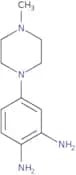
![[2-(4-Chlorophenoxy)ethyl]amine hydrochloride](/_next/image/?url=https%3A%2Fstatic.cymitquimica.com%2Fproducts%2F3D%2Fthumb-webp%2FFC133243.webp&w=3840&q=75)

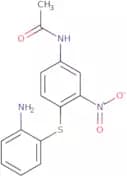
![4-[[(2-Amino-1,2-dicyanoethenyl)imino]methyl]benzoic acid](/_next/image/?url=https%3A%2Fstatic.cymitquimica.com%2Fproducts%2F3D%2Fthumb-webp%2FFA169005.webp&w=3840&q=75)
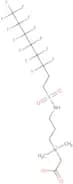
![20-Deoxo-23-deoxy-5-O-[3,6-dideoxy-3-(dimethylamino)-β-D-glucopyranosyl]-20,23-di-1-piperidinyltyl…](/_next/image/?url=https%3A%2Fstatic.cymitquimica.com%2Fproducts%2F3D%2Fthumb-webp%2FFT137728.webp&w=3840&q=75)
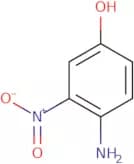
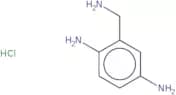

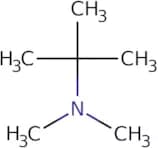
![2,2-Bis[4-(4-aminophenoxy)phenyl]propane](/_next/image/?url=https%3A%2Fstatic.cymitquimica.com%2Fproducts%2F3D%2Fthumb-webp%2FFB62700.webp&w=3840&q=75)

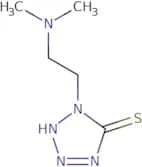
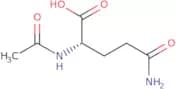

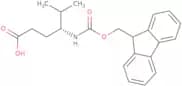
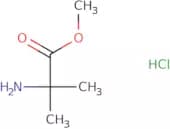
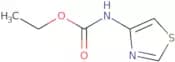
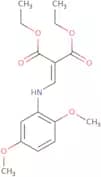

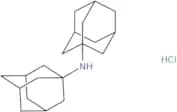
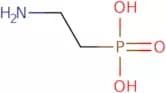

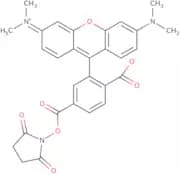
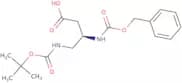
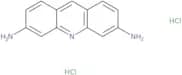
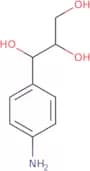
![[(3-Methylphenyl)(phenyl)methyl]amine hydrochloride](/_next/image/?url=https%3A%2Fstatic.cymitquimica.com%2Fproducts%2F3D%2Fthumb-webp%2FFM134405.webp&w=3840&q=75)
![4-[(7-Chloro-4-quinolinyl)amino]-1-pentanol](/_next/image/?url=https%3A%2Fstatic.cymitquimica.com%2Fproducts%2F3D%2Fthumb-webp%2FFC20107.webp&w=3840&q=75)
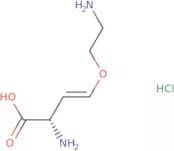
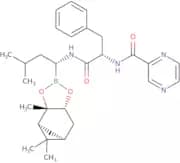
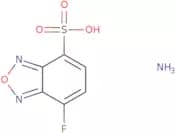
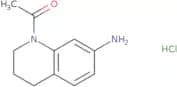

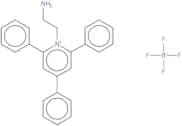
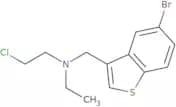
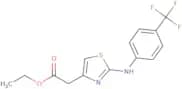
![1,4-Dioxaspiro[4.5]decan-8-ylmethanamine](/_next/image/?url=https%3A%2Fstatic.cymitquimica.com%2Fproducts%2F3D%2Fthumb-webp%2FFD153838.webp&w=3840&q=75)
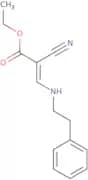
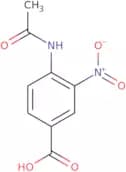
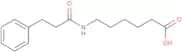
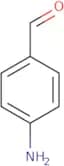
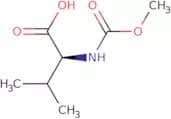
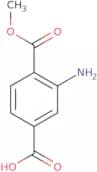
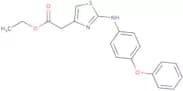
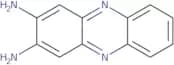
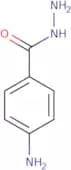
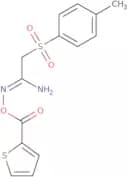
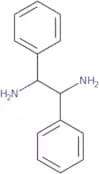
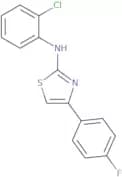
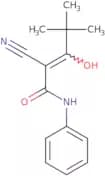
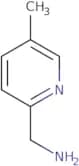
![N-[5-(Phenylamino)-2,4-pentadienylidene]aniline monohydrochloride](/_next/image/?url=https%3A%2Fstatic.cymitquimica.com%2Fproducts%2F3D%2Fthumb-webp%2FFP29019.webp&w=3840&q=75)
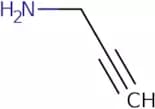
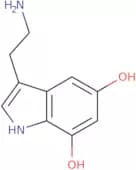
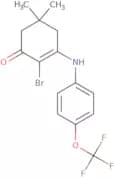
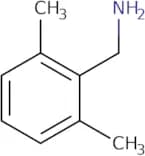

![3-[(4-Chlorophenyl)amino]-5,5-dimethylcyclohex-2-en-1-one](/_next/image/?url=https%3A%2Fstatic.cymitquimica.com%2Fproducts%2F3D%2Fthumb-webp%2FFC123031.webp&w=3840&q=75)
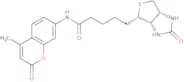
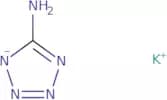
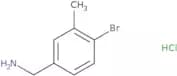


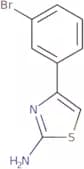
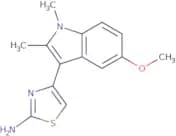
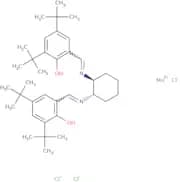
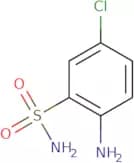
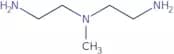
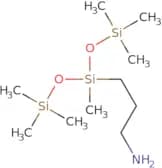
![Tris[(1-benzyl-1H-1,2,3-triazol-4-yl)methyl]amine](/_next/image/?url=https%3A%2Fstatic.cymitquimica.com%2Fproducts%2F3D%2Fthumb-webp%2FFT60866.webp&w=3840&q=75)
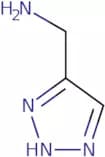
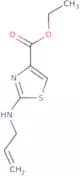
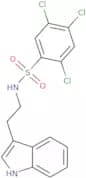
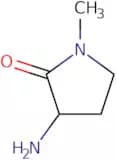
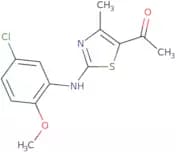

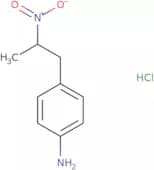
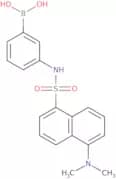
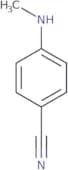
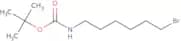

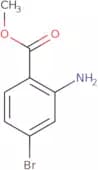


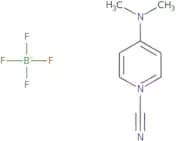
![N-[3-(3-Dimethylamino-1-oxo-2-propenyl)phenyl]-N-ethylacetamide](/_next/image/?url=https%3A%2Fstatic.cymitquimica.com%2Fproducts%2F3D%2Fthumb-webp%2FFD70834.webp&w=3840&q=75)
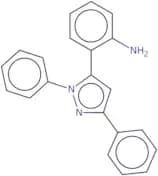
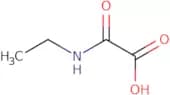
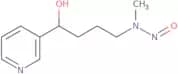
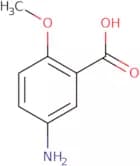
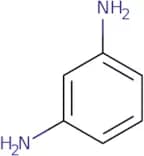

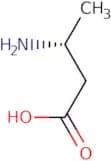
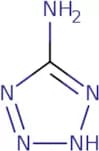
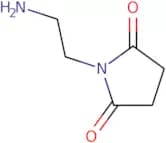
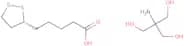
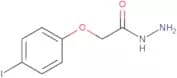
![Bis[2-[Ethyl[(Heptadecafluorooctyl)Sulphonyl]Amino]Ethyl] (4-Methyl-1,3-Phenylene)Biscarbamate](/_next/image/?url=https%3A%2Fstatic.cymitquimica.com%2Fproducts%2F3D%2Fthumb-webp%2FFB101999.webp&w=3840&q=75)
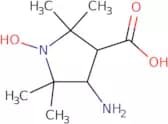

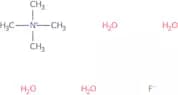

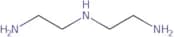
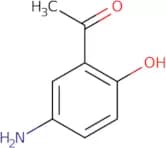
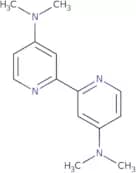
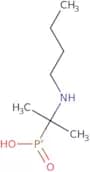
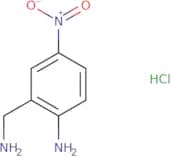


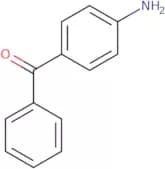
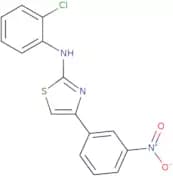
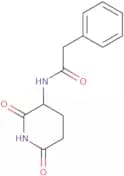
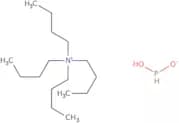
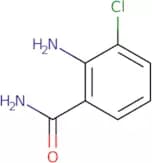

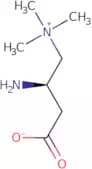
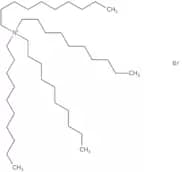
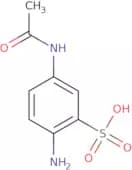
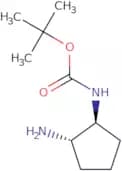
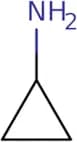

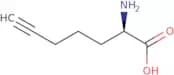
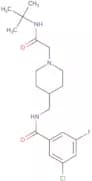
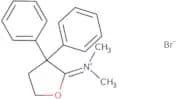
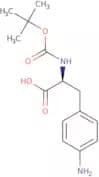
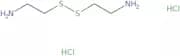
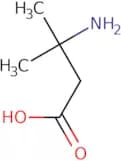
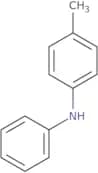
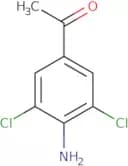
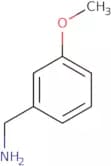
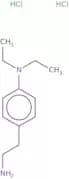
![2-[N-[(3,5-Difluorophenyl)carbamoylamino]-C-methylcarbonimidoyl]pyridine-3-carboxylic acid](/_next/image/?url=https%3A%2Fstatic.cymitquimica.com%2Fproducts%2F3D%2Fthumb-webp%2FFD101726.webp&w=3840&q=75)
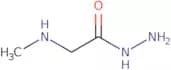
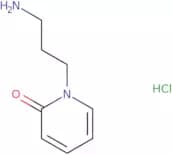
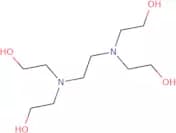

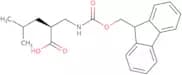
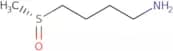

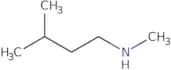
![N-[(2-Fluorophenyl)methyl]-4-iodo-2,5-dimethoxybenzeneethanamine](/_next/image/?url=https%3A%2Fstatic.cymitquimica.com%2Fproducts%2F3D%2Fthumb-webp%2FFF97685.webp&w=3840&q=75)

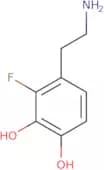
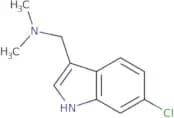
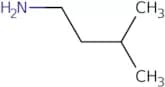
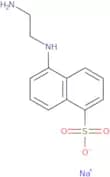
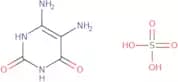

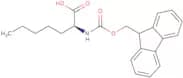
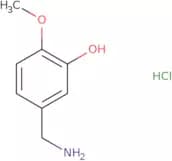
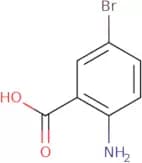
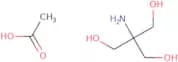
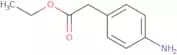
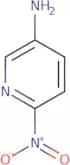
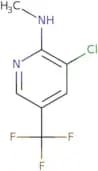


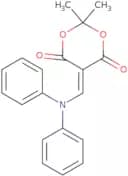
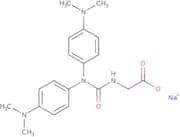
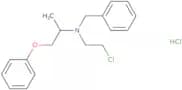
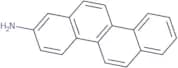
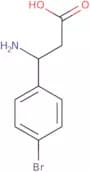
![Benzo[d]isoxazol-5-amine](/_next/image/?url=https%3A%2Fstatic.cymitquimica.com%2Fproducts%2F3D%2Fthumb-webp%2FFB143763.webp&w=3840&q=75)

![(S)-2-((((9H-Fluoren-9-yl)methoxy)carbonyl)amino)-3-(1H-pyrrolo[2,3-b]pyridin-3-yl)propanoic acid](/_next/image/?url=https%3A%2Fstatic.cymitquimica.com%2Fproducts%2F3D%2Fthumb-webp%2FFF154979.webp&w=3840&q=75)
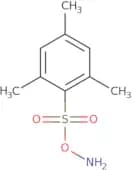


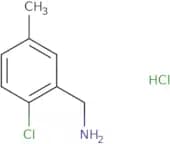

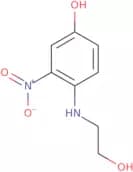
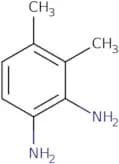
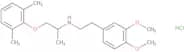
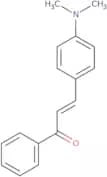
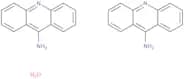

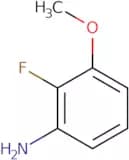
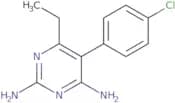
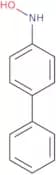
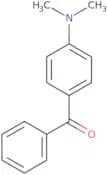
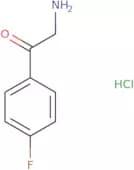
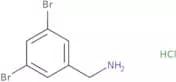
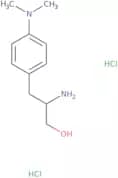
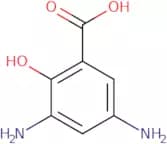
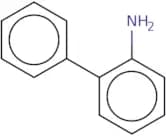
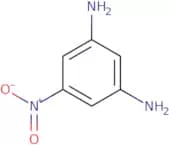
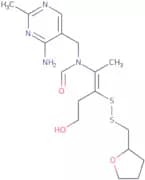
![N-[S-(2-Pyridylthio)cysteaminyl]ethylenediamine-N,N,N',N'-tetraacetic acid, monoamide - Technical …](/_next/image/?url=https%3A%2Fstatic.cymitquimica.com%2Fproducts%2F3D%2Fthumb-webp%2FFP27342.webp&w=3840&q=75)