Amines
Amines are a set of molecules containing an amino functional group (derived from ammonia). This category includes amines at any level of substitution : primary, secondary, tertiary, and ammonium salts. Amines are fundamental in organic synthesis and are widely used in pharmaceuticals, agrochemicals, and materials science. At CymitQuimica, we provide a comprehensive selection of amines to meet your research and industrial needs. Our range ensures access to various amines for diverse chemical processes and innovative research.
Subcategories of "Amines"
- Nitrosamines(2,606 products)
- Primary Amines(30,821 products)
- Quaternary Ammonium Cations and Salts(1,099 products)
- Secondary Amines(20,817 products)
- Tertiary Amines(17,117 products)
Found 8778 products of "Amines"
Sort by
Purity (%)
0
100
|
0
|
50
|
90
|
95
|
100
3-Methoxyphenethylamine
CAS:Controlled Product<p>3-Methoxyphenethylamine is a naturally occurring phenethylamine that is found in the human body. It is produced by the enzyme phenylethanolamine N-methyltransferase from dopamine and 3-methoxytyramine. 3-Methoxyphenethylamine can be found in the saliva, but also in the brain, muscle and kidneys. Its presence has been detected in women's breast milk. This compound has been shown to have a significant effect on chloride ion absorption and renal blood flow, as well as on 5-hydroxyindoleacetic acid levels in the urine of patients with Parkinson's disease. The predominant metabolite of 3-methoxyphenethylamine is 3-hydroxymethylphenethylamine (3HMPEA).</p>Formula:C9H13NOPurity:Min. 95%Color and Shape:Colorless Clear LiquidMolecular weight:151.21 g/mol4-(Aminomethyl)benzoate hydrochloride
CAS:<p>4-(Aminomethyl)benzoate hydrochloride is a peroxidase-like enzyme that has been shown to inhibit cancer cell proliferation in vitro and in vivo. This enzyme inhibits HDACs, which are enzymes that regulate the expression of genes by removing acetyl groups from histones. 4-(Aminomethyl)benzoate hydrochloride has been shown to have anti-cancer properties and may be used for the prevention and treatment of colon cancer. 4-(Aminomethyl)benzoate hydrochloride also has anti-inflammatory properties, which may be due to its inhibition of prostaglandin synthesis.</p>Formula:C9H11NO2·ClHPurity:Min. 95%Color and Shape:PowderMolecular weight:201.65 g/mol5-tert-Butyl-1,3-thiazol-2-amine
CAS:<p>5-tert-Butyl-1,3-thiazol-2-amine is an aromatic compound with the molecular formula CHN. This compound is a colorless solid that is soluble in water and alcohol. It can be used as a substitute for 2-aminothiazole, which belongs to the group of halogenated compounds. 5-tert-Butyl-1,3-thiazol-2-amine has been shown to react with alkyl halides to form alkylated products. The reaction with alkyl halides may be due to its primary amino group and amino group. 5-tert-Butyl-1,3-thiazol-2-amine also reacts with sulfuric acid and sulfuric acid salts to form thiazoles and thiazolones.</p>Formula:C7H12N2SPurity:Min. 95%Molecular weight:156.25 g/molS-Aminoethyl-L-cysteine hydrochloride
CAS:<p>S-Aminoethyl-L-cysteine hydrochloride is an amino acid that is used in the diagnosis of metabolic disorders. It has been found to have a high concentration in plasma and can be used to measure the activity of bowel disease. S-Aminoethyl-L-cysteine hydrochloride is also used as a diagnostic marker for inflammatory diseases. It is extensively metabolized by acidic hydrolysis, which results in the release of chloride ions and amines.</p>Formula:C5H12N2O2S·HClPurity:Min. 95%Color and Shape:White PowderMolecular weight:200.69 g/mol(R)-(-)-a-[[(4-Ethyl-2,3-dioxo-1-piperazinyl)carbonyl]amino]benzeneacetic Acid
CAS:<p>(R)-(-)-a-[[(4-Ethyl-2,3-dioxo-1-piperazinyl)carbonyl]amino]benzeneacetic Acid is an inhibitor of the enzyme histamine N-methyltransferase (HNMT), which is responsible for the synthesis of histamine. The inhibition of HNMT leads to a decrease in histamine levels and therefore has been used as a treatment for chronic prostatitis, lacrimal gland, and energy efficiency. Histamine N-methyltransferase also participates in the regulation of apoptosis by methylating proapoptotic proteins like Bax, so inhibition can lead to an increase in apoptosis. This chemical is also able to bind with chloride ions and form diphenyl ethers through a reaction solution, which are known to have anticancer properties.</p>Formula:C15H17N3O5Purity:Min. 98 Area-%Color and Shape:PowderMolecular weight:319.31 g/mol2-(2-Chlorophenyl)ethylamine
CAS:Controlled Product<p>2-(2-Chlorophenyl)ethylamine is an amine that inhibits the production of proteins vital for cell division. It binds to bacterial 16S ribosomal RNA and inhibits protein synthesis, leading to cell death by inhibiting the production of proteins vital for cell division. 2-(2-Chlorophenyl)ethylamine has been shown to be effective against methicillin-resistant Staphylococcus aureus (MRSA) and Clostridium perfringens, although is not active against acid-fast bacteria such as Mycobacterium tuberculosis or Mycobacterium avium complex. 2-(2-Chlorophenyl)ethylamine has shown anti-inflammatory properties, which may be due to its inhibition of prostaglandin synthesis.</p>Formula:C8H10ClNPurity:Min. 95%Molecular weight:155.62 g/mol4-(2-Aminoethyl)benzene sulfonamide
CAS:<p>4-(2-Aminoethyl)benzene sulfonamide is a small-molecule drug that inhibits the activity of proteases, including serine and cysteine proteases. It has been shown to inhibit the growth of human renal cell cancer cells, as well as subcutaneous tumors in mice. 4-(2-Aminoethyl)benzene sulfonamide also inhibits the proliferation of Hl-60 cells and shows antitumor activity in a mouse model system. This drug is an inhibitor of prostaglandin endoperoxide synthase (PGHS), which is involved in tumorigenesis by causing inflammation and oxidative stress. 4-(2-Aminoethyl)benzene sulfonamide has been shown to be effective for treating colorectal adenocarcinoma, with no significant side effects on other organs.</p>Formula:C8H12N2O2SPurity:Min. 95%Molecular weight:200.26 g/mol7-Amino-4-(trifluoromethyl)coumarin
CAS:<p>7-Amino-4-(trifluoromethyl)coumarin is a coumarin derivative that has been used as a fluorescence probe for the study of enzyme activities. It can be used as a potential biomarker for autoimmune diseases, and has also been shown to have tyrosine kinase domain binding activity. 7-Amino-4-(trifluoromethyl)coumarin can bind to the hydroxyl group in tyrosine residues with high affinity, and binds to the nitrogen atoms in protein kinases with low affinity. This compound is able to form intermolecular hydrogen bonds and steric interactions with peptide hormones.</p>Formula:C10H6F3NO2Purity:Min. 95%Molecular weight:229.16 g/mol2-Methoxyethanamine
CAS:<p>2-Methoxyethanamine is a metabolite of the drug 2-methoxyethanol. It is an amine that can be found in urine samples. Its structure consists of a hydroxyl group, sodium carbonate, and an intramolecular hydrogen. 2-Methoxyethanamine inhibits the production of angiotensin II, which reduces blood pressure. This molecule has antihypertensive activity because it prevents the conversion of angiotensin I to angiotensin II in the kidneys. 2-Methoxyethanamine also has a stepwise mechanism for its synthesis from ethylene diamine and nitrogen atoms. It can be oxidized by hydrochloric acid or reduced by hydrogen bond or amines. The redox potential of this molecule is -0.06 V, which makes it a nucleophilic compound with an amide bond as its conjugate base.</p>Formula:C3H9NOPurity:Min. 95%Color and Shape:Colourless To Yellow Clear LiquidMolecular weight:75.11 g/molDimethyl-p-phenylenediamine sulfate
CAS:<p>Dimethyl-p-phenylenediamine sulfate (DMPD) is a response element that is involved in the regulation of physiological function and energy metabolism. DMPD is found in prostate cancer cells, which may be due to its ability to regulate the apoptosis pathway. The clinical relevance of DMPD has been shown by a low dose study on rats with myocardial infarcts. Rats were given doses of 0.5, 1, or 2 mg/kg DMPD for 3 weeks before being subjected to an occlusive coronary artery ligation procedure. The results showed that the rats given DMPD had significantly lower systolic blood pressure than those not given DMPD, but there was no difference in diastolic blood pressure.</p>Formula:C8H14N2O4SPurity:Min. 95%Molecular weight:234.27 g/mol2-Hydroxy-2-(3,4-dimethoxyphenyl)ethylamine hydrochloride
CAS:Controlled Product<p>Please enquire for more information about 2-Hydroxy-2-(3,4-dimethoxyphenyl)ethylamine hydrochloride including the price, delivery time and more detailed product information at the technical inquiry form on this page</p>Formula:C10H15NO3·HClPurity:Min. 95%Molecular weight:233.69 g/mol(R)-N-Ethyl amphetamine hydrochloride
CAS:Controlled Product<p>Please enquire for more information about (R)-N-Ethyl amphetamine hydrochloride including the price, delivery time and more detailed product information at the technical inquiry form on this page</p>Formula:C11H18ClNPurity:Min. 95%Molecular weight:199.72 g/mol3,3-Dimethyl-5-oxo-5-(1,2,3,4-tetrahydronaphthalen-2-ylamino)pentanoic acid
CAS:Controlled Product<p>Please enquire for more information about 3,3-Dimethyl-5-oxo-5-(1,2,3,4-tetrahydronaphthalen-2-ylamino)pentanoic acid including the price, delivery time and more detailed product information at the technical inquiry form on this page</p>Formula:C17H23NO3Purity:Min. 95%Molecular weight:289.37 g/mol2-Aminoethyl isopropylether
CAS:<p>2-Aminoethyl isopropylether (2-AP) has been shown to have inhibitory effects on the growth of Staphylococcus aureus, Bacillus subtilis and Escherichia coli. It also showed in vitro antifungal activity against Trichophyton mentagrophytes and Candida albicans. 2-AP inhibits the synthesis of unsaturated fatty acids by inhibiting the enzyme enoyl coenzyme A reductase, which is involved in the degradation of fatty acids. 2-AP is metabolized by two pathways: one is through hydrolysis by esterases or glucuronidases, oxidation by cytochrome P450 enzymes, reduction by glutathione reductase, or conjugation with glucuronic acid; the other pathway involves cyclobutanol formation. The cytotoxic effect of 2-AP has been shown to be due to inhibition of protein synthesis and cell division</p>Formula:C5H13NOPurity:Min. 95%Color and Shape:Clear LiquidMolecular weight:103.16 g/molAmmonium molybdate
CAS:<p>Ammonium molybdate is a form of the mineral molybdenum that is used as a nutrient in the solution for hepg2 cells. Ammonium molybdate has been shown to inhibit the growth of multi-walled carbon nanotubes, which may be due to its ability to catalyze hydrogen fluoride and zirconium oxide. It also has an inhibitory effect on serine protease (a protein found in many tissues and secretions). The chemical stability of ammonium molybdate has been studied by exposing it to hydrogen fluoride and it was found that this compound is stable at pH levels of around 7.5.</p>Formula:H8N2MoO4Purity:Min. 95%Color and Shape:White PowderMolecular weight:196.03 g/mol1H-Indole-4-ethanamine
CAS:Controlled Product<p>Please enquire for more information about 1H-Indole-4-ethanamine including the price, delivery time and more detailed product information at the technical inquiry form on this page</p>Formula:C10H12N2Purity:Min. 95%Molecular weight:160.22 g/mol[2-(1-Ethyl-1H-benzimidazol-2-yl)ethyl]amine dihydrochloride
CAS:Controlled Product<p>Please enquire for more information about [2-(1-Ethyl-1H-benzimidazol-2-yl)ethyl]amine dihydrochloride including the price, delivery time and more detailed product information at the technical inquiry form on this page</p>Formula:C11H15N3Purity:Min. 95%Molecular weight:189.26 g/mol[(5-Methyl-1,3-thiazol-2-yl)methyl]amine dihydrochloride
CAS:<p>Please enquire for more information about [(5-Methyl-1,3-thiazol-2-yl)methyl]amine dihydrochloride including the price, delivery time and more detailed product information at the technical inquiry form on this page</p>Formula:C5H8N2SPurity:Min. 95%Molecular weight:128.2 g/mol2-Aminopyrimidine-5-boronic acid pinacol ester
CAS:<p>2-Aminopyrimidine-5-boronic acid pinacol ester is a boronic acid derivative that has been shown to inhibit the activity of protein kinase C. This compound is also an effective linker for cross-coupling reactions and has a low reactivity with nucleophiles, which makes it safer than other boronic acids. 2-Aminopyrimidine-5-boronic acid pinacol ester has been shown to be potent against cancer cells in vitro and in vivo and synthetic cells. 2-Aminopyrimidine-5-boronic acid pinacol ester inhibits the growth of cancer cells by binding to the ATP site on protein kinase C, thereby inhibiting its function.</p>Formula:C10H16BN3O2Purity:Min. 95 Area-%Color and Shape:PowderMolecular weight:221.06 g/molTriisopropanolamine Borate
CAS:<p>Triisopropanolamine borate is an organic compound with the formula (CH3)3N(CH2)3OH. It is a colorless liquid with a sweet, amine-like odor. Triisopropanolamine borate is widely used as a cross-linking agent in coatings, and as a reactive functional group in polycarboxylic acid synthesis and cationic polymerization. It also has been used as a blood pressure lowering agent and to treat high calcium levels in the blood. The chemical structure of triisopropanolamine borate can be seen below: Triisopropanolamine Borate, Chemical Structure The chemical formula for triisopropanolamine borate is CH3N(CH2)3OH. Triisopropanolamine borate has many applications due to its reactive functional groups, including cross-linking agents for coatings and polycarboxylic acid synthesis</p>Formula:C9H18BNO3Purity:Min. 95%Molecular weight:199.06 g/mol[(4-Methyl-1H-imidazol-5-yl)methyl]amine hydrochloride
CAS:<p>Please enquire for more information about [(4-Methyl-1H-imidazol-5-yl)methyl]amine hydrochloride including the price, delivery time and more detailed product information at the technical inquiry form on this page</p>Formula:C5H9N3Purity:Min. 95%Molecular weight:111.15 g/mol1-Benzyl-3-[3-(diethylamino)propoxy]-1H-indazole
CAS:Controlled Product<p>Please enquire for more information about 1-Benzyl-3-[3-(diethylamino)propoxy]-1H-indazole including the price, delivery time and more detailed product information at the technical inquiry form on this page</p>Formula:C21H27N3OPurity:Min. 98 Area-%Color and Shape:Clear LiquidMolecular weight:337.46 g/mol1-Aminobenzene-3,4,5-tricarboxylic acid
CAS:<p>1-Aminobenzene-3,4,5-tricarboxylic acid is a transport inhibitor that is used to block the uptake of 1-aminobenzene by cells. It has been shown to have a diameter of 6 nm and chemical stability. This substance can be dissolved in water, alcohols, and polar organic solvents. The particles are spherical with an average size of 10 nm. This compound exhibits strong absorption in the ultraviolet region. It is fluorescent and has high fluorescence properties. 1-Aminobenzene-3,4,5-tricarboxylic acid can enter cells through passive diffusion or active transport mechanisms. It binds to metal ions and multi-walled carbon nanotubes which can be used for uv irradiation.</p>Formula:C9H7NO6Purity:Min. 95%Color and Shape:PowderMolecular weight:225.16 g/mol2-(2-Aminoethyl)-3',6'-bis(diethylaMino)spiro[isoindoline-1,9'-xanthen]-3-one
CAS:<p>Please enquire for more information about 2-(2-Aminoethyl)-3',6'-bis(diethylaMino)spiro[isoindoline-1,9'-xanthen]-3-one including the price, delivery time and more detailed product information at the technical inquiry form on this page</p>Purity:Min. 95%Diethylamine hydrochloride
CAS:Controlled Product<p>Diethylamine hydrochloride is a chemical compound that is used as an intermediate in the manufacture of other chemicals. It can be used to treat metabolic disorders such as diabetes, hypothyroidism, and osteoporosis. Diethylamine hydrochloride has been shown to inhibit group P2 phosphodiesterases (PDEs) and prevent their degradation by the enzyme dipeptidyl peptidase-IV (DPP-IV). This inhibition leads to increased levels of cyclic AMP in cells, which contributes to its anti-inflammatory activity. The structural analysis of diethylamine hydrochloride has been performed using x-ray diffraction data and x-ray crystal structures.</p>Formula:C4H12ClNPurity:Min. 95%Molecular weight:109.6 g/mol2-Amino-5-bromobenzonitrile
CAS:<p>2-Amino-5-bromobenzonitrile is a bioactive substance that belongs to the class of amines. It is used as an intermediate in the production of other industrial chemicals, such as polyurethanes and polyamides. 2-Amino-5-bromobenzonitrile can be found in faeces at a concentration of approximately 1 µg/g. The metabolic pathway for 2-amino-5-bromobenzonitrile has been shown to be cyp3a5 dependent.</p>Formula:C7H5BrN2Purity:Min. 95%Color and Shape:Brown PowderMolecular weight:197.03 g/mol(S)-N-Ethyl amphetamine hydrochloride
CAS:Controlled Product<p>Please enquire for more information about (S)-N-Ethyl amphetamine hydrochloride including the price, delivery time and more detailed product information at the technical inquiry form on this page</p>Formula:C11H18ClNPurity:Min. 95%Molecular weight:199.72 g/mol3-Amino-6,7-dimethoxy-2-methylquinazolin-4(3H)-one
CAS:Controlled Product<p>Please enquire for more information about 3-Amino-6,7-dimethoxy-2-methylquinazolin-4(3H)-one including the price, delivery time and more detailed product information at the technical inquiry form on this page</p>Formula:C11H13N3O3Purity:Min. 95%Molecular weight:235.24 g/mol2-Dimethylaminoisopropyl chloride hydrochloride
CAS:<p>2-Dimethylaminoisopropyl chloride hydrochloride is a fluorescent molecule that emits light at wavelengths of 370-430 nm. It has a number of uses, such as detecting the presence or absence of chloride ions in water samples, determining the composition of petroleum products, and measuring the concentration of sodium ions in electrolytes. 2-Dimethylamino-1-propanesulfonic acid chloride hydrochloride can be used to identify the transition metal (Cu) in a sample, because it absorbs light at wavelengths below 450 nm.</p>Formula:C5H12ClN·HClPurity:Min. 95%Color and Shape:White to off-white solid.Molecular weight:158.07 g/mol1-(5-Methyl-1,2,4-oxadiazol-3-yl)cyclohexanamine hydrochloride
CAS:Controlled Product<p>Please enquire for more information about 1-(5-Methyl-1,2,4-oxadiazol-3-yl)cyclohexanamine hydrochloride including the price, delivery time and more detailed product information at the technical inquiry form on this page</p>Formula:C9H16N3OClPurity:Min. 95%Molecular weight:217.7 g/mol2-Aminomethyl-4-(4-fluorobenzyl)morpholine
CAS:<p>2-Aminomethyl-4-(4-fluorobenzyl)morpholine (2AMFM) is a prokinetic agent that has been shown to be effective as a treatment for gastrointestinal motility disorders. This drug binds to the 5HT4 receptors, which are found on the enteric nervous system and in the gut. 2AMFM has been shown to increase the frequency of contractions in rat ileum and small intestine preparations. It also increases gastric emptying time and decreases postprandial acidity in dogs. 2AMFM is an enantiomeric mixture of two chiral molecules that are mirror images of each other. The racemic mixture is synthesized by reacting 2-aminomethyl-4-(4-fluorobenzyl)morpholine with chloroacetic acid ethyl ester.</p>Formula:C12H17FN2OPurity:Min. 95%Color and Shape:Clear LiquidMolecular weight:224.27 g/molN-[3-Fluoro-4-[(methylamino)carbonyl]phenyl]-2-methylalanine
CAS:<p>Please enquire for more information about N-[3-Fluoro-4-[(methylamino)carbonyl]phenyl]-2-methylalanine including the price, delivery time and more detailed product information at the technical inquiry form on this page</p>Formula:C12H15FN2O3Purity:Min. 95%Molecular weight:254.26 g/mol3-Chloro-N-methylpropan-1-amine HCl
CAS:<p>Please enquire for more information about 3-Chloro-N-methylpropan-1-amine HCl including the price, delivery time and more detailed product information at the technical inquiry form on this page</p>Formula:C4H11Cl2NPurity:Min. 95%Molecular weight:144.04 g/mol[2-(5-Chloro-1H-indol-3-yl)-1-methylethyl]amine hydrochloride
CAS:Controlled Product<p>Please enquire for more information about [2-(5-Chloro-1H-indol-3-yl)-1-methylethyl]amine hydrochloride including the price, delivery time and more detailed product information at the technical inquiry form on this page</p>Formula:C11H13ClN2Purity:Min. 95%Molecular weight:208.69 g/mol2-Amino-1-(2,3-dihydro-benzofuran-5-yl)-ethanol
CAS:Controlled Product<p>Please enquire for more information about 2-Amino-1-(2,3-dihydro-benzofuran-5-yl)-ethanol including the price, delivery time and more detailed product information at the technical inquiry form on this page</p>Formula:C10H13NO2Purity:Min. 95%Molecular weight:179.22 g/molBoc-trans-1,2-aminocyclohex-4-ene carboxylic acid
CAS:<p>Please enquire for more information about Boc-trans-1,2-aminocyclohex-4-ene carboxylic acid including the price, delivery time and more detailed product information at the technical inquiry form on this page</p>Formula:C12H19NO4Purity:Min. 95%Molecular weight:241.28 g/molcis-4-Methylcyclohexylamine
CAS:<p>Cis-4-Methylcyclohexylamine is a cyclic amine that is found in the form of its decarboxylated derivative, 4-methylcyclohexanamine, which is used as an inhibitor for various enzymes. The methyl group on the cyclohexane ring is responsible for the compound's activity. Magnetic resonance spectroscopy has shown that cis-4-Methylcyclohexylamine binds to the active site of carbonyl reductase and inhibits its enzymatic activity, thereby blocking a step in the citric acid cycle. Cis-4-Methylcyclohexylamine has also been shown to have anti-inflammatory effects by inhibiting protein kinase C (PKC) and NFkB activation.</p>Formula:C7H15NPurity:Min. 95%Molecular weight:113.2 g/mol4-Aminoanisole
CAS:<p>4-Aminoanisole is a solvent that is used in analytical chemistry. 4-Aminoanisole has been shown to be an optimum concentration for x-ray diffraction data, sodium carbonate, and trifluoroacetic acid. It has been shown to have a redox potential of -0.14 V vs. NHE at pH 7.4 and a hydrogen bonding interaction with co2 gas. 4-Aminoanisole is used as a solvent in analytical chemistry and is also found in rat liver microsomes where it may play a role in the metabolism of certain drugs through its ability to inhibit cytochrome P450 enzymes.</p>Formula:C7H9NOPurity:Min. 95%Color and Shape:Dark Grey To Brown SolidMolecular weight:123.15 g/mol(1R,2S)-2-[N-Benzyl-N-(mesitylenesulfonyl)amino]-1-phenyl-1-propanol
CAS:Controlled Product<p>Please enquire for more information about (1R,2S)-2-[N-Benzyl-N-(mesitylenesulfonyl)amino]-1-phenyl-1-propanol including the price, delivery time and more detailed product information at the technical inquiry form on this page</p>Formula:C25H29NO3SPurity:Min. 95%Molecular weight:423.57 g/molO-(Tert-Butyldimethylsilyl)hydroxylamine
CAS:<p>O-(Tert-butyldimethylsilyl)hydroxylamine is a stereospecific, oxidized, insoluble, tautomeric hydroxamic acid. It is used as a reagent in organic synthesis to form lactams by reaction with hexamethylenetetramine. The compound can be prepared by treatment of hydroxylamine with diacetate in the presence of aluminium chloride. The product is an orange liquid that crystallizes from water, but is not soluble in most organic solvents.</p>Formula:C6H17NOSiPurity:Min. 95%Molecular weight:147.29 g/mol9-(Benzylamino)-1,2,3,4-tetrahydroacridin-1-ol maleate
CAS:<p>9-(Benzylamino)-1,2,3,4-tetrahydroacridin-1-ol maleate is a cholinergic drug that is used for the treatment of inflammatory diseases. It inhibits phosphodiesterase activity and has been shown to be effective in clinical studies against a number of inflammatory diseases. This drug also has anti-inflammatory properties and can be used to treat acute inflammation. 9-(Benzylamino)-1,2,3,4-tetrahydroacridin-1-ol maleate is also conjugated with fatty acids and this formation helps to increase its bioavailability.</p>Formula:C24H24N2O5Purity:Min. 95%Molecular weight:420.46 g/mol2-Amino-4'-methoxyacetophenone hydrochloride
CAS:Controlled Product<p>Please enquire for more information about 2-Amino-4'-methoxyacetophenone hydrochloride including the price, delivery time and more detailed product information at the technical inquiry form on this page</p>Formula:C9H11NO2·HClPurity:Min. 95%Color and Shape:PowderMolecular weight:201.65 g/mol4-Aminophenyl methylcarbinol
CAS:<p>4-Aminophenyl methylcarbinol is a chemical compound that is used as an additive in the production of polyurethane. It accelerates the reaction between isocyanate and polyol, which enhances the rate of polymerization. 4-Aminophenyl methylcarbinol has been shown to increase the yield by about 30% when it was added to a reaction mixture. The activation energies for this reaction were found to be 29.6 kJ/mol for the nitro group and 29.8 kJ/mol for the carbonyl group. This chemical compound also has functional groups that are capable of forming hydrogen bonds with other molecules, which may help to bind them together during polymerization reactions.</p>Purity:Min. 95%[3-(1-Isopropyl-1H-benzimidazol-2-yl)propyl]amine dihydrochloride
CAS:Controlled Product<p>Please enquire for more information about [3-(1-Isopropyl-1H-benzimidazol-2-yl)propyl]amine dihydrochloride including the price, delivery time and more detailed product information at the technical inquiry form on this page</p>Formula:C13H19N3Purity:Min. 95%Molecular weight:217.31 g/mol1-Isopropyl-1h-pyrazol-5-amine
CAS:<p>1-Isopropyl-1H-pyrazol-5-amine is an organic compound that is a colorless liquid with a strong odor. It has a cyclic structure and is optimized for carboxylates, amines, and heterocyclic amines. 1-Isopropyl-1H-pyrazol-5-amine can be used to synthesize carboxylates, lactones, and esters. The synthesis of isoquinolinones from 1-isopropylpyrazol 5 amine isomeric mixture yields two different pyrazoles in the ratio 3:2 respectively.</p>Formula:C6H11N3Purity:Min. 95%Color and Shape:PowderMolecular weight:125.17 g/molN-Boc-amino-(4-N-fmoc-piperidinyl)carboxylic acid
CAS:<p>Please enquire for more information about N-Boc-amino-(4-N-fmoc-piperidinyl)carboxylic acid including the price, delivery time and more detailed product information at the technical inquiry form on this page</p>Formula:C26H30N2O6Purity:Min. 95%Molecular weight:466.53 g/mol7-Aminoactinomycin D
CAS:<p>7-Aminoactinomycin D is a fluorescent DNA dye that is commonly used for the detection or exclusion of non-viable cells in flow cytometric analysis, as it is generally excluded by live cells</p>Formula:C62H87N13O16Purity:Min. 95%Molecular weight:1,270.43 g/mol4-(N-Methyl-N-nitrosamino)-4-(3-pyridyl)butane-1-ol
CAS:<p>4-(N-Methyl-N-nitrosamino)-4-(3-pyridyl)butane-1-ol is a chemical that can be found in tobacco smoke. It has been shown that chronic exposure to 4-(N-methyl-N-nitrosamino)-4-(3-pyridyl)butane-1-ol causes cancer in rodents, as evidenced by increased rates of tumorigenesis. This chemical also has the ability to inhibit butyric acid formation, which may reduce the risk of colon cancer. The carcinogenic effect of this chemical is due to its ability to react with DNA and form adducts that cause methylation at C8 position on guanine nucleotide (G). These adducts lead to mutations, which can lead to cancer.</p>Formula:C10H15N3O2Purity:Min. 95%Molecular weight:209.25 g/mol4-Iodo-benzeneethanamine HCl (1:1)
CAS:Controlled Product<p>Please enquire for more information about 4-Iodo-benzeneethanamine HCl (1:1) including the price, delivery time and more detailed product information at the technical inquiry form on this page</p>Formula:C8H11ClINPurity:Min. 95%Molecular weight:283.54 g/mol(±)-N-Methyl-p-methoxyamphetamine
CAS:Controlled Product<p>(±)-N-Methyl-p-methoxyamphetamine (MEM) is a synthetic cannabinoid that is used as an ingredient in the manufacture of designer drugs. MEM can be detected by gas chromatography and mass spectrometry, although it is not possible to distinguish MEM from other synthetic cannabinoids by these methods. MEM produces no significant adverse effects on human liver, but may have serious adverse effects on the heart and blood vessels. The drug can be found in urine samples with a chemical ionization detector or electrochemical detector. <br>The analytical method for MEM detection is based on liquid chromatography-tandem mass spectrometry (LC/MS/MS). The LC/MS/MS technique separates and identifies compounds by creating ions through the use of an electric field. This method has been shown to accurately detect MEM, while also eliminating false positives due to its specificity.</p>Formula:C11H17NOPurity:Min. 95%Molecular weight:179.26 g/mol3-Amino-2-oxazolidinone-d4
CAS:Controlled Product<p>3-Amino-2-oxazolidinone-d4 is a methanol solvent that can be used to analyze the muscle tissue. 3-Amino-2-oxazolidinone-d4 can be synthesized by reacting oxalyl chloride and 2 nitrobenzaldehyde in acetonitrile. It can also be prepared by dehydrating and analyzing the synthesis of 3 amino 2 oxazolidinones in chloroform and bromoacetic acid. 3 - Amino - 2 - oxazolidinone - d4 is deuterated, which means it has an extra neutron in its nucleus.</p>Formula:C3H2D4N2O2Purity:Min. 95%Molecular weight:106.11 g/mol2-Amino-4,6-difluorobenzoic acid
CAS:<p>Please enquire for more information about 2-Amino-4,6-difluorobenzoic acid including the price, delivery time and more detailed product information at the technical inquiry form on this page</p>Formula:C7H5F2NO2Purity:Min. 95%Molecular weight:173.12 g/mol(aR)-a-[[[2-(4-Nitrophenyl)ethyl]amino]methyl]benzenemethanol
CAS:<p>(aR)-a-[[[2-(4-Nitrophenyl)ethyl]amino]methyl]benzenemethanol is a chiral, carbonyl compound that has been used in the synthesis of mirabegron. It is synthesized by reacting an amide with a hydrochloric acid salt. The product yield of (aR)-a-[[[2-(4-Nitrophenyl)ethyl]amino]methyl]benzenemethanol is high and it does not react with aluminium or amide impurities. This compound can be used for the industrial synthesis of mirabegron, which is a drug for the treatment of urinary incontinence. The reduction reaction and hydrolysis reactions are both important to this process.</p>Purity:Min. 95%2-Methyl-5-nitropyridin-3-amine
CAS:<p>2-Methyl-5-nitropyridin-3-amine is a heterocyclic compound that is synthesized by the cyclization of 2-methylpyridine with sodium nitrite. The reaction product is hydrolyzed to yield the desired compound, 5-nitropyridine. The synthesis of this compound can be used as a target for organic synthesis.</p>Formula:C6H7N3O2Purity:Min. 95%Molecular weight:153.14 g/mol2-Amino-2-(2-chlorophenyl)cyclohexan-1-one
CAS:Controlled Product<p>2-Amino-2-(2-chlorophenyl)cyclohexan-1-one is an anesthetic drug that belongs to the group of ketamine. It is a chiral compound and has been shown to have central nervous system depressant effects, which are more pronounced than those of ketamine. This drug also affects the cardiovascular system and can cause respiratory depression. 2-Amino-2-(2-chlorophenyl)cyclohexan-1-one has been shown to be metabolized in humans by cytochrome P450 (CYP3A4). It may potentiate the effect of drugs that induce CYP3A4 activity such as erythromycin, rifampin, and phenobarbital.<br> 2-Amino-2-(2-chlorophenyl)cyclohexan-1-one is not active against MRSA or methicillin resistant pseudomonas aeruginosa (MR</p>Formula:C12H14ClNOPurity:Min. 95%Color and Shape:PowderMolecular weight:223.7 g/mol2,5-Diaminopyridine dihydrochloride
CAS:<p>2,5-Diaminopyridine dihydrochloride is a compound that belongs to the class of hydroxamic acids. It is an intermediate in the synthesis of the anti-cancer drug, hydroxyurea (hydroxylamine). 2,5-Diaminopyridine dihydrochloride can be used as a cross-coupling reagent for coupling reactions with chlorinated and tritiated organic compounds. The efficiency of this reaction is dependent on the coulombic and mutagenic properties of 2,5-diaminopyridine dihydrochloride. 2,5-Diaminopyridine dihydrochloride has been shown to cause cancer in animal studies.</p>Formula:C5H7N3•(HCl)2Purity:Min. 95%Molecular weight:182.05 g/mol1-(4-Aminophenyl)-1H-pyridin-2-one
CAS:<p>1-(4-Aminophenyl)-1H-pyridin-2-one is a synthetic chemical that is used in the manufacturing of 8-hydroxyquinoline. It is an industrial chemical that is used to produce potassium carbonate by a reflux reaction with potassium and carbonate. 1-(4-Aminophenyl)-1H-pyridin-2-one is a gas at room temperature and pressure and has been shown to be stable under these conditions.</p>Formula:C11H10N2OPurity:Min. 95%Color and Shape:White PowderMolecular weight:186.21 g/molDiphenhydramine
CAS:Controlled Product<p>Diphenhydramine is a drug that belongs to the class of antihistamines, and is used to treat allergic symptoms such as hay fever, urticaria, and other allergic reactions. It has been shown to inhibit the production of hydrogen fluoride in analytical methods for measuring this compound. Diphenhydramine is also known to have potential interactions with other drugs, including α1-adrenergic antagonists (i.e., h1-antagonists), cyclic peptides, and surfactants. In addition, it has been shown to bind to the α1 subunit of G protein receptors within the gastrointestinal tract in a reaction mechanism that is not yet fully understood. This binding inhibits the response of these receptors to certain stimuli from neurotransmitters and hormones, which can lead to bowel disease.</p>Formula:C9H18CINOPurity:Min. 95%Molecular weight:295.16 g/molMethyl-(tetrahydro-furan-3-yl)-amine
CAS:<p>Please enquire for more information about Methyl-(tetrahydro-furan-3-yl)-amine including the price, delivery time and more detailed product information at the technical inquiry form on this page</p>Formula:C5H11NOPurity:Min. 95%Molecular weight:101.15 g/mol2-Hydroxybenzylamine
CAS:<p>2-Hydroxybenzylamine is a dietary supplement that is used to prevent atherosclerosis and cardiovascular disease. It inhibits the oxidation of fatty acids and decreases the production of reactive oxygen species. This drug has been shown to have an effect on cardiac hypertrophy and blood pressure. 2-Hydroxybenzylamine has been shown to reduce the levels of 4-hydroxybutyric acid, malondialdehyde, and reactive oxygen species in cultured cells. These effects may be due to its ability to inhibit the enzyme fatty acid synthase. 2HBA also has a protective effect against oxidative injury by reducing the release of reactive oxygen species from mitochondria in cultured cells.</p>Formula:C7H9NOPurity:Min. 95%Molecular weight:123.15 g/mol7-Aminoflunitrazepam
CAS:Controlled Product<p>7-Aminoflunitrazepam is an active metabolite of flunitrazepam and a benzodiazepine. It can be detected in urine samples using an on-line LC-MS/MS method. The detection time of 7-aminoflunitrazepam is between 3 to 4 hours, which is longer than that of its parent drug, flunitrazepam. The use of monoclonal antibodies specific for fluoroquinolones allows the detection of 7-aminoflunitrazepam with high sensitivity and specificity. This method can be used to detect the presence of flunitrazepam in human serum samples, as well as in femoral vein blood samples, urine samples, and blood sputum samples. Solid phase microextraction (SPME) was used as the sample preparation technique for this study. SPME also allows for the extraction and analysis of lysine residues from protein matrices such as human serum.</p>Formula:C16H14FN3OPurity:Min. 98%Color and Shape:PowderMolecular weight:283.3 g/molZ-α-aminoisobutyric acid
CAS:<p>Z-alpha-aminoisobutyric acid is an amide with a conformational pattern that resembles the alpha-helix. It has been shown to inhibit the formation of oligomers, which are aggregates of peptides and proteins, in the gas phase. Z-alpha-aminoisobutyric acid also stabilizes peptides and proteins in aqueous solution by preventing them from forming intramolecular hydrogen bonds. The infrared spectroscopy shows that z-alpha-aminoisobutyric acid is a conformer with a dihedral angle of about 120 degrees.</p>Formula:C12H15NO4Purity:Min. 95%Molecular weight:237.25 g/mol3,4-Diaminobenzotrifluoride
CAS:<p>3,4-Diaminobenzotrifluoride is a photophysical agent that emits light of a specific wavelength when irradiated with ultraviolet light. It has been shown to inhibit the growth of human cervical carcinoma cells in vitro and to cause apoptosis in these cells. 3,4-Diaminobenzotrifluoride also inhibits the proliferation of human liver and lung cancer cells in vitro. The mechanism by which this agent causes cell death is unknown. 3,4-Diaminobenzotrifluoride is an acid catalyst and stabilizes the chloride ion. This agent may inhibit DNA synthesis or affect proteins that are involved in signal transduction pathways for cell proliferation.</p>Formula:C7H7F3N2Purity:Min. 95%Color and Shape:PowderMolecular weight:176.14 g/mol[2-(1-Isobutyl-1H-benzimidazol-2-yl)ethyl]amine dihydrochloride
CAS:Controlled Product<p>Please enquire for more information about [2-(1-Isobutyl-1H-benzimidazol-2-yl)ethyl]amine dihydrochloride including the price, delivery time and more detailed product information at the technical inquiry form on this page</p>Formula:C13H19N3Purity:Min. 95%Molecular weight:217.31 g/mol[4-(2-Aminopropyl)phenyl]dimethylamine dihydrochloride
CAS:Controlled Product<p>Please enquire for more information about [4-(2-Aminopropyl)phenyl]dimethylamine dihydrochloride including the price, delivery time and more detailed product information at the technical inquiry form on this page</p>Formula:C11H18N2Purity:Min. 95%Molecular weight:178.27 g/molAmmonium benzenesulfonate
CAS:<p>Ammonium benzenesulfonate is a glycol ester that belongs to the class of ammonium salts. It is used as a synergist for the synthesis of sodium salts, which are used in analytical methods. Ammonium benzenesulfonate has been shown to have an effect on autoimmune diseases by inhibiting the production of inflammatory cytokines, such as TNF-α and IL-6, in human serum. This compound also has been shown to have a synergistic effect when combined with monoethyl ethers and sodium salts. The mechanism of this reaction is not well understood but it may be due to intramolecular hydrogen transfer or air entrainment.</p>Formula:C6H9NO3SPurity:Min. 95%Molecular weight:175.21 g/molHistamine
CAS:<p>Endogenous ligand for histamine receptors; neurotransmitterA toxic biogenic amine produced in spoiled and fermented food</p>Formula:C5H9N3Purity:Min. 95%Color and Shape:Yellow PowderMolecular weight:111.15 g/mol1,5-Bis(4-allyldimethylammoniumphenyl)pentan-3-one, dibromide
CAS:<p>1,5-Bis(4-allyldimethylammoniumphenyl)pentan-3-one, dibromide is a reversible inhibitor of acetylcholinesterase. It has been shown to inhibit the enzyme activity in vitro and in vivo. 1,5-Bis(4-allyldimethylammoniumphenyl)pentan-3-one, dibromide has been shown to be an effective inhibitor of nicotinic acetylcholine receptors in model organisms such as Xenopus oocytes and Acetylcholine esterase activated rat pheochromocytoma cells. The molecule also inhibits the phosphorylation of pnitrophenyl phosphate by choline kinase. This inhibiting effect on choline kinase leads to a decrease in the concentration of choline available for neurotransmitter synthesis. Monoclonal antibodies against acetylcholinesterase are used to detect this</p>Formula:C27H38Br2N2OPurity:Min. 95%Molecular weight:566.41 g/mol1-(2-Amino-5-nitrophenyl)ethanone
CAS:<p>Please enquire for more information about 1-(2-Amino-5-nitrophenyl)ethanone including the price, delivery time and more detailed product information at the technical inquiry form on this page</p>Formula:C8H8N2O3Purity:Min. 95%Molecular weight:180.16 g/mol2-(Diethylamino)-N-(2,4-dimethylphenyl ) acetamide HCl
CAS:<p>Please enquire for more information about 2-(Diethylamino)-N-(2,4-dimethylphenyl ) acetamide HCl including the price, delivery time and more detailed product information at the technical inquiry form on this page</p>Formula:C14H22N2O·HClPurity:Min. 95 Area-%Molecular weight:270.8 g/mol1-(1,3-Benzodioxol-5-yl)ethanamine
CAS:Controlled Product<p>1-(1,3-Benzodioxol-5-yl)ethanamine is a psychostimulant drug that is structurally related to amphetamine. It has been shown to increase the hatchability of eggs and also to have supersensitivity effects on embryos. The hatchability was increased by pretreatment with 1-(1,3-benzodioxol-5-yl)ethanamine before being incubated with d-amphetamine. The supersensitivity effects were demonstrated by experiments in which the hatchability of eggs was enhanced when they were incubated with various concentrations of this drug. 1-(1,3-Benzodioxol-5-yl)ethanamine has not been shown to have any effect on motility or vocalization in organisms.</p>Formula:C9H11NO2Purity:Min. 95%Molecular weight:165.19 g/molMethyl 3-(aminomethyl)-5-methylhexanoate hydrochloride
CAS:Controlled Product<p>Please enquire for more information about Methyl 3-(aminomethyl)-5-methylhexanoate hydrochloride including the price, delivery time and more detailed product information at the technical inquiry form on this page</p>Purity:Min. 95%Chloro[2-(di-tert-butylphosphino)-2',4',6'-triisopropyl-1,1'-biphenyl][2-(2-aminoethyl)phenyl)]palladium(II)
CAS:Controlled Product<p>Chloro[2-(di-tert-butylphosphino)-2',4',6'-triisopropyl-1,1'-biphenyl][2-(2-aminoethyl)phenyl)]palladium(II) is a molecule that inhibits the adenosine receptor in autoimmune diseases and cancer. It also has an inhibitory effect on the membrane transport of glucose, glucosan, and aziridine. This drug can be used to treat inflammatory diseases such as diabetes, asthma, and inflammatory bowel disease. The geometric isomers of this molecule are not identical in shape or size and can have different effects on the body.</p>Formula:C37H55ClNPPdPurity:Min. 95%Molecular weight:686.69 g/mol8-Aminoguanine
CAS:<p>8-Aminoguanine is an anti-cancer agent that is used to treat leukemia. It is a hydrophobic molecule with a redox potential of −0.20 V and has been shown to inhibit the enzyme ribonucleotide reductase in vitro and in vivo. 8-Aminoguanine inhibits the production of guanine nucleotides, which are necessary for DNA synthesis and cell division. This drug also has angiogenic properties, which may be due to its ability to stimulate the formation of new blood vessels by increasing nitric oxide synthase activity. 8-Aminoguanine has also been shown to improve congestive heart failure by reducing myocardial fibrosis and ventricular hypertrophy through activation of the glycosidic bond cleavage system.</p>Formula:C5H6N6OPurity:Min. 95%Color and Shape:Off-White PowderMolecular weight:166.14 g/molN-[4-(Aminosulfonyl)-2,1,3-benzoxadiazol-7-yl]-2-aminoethyl methanethiosulfonate
CAS:<p>Please enquire for more information about N-[4-(Aminosulfonyl)-2,1,3-benzoxadiazol-7-yl]-2-aminoethyl methanethiosulfonate including the price, delivery time and more detailed product information at the technical inquiry form on this page</p>Formula:C9H12N4O5S3Purity:Min. 95%Molecular weight:352.41 g/mol9-[(5-Amino-1,3,4-thiadiazol-2-yl)methyl]-1,3-dimethyl-3,9-dihydro-1H-purine-2,6-dione
CAS:Controlled Product<p>Please enquire for more information about 9-[(5-Amino-1,3,4-thiadiazol-2-yl)methyl]-1,3-dimethyl-3,9-dihydro-1H-purine-2,6-dione including the price, delivery time and more detailed product information at the technical inquiry form on this page</p>Formula:C10H11N7O2SPurity:Min. 95%Molecular weight:293.31 g/mol1-[1-(2-Aminoethyl)-1H-indol-3-yl]ethanone oxalate
CAS:Controlled Product<p>Please enquire for more information about 1-[1-(2-Aminoethyl)-1H-indol-3-yl]ethanone oxalate including the price, delivery time and more detailed product information at the technical inquiry form on this page</p>Formula:C12H14N2OPurity:Min. 95%Molecular weight:202.25 g/mol1H-1,2,3-Benzotriazol-4-amine
CAS:<p>1H-1,2,3-Benzotriazol-4-amine is a hydroxylated compound that belongs to the group of benzotriazole derivatives. It has been shown to inhibit the growth of cells in culture by binding to the nitrogen atoms in glutamate and inhibiting the production of nitric oxide synthase. 1H-1,2,3-Benzotriazol-4-amine also has binding constants for certain growth regulators that are 10 times higher than for other benzotriazoles. In vitro assays have shown that 1H-1,2,3-benzotriazol-4-amine is a potent corrosion inhibitor with an optical purity greater than 98%. The molecule was modeled using molecular modeling software and found to be stable when exposed to light. The molecule has also been tested on Sprague Dawley rats and found not to cause skin reactions.</p>Formula:C6H6N4Purity:Min. 95%Molecular weight:134.14 g/molHexamethylenetetramine
CAS:Controlled Product<p>Hexamethylenetetramine is a chemical compound that is used in the manufacture of many types of chemicals. It can be found in the wastewater treatment process, where it is used to remove silver ions and heavy metals. Hexamethylenetetramine may also be used as an antidote for methenamine poisoning. Hexamethylenetetramine has been shown to have toxic effects on laboratory animals and humans, although these are not well understood. The substance has been shown to inhibit the polymerase chain reaction in mouse monoclonal antibody studies and may have adverse effects on biochemical composition, including changes in protein synthesis. Hexamethylenetetramine may also cause drug interactions by inhibiting the activity of cytochrome P450 enzymes. This substance can cause serious side effects, such as hematological toxicity, which may lead to death in rare cases.</p>Formula:C6H12N4Purity:Min. 95%Color and Shape:White Clear LiquidMolecular weight:140.19 g/mol[2-(1,2-Dimethyl-1H-indol-3-yl)ethyl]amine hydrochloride
CAS:Controlled Product<p>Please enquire for more information about [2-(1,2-Dimethyl-1H-indol-3-yl)ethyl]amine hydrochloride including the price, delivery time and more detailed product information at the technical inquiry form on this page</p>Formula:C12H16N2Purity:Min. 95%Molecular weight:188.27 g/mol7-[(3R)-3-[(N-Acetyl)amino]-1-oxo-4-(2,4,5-trifluorophenyl)butyl]-5,6,7,8-tetrahydro-3-(trifluoromethyl)-1,2,4-triazolo[4,3-a]pyrazi ne
CAS:<p>Please enquire for more information about 7-[(3R)-3-[(N-Acetyl)amino]-1-oxo-4-(2,4,5-trifluorophenyl)butyl]-5,6,7,8-tetrahydro-3-(trifluoromethyl)-1,2,4-triazolo[4,3-a]pyrazi ne including the price, delivery time and more detailed product information at the technical inquiry form on this page</p>Formula:C18H17F6N5O2Purity:Min. 95%Molecular weight:449.35 g/molN,N-Diethyl-p-phenylenediamine oxalate
CAS:<p>N,N-Diethyl-p-phenylenediamine oxalate is an oxidant that is used in the production of sintering materials. It is a salt of diethyloxalate and p-phenylenediamine. The reaction products are mainly chlorine and potassium carbonate. This material can be used to produce ozone, which can be used as an oxidizing agent for other materials. Quantification of N,N-diethyl-p-phenylenediamine oxalate can be done using gas chromatography with electron capture detection or mass spectrometry. Kinetic studies have been conducted to determine the time required for the complete conversion of this material to its oxidation products. This process is responsive to changes in pH and ionic strength, as well as temperature, pressure, and concentration of reactants.</p>Formula:C10H16N2·C2H2O4Purity:Min. 95%Molecular weight:418.53 g/molFmoc-(R,S)-3-amino-N-1-carboxymethyl-2-oxo-5-cyclohexyl-1,4-benzodiazepine
CAS:Controlled Product<p>Please enquire for more information about Fmoc-(R,S)-3-amino-N-1-carboxymethyl-2-oxo-5-cyclohexyl-1,4-benzodiazepine including the price, delivery time and more detailed product information at the technical inquiry form on this page</p>Formula:C32H31N3O5Purity:Min. 95%Molecular weight:537.61 g/mol(R)-Tetrahydro-2H-pyran-3-amine hydrochloride
CAS:<p>Please enquire for more information about (R)-Tetrahydro-2H-pyran-3-amine hydrochloride including the price, delivery time and more detailed product information at the technical inquiry form on this page</p>Formula:C5H12ClNOPurity:Min. 95%Molecular weight:137.61 g/molMethyl4-aminomethyl-1-boc-piperidine-4-carboxylate
CAS:<p>Please enquire for more information about Methyl4-aminomethyl-1-boc-piperidine-4-carboxylate including the price, delivery time and more detailed product information at the technical inquiry form on this page</p>Formula:C13H24N2O4Purity:Min. 95%Molecular weight:272.34 g/mol6-Bromo-1H-indazol-3-yl-amine
CAS:<p>6-Bromo-1H-indazol-3-yl-amine is an indazole derivative that has shown anti-cancer effects in vitro and in vivo. 6-Bromo-1H-indazol-3-yl-amine inhibits the proliferation of cancer cells, which may be due to its inhibition of cell cycle progression at the G2/M phase. It also inhibits the growth of tumor cells by inducing apoptosis. The drug's mechanism of action is not yet fully understood, but it has been shown to inhibit the activity of axitinib, a tyrosine kinase inhibitor. This drug has also shown anti-proliferative activities with acid catalysts and supramolecular systems. In addition, 6-bromo 1H indazol 3 yl amine contains functional groups such as nitro and pyrrole groups.</p>Formula:C7H6BrN3Purity:Min. 95%Molecular weight:212.05 g/molN-Methyl-N-hydroxyethyl-4-aminobenzaldehyde
CAS:<p>N-Methyl-N-hydroxyethyl-4-aminobenzaldehyde (NHABA) is a bathochromic molecule that absorbs light at wavelengths of 400 to 500 nm. It is reactive and reacts with metal cations to form chromophores. NHABA has been shown to be a fluorescent probe for the detection of tyrosinase and autophagy in human serum. It also has inhibitory properties against tyrosinase, which may be due to its ability to inhibit the formation of melanin. NHABA is used as an analytical chemistry reagent for the determination of ammonia, nitrite, and nitrate ions in water samples. This molecule can also be used as a chemosensor for the detection of phenolic compounds in water samples.</p>Formula:C10H13NO2Purity:Min. 95%Molecular weight:179.22 g/mol1H,1H-Nonafluoropentylamine
CAS:<p>Please enquire for more information about 1H,1H-Nonafluoropentylamine including the price, delivery time and more detailed product information at the technical inquiry form on this page</p>Formula:C5H4F9NPurity:Min. 95%Color and Shape:Clear LiquidMolecular weight:249.08 g/mol5-Fluoro-2-Indanamine
CAS:Controlled Product<p>Please enquire for more information about 5-Fluoro-2-Indanamine including the price, delivery time and more detailed product information at the technical inquiry form on this page</p>Formula:C9H10FNPurity:Min. 95%Molecular weight:151.18 g/mol5-Amino-2,4-dichlorophenol
CAS:<p>Please enquire for more information about 5-Amino-2,4-dichlorophenol including the price, delivery time and more detailed product information at the technical inquiry form on this page</p>Formula:C6H5Cl2NOPurity:Min. 95%Color and Shape:PowderMolecular weight:178.02 g/mol1-(4-(Aminomethyl)phenyl)pyridin-1-ium chloride
CAS:<p>1-(4-(Aminomethyl)phenyl)pyridin-1-ium chloride is a chemical compound that belongs to the class of pyridines and has pinpoint as its molecular weight. It is an ionic liquid that can be used in analytical methods, such as liquid chromatography and ionization techniques, for the identification of unsaturated fatty acids. This compound can be analyzed by gas chromatography with either electron capture detection or chemical ionization. The GC separation column used for this analysis would have to be a phase column with an unsaturated fatty acid stationary phase. GC-EID and GC-CI are two common ionization techniques that could be used in conjunction with this analytical method. The lower limit of detection for this technique is about 0.1 ppm, which makes it a sensitive analytical tool for use in food production and quality control laboratories. The yield of 1-(4-(Aminomethyl)phenyl)pyridin-1-</p>Purity:Min. 95%Dimethylammonium dichlorotri(mu-chloro)bis[(R)-(+)-5,5'-bis(diphenylphosphino)-4,4'-bi-1,3-benzodioxole]diruthenate(II)
CAS:Controlled Product<p>Please enquire for more information about Dimethylammonium dichlorotri(mu-chloro)bis[(R)-(+)-5,5'-bis(diphenylphosphino)-4,4'-bi-1,3-benzodioxole]diruthenate(II) including the price, delivery time and more detailed product information at the technical inquiry form on this page</p>Formula:C78H64Cl5O8P4Ru2NPurity:Min. 95%Molecular weight:1,646.64 g/mol(1S,2R)-2-Aminocyclohexanol hydrochloride
CAS:<p>Please enquire for more information about (1S,2R)-2-Aminocyclohexanol hydrochloride including the price, delivery time and more detailed product information at the technical inquiry form on this page</p>Formula:C6H14ClNOPurity:Min. 95%Molecular weight:151.63 g/mol2-Amino-3-(4-hydroxy-3-methoxyphenyl)propanoic acid
CAS:Controlled Product<p>2-Amino-3-(4-hydroxy-3-methoxyphenyl)propanoic acid is a metabolite of levodopa in the body. It is formed by oxidation of levodopa via the enzyme catechol-O-methyltransferase (COMT). This compound is used as an analytical reagent to measure levels of levodopa and its metabolites in biological samples. 2-Amino-3-(4-hydroxy-3-methoxyphenyl)propanoic acid can also be used to diagnose Parkinson’s disease, since it is produced in excess when dopamine production decreases due to the degeneration of dopaminergic neurons. The concentration–time curve for this compound can be used to calculate the clearance rate of levodopa from the blood plasma.</p>Formula:C10H13NO4Purity:Min. 95 Area-%Color and Shape:PowderMolecular weight:211.21 g/mol6-Hydroxytryptamine creatinine sulfate
CAS:Controlled Product<p>6-Hydroxytryptamine creatinine sulfate (HTPS) is a metabolite of serotonin and dopamine that can be found in human urine. HTPS is not active on its own, but it has been shown to increase blood pressure in rats when administered together with other substances such as 5-hydroxytryptamine. HTPS also interacts with noradrenaline and hydroxylates serotonin to produce 6-hydroxyserotonin. The biosynthesis of HTPS starts with the hydroxylation of tryptophan by tryptophan 4-hydroxylase (TPH), followed by the conversion of 5-hydroxytryptophan to 5-hydroxyindoleacetic acid (5HIAA). This enzyme is inhibited by drugs such as clozapine, which is used for treatment of schizophrenia. 6-Hydroxytryptamine creatinine sulfate can be found in many tissues, including the brain and kidney</p>Formula:C14H21N5O6SPurity:Min. 95%Molecular weight:387.41 g/molN,N-Diethylaminoethyl 2,2-diphenylvalerate hydrochloride
CAS:Controlled Product<p>N,N-Diethylaminoethyl 2,2-diphenylvalerate hydrochloride is a depressant drug that inhibits the growth of bacteria by inhibiting fatty acid synthesis. It has been shown to inhibit group P2 enzymes that are involved in the production of fatty acids. In this way, it inhibits the formation and release of ATP, which is essential for bacterial growth. N,N-Diethylaminoethyl 2,2-diphenylvalerate hydrochloride also has inhibitory properties against bacteria that cause infectious diseases. This drug is effective against Hl-60 cells and can be used as a diagnostic tool for detection sensitivity and detection time.</p>Formula:C23H32ClNO2Purity:Min. 95%Molecular weight:389.96 g/mol2-(4-Methoxyphenyl)-2-(1-hydroxycyclohexyl)ethylamineHydrochloride
CAS:<p>Please enquire for more information about 2-(4-Methoxyphenyl)-2-(1-hydroxycyclohexyl)ethylamineHydrochloride including the price, delivery time and more detailed product information at the technical inquiry form on this page</p>Formula:C15H24ClNO2Purity:Min. 95%Molecular weight:285.81 g/mol(Oc-6-21)-(4-Aminophenyl)Pentafluoro-Sulfur
CAS:<p>(Oc-6-21)-(4-Aminophenyl)Pentafluoro-Sulfur is a synthetic chemical that has the molecular formula of CF5SO2NH. It is a five membered heterocycle with an affinity for chloride ions. The compound was synthesized using phenacyl chloride and chlorosulfonyl fluoride in a one step synthesis. This chemical has shown to be an analog of serotonin with hydrogen bonding capabilities. (Oc-6-21)-(4-Aminophenyl)Pentafluoro-Sulfur can act as both a sensor and an electroneutral chlorine ionophore.</p>Formula:C6H6F5NSPurity:Min. 95%Molecular weight:219.18 g/mol5-Bromo-1-Methyl-1H-indazol-3-amine
CAS:<p>Please enquire for more information about 5-Bromo-1-Methyl-1H-indazol-3-amine including the price, delivery time and more detailed product information at the technical inquiry form on this page</p>Formula:C8H8BrN3Purity:Min. 95%Molecular weight:226.07 g/mol(S)-α-Ethyl-2-oxo-1-pyrrolidineacetic acid(R)-α-methylbenzenemethanaminesalt
CAS:Controlled Product<p>Please enquire for more information about (S)-alpha-Ethyl-2-oxo-1-pyrrolidineacetic acid(R)-alpha-methylbenzenemethanaminesalt including the price, delivery time and more detailed product information at the technical inquiry form on this page</p>Formula:C16H24N2O3Purity:Min. 95%Molecular weight:292.37 g/molN,N'-Bis(3-aminopropyl)-1,3-propanediamine
CAS:<p>N,N'-Bis(3-aminopropyl)-1,3-propanediamine is a polyamine that is used in the chromatographic analysis of oligopeptides and proteins. This compound has been shown to inhibit the activities of enzymes involved in the synthesis of polyamines. N,N'-Bis(3-aminopropyl)-1,3-propanediamine also inhibits human serum albumin from binding to DNA and causes cell nuclei to condense. It has been shown that this drug can inhibit antitumor responses and induce apoptosis in cancer cells. In addition, this compound has been shown to be an inhibitor for both polyamine oxidase and spermidine synthase.</p>Formula:C9H24N4Purity:Min. 95%Color and Shape:Clear LiquidMolecular weight:188.31 g/mol4-(Trifluoromethyl)benzyl amine
CAS:<p>4-(Trifluoromethyl)benzyl amine is a nucleophilic reagent that is used for the asymmetric synthesis of chiral amines. The reaction mechanism involves the nucleophilic attack of the trifluoromethyl group on an electron-deficient carbon atom of a substrate, followed by elimination of hydrogen fluoride. The trifluoromethyl group also acts as a light emitter when irradiated with UV light. 4-(Trifluoromethyl)benzyl amine is able to produce carbonyl groups through irreversible oxidation and has been shown to inhibit cancer cell proliferation in vitro and in vivo. This compound can be found as white crystals and has a polymorphic nature.</p>Formula:C8H8F3NPurity:Min. 95%Color and Shape:PowderMolecular weight:175.15 g/molMethylamine Hydroiodide
CAS:Controlled Product<p>Methylamine hydroiodide is a chemical compound that has been used as a light-sensitive absorber in solar cells. It can be synthesized by reacting methylammonium with hydroiodic acid, although it can also be prepared electrochemically. Methylamine hydroiodide is crystalline and has an optical band gap of 1.2 eV, which makes it an efficient absorber of electromagnetic radiation in the visible region of the spectrum. The hydrogen bond between the methylammonium and iodide groups provides for its stability and high chemical reactivity. The functional groups on methylamine hydroiodide have been studied using various techniques, including electrochemical impedance spectroscopy (EIS), thermal analysis, and crystallography.</p>Formula:CH6NIPurity:Min. 95%Molecular weight:158.97 g/molHexamethylenediamine adipate
CAS:<p>Hexamethylenediamine adipate (HMDAA) is a pyrimidine compound with the chemical formula of CHN(NHCOCH). It is an amide that emits light when heated. HMDAA can be used as a chemical intermediate and has shown to be stable in sodium salt solutions. HMDAA is also used as a dicarboxylic acid or dicarboxylic acid ester, which is important for the production of polyamide-6. It can also be used to produce glycol ethers, which are useful in the manufacture of water vapor. This product has shown to have diamine and trifluoroacetic acid properties.</p>Formula:C12H26N2O4Purity:Min. 95%Molecular weight:262.35 g/mol3-[(Dimethylamino)methyl]benzoic acid hydrochloride
CAS:<p>Please enquire for more information about 3-[(Dimethylamino)methyl]benzoic acid hydrochloride including the price, delivery time and more detailed product information at the technical inquiry form on this page</p>Formula:C10H13NO2Purity:Min. 95%Molecular weight:179.22 g/mol2-Chloroethylamine hydrochloride
CAS:<p>2-Chloroethylamine hydrochloride is a chemical compound that has a hydroxyl group, which is an epoxide. It reacts with itself to form aziridine and amines, which are genotoxic compounds. 2-Chloroethylamine hydrochloride is used as an analytical method for the determination of the concentration of epoxides in air samples and can be produced by reacting chlorine with ethylamine. The reaction mechanism for this process is not well understood but it may involve coordination geometry and particle formation. This chemical compound can also be found in pharmaceutical drugs designed to treat cancer or heart disease.</p>Formula:C2H6ClN•HClPurity:Min. 95%Color and Shape:PowderMolecular weight:115.99 g/mol(R)-2-((tert-Butoxycarbonyl)amino)-3-methoxypropanoic acid
CAS:<p>(R)-2-((tert-Butoxycarbonyl)amino)-3-methoxypropanoic acid (BAAM) is a potent, orally bioavailable, and pharmacokinetically well-characterized inhibitor of blood coagulation that has been shown to be effective in animal models. BAAM inhibits the activity of tissue factor (TF), an enzyme that initiates the blood coagulation cascade. TF is important for hemostasis because it is activated by contact with blood and tissue factors such as collagen or thrombin. BAAM has shown some promise as a potential treatment for thrombosis, which can lead to heart attacks and strokes.</p>Formula:C9H17NO5Purity:Min. 95%Molecular weight:219.24 g/mol3-(2-Chlorophenyl)-1,2-oxazol-5-amine
CAS:<p>Please enquire for more information about 3-(2-Chlorophenyl)-1,2-oxazol-5-amine including the price, delivery time and more detailed product information at the technical inquiry form on this page</p>Formula:C9H7ClN2OPurity:Min. 95%Molecular weight:194.62 g/molN-(1H-Indol-4-ylmethyl)-N-[2-(4-methoxyphenyl)ethyl]amine hydrochloride
CAS:Controlled Product<p>Please enquire for more information about N-(1H-Indol-4-ylmethyl)-N-[2-(4-methoxyphenyl)ethyl]amine hydrochloride including the price, delivery time and more detailed product information at the technical inquiry form on this page</p>Formula:C18H20N2OPurity:Min. 95%Molecular weight:280.36 g/mol[2-(4-Aminophenyl)ethyl]carbamic acid tert-butyl ester
CAS:<p>Please enquire for more information about [2-(4-Aminophenyl)ethyl]carbamic acid tert-butyl ester including the price, delivery time and more detailed product information at the technical inquiry form on this page</p>Formula:C13H20N2O2Purity:Min. 95%Color and Shape:Slightly Yellow PowderMolecular weight:236.31 g/mol1-(Aminomethyl)naphthalene
CAS:<p>1-(Aminomethyl)naphthalene is a hydrogen bond-forming molecule that has high values of hydrochloric acid. This compound reacts with sodium carbonate to form glycoside derivatives, which have been shown to display light emission. 1-(Aminomethyl)naphthalene can be used in the synthesis of oxytocin and toll-like receptor ligands, as well as other chemical reactions. The carbonyl group found in this molecule is responsible for the reactivity and stability of this compound.</p>Formula:C10H7CH2NH2Purity:Min. 95%Color and Shape:Clear Colourless To Yellow LiquidMolecular weight:157.21 g/mol2-(4-Aminophenylthio)acetic acid
CAS:<p>2-(4-Aminophenylthio)acetic acid is an analytical reagent that is used for the determination of nitrite ion. It reacts with nitrous acid to form a red-colored dye. 2-(4-Aminophenylthio)acetic acid has been shown to be an effective anhydrase inhibitor, which can be used in analytical chemistry as a method for determining the concentration of nitrate ion. This compound also has a constant value of 1.5, which can be used to calculate the concentration of nitric acid in hydrochloric acid by using the following equation: 2 NaOH + HCl → NaCl + 2 H2O 1.5 (aq) + 4H+(aq) → 6H2O(l) 6H2O(l) ÷ 1.5 (mol/L) = 3 mol/L 3 mol/L ÷ 0.037 (mol/g) =</p>Formula:C8H9NO2SPurity:Min. 95%Molecular weight:183.23 g/mol2-Aminomethyl-4-boc-morpholine
CAS:<p>Please enquire for more information about 2-Aminomethyl-4-boc-morpholine including the price, delivery time and more detailed product information at the technical inquiry form on this page</p>Formula:C10H20N2O3Purity:Min. 95%Color and Shape:PowderMolecular weight:216.28 g/mol5-Bromo-1H-indazol-3-amine
CAS:<p>Please enquire for more information about 5-Bromo-1H-indazol-3-amine including the price, delivery time and more detailed product information at the technical inquiry form on this page</p>Formula:C7H6BrN3Purity:Min. 95%Molecular weight:212.05 g/molN-Hexylethylenediamine
CAS:<p>N-Hexylethylenediamine is a hydrophobic chemical compound that can be synthesized and used as a monomer. It has been shown to form gels when mixed with other compounds, such as acrylic acid. The specific interactions of N-hexylethylenediamine are due to its functional groups. These include amines, which protonate at low pH levels, and modifiers, which increase the viscosity of the gel. N-Hexylethylenediamine is often used in protein modelling because it has trifunctional groups that can interact with three different amino acids. This chemical also has an nmr spectrum and x-ray absorption data available for it.</p>Formula:C8H20N2Purity:Min. 95%Molecular weight:144.26 g/molN-Propyl-N-isopropylamine
CAS:<p>N-Propyl-N-isopropylamine is a beta-blocker that is used in the treatment of hypertension. It has potent inhibition of the enzyme transaminase, which is involved in the metabolism of amino acids and branched chain amino acids. N-Propyl-N-isopropylamine inhibits the synthesis of catecholamines, such as adrenaline, noradrenaline, and dopamine. Beta blockers are also used to treat angina pectoris and heart failure. Beta blockers work by blocking beta receptors in the sympathetic nervous system, thereby decreasing cardiac output and blood pressure. The drug can be administered orally or intravenously to achieve its desired effects. This drug is also catalytic with a low toxicity profile that makes it suitable for wastewater treatment.</p>Formula:C6H15NPurity:Min. 95%Molecular weight:101.19 g/mol2-(2-Fluoro-3,4-dimethoxyphenyl)ethanamine
CAS:Controlled Product<p>Please enquire for more information about 2-(2-Fluoro-3,4-dimethoxyphenyl)ethanamine including the price, delivery time and more detailed product information at the technical inquiry form on this page</p>Formula:C10H14FNO2Purity:Min. 95%Molecular weight:199.22 g/molN-Trifluoroacetyl (R)-amphetamine
CAS:Controlled Product<p>Please enquire for more information about N-Trifluoroacetyl (R)-amphetamine including the price, delivery time and more detailed product information at the technical inquiry form on this page</p>Formula:C11H12F3NOPurity:Min. 95%Molecular weight:231.21 g/mol2,6-Diamino-5-hydroxy-3-(phenylazo)pyridine
CAS:<p>2,6-Diamino-5-hydroxy-3-(phenylazo)pyridine is a versatile chemical substance that has various applications in different industries. It can be used as a dianhydride to create high-performance polymers or as an electrode material for batteries and fuel cells. This compound is also used in the production of lacosamide, a medication used to treat epilepsy. In addition to its industrial uses, 2,6-Diamino-5-hydroxy-3-(phenylazo)pyridine is also utilized in research laboratories as a reagent or marker. It is commonly used in aerosol compositions for testing purposes and in the analysis of toxicological samples. Researchers also rely on this compound for dispersive solid-phase extraction techniques and for studying photodegradation processes. Furthermore, 2,6-Diamino-5-hydroxy-3-(phenylazo)pyridine has shown potential in the development of polymeric compositions with</p>Formula:C11H11N5OPurity:Min. 95%Molecular weight:229.24 g/mol1-Amino-2,4-imidazolidinedione-13C3
CAS:<p>1-Amino-2,4-imidazolidinedione-13C3 is an antibiotic that belongs to the group of nitrofurans. It is used for the treatment of infections caused by bacteria that are resistant to other antibiotics. The LC-MS/MS analysis showed that 1-aminohydantoin was formed as a degradation product of chloramphenicol and that this metabolite had been detected in urine samples from patients treated with chloramphenicol. Nitrofuran is also a possible degradation product. A reaction monitoring experiment using ionization monitoring and monitoring on the precursor ion at m/z 287 confirmed the presence of 1-aminohydantoin in a sample containing both chloramphenicol and nitrofuran. Quantification was performed using calibration curves obtained from pure standards.</p>Formula:C3H5N3O2Purity:Min. 95%Molecular weight:118.12 g/molPoly(allylamine hydrochloride) - MW 15000
CAS:<p>Allylamine HCl content - max 7%</p>Formula:(C3H7N)x•(HCl)xColor and Shape:Clear Liquid1,4-Dichloro 6-carboxytetramethylrhodamine
CAS:<p>1,4-Dichloro 6-carboxytetramethylrhodamine is a rhodamine-class fluorescent dye with excitation/emission wavelengths of 541/568 nm.</p>Formula:C25H20Cl2N2O5Purity:99.99%Color and Shape:SolidMolecular weight:499.34N-[(1S)-1-(Aminocarbonyl)propyl]-4-chlorobutanamide
CAS:<p>Please enquire for more information about N-[(1S)-1-(Aminocarbonyl)propyl]-4-chlorobutanamide including the price, delivery time and more detailed product information at the technical inquiry form on this page</p>Formula:C8H15ClN2O2Purity:Min. 95%Color and Shape:PowderMolecular weight:206.67 g/molAmyloid β-Protein (17-40) ammonium salt
CAS:<p>Please enquire for more information about Amyloid beta-Protein (17-40) ammonium salt including the price, delivery time and more detailed product information at the technical inquiry form on this page</p>Formula:C110H178N26O31SPurity:Min. 95%Molecular weight:2,392.81 g/mol4-Amino-3-hydroxypyridine
CAS:<p>4-Amino-3-hydroxypyridine is a cholinergic drug that has a dose-proportional profile. This drug has been shown to be clinically relevant in humans, and the clinical studies have demonstrated a clear pharmacokinetic profile. 4-Amino-3-hydroxypyridine is metabolized by carbamic acid to form an active metabolite, which binds acetylcholine receptors on cells. This binding results in increased levels of acetylcholine, which can lead to muscle contraction. The drug also inhibits plasma concentrations of other drugs such as warfarin and phenytoin, which may lead to adverse effects or reduced therapeutic efficacy. 4-Amino-3-hydroxypyridine also has functional groups that make it soluble in water and able to cross the blood–brain barrier. In cell culture experiments, 4-amino-3-hydroxypyridine inhibited the growth of rat striatal neurons.</p>Formula:C5H6N2OPurity:Min. 95%Color and Shape:Off-White PowderMolecular weight:110.11 g/mol7-Diethylamino-4-methylcoumarin
CAS:<p>7-Diethylamino-4-methylcoumarin is a fluorescence probe that can be used in applications such as the study of hydrogen bonding interactions. It is excited by laser light and emits a red-shifted fluorescent light. 7-Diethylamino-4-methylcoumarin is a hydroxyl group analogue of coumarin, which has been shown to have physiological effects on the liver cells. The absorption spectrum of 7-Diethylamino-4-methylcoumarin is sensitive to changes in pH and chemical stability. A decrease in pH increases the intensity of the emission while an increase in pH decreases the intensity of the emission. This compound can also be used to label nucleic acids during polymerase chain reactions (PCR) or for sample preparation before analysis using nuclear magnetic resonance spectroscopy (NMR).</p>Formula:C14H17NO2Purity:Min. 98 Area-%Color and Shape:PowderMolecular weight:231.29 g/mols-2-(4-Aminobenyl)-diethylenetriamine penta-tert-butyl acetate
CAS:<p>Please enquire for more information about s-2-(4-Aminobenyl)-diethylenetriamine penta-tert-butyl acetate including the price, delivery time and more detailed product information at the technical inquiry form on this page</p>Purity:Min. 95%Color and Shape:Clear LiquidMolecular weight:779.02 g/molTetraethylammonium bromide
CAS:<p>Tetraethylammonium bromide is an ionic liquid that has a low viscosity and high water solubility. It is used as an antimicrobial agent in the process of producing polymers, such as polyurethane. Tetraethylammonium bromide has been shown to be effective against a broad range of bacteria, including Bacillus subtilis and Escherichia coli. It has also been shown to have a protective effect on neurons by preventing neuronal death in response to oxidative stress. This protection may be due to its ability to increase the concentration of cytosolic Ca2+ ions, which are involved in neuronal survival pathways.</p>Formula:C8H20BrNPurity:Min. 95%Color and Shape:White Off-White PowderMolecular weight:210.16 g/mol5-Amino-2-methoxybenzonitrile
CAS:<p>Please enquire for more information about 5-Amino-2-methoxybenzonitrile including the price, delivery time and more detailed product information at the technical inquiry form on this page</p>Formula:C8H8N2OPurity:Min. 95%Molecular weight:148.16 g/mol5-Amino-2-methoxyisonicotinic acid
CAS:<p>5-Amino-2-methoxyisonicotinic acid is a carboxylic acid that is used in the synthesis of aminopyridines. The compound can be synthesized from formamidine acetate and diethyl dicarbonate. This process involves lithiation, followed by addition of an amine and finally conversion to the desired product with formamidine acetate. 5-Amino-2-methoxyisonicotinic acid can also be synthesized from formamide and diethyl ether. 5-Amino-2-methoxyisonicotinic acid is an analog of 2,4,6-trimethylaniline and has been shown to have similar properties to this compound, including strong basicity.</p>Formula:C7H8N2O3Purity:Min. 95%Molecular weight:168.15 g/mol2-Amino-4-fluorobenzaldehyde
CAS:<p>2-Amino-4-fluorobenzaldehyde is a plant growth regulator that has been shown to be effective at increasing the yield of flowers and fruit crops. It is used as an intermediate in the synthesis of agrochemicals, such as 2-aminobenzaldehyde and anthranilic acid. The biosynthesis of 2-amino-4-fluorobenzaldehyde starts from methanol and intermediates such as anthranilic acid, aminoaldehydes, or alcohols. It can also be produced by oxidative coupling of 2-aminobenzaldehyde with phenylacetone in the presence of sodium hydroxide. 2-Amino-4-fluorobenzaldehyde has been shown to be more efficient than other plant growth regulators such as robinia or aminocyclopentane carboxylic acid (ACC).</p>Formula:C7H6FNOPurity:Min. 95%Color and Shape:SolidMolecular weight:139.13 g/mol2-Cyclohexylethanamine hydrochloride
CAS:<p>Please enquire for more information about 2-Cyclohexylethanamine hydrochloride including the price, delivery time and more detailed product information at the technical inquiry form on this page</p>Formula:C8H18ClNPurity:Min. 95%Color and Shape:PowderMolecular weight:163.69 g/mol(alphaR)-α-[[[2-(4-Nitrophenyl)ethyl]amino]methyl]benzenemethanol hydrochloride
CAS:<p>Intermediate in the synthesis of mirabegron</p>Formula:C16H18N2O3·HClPurity:Min. 95%Molecular weight:322.79 g/molMethyl 2-amino-6-bromobenzoate
CAS:<p>Please enquire for more information about Methyl 2-amino-6-bromobenzoate including the price, delivery time and more detailed product information at the technical inquiry form on this page</p>Formula:C8H8BrNO2Purity:Min. 95%Color and Shape:Clear LiquidMolecular weight:230.06 g/mol(S)-3-Amino-3-(4-chlorophenyl)-propan-1-ol
CAS:<p>Please enquire for more information about (S)-3-Amino-3-(4-chlorophenyl)-propan-1-ol including the price, delivery time and more detailed product information at the technical inquiry form on this page</p>Formula:C9H12ClNOPurity:Min. 95%Molecular weight:185.65 g/molMca-(Asn670,Leu671)-Amyloid β/A4 Protein Precursor770 (667-674)-Dap (Dnp) ammonium acetate salt
CAS:<p>Please enquire for more information about Mca-(Asn670,Leu671)-Amyloid beta/A4 Protein Precursor770 (667-674)-Dap (Dnp) ammonium acetate salt including the price, delivery time and more detailed product information at the technical inquiry form on this page</p>Formula:C56H73N13O26Purity:Min. 95%Molecular weight:1,344.25 g/mol(Deamino-Cys11,D-2-Nal 14,Cys18)-b-MSH (11-22) amide trifluoroacetate salt
CAS:<p>Please enquire for more information about (Deamino-Cys11,D-2-Nal 14,Cys18)-b-MSH (11-22) amide trifluoroacetate salt including the price, delivery time and more detailed product information at the technical inquiry form on this page</p>Formula:C69H91N19O16S2Purity:Min. 95%Molecular weight:1,506.71 g/mol4-Amino-6-chloro-1,3-benzenedisulfonamide
CAS:<p>4-Amino-6-chloro-1,3-benzenedisulfonamide is a natural substance that has been used in Chinese medicine preparations for the treatment of cardiac problems. It belongs to the class of organic compounds called benzenedisulfonamides. 4-Amino-6-chloro-1,3-benzenedisulfonamide is produced by the bacterial enzyme aminase from amino acid and benzoic acid. The adsorption mechanism of 4-Amino-6-chloro-1,3-benzenedisulfonamide is not fully understood, but it is believed that the benzyl groups are key players in this process. The high affinity of 4-Amino-6-chloro1,3 benzenedisulfonamide to proteins may be due to its ability to form hydrogen bonds with protein side chains, such as serine or threonine residues. 4 Amino</p>Formula:C6H8ClN3O4S2Purity:Min. 95%Color and Shape:White To Light Brown SolidMolecular weight:285.73 g/molO-Bis(2-aminoethoxy)benzene
CAS:<p>O-Bis(2-aminoethoxy)benzene is a cyclic compound that has a predominantly thionyl character. It has an amide group, which is formed by the condensation of two carboxylic acids. O-Bis(2-aminoethoxy)benzene can act as a ligand for metal ions in the form of an anion or chloride ion, and it also interacts with neutral ligands. This compound can be used to prepare ferrocenyl derivatives through alkylation. The interaction between O-Bis(2-aminoethoxy)benzene and ferrocene was studied using voltammetry.</p>Formula:C10H16N2O2Purity:Min. 95%Molecular weight:196.25 g/mol4-Aminobutyrophenone
CAS:<p>4-Aminobutyrophenone is a butyrophenone, a nitro compound that is the amine derivative of 4-aminobutyric acid. This product is used as a control agent in pest control and as an intermediate for pharmaceuticals and dyes. It has been used to produce methemoglobin, which is used to treat nitrate poisoning. 4-Aminobutyrophenone undergoes acylation reactions with chloride or sulfoxide groups to form chlorohydrins and thiohydrins respectively. These products are bioisosteres of the carbonyl group, which can be hydrolyzed with acid or alkali to produce carboxylic acids or alcohols respectively. Friedel-Crafts acylation with phenol gives benzoylphenylhydroxylamine, which can be oxidized by hydrogen peroxide to give the corresponding nitro compound.</p>Formula:C10H13NOColor and Shape:PowderMolecular weight:163.22 g/mol3-Amino-2-bromo-6-chloropyridine
CAS:<p>Please enquire for more information about 3-Amino-2-bromo-6-chloropyridine including the price, delivery time and more detailed product information at the technical inquiry form on this page</p>Formula:C5H4BrClN2Purity:Min. 95%Molecular weight:207.46 g/molN-(Fmoc-5-amino-3-oxa-pentyl)succinamic acid
CAS:<p>N-(Fmoc-5-amino-3-oxa-pentyl)succinamic acid is a high quality chemical that is used as an intermediate in the production of pharmaceuticals and other fine chemicals. It is also a reagent for use in peptide synthesis. N-(Fmoc-5-amino-3-oxa-pentyl)succinamic acid has a CAS No. 669073-62-5 and can be used as a useful scaffold for the production of complex compounds. This compound is also useful for research purposes, due to its versatility as a building block with speciality chemical applications.</p>Formula:C23H26N2O6Purity:Min. 95%Molecular weight:426.46 g/mol1,3,4-Oxadiazol-2-amine
CAS:<p>1,3,4-Oxadiazol-2-amine is a synthetic compound that belongs to the group of peptidomimetics. It is an alkylating agent that has been shown to inhibit glycogen synthase kinase 3 (GSK3) and prevent the formation of amyloid plaques in Alzheimer's disease. 1,3,4-Oxadiazol-2-amine also has antibacterial activity against Gram-positive and Gram-negative bacteria. This compound can be synthesized by reacting chloroacetaldehyde with 2-(2'-aminophenoxy)ethanol in the presence of acid. The molecular weight for this compound is 167.260 g/mol. Crystals are obtained from melting the substance at 180 °C under vacuum and then allowing it to cool down to room temperature over a period of 4 hours. The crystal system for this molecule is monoclinic and its space group is P21/c. X-ray diffraction</p>Formula:C2H3N3OPurity:Min. 95%Molecular weight:85.06 g/mol4-Nitrophenethylamine HCl
CAS:Controlled Product<p>Intermediate in the synthesis of mirabegron</p>Formula:C8H10N2O2·HClPurity:Min. 95%Color and Shape:Off-White PowderMolecular weight:202.64 g/molFmoc-N-(4-boc-aminobutyl)glycine
CAS:<p>Please enquire for more information about Fmoc-N-(4-boc-aminobutyl)glycine including the price, delivery time and more detailed product information at the technical inquiry form on this page</p>Formula:C26H32N2O6Purity:Min. 95%Molecular weight:468.54 g/mol4-Amino-3-methoxypyridine
CAS:<p>4-Amino-3-methoxypyridine (4AMMP) is a naturally occurring amino acid that can be found in the nuclei of innervated tissues. It is an inhibitor of the enzyme tyrosine hydroxylase and inhibits the synthesis of catecholamines. The concentration of 4AMMP in blood was measured by radioactivity. This agent has been used for studies on the thalamic nucleus and cortex, as well as for measuring catecholamine levels in tissue homogenates.</p>Formula:C6H8N2OPurity:Min. 95%Molecular weight:124.14 g/mol4-Amino-N-(4-methylpyrimidin-2-yl)benzenesulfonamide
CAS:<p>4-Amino-N-(4-methylpyrimidin-2-yl)benzenesulfonamide (AMBPS) is a sulfonamide antimicrobial agent that belongs to the group of sulfa drugs. It is a potent inhibitor of tetracycline resistance in bacterial cells, and has been shown to be effective against infectious diseases such as tuberculosis, leprosy and pneumonia. AMBPS has also been used in wastewater treatment and biological studies with high values. This drug binds to sulfamerazine, which inhibits bacterial growth by inhibiting RNA synthesis. The hydrogen bonding interactions between AMBPS and sulfadiazine are thought to be responsible for the effects on congestive heart failure.</p>Formula:C11H12N4O2SPurity:Min. 95%Molecular weight:264.3 g/mol4-Dimethylamino antipyrine
CAS:Controlled Product<p>4-Dimethylamino antipyrine is an aminopyrine derivative that has been shown to inhibit the growth of certain bacteria. It has chemiluminescence properties, which are due to its ability to release electrons from electron donor molecules. 4-Dimethylamino antipyrine has been used as a substrate for in vitro assays measuring the activity of enzymes such as growth factor-β1, pge2 levels and hepatic enzyme activities. 4-Dimethylamino antipyrine also has electrochemical impedance spectroscopy (EIS) properties, which allow it to be used in drug interactions studies. The drug can be measured using a sodium salt assay and aminophenazone as a probe molecule. In addition, amidopyrine can be used as a probe molecule for the measurement of 4-dimethylamino antipyrine because they have similar chemical structures.</p>Formula:C13H17N3OPurity:Min. 95%Color and Shape:PowderMolecular weight:231.29 g/molBorane dimethylamine complex
CAS:<p>Please enquire for more information about Borane dimethylamine complex including the price, delivery time and more detailed product information at the technical inquiry form on this page</p>Formula:C2H10BNPurity:Min. 95%Color and Shape:White Clear LiquidMolecular weight:58.92 g/mol2-Amino-3,5-dibromobenzonitrile
CAS:<p>2-Amino-3,5-dibromobenzonitrile is an electrophile that is used to synthesize various boronic acid derivatives. It also inhibits butyrylcholinesterase and 2-aminobenzonitrile, enhancing the activity of organophosphorus cholinesterase inhibitors. 2-Amino-3,5-dibromobenzonitrile has been shown to react with nucleophiles at the alpha position to form a stable intermediate. This reaction has been shown to be reversible in aqueous solution. The compound has been evaluated as a potential chemotherapeutic agent against cancer cells in vitro.</p>Formula:C7H4Br2N2Purity:Min. 95%Molecular weight:275.93 g/mol(2-Amino-2-oxoethoxy)acetic acid
CAS:<p>2-Amino-2-oxoethoxy)acetic acid is a product that can be used as a transport agent in the process of extracting glycosides. It has been shown to have strong adsorption properties and is able to extract glycosides from plant material. 2-Amino-2-oxoethoxy)acetic acid has a high affinity for calcium, which is an important component in the adsorption mechanism.</p>Formula:C4H7NO4Purity:Min. 95%Molecular weight:133.1 g/mol6-Aminoquinoline
CAS:<p>6-Aminoquinoline is a chemical compound that is used as an intermediate in the synthesis of other compounds. It has been found to be effective in inhibiting the growth of human cancer cells and cell lines by binding to amines, which are important for cell proliferation. 6-Aminoquinoline also inhibits epidermal growth factor (EGF) and its receptor, which may be due to its ability to inhibit the transfer of phosphate groups from ATP to EGF. 6-Nitroquinoline, which is derived from 6-aminoquinoline, has been shown to have antiinflammatory activity.</p>Formula:C9H8N2Purity:Min. 95%Color and Shape:Yellow PowderMolecular weight:144.17 g/molAminomethyl resin (200-400 mesh)
CAS:<p>Aminomethyl resin is a polymeric solid that is used in peptide synthesis. It has been shown to interact with peptides and peptide fragments with high efficiency. Aminomethyl resin also has the ability to form specific interactions with amino acids and other molecules that are involved in the chemical synthesis of peptides. This resin can be used for screening and purification of peptides.</p>Purity:Min. 95%5-(H-Gly-Pro-Gly-Pro-amido)-9-[di-(3-sulfonylpropyl)amino]-benzo[a]phenoxazonium perchlorate
CAS:<p>Please enquire for more information about 5-(H-Gly-Pro-Gly-Pro-amido)-9-[di-(3-sulfonylpropyl)amino]-benzo[a]phenoxazonium perchlorate including the price, delivery time and more detailed product information at the technical inquiry form on this page</p>Formula:C36H42N7O11S2Purity:Min. 95%Molecular weight:812.89 g/mol4-Amino-6-(trifluoromethyl)benzene-1,3-disulfonamide
CAS:<p>4-Amino-6-(trifluoromethyl)benzene-1,3-disulfonamide (4AFBDS) is a chemical compound that can be used for the treatment of wastewater. It has shown to be effective against anhydrase, which is an enzyme that catalyzes the conversion of water to hydrogen peroxide and hydroxide ion. 4AFBDS also attenuates oxidative stress in cardiac cells and inhibits the production of active oxygen species by inhibiting the activity of carbonic anhydrase. The chromatographic method used to detect 4AFBDS was found to be more sensitive than a standard colorimetric assay, making it a better tool for detecting this compound in wastewater samples. br> br> br> br> br> This compound has been shown to have inhibitory effects on e3 ubiquitin ligase, which plays a role in protein degradation via aut</p>Formula:C7H8F3N3O4S2Purity:Min. 95%Molecular weight:319.28 g/molHydroxylamine-Wang resin (200-400 mesh)
<p>Please enquire for more information about Hydroxylamine-Wang resin (200-400 mesh) including the price, delivery time and more detailed product information at the technical inquiry form on this page</p>Purity:Min. 95%4-Amino-3,5,6-trichloropyridine-2-carboxylic acid
CAS:<p>4-Amino-3,5,6-trichloropyridine-2-carboxylic acid (4ATC) is a herbicide that inhibits the activity of pyridoxal phosphate (PLP)-dependent enzymes. 4ATC has been shown to be more toxic to plants than temozolomide and is used in vitro to study the effects of herbicides on cells. It inhibits cell growth and induces apoptosis in human cancer cells. In addition, 4ATC has been shown to inhibit the enzyme activities of group P2 proteins and nucleic acid synthesis. 4ATC also inhibits protein synthesis by inhibiting RNA synthesis in eukaryotic cells. 4ATC is not active against bacteria or fungi.</p>Formula:C6H3Cl3N2O2Purity:Min. 95%Color and Shape:White To Tan SolidMolecular weight:241.46 g/mol2-(Boc-Aminomethyl)pyrrolidine
CAS:<p>Please enquire for more information about 2-(Boc-Aminomethyl)pyrrolidine including the price, delivery time and more detailed product information at the technical inquiry form on this page</p>Formula:C10H20N2O2Purity:Min. 95%Molecular weight:200.28 g/mol3-[(2-Aminoethyl)dithio]propionic acid
CAS:<p>Dithiobis(3-mercaptopropionate) is an analog of 3-[(2-Aminoethyl)dithio]propionic acid (DTA). It has been used as a cross-linking agent for the synthesis of polymers with acidic pH. Dithiobis(3-mercaptopropionate) is also used for the synthesis of conjugates and bifunctional molecules. Dithiobis(3-mercaptopropionate) can be synthesized by reacting bis(sulfanylmethyl)amine with sodium azide in an acidic solution. The cross-linking reaction will produce a disulfide bond, which is a covalent linkage between two cysteine residues in two different polypeptides or proteins. This crosslink is irreversible, so it cannot be broken down by chemical processes, but can be broken down by enzymatic digestion.</p>Formula:C5H11NO2S2Purity:(%) Min. 95%Color and Shape:PowderMolecular weight:181.28 g/molMethyl 2,3-diamino-5-bromobenzoate
CAS:<p>Please enquire for more information about Methyl 2,3-diamino-5-bromobenzoate including the price, delivery time and more detailed product information at the technical inquiry form on this page</p>Formula:C8H9BrN2O2Purity:Min. 95%Molecular weight:245.07 g/molBoc-N-Methyl-γ-aMinobutyric acid
CAS:<p>Please enquire for more information about Boc-N-Methyl-gaMMa-aMinobutyric acid including the price, delivery time and more detailed product information at the technical inquiry form on this page</p>Formula:C10H19NO4Purity:Min. 95%Molecular weight:217.26 g/mol2-Methoxy-5-[[(phenylmethyl)sulfonyl]methyl]benzenamine
CAS:<p>3-Amino-4-methoxybenzyl sulphone is a high quality, versatile building block that is used in the synthesis of complex compounds. It is a reagent that can be used for reactions such as the coupling of amines and carboxylic acids. 3-Amino-4-methoxybenzyl sulphone is also useful in the synthesis of pharmaceuticals and speciality chemicals. The compound has been shown to react with other substances, such as thiols and alcohols, to form new materials with interesting properties.</p>Formula:C15H17NO3SPurity:Min. 95%Color and Shape:PowderMolecular weight:291.37 g/molHippuryl-Cys(2-aminoethyl)-OH hydrochloride salt
CAS:<p>Please enquire for more information about Hippuryl-Cys(2-aminoethyl)-OH hydrochloride salt including the price, delivery time and more detailed product information at the technical inquiry form on this page</p>Formula:C14H19N3O4SPurity:Min. 95%Molecular weight:325.38 g/molO-(2-Aminoethyl)-O’-(2-azidoethyl)triethylene glycol
CAS:<p>O-(2-Aminoethyl)-O’-(2-azidoethyl)triethylene glycol is a programmed cell death inducer that belongs to the family of adp-ribose signaling molecules. It is active in inducing apoptosis and cellular death in both cancer cells and noncancerous cells. This molecule has been shown to be cytotoxic against breast cancer cells from MDA-MB-231 cell lines and also induces apoptosis in these cells.</p>Formula:C10H22N4O4Purity:Min. 96%Color and Shape:Colorless Slightly Yellow Clear LiquidMolecular weight:262.31 g/molEthyl 3-(pyridin-2-ylamino)propanoate
CAS:<p>Ethyl 3-(pyridin-2-ylamino)propanoate is a thrombin inhibitor that can be used for the treatment of cancer. Ethyl 3-(pyridin-2-ylamino)propanoate is a reactive, profile compound with electrons and hydrogen bonds. It has been shown to have anticancer activity in vitro and in vivo, inhibiting tumor cell growth by inhibiting DNA synthesis. This molecule also has anti-inflammatory properties, which may be due to its ability to inhibit platelet aggregation.</p>Formula:C10H14N2O2Purity:Min. 95 Area-%Color and Shape:PowderMolecular weight:194.23 g/mol5-Bromo-2-dimethylaminopyridine
CAS:Controlled Product<p>Please enquire for more information about 5-Bromo-2-dimethylaminopyridine including the price, delivery time and more detailed product information at the technical inquiry form on this page</p>Formula:C7H9BrN2Purity:Min. 95%Molecular weight:201.01 g/molRR,R)-(-)-N,N'-bis(3,5-di-tert-butylsalicylidene)-1,2-cyclohexanediamine
CAS:<p>RR,R)-(-)-N,N'-bis(3,5-di-tert-butylsalicylidene)-1,2-cyclohexanediamine is a coordination compound that is used as a catalyst in organic chemistry. It has been shown to catalyze the reaction of benzaldehyde with nitroethane to give phenylamine. RR,R)-(-)-N,N'-bis(3,5-di-tert-butylsalicylidene)-1,2-cyclohexanediamine also catalyzes the reaction of cyclohexanol with nitroethane to give phenylethylene. The selectivity of this catalyst depends on the site of adsorption and the ligand. This compound has been shown to be electrocatalytic by promoting the oxidation of anilines at a platinum electrode in water solution with an applied potential.</p>Formula:C36H54N2O2Purity:Min. 95%Molecular weight:546.83 g/moltrans 4-Dimethylaminocrotonic acid HCl
CAS:<p>Intermediate in the synthesis of afatinib</p>Formula:C6H12ClNO2Purity:Min. 95%Color and Shape:White To Off-White SolidMolecular weight:165.62 g/mol6-(7-Nitro-benzo[2,1,3]oxadiazol-4-ylamino)-hexanoyl-Arg-Pro-Lys-Pro-Leu-Ala-Nva-Trp-Lys((7-dimethylaminocoumarin-4-yl)-acetyl)-NH2 trifluoroacetate salt
CAS:<p>Please enquire for more information about 6-(7-Nitro-benzo[2,1,3]oxadiazol-4-ylamino)-hexanoyl-Arg-Pro-Lys-Pro-Leu-Ala-Nva-Trp-Lys((7-dimethylaminocoumarin-4-yl)-acetyl)-NH2 trifluoroacetate salt including the price, delivery time and more detailed product information at the technical inquiry form on this page</p>Formula:C78H111N21O16Purity:Min. 95%Molecular weight:1,598.85 g/molBenzyltributylammonium chloride
CAS:<p>Benzyltributylammonium chloride is a quaternary ammonium salt that is used as a surfactant. It is commercially available in the form of its sodium salt, which is prepared by the reaction of benzyltriethylamine with trifluoroacetic acid and sodium carbonate. The surface methodology used to characterize the adsorption properties of this compound was Langmuir adsorption isotherms. The optimum concentration for this compound was found to be 0.05 M at 25°C, where it exhibits surface adsorption kinetics at a rate of 1.1 x 10⁻⁴ mol/cm2/s. Benzyltributylammonium chloride has strong hydroxyl groups, which gives it an affinity for water molecules and makes it an excellent surfactant for use in detergent formulations. It also chelates metal ions such as chloride and metal ions (e.g., zinc) that are present in hard</p>Formula:C19H34ClNPurity:Min. 95%Color and Shape:PowderMolecular weight:311.93 g/molDiethylenetriaminepenta(methylenephosphonic acid) sodiumsalt
CAS:<p>Diethylenetriaminepenta(methylenephosphonic acid) sodium salt (DTPMP) is a substance that can be found in the environment. It is toxic to living organisms and may cause toxic effects if it is swallowed or inhaled. DTPMP has been classified as a toxic substance by the United States Environmental Protection Agency (EPA).</p>Formula:C9H18N3Na10O15P5Purity:Min. 95%Color and Shape:LiquidMolecular weight:793.02 g/molEthyl 2-((tert-butoxycarbonylamino)methyl)thiazole-4-carboxylate
CAS:<p>Please enquire for more information about Ethyl 2-((tert-butoxycarbonylamino)methyl)thiazole-4-carboxylate including the price, delivery time and more detailed product information at the technical inquiry form on this page</p>Formula:C12H18N2O4SPurity:Min. 95%Molecular weight:286.35 g/mol2-Amino-a-(methoxyimino)-4-thiazoleacetic acid
CAS:<p>2-Amino-a-(methoxyimino)-4-thiazoleacetic acid is a reaction product of cefotaxime and n-dimethyl formamide. It has been shown to be an effective agent for the treatment of wastewater with a high organic content. 2-Amino-a-(methoxyimino)-4-thiazoleacetic acid also reacts with chloride ions to form cleavage products that are soluble in water, making it an ideal choice for wastewater treatment. This compound is not toxic and can be used as a drug to treat patients with infections caused by bacteria resistant to other antibiotics. 2-Amino-a-(methoxyimino)-4-thiazoleacetic acid binds to mismatched base pairs in DNA, inhibiting DNA synthesis and causing cell death by apoptosis.</p>Formula:C6H7N3O3SPurity:Min. 95%Molecular weight:201.2 g/mol3-(Aminomethyl)phenol
CAS:<p>3-(Aminomethyl)phenol is a potent inhibitor of growth factor receptor kinase (GRK) and protein kinase C. It has been shown to have inhibitory effects on cellular proliferation in mammalian cells and is being investigated as an adjuvant therapy for cancer treatment. 3-(Aminomethyl)phenol has also been shown to inhibit the enzyme cyclooxygenase-2, which is involved in the synthesis of prostaglandins.<br>DISCUSSION: The carbonyl group of 3-(aminomethyl)phenol makes it a potent inhibitor of GRKs and protein kinases C. Kinases are enzymes that catalyze the addition of phosphate groups onto proteins, which affects their activity. As such, 3-(aminomethyl)phenol inhibits the activity of GRKs and protein kinases C by binding to the ATP-binding site, preventing ATP from binding and phosphorylating the enzyme's target proteins</p>Formula:C7H9NOPurity:Min. 95%Molecular weight:123.15 g/mol2,5-Diaminoterephthalic acid
CAS:<p>2,5-Diaminoterephthalic acid is a synthetic organic compound that is used as a building block for the synthesis of polyamides. It has been shown to have high salt adsorption properties and low detection limits for certain analytes. 2,5-Diaminoterephthalic acid has also been found to have photocatalytic activity and can be used in the treatment of cancer. This chemical reacts with nitro groups on nucleophilic attack to form the carcinogenic nitrosamine. The formation rate of this nitrosamine depends on the presence of methoxy groups and nitrogen atoms in 2,5-diaminoterephthalic acid.</p>Formula:C8H8N2O4Purity:Min. 95%Molecular weight:196.16 g/mol2-Thien-2-ylethanamine
CAS:Controlled Product<p>2-Thien-2-ylethanamine is an ethylene diamine that inhibits the production of hydrochloric acid. It has been shown to have potent antitumor activity and inhibitory effects on infectious diseases, such as malaria, caused by Plasmodium falciparum. 2-Thien-2-ylethanamine has also been shown to be a mitochondrial membrane potential inhibitor. These properties may be due to its ability to inhibit the action of malonic acid and other molecules that are involved in mitochondrial function. The inhibition of polycystic ovarian syndrome (PCOS) is also thought to be related to the inhibition of mitochondrial function.</p>Formula:C6H9NSPurity:Min. 95%Molecular weight:127.21 g/mol3,7-Diamino-2,8-dimethyldibenzothiophene sulfone, contains 2,6-Dimethyl isomer
CAS:<p>3,7-Diamino-2,8-dimethyldibenzothiophene sulfone (contains 2,6-Dimethyl isomer) is a hydrophilic aromatic hydrocarbon that is used in the production of polymers. It is a copolymerization agent and monomer for epoxy resins and vulcanizates. The product contains impurities such as benzene and sulfur.</p>Formula:C14H14N2O2SPurity:Min. 95%Color and Shape:Slightly Yellow PowderMolecular weight:274.34 g/mol(Z)-2-(2-Aminothiazol-4-yl)-2-(hydroxyimino)acetic acid
CAS:<p>Please enquire for more information about (Z)-2-(2-Aminothiazol-4-yl)-2-(hydroxyimino)acetic acid including the price, delivery time and more detailed product information at the technical inquiry form on this page</p>Formula:C5H5N3O3SPurity:Min. 95%Molecular weight:187.18 g/mol2-Amino-6-chloropyrimidin-4(3h)-one
CAS:<p>2-Amino-6-chloropyrimidin-4(3H)-one (ACPP) is a betaine that has been shown to exhibit potent activity against clinical isolates of methicillin-resistant Staphylococcus aureus (MRSA). It is a mesomeric molecule, which means that it can exist as two different tautomers. The frequency of the absorption bands in the FTIR spectra for ACPP are characteristic of the carbenes and ethanolamine tautomers. The presence of these tautomers may be due to stabilization from the nucleophilic character of the nitrogen atom in betaines. Betaines are also able to form polymersized chains by reacting with themselves or other molecules, such as ethanolamine.</p>Formula:C4H4ClN3OPurity:Min. 95%Color and Shape:PowderMolecular weight:145.55 g/mol2-Amino-5,6-dihydro-4H-benzothiazol-7-one
CAS:<p>2-Amino-5,6-dihydro-4H-benzothiazol-7-one is a thiourea that is used as a reactant in the synthesis of brominated compounds. It reacts with ethanol to form 2,5,6-triaminopyrimidine and hydrogen bromide. This reaction occurs in the presence of acid such as hydrochloric acid or acetic acid. The reflux reaction is commonly conducted at elevated temperatures and pressures.</p>Purity:Min. 95%2-[(1S)-1-Aminopropyl]-5-fluoro-3-phenyl-4(3H)-quinazolinone
CAS:Controlled Product<p>Intermediate in the synthesis of idelalisib (CAL 101)</p>Formula:C17H16FN3OPurity:Min. 95%Molecular weight:297.33 g/mol(Z-Asp-Glu-Val-Asp)2-Rhodamine 110
CAS:<p>Fluorogenic dye targeting caspase 3</p>Formula:C72H78N10O27Purity:Min. 95%Molecular weight:1,515.44 g/molMethyl 2-(2-aminophenyl)acetate
CAS:<p>Methyl 2-(2-aminophenyl)acetate is a synthetic compound that can be activated with nanomolar concentrations of cyanide. It is a potent cytotoxic agent that exhibits minimal activity in the presence of cells. Methyl 2-(2-aminophenyl)acetate has shown to have antiviral and antitumor properties, as well as potential use in cancer therapy. Methyl 2-(2-aminophenyl)acetate is synthesized by reacting an aldehyde group with a primary amine to produce an amide bond. This reaction also produces a linker molecule, which can be used for immobilization. Immobilization occurs when the chemical is bound to an insoluble support or carrier, such as silica gel or glass beads. Immobilization can increase the stability of the reactant, decrease its rate of degradation, and facilitate separation from unreacted components.</p>Formula:C9H11NO2Purity:Min. 95%Molecular weight:165.19 g/molH-Glu-Leu-Asp-[(2R,4S,5S)-5-amino-4-hydroxy-2,7-dimethyl-octanoyl]-Val-Glu-Phe-Gly-Gly-D-Arg-D-Arg-D-Arg-D-Arg-D-Arg-D-Arg-D-Arg-D-A rg-D-Arg-OH trifluoroacetate salt
CAS:<p>Please enquire for more information about H-Glu-Leu-Asp-[(2R,4S,5S)-5-amino-4-hydroxy-2,7-dimethyl-octanoyl]-Val-Glu-Phe-Gly-Gly-D-Arg-D-Arg-D-Arg-D-Arg-D-Arg-D-Arg-D-Arg-D-A rg-D-Arg-OH trifluoroacetate salt including the price, delivery time and more detailed product information at the technical inquiry form on this page</p>Formula:C102H183N45O26Purity:Min. 95%Molecular weight:2,455.83 g/molFencamine
CAS:Controlled Product<p>Fencamine is a substrate molecule that is used in the synthesis of peptide hormones. It can be detected in urine samples and has been shown to be a synthetic cannabinoid. Fencamine can be used for diagnostic purposes. Fencamine has been shown to have matrix effects on the bowel disease, hepatitis, and hepatitis C., as well as exerting control analysis of the metabolite molecule. Fencamine has also been shown to have an effect on inflammatory bowel disease, hepatitis C., and toll-like receptor 2.</p>Formula:C20H28N6O2Purity:Min. 95%Color and Shape:PowderMolecular weight:384.48 g/mol7-Amino-1(2h)-isoquinolinone
CAS:<p>Please enquire for more information about 7-Amino-1(2h)-isoquinolinone including the price, delivery time and more detailed product information at the technical inquiry form on this page</p>Formula:C9H8N2OPurity:Min. 95%Molecular weight:160.17 g/mol2-Amino-6-fluorobenzoic acid ethyl ester
CAS:<p>2-Amino-6-fluorobenzoic acid ethyl ester is a chemical that can be used as a building block in the synthesis of more complex compounds. It is a versatile intermediate and can be used to synthesize other important compounds, such as pharmaceuticals. This compound has been shown to be useful for the preparation of 2-amino-4,6-difluorobenzoic acid ethyl ester and many other derivatives. The colorless solid is soluble in ether and dichloromethane.</p>Formula:C9H10FNO2Purity:Min. 95%Color and Shape:PowderMolecular weight:183.18 g/molTetrabutylammonium nitrite
CAS:<p>Tetrabutylammonium nitrite is a tosylate salt. It reversibly binds to copper ions, forming a copper complex that is activated by the presence of nitroalkanes. The binding of tetrabutylammonium nitrite to glycosidic bonds in sugar residues, such as the hemoglobin molecule, leads to the formation of reactive oxygen species (ROS), which are responsible for cell damage. Tetrabutylammonium nitrite has been shown to reduce infarct size and improve cardiac function in animal models following ischemic reperfusion injury. Tetrabutylammonium nitrite also has antioxidant properties due to its ability to scavenge ROS and protect against oxidative stress.</p>Formula:C16H36N2O2Purity:Min. 95%Color and Shape:White PowderMolecular weight:288.47 g/mol2,5-Diaminopyridine
CAS:<p>2,5-Diaminopyridine is an organic compound that is expressed in the human body. It has been shown to inhibit the growth of cells in culture by binding to their DNA and preventing the production of hydrogen bonds. 2,5-Diaminopyridine has also been used clinically to treat inflammatory diseases such as rheumatoid arthritis. The hydrogen bond formation and inhibition of cell growth occurs at a low concentration of 2,5-Diaminopyridine. This drug may have potential as a therapeutic agent for cancer treatment because it inhibits the transcription factor CXCR4.</p>Formula:C5H7N3Purity:Min. 98.0 Area-%Color and Shape:Yellow To Purple To Brown SolidMolecular weight:109.13 g/molLys(Dabsyl)-(Asn670,Leu671)-Amyloid β/A4 Protein Precursor770 (667-676)-Gln-Lucifer Yellow ammonium salt
CAS:<p>Please enquire for more information about Lys(Dabsyl)-(Asn670,Leu671)-Amyloid beta/A4 Protein Precursor770 (667-676)-Gln-Lucifer Yellow ammonium salt including the price, delivery time and more detailed product information at the technical inquiry form on this page</p>Formula:C89H122N24O31S3Purity:Min. 95%Molecular weight:2,120.26 g/mol12-(Boc-aminooxy)-dodecanoic acid
CAS:<p>Please enquire for more information about 12-(Boc-aminooxy)-dodecanoic acid including the price, delivery time and more detailed product information at the technical inquiry form on this page</p>Formula:C17H33NO5Purity:Min. 95%Molecular weight:331.45 g/mol(Deamino-Cys1,b-cyclohexyl-Ala4,Arg8)-Vasopressin trifluoroacetate salt
CAS:<p>Desmopressin is a synthetic analogue of vasopressin, which is used to treat disorders associated with insufficient secretion of vasopressin. It has been shown that desmopressin binds to the vasopressin V2 receptor subtype and stimulates the release of arginine-vasopressin in corticotropin-releasing hormone (CRH)-treated rat pituitary cells. This stimulation was mediated by a residue on the Cys1,b-cyclohexyl residue. The binding of desmopressin to this site was demonstrated in vitro using binding experiments on rat brain synaptosomes. Desmopressin has also been shown to stimulate ovulation in rats and humans, and it has been shown to be effective for treating nocturnal enuresis in children.</p>Formula:C50H71N13O11S2Purity:Min. 95%Molecular weight:1,094.31 g/molDABCYL-(Asn670,Leu671)-Amyloid b/A4 Protein Precursor770 (669-674)-EDANS ammonium salt
CAS:<p>Please enquire for more information about DABCYL-(Asn670,Leu671)-Amyloid b/A4 Protein Precursor770 (669-674)-EDANS ammonium salt including the price, delivery time and more detailed product information at the technical inquiry form on this page</p>Formula:C54H70N12O15SPurity:Min. 95%Molecular weight:1,159.27 g/mol2-Aminoacetophenone hydrochloride
CAS:Controlled Product<p>2-Aminoacetophenone hydrochloride is a chemical compound that is used in analytical chemistry as a reagent for the determination of protein and amino acid concentrations. This reagent can be prepared in various forms, depending on the type of analysis being performed. 2-Aminoacetophenone hydrochloride is used to determine the concentration of free amino acids in a sample by binding to it. It can also be used for determining the concentration of bound amino acids by reacting with them with hydrochloric acid. 2-Aminoacetophenone hydrochloride is an excellent substrate for matrix effect, which may cause errors in measurement due to interference from other substances present in the sample. The use of light exposure reduces this problem by removing interfering substances from the sample.</p>Formula:C8H9NO·HClPurity:Min. 95%Color and Shape:PowderMolecular weight:171.62 g/mol5-Amino-2-tert-butoxycarbonyl-1,2,3,4-tetrahydroisoquinoline
CAS:<p>Please enquire for more information about 5-Amino-2-tert-butoxycarbonyl-1,2,3,4-tetrahydroisoquinoline including the price, delivery time and more detailed product information at the technical inquiry form on this page</p>Formula:C14H20N2O2Purity:Min. 95%Molecular weight:248.32 g/molFmoc-4-(Boc-amino)-L-phenylalanine
CAS:<p>Fmoc-4-(Boc-amino)-L-phenylalanine is a useful building block, which is used in the synthesis of complex compounds and research chemicals. It is also a reaction component in the synthesis of compounds. Fmoc-4-(Boc-amino)-L-phenylalanine has CAS No. 174132-31-1 and can be used as a versatile building block to produce high quality reagents.</p>Formula:C29H30N2O6Purity:Min. 98 Area-%Color and Shape:SolidMolecular weight:502.56 g/mol1-Methylethyl N-((S)-(((1R)-2-(6-amino-9H-purin-9-yl)-1-methylethoxy)methyl)phenoxyphosphinoyl)-L-alaninate
CAS:<p>Tenofovir is a nucleoside analog reverse transcriptase inhibitor that binds to the RNA-dependent polymerase. This compound is used in combination with other antiviral agents for the treatment of HIV-1 infection and for prophylaxis against HIV-1 infection. Tenofovir has been shown to be effective against infections caused by strains of HIV-1, such as the drug resistant virus. Tenofovir is absorbed rapidly after oral administration, with a bioavailability of over 80%. The prodrug fumarate is hydrolyzed to tenofovir in vivo and this conversion occurs more efficiently in acidic conditions. Alafenamide, a prodrug of tenofovir, has been approved by the FDA as an alternative to tenofovir disoproxil fumarate (TDF) for the treatment of HIV-1 infection. Alafenamide is an acyclic nucleoside phosphonate that inhibits viral replication by inhibiting reverse</p>Formula:C46H62N12O14P2Purity:Min. 95%Color and Shape:PowderMolecular weight:1,069 g/mol(aR)-a-[[[2-(4-Aminophenyl)ethyl]amino]methyl]-benzenemethanol
CAS:<p>Please enquire for more information about (aR)-a-[[[2-(4-Aminophenyl)ethyl]amino]methyl]-benzenemethanol including the price, delivery time and more detailed product information at the technical inquiry form on this page</p>Formula:C16H20N2OPurity:Min. 95%Color and Shape:PowderMolecular weight:256.34 g/mol4-Cbz-aminopiperidine
CAS:<p>Please enquire for more information about 4-Cbz-aminopiperidine including the price, delivery time and more detailed product information at the technical inquiry form on this page</p>Formula:C13H18N2O2Purity:Min. 95%Molecular weight:234.29 g/molBiotinyl-5-aminopentanoyl-Antennapedia Homeobox (43-58) amide trifluoroacetate salt
CAS:<p>Please enquire for more information about Biotinyl-5-aminopentanoyl-Antennapedia Homeobox (43-58) amide trifluoroacetate salt including the price, delivery time and more detailed product information at the technical inquiry form on this page</p>Formula:C119H192N38O22S2Purity:Min. 95%Molecular weight:2,571.17 g/mol
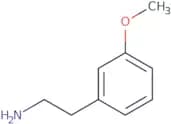

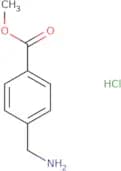
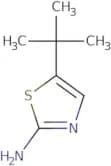
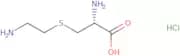
![(R)-(-)-a-[[(4-Ethyl-2,3-dioxo-1-piperazinyl)carbonyl]amino]benzeneacetic Acid](/_next/image/?url=https%3A%2Fstatic.cymitquimica.com%2Fproducts%2F3D%2Fthumb-webp%2FFE60111.webp&w=3840&q=75)
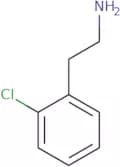
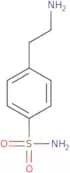

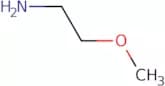
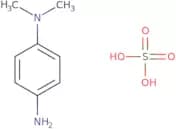
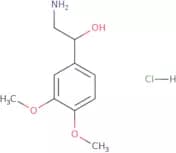
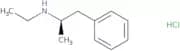

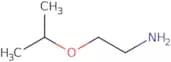

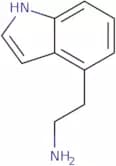
![[2-(1-Ethyl-1H-benzimidazol-2-yl)ethyl]amine dihydrochloride](/_next/image/?url=https%3A%2Fstatic.cymitquimica.com%2Fproducts%2F3D%2Fthumb-webp%2FFE125216.webp&w=3840&q=75)
![[(5-Methyl-1,3-thiazol-2-yl)methyl]amine dihydrochloride](/_next/image/?url=https%3A%2Fstatic.cymitquimica.com%2Fproducts%2F3D%2Fthumb-webp%2FFM124184.webp&w=3840&q=75)
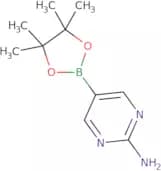
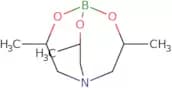
![[(4-Methyl-1H-imidazol-5-yl)methyl]amine hydrochloride](/_next/image/?url=https%3A%2Fstatic.cymitquimica.com%2Fproducts%2F3D%2Fthumb-webp%2FFM125220.webp&w=3840&q=75)
![1-Benzyl-3-[3-(diethylamino)propoxy]-1H-indazole](/_next/image/?url=https%3A%2Fstatic.cymitquimica.com%2Fproducts%2F3D%2Fthumb-webp%2FFB162091.webp&w=3840&q=75)
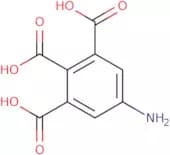
![2-(2-Aminoethyl)-3',6'-bis(diethylaMino)spiro[isoindoline-1,9'-xanthen]-3-one](/_next/image/?url=https%3A%2Fstatic.cymitquimica.com%2Fproducts%2F3D%2Fthumb-webp%2FFA39948.webp&w=3840&q=75)
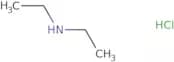
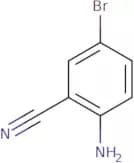
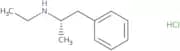
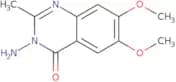


![N-[3-Fluoro-4-[(methylamino)carbonyl]phenyl]-2-methylalanine](/_next/image/?url=https%3A%2Fstatic.cymitquimica.com%2Fproducts%2F3D%2Fthumb-webp%2FFF99416.webp&w=3840&q=75)

![[2-(5-Chloro-1H-indol-3-yl)-1-methylethyl]amine hydrochloride](/_next/image/?url=https%3A%2Fstatic.cymitquimica.com%2Fproducts%2F3D%2Fthumb-webp%2FFC123633.webp&w=3840&q=75)

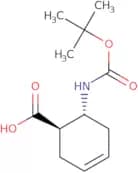

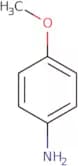
![(1R,2S)-2-[N-Benzyl-N-(mesitylenesulfonyl)amino]-1-phenyl-1-propanol](/_next/image/?url=https%3A%2Fstatic.cymitquimica.com%2Fproducts%2F3D%2Fthumb-webp%2FFB59938.webp&w=3840&q=75)
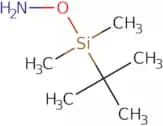
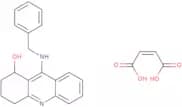
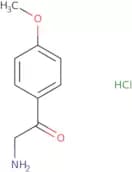
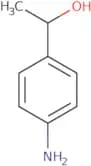
![[3-(1-Isopropyl-1H-benzimidazol-2-yl)propyl]amine dihydrochloride](/_next/image/?url=https%3A%2Fstatic.cymitquimica.com%2Fproducts%2F3D%2Fthumb-webp%2FFI126427.webp&w=3840&q=75)
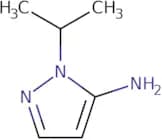
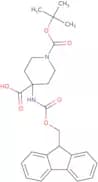
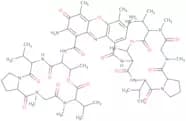
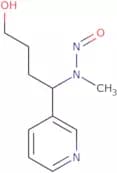
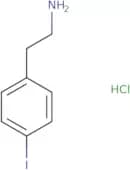

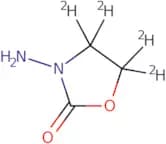
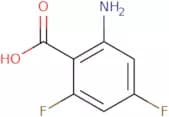
![(aR)-a-[[[2-(4-Nitrophenyl)ethyl]amino]methyl]benzenemethanol](/_next/image/?url=https%3A%2Fstatic.cymitquimica.com%2Fproducts%2F3D%2Fthumb-webp%2FFN75044.webp&w=3840&q=75)
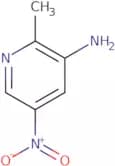
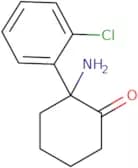


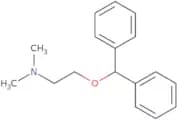
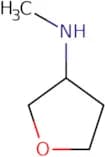

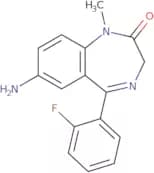


![[2-(1-Isobutyl-1H-benzimidazol-2-yl)ethyl]amine dihydrochloride](/_next/image/?url=https%3A%2Fstatic.cymitquimica.com%2Fproducts%2F3D%2Fthumb-webp%2FFI135795.webp&w=3840&q=75)
![[4-(2-Aminopropyl)phenyl]dimethylamine dihydrochloride](/_next/image/?url=https%3A%2Fstatic.cymitquimica.com%2Fproducts%2F3D%2Fthumb-webp%2FFA120226.webp&w=3840&q=75)
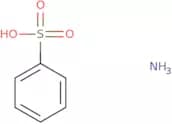
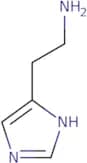
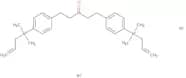
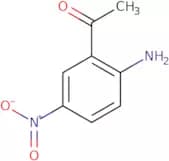
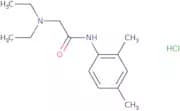
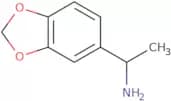
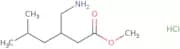
![Chloro[2-(di-tert-butylphosphino)-2',4',6'-triisopropyl-1,1'-biphenyl][2-(2-aminoethyl)phenyl)]pal…](/_next/image/?url=https%3A%2Fstatic.cymitquimica.com%2Fproducts%2F3D%2Fthumb-webp%2FFC156938.webp&w=3840&q=75)
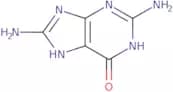
![N-[4-(Aminosulfonyl)-2,1,3-benzoxadiazol-7-yl]-2-aminoethyl methanethiosulfonate](/_next/image/?url=https%3A%2Fstatic.cymitquimica.com%2Fproducts%2F3D%2Fthumb-webp%2FFA17849.webp&w=3840&q=75)
![9-[(5-Amino-1,3,4-thiadiazol-2-yl)methyl]-1,3-dimethyl-3,9-dihydro-1H-purine-2,6-dione](/_next/image/?url=https%3A%2Fstatic.cymitquimica.com%2Fproducts%2F3D%2Fthumb-webp%2FFA125300.webp&w=3840&q=75)
![1-[1-(2-Aminoethyl)-1H-indol-3-yl]ethanone oxalate](/_next/image/?url=https%3A%2Fstatic.cymitquimica.com%2Fproducts%2F3D%2Fthumb-webp%2FFA135415.webp&w=3840&q=75)
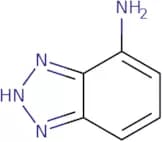
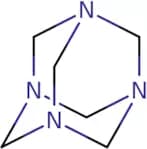
![[2-(1,2-Dimethyl-1H-indol-3-yl)ethyl]amine hydrochloride](/_next/image/?url=https%3A%2Fstatic.cymitquimica.com%2Fproducts%2F3D%2Fthumb-webp%2FFD135164.webp&w=3840&q=75)
![7-[(3R)-3-[(N-Acetyl)amino]-1-oxo-4-(2,4,5-trifluorophenyl)butyl]-5,6,7,8-tetrahydro-3-(trifluorom…](/_next/image/?url=https%3A%2Fstatic.cymitquimica.com%2Fproducts%2F3D%2Fthumb-webp%2FFA104169.webp&w=3840&q=75)
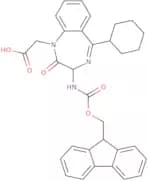

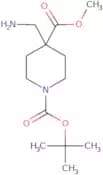
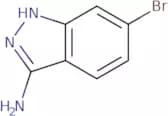
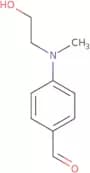
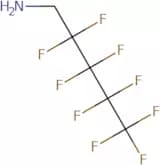
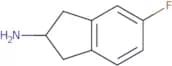
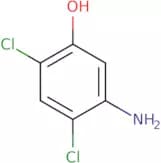


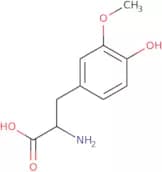

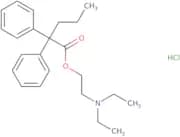
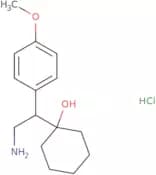
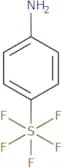

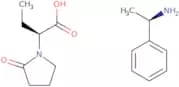

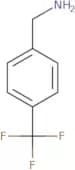


![3-[(Dimethylamino)methyl]benzoic acid hydrochloride](/_next/image/?url=https%3A%2Fstatic.cymitquimica.com%2Fproducts%2F3D%2Fthumb-webp%2FFD124093.webp&w=3840&q=75)
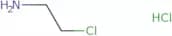
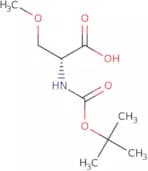
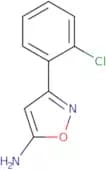
![N-(1H-Indol-4-ylmethyl)-N-[2-(4-methoxyphenyl)ethyl]amine hydrochloride](/_next/image/?url=https%3A%2Fstatic.cymitquimica.com%2Fproducts%2F3D%2Fthumb-webp%2FFI116235.webp&w=3840&q=75)
![[2-(4-Aminophenyl)ethyl]carbamic acid tert-butyl ester](/_next/image/?url=https%3A%2Fstatic.cymitquimica.com%2Fproducts%2F3D%2Fthumb-webp%2FFA51360.webp&w=3840&q=75)
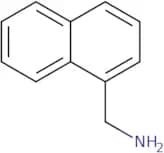
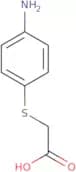
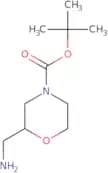
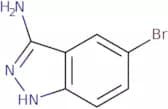

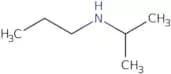
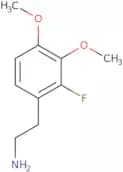
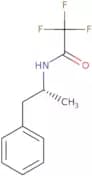


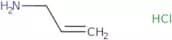
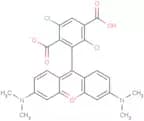

![N-[(1S)-1-(Aminocarbonyl)propyl]-4-chlorobutanamide](/_next/image/?url=https%3A%2Fstatic.cymitquimica.com%2Fproducts%2F3D%2Fthumb-webp%2FFA171302.webp&w=3840&q=75)
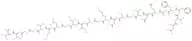
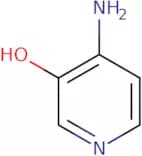
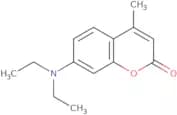

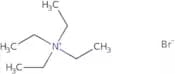
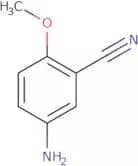
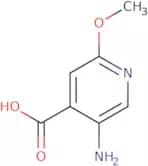
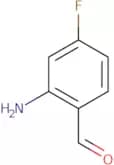
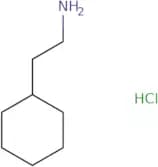
![(alphaR)-α-[[[2-(4-Nitrophenyl)ethyl]amino]methyl]benzenemethanol hydrochloride](/_next/image/?url=https%3A%2Fstatic.cymitquimica.com%2Fproducts%2F3D%2Fthumb-webp%2FFN156825.webp&w=3840&q=75)

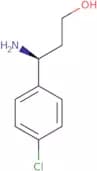

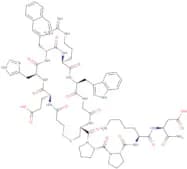
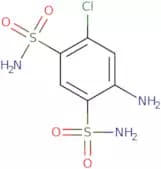
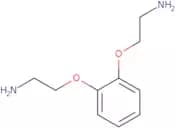
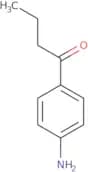
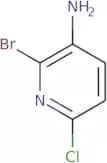
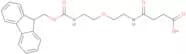
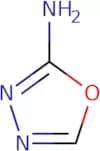
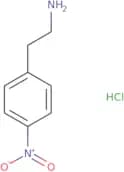

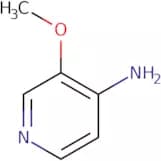

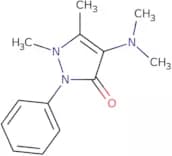
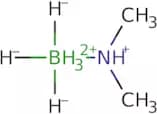
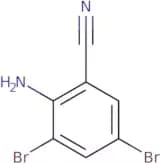
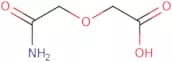
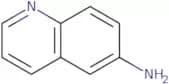
![5-(H-Gly-Pro-Gly-Pro-amido)-9-[di-(3-sulfonylpropyl)amino]-benzo[a]phenoxazonium perchlorate](/_next/image/?url=https%3A%2Fstatic.cymitquimica.com%2Fproducts%2F3D%2Fthumb-webp%2FFG110995.webp&w=3840&q=75)
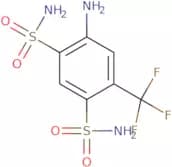

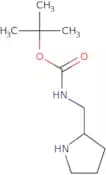
![3-[(2-Aminoethyl)dithio]propionic acid](/_next/image/?url=https%3A%2Fstatic.cymitquimica.com%2Fproducts%2F3D%2Fthumb-webp%2FFA17745.webp&w=3840&q=75)
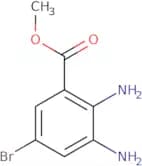
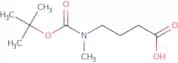
![2-Methoxy-5-[[(phenylmethyl)sulfonyl]methyl]benzenamine](/_next/image/?url=https%3A%2Fstatic.cymitquimica.com%2Fproducts%2F3D%2Fthumb-webp%2FFA70820.webp&w=3840&q=75)
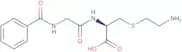


![6-(7-Nitro-benzo[2,1,3]oxadiazol-4-ylamino)-hexanoyl-Arg-Pro-Lys-Pro-Leu-Ala-Nva-Trp-Lys((7-dimeth…](/_next/image/?url=https%3A%2Fstatic.cymitquimica.com%2Fproducts%2F3D%2Fthumb-webp%2FFN110943.webp&w=3840&q=75)
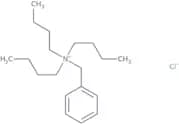
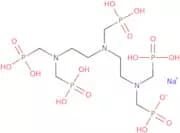
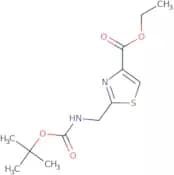
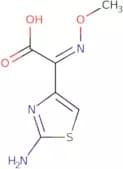
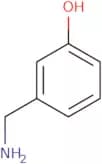
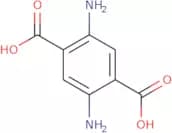
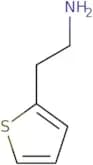
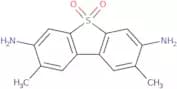
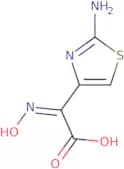

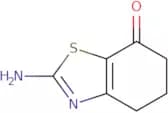
![2-[(1S)-1-Aminopropyl]-5-fluoro-3-phenyl-4(3H)-quinazolinone](/_next/image/?url=https%3A%2Fstatic.cymitquimica.com%2Fproducts%2F3D%2Fthumb-webp%2FFA96431.webp&w=3840&q=75)
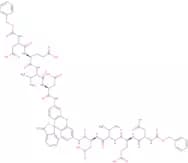
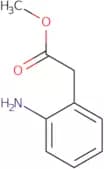
![H-Glu-Leu-Asp-[(2R,4S,5S)-5-amino-4-hydroxy-2,7-dimethyl-octanoyl]-Val-Glu-Phe-Gly-Gly-D-Arg-D-Arg…](/_next/image/?url=https%3A%2Fstatic.cymitquimica.com%2Fproducts%2F3D%2Fthumb-webp%2FFG111107.webp&w=3840&q=75)
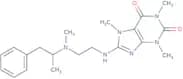
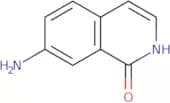
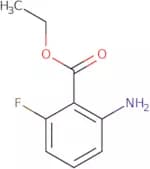
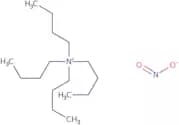
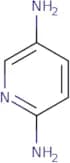


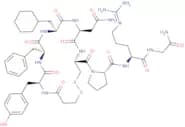
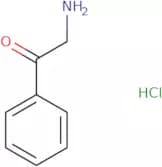
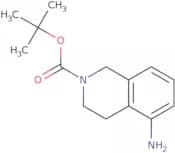
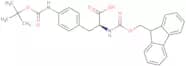
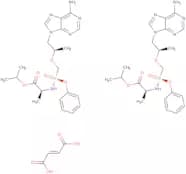
![(aR)-a-[[[2-(4-Aminophenyl)ethyl]amino]methyl]-benzenemethanol](/_next/image/?url=https%3A%2Fstatic.cymitquimica.com%2Fproducts%2F3D%2Fthumb-webp%2FFA75045.webp&w=3840&q=75)