Amines
Amines are a set of molecules containing an amino functional group (derived from ammonia). This category includes amines at any level of substitution : primary, secondary, tertiary, and ammonium salts. Amines are fundamental in organic synthesis and are widely used in pharmaceuticals, agrochemicals, and materials science. At CymitQuimica, we provide a comprehensive selection of amines to meet your research and industrial needs. Our range ensures access to various amines for diverse chemical processes and innovative research.
Subcategories of "Amines"
- Nitrosamines(2,608 products)
- Primary Amines(30,798 products)
- Quaternary Ammonium Cations and Salts(1,099 products)
- Secondary Amines(20,785 products)
- Tertiary Amines(17,108 products)
Found 8776 products of "Amines"
Sort by
Purity (%)
0
100
|
0
|
50
|
90
|
95
|
100
Imidazo[1,2-a]pyridin-8-ylamine dihydrochloride
CAS:<p>Imidazo[1,2-a]pyridin-8-ylamine dihydrochloride is an arylation agent that reacts with nucleophiles to form an amide linkage. Imidazo[1,2-a]pyridin-8-ylamine dihydrochloride is used in the synthesis of carboxylic acid derivatives and other biomolecules. It can be used for selective functionalization of unsymmetrical carboxylic acids.</p>Formula:C7H7N3·2HClPurity:Min. 95%Molecular weight:206.07 g/molo-Chloramine T
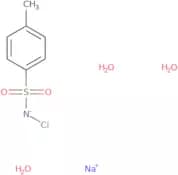
CAS:<p>O-Chloramine T is a chemical compound that is used in the treatment of cancer. It is an endoreduplication agent and has been shown to cause endothelial cell growth and apoptosis in cancer cells. O-Chloramine T binds to the membrane of cancer cells, which leads to a decrease in autocrine activity and cell binding. O-Chloramine T also inhibits endothelial cell growth by inhibiting protein synthesis and blocking the synthesis of DNA and RNA. This drug has been shown to have anti-cancer properties in animal models and hyperosmolarity properties, which may be due to its ability to cause vessels to collapse.</p>Formula:C7H7ClNNaO2SColor and Shape:PowderMolecular weight:227.64 g/molDiisopropylammonium dichloroacetate
CAS:Controlled Product<p>Diisopropylammonium dichloroacetate (DADCA) is a chemical that inhibits the metabolism of glucose. It has been shown to have a hypoglycemic effect in rats and is being investigated as a treatment for metabolic disorders such as diabetes and obesity. DADCA has also been shown to reduce liver lesions in animals with chronic viral hepatitis, and has been found to be effective in reducing tumor growth in mice. This drug can also be used to treat bowel disease by reducing the amount of ammonia released by bacteria. DADCA may also have physiological effects on humans, including an increase in blood pressure and fever, although these effects have not yet been studied.</p>Purity:Min. 95%4-chloro-5-fluoropyrimidin-2-amine
CAS:<p>Please enquire for more information about 4-chloro-5-fluoropyrimidin-2-amine including the price, delivery time and more detailed product information at the technical inquiry form on this page</p>Formula:C4H3ClFN3Purity:Min. 95%Molecular weight:147.54 g/molN,N-Diethylethylenediamine
CAS:<p>N,N-Diethylethylenediamine (DEEDA) is a nitrosamine with the chemical structure of N 2 H 4 C 2 H 4 NH 2 . It has been shown to have tumor-inhibiting properties. DEEDA has been shown to have a redox potential that is similar to that of glutathione and cysteine, which are important for the reduction of reactive oxygen species in cells. This compound also shows high uptake by primary cells and can be used as a model system to study the effects of nitrogen compounds on copper complexes. The biological properties of DEEDA are related to steric interactions with proteins and other biomolecules.</p>Formula:C6H16N2Purity:Min. 95%Color and Shape:Colorless Clear LiquidMolecular weight:116.2 g/mol8-[(2-Hydroxyethyl)(methyl)amino]-1,3,9-trimethyl-3,9-dihydro-1H-purine-2,6-dione
CAS:Controlled Product<p>Please enquire for more information about 8-[(2-Hydroxyethyl)(methyl)amino]-1,3,9-trimethyl-3,9-dihydro-1H-purine-2,6-dione including the price, delivery time and more detailed product information at the technical inquiry form on this page</p>Formula:C11H17N5O3Purity:Min. 95%Molecular weight:267.28 g/molMethylamine thiocyanate
CAS:Controlled Product<p>Methylamine thiocyanate is a chemical compound that is used in the production of silicone rubber. It can be synthesized by the reaction of methylamine and nitrous acid with a base such as sodium hydroxide or potassium hydroxide. Methylamine thiocyanate has been shown to have synergistic effects with a number of other chemicals, including hydrocarbons, silicates, and perovskites. This compound has also been shown to have a morphology that is dependent on the type of solvent it is mixed in, which can alter its commercialization potential. Methylamine thiocyanate has also been shown to interact with organic solvents and hydrogen bonds.BR>BR>Methylamine thiocyanate undergoes hydrolysis when exposed to water or acids such as hydrochloric acid or sodium hydroxide solution.</p>Formula:C2H6N2SPurity:Min. 95%Molecular weight:90.15 g/molN-[4-(Aminosulfonyl)-2,1,3-benzoxadiazol-7-yl]-2-aminoethyl methanethiosulfonate
CAS:<p>Please enquire for more information about N-[4-(Aminosulfonyl)-2,1,3-benzoxadiazol-7-yl]-2-aminoethyl methanethiosulfonate including the price, delivery time and more detailed product information at the technical inquiry form on this page</p>Formula:C9H12N4O5S3Purity:Min. 95%Molecular weight:352.41 g/mol4-Methoxy-N-methylbenzylamine hydrochloride
CAS:<p>Please enquire for more information about 4-Methoxy-N-methylbenzylamine hydrochloride including the price, delivery time and more detailed product information at the technical inquiry form on this page</p>Formula:C9H14NOClPurity:Min. 95%Molecular weight:187.67 g/molBis(tert-butoxycarbonyl) Lisdexamphetamine
CAS:Controlled Product<p>Please enquire for more information about Bis(tert-butoxycarbonyl) Lisdexamphetamine including the price, delivery time and more detailed product information at the technical inquiry form on this page</p>Formula:C25H41N3O5Purity:Min. 95%Molecular weight:463.61 g/mol1-Amino-9-fluorenone
CAS:<p>1-Amino-9-fluorenone is a hydrogen bond acceptor molecule that has been shown to have anticancer activity and rate enhancement. The 1-Amino-9-fluorenone binds to the DNA of cancer cells, inhibiting cell growth and proliferation. This molecule also interacts with the cellular membrane by reversible binding, which leads to an increase in the concentration of intracellular nitric oxide (NO). This increase in NO levels inhibits the growth of cancer cells by blocking their ability to produce ATP. 1-Amino-9-fluorenone has been shown to inhibit hCT116 human colon cancer cells.</p>Formula:C13H9NOPurity:Min. 95%Molecular weight:195.22 g/mol4-Methyl-5-nitrothiazol-2-amine
CAS:<p>Please enquire for more information about 4-Methyl-5-nitrothiazol-2-amine including the price, delivery time and more detailed product information at the technical inquiry form on this page</p>Formula:C4H5N3O2SPurity:Min. 95%Color and Shape:PowderMolecular weight:159.17 g/molQuaternary ammonium compounds, bis(hydroxyethyl) methyltallow alkyl, chlorides, salts with bentonite
CAS:<p>Please enquire for more information about Quaternary ammonium compounds, bis(hydroxyethyl) methyltallow alkyl, chlorides, salts with bentonite including the price, delivery time and more detailed product information at the technical inquiry form on this page</p>Purity:Min. 95%6-Chloro-4-(trifluoromethyl)-2-pyridinamine
CAS:<p>Please enquire for more information about 6-Chloro-4-(trifluoromethyl)-2-pyridinamine including the price, delivery time and more detailed product information at the technical inquiry form on this page</p>Formula:C6H4ClF3N2Purity:Min. 95%Molecular weight:196.56 g/mol(R)-(-)-2-Aminoheptane
CAS:Controlled Product<p>(R)-(-)-2-Aminoheptane is a lipase inhibitor that can be used as an immobilized or soluble protein. This compound has been shown to inhibit monoamine oxidase, which is an enzyme that breaks down neurotransmitters in the brain, and helps maintain their levels. (R)-(-)-2-Aminoheptane also inhibits electron ionization, and can be used to study the chemical properties of amines.</p>Formula:C7H17NPurity:Min. 95%Color and Shape:Clear LiquidMolecular weight:115.22 g/molN-(Aminocarbonyl)aspartic acid
CAS:<p>N-Aminocarbonyl-L-aspartic acid (NACD) is a molecule that is found in urine samples. It can be used as a biomarker to detect cancer, HIV infection, and many other diseases. The presence of NACD has been correlated with the development of acidosis, which is characterized by an increase in the pH of body fluids. The following are a few examples of how this product might be described on an eCommerce site: Rifapentine is an anti-tuberculosis drug that belongs to the class of rifamycins. It is the most active of the rifamycins for the treatment of tuberculosis. Rifapentine inhibits bacterial growth by binding to DNA-dependent RNA polymerase, thereby preventing transcription and replication. The high frequency of human activity has been shown using a patch-clamp technique on human erythrocytes. This active form is metabolized through</p>Formula:C5H8N2O5Purity:Min. 95%Color and Shape:PowderMolecular weight:176.13 g/molTriisopropanolamine Borate
CAS:<p>Triisopropanolamine borate is an organic compound with the formula (CH3)3N(CH2)3OH. It is a colorless liquid with a sweet, amine-like odor. Triisopropanolamine borate is widely used as a cross-linking agent in coatings, and as a reactive functional group in polycarboxylic acid synthesis and cationic polymerization. It also has been used as a blood pressure lowering agent and to treat high calcium levels in the blood. The chemical structure of triisopropanolamine borate can be seen below: Triisopropanolamine Borate, Chemical Structure The chemical formula for triisopropanolamine borate is CH3N(CH2)3OH. Triisopropanolamine borate has many applications due to its reactive functional groups, including cross-linking agents for coatings and polycarboxylic acid synthesis</p>Formula:C9H18BNO3Purity:Min. 95%Molecular weight:199.06 g/molN-(2-Hydroxyethyl)ethylenediamine
CAS:<p>N-(2-Hydroxyethyl)ethylenediamine is a chemical compound that belongs to the group of p2. It has been used for the treatment of wastewater and is also an inhibitor of blood coagulation. N-(2-Hydroxyethyl)ethylenediamine contains hydrogen bonding interactions, which lead to its high adsorption capacity for metals such as mercury and cadmium. This chemical inhibits reactions by binding to substrate molecules, such as metal ions or oxygen, thereby preventing them from participating in reactions. It has been shown that N-(2-Hydroxyethyl)ethylenediamine binds to transition metal ions with a higher affinity than other compounds, including ethylenediaminetetraacetic acid (EDTA). The reaction mechanism of this compound is not yet fully understood.</p>Formula:C4H12N2OPurity:Min. 95%Color and Shape:Colorless Clear LiquidMolecular weight:104.15 g/mol5-Iodo-2-aminoindane
CAS:Controlled Product<p>5-Iodo-2-aminoindane is a chemical pesticide that belongs to the group of diallyl trisulfide. It is used for the control of fruit pests such as Drosophila, Ceratitis capitata, and Rhagoletis pomonella. 5-Iodo-2-aminoindane has been shown to inhibit the growth of these pests through in vitro assay. The synthetic cannabinoid activity of 5-iodo-2-aminoindane may be due to its ability to inhibit fatty acid uptake by binding to the fatty acid transporter protein at the cell membrane.</p>Formula:C9H10INPurity:Min. 95%Molecular weight:259.09 g/mol1-[1-(2-Aminoethyl)-1H-indol-3-yl]ethanone oxalate
CAS:Controlled Product<p>Please enquire for more information about 1-[1-(2-Aminoethyl)-1H-indol-3-yl]ethanone oxalate including the price, delivery time and more detailed product information at the technical inquiry form on this page</p>Formula:C12H14N2OPurity:Min. 95%Molecular weight:202.25 g/mol3,4-Dihydroxy amphetamine hydrochloride
CAS:Controlled Product<p>3,4-Dihydroxy amphetamine hydrochloride is a metabolite of amphetamine. It is a chemical intermediate in the metabolism of amphetamine and therefore has similar pharmacological effects. 3,4-Dihydroxy amphetamine hydrochloride is not embryotoxic or teratogenic in rats or mice at doses as high as 2000 mg/kg. The concentration range for humans is unknown. 3,4-Dihydroxy amphetamine hydrochloride has been shown to inhibit the production of dopamine in the brain and may be associated with neurotoxicity.</p>Formula:C9H14ClNO2Purity:Min. 95%Molecular weight:203.67 g/mol5-Amino-1-(4-Fluorophenyl)-1H-Pyrazole-4-Carboxamide
CAS:<p>Please enquire for more information about 5-Amino-1-(4-Fluorophenyl)-1H-Pyrazole-4-Carboxamide including the price, delivery time and more detailed product information at the technical inquiry form on this page</p>Formula:C10H9FN4OPurity:Min. 95%Molecular weight:220.2 g/mol4-Amino-5-methoxy-2-methyl-N-methylbenzenesulfonamide
CAS:<p>4-Amino-5-methoxy-2-methyl-N-methylbenzenesulfonamide is a surfactant that is used in the chemical industry to dissolve diazotized aromatic amines. It is also used in the preparation of coupling agents, such as naphthol, and hydrochloric acid. 4-Amino-5-methoxy-2-methylbenzenesulfonamide can be prepared by the diazotization of aniline followed by coupling with hydrochloric acid and sodium phosphate. The product can then be purified by recrystallization from a salt solution containing sodium acetate.</p>Formula:C9H14N2O3SPurity:Min. 95%Molecular weight:230.29 g/mol[2-(5-Chloro-1-methyl-1H-benzimidazol-2-yl)ethyl]amine dihydrochloride
CAS:Controlled Product<p>Please enquire for more information about [2-(5-Chloro-1-methyl-1H-benzimidazol-2-yl)ethyl]amine dihydrochloride including the price, delivery time and more detailed product information at the technical inquiry form on this page</p>Formula:C10H12ClN3Purity:Min. 95%Molecular weight:209.68 g/molN-Methyl-N-[(1-methyl-1H-benzimidazol-2-yl)methyl]amine hydrochloride
CAS:Controlled Product<p>Please enquire for more information about N-Methyl-N-[(1-methyl-1H-benzimidazol-2-yl)methyl]amine hydrochloride including the price, delivery time and more detailed product information at the technical inquiry form on this page</p>Formula:C10H13N3Purity:Min. 95%Molecular weight:175.23 g/mol2,5-Dimethoxy-4-(propylsulfanyl)phenethylamine hydrochloride
CAS:Controlled Product<p>Please enquire for more information about 2,5-Dimethoxy-4-(propylsulfanyl)phenethylamine hydrochloride including the price, delivery time and more detailed product information at the technical inquiry form on this page</p>Formula:C13H22ClNO2SPurity:Min. 95%Molecular weight:291.84 g/mol1-Benzyl-3-[3-(diethylamino)propoxy]-1H-indazole
CAS:Controlled Product<p>Please enquire for more information about 1-Benzyl-3-[3-(diethylamino)propoxy]-1H-indazole including the price, delivery time and more detailed product information at the technical inquiry form on this page</p>Formula:C21H27N3OPurity:Min. 98 Area-%Color and Shape:Clear LiquidMolecular weight:337.46 g/mol4-Hydroxy-N,N-diethyltryptamine
CAS:Controlled Product<p>4-Hydroxy-N,N-diethyltryptamine (4HT) is a synthetic psychedelic drug that has been shown to cause infected and uninfected cells to produce elastin and chloride. 4HT causes iontophoresis in the dermis, which may be due to its ability to inhibit surfactant production. It has also been shown to have an anti-inflammatory effect. The skin concentration of 4HT is dependent on the area of the body where it is applied and can range from 0.1% in the face to 1% in the back. In addition, 4HT has been shown to be toxic to echinacea and other plants grown in soil containing benzyl alcohol.</p>Formula:C14H20N2OPurity:Min. 95%Molecular weight:232.32 g/mol2-(2-Fluoro-3,4-dimethoxyphenyl)ethanamine
CAS:Controlled Product<p>Please enquire for more information about 2-(2-Fluoro-3,4-dimethoxyphenyl)ethanamine including the price, delivery time and more detailed product information at the technical inquiry form on this page</p>Formula:C10H14FNO2Purity:Min. 95%Molecular weight:199.22 g/mol(1R,2R)-Boc-aminocyclopentane carboxylic acid
CAS:<p>(1R,2R)-Boc-aminocyclopentane carboxylic acid (BCPC) is a high quality, reagent, and useful intermediate. It is a versatile building block that can be used as a speciality chemical or research chemical. BCPC has been shown to react with amines to form ureas, with nitriles to form oxazolidines, and with epoxides to form aziridinones.</p>Formula:C11H19NO4Purity:Min. 95%Color and Shape:White PowderMolecular weight:229.27 g/mol2-Aminoethyl isopropylether
CAS:<p>2-Aminoethyl isopropylether (2-AP) has been shown to have inhibitory effects on the growth of Staphylococcus aureus, Bacillus subtilis and Escherichia coli. It also showed in vitro antifungal activity against Trichophyton mentagrophytes and Candida albicans. 2-AP inhibits the synthesis of unsaturated fatty acids by inhibiting the enzyme enoyl coenzyme A reductase, which is involved in the degradation of fatty acids. 2-AP is metabolized by two pathways: one is through hydrolysis by esterases or glucuronidases, oxidation by cytochrome P450 enzymes, reduction by glutathione reductase, or conjugation with glucuronic acid; the other pathway involves cyclobutanol formation. The cytotoxic effect of 2-AP has been shown to be due to inhibition of protein synthesis and cell division</p>Formula:C5H13NOPurity:Min. 95%Color and Shape:Clear LiquidMolecular weight:103.16 g/molFmoc-1-amino-4,7,10-trioxa-13-tridecanamine succinimic acid
CAS:<p>Fmoc-1-amino-4,7,10-trioxa-13-tridecanamine succinimic acid is a synthetic amide that is used as an intermediate in the synthesis of peptides. It has a conformational structure and can be labeled with dyes to study the structures of proteins or peptides. Fmoc-1-amino-4,7,10-trioxa-13-tridecanamine succinimic acid has been used as an immunogen in the preparation of monoclonal antibodies. It also can be conjugated to drugs or other compounds for use as bioconjugates. This compound has been shown to have enzymatic activity and can be used as a substrate for enzyme linked immunosorbent assays (ELISA). Trifluoroacetic acid is commonly used in the synthesis of this compound.</p>Formula:C29H38N2O8Purity:Min. 98 Area-%Molecular weight:542.62 g/mol2-Methoxy-4-amino-5-ethylthiobenzoic acid
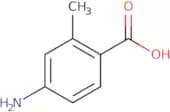
CAS:<p>Please enquire for more information about 2-Methoxy-4-amino-5-ethylthiobenzoic acid including the price, delivery time and more detailed product information at the technical inquiry form on this page</p>Formula:C10H13NO3SPurity:Min. 95%Molecular weight:227.28 g/mol(2H-Tetrazol-5-yl)methylamine
CAS:<p>(2H-Tetrazol-5-yl)methylamine is a sweetener that has been used as an analog of saccharin. It is not approved for use in the United States. The sweetness of (2H-tetrazol-5-yl)methylamine is due to its interaction with sodium ions, which make it a sodium salt. This compound is not sweet by itself but it does have optical properties that can be used to measure the concentration of sodium ions in solution. The chemical structure of (2H-tetrazol-5-yl)methylamine consists of a tetrazole group, an amine group and two methyl groups.</p>Formula:C2H5N5Purity:Min. 95%Molecular weight:99.09 g/mol(2-Cyclohexyl-1-methylethyl)methylamine
CAS:Controlled Product<p>2-Cyclohexyl-1-methylethyl)methylamine is a monoethyl ether of (2-cyclohexyl-1-methylethyl)amine. It is used as a nasal decongestant and has been shown to be effective against respiratory disorders such as bronchitis, sinusitis, and allergies. The drug can also be used for the diagnosis and prognosis of congestive heart failure. 2-Cyclohexyl-1-methylethyl)methylamine has been shown to bind to calcium ions in the nasal mucosa, thereby inhibiting the production of inflammatory mediators such as prostaglandins and leukotrienes. This drug also has an inhibitory effect on receptor activity for histamine, which leads to relief from allergic symptoms by reducing inflammation in the nose.</p>Formula:C10H22BrNPurity:Min. 95%Molecular weight:236.19 g/mol2-Aminoindan
CAS:Controlled Product<p>2-Aminoindan is a compound that has inhibitory properties against the human liver enzyme dopamine β-hydroxylase. It binds to the active site of the enzyme and inhibits its activity, which decreases the production of dopamine and other monoamines in the body. 2-Aminoindan has been shown to be effective in animal models of Parkinson's disease by reducing oxidative stress and restoring dopamine levels. The drug also has a chemical diversity, with many different possible structures for medicinal use. 2-Aminoindan has been shown to inhibit the formation of carbonic acid, which is used by mammalian tissue as a buffer for pH regulation. This property may account for its inhibitory effect on carbonic anhydrase II (CAII), an enzyme involved in tissue respiration and acid-base balance. 2-Aminoindan has also been shown to have inhibitory effects on two bacterial enzymes: ddpP and ddpD, which are involved</p>Formula:C9H11NPurity:Min. 95%Molecular weight:133.19 g/mol2-Amino-7-(2,3,4-trimethoxyphenyl)-7,8-dihydroquinazolin-5(6H)-one
CAS:Controlled Product<p>Please enquire for more information about 2-Amino-7-(2,3,4-trimethoxyphenyl)-7,8-dihydroquinazolin-5(6H)-one including the price, delivery time and more detailed product information at the technical inquiry form on this page</p>Formula:C17H19N3O4Purity:Min. 95%Molecular weight:329.35 g/mol4-(3-Amino-2-hydroxypropoxy)phenylacetamide
CAS:<p>4-(3-Amino-2-hydroxypropoxy)phenylacetamide is a sweetener that is used as an artificial sweetener. It can be found in many foods and drinks and is often used to replace sucralose due to its lower cost. 4-(3-Amino-2-hydroxypropoxy)phenylacetamide is a white powder with a melting point of 133°C. This product has been shown to be safe for human consumption, although it may cause headaches, drowsiness, or dizziness in some people.</p>Formula:C11H16N2O3Purity:Min. 95%Molecular weight:224.26 g/mol2-(2-Aminoethyl)-1,3-dioxolane
CAS:<p>2-(2-Aminoethyl)-1,3-dioxolane is a model membrane used to study the transport of hydrazides across membranes. It is also a vector for the study of supramolecular polymers and has been shown to be activated by aldehydes. 2-(2-Aminoethyl)-1,3-dioxolane has biological activity against human cells and has been used as a screening agent for hydrazide drugs. This compound can be used to study transport efficiency and functionality in vitro.</p>Formula:C5H11NO2Purity:Min. 95%Color and Shape:Clear LiquidMolecular weight:117.15 g/molEthyl 7-aminoheptanoate hydrochloride
CAS:<p>Ethyl 7-aminoheptanoate hydrochloride is an antibiotic that belongs to the class of esters. It has been shown to inhibit the growth of bacteria in vitro, which is attributed to its ability to inhibit protein synthesis. This drug has been used as a chemical manipulator in animal experiments. Ethyl 7-aminoheptanoate hydrochloride binds to the ribosomal RNA of bacteria and prevents amino acid incorporation into proteins, which leads to cell death. The endpoint of this experiment was determined by counting the number of rotations on a rotator after treatment with ethyl 7-aminoheptanoate hydrochloride or saline solution. Treatment with ethyl 7-aminoheptanoate hydrochloride resulted in an increase in the number of rotations, which is indicative of bacterial death.</p>Formula:C9H20ClNO2Purity:Min. 95%Molecular weight:209.71 g/mol4-Aminodiphenylamine
CAS:<p>4-Aminodiphenylamine is a chemical compound that is used as an intermediate in the production of other chemicals. It has been reported to be carcinogenic, so it should be handled with care. The reaction mechanism for this chemical compound is not well-known, but it has been shown that it reacts with hydrogen bonding interactions and can form a complex with nitrogen atoms. 4-Aminodiphenylamine has been shown to have low toxicity in animal studies, and can be synthesized using a variety of methods. This chemical compound also has biological properties that make it useful in the study of body formation and metabolism.</p>Formula:C12H12N2Purity:Min. 95%Color and Shape:PowderMolecular weight:184.24 g/mol4-Amino-2-(1,3-benzoxazol-2-yl)phenol
CAS:<p>4-Amino-2-(1,3-benzoxazol-2-yl)phenol (4APB) is a fluorescent compound that has been used to study the fungal cell wall. It has shown to cause morphological changes in the conidia of some fungi, including transfer and swelling of the contents. 4APB has also been used to study the transfer mechanism of conidia by fluorescence microscopy and epifluorescence microscopy. This chemical can be stained with tosylates, which are reagents used for staining proteins and other molecules that contain sulfur atoms.</p>Formula:C13H10N2O2Purity:Min. 95%Molecular weight:226.23 g/mol5'-Amino-5'-deoxy-2',3'-O-(1-methylethylidene)-adenosine
CAS:<p>Please enquire for more information about 5'-Amino-5'-deoxy-2',3'-O-(1-methylethylidene)-adenosine including the price, delivery time and more detailed product information at the technical inquiry form on this page</p>Formula:C13H18N6O3Purity:Min. 95%Molecular weight:306.32 g/molDiethylamine hydrochloride
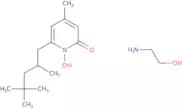
CAS:Controlled Product<p>Diethylamine hydrochloride is a chemical compound that is used as an intermediate in the manufacture of other chemicals. It can be used to treat metabolic disorders such as diabetes, hypothyroidism, and osteoporosis. Diethylamine hydrochloride has been shown to inhibit group P2 phosphodiesterases (PDEs) and prevent their degradation by the enzyme dipeptidyl peptidase-IV (DPP-IV). This inhibition leads to increased levels of cyclic AMP in cells, which contributes to its anti-inflammatory activity. The structural analysis of diethylamine hydrochloride has been performed using x-ray diffraction data and x-ray crystal structures.</p>Formula:C4H12ClNPurity:Min. 95%Molecular weight:109.6 g/molPravastatin 1,1,3,3-tetramethylbutylamine
CAS:<p>Please enquire for more information about Pravastatin 1,1,3,3-tetramethylbutylamine including the price, delivery time and more detailed product information at the technical inquiry form on this page</p>Formula:C31H55NO7Purity:Min. 95%Molecular weight:553.77 g/molL-a-Aminosuberic acid
CAS:<p>L-a-aminosuberic acid is a synthetic amino acid that has been used as an analog of L-cysteine. It can be used to induce tumor cell death by inhibiting the uptake of fatty acids in prostate cancer cells. L-a-aminosuberic acid is also able to inhibit the expression of proteins that are involved in prostate cancer, such as monoclonal antibodies and sequences. This compound may be a potential biomarker for the diagnosis of prostate cancer. The low expression levels may be due to the lack of disulfide bond formation, which is necessary for protein activity.</p>Formula:C8H15NO4Purity:Min. 95%Molecular weight:189.21 g/mol2-Fluorophenethylamine
CAS:Controlled Product<p>2-Fluorophenethylamine is a molecule that can switch between two forms, one hydrophobic and one hydrophilic. When it is in the hydrophobic form, 2-fluorophenethylamine can bind to water molecules to form potential use products. When 2-fluorophenethylamine is in the hydrophilic form, it can desorb from the surface of water. 2-Fluorophenethylamine has been shown to be a neurotransmitter and may have potential use as an anti-depressant or anti-anxiety medication. It has also been suggested that 2-fluorophenethylamine may be used for the treatment of Parkinson's disease, because of its ability to inhibit dopamine degradation. An experiment conducted with spectra found that 2-fluorophenethylamine reacts with hydrogen bonds and other weak interactions to form dimers and monomers. The vibrational spectrum of this molecule shows that there are no strong</p>Formula:C8H10FNPurity:Min. 95%Molecular weight:139.17 g/mol3-(2-Amino-ethyl)-aniline
CAS:<p>3-(2-Amino-ethyl)-aniline is a covalent tyrosine kinase inhibitor that binds reversibly to the active site of tyrosine kinases. This compound has been optimized for clinical use as a selective and potent inhibitor of the BCR-ABL fusion protein, which is associated with chronic myelogenous leukemia. 3-(2-Amino-ethyl)-aniline has also been shown to inhibit other tyrosine kinases, including those involved in oncogenesis.</p>Formula:C8H12N2Purity:Min. 95%Molecular weight:136.19 g/mol1-Acetyl-5-(2-aminopropyl)-2,3-dihydro-1H-indole-7-carbonitrile
CAS:Controlled Product<p>Please enquire for more information about 1-Acetyl-5-(2-aminopropyl)-2,3-dihydro-1H-indole-7-carbonitrile including the price, delivery time and more detailed product information at the technical inquiry form on this page</p>Formula:C14H17N3OPurity:Min. 95%Molecular weight:243.3 g/mol3-Amino-6-hydroxy-2-methylquinazolin-4(3H)-one
CAS:Controlled Product<p>Please enquire for more information about 3-Amino-6-hydroxy-2-methylquinazolin-4(3H)-one including the price, delivery time and more detailed product information at the technical inquiry form on this page</p>Formula:C9H9N3O2Purity:Min. 95%Molecular weight:191.19 g/mol3-Amino-2-hydroxy-N,N-dimethylbenzamide
CAS:<p>Please enquire for more information about 3-Amino-2-hydroxy-N,N-dimethylbenzamide including the price, delivery time and more detailed product information at the technical inquiry form on this page</p>Formula:C9H12N2O2Purity:Min. 95%Molecular weight:180.2 g/mol[2-(2,5-Dimethyl-1H-indol-3-yl)ethyl]amine hydrochloride
CAS:Controlled Product<p>Please enquire for more information about [2-(2,5-Dimethyl-1H-indol-3-yl)ethyl]amine hydrochloride including the price, delivery time and more detailed product information at the technical inquiry form on this page</p>Formula:C12H16N2Purity:Min. 95%Molecular weight:188.27 g/mol[2-(1,2-Dimethyl-1H-indol-3-yl)ethyl]amine hydrochloride
CAS:Controlled Product<p>Please enquire for more information about [2-(1,2-Dimethyl-1H-indol-3-yl)ethyl]amine hydrochloride including the price, delivery time and more detailed product information at the technical inquiry form on this page</p>Formula:C12H16N2Purity:Min. 95%Molecular weight:188.27 g/mol3-(2-Aminoethyl)-N-methyl-1H-indole-5-methanesulfonamide
CAS:<p>3-(2-Aminoethyl)-N-methyl-1H-indole-5-methanesulfonamide (AMIS) is an intermediate in the preparation of medicaments. It is a stable process and can be used as an intermediate for other compounds. AMIS is prepared by reacting methanesulfonic acid with methanol and ammonium carbonate, which produces methanesulfonamide, succinic acid and ammonium hydroxide. The reaction liquid is then heated to produce a crystalline solid. The crystals are then recrystallized to yield AMIS as a white solid.</p>Formula:C12H17N3O2SPurity:Min. 95%Color and Shape:Off-White To Beige To Light Brown SolidMolecular weight:267.35 g/mol[2-(4-methoxyphenyl)ethyl]methylamine
CAS:Controlled Product<p>2-(4-methoxyphenyl)ethyl]methylamine is a pharmacological agent that inhibits protein synthesis. It has been shown to have an optimum concentration of 1 μM, with maximal inhibition at 10 μM. 2-(4-methoxyphenyl)ethyl]methylamine binds to the basic amino acid residues of proteins and inhibits the activity of eosinophil cationic protein, which is responsible for histamine release. 2-(4-Methoxyphenyl)ethyl]methylamine has also been shown to reduce the activity of epidermal growth factor, which is responsible for cell proliferation and differentiation. The drug has been demonstrated to be an effective inhibitor of activated eosinophils, but not normal cells. 2-(4-Methoxyphenyl)ethyl]methylamine may be used as a treatment for chronic asthma patients who suffer from eosinophilic inflammation in their</p>Formula:C10H15NOPurity:Min. 95%Molecular weight:165.23 g/molDiisopropylamine
CAS:Controlled Product<p>Diisopropylamine is a tertiary amine and a component of trifluoroacetic acid. It is an amide with physiological effects that are not well understood. The diisopropylamine molecule has been shown to undergo transfer reactions, which may be due to steric interactions between the intramolecular hydrogen and nitrogen atoms. Trifluoroacetic acid can be found in reaction solution, such as in the formation of diazo compounds or as an intermediate in the reaction of ethyl acetate and sodium hypochlorite. Diisopropylamine is metabolized through dehydrogenative reactions, which involve the conversion of a group from one part of a molecule to another by removal of hydrogen atoms. This process generates reactive oxygen species and free radicals that may lead to oxidative stress in cells.</p>Formula:C6H15NPurity:Min. 95%Color and Shape:Clear LiquidMolecular weight:101.19 g/molN-Methylphenethylamine
CAS:Controlled Product<p>N-Methylphenethylamine (NMPEA) is a chemical substance that is found in many natural compounds. It can be synthesized by reacting phenethylamine with trifluoroacetic acid and reacts with ionization sources to produce ions detectable in mass spectrometry. NMPEA has been detected in human urine samples and has been shown to have significant interactions with the hepg2 cell line. The uptake of NMPEA into cells is facilitated by amines, which are abundant in heart tissue.</p>Formula:C9H13NPurity:Min. 95%Molecular weight:135.21 g/mol4-Aminobiphenyl-D9
CAS:Controlled Product<p>4-Aminobiphenyl is a chemical compound that belongs to the group of aromatic amines. It is a human carcinogen and has been shown to cause cancer in animals. 4-Aminobiphenyl has been detected in the environment as an environmental pollutant and can be found in small quantities at low levels in food, air, and water. 4-Aminobiphenyl can be hydrolyzed by acid or alkaline hydrolysis to form its hydrolysate, which contains nitroarenes that are not present in the original compound. The DNA modification caused by 4-aminophenol may be due to its ability to modify DNA bases through reactive metabolites such as nitroarenes.</p>Formula:C12H2D9NPurity:Min. 95%Molecular weight:178.27 g/mol6-Amino-5-nitroso-2-thiouracil
CAS:<p>6-Amino-5-nitroso-2-thiouracil is a water molecule that has been synthesized and characterized by the kinetic method. It has an intense absorption line at 514 nm and can be used as a marker for technetium. 6-Amino-5-nitroso-2-thiouracil is also a ligand, which is a chemical that binds to metal ions in order to form coordination complexes. 6-Amino-5-nitroso-2-thiouracil is formed by the reaction of chloramine with ammonia, as well as other reactions involving chlorine atoms. 6Amino - 5 nitroso - 2 thiouracil can be used as a chelate ring, which is a type of ligand that contains both nitrogen and sulfur atoms. Bleomycin, a five membered ring molecule, reacts with 6 amino - 5 nitroso - 2 thiouracil to</p>Formula:C4H4N4O2SPurity:Min. 95%Molecular weight:172.17 g/molEltrombopag olamine
CAS:<p>Eltrombopag olamine is an orally active drug that belongs to the class of thiazolidinones. It has been used for the treatment of thrombocytopenia in patients with chronic liver disease and myelodysplastic syndrome. Eltrombopag olamine inhibits platelet aggregation by binding to glycoprotein IIb/IIIa receptors on the surface of platelets. The drug is a prodrug that is metabolized in vivo to its active form, eltrombopag. This conversion is catalysed by CYP3A4 and CYP2D6 enzymes and can be inhibited by drugs that inhibit these enzymes, such as trifluoroacetic acid and hydroxyl group-containing compounds. Eltrombopag olamine binds to erythrocytes, which may be due to its ability to form intramolecular hydrogen bonds with nitrogen atoms. The synthesis of elt</p>Formula:C25H22N4O4•(C2H7NO)2Purity:Min. 95%Color and Shape:PowderMolecular weight:564.63 g/mol6-Chloro-5-methylpyridin-2-amine
CAS:<p>6-Amino-2-chloro-3-methylpyridine is a heteroaromatic compound that belongs to the class of imidazopyridine. It is a monomer used in research, and can be transformed into the cross-coupling reaction with electron irradiation, which provides an efficient method for synthesizing other heteroaromatic compounds. 6-Amino-2-chloro-3-methylpyridine has low ionization potential and can be used as a drug discovery agent.</p>Formula:C6H7ClN2Purity:Min. 95%Molecular weight:142.59 g/mol2-Diethylamino)ethanol hydrochloride
CAS:Controlled Product<p>2-Diethylamino)ethanol hydrochloride is a chemical compound that is used in analytical chemistry as a stationary phase for thin layer chromatography. Sephadex G-100 was developed by Pharmacia & Upjohn Company and marketed in the 1970s. It has been shown to be useful in plasma mass spectrometry experiments, which measure the molecular weight of proteins and other compounds. The solubility of 2-diethylamino)ethanol hydrochloride has been studied using experimental solubility data, electrochemical impedance spectroscopy, and amines. The reaction mechanism of 2-diethylamino)ethanol hydrochloride is not well understood but it appears to involve potassium dichromate, hydrochloric acid, fluoroacetic acid, benzalkonium chloride and other chemicals.</p>Formula:C6H16ClNOPurity:Min. 95%Molecular weight:153.65 g/mol3,3'-Diaminodiphenylmethane
CAS:<p>3,3'-Diaminodiphenylmethane is a diamine that is used in organic synthesis as an electron-deficient ligand. It is used to prepare metal complexes and as a catalyst for the preparation of various organic compounds. 3,3'-Diaminodiphenylmethane has been used as an imprinting agent to generate fluorescent labels on proteins, nucleotides, and peptides. 3,3'-Diaminodiphenylmethane also emits fluorescence when irradiated with ultraviolet light. This compound can be used to identify amines in urine samples by reacting with them under acidic conditions.</p>Formula:C13H14N2Purity:Min. 95%Color and Shape:White To Tan To Orange SolidMolecular weight:198.26 g/molN-Boc-1,6-diaminohexane hydrochloride
CAS:<p>Please enquire for more information about N-Boc-1,6-diaminohexane hydrochloride including the price, delivery time and more detailed product information at the technical inquiry form on this page</p>Formula:C11H24N2O2•HClPurity:Min. 95%Molecular weight:252.78 g/mol3-Aminopyridine
CAS:<p>3-Aminopyridine is a compound with the chemical formula C6H5N3. It is used in biological studies as a model for the hydrogen bond, and has been shown to be effective against some bacteria and fungi. 3-Aminopyridine may also have antimicrobial activity. The mechanism of action of 3-aminopyridine is not well understood, but it is thought that this compound might bind to the active site of an enzyme or receptor and deactivate it. 3-Aminopyridine has been found to inhibit dinucleotide phosphate (DNP) reductase, which may play a role in carcinogenesis. There are two nitrogen atoms in 3-aminopyridine, one in the amine group and one in the pyridine ring. The hydroxyl group on the molecule can form hydrogen bonds with other molecules such as hydrochloric acid or hydrogen tartrate, which may be why it reacts with these substances so easily.</p>Purity:Min. 95%Molecular weight:94.11 g/molN-Methyl-1-(3,4,5-trimethoxyphenyl)methanamine hydrochloride
CAS:Controlled Product<p>Please enquire for more information about N-Methyl-1-(3,4,5-trimethoxyphenyl)methanamine hydrochloride including the price, delivery time and more detailed product information at the technical inquiry form on this page</p>Formula:C11H17NO3Purity:Min. 95%Molecular weight:211.26 g/molHexamethylenediamine adipate
CAS:<p>Hexamethylenediamine adipate (HMDAA) is a pyrimidine compound with the chemical formula of CHN(NHCOCH). It is an amide that emits light when heated. HMDAA can be used as a chemical intermediate and has shown to be stable in sodium salt solutions. HMDAA is also used as a dicarboxylic acid or dicarboxylic acid ester, which is important for the production of polyamide-6. It can also be used to produce glycol ethers, which are useful in the manufacture of water vapor. This product has shown to have diamine and trifluoroacetic acid properties.</p>Formula:C12H26N2O4Purity:Min. 95%Molecular weight:262.35 g/mol2-(3,4-Dichlorophenyl)-2-oxoethylamineHydrochloride
CAS:Controlled Product<p>Please enquire for more information about 2-(3,4-Dichlorophenyl)-2-oxoethylamineHydrochloride including the price, delivery time and more detailed product information at the technical inquiry form on this page</p>Formula:C8H8Cl3NOPurity:Min. 95%Molecular weight:240.51 g/mol5-Aminoorotic acid
CAS:<p>5-Aminoorotic acid is an antimicrobial agent that has been shown to have anticancer activity. It has a nitrogen atom and two oxygen atoms in the molecule. The chemical structure of 5-aminoorotic acid can be determined using NMR spectroscopy and its biological properties are dependent on hydrogen bonding interactions with other molecules. 5-Aminoorotic acid is a chelate ring, which means it can bind to metal ions such as lanthanum (La3+). 5-Aminoorotic acid has been shown to inhibit the glycol oxidation reaction and may also be able to inhibit other enzymatic reactions. This drug is stable for use in model systems and may also be used for cancer treatment.</p>Formula:C5H5N3O4Purity:Min. 95%Molecular weight:171.11 g/mol1-Amino-2,4-imidazolidinedione-13C3
CAS:<p>1-Amino-2,4-imidazolidinedione-13C3 is an antibiotic that belongs to the group of nitrofurans. It is used for the treatment of infections caused by bacteria that are resistant to other antibiotics. The LC-MS/MS analysis showed that 1-aminohydantoin was formed as a degradation product of chloramphenicol and that this metabolite had been detected in urine samples from patients treated with chloramphenicol. Nitrofuran is also a possible degradation product. A reaction monitoring experiment using ionization monitoring and monitoring on the precursor ion at m/z 287 confirmed the presence of 1-aminohydantoin in a sample containing both chloramphenicol and nitrofuran. Quantification was performed using calibration curves obtained from pure standards.</p>Formula:C3H5N3O2Purity:Min. 95%Molecular weight:118.12 g/molrac benzodioxole-5-butanamine hydrochloride
CAS:Controlled Product<p>Racemic benzodioxole-5-butanamine hydrochloride (RAC) is a pharmacologic agent that has been shown to bind to dopamine receptors, thereby activating them. It has been shown to be an effective treatment for depression and other mental illnesses. Racemic benzodioxole-5-butanamine hydrochloride is also used in analytical toxicology as a chromatographic standard. This compound has been synthesized using the asymmetric synthesis of primary amines. RAC is also an enantiomer and can exist in two forms: (+)-RAC and (-)-RAC, which are mirror images of each other. The (+) form of racemic benzodioxole-5-butanamine hydrochloride is the more active form, with greater binding affinity for dopamine receptors than the (-) form.</p>Formula:C11H16ClNO2Purity:Min. 95%Molecular weight:229.7 g/mol4-Aminotetrahydrothiophene-3-ol 1,1-dioxide
CAS:<p>Please enquire for more information about 4-Aminotetrahydrothiophene-3-ol 1,1-dioxide including the price, delivery time and more detailed product information at the technical inquiry form on this page</p>Formula:C4H9NO3SPurity:Min. 95%Molecular weight:151.19 g/mol6-Methoxy-1,2,3,4-tetrahydronaphthalen-2-ylamine
CAS:Controlled Product<p>Please enquire for more information about 6-Methoxy-1,2,3,4-tetrahydronaphthalen-2-ylamine including the price, delivery time and more detailed product information at the technical inquiry form on this page</p>Formula:C11H15NOPurity:Min. 95%Molecular weight:177.24 g/mol(4-Ethoxyphenyl)ethylamine
CAS:Controlled Product<p>Please enquire for more information about (4-Ethoxyphenyl)ethylamine including the price, delivery time and more detailed product information at the technical inquiry form on this page</p>Formula:C10H15NOPurity:Min. 95%Molecular weight:165.23 g/mol1-(5-Methyl-1,2,4-oxadiazol-3-yl)cyclohexanamine hydrochloride
CAS:Controlled Product<p>Please enquire for more information about 1-(5-Methyl-1,2,4-oxadiazol-3-yl)cyclohexanamine hydrochloride including the price, delivery time and more detailed product information at the technical inquiry form on this page</p>Formula:C9H16N3OClPurity:Min. 95%Molecular weight:217.7 g/mol2-(5-chloro-2-methyl-1H-indol-3-yl)ethanamine
CAS:Controlled Product<p>Please enquire for more information about 2-(5-chloro-2-methyl-1H-indol-3-yl)ethanamine including the price, delivery time and more detailed product information at the technical inquiry form on this page</p>Formula:C11H13ClN2Purity:Min. 95%Molecular weight:208.69 g/mol1-Boc-amino-3,6,9-trioxaundecanyl-11-bromide
CAS:<p>Please enquire for more information about 1-Boc-amino-3,6,9-trioxaundecanyl-11-bromide including the price, delivery time and more detailed product information at the technical inquiry form on this page</p>Formula:C13H26BrNO5Purity:Min. 95%Molecular weight:356.25 g/mol{2-[(4-Phenylpiperazin-1-yl)carbonyl]phenyl}amine
CAS:Controlled Product<p>Please enquire for more information about {2-[(4-Phenylpiperazin-1-yl)carbonyl]phenyl}amine including the price, delivery time and more detailed product information at the technical inquiry form on this page</p>Formula:C17H19N3OPurity:Min. 95%Molecular weight:281.35 g/mol6-Amino-3-methylquinazolin-4(3H)-one hydrochloride
CAS:Controlled Product<p>Please enquire for more information about 6-Amino-3-methylquinazolin-4(3H)-one hydrochloride including the price, delivery time and more detailed product information at the technical inquiry form on this page</p>Formula:C9H9N3OPurity:Min. 95%Molecular weight:175.19 g/molN-Nitrosodiethylamine
CAS:<p>N-Nitrosodiethylamine (NDEA) is a genotoxic carcinogen that is formed as an intermediate in the industrial production of nitric acid. It has been shown to be a potent inhibitor of DNA polymerase and topoisomerase II, which are involved in DNA replication and repair. NDEA has been detected in human blood samples and has been shown to induce squamous cell carcinoma in animal models. This chemical can also cause inflammation by binding to toll-like receptor 4, which activates the inflammatory response. The biocompatible polymer used for this product is not known to produce any genotoxic or mutagenic effects.</p>Formula:C4H10N2OPurity:Min. 95%Color and Shape:Colorless Clear LiquidMolecular weight:102.14 g/mol2- (4-Bromophenoxy) - N, N- diethylethanamine
CAS:Controlled Product<p>Please enquire for more information about 2- (4-Bromophenoxy) - N, N- diethylethanamine including the price, delivery time and more detailed product information at the technical inquiry form on this page</p>Formula:C12H18BrNOPurity:Min. 95%Molecular weight:272.18 g/mol[3-(1-Naphthyl)propyl]amine
CAS:<p>3-(1-Naphthyl)propyl]amine is an organic compound that is a colorless solid with a melting point of -118°C. It is soluble in water, methanol, and acetone. 3-(1-Naphthyl)propyl]amine forms acid when heated with concentrated hydrochloric acid. The reaction produces hydrogen chloride gas and benzoic acid as a byproduct. 3-(1-Naphthyl)propyl]amine also reacts with pyridine to produce carbamic acid and ammonia gas as a byproduct. This can be rationalized systematically by the loss of the amine group from the nitrogen atom of the amine molecule. Carbamic acid has two acidic protons on it which are stabilized by the carbonyl group on the other side of the molecule. 3-(1-Naphthyl)propyl]amine can also react with anions such as carbonate ions to form carbamate salts,</p>Formula:C13H15NPurity:Min. 95%Color and Shape:Clear LiquidMolecular weight:185.26 g/mol4-(Aminomethyl)-N-Methylbenzenesulfonamide
CAS:<p>Please enquire for more information about 4-(Aminomethyl)-N-Methylbenzenesulfonamide including the price, delivery time and more detailed product information at the technical inquiry form on this page</p>Formula:C8H12N2O2SPurity:Min. 95%Molecular weight:200.26 g/mol7-Amino-4-(trifluoromethyl)coumarin
CAS:<p>7-Amino-4-(trifluoromethyl)coumarin is a coumarin derivative that has been used as a fluorescence probe for the study of enzyme activities. It can be used as a potential biomarker for autoimmune diseases, and has also been shown to have tyrosine kinase domain binding activity. 7-Amino-4-(trifluoromethyl)coumarin can bind to the hydroxyl group in tyrosine residues with high affinity, and binds to the nitrogen atoms in protein kinases with low affinity. This compound is able to form intermolecular hydrogen bonds and steric interactions with peptide hormones.</p>Formula:C10H6F3NO2Purity:Min. 95%Molecular weight:229.16 g/mol4-(2-Aminoethyl)benzene sulfonamide
CAS:<p>4-(2-Aminoethyl)benzene sulfonamide is a small-molecule drug that inhibits the activity of proteases, including serine and cysteine proteases. It has been shown to inhibit the growth of human renal cell cancer cells, as well as subcutaneous tumors in mice. 4-(2-Aminoethyl)benzene sulfonamide also inhibits the proliferation of Hl-60 cells and shows antitumor activity in a mouse model system. This drug is an inhibitor of prostaglandin endoperoxide synthase (PGHS), which is involved in tumorigenesis by causing inflammation and oxidative stress. 4-(2-Aminoethyl)benzene sulfonamide has been shown to be effective for treating colorectal adenocarcinoma, with no significant side effects on other organs.</p>Formula:C8H12N2O2SPurity:Min. 95%Molecular weight:200.26 g/molDehydroevodiamine
CAS:<p>Dehydroevodiamine is a plant-derived indole alkaloid, which is extracted from the fruit of the Evodia rutaecarpa plant. This compound is garnering scientific interest due to its potential neuroprotective properties. The mode of action of dehydroevodiamine is multifaceted, involving the modulation of neurotransmitter systems, particularly the enhancement of cholinergic function, as well as antioxidant effects that mitigate oxidative stress.</p>Purity:Min. 95%2-Bromo-N,N-dimethylethanamine hydrobromide
CAS:<p>2-Bromo-N,N-dimethylethanamine hydrobromide is a quaternary ammonium salt that is used as an excipient in pharmaceutical formulations. It has been used to prepare conjugates for clinical diagnostics and can be used as a substrate in phosphorus pentoxide assays. This product is also an intermediate in the synthesis of paracyclophanes, which are stereoisomers of cyclopentane. 2-Bromo-N,N-dimethylethanamine hydrobromide has been shown to have anti-inflammatory properties and may be useful for the treatment of respiratory diseases. The drug also has potential in the treatment of Alzheimer's disease due to its ability to inhibit β-amyloid aggregation.</p>Formula:C4H11Br2NPurity:Min. 95%Color and Shape:White PowderMolecular weight:232.94 g/molMethyl-(2-m-tolyl-ethyl)amine
CAS:Controlled Product<p>Please enquire for more information about Methyl-(2-m-tolyl-ethyl)amine including the price, delivery time and more detailed product information at the technical inquiry form on this page</p>Formula:C10H15NPurity:Min. 95%Molecular weight:149.23 g/mol2-Amino-3',4'-dimethoxypropiophenone hydrochloride
CAS:Controlled Product<p>Please enquire for more information about 2-Amino-3',4'-dimethoxypropiophenone hydrochloride including the price, delivery time and more detailed product information at the technical inquiry form on this page</p>Formula:C11H16ClNO3Purity:Min. 95%Molecular weight:245.7 g/molN,α-Dimethyl-2-thiopheneethanamine hydrochloride
CAS:Controlled Product<p>Methiopropamine is a synthetic psychoactive substance that has been associated with long-term health effects. It is used recreationally for its stimulant properties, such as increased alertness and wakefulness. Methiopropamine may cause paranoia and delusions, as well as other long-term effects. The drug can be detected in the urine for up to five days after ingestion. Methiopropamine is an amphetamine analogue of cathinone, which is a naturally occurring substance found in the khat plant. It is classified by the DEA as a Schedule I controlled substance in the United States.</p>Formula:C8H14ClNSPurity:Min. 95%Molecular weight:191.72 g/molDoxylamine N-oxide
CAS:Controlled Product<p>Doxylamine N-oxide is a chemical compound that is synthetically derived from doxylamine and n-oxide. This drug has been shown to be highly active against gram-positive bacteria, such as Clostridium difficile. Doxylamine N-oxide appears to inhibit bacterial growth by binding to the bacterial enzyme dihydropteroate synthase, which is involved in folate synthesis. Doxylamine N-oxide also inhibits intestinal microflora and chloroformate profiles, which may be due to its effects on metabolic enzymes in the intestine. The chemical ionization mass technique was used in this study to show that doxylamine N-oxide binds to bacterial dna gyrase and dna topoisomerase I.</p>Formula:C17H22N2O2Purity:Min. 95%Molecular weight:286.37 g/mol2,6-Dichloro-5-nitropyrimidin-4-amine
CAS:<p>2,6-Dichloro-5-nitropyrimidin-4-amine is a chlorinating agent that reacts with aliphatic and aromatic amines to form substituted pyrimidines. The substitution pattern of the product depends on the regioselectivity of the reaction. 2,6-Dichloro-5-nitropyrimidin-4-amine is one of the few chlorinating agents that react with propylamine. Substitution at position 2 of the purine ring has been found to be more selective than substitution at position 6. The 2,6-dichloropyrimidine can also be used as a nitro group source in chemical synthesis or as an intermediate in production of other compounds.</p>Formula:C4H2Cl2N4O2Purity:Min. 95%Color and Shape:SolidMolecular weight:208.99 g/molS-Aminoethyl-L-cysteine hydrochloride
CAS:<p>S-Aminoethyl-L-cysteine hydrochloride is an amino acid that is used in the diagnosis of metabolic disorders. It has been found to have a high concentration in plasma and can be used to measure the activity of bowel disease. S-Aminoethyl-L-cysteine hydrochloride is also used as a diagnostic marker for inflammatory diseases. It is extensively metabolized by acidic hydrolysis, which results in the release of chloride ions and amines.</p>Formula:C5H12N2O2S·HClPurity:Min. 95%Color and Shape:White PowderMolecular weight:200.69 g/mol1-(2-Phenylethyl)piperidin-4-amine dihydrochloride
CAS:Controlled Product<p>Please enquire for more information about 1-(2-Phenylethyl)piperidin-4-amine dihydrochloride including the price, delivery time and more detailed product information at the technical inquiry form on this page</p>Formula:C13H20N2Purity:Min. 95%Molecular weight:204.31 g/mol4-[4-(Dimethylamino)-1-(4-fluorophenyl)-1-hydroxybutyl]-3-(hydroxymethyl)benzonitrile hydrobromide
CAS:<p>4-[4-(Dimethylamino)-1-(4-fluorophenyl)-1-hydroxybutyl]-3-(hydroxymethyl)benzonitrile hydrobromide is an antagonist of the nicotinic acetylcholine receptor (nAChR) that has been shown to be prophylactic against mediated nitrogen. It was isolated from a marine sponge and shows high affinity for nAChRs, with low nanomolar binding constants. The prophylactic properties of 4-[4-(dimethylamino)-1-(4-fluorophenyl)-1-hydroxybutyl]-3-(hydroxymethyl)benzonitrile hydrobromide are mediated by its ability to antagonize the function of nAChRs and prevent the release of neurotransmitters such as acetylcholine.</p>Formula:C20H23FN2O2•HBrPurity:Min. 95%Molecular weight:423.32 g/molα-(Benzoylamino)-4-(benzoyloxy)-N,N-dipropylbenzenepropanamide
CAS:<p>Please enquire for more information about alpha-(Benzoylamino)-4-(benzoyloxy)-N,N-dipropylbenzenepropanamide including the price, delivery time and more detailed product information at the technical inquiry form on this page</p>Formula:C29H32N2O4Purity:Min. 95%Molecular weight:472.58 g/molDes[5-(2-dimethylamino)ethyl] diltiazem
CAS:<p>Please enquire for more information about Des[5-(2-dimethylamino)ethyl] diltiazem including the price, delivery time and more detailed product information at the technical inquiry form on this page</p>Formula:C18H17NO4SPurity:Min. 95%Molecular weight:343.4 g/mol5-Amino-2-chloropyridine-4-carboxylic acid
CAS:<p>5-Amino-2-chloropyridine-4-carboxylic acid is a potent tyrosine kinase inhibitor. It inhibits the activation of EGFR, which may be due to its binding to the ATP-binding pocket in EGFR. 5-Amino-2-chloropyridine-4-carboxylic acid has been shown to inhibit cancer cell growth and induce apoptosis in vitro. This drug has also been shown to have potent anticancer activity in vivo, as well as inhibitory effect on tumor growth in xenograft models of human cancer cells. In addition, it inhibits the production of formamidine acetate, a precursor for histamine synthesis. 5-Amino-2-chloropyridine-4-carboxylic acid binds to formamide and formamidine acetate with high affinity and therefore inhibits histamine synthesis.</p>Formula:C6H5ClN2O2Purity:Min. 95%Color and Shape:White PowderMolecular weight:172.57 g/mol3-(Dimethylaminomethyl)-5-methyl-2-hexanone
CAS:<p>3-(Dimethylaminomethyl)-5-methyl-2-hexanone is a chemical compound that can be used as an intermediate in the synthesis of tetrabenazine. It is a colorless liquid that can be synthesized from 2,4-diiodobenzene and dimethylamine. The optimal reaction time for this chemical is at reflux conditions. 3-(Dimethylaminomethyl)-5-methyl-2-hexanone has a molecular weight of 164.27 g/mol and an elemental composition of C: 68.09%, H: 18.07%, N: 7.91%. The target product for this chemical is 2,5-dimethyloctane, which has a molecular weight of 116.14 g/mol and an elemental composition of C: 73.06%, H: 9.11%, N: 5.79%. This chemical reacts with triethylbenzylammonium to form 3-(dim</p>Formula:C10H21NOPurity:Min. 95%Molecular weight:171.28 g/mol1-(Aminomethyl)naphthalene
CAS:<p>1-(Aminomethyl)naphthalene is a hydrogen bond-forming molecule that has high values of hydrochloric acid. This compound reacts with sodium carbonate to form glycoside derivatives, which have been shown to display light emission. 1-(Aminomethyl)naphthalene can be used in the synthesis of oxytocin and toll-like receptor ligands, as well as other chemical reactions. The carbonyl group found in this molecule is responsible for the reactivity and stability of this compound.</p>Formula:C10H7CH2NH2Purity:Min. 95%Color and Shape:Clear Colourless To Yellow LiquidMolecular weight:157.21 g/molTetrabutylammonium hydroxide - 40 wt. % aqueous solution
CAS:<p>Picolinic acid is a product of the reaction between sodium salts and tetrabutylammonium hydroxide. It has been shown to have anti-inflammatory properties in chronic arthritis patients and may be due to its ability to inhibit the production of prostaglandins. Picolinic acid also has been shown to inhibit the growth of bacteria, including Mycobacterium tuberculosis, by preventing protein synthesis. The analytical method for picolinic acid is electrochemical impedance spectroscopy with a 5% picolinic acid solution in human serum or other biological sample.</p>Formula:C16H37NOPurity:Min. 95%Color and Shape:Clear LiquidMolecular weight:259.47 g/mol4-(4-tert-Butylphenyl)-1,3-thiazol-2-amine
CAS:<p>Please enquire for more information about 4-(4-tert-Butylphenyl)-1,3-thiazol-2-amine including the price, delivery time and more detailed product information at the technical inquiry form on this page</p>Formula:C13H16N2SPurity:Min. 95%Molecular weight:232.35 g/mol(R)-Tetrahydro-2H-pyran-3-amine hydrochloride
CAS:<p>Please enquire for more information about (R)-Tetrahydro-2H-pyran-3-amine hydrochloride including the price, delivery time and more detailed product information at the technical inquiry form on this page</p>Formula:C5H12ClNOPurity:Min. 95%Molecular weight:137.61 g/mol2-Isopropyl-4-(methylaminomethyl)thiazole
CAS:<p>2-Isopropyl-4-(methylaminomethyl)thiazole is a chemical compound that belongs to the group of halogenating agents. It is used as a precursor in the manufacturing process of pesticides and pharmaceuticals. 2-Isopropyl-4-(methylaminomethyl)thiazole is produced by the chlorination reaction of methylamine with chlorine. This chemical has a variety of industrial uses, including as an intermediate for herbicides, insecticides, and fungicides.</p>Formula:C8H14N2SPurity:Min. 95%Molecular weight:170.28 g/molMethyl4-aminomethyl-1-boc-piperidine-4-carboxylate
CAS:<p>Please enquire for more information about Methyl4-aminomethyl-1-boc-piperidine-4-carboxylate including the price, delivery time and more detailed product information at the technical inquiry form on this page</p>Formula:C13H24N2O4Purity:Min. 95%Molecular weight:272.34 g/molα-Amino-2H-tetrazole-5-acetic acid
CAS:<p>Alpha-amino-2H-tetrazole-5-acetic acid (AAT) is a neurotoxin that inhibits glutamate receptors and causes neuronal cell death. It also decreases heart function in rats by inhibiting the cardiac sodium channel. AAT has been shown to be effective for inducing neuronal death in Xenopus oocytes, as well as decreasing the expression of certain receptor protein, such as NMDA and AMPA receptor subtypes. AAT is also known to cause apoptosis, which may be due to its inhibition of receptor function.</p>Formula:C3H5N5O2Purity:Min. 95%Color and Shape:Light (Or Pale) Green To Green SolidMolecular weight:143.1 g/mol4-Amino-1,3-dimethyl-2,6-dioxo-5-nitrosopyrimidine
CAS:<p>4-Amino-1,3-dimethyl-2,6-dioxo-5-nitrosopyrimidine is a monoclonal antibody that binds to cancer cells. It has been shown to be effective in the treatment of leukemia, Hodgkin's disease, and non-Hodgkin's lymphoma. The binding of 4-Amino-1,3-dimethyl-2,6-dioxo-5-nitrosopyrimidine to cancer cells is due to the formation of a coordination geometry between the copper complex and the nitrogen atoms on the amino group. This drug has been shown to inhibit tumor growth by blocking the synthesis of DNA and RNA, which are key components in cell division. 4AADNP also inhibits cancer cells' ability to uptake glucose by inhibiting cellular glucose transporters. The binding affinity of 4AADNP for cancer cells is higher than for normal cells because cancer cells have more receptors for this drug</p>Formula:C6H8N4O3Purity:Min. 95%Molecular weight:184.15 g/mol4-Methoxybenzylamine
CAS:<p>4-Methoxybenzylamine is an organic amine that has a redox potential of -0.14 V (vs. SHE) and a pK a of 10.5. It is used in the synthesis of trifluoroacetic acid esters, which are used as pharmaceutical intermediates. 4-Methoxybenzylamine has been shown to be effective in alleviating pain in animal models, and its mechanism of action may be due to inhibition of the enzyme cyclooxygenase. The kinetic data for this reaction were obtained by studying the deuterium isotope effect, which is characterized by a low energy barrier and rapid reaction rate. The hydrolysis step is also important for the reaction mechanism, with protocatechuic acid being an intermediate product. Hydrochloric acid is needed for dehydration of the reactants, while an aryl halide can be used instead in some cases. In these reactions, there are many possible reaction</p>Formula:C8H11NOPurity:Min. 95%Molecular weight:137.18 g/molBis[(S)-1-phenylethyl]amine
CAS:<p>Bis[(S)-1-phenylethyl]amine (BPEA) is an amide that is used as a synthetic intermediate in the process of alkylating and halogenating amines. BPEA is prepared by reacting phenethylamine with chloroacetic acid and phosphorous trichloride. It has been shown to have high efficiency in this reaction, with little impurities and a high yield. The product of this reaction can be purified using recrystallization or preparative thin-layer chromatography. BPEA is a ligand that contains a stereogenic center, which allows for the preparation of chiral compounds with great stereoselectivity. This synthetic intermediate can be used to prepare organometallic compounds in the presence of a phosphite ligand.</p>Formula:C16H19NPurity:Min. 95%Molecular weight:225.33 g/molDesmethyl chlorpheniramine maleate salt
CAS:<p>Please enquire for more information about Desmethyl chlorpheniramine maleate salt including the price, delivery time and more detailed product information at the technical inquiry form on this page</p>Formula:C19H21ClN2O4Purity:Min. 95%Molecular weight:376.83 g/mol(1-Methyl-1H-indazol-3-yl)methanamine
CAS:Controlled Product<p>Please enquire for more information about (1-Methyl-1H-indazol-3-yl)methanamine including the price, delivery time and more detailed product information at the technical inquiry form on this page</p>Formula:C9H11N3Purity:Min. 95%Molecular weight:161.2 g/mol(2S,3S)-5-[2-(Dimethylamino)ethyl]-3-hydroxy-2-(4-methoxyphenyl)-2,3-dihydro-1,5-benzothiazepin-4-one hydrochloride
CAS:<p>(2S,3S)-5-[2-(Dimethylamino)ethyl]-3-hydroxy-2-(4-methoxyphenyl)-2,3-dihydro-1,5-benzothiazepin-4-one hydrochloride is a racemic mixture of two enantiomers. It is a prodrug that is hydrolyzed to its active form, diltiazem. The drug has been shown to be effective in the treatment of hypertension and angina pectoris. (2S,3S)-5-[2-(Dimethylamino)ethyl]-3-hydroxy-2-(4-methoxyphenyl)-2,3-dihydro-1,5-benzothiazepin-4-one hydrochloride has been shown to inhibit the activity of the enzyme phosphodiesterase which breaks down cyclic AMP. This inhibition results in an increase in levels of</p>Formula:C20H24N2O3S·HClPurity:Min. 95%Molecular weight:408.94 g/mol[2-(5-Chloro-1H-indol-3-yl)-1-methylethyl]amine hydrochloride
CAS:Controlled Product<p>Please enquire for more information about [2-(5-Chloro-1H-indol-3-yl)-1-methylethyl]amine hydrochloride including the price, delivery time and more detailed product information at the technical inquiry form on this page</p>Formula:C11H13ClN2Purity:Min. 95%Molecular weight:208.69 g/mol5-tert-Butyl-1,3-thiazol-2-amine
CAS:<p>5-tert-Butyl-1,3-thiazol-2-amine is an aromatic compound with the molecular formula CHN. This compound is a colorless solid that is soluble in water and alcohol. It can be used as a substitute for 2-aminothiazole, which belongs to the group of halogenated compounds. 5-tert-Butyl-1,3-thiazol-2-amine has been shown to react with alkyl halides to form alkylated products. The reaction with alkyl halides may be due to its primary amino group and amino group. 5-tert-Butyl-1,3-thiazol-2-amine also reacts with sulfuric acid and sulfuric acid salts to form thiazoles and thiazolones.</p>Formula:C7H12N2SPurity:Min. 95%Molecular weight:156.25 g/mol3-Hydroxy-4-amino-butyric acid
CAS:Controlled Product<p>3-Hydroxy-4-amino-butyric acid is a synthetase that catalyzes the formation of 3-hydroxy-4 amino butyric acid from 3-hydroxy butyric acid and ammonia. This reaction occurs in the presence of chloride ions, ethyl bromoacetate and butyric acid. The isolated yield of this reaction is 47%. The product can be converted to 3-amino butyric acid by dehydrating it with hydrochloric acid. 3-Hydroxy-4 amino butyric acid has been shown to have anticancer properties in vitro. It also has been shown to have antiinflammatory properties, which may be due to its ability to inhibit the production of prostaglandin E2, an inflammatory mediator.</p>Formula:C4H9NO3Purity:Min. 95%Color and Shape:PowderMolecular weight:119.12 g/mol5-Bromo-2,3-dihydro-1H-inden-2-amine hydrobromide
CAS:Controlled Product<p>Please enquire for more information about 5-Bromo-2,3-dihydro-1H-inden-2-amine hydrobromide including the price, delivery time and more detailed product information at the technical inquiry form on this page</p>Formula:C9H10BrN·HBrPurity:Min. 95%Molecular weight:293 g/mol2-Amino-1-(2,3-dihydro-benzofuran-5-yl)-ethanol
CAS:Controlled Product<p>Please enquire for more information about 2-Amino-1-(2,3-dihydro-benzofuran-5-yl)-ethanol including the price, delivery time and more detailed product information at the technical inquiry form on this page</p>Formula:C10H13NO2Purity:Min. 95%Molecular weight:179.22 g/mol3,4-Methylenedioxy amphetamine hydrochloride
CAS:Controlled Product<p>3,4-Methylenedioxy amphetamine hydrochloride is an enantiomer of methylenedioxyamphetamine. It is a synthetic molecule that has been used as a drug and chemical intermediate. 3,4-MDA has not been detected in any natural products. 3,4-MDA is not soluble in water but is soluble in most organic solvents and oils. 3,4-MDA can be made into a non-polymeric form by adding acid to the molecule. The impurities are typically related to the solvent used during synthesis and include unreacted starting materials, side products from chemical reactions, and traces of other chemicals such as acetyl derivatives or polymers. 3,4-MDA can be assayed using high performance liquid chromatography (HPLC) with fluorescent detection; however, due to the impurities present in this substance it may be difficult to obtain a reliable result. There are two polymorphs for 3,4-MDA:</p>Formula:C10H14ClNO2Purity:Min. 95%Color and Shape:PowderMolecular weight:215.68 g/molEthyl 3-{[(1E)-(dimethylamino)methylene]amino}-5-methoxy-1-methyl-1H-indole-2-carboxylate
CAS:Controlled Product<p>Please enquire for more information about Ethyl 3-{[(1E)-(dimethylamino)methylene]amino}-5-methoxy-1-methyl-1H-indole-2-carboxylate including the price, delivery time and more detailed product information at the technical inquiry form on this page</p>Formula:C16H21N3O3Purity:Min. 95%Molecular weight:303.36 g/mol4-Methoxy-N-methylbenzylamine
CAS:<p>4-Methoxy-N-methylbenzylamine is a synthesized compound that is structurally similar to piperazine. It has been synthesized using the Chloramine T method and has been shown to be active as an amine receptor ligand. This molecule binds to the amine receptor site of the GABAA receptor with high affinity, inhibiting chloride ion flow. The functional groups on this molecule are likely responsible for its binding activity. 4-Methoxy-N-methylbenzylamine may be useful in the treatment of scopolamine-induced amnesia, due to its ability to bind to specific receptors in the brain.</p>Formula:C9H13NOPurity:Min. 95%Color and Shape:Clear LiquidMolecular weight:151.21 g/mol2-Amino-3,4,7,8-tetramethyl-3H-imidazo[4,5-f]quinoxaline
CAS:<p>2-Amino-3,4,7,8-tetramethyl-3H-imidazo[4,5-f]quinoxaline is a potent inhibitor of amine oxidases that are involved in the oxidative metabolism of amines. It has been shown to inhibit the oxidation of aromatic and fatty acids, as well as the formation of heterocyclic amines. The 2-amino-3,4,7,8-tetramethyl-3H-imidazo[4,5-f]quinoxaline can be used to quantitatively determine the concentration of amine oxidases in food samples by liquid chromatography with electrochemical detection. 2-Amino-3,4,7,8-tetramethyl -3H -imidazo [4 , 5 -f ] quinoxaline has been shown to be a potent inhibitor for model systems involving fatty acids and aromatic hydrocarbons.</p>Formula:C13H15N5Purity:(%) Min. 95%Color and Shape:PowderMolecular weight:241.29 g/mol3-Methoxyphenethylamine
CAS:Controlled Product<p>3-Methoxyphenethylamine is a naturally occurring phenethylamine that is found in the human body. It is produced by the enzyme phenylethanolamine N-methyltransferase from dopamine and 3-methoxytyramine. 3-Methoxyphenethylamine can be found in the saliva, but also in the brain, muscle and kidneys. Its presence has been detected in women's breast milk. This compound has been shown to have a significant effect on chloride ion absorption and renal blood flow, as well as on 5-hydroxyindoleacetic acid levels in the urine of patients with Parkinson's disease. The predominant metabolite of 3-methoxyphenethylamine is 3-hydroxymethylphenethylamine (3HMPEA).</p>Formula:C9H13NOPurity:Min. 95%Color and Shape:Colorless Clear LiquidMolecular weight:151.21 g/molN-α-Boc-Nγ-Azido-L-2,4-diaminobutyric acid cyclohexylamine salt
CAS:<p>Please enquire for more information about N-alpha-Boc-Ngamma-Azido-L-2,4-diaminobutyric acid cyclohexylamine salt including the price, delivery time and more detailed product information at the technical inquiry form on this page</p>Formula:C9H16N4O4·C6H13NPurity:Min. 95%Molecular weight:343.42 g/mol3-Amino-1,2,4-triazole
CAS:<p>3-Amino-1,2,4-triazole is a fine chemical that has been used as a versatile building block in the synthesis of complex compounds. It reacts with many different types of molecules to form covalent bonds, and can also be used as a reactant in many organic reactions, such as the formation of amides. 3-Amino-1,2,4-triazole is not currently available commercially but can be synthesized in the laboratory from readily available starting materials. 3-Amino-1,2,4-triazole is a high quality chemical with few impurities that is suitable for use in research or industrial settings.</p>Formula:C2H4N4Molecular weight:84.08 g/molN-2,3-Dihydro-1H-inden-2-yl-N-propylamine
CAS:Controlled Product<p>Please enquire for more information about N-2,3-Dihydro-1H-inden-2-yl-N-propylamine including the price, delivery time and more detailed product information at the technical inquiry form on this page</p>Formula:C12H17NPurity:Min. 95%Molecular weight:175.27 g/mol(1R,2S)-2-[N-Benzyl-N-(mesitylenesulfonyl)amino]-1-phenyl-1-propanol
CAS:Controlled Product<p>Please enquire for more information about (1R,2S)-2-[N-Benzyl-N-(mesitylenesulfonyl)amino]-1-phenyl-1-propanol including the price, delivery time and more detailed product information at the technical inquiry form on this page</p>Formula:C25H29NO3SPurity:Min. 95%Molecular weight:423.57 g/mol2-(Benzyloxy)-1-ethanamine
CAS:<p>2-(Benzyloxy)-1-ethanamine is a radionuclide that has been shown to have potent antitumor activity. It is an imidazopyridine that binds to the 5-HT2C receptor and blocks serotonin from binding to it. This leads to an increase in dopamine levels, which is associated with the therapeutic effects of this drug. The 2-(Benzyloxy)-1-ethanamine molecule has two isomers, with different pharmacological properties: 2-(benzyloxy)ethylamine and 2-(benzyloxy)propylamine. Both molecules are ligands that bind to metal ions and can be used as pharmaceutical formulations. They are also used as modifiers in drug molecules.</p>Formula:C9H13NOPurity:Min. 95%Color and Shape:Clear LiquidMolecular weight:151.21 g/mol[3-(1-Piperidin-1-ylcyclohexyl)phenyl]amine hydrochloride
CAS:Controlled Product<p>3-(1-Piperidin-1-ylcyclohexyl)phenyl]amine hydrochloride is a ligand that binds to the acetylcholine receptor. 3-(1-Piperidin-1-ylcyclohexyl)phenyl]amine hydrochloride is an active analogue and has a high binding affinity for the cholinergic receptor. It has been shown to have a kinetic effect on the excitatory system, enhancing excitatory effects of acetylcholine without affecting inhibitory effects. 3-(1-Piperidin-1-ylcyclohexyl)phenyl]amine hydrochloride also has an antagonistic effect on modifiers of acetylcholine activity such as amantadine, but enhances the effects of other drugs, such as clonidine.</p>Formula:C17H26N2Purity:Min. 95%Molecular weight:258.4 g/molMethylamine Hydroiodide
CAS:Controlled Product<p>Methylamine hydroiodide is a chemical compound that has been used as a light-sensitive absorber in solar cells. It can be synthesized by reacting methylammonium with hydroiodic acid, although it can also be prepared electrochemically. Methylamine hydroiodide is crystalline and has an optical band gap of 1.2 eV, which makes it an efficient absorber of electromagnetic radiation in the visible region of the spectrum. The hydrogen bond between the methylammonium and iodide groups provides for its stability and high chemical reactivity. The functional groups on methylamine hydroiodide have been studied using various techniques, including electrochemical impedance spectroscopy (EIS), thermal analysis, and crystallography.</p>Formula:CH6NIPurity:Min. 95%Molecular weight:158.97 g/mol3-(4'-Methoxy-3'-sulfonamidophenyl)-2-propylamine, hydrochloride
CAS:Controlled Product<p>Please enquire for more information about 3-(4'-Methoxy-3'-sulfonamidophenyl)-2-propylamine, hydrochloride including the price, delivery time and more detailed product information at the technical inquiry form on this page</p>Formula:C10H16N2O3S•HClPurity:Min. 95%Color and Shape:PowderMolecular weight:280.77 g/molDodecyl-N,N-dimethyl-N-ethylammonium bromide
CAS:<p>Dodecyl-N,N-dimethyl-N-ethylammonium bromide is a cationic surfactant that can be used to treat microbial infections. It has been shown to be effective against influenza virus, tuberculosis, and other bacterial infections. Dodecyl-N,N-dimethyl-N-ethylammonium bromide is a reaction product of dodecanol and dimethyldodecylamine with silver ions. This surfactant has a benzyl group which provides biocompatibility. The surfactant also has a high affinity for water vapor, which means it will not react with the water in the human body. Dodecyl-N,N-dimethyl-N-ethylammonium bromide is used in titration calorimetry experiments to determine activation energies for reactions involving enzymes and catalysts.</p>Formula:C16H36NBrPurity:Min. 95%Molecular weight:322.37 g/mol4-Dimethylaminopyridinium Bromide Perbromide
CAS:Controlled Product<p>4-Dimethylaminopyridinium Bromide Perbromide is a synthetic compound that contains a phenolic hydroxyl group. It reacts with chloride to form the perbromide salt, which is anhydrous and insoluble in water. The compound has been shown to inhibit the growth of cancer cells by interfering with DNA replication and transcription.</p>Formula:C7H11Br3N2Purity:Min. 95%Molecular weight:362.89 g/mol6-Hydroxytryptamine creatinine sulfate
CAS:Controlled Product<p>6-Hydroxytryptamine creatinine sulfate (HTPS) is a metabolite of serotonin and dopamine that can be found in human urine. HTPS is not active on its own, but it has been shown to increase blood pressure in rats when administered together with other substances such as 5-hydroxytryptamine. HTPS also interacts with noradrenaline and hydroxylates serotonin to produce 6-hydroxyserotonin. The biosynthesis of HTPS starts with the hydroxylation of tryptophan by tryptophan 4-hydroxylase (TPH), followed by the conversion of 5-hydroxytryptophan to 5-hydroxyindoleacetic acid (5HIAA). This enzyme is inhibited by drugs such as clozapine, which is used for treatment of schizophrenia. 6-Hydroxytryptamine creatinine sulfate can be found in many tissues, including the brain and kidney</p>Formula:C14H21N5O6SPurity:Min. 95%Molecular weight:387.41 g/molPoly(allylamine hydrochloride) - MW 15000
CAS:<p>Allylamine HCl content - max 7%</p>Formula:(C3H7N)x•(HCl)xColor and Shape:Clear LiquidN-[(1S)-1-(Aminocarbonyl)propyl]-4-chlorobutanamide
CAS:<p>Please enquire for more information about N-[(1S)-1-(Aminocarbonyl)propyl]-4-chlorobutanamide including the price, delivery time and more detailed product information at the technical inquiry form on this page</p>Formula:C8H15ClN2O2Purity:Min. 95%Color and Shape:PowderMolecular weight:206.67 g/mol1,4-Dichloro 6-carboxytetramethylrhodamine
CAS:<p>1,4-Dichloro 6-carboxytetramethylrhodamine is a rhodamine-class fluorescent dye with excitation/emission wavelengths of 541/568 nm.</p>Formula:C25H20Cl2N2O5Purity:99.99%Color and Shape:SolidMolecular weight:499.34DL-3-Amino-3-phenylpropionic acid
CAS:<p>DL-3-Amino-3-phenylpropionic acid is an amino acid that is synthesized by the reaction of malonic acid and ethyl ester. This compound is a competitive inhibitor of the enzyme pyruvate carboxylase and inhibits this enzyme in the conversion of pyruvic acid to acetyl CoA, which plays a key role in metabolism. DL-3-Amino-3-phenylpropionic acid has been shown to inhibit the growth of bacteria such as Escherichia coli, Salmonella typhimurium and Staphylococcus aureus. The inhibition of pyruvate carboxylase by DL-3-Amino-3-phenylpropionic acid prevents the production of acetaldehyde from pyruvate, which is toxic to cells.</p>Formula:C9H11NO2Purity:Min. 95%Molecular weight:165.19 g/molImidazo[1,2-a]pyridin-7-amine hydrobromide
CAS:<p>Please enquire for more information about Imidazo[1,2-a]pyridin-7-amine hydrobromide including the price, delivery time and more detailed product information at the technical inquiry form on this page</p>Formula:C7H8BrN3Purity:Min. 95%Molecular weight:214.06 g/mol5-Amino-2-methoxyisonicotinic acid
CAS:<p>5-Amino-2-methoxyisonicotinic acid is a carboxylic acid that is used in the synthesis of aminopyridines. The compound can be synthesized from formamidine acetate and diethyl dicarbonate. This process involves lithiation, followed by addition of an amine and finally conversion to the desired product with formamidine acetate. 5-Amino-2-methoxyisonicotinic acid can also be synthesized from formamide and diethyl ether. 5-Amino-2-methoxyisonicotinic acid is an analog of 2,4,6-trimethylaniline and has been shown to have similar properties to this compound, including strong basicity.</p>Formula:C7H8N2O3Purity:Min. 95%Molecular weight:168.15 g/molAmmonium isothiocyanate
CAS:<p>Ammonium thiocyanate is a natural compound that is found in the blood of humans and animals. It binds to an antigen-binding molecule and has been shown to be effective against infectious diseases. Ammonium thiocyanate is toxic, so it should only be administered as a last resort for treatment. The toxicity of ammonium thiocyanate can be reduced by complexing with copper chloride or zirconium oxide. Ammonium thiocyanate has also been shown to have high redox potentials, which are indicative of its ability to donate electrons. These properties make ammonium thiocyanate an ideal candidate for use in electrochemical impedance spectroscopy experiments.</p>Formula:CH4N2SPurity:Min. 95%Color and Shape:PowderMolecular weight:76.12 g/molN-(Fmoc-5-amino-3-oxa-pentyl)succinamic acid
CAS:<p>N-(Fmoc-5-amino-3-oxa-pentyl)succinamic acid is a high quality chemical that is used as an intermediate in the production of pharmaceuticals and other fine chemicals. It is also a reagent for use in peptide synthesis. N-(Fmoc-5-amino-3-oxa-pentyl)succinamic acid has a CAS No. 669073-62-5 and can be used as a useful scaffold for the production of complex compounds. This compound is also useful for research purposes, due to its versatility as a building block with speciality chemical applications.</p>Formula:C23H26N2O6Purity:Min. 95%Molecular weight:426.46 g/mol5-Amino-2-tert-butoxycarbonyl-1,2,3,4-tetrahydroisoquinoline
CAS:<p>Please enquire for more information about 5-Amino-2-tert-butoxycarbonyl-1,2,3,4-tetrahydroisoquinoline including the price, delivery time and more detailed product information at the technical inquiry form on this page</p>Formula:C14H20N2O2Purity:Min. 95%Molecular weight:248.32 g/mol(Deamino-Cys1,Leu4,Lys8)-Vasopressin trifluoroacetate salt
CAS:<p>Vasopressin is a hormone that belongs to the family of peptide hormones. Vasopressin has been shown to be localized in many tissues, including the brain, where it acts as a neurotransmitter and neuromodulator. Vasopressin is released by the paraventricular nucleus of the hypothalamus and stored in the posterior pituitary gland, from which it is released into the circulation when needed. Vasopressin binds to V1 receptors and causes an increase in cytosolic calcium levels through activation of voltage-gated calcium channels. It also stimulates cell growth and proliferation through activation of tyrosine kinase receptors on cells.</p>Formula:C47H67N11O11S2Purity:Min. 95%Molecular weight:1,026.23 g/mol4-Amino-3-methoxypyridine
CAS:<p>4-Amino-3-methoxypyridine (4AMMP) is a naturally occurring amino acid that can be found in the nuclei of innervated tissues. It is an inhibitor of the enzyme tyrosine hydroxylase and inhibits the synthesis of catecholamines. The concentration of 4AMMP in blood was measured by radioactivity. This agent has been used for studies on the thalamic nucleus and cortex, as well as for measuring catecholamine levels in tissue homogenates.</p>Formula:C6H8N2OPurity:Min. 95%Molecular weight:124.14 g/molBoc-N-Methyl-γ-aMinobutyric acid
CAS:<p>Please enquire for more information about Boc-N-Methyl-gaMMa-aMinobutyric acid including the price, delivery time and more detailed product information at the technical inquiry form on this page</p>Formula:C10H19NO4Purity:Min. 95%Molecular weight:217.26 g/molcis-4-Aminocyclohexanecarboxylic acid methyl ester hcl
CAS:<p>cis-4-Aminocyclohexanecarboxylic acid methyl ester hcl is a chemical compound that is used in research and industry. It is an efficient isomer of 4-aminocyclohexanecarboxylic acid methyl ester hydrochloride. cis-4-Aminocyclohexanecarboxylic acid methyl ester hcl has been used as a model for the study of glimepiride, an insulin secretagogue, and has been shown to be active against Toxoplasma gondii.</p>Formula:C8H15NO2·HClPurity:Min. 95%Color and Shape:SolidMolecular weight:193.67 g/molEthyl 4-amino-2-mercaptopyrimidine-5-carboxylate
CAS:<p>Please enquire for more information about Ethyl 4-amino-2-mercaptopyrimidine-5-carboxylate including the price, delivery time and more detailed product information at the technical inquiry form on this page</p>Formula:C7H9N3O2SPurity:Min. 95%Molecular weight:199.23 g/mol(Nle 35)-Amyloid b-Protein (1-42) ammonium salt
CAS:<p>Please enquire for more information about (Nle 35)-Amyloid b-Protein (1-42) ammonium salt including the price, delivery time and more detailed product information at the technical inquiry form on this page</p>Formula:C204H313N55O60Purity:Min. 95%Molecular weight:4,496 g/molPAL resin (200-400 mesh) 4-Alkoxy-2,6-dimethoxybenzylamine resin
<p>Please enquire for more information about PAL resin (200-400 mesh) 4-Alkoxy-2,6-dimethoxybenzylamine resin including the price, delivery time and more detailed product information at the technical inquiry form on this page</p>Purity:Min. 95%5-Aminopyridine-3-carboxylic acid
CAS:<p>5-Aminopyridine-3-carboxylic acid (5APC) is a structural analog of nicotinic acid that has been shown to have anti-inflammatory effects. 5APC inhibits the production of inflammatory cytokines, such as IL-10 and IL-17, by inhibiting the activation of NFκB and MAPK pathways. This drug also has significant inhibitory activities against dextran sulfate sodium (DSS)-induced acute colitis in experimental models. 5APC is thought to act by interrupting the assembly of p38 mitogen activated protein kinase (MAPK) and nuclear factor kappa B (NFκB) signaling complexes.</p>Formula:C6H6N2O2Purity:Min. 95%Molecular weight:138.12 g/mol1-Aminoadamantane sulphate
CAS:Controlled Product<p>1-Aminoadamantane sulphate is a drug that has been used for the treatment of autoimmune diseases, such as multiple sclerosis and chronic inflammatory demyelinating polyneuropathy. It inhibits Na channels in nerves and therefore blocks the transmission of nerve impulses. 1-Aminoadamantane sulphate has also shown to inhibit amyloid protein formation, which is associated with Alzheimer's disease. This drug binds to an adenine nucleotide and inhibits the transport of hydrogen fluoride into cells. The drug also has anti-viral properties. 1-Aminoadamantane sulphate is able to bind to calcium ions and prevent the binding of viruses to cells by interfering with their ability to attach themselves to the cell surface.</p>Color and Shape:White Off-White PowderMolecular weight:400.58 g/molHydroxylamine-Wang resin (200-400 mesh)
<p>Please enquire for more information about Hydroxylamine-Wang resin (200-400 mesh) including the price, delivery time and more detailed product information at the technical inquiry form on this page</p>Purity:Min. 95%(Deamino-Cys1,D-Orn 8)-Vasopressin
CAS:<p>Please enquire for more information about (Deamino-Cys1,D-Orn 8)-Vasopressin including the price, delivery time and more detailed product information at the technical inquiry form on this page</p>Formula:C45H62N12O12S2Purity:Min. 95%Molecular weight:1,027.18 g/molN-1-Z-1,4-diaminobutane·HCl
CAS:<p>N-1-Z-1,4-diaminobutane·HCl is a monomeric compound that inhibits protein–protein interactions. It is a broad-spectrum inhibitor of protein–protein interactions and has been shown to have the potential for use in cancer treatments. The linkers on the N-1 and Z positions are important for the interaction with the target protein. The heterocycle at position 1 can vary depending on which protein is targeted. This compound has been effective against a number of proteins that interact with each other, including cyclin A/CDK2, cyclin B/CDK2, and actin/myosin II. This analog has been shown to be achievable by linking two molecules together through an amide bond.</p>Formula:C12H18N2O2·HClPurity:Min. 95%Molecular weight:258.74 g/moltert-Butyl 2-amino-6,7-dihydrothiazolo[5,4-c]pyridine-5(4H)-carboxylate
CAS:<p>Please enquire for more information about tert-Butyl 2-amino-6,7-dihydrothiazolo[5,4-c]pyridine-5(4H)-carboxylate including the price, delivery time and more detailed product information at the technical inquiry form on this page</p>Purity:Min. 95%2-Amino-6-hydroxybenzothiazole
CAS:<p>2-Amino-6-hydroxybenzothiazole is a chemical compound that has been shown to have chemiluminescence properties. It is produced in vivo by the synthetase enzyme from the amino acid L-phenylalanine and hydroxybenzothiazole. The compound is expressed in basophilic leukemia cells, which are cells that stain with basic dyes. 2-Amino-6-hydroxybenzothiazole can be used as a marker of these cells in vitro. A second order rate constant of 1.5 × 10 M−1 s−1 was determined for this reaction, which is consistent with other reactions of this type. 2-Amino-6-hydroxybenzothiazole has also been shown to be effective at treating cancer and inflammatory bowel disease by enhancing growth factor production and inhibiting cell proliferation.</p>Formula:C7H6N2OSPurity:Min. 95%Color and Shape:White To Grey SolidMolecular weight:166.2 g/mol(S)-(-)-4-Amino-2-hydroxybutyric acid
CAS:<p>(S)-(-)-4-Amino-2-hydroxybutyric acid is an antibacterial agent that binds to the bacterial ribosome and prevents protein synthesis. It has been shown to be active against a range of bacteria, including Mycobacterium tuberculosis, Salmonella typhimurium, Staphylococcus aureus, and Streptococcus pyogenes. (S)-(-)-4-Amino-2-hydroxybutyric acid is also used in the analytical determination of other substances such as trifluoroacetic acid and malic acid. The pH optimum for this compound's activity is between 6.5 and 8.5.</p>Formula:C4H9NO3Purity:Min. 95%Color and Shape:White To Yellow SolidMolecular weight:119.12 g/mol5-Amino-2-methoxybenzonitrile
CAS:<p>Please enquire for more information about 5-Amino-2-methoxybenzonitrile including the price, delivery time and more detailed product information at the technical inquiry form on this page</p>Formula:C8H8N2OPurity:Min. 95%Molecular weight:148.16 g/molTridodecylmethylammonium chloride
CAS:<p>Tridodecylmethylammonium chloride (TDMAC) is a biocompatible and non-toxic polymer that is used in the manufacture of sensors. TDMAC can be used as a coating on electrodes to increase their sensitivity to changes in pH and ionic strength. TDMAC is also used as a blood substitute, and has been shown to have anticoagulant properties. TDMAC has been shown to be effective at preventing heparin-induced thrombocytopenia when combined with dextran sulfate. This polymer has also been studied for use in biosensors and bioelectrochemical impedance spectroscopy devices.</p>Formula:C37H78ClNPurity:Min. 95%Color and Shape:White To Off-White SolidMolecular weight:572.47 g/mol4-Amino-2-chloro-3-fluorobenzonitrile
CAS:<p>Please enquire for more information about 4-Amino-2-chloro-3-fluorobenzonitrile including the price, delivery time and more detailed product information at the technical inquiry form on this page</p>Formula:C7H4ClFN2Purity:Min. 95%Molecular weight:170.57 g/mol(7-Diethylaminocoumarin-3-yl)carbonyl-Amyloid b-Protein (1-40) trifluoroacetate salt
CAS:<p>Please enquire for more information about (7-Diethylaminocoumarin-3-yl)carbonyl-Amyloid b-Protein (1-40) trifluoroacetate salt including the price, delivery time and more detailed product information at the technical inquiry form on this page</p>Formula:C208H308N54O61SPurity:Min. 95%Molecular weight:4,573.06 g/molBoc-(R)-3-Amino-4-(2,4,5-trifluorophenyl)butanoic acid
CAS:<p>Intermediate in the synthesis of sitagliptin</p>Formula:C15H18F3NO4Purity:Min. 95%Molecular weight:333.3 g/molFmoc-L-α-aminobutyric acid
CAS:<p>Fmoc-L-alpha-aminobutyric acid is a synthetic amino acid that is used as a linker in solid-phase peptide synthesis. It is also used to synthesize analogs of the serine protease NS3, which are postulated to inhibit hepatitis C virus replication by preventing the release of viral RNA from infected cells. Fmoc-L-alpha-aminobutyric acid has been shown to have anti-viral activity against the influenza virus and HIV.</p>Formula:C19H19NO4Purity:Min. 98 Area-%Color and Shape:PowderMolecular weight:325.36 g/mol1-Boc-4-aminoindole
CAS:<p>Please enquire for more information about 1-Boc-4-aminoindole including the price, delivery time and more detailed product information at the technical inquiry form on this page</p>Formula:C13H16N2O2Purity:Min. 95%Molecular weight:232.28 g/mol(2-Bromopyridin-4-yl)methanamine
CAS:<p>Please enquire for more information about (2-Bromopyridin-4-yl)methanamine including the price, delivery time and more detailed product information at the technical inquiry form on this page</p>Purity:Min. 95%Desmethyl sibutramine hydrochloride salt
CAS:<p>Desmethyl sibutramine hydrochloride salt is a pharmaceutical preparation that has been used in the treatment of depression and chronic pain. It is a synthetic drug that increases the level of dopamine in the brain by inhibiting its reuptake. In addition, it has been shown to be effective in the treatment of hyperactivity, diabetic neuropathy, and other amines. Desmethyl sibutramine hydrochloride salt also has an antidepressant effect by decreasing serotonin reuptake.</p>Formula:C16H25Cl2NPurity:Min. 95 Area-%Color and Shape:White PowderMolecular weight:302.28 g/molBiotinyl-5-aminopentanoyl-Antennapedia Homeobox (43-58) amide trifluoroacetate salt
CAS:<p>Please enquire for more information about Biotinyl-5-aminopentanoyl-Antennapedia Homeobox (43-58) amide trifluoroacetate salt including the price, delivery time and more detailed product information at the technical inquiry form on this page</p>Formula:C119H192N38O22S2Purity:Min. 95%Molecular weight:2,571.17 g/moltrans 4-Dimethylaminocrotonic acid HCl
CAS:<p>Intermediate in the synthesis of afatinib</p>Formula:C6H12ClNO2Purity:Min. 95%Color and Shape:White To Off-White SolidMolecular weight:165.62 g/molBorane dimethylamine complex
CAS:<p>Please enquire for more information about Borane dimethylamine complex including the price, delivery time and more detailed product information at the technical inquiry form on this page</p>Formula:C2H10BNPurity:Min. 95%Color and Shape:White Clear LiquidMolecular weight:58.92 g/molTCO-amine hydrochloride
CAS:<p>Please enquire for more information about TCO-amine hydrochloride including the price, delivery time and more detailed product information at the technical inquiry form on this page</p>Formula:C12H22N2O2•HClPurity:Min. 95%Color and Shape:PowderMolecular weight:262.78 g/molIsoprenaline sulphate dihydrate
CAS:<p>4-[1-Hydroxy-2-[(1-methylethyl)amino]ethyl]-1,2-benzenediol sulfate dihydrate (benserazide) is a cholinergic agent that has been shown to increase the release of acetylcholine by acting as an agonist at nicotinic receptors. It increases the amount of acetylcholine released in the brain and can be used for the treatment of Alzheimer's disease. Benserazide has also been shown to have a depressant effect on the respiratory system, which can be beneficial for lung diseases. This drug also has anti-inflammatory properties and can inhibit growth factor synthesis.</p>Formula:C22H34N2O6·H2SO4·2H2OPurity:Min. 95%Color and Shape:PowderMolecular weight:520.59 g/mol4,5-Dibromobenzene-1,2-diamine
CAS:<p>Dibromobenzene-1,2-diamine (DBD) is a chemical compound that belongs to the group of diamines. It is used in cancer research as an anticancer drug, inhibiting the growth of cancer cells by blocking intracellular calcium levels. DBD has been shown to be effective against pancreatic cancer cells and human cancer cells. The photophysical properties of DBD are determined by its neutral structure and electron deficiency, which makes it a suitable candidate for use in radiation treatment.</p>Formula:C6H6Br2N2Purity:Min. 95%Color and Shape:PowderMolecular weight:265.93 g/mol2-Amino-5-chloro-N,3-dimethylbenzamide
CAS:<p>2-Amino-5-chloro-N,3-dimethylbenzamide is a synthetic compound. It has been shown to induce necrotic cell death in mammalian cells. This compound was synthesized by the reaction of 2-aminoquinoline with a Grignard reagent, followed by nitration of the resultant amine. The synthesis of this compound was thermodynamically favorable and exhibited good solubility in water. The chlorantraniliprole and anthranilic acid moieties are activated with an acylation reaction, which allows them to bind to the ryanodine receptor and inhibit calcium release from the sarcoplasmic reticulum (SR) with ammonolysis. This inhibition leads to ferroptosis, a type of programmed necrosis.</p>Formula:C9H11ClN2OPurity:Min. 95%Color and Shape:PowderMolecular weight:198.65 g/molAminomethyl resin (200-400 mesh)
CAS:<p>Aminomethyl resin is a polymeric solid that is used in peptide synthesis. It has been shown to interact with peptides and peptide fragments with high efficiency. Aminomethyl resin also has the ability to form specific interactions with amino acids and other molecules that are involved in the chemical synthesis of peptides. This resin can be used for screening and purification of peptides.</p>Purity:Min. 95%3-Nitro-4-[[(tetrahydropyran-4-yl)methyl]amino]benzenesulfonamide
CAS:<p>Please enquire for more information about 3-Nitro-4-[[(tetrahydropyran-4-yl)methyl]amino]benzenesulfonamide including the price, delivery time and more detailed product information at the technical inquiry form on this page</p>Formula:C12H17N3O5SPurity:Min. 95%Molecular weight:315.35 g/molDimethyl-d6-amine HCl
CAS:Controlled Product<p>Dimethyl-d6-amine HCl is a drug that inhibits the growth of cancer cells. It is an inhibitor of epidermal growth factor (EGF), which has been shown to be effective in the treatment of skin cancer. Dimethyl-d6-amine HCl is also effective against some strains of bacteria that are resistant to other antibiotics, such as erythromycin and tetracycline. Dimethyl-d6-amine HCl has been shown to have a suppressive effect on the production of sesquiterpene lactones by dehydrocostus lactone, which may be responsible for its anti-inflammatory properties.</p>Formula:C2H2ClD6NPurity:Min. 95%Color and Shape:White PowderMolecular weight:87.58 g/molMozavaptan
CAS:Controlled Product<p>Mozavaptan is a pharmacological agent that acts as a vasopressin V2 receptor antagonist. It is derived through synthetic chemical processes designed to target specific neurohormonal pathways in the body. Mozavaptan exerts its effects by inhibiting the action of vasopressin, a hormone that promotes water reabsorption in the kidneys. By blocking the vasopressin receptors, it enhances water excretion and corrects imbalances in electrolyte levels, particularly addressing conditions like hyponatremia.</p>Formula:C27H29N3O2Purity:Min. 98 Area-%Color and Shape:PowderMolecular weight:427.54 g/mol3-[(Dimethylamino)methyl]-1,2,4-oxadiazol-5-amine hydrochloride
CAS:<p>3-[(Dimethylamino)methyl]-1,2,4-oxadiazol-5-amine hydrochloride is a versatile building block that is used as an intermediate in the synthesis of fine chemicals. It is also a useful scaffold for the synthesis of biologically active compounds and research chemicals. 3-[(Dimethylamino)methyl]-1,2,4-oxadiazol-5-amine hydrochloride can be prepared by reacting methylamine with 2-aminothiophenol in the presence of a base. This reagent is also useful for the preparation of other compounds such as carbamates and cyclic ureas.</p>Formula:C5H10N4O•HClPurity:Min. 95%Color and Shape:PowderMolecular weight:178.62 g/mol4-(Phenylazo)diphenylamine
CAS:<p>4-(Phenylazo)diphenylamine is a phenylazodiphenyl amine that is soluble in nonpolar solvents. It has been used as a dye for the detection of heavy metals, such as mercury and lead. This compound can be synthesized by trimerization of nitrobenzene with ammonia and phenol in acidic conditions. 4-(Phenylazo)diphenylamine has been used for the detection of chloride ions, boron nitride, or other impurities in pharmaceutical products due to its high sensitivity.</p>Formula:C18H15N3Purity:Min. 95%Molecular weight:273.33 g/molMyristyl dimethylamine oxide
CAS:<p>Myristyl dimethylamine oxide is a surfactant that is used in wastewater treatment. It is also an antimicrobial agent that exhibits broad-spectrum activity against bacteria, yeast and moulds. Myristyl dimethylamine oxide has been shown to have a low toxicity to humans and other mammals. The antimicrobial activity of this compound may be due to its ability to inhibit microbial growth by disrupting the cell membrane or by inhibiting protein synthesis. Myristyl dimethylamine oxide can be found in many household products, including soaps, shampoos, toothpaste, mouthwash, and cosmetics. !-- -->Myristyl dimethylamine oxide is also used in the prevention of HIV infection by blocking the binding of HIV to the CD4 receptor on cells. This compound has been shown to block HIV-1 entry into human cells and inhibit HIV replication in vitro with high values for protonation.</p>Formula:C16H35NOPurity:(%) Min. 98%Color and Shape:Clear LiquidMolecular weight:257.46 g/moltert-Butyl6-[(1e)-2-[4-(4-fluorophenyl)-6-(1-methylethyl)-2-[methyl(methylsulfonyl)amino]-5-pyrimidinyl]ethenyl]-2,2-dimethyl-1,3-di oxane-4-acetate
CAS:<p>Please enquire for more information about tert-Butyl6-[(1e)-2-[4-(4-fluorophenyl)-6-(1-methylethyl)-2-[methyl(methylsulfonyl)amino]-5-pyrimidinyl]ethenyl]-2,2-dimethyl-1,3-di oxane-4-acetate including the price, delivery time and more detailed product information at the technical inquiry form on this page</p>Formula:C29H40FN3O6SPurity:Min. 95%Molecular weight:577.71 g/mol4-Amino-N-(4-methylpyrimidin-2-yl)benzenesulfonamide
CAS:<p>4-Amino-N-(4-methylpyrimidin-2-yl)benzenesulfonamide (AMBPS) is a sulfonamide antimicrobial agent that belongs to the group of sulfa drugs. It is a potent inhibitor of tetracycline resistance in bacterial cells, and has been shown to be effective against infectious diseases such as tuberculosis, leprosy and pneumonia. AMBPS has also been used in wastewater treatment and biological studies with high values. This drug binds to sulfamerazine, which inhibits bacterial growth by inhibiting RNA synthesis. The hydrogen bonding interactions between AMBPS and sulfadiazine are thought to be responsible for the effects on congestive heart failure.</p>Formula:C11H12N4O2SPurity:Min. 95%Molecular weight:264.3 g/molH-Glu-Leu-Asp-[(2R,4S,5S)-5-amino-4-hydroxy-2,7-dimethyl-octanoyl]-Ala-Glu-Phe-OH
CAS:<p>Please enquire for more information about H-Glu-Leu-Asp-[(2R,4S,5S)-5-amino-4-hydroxy-2,7-dimethyl-octanoyl]-Ala-Glu-Phe-OH including the price, delivery time and more detailed product information at the technical inquiry form on this page</p>Formula:C42H65N7O15Purity:Min. 95%Molecular weight:908 g/molFmoc-4-(Boc-amino)-L-phenylalanine
CAS:<p>Fmoc-4-(Boc-amino)-L-phenylalanine is a useful building block, which is used in the synthesis of complex compounds and research chemicals. It is also a reaction component in the synthesis of compounds. Fmoc-4-(Boc-amino)-L-phenylalanine has CAS No. 174132-31-1 and can be used as a versatile building block to produce high quality reagents.</p>Formula:C29H30N2O6Purity:Min. 98 Area-%Color and Shape:SolidMolecular weight:502.56 g/molMethyl 3-amino-2-phenylpropanoate HCl
CAS:<p>Methyl 3-amino-2-phenylpropanoate HCl is a chemical intermediate that is synthesized in the biosynthesis of scopolamine and tenellin. It has been found to be an isotopically labeled analog of tropane alkaloids, which are a class of natural products that includes atropine, hyoscyamine, and scopolamine. Methyl 3-amino-2-phenylpropanoate HCl is one of many compounds that can provide structural insights into the biosynthesis and metabolism of these compounds.</p>Formula:C10H13NO2·HClPurity:Area-% Min. 95 Area-%Color and Shape:PowderMolecular weight:215.68 g/mol2-Aminoacetophenone hydrochloride
CAS:Controlled Product<p>2-Aminoacetophenone hydrochloride is a chemical compound that is used in analytical chemistry as a reagent for the determination of protein and amino acid concentrations. This reagent can be prepared in various forms, depending on the type of analysis being performed. 2-Aminoacetophenone hydrochloride is used to determine the concentration of free amino acids in a sample by binding to it. It can also be used for determining the concentration of bound amino acids by reacting with them with hydrochloric acid. 2-Aminoacetophenone hydrochloride is an excellent substrate for matrix effect, which may cause errors in measurement due to interference from other substances present in the sample. The use of light exposure reduces this problem by removing interfering substances from the sample.</p>Formula:C8H9NO·HClPurity:Min. 95%Color and Shape:PowderMolecular weight:171.62 g/molN,4-Dimethyl-1-(phenylmethyl)-3-piperidinamine hydrochloride (1:2)
CAS:<p>Intermediate in the synthesis of tofacitinib</p>Formula:C14H24N2Cl2Purity:Min. 95%Molecular weight:291.26 g/mol2,5-Diaminopyridine
CAS:<p>2,5-Diaminopyridine is an organic compound that is expressed in the human body. It has been shown to inhibit the growth of cells in culture by binding to their DNA and preventing the production of hydrogen bonds. 2,5-Diaminopyridine has also been used clinically to treat inflammatory diseases such as rheumatoid arthritis. The hydrogen bond formation and inhibition of cell growth occurs at a low concentration of 2,5-Diaminopyridine. This drug may have potential as a therapeutic agent for cancer treatment because it inhibits the transcription factor CXCR4.</p>Formula:C5H7N3Purity:Min. 98.0 Area-%Color and Shape:Yellow To Purple To Brown SolidMolecular weight:109.13 g/molChloramine T trihydrate
CAS:<p>Chloramine T trihydrate is a water-soluble and biodegradable chemical that is used in wastewater treatment. It reacts with chloramines to produce chloramine, which has a higher disinfectant potential than chlorine. Chloramine T trihydrate also has antimicrobial properties and can be used to control microbial growth in biological samples. In addition, it can inhibit the activity of certain enzymes, such as aziridination, which is involved in the production of nitrosamines and nitric oxide. The matrix effect for chloramine-t may be different from other antimicrobial agents because it does not have a high affinity for proteins. It was found that benzalkonium chloride had an inhibitory effect on chloramine-t activity.<br>MECHANISM OF ACTION: Chloramine T trihydrate is an oxidizing agent that reacts with organic matter to form chloramines and other oxidized products. When these reactions occur in the presence of water or organic material,</p>Formula:C7H7ClNNaO2S•(H2O)3Purity:Min. 98 Area-%Color and Shape:PowderMolecular weight:282.7 g/mol3-Amino-2-bromo-6-chloropyridine
CAS:<p>Please enquire for more information about 3-Amino-2-bromo-6-chloropyridine including the price, delivery time and more detailed product information at the technical inquiry form on this page</p>Formula:C5H4BrClN2Purity:Min. 95%Molecular weight:207.46 g/mol4-Amino-2-methylbenzoic acid
CAS:<p>4-Amino-2-methylbenzoic acid is a low molecular weight compound that has been shown to inhibit the neuraminidase enzyme. It interacts with the imine group of the enzyme and forms a covalent bond, which prevents the release of sialic acid from the terminal sugar residue of glycoproteins. The inhibition of this enzyme leads to decreased bacterial growth. 4-Amino-2-methylbenzoic acid has been shown to be active against Gram positive bacteria such as Staphylococcus aureus and Streptococcus pneumoniae, but not against Gram negative bacteria such as Escherichia coli or Pseudomonas aeruginosa. This compound is also able to inhibit the synthesis of c-reactive protein (CRP) in human erythrocytes.</p>Formula:C8H9NO2Purity:Min. 95%Color and Shape:PowderMolecular weight:151.16 g/molDABCYL-(Asn670,Leu671)-Amyloid b/A4 Protein Precursor770 (669-674)-EDANS ammonium salt
CAS:<p>Please enquire for more information about DABCYL-(Asn670,Leu671)-Amyloid b/A4 Protein Precursor770 (669-674)-EDANS ammonium salt including the price, delivery time and more detailed product information at the technical inquiry form on this page</p>Formula:C54H70N12O15SPurity:Min. 95%Molecular weight:1,159.27 g/mol2-(Aminomethyl)-2-methyl-1,3-propanediamine trihydrochloride
CAS:<p>Please enquire for more information about 2-(Aminomethyl)-2-methyl-1,3-propanediamine trihydrochloride including the price, delivery time and more detailed product information at the technical inquiry form on this page</p>Formula:C5H15N3•(HCl)3Purity:Min. 95%Color and Shape:PowderMolecular weight:226.57 g/molPiroctone olamine
CAS:<p>Piroctone olamine is a detergent composition that has been used to treat skin conditions and in the laboratory as an experimental infection model. It is a fatty acid that belongs to the family of ester compounds, which are antimicrobial agents. Piroctone olamine has been shown to decrease dry weight by inhibiting lipid synthesis. It is also an environmental pollutant that can be found in water, soil, and air. There are no known adverse effects in humans or animals when piroctone olamine is used at low concentrations.</p>Formula:C14H23NO2·C2H7NOPurity:Min. 96 Area-%Color and Shape:PowderMolecular weight:298.42 g/mol2-chloro-3-fluoropyridin-4-amine
CAS:<p>Please enquire for more information about 2-chloro-3-fluoropyridin-4-amine including the price, delivery time and more detailed product information at the technical inquiry form on this page</p>Formula:C5H4ClFN2Purity:Min. 95%Molecular weight:146.55 g/mol(Z-Asp-Glu-Val-Asp)2-Rhodamine 110
CAS:<p>Fluorogenic dye targeting caspase 3</p>Formula:C72H78N10O27Purity:Min. 95%Molecular weight:1,515.44 g/molBenzyltributylammonium chloride
CAS:<p>Benzyltributylammonium chloride is a quaternary ammonium salt that is used as a surfactant. It is commercially available in the form of its sodium salt, which is prepared by the reaction of benzyltriethylamine with trifluoroacetic acid and sodium carbonate. The surface methodology used to characterize the adsorption properties of this compound was Langmuir adsorption isotherms. The optimum concentration for this compound was found to be 0.05 M at 25°C, where it exhibits surface adsorption kinetics at a rate of 1.1 x 10⁻⁴ mol/cm2/s. Benzyltributylammonium chloride has strong hydroxyl groups, which gives it an affinity for water molecules and makes it an excellent surfactant for use in detergent formulations. It also chelates metal ions such as chloride and metal ions (e.g., zinc) that are present in hard</p>Formula:C19H34ClNPurity:Min. 95%Color and Shape:PowderMolecular weight:311.93 g/mol2-(5-Bromo-2-pyridylazo)-5-(diethylamino)phenol
CAS:<p>2-(5-Bromo-2-pyridylazo)-5-(diethylamino)phenol is a chemical that is used for the detection of hydrochloric acid in water vapor. It reacts with zirconium oxide, which generates a red fluorescing complex. The reaction can be detected by using a fluorescence spectrometer with a test sample. 2-(5-Bromo-2-pyridylazo)-5-(diethylamino)phenol is also used to detect the presence of nitrogen atoms and sodium citrate in samples by reacting with them. This chemical reacts with an acid complex to form stable complexes. The analytical method is based on measuring the redox potential of this reaction. The flow system of this technique allows for dehydration of dehydroascorbic acid (DHA).</p>Formula:C15H17BrN4OPurity:Min. 95%Color and Shape:PowderMolecular weight:349.23 g/mol2-Aminoethanesulphonamide monohydrochloride
CAS:<p>2-Aminoethanesulphonamide monohydrochloride is a perovskite with a hexagonal shape. It has been shown to interact with the pharmacophore of the enzyme cytochrome P450, and it has been optimized for the reaction by altering its structure. This product is soluble in gaseous form, but can also be used as a solid. 2-Aminoethanesulphonamide monohydrochloride has an absorption maximum at 325 nm and emits fluorescence at 420 nm. It is used in devices that detect ionizing radiation.</p>Formula:C2H8N2O2S•HClPurity:Min. 95%Color and Shape:PowderMolecular weight:160.62 g/molN-Boc-1,2-phenyldiamine
CAS:<p>N-Boc-1,2-phenyldiamine is a histone acetyltransferase (HAT) inhibitor. It is an acetylated molecule that contains two phenyl rings, one of which is substituted with an amine group. This compound was designed to inhibit the activity of HATs, which are enzymes involved in the chemical modification of histones and other proteins. N-Boc-1,2-phenyldiamine inhibits the activities of these enzymes and prevents the acetylation of lysines on histones or other proteins. It has been shown to be efficient in inducing apoptosis in human cancer cells and may also have some antitumor effects.</p>Formula:C11H16N2O2Purity:Min. 95%Color and Shape:PowderMolecular weight:208.26 g/mol
![Imidazo[1,2-a]pyridin-8-ylamine dihydrochloride](/_next/image/?url=https%3A%2Fstatic.cymitquimica.com%2Fproducts%2F3D%2Fthumb-webp%2FFI51744.webp&w=3840&q=75)


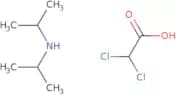
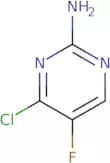
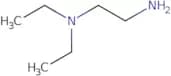
![8-[(2-Hydroxyethyl)(methyl)amino]-1,3,9-trimethyl-3,9-dihydro-1H-purine-2,6-dione](/_next/image/?url=https%3A%2Fstatic.cymitquimica.com%2Fproducts%2F3D%2Fthumb-webp%2FFH132897.webp&w=3840&q=75)

![N-[4-(Aminosulfonyl)-2,1,3-benzoxadiazol-7-yl]-2-aminoethyl methanethiosulfonate](/_next/image/?url=https%3A%2Fstatic.cymitquimica.com%2Fproducts%2F3D%2Fthumb-webp%2FFA17849.webp&w=3840&q=75)
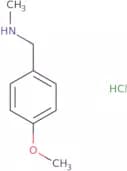
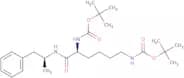
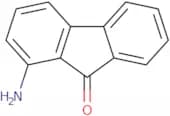
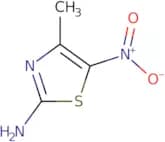

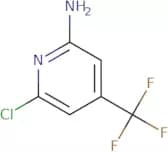
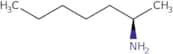
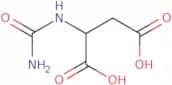
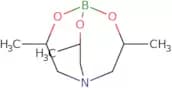
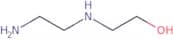

![1-[1-(2-Aminoethyl)-1H-indol-3-yl]ethanone oxalate](/_next/image/?url=https%3A%2Fstatic.cymitquimica.com%2Fproducts%2F3D%2Fthumb-webp%2FFA135415.webp&w=3840&q=75)
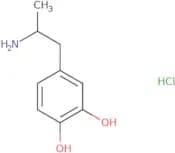
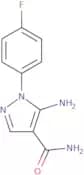
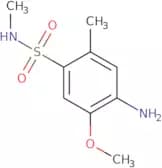
![[2-(5-Chloro-1-methyl-1H-benzimidazol-2-yl)ethyl]amine dihydrochloride](/_next/image/?url=https%3A%2Fstatic.cymitquimica.com%2Fproducts%2F3D%2Fthumb-webp%2FFC135802.webp&w=3840&q=75)
![N-Methyl-N-[(1-methyl-1H-benzimidazol-2-yl)methyl]amine hydrochloride](/_next/image/?url=https%3A%2Fstatic.cymitquimica.com%2Fproducts%2F3D%2Fthumb-webp%2FFM117084.webp&w=3840&q=75)
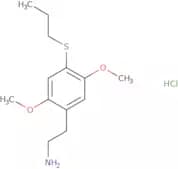
![1-Benzyl-3-[3-(diethylamino)propoxy]-1H-indazole](/_next/image/?url=https%3A%2Fstatic.cymitquimica.com%2Fproducts%2F3D%2Fthumb-webp%2FFB162091.webp&w=3840&q=75)

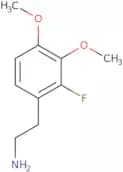

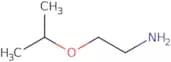
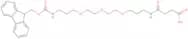
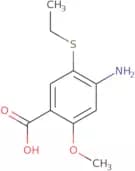
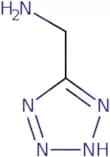

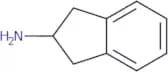


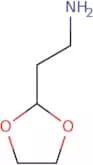

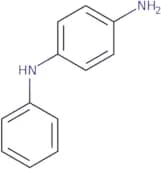

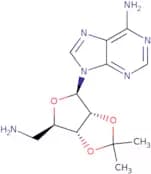
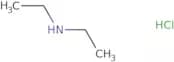
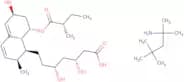
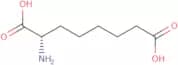

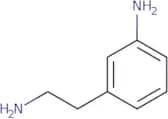
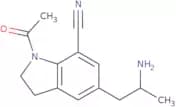
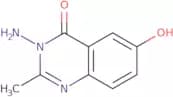
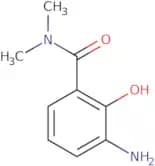
![[2-(2,5-Dimethyl-1H-indol-3-yl)ethyl]amine hydrochloride](/_next/image/?url=https%3A%2Fstatic.cymitquimica.com%2Fproducts%2F3D%2Fthumb-webp%2FFD118369.webp&w=3840&q=75)
![[2-(1,2-Dimethyl-1H-indol-3-yl)ethyl]amine hydrochloride](/_next/image/?url=https%3A%2Fstatic.cymitquimica.com%2Fproducts%2F3D%2Fthumb-webp%2FFD135164.webp&w=3840&q=75)
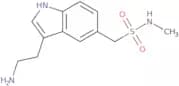
![[2-(4-methoxyphenyl)ethyl]methylamine](/_next/image/?url=https%3A%2Fstatic.cymitquimica.com%2Fproducts%2F3D%2Fthumb-webp%2FFM51362.webp&w=3840&q=75)


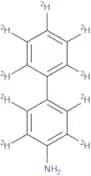
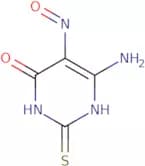
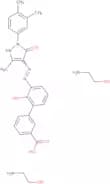
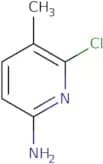

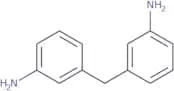

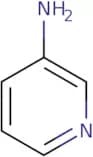


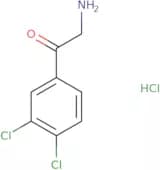
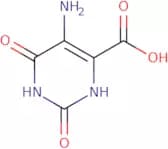

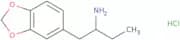
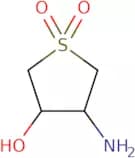
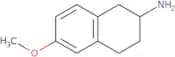
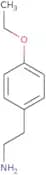

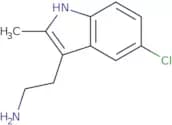

![{2-[(4-Phenylpiperazin-1-yl)carbonyl]phenyl}amine](/_next/image/?url=https%3A%2Fstatic.cymitquimica.com%2Fproducts%2F3D%2Fthumb-webp%2FFP122463.webp&w=3840&q=75)
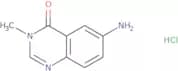
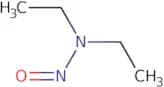
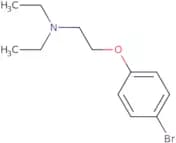
![[3-(1-Naphthyl)propyl]amine](/_next/image/?url=https%3A%2Fstatic.cymitquimica.com%2Fproducts%2F3D%2Fthumb-webp%2FFN134365.webp&w=3840&q=75)
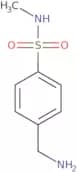

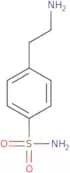

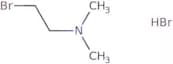

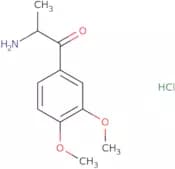
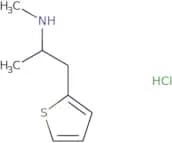
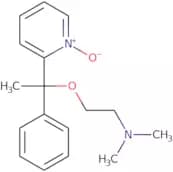
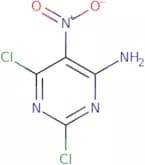
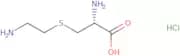
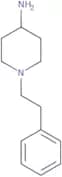
![4-[4-(Dimethylamino)-1-(4-fluorophenyl)-1-hydroxybutyl]-3-(hydroxymethyl)benzonitrile hydrobromide](/_next/image/?url=https%3A%2Fstatic.cymitquimica.com%2Fproducts%2F3D%2Fthumb-webp%2FFD102304.webp&w=3840&q=75)
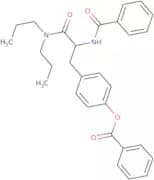
![Des[5-(2-dimethylamino)ethyl] diltiazem](/_next/image/?url=https%3A%2Fstatic.cymitquimica.com%2Fproducts%2F3D%2Fthumb-webp%2FFD21108.webp&w=3840&q=75)
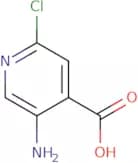

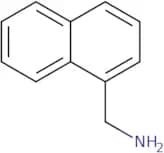
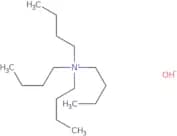
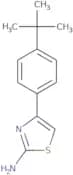


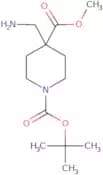
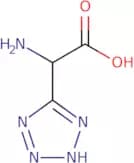


![Bis[(S)-1-phenylethyl]amine](/_next/image/?url=https%3A%2Fstatic.cymitquimica.com%2Fproducts%2F3D%2Fthumb-webp%2FFB168367.webp&w=3840&q=75)

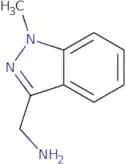
![(2S,3S)-5-[2-(Dimethylamino)ethyl]-3-hydroxy-2-(4-methoxyphenyl)-2,3-dihydro-1,5-benzothiazepin-4-…](/_next/image/?url=https%3A%2Fstatic.cymitquimica.com%2Fproducts%2F3D%2Fthumb-webp%2FFD45531.webp&w=3840&q=75)
![[2-(5-Chloro-1H-indol-3-yl)-1-methylethyl]amine hydrochloride](/_next/image/?url=https%3A%2Fstatic.cymitquimica.com%2Fproducts%2F3D%2Fthumb-webp%2FFC123633.webp&w=3840&q=75)
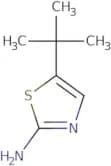
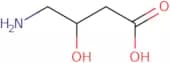
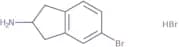

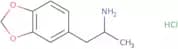
![Ethyl 3-{[(1E)-(dimethylamino)methylene]amino}-5-methoxy-1-methyl-1H-indole-2-carboxylate](/_next/image/?url=https%3A%2Fstatic.cymitquimica.com%2Fproducts%2F3D%2Fthumb-webp%2FFE123273.webp&w=3840&q=75)
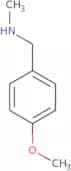
![2-Amino-3,4,7,8-tetramethyl-3H-imidazo[4,5-f]quinoxaline](/_next/image/?url=https%3A%2Fstatic.cymitquimica.com%2Fproducts%2F3D%2Fthumb-webp%2FFA17488.webp&w=3840&q=75)
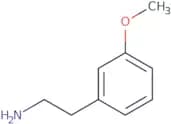
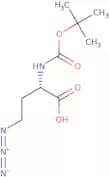

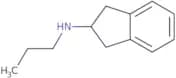
![(1R,2S)-2-[N-Benzyl-N-(mesitylenesulfonyl)amino]-1-phenyl-1-propanol](/_next/image/?url=https%3A%2Fstatic.cymitquimica.com%2Fproducts%2F3D%2Fthumb-webp%2FFB59938.webp&w=3840&q=75)
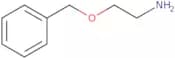
![[3-(1-Piperidin-1-ylcyclohexyl)phenyl]amine hydrochloride](/_next/image/?url=https%3A%2Fstatic.cymitquimica.com%2Fproducts%2F3D%2Fthumb-webp%2FFP120158.webp&w=3840&q=75)

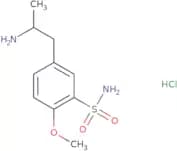

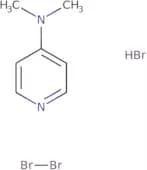

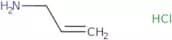
![N-[(1S)-1-(Aminocarbonyl)propyl]-4-chlorobutanamide](/_next/image/?url=https%3A%2Fstatic.cymitquimica.com%2Fproducts%2F3D%2Fthumb-webp%2FFA171302.webp&w=3840&q=75)
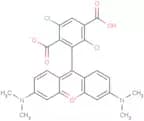

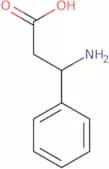
![Imidazo[1,2-a]pyridin-7-amine hydrobromide](/_next/image/?url=https%3A%2Fstatic.cymitquimica.com%2Fproducts%2F3D%2Fthumb-webp%2FFI111192.webp&w=3840&q=75)
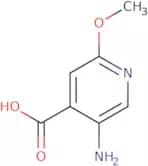

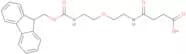
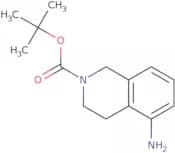
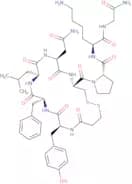
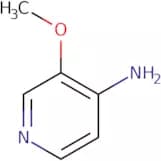
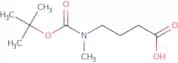
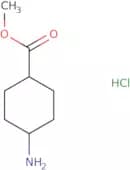


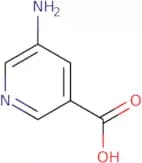
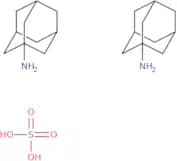

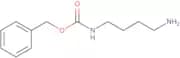
![tert-Butyl 2-amino-6,7-dihydrothiazolo[5,4-c]pyridine-5(4H)-carboxylate](/_next/image/?url=https%3A%2Fstatic.cymitquimica.com%2Fproducts%2F3D%2Fthumb-webp%2FFB143127.webp&w=3840&q=75)
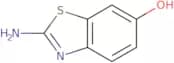
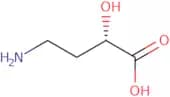
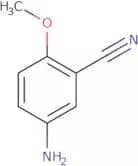

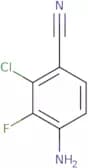
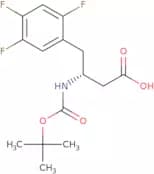
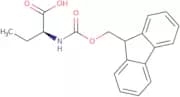
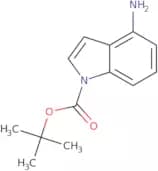
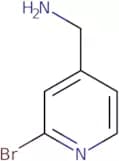
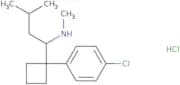
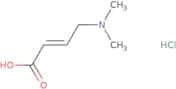
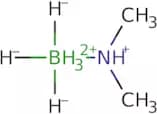
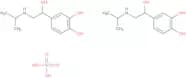
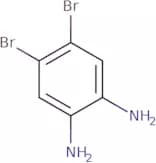

![3-Nitro-4-[[(tetrahydropyran-4-yl)methyl]amino]benzenesulfonamide](/_next/image/?url=https%3A%2Fstatic.cymitquimica.com%2Fproducts%2F3D%2Fthumb-webp%2FFN145631.webp&w=3840&q=75)
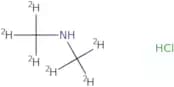
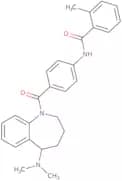
![3-[(Dimethylamino)methyl]-1,2,4-oxadiazol-5-amine hydrochloride](/_next/image/?url=https%3A%2Fstatic.cymitquimica.com%2Fproducts%2F3D%2Fthumb-webp%2FFD135937.webp&w=3840&q=75)
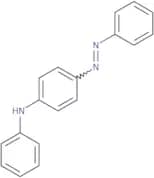

![tert-Butyl6-[(1e)-2-[4-(4-fluorophenyl)-6-(1-methylethyl)-2-[methyl(methylsulfonyl)amino]-5-pyrimi…](/_next/image/?url=https%3A%2Fstatic.cymitquimica.com%2Fproducts%2F3D%2Fthumb-webp%2FFB148489.webp&w=3840&q=75)

![H-Glu-Leu-Asp-[(2R,4S,5S)-5-amino-4-hydroxy-2,7-dimethyl-octanoyl]-Ala-Glu-Phe-OH](/_next/image/?url=https%3A%2Fstatic.cymitquimica.com%2Fproducts%2F3D%2Fthumb-webp%2FFG111094.webp&w=3840&q=75)