Carboxylic Acids
Carboxylic acids are organic molecules characterized by having a carboxyl-type functional group (-COOH). These acids are fundamental in various chemical reactions, including esterification, amidation, and decarboxylation. Carboxylic acids are widely used in the production of pharmaceuticals, polymers, and agrochemicals. In this section, you can find a large number of carboxylic acids ready to be used. At CymitQuimica, we provide a broad range of high-quality carboxylic acids to support your research and industrial applications.
Found 12453 products of "Carboxylic Acids"
Sort by
Purity (%)
0
100
|
0
|
50
|
90
|
95
|
100
3-Cyanobenzoic acid ethyl ester
CAS:<p>3-Cyanobenzoic acid ethyl ester is a reaction component that is used in organic synthesis. It is a versatile building block, useful intermediate, and useful building block. 3-Cyanobenzoic acid ethyl ester is a fine chemical that can be used as a reagent for the preparation of other compounds. This compound has been assigned CAS No. 2463-16-3 and has the molecular formula C7H6O2.</p>Formula:C10H9NO2Purity:Min. 95%Color and Shape:PowderMolecular weight:175.18 g/molAminomethylphosphonic acid
CAS:<p>Aminomethylphosphonic acid has proven action as a mimetic of both D- and L-alanine; it acts as an inhibitor of cell wall enzymes such as D-Ala-D-Ala synthetase, alanine racemase (JAA02406), and UDP-N-acetylmuramyl-L-alanine synthetase</p>Formula:CH6NO3PPurity:Min. 95%Color and Shape:PowderMolecular weight:111.04 g/mol2-Amino-4-(trifluoromethyl)benzoic acid
CAS:<p>2-Amino-4-(trifluoromethyl)benzoic acid (2ATB) is a fluorescent compound that is used in assays to study the function of cells. It is a functional theory that 2ATB binds to the skeleton of cells, which are then subjected to optical properties testing. Fluorescence resonance energy transfer has been shown to occur between 2ATB and retinoic acid molecules in the cell nucleus, which may be related to cellular senescence. The structure of 2ATB has been determined by X-ray crystallography and it has been synthesized by halogenation.</p>Formula:C8H6F3NO2Purity:Min. 95%Color and Shape:PowderMolecular weight:205.13 g/mol1-Diazoacetonylphosphonic acid dimethyl ester
CAS:<p>1-Diazoacetonylphosphonic acid dimethyl ester is an antimicrobial agent that has been shown to be active against Candida species and other fungi. The compound was synthesized using a modified Ugi four-component reaction, which enabled the preparation of a single asymmetric synthesis. This process also generated a new bioactive molecule, 1-aminoacetonylphosphonic acid, in high yield and with excellent enantioselectivity.</p>Formula:C5H9N2O4PPurity:Min. 95%Color and Shape:PowderMolecular weight:192.11 g/mol2,5-Dihydroxybenzenesulfonic acid N-ethylethanamine
CAS:<p>2,5-Dihydroxybenzenesulfonic acid N-ethylethanamine is a drug that has been used to treat muscle spasms. It is a potassium salt of 2,5-dihydroxybenzenesulfonic acid, which is the active form of the drug. The mechanism of this drug is not fully understood but it may act by relaxing smooth muscles in the bladder. This drug has been shown to be effective in combination therapy with sodium ferulate and sodium salts (sodium chloride and sodium bicarbonate) for treating muscle spasms caused by urinary tract infections.<br>Fluorescence measurements are used for analytical determinations because of their high sensitivity and low cost, as well as the ability to provide results quickly. The synchronous fluorescence technique enables rapid quantification of both free and protein bound 2,5-dihydroxybenzenesulfonic acid N-ethylethanamine in urine samples due to its high sensitivity.</p>Formula:C10H17NO5SPurity:Min. 95%Color and Shape:White PowderMolecular weight:263.31 g/mol3,5-Diiodo-4(4'-methoxyphenoxy)benzoic acid
CAS:<p>3,5-Diiodo-4-(4'-methoxyphenoxy)benzoic acid is a chemical intermediate that has been used in the synthesis of pharmaceuticals and agricultural chemicals. It is a versatile building block that can be used to produce pharmaceuticals, such as diazepam and bromazepam, and other useful compounds. 3,5-Diiodo-4-(4'-methoxyphenoxy)benzoic acid is a fine chemical with high quality and speciality chemical. It has been extensively researched for its usefulness as a reagent for organic synthesis reactions.</p>Formula:C14H10I2O4Purity:Min. 95%Color and Shape:PowderMolecular weight:496.04 g/molD-Shikimic acid
CAS:<p>D-Shikimic acid is a crucial biochemical compound, which is an intermediate in the biosynthesis of many aromatic compounds. It is predominantly sourced from the fruits of Illicium verum, commonly known as the star anise plant, though it can also be produced through fermentation processes using genetically modified Escherichia coli. Its mode of action is as a precursor in the pathway leading to the formation of aromatic amino acids and various secondary metabolites through the shikimate pathway. This pathway is not present in humans and animals, making it a target for antimicrobial agents in plants and bacteria.</p>Purity:Min. 95%2,5-Dichlorocinnamic acid
CAS:<p>2,5-Dichlorocinnamic acid is a chemical compound with the formula CHClCOCHCl. It is typically used as a reagent or building block in organic synthesis. 2,5-Dichlorocinnamic acid is an alpha-hydroxycarboxylic acid that exists in two tautomeric forms: the enol form (2,5-dichloro-3-oxopentanoic acid) and the keto form (2,5-dichlorohexanedioic acid). The enol form predominates at pH 7 and above. The keto form predominates at pH 1 and below.</p>Formula:C9H6Cl2O2Purity:Min. 95%Color and Shape:PowderMolecular weight:217.05 g/molTetramethylammonium acetate monohydrate
CAS:<p>Tetramethylammonium acetate monohydrate is an on-line, inorganic acid that reacts with other reagents to form hydrogen bonds. Tetramethylammonium acetate monohydrate is used as a reactive solvent for organic solutes and has been used in hydrophilic interaction chromatography to separate fatty acids and phenolic acids. This compound has been shown to be effective in the treatment of chronic bronchitis due to its ability to break down mucus.</p>Formula:C6H15NO2•H2OColor and Shape:White PowderMolecular weight:151.2 g/mol3-(2,3-Dihydroxyphenyl)propionic acid
CAS:<p>3-(2,3-Dihydroxyphenyl)propionic acid (3-HPP) is a phenolic acid that is produced by the oxidation of 3-hydroxybenzoic acid. It was found to have antimicrobial activity against Pseudomonas aeruginosa and Staphylococcus aureus. The mechanism of action for 3-HPP is not entirely clear, but it may inhibit the growth of bacteria by interfering with the cell membrane or lysis. This compound has been shown to be able to block disulfiram treatment in rats and increase their blood alcohol levels. Disulfiram treatment is an effective drug used in the management of chronic alcoholism and alcohol abuse. 3-HPP has also been shown to inhibit uv absorption in wild type strains of yeast and may be used as a carbon source for these organisms.</p>Formula:C9H10O4Purity:Min. 95%Color and Shape:PowderMolecular weight:182.17 g/mol2-(2,5-Dimethylbenzoyl)acrylic acid
<p>2-(2,5-Dimethylbenzoyl)acrylic acid is a compound that can be used as a reaction component or reagent in organic synthesis. It is also a building block for the synthesis of more complex compounds. This chemical has a high purity and can be used as an intermediate in the production of speciality chemicals. 2-(2,5-Dimethylbenzoyl)acrylic acid has CAS number 567-87-1 and is listed under the category of useful building blocks.</p>Purity:Min. 95%Meclofenamic acid sodium salt
CAS:<p>Meclofenamic acid is a non-steroidal anti-inflammatory drug that is used to treat pain and inflammation. It inhibits the production of prostaglandin, which is a natural chemical produced by the body that causes pain, fever, and inflammation. Meclofenamic acid sodium salt can be administered orally or topically. The drug has been shown to reduce disease activity in patients with rheumatoid arthritis and other inflammatory conditions. Meclofenamic acid sodium salt is also used for the treatment of gouty arthritis, osteoarthritis, ankylosing spondylitis, and dysmenorrhea. Meclofenamic acid sodium salt has been shown to have cardiac effects such as bradycardia and heart blockage when taken at high doses over a long period of time.</p>Formula:C14H10Cl2NNaO2Purity:Min. 95%Color and Shape:White PowderMolecular weight:318.13 g/molR-(3)-Hydroxydecanoic acid methyl ester
CAS:<p>R-(3)-Hydroxydecanoic acid methyl ester is a natural antibiotic that has been found to have cytotoxic and immunosuppressive properties. It also inhibits the growth of aerobic bacteria, such as Aeruginosa, and has been shown to be effective against autoimmune diseases such as rheumatoid arthritis. This antibiotic binds to the lectin receptors on the cell surface of bacteria and causes an increase in lectin binding. The interactions between this antibiotic and lectins are the biological basis for its cytotoxicity.</p>Formula:C11H22O3Purity:Min. 98 Area-%Color and Shape:Colorless Clear LiquidMolecular weight:202.29 g/mol8-Chloro-6-oxo-octanoic acid ethyl ester
CAS:<p>8-Chloro-6-oxo-octanoic acid ethyl ester is a chiral, thermostable and oxidizing agent that is used as an intermediate in organic synthesis. It is used to produce 8-chloro-6-oxo-octanoic acid ethyl ester, a reactive carbonyl reagent that can be used in the synthesis of amines and amides. This compound has been shown to be effective against wild type strains of E. coli as well as recombinant strains of E. coli. It also has been found to have fungicidal activity against Candida parapsilosis and Paracoccidioides brasiliensis at concentrations of 0.1 mg/mL or less.</p>Formula:C10H17ClO3Purity:Min. 95%Color and Shape:PowderMolecular weight:220.69 g/mol2,3-Difluoro-6-methoxybenzoic acid methyl ester
CAS:<p>2,3-Difluoro-6-methoxybenzoic acid methyl ester is a versatile building block that can be used in the production of fine chemicals and research chemicals. It is an intermediate for the synthesis of complex compounds and can be used as a reagent or speciality chemical in research. 2,3-Difluoro-6-methoxybenzoic acid methyl ester is also a useful building block for the synthesis of drugs.</p>Formula:C9H8F2O3Purity:Min. 95%Molecular weight:202.15 g/molPyruvic acid ethyl ester
CAS:<p>Ethyl pyruvate, also known as 2-oxo-propionic acid ethyl ester, is a colourless transparent liquid at room temperature with a fresh, sweet, floral aroma. Ethyl pyruvate is a novel anti-inflammatory agent for the treatment of critical inflammatory conditions as it has potent anti-inflammatory properties and tissue protection activity, in multiple animal models of disease including: pancreatitis, ischemia-reperfusion injury, sepsis, renal injury, and endotoxemia.</p>Formula:C5H8O3Purity:Min. 95%Color and Shape:Colorless Clear LiquidMolecular weight:116.12 g/mol11-Deoxy-17-hydrocorticosterone 21-acetate
CAS:Controlled Product<p>11-Deoxy-17-hydrocorticosterone 21-acetate is a steroid hormone that is produced in the zona fasciculata of the adrenal cortex. It has been shown to have immunoactive effects and can be used to treat inflammatory conditions such as colitis. 11-Deoxy-17-hydrocorticosterone 21-acetate has also been shown to have antiinflammatory properties, which may be due to its inhibition of cytokine production. The drug is metabolized by cytochrome P450 enzymes, including CYP3A4 and CYP2C8, and bovine serum albumin. This drug also binds to serum albumin, which prevents it from being eliminated from the body, prolonging its half life in the bloodstream.</p>Formula:C23H32O5Purity:Min. 95%Color and Shape:White PowderMolecular weight:388.5 g/mol4,4' -Dihydroxy-3,3'-biphenyldicarboxylic acid
CAS:<p>4,4'-Dihydroxy-3,3'-biphenyldicarboxylic acid is a fine chemical that is used as a building block in the synthesis of pharmaceuticals and other organic compounds. It has been shown to be an effective reagent for the synthesis of 4-hydroxypyridine derivatives. 4,4'-Dihydroxy-3,3'-biphenyldicarboxylic acid can also be used as a reaction component for the preparation of complex compounds such as 2-aminopyridines and 2-aminopyrimidines. This compound is also useful as an intermediate in the synthesis of polymers and other versatile scaffolds. The CAS number for this compound is 13987-45-6.</p>Formula:C14H10O6Purity:Min. 96 Area-%Color and Shape:PowderMolecular weight:274.23 g/molHyocholic acid
CAS:Controlled Product<p>Hyocholic acid is a bile acid that is a natural compound that has been shown to have cholesterol-lowering effects. It has been shown to inhibit hepatic steatosis and congestive heart failure, as well as bind to the receptor for bile acids, which may lead to physiological effects. The physiological levels of hyocholic acid in the human serum are unknown, but it has been shown to inhibit the activities of hyocholic acid hydrolase and cholesterol 7 alpha-hydroxylase in vitro. This inhibition leads to an accumulation of bile acids and cholesterol in the liver and blood and induces a condition known as hypercholesterolemia.</p>Formula:C24H40O5Purity:Min. 95%Color and Shape:White/Off-White SolidMolecular weight:408.57 g/mol6-Azido-hexanoic acid
CAS:<p>6-Azido-hexanoic acid is a growth factor that inhibits the binding of TGF-β to its receptor. It has been shown to inhibit the proliferation of cancer cells in vitro and in vivo. 6-Azido-hexanoic acid binds with high affinity to the acidic region of TGF-β, preventing it from binding to its receptor. This molecule also inhibits the activation of the TGF-β receptor complex by decreasing the phosphorylation of Smad 1/5/8. 6-Azido-hexanoic acid has been shown to be effective in pancreatic cancer models and control studies have demonstrated an absence of toxicity or side effects.</p>Formula:C6H11N3O2Purity:Min. 97.0 Area-%Color and Shape:PowderMolecular weight:157.17 g/mol4-Bromo-3-(trifluoromethyl)benzoic acid
CAS:<p>4-Bromo-3-(trifluoromethyl)benzoic acid is a synthetic molecule that has been used for the synthesis of polymers. It is used in the production of polyketones and polyphenylene, which are monomers for the polymerization process. 4-Bromo-3-(trifluoromethyl)benzoic acid is also used as an electrophile in the acylation step of polycondensation reactions. The biphenylene structure can be synthesized by sequential or simultaneous addition of bromine to phenol with sodium hydroxide or potassium tetrachloroplatinate. This chemical compound can be made into two isomers: 3,4-dibromobenzene dicarboxylic acid and 3,4-dichlorobenzene dicarboxylic acid.</p>Formula:C8H4BrF3O2Purity:Min. 95%Color and Shape:PowderMolecular weight:269.02 g/mol4-Chloro-(α-phenyl)-cinnamic acid
CAS:<p>4-Chloro-(alpha-phenyl)-cinnamic acid is a fine chemical that is useful as a building block for research chemicals, reagents and speciality chemicals. It is also a versatile intermediate for the synthesis of complex compounds and a useful scaffold for the synthesis of high quality products. This compound can be used in reactions such as Friedel-Crafts acylation, nitration, amination, esterification and cyclization.</p>Formula:C15H11ClO2Purity:Min. 95%Color and Shape:PowderMolecular weight:258.7 g/molEthyl 5-bromoisoxazole-3-carboxylate
CAS:<p>Ethyl 5-bromoisoxazole-3-carboxylate is a fine chemical that can be used as a versatile building block for research chemicals and pharmaceuticals. It is also a useful intermediate for complex compounds, useful building blocks, and reagents. The CAS number for this compound is 1914946-33-0.</p>Formula:C6H6BrNO3Purity:Min. 95%Color and Shape:PowderMolecular weight:220.02 g/molL-Aspartic acid potassium
CAS:<p>L-Aspartic acid potassium salt is a pyrazinoic acid derivative that is used for the treatment of bowel disease. L-Aspartic acid potassium salt prevents the formation of toxic metabolites by inhibiting the enzyme aspartate aminotransferase, which converts aspartate to oxaloacetate. This compound also has an inhibitory effect on cell factor and energy metabolism in cells. L-Aspartic acid potassium salt has been shown to have low potency against malignant cells in culture. !--END--></p>Formula:C4H7NO4•KPurity:Min. 95%Color and Shape:PowderMolecular weight:172.2 g/mol2,5-Thiophenedicarboxylic acid
CAS:<p>2,5-Thiophenedicarboxylic acid is an inorganic acid that is a potent inhibitor of the enzyme 2-aminoterephthalic acid (TPA) hydrolase. 2,5-Thiophenedicarboxylic acid has shown antiinflammatory activity and can be used for treating skin cancer. It has been found to inhibit the production of nitric oxide and prostaglandin E2 by inhibiting TPA hydrolase, which is required for the conversion of TPA to its active form. This inhibition causes a reduction in inflammation as well as an anticancer effect. The molecular docking analysis revealed that 2,5-thiophenedicarboxylic acid binds to the active site of TPA hydrolase with high affinity. X-ray crystal structures have revealed coordination geometry between 2,5-thiophenedicarboxylic acid and TPA hydrolase. The fluorescence probe showed that</p>Formula:C6H4O4SPurity:Min. 95%Color and Shape:White PowderMolecular weight:172.16 g/molPodocarpic acid
CAS:<p>Abietane diterpenoid; Transient Receptor Potential (TRP) channel agonist</p>Formula:C17H22O3Purity:Min. 95%Color and Shape:Off-White PowderMolecular weight:274.35 g/mol2-Nitro-3,4,5-trimethoxybenzoic acid
CAS:<p>2-Nitro-3,4,5-trimethoxybenzoic acid (2-NTMB) is a potent anticancer agent that has shown cytotoxic effects in human epidermoid carcinoma cells. It inhibits the growth of cancer cells by interfering with their DNA synthesis and repair. 2-NTMB binds to DNA and blocks the action of enzymes involved in DNA synthesis and repair. This binding leads to cancer cell death through irradiation or by blocking the production of new proteins vital for cell division. 2-NTMB is bioisosteric with combretastatin A4, which means it can be substituted for this drug without significant loss of potency. It also has been shown to be an effective chemotherapeutic agent against breast cancer in mice.</p>Formula:C10H11NO7Purity:Min. 95%Color and Shape:PowderMolecular weight:257.2 g/molCarbonic acid ammonium zirconium salt
CAS:<p>Carbonic acid ammonium zirconium salt is a high quality, complex compound that is used as a reagent and an intermediate. It has been shown to be useful in the synthesis of fine chemicals and speciality chemicals. Carbonic acid ammonium zirconium salt can also be used as a building block for research chemicals and versatile building blocks.</p>Formula:CH2O3·xH3N·xZrPurity:Min. 95%Color and Shape:Colorless Clear LiquidDiethyl 3,4-furandicarboxylate
CAS:<p>Diethyl 3,4-furandicarboxylate is a chemical compound that is used as an antiproliferative drug in cancer therapy. It is synthesized by the thermal isomerization of diethyl acetylenedicarboxylate. The product has been shown to inhibit the growth of human cancer cells and has antibacterial activity against Gram-positive bacteria. Diethyl 3,4-furandicarboxylate also inhibits the synthesis of DNA and RNA by binding to the enzyme ribonucleotide reductase. Its cytostatic effects are due to its ability to inhibit cellular proliferation by inhibiting protein synthesis.</p>Formula:C10H12O5Purity:Min. 95%Color and Shape:Clear LiquidMolecular weight:212.2 g/mol3,4,5-Triethoxybenzoic acid
CAS:<p>3,4,5-Triethoxybenzoic acid is a synthetic compound that has been shown to have neurotoxic effects in animal studies. It has been shown to inhibit the dephosphorylation of amyloid fibrils and activation energy for polymerization. 3,4,5-Triethoxybenzoic acid also causes teratogenic effects in animals at high doses. This compound is used as a reagent for the synthesis of amyloid fibrils and has been shown to have an effect on the inhibition of phosphodiesterase activity.</p>Formula:C13H18O5Purity:Min. 95%Color and Shape:PowderMolecular weight:254.28 g/mol2-[(4-Isopropylphenyl)amino]nicotinic acid
CAS:<p>2-[(4-Isopropylphenyl)amino]nicotinic acid is a fine chemical, useful building block, research chemicals, reagent, speciality chemical and a versatile building block. It is an intermediate in organic synthesis and can be used to form many types of compounds. This compound also has many applications in the field of chemistry including use as a reaction component or as a scaffold. 2-[(4-Isopropylphenyl)amino]nicotinic acid is used in the production of pharmaceuticals, pesticides and other industrial chemicals.</p>Formula:C15H16N2O2Purity:Min. 95%Color and Shape:Yellow PowderMolecular weight:256.3 g/molZ-Sulindac sulphide
CAS:<p>(Z)-5-Fluoro-2-methyl-1-[p-(methylthio)benzylidene]indene-3-acetic acid is a potent inhibitor of protein synthesis. It has been shown to inhibit the activity of sulindac sulfide, a cyclase inhibitor and nonsteroidal anti-inflammatory agent, in human polymorphonuclear leukocytes and cancer cells. (Z)-5-Fluoro-2-methyl-1-[p-(methylthio)benzylidene]indene-3-acetic acid also inhibits the mitochondrial membrane potential and reduces the growth of cancer cells by inhibiting proteins that are involved in cell proliferation.</p>Formula:C20H17FO2SPurity:Min. 95%Color and Shape:PowderMolecular weight:340.41 g/mol2,5-Dimethylcinnamic acid
CAS:<p>2,5-Dimethylcinnamic acid is a versatile building block that can be used as a reactant in organic synthesis. This compound has been shown to have high quality and is useful for research purposes and as a speciality chemical. 2,5-Dimethylcinnamic acid can be used as a reagent or reaction component in the preparation of other compounds. It also serves as an important intermediate to synthesize complex molecules. This compound has many applications and is often used as a building block for pharmaceuticals, agrochemicals, and fine chemicals.</p>Formula:C11H12O2Purity:Min. 95%Molecular weight:176.21 g/molFusaric acid
CAS:<p>Fusaric acid is a metabolite of the natural product fusarin. It is formed by the enzymatic hydroxylation of dopamine and has been shown to inhibit the production of picolinic acid, which is involved in the synthesis of NAD. Fusaric acid also inhibits tetracycline resistance in colorectal adenocarcinoma cells, leading to cell death. Fusaric acid has also been found to be effective against squamous carcinoma cells and thermal expansion in titration calorimetry experiments. The structural analysis of this compound showed that it has a planar geometry with a number of hydrogen bonding interactions.<br>FUSARIC ACID:<br>Fusaric acid is an inhibitor of dopamine β-hydroxylase (DBH) that was first isolated from fusarin, a natural product produced by some fungi species. It binds reversibly to DBH and blocks its activity, preventing the conversion of</p>Formula:C10H13NO2Color and Shape:Off-White PowderMolecular weight:179.22 g/mol10,12-Heptacosadiynoic Acid
CAS:<p>10,12-Heptacosadiynoic Acid is a ferrite that can be used as a monomer for the synthesis of magnetic nanoparticles. It has been shown to have an antiproliferative effect on cancer cells and can be used in the diagnosis of various cancers. 10,12-Heptacosadiynoic Acid is also able to interact with optical properties. This property makes it possible to use 10,12-Heptacosadiynoic Acid to detect water on surfaces by introducing a small amount of this compound into the water and looking for any changes in the optical properties.</p>Formula:C27H46O2Purity:Min. 95%Color and Shape:PowderMolecular weight:402.65 g/mol3,5-Dimethoxycinnamic acid methyl ester
CAS:<p>Please enquire for more information about 3,5-Dimethoxycinnamic acid methyl ester including the price, delivery time and more detailed product information at the technical inquiry form on this page</p>Formula:C12H14O4Purity:Min. 95%Molecular weight:222.24 g/mol3-Phenyl-4,5-dihydroisoxazole-5-carboxylic acid
CAS:<p>3-Phenyl-4,5-dihydroisoxazole-5-carboxylic acid is a fine chemical that is used as a building block in the synthesis of other chemicals. This compound can be used in research and development as a reagent for organic synthesis or as an intermediate for the production of high quality, complex compounds. 3-Phenyl-4,5-dihydroisoxazole-5-carboxylic acid is also a versatile building block that can be used in reactions involving amines, alcohols, carboxylic acids, sulfonic acids, and nitriles. It could also be used as a scaffold molecule to create complex molecules with interesting properties.</p>Formula:C10H9NO3Purity:Min. 95 Area-%Color and Shape:PowderMolecular weight:191.18 g/mol2,5-Dibromobenzoic acid
CAS:<p>2,5-Dibromobenzoic acid is an organic compound with the formula HO2CCHBrO2. It is a white solid that dissolves in water and organic solvents. This compound has been shown to inhibit PTP1B (protein tyrosine phosphatase 1B), which is a protein kinase involved in insulin signal transduction. Inhibition of PTP1B by 2,5-dibromobenzoic acid has been shown to lead to decreased cancer cell growth and increased apoptosis without affecting normal cells. This compound also inhibits histone methylation, which may be useful for cancer diagnosis or treatment. In addition, 2,5-dibromobenzoic acid can be used in the synthesis of polymers due to its ability to react with methacrylates or acrylates under free radical polymerization conditions.<br>2,5-Dibromobenzoic acid is a mon</p>Formula:C7H4Br2O2Purity:Min. 95%Color and Shape:PowderMolecular weight:279.91 g/mol(+/-)-2-Hydroxydecanoic acid
CAS:<p>2-Hydroxydecanoic acid is a fatty acid that has a hydroxy group and a hydroxyl group. It is used as an active substance in pharmaceutical preparations and as a synthetic chemical intermediate. 2-Hydroxydecanoic acid can be produced by the oxidation of 2-hydroxyoctanoic acid with hydrogen peroxide or sodium perborate. The analytical method for this compound is based on its constant boiling point (184°C). 2-Hydroxydecanoic acid has been shown to have nootropic activity in rats at nanomolar concentrations and also has sustained-release properties when it is incorporated into microspheres. The average particle diameter of these microspheres is 10 micrometers, which makes them suitable for use as a sustained-release drug delivery system.</p>Formula:C10H20O3Purity:Min. 95%Color and Shape:White PowderMolecular weight:188.26 g/molAc-Arg-Gly-Lys(Ac)-AMC trifluoroacetate salt
CAS:<p>Ac-Arg-Gly-Lys(Ac)-AMC is a potent apoptotic agent that induces the apoptosis of cancer cells by binding to the caspase-9, which is an enzyme that initiates the process of apoptosis. Ac-Arg-Gly-Lys(Ac)-AMC has been shown to inhibit the growth of cancer cells in cell culture and also shows potent antitumor activity against MDA-MB-231 breast cancer cells. This drug can be used as a potential therapeutic agent for cancers such as colorectal, prostate, and pancreatic cancer. Ac-Arg-Gly-Lys(Ac)-AMC is also able to induce apoptosis in human leukemia cells and may have a potential role in therapy for acute myelogenous leukemia (AML).</p>Formula:C28H40N8O7•C2HF3O2Purity:Min. 98 Area-%Color and Shape:PowderMolecular weight:714.69 g/mol2-Methyl-3-nitrophenylacetic acid
CAS:<p>2-Methyl-3-nitrophenylacetic acid is an alkali metal, which is obtained by the condensation of 2-methylphenol and nitric acid. The synthesis of this compound can be achieved through catalytic reduction of the nitro group with hydrogen in the presence of a nickel catalyst. This method has been shown to produce high yields. 2-Methyl-3-nitrophenylacetic acid is mildly toxic to humans and animals. It is a dopaminergic agent that has been used as a precursor for the production of ropinirole hydrochloride, which is used in the treatment of Parkinson's disease.</p>Formula:C9H9NO4Purity:Min. 95%Color and Shape:PowderMolecular weight:195.17 g/mol4-Bromo-3-fluorocinnamic acid
CAS:<p>4-Bromo-3-fluorocinnamic acid is a brominated derivative of cinnamic acid. It is used as an alloying agent in steel production, and can be used to control the content of manganese, nickel, phosphorous, and sulfur in steels. The equation for the preparation of 4-bromo-3-fluorocinnamic acid from cinnamic acid is: <br>4C6H5CO2H + 3HBr → 4C6H5BrFO2 + 2H2O</p>Formula:C9H6BrFO2Purity:Min. 95%Color and Shape:PowderMolecular weight:245.05 g/mol3-Methoxy-2-methylbenzoic acid
CAS:<p>3-Methoxy-2-methylbenzoic acid is a diazotization agent that is used to produce bromoethane. It is also used as an initiator in the synthesis of dimethylformamide and tetrahydrofuran. 3-Methoxy-2-methylbenzoic acid can be recycled and is used to synthesize methylbenzene, chloroanisole, and grignard reaction products such as chlorobenzene and low yield. 3-Methoxy-2-methylbenzoic acid has been shown to have a high yield for these reactions in comparison to other diazotization agents.</p>Formula:C9H10O3Purity:Min. 95%Color and Shape:White PowderMolecular weight:166.17 g/mol6-Bromochromone-3-carboxylic acid
CAS:<p>6-Bromochromone-3-carboxylic acid is a reactive building block that is used as a reagent. It is also a useful scaffold for the synthesis of complex compounds, due to its high quality and versatility. 6-Bromochromone-3-carboxylic acid can be used as a starting material for the synthesis of fine chemicals such as pharmaceuticals, pesticides, and dyes. This compound has CAS number 51085-91-7.br><br>6-Bromochromone-3-carboxylic acid is an important intermediate in organic syntheses because it can be reacted with other molecules containing functional groups to produce new compounds.br><br>The 6-bromochromone carboxylic acid group reacts with alcohols and amines to form esters and amides respectively. The carboxylic acid group can also react with phenols to produce phenoxy acids.br><br>This compound</p>Formula:C10H5BrO4Purity:Min. 95%Color and Shape:PowderMolecular weight:269.05 g/molBiotin caproic acid
CAS:<p>Podophyllotoxin is a natural product that has been used in the treatment of cancer. Biotin caproic acid is a synthetic analogue of podophyllotoxin and has been shown to have potent antimicrobial activity. Podophyllotoxin is an inhibitor of microtubule polymerization, which leads to cell death. It also induces apoptosis by interacting with dopamine receptors on the cell surface and inhibiting their binding to dopamine. This inhibits dopamine-induced proliferation of cells, leading to cell death. Biotin caproic acid has been shown to have anticancer properties against human cancer cells in vitro. The mechanism of action may be due to binding to the cytochrome P450 enzyme and inhibiting its activity, which affects the metabolism of various drugs and hormones such as dopamine.</p>Formula:C16H27N3O4SPurity:Min. 95%Color and Shape:PowderMolecular weight:357.47 g/molIsonicotinic acid
CAS:<p>Isonicotinic acid is an intramolecular hydrogen compound that has been shown to have antimicrobial activity. It has the ability to bind to the surface of bacteria and inhibit their growth by forming a complex with water vapor. Isonicotinic acid also inhibits the growth of subcutaneous tumors in mice and is believed to have anti-inflammatory properties. Isonicotinic acid may be a non-toxic agent for the treatment of bacterial infections because it does not react with human serum or cause hemolysis.</p>Formula:C6H5NO2Purity:Min. 98.5 %Color and Shape:PowderMolecular weight:123.11 g/molBenzyl carbamate
CAS:<p>Benzyl carbamate is a reactive chemical that can form amides, fluorescence probes, and amines. It is a polymorphic compound with two different crystal forms, alpha and beta. The alpha form is more stable than the beta form under normal conditions. Benzyl carbamate has been shown to have antimicrobial properties against bacteria such as Salmonella typhi, Pseudomonas aeruginosa, and Escherichia coli. It also has anti-inflammatory effects in bowel disease models and carisoprodol-induced locomotor activity. Benzyl carbamate can also cause colon cancer in rats with colorectal adenocarcinoma by inhibiting fatty acid metabolism.</p>Formula:C8H9NO2Purity:Min. 95%Color and Shape:White PowderMolecular weight:151.16 g/molGlycolic acid - 70% aqueous solution
CAS:<p>Glycolic acid is a dicarboxylic acid that is used as a chemical peeling agent for the treatment of hyperkeratotic skin disorders. This product has been shown to inhibit the transcription-polymerase chain reaction (PCR) in maternal blood, which may be due to its ability to form glycolate from glucose and glyceraldehyde-3-phosphate. Glycolic acid inhibits the production of malonic acid by inhibiting the enzyme malonate decarboxylase, which converts malonic acid into succinic acid. The inhibition of this enzyme leads to an accumulation of intracellular glycolate and increased levels of succinic acid in cells. Glycolic acid also inhibits dapagliflozin, an inhibitor of sodium-dependent glucose transport proteins, suggesting that it may have pharmacological effects on diabetes mellitus. Glycolic acid binds with fatty acids by forming ester bonds, thereby preventing them from being incorporated into</p>Formula:C2H4O3Purity:Min. 95%Molecular weight:76.05 g/molEthylenediaminetetraacetic acid tetrasodium salt tetrahydrate
CAS:<p>Ethylenediaminetetraacetic acid tetrasodium salt tetrahydrate is a chemical compound that is used in cell culture to protect cells from oxidative injury. It has been shown to be effective against a variety of antimicrobial agents, such as aromatic hydrocarbons and reactive oxygen species. Ethylenediaminetetraacetic acid tetrasodium salt tetrahydrate has been shown to have antioxidant properties by scavenging reactive oxygen species, which are produced during the process of oxidation. This chemical compound also prevents the breakdown of disulfide bonds and may have a protective effect on DNA by preventing strand breakage. Ethylenediaminetetraacetic acid tetrasodium salt tetrahydrate can be used for sample preparation and inhibits the polymerase chain reaction (PCR) in vitro at low concentrations.</p>Formula:C10H12N2Na4O8·4H2OPurity:Min. 95%Color and Shape:PowderMolecular weight:452.23 g/mol3-Fluoro-4-hydroxybenzoic acid ethyl ester
CAS:<p>3-Fluoro-4-hydroxybenzoic acid ethyl ester is a versatile building block that is used as a reagent in organic synthesis. It has the CAS number 56355-21-6. This compound has been shown to be useful for the synthesis of various pharmaceuticals and other complex compounds, such as 3-fluoro-4-(2,2,2-trifluoroethoxy)benzoic acid ethyl ester.</p>Formula:C9H9FO3Purity:Min. 95%Color and Shape:PowderMolecular weight:184.16 g/mol2-Bromo-4,5-dimethoxyphenylacetic acid
CAS:<p>2-Bromo-4,5-dimethoxyphenylacetic acid is a synthetic compound that has been shown to be effective in the treatment of cancer. It acts by inhibiting the growth and proliferation of cancer cells. 2-Bromo-4,5-dimethoxyphenylacetic acid inhibits cancer cell division by amide formation with DNA, leading to DNA strand breakage. This drug also prevents the growth and proliferation of cancer cells by preventing their division. 2-Bromo-4,5-dimethoxyphenylacetic acid is used as a precursor for other anti-cancer agents that are synthesized from it and have increased potency.</p>Formula:C10H11BrO4Purity:Min. 95%Color and Shape:PowderMolecular weight:275.1 g/mol2-Dimethylaminobenzoic acid
CAS:<p>2-Dimethylaminobenzoic acid (2DMB) is a chemical compound that is used as an amide. It has optical properties and can be used to study the hydrogen bond. 2DMB is also used in ultrasonic imaging and can be found in hydatid cysts, procumbens, anthranilic, proton and specific antibody. 2DMB is also used as a homogeneous catalyst for the synthesis of various chemical compounds including cancer drugs.</p>Formula:C9H11NO2Purity:Min. 95%Color and Shape:PowderMolecular weight:165.19 g/mol7-Oxo-dehydroepiandrosterone acetate
CAS:Controlled Product<p>7-Oxo-dehydroepiandrosterone acetate is a versatile building block that can be used in the synthesis of complex compounds and as a research chemical. It is a reagent, speciality chemical, and useful scaffold for the synthesis of new drugs. 7-Oxo-dehydroepiandrosterone acetate is also used in the manufacturing process as an intermediate or reaction component. The CAS number for this product is 1449-61-2.</p>Formula:C21H28O4Purity:Min. 95%Color and Shape:White Off-White PowderMolecular weight:344.44 g/mol4-[2'-(7''-Deazaguanine)ethyl]benzoic acid N-hydroxysuccinimide ester
CAS:<p>4-[2'-(7''-Deazaguanine)ethyl]benzoic acid N-hydroxysuccinimide ester is a useful intermediate in the synthesis of 7''-deazaguanine, which is a key building block in the synthesis of DNA. 4-[2'-(7''-Deazaguanine)ethyl]benzoic acid N-hydroxysuccinimide ester is a versatile building block that can be used in the synthesis of complex compounds. It has been shown to react with amines, sulfonyl chlorides, and epoxides to form amides, sulfonamides, and epoxy amines respectively. The CAS number for this compound is 204257-65-8.</p>Formula:C19H17N5O5Purity:Min. 95%Molecular weight:395.37 g/mol3-(4-Ethoxybenzoyl)acrylic acid
CAS:<p>3-(4-Ethoxybenzoyl)acrylic acid is a chemical that belongs to the group of reagents. It can be used in research involving organic synthesis as a building block and as an intermediate. 3-(4-Ethoxybenzoyl)acrylic acid can also be used to synthesize complex compounds or fine chemicals. The product is high quality, easy to use, and has many uses. This compound is a versatile building block that can be used to make many different compounds.</p>Formula:C12H12O4Purity:Min. 95%Color and Shape:PowderMolecular weight:220.22 g/mol4-Biphenylboronic acid
CAS:<p>4-Biphenylboronic acid is a molecule that belongs to the group of amines. It is used in plant science to study the effects of amines on plants. The molecule has been shown to have a high UV absorption and catalysis activity. 4-Biphenylboronic acid has also been shown to bind with p-hydroxybenzoic acid, which inhibits binding with proteins, leading to a change in morphology. 4-Biphenylboronic acid can be used as a chemical inhibitor for root formation and other biological functions.</p>Formula:C12H11BO2Purity:Min. 95%Color and Shape:White Off-White PowderMolecular weight:198.03 g/mol3-Fluoro-4-hydroxycinnamic acid
CAS:<p>3-Fluoro-4-hydroxycinnamic acid is a phenol that is an intermediate in the biocatalytic conversion of pyruvate to phenols. It has been shown to be a good candidate for use in organic synthesis, due to its ability to catalyze the reaction between benzene and hydrogen peroxide. 3-Fluoro-4-hydroxycinnamic acid also has potential applications in science and catalysis.</p>Formula:C9H7FO3Color and Shape:PowderMolecular weight:182.15 g/mol[Nitrilotris(methylene)]tris-phosphonic acid pentasodiumsalt - 38.0 to 42.0%, in water
CAS:<p>Nitrilotris(methylene)tris-phosphonic acid pentasodiumsalt is a compound that has antimicrobial properties. The product is used as a corrosion inhibitor, wetting agent, and pH control agent in water treatment. It is also used as an antimicrobial additive to paints and coatings. Nitrilotris(methylene)tris-phosphonic acid pentasodiumsalt inhibits the activity of matrix metalloproteinases and has been shown to be effective against bacterial strains such as Staphylococcus aureus, Streptococcus pneumoniae, Escherichia coli, Enterobacter cloacae, Pseudomonas aeruginosa, and Candida albicans.<br>br><br>Nitrilotris(methylene)tris-phosphonic acid pentasodiumsalt is also an acidic chemical with a pH of 2 to 3. It is also mainly composed of an aliphatic</p>Formula:C3H7NNa5O9P3Color and Shape:Clear LiquidMolecular weight:408.96 g/mol5-Phenylpenta-2,4-dienoic acid
CAS:<p>5-Phenylpenta-2,4-dienoic acid is a high-potency inhibitor of tyrosine kinases. It has been shown to have an inhibitory effect on cancer cells in both squamous and non-squamous cell lines. This compound has been shown to inhibit the proliferation of cancer cells by arresting cell cycle progression at the G1 phase, which leads to the inhibition of DNA synthesis. 5-Phenylpenta-2,4-dienoic acid is also able to block the activation of transcription factors that are involved in tumorigenesis. In addition, this compound inhibits the proliferation of cancer cells by arresting cell cycle progression at the G1 phase, leading to inhibition of DNA synthesis. The molecular modeling study suggests that this compound may be able to bind with tyrosine kinase receptors on the surface of tumor cells and block their activity. The chemical structure of 5-phenylpenta-2,4-dien</p>Formula:C11H10O2Purity:Min. 95%Color and Shape:PowderMolecular weight:174.2 g/molHomogentisic acid
CAS:<p>Precursor of melanine synthesis in bacteria</p>Formula:C8H8O4Purity:Min 96%Color and Shape:White PowderMolecular weight:168.15 g/molNipecotic acid
CAS:<p>Nipecotic acid is a competitive inhibitor of glutamate. It binds to the extracellular site of the glutamate-gated chloride channel and blocks the influx of chloride ions into the cell, resulting in an increase in intracellular chloride ion concentrations. Nipecotic acid has been shown to have a variety of effects on behaviour, including increased rotarod performance and improved motor learning in rats. This drug also inhibits uptake of hydrogen tartrate into cells, which is essential for catabolism of glucose by glycolysis. The effect on locomotor activity was not observed when nipecotic acid was administered orally or intraperitoneally. Nipecotic acid has a high resistance to hydrolysis by p-hydroxybenzoic acid and is used as an analytical standard for this compound.</p>Formula:C6H11NO2Color and Shape:PowderMolecular weight:129.15 g/molNb-N-(benzhydryloxycarbonyl)cytosine)-1-acetic acid
CAS:<p>Nb-N-(benzhydryloxycarbonyl)cytosine)-1-acetic acid is a speciality chemical that is used as a reagent, building block, and scaffold for organic synthesis. This compound can be used in various reactions to produce complex compounds with high purity. Nb-N-(benzhydryloxycarbonyl)cytosine)-1-acetic acid is an excellent starting material for the production of fine chemicals, research chemicals, and versatile building blocks. It is also a useful intermediate for the production of pharmaceuticals and other useful compounds.</p>Formula:C20H17N3O5Purity:Min. 98 Area-%Color and Shape:White PowderMolecular weight:379.37 g/mol2-Chloro-4-hydroxybenzoic acid monohydrate
CAS:<p>2-Chloro-4-hydroxybenzoic acid monohydrate is a fine chemical that is used as a building block for research chemicals. It is an important reagent for the synthesis of complex compounds and can be used as a versatile building block for the synthesis of polymers and pharmaceuticals. 2-Chloro-4-hydroxybenzoic acid monohydrate has been used to synthesize a range of novel polymers with potential application in materials science, medicine, and electronics. This compound is also a useful intermediate in organic synthesis reactions and can be used as a scaffold to produce more complex molecules.</p>Formula:C7H5ClO3·H2OPurity:Min. 95%Color and Shape:White PowderMolecular weight:190.58 g/molValproic acid semisodium
CAS:Controlled Product<p>Valproic acid is a medication used to treat seizures and other conditions. Valproic acid has been shown to be effective in the treatment of metabolic disorders such as hyperammonemia, hypertriglyceridemia, and hypoglycemia. It also has been shown to be an effective treatment for bipolar disorder. Valproic acid does have side-effect profiles that include weight gain, nausea, vomiting, and hair loss. Side effects are more likely to develop when valproic acid is taken with other medications such as erythromycin or divalproex sodium. Valproic acid can cause hypersensitivity syndrome in some patients. In order to avoid this side effect, blood sampling should be done before starting treatment. Valproic acid is metabolized by the liver into the active form, divalproex sodium (divalproex), which then inhibits the enzyme histone deacetylase (HDAC). The inhibition of HDAC leads to an increase in</p>Formula:C8H16O2•Na0Purity:Min. 95%Color and Shape:White to off-white solid.Molecular weight:311.41 g/molPimelic acid
CAS:<p>Pimelic acid is a dicarboxylic acid that has been found to be the precursor of malonic acid in bacteria. It has an acidic nature and significant cytotoxicity, as well as a hydroxyl group that coordinates with nitrogen atoms. Pimelic acid is stable in the presence of water vapor and air, making it difficult to synthesize. These properties have made pimelic acid a topic of interest for polymer compositions. X-ray crystal structures have shown that pimelic acid is composed of six carbons, three nitrogens, one oxygen, and one hydrogen atom.</p>Formula:C7H12O4Color and Shape:PowderMolecular weight:160.17 g/mol1-H-Pyrrole-3-carboxylic acid
CAS:<p>The immobilized 1-H-pyrrole-3-carboxylic acid (1HP) is an amine that has been immobilized on a solid support. It is able to capture the growth factors and enzymes that are involved in immunoglobulin production and release. This immobilized 1HP has been used for the detection of albumin in urine samples, as well as for the determination of dopamine concentrations in blood plasma. The chemical composition of this immobilized 1HP has been determined by means of electrochemical impedance spectroscopy (EIS). The EIS results showed that it contains a few amines, which are responsible for its covalent linkages with the solid support.</p>Formula:C5H5NO2Purity:Min. 95%Color and Shape:Off-White PowderMolecular weight:111.1 g/molFenofibric acid
CAS:<p>Fenofibric acid is a fibrate drug. It is used in the treatment of hypercholesterolemia, including combined with statins and other lipid-lowering drugs. Fenofibric acid has been shown to reduce plasma triglycerides and LDL cholesterol levels. It also reduces atherosclerotic plaque formation by suppressing macrophage accumulation in lesions. Fenofibric acid has been shown to inhibit ATP binding cassette transporter A1 (ABCA1) activity, which may contribute to its ability to increase HDL cholesterol levels.</p>Formula:C17H15ClO4Purity:Min. 95%Color and Shape:PowderMolecular weight:318.75 g/molL-Glutamic acid diethyl ester HCl
CAS:<p>L-glutamic acid diethyl ester hydrochloride (GDE) is an experimental drug that inhibits the activity of glutamic acid decarboxylase, an enzyme that catalyses the production of glutamate. GDE has been shown to decrease locomotor activity in rats and to cause neuronal death in cerebellar Purkinje neurons. It also has low potency as a neurotransmitter. L-Glutamic acid diethyl ester hydrochloride has been shown to be effective against autoimmune diseases and metabolic disorders, although it did not show significant effects on pharmacokinetic properties or glutamate levels in experimental models.</p>Formula:C9H17NO4·HClPurity:Min. 95%Color and Shape:PowderMolecular weight:239.7 g/molOxonic acid potassium
CAS:<p>Oxonic acid potassium is a selectively competitive uricase inhibitor that avoids excretion of uric acid. It also inhibits the activity of orotate phosphoribosyltransferase (OPRT), an enzyme needed for the biosynthesis of pyrimidine nucleotides. Oxonic acid potassium catalyzes the phosphorylation of 5-fluorouracil (FF05372, BF166014) to 5-fluorouridine-5'-monophosphate (NF31487). In certain studies with rats, it has been shown that oxonic accid potassium suppresses the gastrointestinal toxicity of 5-fluorouracil or 5-FU without inhibiting the antitumor activity. Oxonic acid potassium, in combination with other prodrugs, boosts the antitumor activity and has shown positive results to treat gastric, pancreatic, lung, head, neck, and breast carcinomas.</p>Formula:C4H2KN3O4Purity:Min. 98 Area-%Color and Shape:PowderMolecular weight:195.17 g/molGonadorelin acetate
CAS:<p>Gonadorelin acetate is a synthetic peptide agonist, which is an analog of the naturally occurring gonadotropin-releasing hormone (GnRH). It is derived from a synthetic process designed to mimic the structure and function of endogenous GnRH. Gonadorelin acetate functions by stimulating the anterior pituitary gland to release two critical hormones: luteinizing hormone (LH) and follicle-stimulating hormone (FSH). These hormones play a pivotal role in regulating reproductive processes, including ovulation and spermatogenesis.</p>Formula:C55H75N17O13·xC2H4O2Purity:Min. 98 Area-%Color and Shape:White PowderMolecular weight:1182.294-Isopropylphenylboronic acid
CAS:<p>4-Isopropylphenylboronic acid is a chiral organic chemical that is used as a Grignard reagent. It is an optically pure compound that can be isolated by recrystallization. The optical purity of 4-isopropylphenylboronic acid has been confirmed by the red shift observed in its IR spectrum. This compound undergoes nucleophilic substitution reactions, and it also catalyses the hydrostannylation of styrene with phenyllithium or butyllithium. The synthesis of this molecule requires relatively mild reaction conditions, and it can be obtained in high yield.</p>Formula:C9H13BO2Purity:Min. 95%Color and Shape:PowderMolecular weight:164.01 g/mol3,4-Diacetoxyphenylacetic acid
CAS:<p>3,4-Diacetoxyphenylacetic acid is a white crystalline solid. It is soluble in water, ethanol and acetone. This chemical is a useful building block for the synthesis of a wide range of compounds including pharmaceuticals, pesticides and agrochemicals. 3,4-Diacetoxyphenylacetic acid has been used as a reagent for the synthesis of various complex compounds such as anti-inflammatory drugs and antibiotics. 3,4-Diacetoxyphenylacetic acid can be used as a versatile building block in the synthesis of many different compounds with high purity and quality.</p>Formula:C12H12O6Purity:Min. 95%Molecular weight:252.22 g/molDodeca 2E,4E,8Z,10E,Z-tetraenoic acid isobutylamide - ca. 10 mg/ml acetonitrile solution
CAS:<p>Dodeca 2E,4E,8Z,10E,Z-tetraenoic acid isobutylamide (DETBA) is a versatile building block that is used in the synthesis of natural products and pharmaceuticals. DETBA can be used as a reaction component in organic synthesis to form complex compounds such as polyesters, polyamides, polyurethanes, and polyimides. It also has high quality and can be used in research or speciality chemical applications.</p>Formula:C16H25NOPurity:Min. 96 Area-%Color and Shape:Clear LiquidMolecular weight:247.38 g/molDL-a-Tocopherol acetate - powder
CAS:<p>DL-a-Tocopherol acetate is a synthetic vitamin E compound that is used in the treatment of eye disorders and other conditions. It is an antioxidant that inhibits lipid peroxidation by scavenging free radicals. DL-a-Tocopherol acetate has been shown to inhibit the activity of protein kinase C, which plays a role in cancer, inflammation and apoptosis. This compound also inhibits the activity of toll-like receptor 4, which may be useful in treating infectious diseases, and scavenges anion radicals.</p>Formula:C31H52O3Purity:Min. 50 Area-%Color and Shape:Clear LiquidMolecular weight:472.74 g/mol4-Aminobenzoic acid N-butyl ester
CAS:<p>4-Aminobenzoic acid N-butyl ester is a glycol ether compound that has been shown to have strong immunosuppressive and anti-inflammatory properties. It has been used in the treatment of autoimmune diseases, such as systemic lupus erythematosus and rheumatoid arthritis. 4-Aminobenzoic acid N-butyl ester also has a low potential for drug interactions with other drugs. The water solubility of this compound is high, making it suitable for use in humid environments, such as the respiratory tract. The bone cancer drug butamben was developed using 4-aminobenzoic acid N-butyl ester as a starting material. This drug also reacts with benzalkonium chloride to form stable complexes with high potency and high values.</p>Formula:C11H15NO2Purity:Min. 95 Area-%Color and Shape:PowderMolecular weight:193.24 g/molIndole-2-carboxylic acid ethyl ester
CAS:<p>Indole-2-carboxylic acid ethyl ester is a synthetic compound that binds to cancer cells. It has been shown to inhibit the growth of leukemia cells and breast cancer cells in vitro. Indole-2-carboxylic acid ethyl ester inhibits the binding of collagen to cells, which may be due to its ability to bind to β-carboline alkaloids on collagen. The binding of indole-2-carboxylic acid ethyl ester with these alkaloids prevents them from binding to collagen, thereby preventing the formation of new collagen fibers. This drug also inhibits aldehyde production, which is important for DNA synthesis in cancer cells.</p>Formula:C11H11NO2Purity:Min. 95%Color and Shape:PowderMolecular weight:189.21 g/mol5-Iodo-2,3-dimethoxybenzoic acid
CAS:<p>5-Iodo-2,3-dimethoxybenzoic acid (5IMB) is a synthetic chemical that is used as a radiolabeled substrate for the synthesis of dopamine. The 5IMB is a substrate for the enzyme monoamine oxidase, which converts it to 5-hydroxyindoleacetic acid (5HIAA). The intensity of the signal emitted by 5IMB increases with the increase in concentration of dopamine. It can be used as a positron emission tomography (PET) tracer for dopamine receptors in the brain. The kinetic and uptake properties of 5IMB are different in various regions of the brain, such as striatum and caudate putamen. This difference can be measured using high-performance liquid chromatography (HPLC) and flow rate.<br>5IMB has been shown to have anti-oxidant properties due to its ability to scavenge peroxide radicals.</p>Formula:C9H9IO4Purity:Min. 98 Area-%Color and Shape:PowderMolecular weight:308.07 g/molEthyl [2-methyl-3-(chlorosulfonyl)phenoxy]acetate
CAS:<p>Ethyl [2-methyl-3-(chlorosulfonyl)phenoxy]acetate is a fine chemical that has been used as a building block in the synthesis of other complex chemicals. It is also an intermediate for the production of pesticides and pharmaceuticals. The compound can be used to form more than one hundred different organic compounds, which makes it a versatile building block. It can be reacted with other chemicals to create new compounds, such as drugs or herbicides.</p>Formula:C11H13ClO5SPurity:Min. 95 Area-%Color and Shape:PowderMolecular weight:292.74 g/mol4,4'-(2-Pyridylmethylene)bisphenol diacetate
CAS:<p>Laxative</p>Formula:C22H19NO4Purity:Min. 95%Color and Shape:PowderMolecular weight:361.39 g/mol3-Amino-3-(4-bromophenyl)propanoic acid
CAS:<p>3-Amino-3-(4-bromophenyl)propanoic acid is a versatile building block that is used in the synthesis of many different compounds. It is a reagent, useful as a research chemical and as a speciality chemical. 3-Amino-3-(4-bromophenyl)propanoic acid has been used in the synthesis of a number of complex compounds, including pharmaceuticals and pesticides. This compound is a good choice for use in organic synthesis because it reacts readily with an array of functional groups, such as carboxylic acids and amines.</p>Formula:C9H10BrNO2Purity:Min. 95%Color and Shape:PowderMolecular weight:244.09 g/mol4-Methyl hippuric acid
CAS:<p>4-Methyl hippuric acid is a metabolite of benzoic acid, and is excreted in the urine as an end product of phenylalanine metabolism. The matrix effect is a phenomenon that is observed when chromatographic analysis occurs in the presence of impurities or other substances. It can be minimized by using an optimum concentration of hydrochloric acid to extract the analyte from the sample matrix. 4-Methyl hippuric acid can be detected in urine samples by using a chromatographic method and then quantified by measuring its s-phenylmercapturic acid content. This compound has been used as a marker for determining blood pressure and has also been shown to have antihypertensive effects.</p>Formula:C10H11NO3Purity:Min. 95%Color and Shape:PowderMolecular weight:193.2 g/molSulfosuccinic Acid - 70 wt. % in H2O
CAS:<p>Sulfosuccinic acid is a chemical compound that belongs to the group of coumarin derivatives. It has been shown to have good chemical stability in a variety of solvents, including water. Sulfosuccinic acid is also soluble in sodium salts and can be easily prepared as an aqueous solution or as a powder with particle size less than 10 microns. The surface methodology for this compound includes methods such as scanning electron microscopy (SEM), atomic force microscopy (AFM), and X-ray photoelectron spectroscopy (XPS). Sulfosuccinic acid has been found to have matrix effects on proteins and enzymes, which may be due to its basic properties. It is also used in nanoparticulate compositions for lc-ms/ms analysis.</p>Formula:C4H6O7SPurity:Min. 95%Color and Shape:Clear LiquidMolecular weight:198.15 g/mol2-Fluoro-5-nitrobenzoic acid
CAS:<p>2-Fluoro-5-nitrobenzoic acid is a molecule that can be used in biological studies to measure the proton concentration of a solution. This compound has been shown to bind to caffeine and β-amino acids, which may be due to its ability to form intermolecular hydrogen bonds. 2-Fluoro-5-nitrobenzoic acid has also been shown to enhance reactive oxygen species generation by nitrobenzoic molecules, making it a potential drug for the treatment of cancer.</p>Formula:C7H4FNO4Purity:Min. 95%Color and Shape:PowderMolecular weight:185.11 g/molPhytanic acid
CAS:<p>Phytanic acid is a fatty acid found in the cell membranes of all mammals. It is an intermediate product in the biosynthesis of arachidonic acid and participates in mitochondrial functions, cellular physiology, energy metabolism, and regulation of intracellular calcium levels. Phytanic acid has been shown to inhibit ATP-dependent transport and reduce the mitochondrial membrane potential. In addition, it has been shown to be a precursor for other fatty acids that are involved in the inflammatory response. The phytanic acid experimental model has been used extensively to study the pathogenic mechanism of sepsis.</p>Formula:C20H40O2Purity:Min. 95%Color and Shape:PowderMolecular weight:312.53 g/mol2,3-Dimethylphenoxyacetic acid
CAS:<p>2,3-Dimethylphenoxyacetic acid is a selective inhibitor of strictosidine synthase, an enzyme that catalyzes the last step in the biosynthesis of the alkaloid strictosidine. It binds to a cysteine amino acid residue in the active site of the enzyme and prevents catalysis. This inhibition could be due to its ability to form covalent bonds with other molecules or its ability to bind strongly to metals such as iron and cobalt. 2,3-Dimethylphenoxyacetic acid has shown inhibitory effects on leukemia cells, HLA-60 human leukemia cells and HL-60 human leukemia cells. It is currently being investigated for use in cancer treatment.</p>Formula:C10H12O3Purity:Min. 95%Color and Shape:PowderMolecular weight:180.2 g/mol5-Nitro-2-furaldehyde diacetate
CAS:<p>5-Nitro-2-furaldehyde diacetate is a synthetic compound that can be used in the production of quinoline derivatives. It has been shown to have an inhibitory effect on lung cancer cells, although its mechanism of action is not yet known. 5NFDA was synthesized and tested with a reaction solution containing sodium carbonate and hydrochloric acid. The electron microscopic analysis showed that this compound reacts with the hydroxyl group on the surface of the lung cell membrane. This reaction causes a loss of integrity in the cell wall, leading to cell death.</p>Formula:C9H9NO7Purity:Min. 97 Area-%Color and Shape:PowderMolecular weight:243.17 g/mol3-Fluoro-4-hydroxyphenylacetic acid
CAS:<p>3-Fluoro-4-hydroxyphenylacetic acid is a fluorinated aromatic compound that has been shown to have serotonergic, dopaminergic and noradrenergic actions. 3-Fluoro-4-hydroxyphenylacetic acid has been shown to interact with the serotonin receptor 5HT2A in cell culture and in vivo, as well as with the dopamine receptor DRD2. This compound also interacts with the eschscholtzia receptor. 3-Fluoro-4-hydroxyphenylacetic acid is biosynthesized from 5-hydroxyindoleacetic acid (5HIAA).</p>Formula:C8H7FO3Purity:Min. 95%Color and Shape:PowderMolecular weight:170.14 g/mol[(3-Methylphenyl)amino]acetic acid
CAS:<p>[(3-Methylphenyl)amino]acetic acid is a high quality chemical that can be used as a reagent, intermediate, or building block in the synthesis of other compounds. It is useful for the synthesis of complex compounds and has been shown to have a wide range of applications. This compound can be used in research chemicals and as an intermediate in the production of fine chemicals. [(3-Methylphenyl)amino]acetic acid is a versatile building block that can be used to synthesize different types of molecules with diverse properties. It also has many potential uses in medicine as it has been shown to inhibit protein kinase C (PKC), which may provide therapeutic benefits for some diseases.</p>Formula:C9H11NO2Purity:Min. 95%Color and Shape:PowderMolecular weight:165.19 g/mol3,5-Dichloro-2,6-dimethoxybenzoic acid
CAS:<p>3,5-Dichloro-2,6-dimethoxybenzoic acid (3,5-DCMB) is a drug that binds to the dopamine transporter. It is used as a radioligand in studies of the pharmacological and biochemical properties of the dopamine transporter. 3,5-DCMB has also been shown to bind to plasma proteins and membranes with an affinity that depends on its physicochemical properties. The drug has been used clinically in the treatment of Parkinson's disease, but it is not active against other diseases such as depression or schizophrenia. 3,5-DCMB is one of two enantiomers of dichloroethylbenzoic acid; it is an ethylene transport inhibitor and can be converted into ethylene oxide via reduction by alcohol dehydrogenase.</p>Formula:C9H8Cl2O4Purity:Min. 95%Color and Shape:PowderMolecular weight:251.06 g/mol2-Acetamido-5-bromobenzoic acid methyl ester
CAS:<p>2-Acetamido-5-bromobenzoic acid methyl ester is a mixture of compounds that is used as a pharmaceutical ingredient. It has been shown to be effective in treating diarrhea and dysentery, as well as being effective against certain bacteria such as Clostridium difficile. 2-Acetamido-5-bromobenzoic acid methyl ester was developed from the systematic study of a series of mixed compounds. The elution profile of this compound can be correlated with the elution profile of other compounds to determine whether the compound is present in the sample. The solvent system for this compound is heptane</p>Formula:C10H10BrNO3Purity:Min. 95%Color and Shape:PowderMolecular weight:272.1 g/molMethyl 3-amino-6-methylthieno[2,3-b]pyridine-2-carboxylate
CAS:<p>Please enquire for more information about Methyl 3-amino-6-methylthieno[2,3-b]pyridine-2-carboxylate including the price, delivery time and more detailed product information at the technical inquiry form on this page</p>Formula:C10H10N2O2SPurity:Min. 95%Molecular weight:222.27 g/mol5-Cyano-1H-indole-2-carboxylic acid
CAS:<p>5-Cyano-1H-indole-2-carboxylic acid is a high quality reagent that is used as an intermediate in the synthesis of complex compounds. It can also be used as a building block for the synthesis of speciality chemicals and research chemicals. The versatile nature of this compound makes it useful as a reaction component in the synthesis of many different types of compounds, including fine chemicals and pharmaceuticals. 5-Cyano-1H-indole-2-carboxylic acid is available commercially with CAS No. 169463-44-9.</p>Formula:C10H6N2O2Purity:Min. 95%Color and Shape:PowderMolecular weight:186.17 g/molBazedoxifene acetate
CAS:Controlled Product<p>Bazedoxifene acetate is a selective estrogen receptor modulator (SERM) that prevents bone loss and reduces the risk of breast cancer in postmenopausal women. Bazedoxifene acetate has been shown to be safe and effective for the treatment of endometriosis, as it inhibits the growth of uterine tissue outside the uterus. Bazedoxifene acetate also acts on estrogen receptors in breast tissue and may be used to prevent breast cancer.</p>Formula:C32H38N2O5Purity:Min. 95%Color and Shape:White PowderMolecular weight:530.65 g/mol2-Amino-3-fluorobenzoic acid
CAS:<p>2-Amino-3-fluorobenzoic acid is a covid-19 pandemic anti-infective agent that has been shown to modulate the nicotinic acetylcholine receptor. It has been shown to be effective in preventing the spread of influenza A (H1N1) and other flu strains, as well as the related H5N1 avian flu. 2-Amino-3-fluorobenzoic acid is an organofluorine compound with a five membered ring and fluorine atom in the para position. 2-Amino-3-fluorobenzoic acid binds to the ligand binding site of the acetylcholine receptor, which is found on nerve cells. The drug competitively inhibits acetylcholine's binding to this site, preventing activation of the receptor and blocking transmission of nerve impulses across synapses. This prevents muscle contraction, leading to paralysis and death from respiratory</p>Formula:C7H6FNO2Purity:Min. 95%Color and Shape:PowderMolecular weight:155.13 g/mol4-Bromophenylboronic acid
CAS:<p>4-Bromophenylboronic acid is a boronic acid with a basic structure. It has been used to synthesize picolinic acid, which is a water-soluble drug with light emission and anhydrous sodium. 4-Bromophenylboronic acid has been shown to have diagnostic properties because of its ability to enhance the concentration–time curve of sodium salts in human serum. It can also be used as an asymmetric synthesis agent for the production of fatty acids.</p>Formula:C6H6BBrO2Purity:Min. 97.5 Area-%Color and Shape:PowderMolecular weight:200.83 g/mol3-Chloro-4-methoxybenzoic acid methyl ester
CAS:<p>3-Chloro-4-methoxybenzoic acid methyl ester is a potent antiproliferative agent that inhibits the growth of cancer cells and bacteria. It is an amide, which has been synthesized by equilibration between two equivalents of 3-chlorobenzoic acid and methylamine. The copulatory proton profile for this compound has been determined using liquid chromatography with mass spectrometry detection (LCMS). This compound is also a weak inhibitor of tyrosine kinases, but is more potent as an inhibitor of protein kinase C. Sorafenib and dasatinib are examples of compounds that have been shown to be linked to this drug. 3-Chloro-4-methoxybenzoic acid methyl ester can induce the production of TNF-α in thp-1 cells at micromolar concentrations.</p>Formula:C9H9ClO3Purity:Min. 95%Color and Shape:PowderMolecular weight:200.62 g/mol4-Oxo-1,4-dihydroquinoline-3-carboxylic acid
CAS:<p>4-Oxo-1,4-dihydroquinoline-3-carboxylic acid is a synthetic compound that belongs to the class of quinoline derivatives. It has been shown to inhibit HIV infection in vitro by binding to the receptor CD4 on the surface of T cells. 4-Oxo-1,4-dihydroquinoline-3-carboxylic acid has also been shown to be cytotoxic against cancer cells and other human cell lines. Powders of 4-oxo-1,4-dihydroquinoline 3 carboxylic acid have been synthesized by reacting ethyl esters with diphenyl ether in the presence of radiation or ndimethylformamide. This compound was also used as a molecular model for designing new drugs.</p>Formula:C10H7NO3Purity:Min. 98 Area-%Color and Shape:Off-White PowderMolecular weight:189.17 g/molEthyl indole-3-acetate
CAS:<p>Ethyl indole-3-acetate (EIA) is a compound that inhibits the growth of certain cancer cells. It belongs to the group of acyl halides. EIA inhibits the synthesis of nucleic acids, proteins and other macromolecules by the cancer cells. It has been shown to be effective in reducing the size of tumors in mice with prostate and breast cancer. This compound also inhibits enzymes such as abscisic acid oxidase, which is responsible for converting abscisic acid into reactive oxygen species. EIA has been shown to have hemolytic activity in human lung tissue, but not ovules or human erythrocytes. This may be due to its ability to inhibit hormone production and cause an increase in progesterone levels.</p>Formula:C12H13NO2Purity:Min. 95%Color and Shape:PowderMolecular weight:203.24 g/mol2,6-Difluoro-4-hydroxybenzoic acid methyl ester
CAS:<p>2,6-Difluoro-4-hydroxybenzoic acid methyl ester is an inhibitor of monoamine oxidase (MAO). It inhibits the oxidation of monoamines such as norepinephrine and serotonin. The inhibition of MAO leads to increase in norepinephrine levels and decrease in serotonin levels. 2,6-Difluoro-4-hydroxybenzoic acid methyl ester has been shown to have antidepressant effects. This drug has also been shown to be effective for treating intraocular hypertension, by inhibiting the formation rate of aqueous humor and lowering intraocular pressure.</p>Formula:C8H6F2O3Purity:Min. 95%Color and Shape:PowderMolecular weight:188.13 g/mol16-Dehydropregnenolone acetate
CAS:Controlled Product<p>16-Dehydropregnenolone acetate is a synthetic compound that can be used in wastewater treatment. It reacts with phosphorus pentoxide to form an insoluble solid product. 16-Dehydropregnenolone acetate has been shown to inhibit the growth of human prostate cancer cells and breast cancer cells in vitro and in vivo. 16-Dehydropregnenolone acetate is also a specific agonist for the progesterone receptor, which may be due to its ability to bind to the stereospecific (S) binding site on this receptor. The optimum concentration for 16-dehydropregnanediol is 10 mM and it requires the presence of phosphotungstic acid for maximum activity. This substance has biological properties that are similar to those of natural progesterones, but it does not have any estrogenic properties.</p>Formula:C23H32O3Purity:Min. 95%Color and Shape:PowderMolecular weight:356.5 g/mol3,3',5-Triiodo thyroacetic acid
CAS:<p>3,3',5-Triiodo thyroacetic acid is a synthetic thyroid hormone that acts as a thyroid hormone receptor agonist. It binds to the thyroid hormone receptor, leading to the activation of other transcription factors and increased synthesis of proteins. 3,3',5-Triiodo thyroacetic acid has been shown to increase the metabolic rate in rats by increasing the expression of epidermal growth factor in skin cells and signal transduction in nerve cells. This drug also causes an increase in transcriptional regulation and protein synthesis. 3,3',5-Triiodo thyroacetic acid does not have any known side effects or toxicity.</p>Formula:C14H9I3O4Purity:Min. 95%Color and Shape:White Off-White PowderMolecular weight:621.93 g/mol5-Amino-2-fluorobenzoic acid
CAS:<p>5-Amino-2-fluorobenzoic acid (5AFBA) is a synthetic aniline that is used as a fluoroquinolone antibiotic. 5AFBA inhibits the synthesis of trehalose, which is vital for bacterial growth. This drug also has been shown to be active against Mycobacterium tuberculosis and Mycobacterium avium complex. 5AFBA has also been shown to have antifungal properties, inhibiting the synthesis of ergosterol in the fungal cell membrane. 5AFBA can be modified by alkylation with geranyl groups or N-methylation at the amino group. These modifications have been shown to increase its antibacterial activity against Pseudomonas aeruginosa.</p>Formula:C7H6FNO2Color and Shape:PowderMolecular weight:155.13 g/mol2-Ethylheptanoic acid
CAS:<p>2-Ethylheptanoic acid is a vasodilator that is used to treat hypertension. It is an enantiomer of the more common 2-ethylhexanoic acid and has been shown to have pressor effects in vitro by inhibiting the enzyme angiotensin converting enzyme (ACE). 2-Ethylheptanoic acid may be useful in the treatment of congestive heart failure because it prevents the accumulation of bradykinin, which can lead to renal dysfunction. The elimination rate of 2-ethylheptanoic acid may be reduced by hepatic impairment, so this drug should not be used if there is evidence of liver disease.<br>2-Ethylheptanoic acid has been found to increase glomerular filtration rate and capillary permeability in humans with chronic kidney disease. This drug also has diacid properties and can act as an ester hydrochloride when administered orally.</p>Formula:C9H18O2Purity:Min. 95%Color and Shape:Colorless Slightly Yellow Clear LiquidMolecular weight:158.24 g/mol4-Bromo-3,5-dimethylbenzoic acid
CAS:<p>4-Bromo-3,5-dimethylbenzoic acid is an organic compound that is used as a linker in the synthesis of new architectures. It is a nutrient that can be used to produce functionalized IL-2 receptors for use as feedstock in labeling and biosynthesis. X-ray crystallography has been used to study 4-bromo-3,5-dimethylbenzoic acid’s structural properties, which include conjugates with radiolabeling and organometallic compounds. The structural studies show how 4-bromo-3,5-dimethylbenzoic acid interacts with bacterial cellulose to form supramolecular structures.</p>Formula:C9H9BrO2Purity:Min. 95%Color and Shape:White Off-White PowderMolecular weight:229.07 g/molPoly-L-glutamic acid sodium, MW 50,000-100,000
CAS:<p>Poly-L-glutamic acid sodium, MW 50,000-100,000 is a treatment agent that belongs to the group of oligopeptides. It is a low-dose therapeutic agent for the treatment of hair loss and alopecia. The amino acid sequence of this product has been shown to be similar to that of methionine and contains carboxyl groups. Poly-L-glutamic acid sodium, MW 50,000-100,000 is formed by the deprotonation and protonation of amino groups and carboxyl groups in an acidic environment.</p>Formula:(C5H9NO4)x•NaxPurity:Min. 95%Color and Shape:PowderMethyl 2-phenylacetoacetate
CAS:Controlled Product<p>Methyl 2-phenylacetoacetate is an impurity of amphetamine. It is a chemical intermediate and an impurity in the production of amphetamine by the Leuckart reaction. Methyl 2-phenylacetoacetate may be found in wastewater from the manufacture of amphetamine. This chemical is not a drug, but it may be used as a marker for wastewater treatment systems that are malfunctioning or aberrantly producing amphetamine.</p>Formula:C11H12O3Purity:Min. 95%Color and Shape:White PowderMolecular weight:192.21 g/mol1-Methyl-L-histidine
CAS:<p>1-Methyl-L-histidine (3-(1-Methylimidazol-4-yl)-L-alanine) is a natural but non-proteinogenic amino acid; employed as index of muscle protein breakdown.</p>Formula:C7H11N3O2Purity:99.79% - 99.83%Color and Shape:SolidMolecular weight:169.18Acetylenedicarboxylic Acid
CAS:Controlled Product<p>Applications Acetylenedicarboxylic Acid is used as an electrolyte in the fabrication of anodic nanoporous alumina. It is also used as a reagent in the synthesis of several organic compounds including that of derivatives of metronodazole (antibiotic and antiprotozoal medication) which display increased antimicrobial and antiparasitic properties.<br> Not a dangerous good if item is equal to or less than 1g/ml and there is less than 100g/ml in the package<br>References Kikuchi, T., et al.: Electrochem. Lett., 3, C25 (2014); Al-Masoudi, N., et al.: Monatsh. Chem., 147, 383 (2016);<br></p>Formula:C4H2O4Color and Shape:NeatMolecular weight:114.06Dimethylarsinothioic Acid Anhydrosulfide
CAS:Controlled Product<p>Applications Dimethylarsinothioic Acid Anhydrosulfide is an intermediate in the synthesis of standards for arsenic inspection. It is used as an aid to help in determining the level of toxicity in humans. Metabolite in mammals.<br></p>Formula:C4H12As2O2SColor and Shape:NeatMolecular weight:274.05Isopropyl Acetoacetate
CAS:Controlled Product<p>Applications Isopropyl Acetoacetate (cas# 542-08-5) is a compound useful in organic synthesis.<br></p>Formula:C7H12O3Color and Shape:NeatMolecular weight:144.17Ethyl 2-Aminothiophene-3-carboxylate
CAS:Controlled Product<p>Applications Ethyl 2-Aminothiophene-3-carboxylate (cas# 31891-06-2) is a compound useful in organic synthesis.<br></p>Formula:C7H9NO2SColor and Shape:NeatMolecular weight:171.22Allenylboronic acid pinacol ester
CAS:Controlled Product<p>Applications Allenylboronic acid pinacol ester<br></p>Formula:C9H15BO2Color and Shape:NeatMolecular weight:166.03Dibenzyl Azodicarboxylate
CAS:Controlled Product<p>Applications Dibenzyl azodicarboxylate is a reagent used in the synthesis of Minocycline-d6 (M344797). Minocycline-d6 is a labeled second generation tetracycline antibiotic. Antibacterial.<br>References Zbinovsky, V., et al.: Anal. Profiles Drug Subs., 6, 323 (1977); Oringer, R.J., et al.: J. Periodontol., 73, 835 (2002)<br></p>Formula:C16H14N2O4Color and Shape:YellowMolecular weight:298.29(2R,3R)-2,3-Bis(acetyloxy)butanedioic Acid Mono[(10S)-5-(aminocarbonyl)-10,11-dihydro-5H-dibenz[b,f]azepin-10-yl] Ester
CAS:Controlled Product<p>Applications (2R,3R)-2,3-Bis(acetyloxy)butanedioic Acid Mono[(10S)-5-(aminocarbonyl)-10,11-dihydro-5H-dibenz[b,f]azepin-10-yl] Ester is an intermediate in the synthesis of Eslicarbazepine (M546510), a novel central nervous system drug.<br>References Duncan, J., et al.: Br. J. Clin. Pharmacol., 53, 123 (2002), Almeida, L., et al.: J. Clin. Pharmacol., 45, 1062 (2005), Coppola, G., et al.: CNS Drugs, 18, 133 (2004),<br></p>Formula:C23H22N2O9Color and Shape:NeatMolecular weight:470.43Methyl 2-[2-[(2,5-Dimethylphenoxy)methyl]phenyl]-2-(hydroxy)acetic Acid Ester
CAS:Controlled Product<p>Applications Methyl 2-[2-[(2,5-Dimethylphenoxy)methyl]phenyl]-2-(hydroxy)acetic Acid Ester is an intermediate used in the synthesis of Mandestrobin (M162555), which is a novel fungicide having a methoxyacetamid structure. Mandestrobin also shows safer profiles for human health and the environment.<br>References Hirotomi, D., & Kiguchi, S.: PCT Int. Appl., WO 2017026526 A1 20170216 (2017)<br></p>Formula:C18H20O4Color and Shape:NeatMolecular weight:300.354-Oxocyclohexanecarboxylic Acid
CAS:Controlled Product<p>Applications 4-Oxocyclohexanecarboxylic Acid is used in the preparation of Indomethacin (I641000) analogues used in the treatment of prostate cancer. In addition it is used in the synthesis of β-alanine derivatives as glucagon receptor antagonists.<br>References Liedtke, A. et al.: J. Med. Chem., 56, 2429 (2013); Lau, J. et al.: J. Med. Chem., 50, 113 (2007);<br></p>Formula:C7H10O3Color and Shape:NeatMolecular weight:142.15(E)-(2-(Furan-2-yl)-2-(methoxyimino)acetic Acid
CAS:Controlled Product<p>Applications 2-(Furan-2-yl)-2-(methoxyimino)acetic Acid is an intermediate in the synthesis of Cephalosporin derivatives.<br>References Ger. Offen. (1978), DE 2731724 A1 19780119.<br></p>Formula:C15H10F3NOSColor and Shape:NeatMolecular weight:309.306Phthalamic Acid
CAS:Controlled Product<p>Applications Phthalamic Acid is a reactant in the synthesis of phthalimide derivatives with analgesic activity.<br>References Gajare, S.P., Mahajan, S.S.: Int. J. Pharmaceut. Phytopharmacol. Res., 1, 357 (2012)<br></p>Formula:C8H7NO3Color and Shape:WhiteMolecular weight:165.15α-Hydroxy-3,4-bis(phenylmethoxy)benzeneacetic Acid Phenylmethyl Ester
CAS:Controlled Product<p>Applications α-Hydroxy-3,4-bis(phenylmethoxy)benzeneacetic Acid Phenylmethyl Ester is an protected intermediate in the synthesis of metabolites of Catecholamines.<br></p>Formula:C29H26O5Color and Shape:NeatMolecular weight:454.517-Hydroxy-1,4-benzodioxan-6-carboxylic Acid
CAS:Controlled Product<p>Applications Intermediate in the preparation of Benzoxazines.<br></p>Formula:C9H8O5Color and Shape:NeatMolecular weight:196.163,3-Diphenylpropionic Acid
CAS:Controlled Product<p>Applications 3,3-Diphenylpropionic Acid is used in the preparation of steroid 5α-reductase inhibiting acylpiperidines. It can also be used in the preparation of calpain-inhibitory piptidyl α-ketoacids and esters.<br>References Picard, F. et al.: J. Med. Chem., 45, 3406 (2002); Donkor, I. et al.: J. Med. Chem., 51, 4346 (2008);<br></p>Formula:C15H14O2Color and Shape:NeatMolecular weight:226.27Ethyl [(tert-Butyldimethylsilyl)oxy]acetate
CAS:Controlled Product<p>Applications Ethyl [(tert-Butyldimethylsilyl)oxy]acetate (cas# 67226-78-2) is a compound useful in organic synthesis.<br></p>Formula:C10H22O3SiColor and Shape:NeatMolecular weight:218.372-Butynoic Acid
CAS:Controlled Product<p>Applications 2-Butynoic Acid is used as a reagent in the synthesis of BMS 911543 (B596075); a potent JAK2 inhibitor used as a potential treatment for myeloproliferative disorders. 2-Butynoic Acid is also used in the preparation of chirally pure 1,2,3,4-tetrahydroisoquinoline analogs as anti-cancer agents.<br> Not a dangerous good if item is equal to or less than 1g/ml and there is less than 100g/ml in the package<br>References Fitzgerald, M.A., et al.: J. Org. Chem., 80, 6001 (2015); Ramanivas, T., et al.: Eur. J. Med. Chem., 92, 608 (2015)<br></p>Formula:C4H4O2Color and Shape:NeatMolecular weight:84.07Dimethyl Cyclopropane-1,1-dicarboxylate
CAS:Controlled Product<p>Applications Dimethyl cyclopropane-1,1-dicarboxylate (cas# 6914-71-2) is a useful research chemical.<br></p>Formula:C7H10O4Color and Shape:NeatMolecular weight:158.1510,12-Tricosadiynoic Acid
CAS:Controlled Product<p>Applications 10,12-TRICOSADIYNOIC ACID (cas# 66990-30-5) is a useful research chemical.<br></p>Formula:C23H38O2Color and Shape:NeatMolecular weight:346.56Methyl 4-Bromofuran-2-carboxylate
CAS:Controlled Product<p>Applications Methyl 4-Bromofuran-2-carboxylate is used to prepare pyrimidinamines and pyridinamines as adenosine receptor modulators for treatment of CNS disorders.<br>References Borroni, E., et al.; PCT Int. Appl., WO 2001062233 A2 20010830 (2001)<br></p>Formula:C6H5BrO3Color and Shape:NeatMolecular weight:205.01tert-Butoxycarbonyl-ε-aminocaproic Acid
CAS:Controlled Product<p>Applications Protected ε-Aminocaproic Acid (A603015). Used in the preparatiom of esters of 6-aminohexanoic acid as antibacterial agents. EACA is reported to inhibit chymotrypsin, Factor VIIa, lysine carboxy peptidase, plasmin, and plasminogen activator.<br>References Dolezal, P., et al.: Pharm. Res., 10, 1015 (1993), Vavrova, K., et al.: Curr. Med. Chem., 12, 2273 (2005), Holas, T., et al.: Bioorg. Med. Chem., 14, 7671 (2006),<br></p>Formula:C11H21NO4Color and Shape:NeatMolecular weight:231.29Diethyl N,N-(3’-Pyridylmethylene)bis(carbamate)
CAS:Controlled Product<p>Applications Diethyl N,N-(3’-Pyridylmethylene)bis(carbamate) (cas# 2744-17-4) is a compound useful in organic synthesis.<br></p>Formula:C12H17N3O4Color and Shape:NeatMolecular weight:267.28tert-Butyl (Triphenylphosphoranylidene)carbamate
CAS:Controlled Product<p>Applications tert-Butyl (Triphenylphosphoranylidene)carbamate is used in the preparation of ketimines.<br>References Yan, W., et. al.: Organic Lett., 14, 2512 (2012)<br></p>Formula:C23H24NO2PColor and Shape:NeatMolecular weight:377.423,4-Dibenzyl-gallic Acid Benzyl Ester
CAS:Controlled Product<p>Applications An intermediate in the preparation of Digallic Acid<br></p>Formula:C28H24O5Color and Shape:NeatMolecular weight:440.492-(4-Pyridyl)ethanesulfonic Acid
CAS:Controlled Product<p>Applications 2-(4-Pyridyl)ethanesulfonic acid is the sulfonated substrate for alkanesulfonate monooxygenase. It is also used in the preparation of benzyldimethyltetradecyl ammoniumchloride dihydrate solution.<br> Not a dangerous good if item is equal to or less than 1g/ml and there is less than 100g/ml in the package<br>References Kasahara, I., et al.: Anal. Sci., 17, i1233 (2001); Eichhorn, E., et al.: J. Biol. Chem., 274, 26639 (1999)<br></p>Formula:C7H9NO3SColor and Shape:NeatMolecular weight:187.22α-Aminocyclohexanecarboxylic Acid
CAS:Controlled ProductFormula:C7H13NO2Color and Shape:NeatMolecular weight:143.1842,2-Dimethylpropanoic Acid 1,1'-[[1-Ethyl-2-(4-hydroxyphenyl)-1,2-ethenediyl]di-4,1-phenylene] Ester
CAS:Controlled Product<p>Applications 2,2-Dimethylpropanoic Acid 1,1'-[[1-Ethyl-2-(4-hydroxyphenyl)-1,2-ethenediyl]di-4,1-phenylene] Ester is an intermediate in the synthesis of ferrocenyl tamoxifen derivatives with modified side chains.<br>References Nguyen, A., et al.: Chem. Eur. J., 15, 684 (2009);<br></p>Formula:C32H36O5Color and Shape:NeatMolecular weight:500.63Ethyl Isocyanatoacetate
CAS:Controlled Product<p>Applications is a building block used in various chemial synthesis such in the preparation of 6-(carboxymethylureido)-(±)-nicotine (CMUNic), nicotine immunogen, and imidazo[1,2-c]-quinazoline-2,5-(3H,6H)dione.<br>References Y Hieda et. al,: The Journal of pharmacology and experimental therapeutics, 283(3), undefined (1998-2-12); Papadopoulos EP.Journal of Heterocyclic Chemistry 18(3), 515-518,<br></p>Formula:C5H7NO3Color and Shape:NeatMolecular weight:129.112-(Cyclopropylmethoxy)-acetic Acid
CAS:Controlled Product<p>Applications 2-(Cyclopropylmethoxy)-acetic Acid (cas# 246869-08-9) is a compound useful in organic synthesis.<br></p>Formula:C6H10O3Color and Shape:NeatMolecular weight:130.14Hydrofluoric Acid
CAS:Controlled Product<p>Applications Hydrofluoric Acid is a common chemical reagent used as a precursor to most pharmaceutical and high volume fluoride compounds as well as in the oil refinery process. Hydrofluoric acid causes skin burns if contact with skin.<br> Not a dangerous good if item is equal to or less than 1g/ml and there is less than 100g/ml in the package<br>References Yamashita M. et al.; Crit. Care. Med., 29, 1575 (2001); Stahl, K. et al.: Ind. Eng. Chem., 7, 56 (1915);<br></p>Formula:FHColor and Shape:NeatMolecular weight:20.018-Bromooctanoic Acid
CAS:Controlled Product<p>Applications 8-Bromooctanoic Acid (cas# 17696-11-6) is a compound useful in organic synthesis.<br> Not a dangerous good if item is equal to or less than 1g/ml and there is less than 100g/ml in the package<br></p>Formula:C8H15BrO2Color and Shape:NeatMolecular weight:223.119-Hydroxydecanoic Acid Benzyl Ester
CAS:Controlled Product<p>Applications 9-Hydroxydecanoic Acid Benzyl Ester is an intermediate in the synthesis of Monocarboxyisodecyl Phthalate (M525575), a metabolite of Dibutyl phthalate (DBP) (D429495), which is found widely in consumer products.<br>References Weber, A. E., et al.: J. Med. Chem., 35, 3755 (1992);<br></p>Formula:C17H26O3Color and Shape:NeatMolecular weight:278.395-Amino-2-chlorobenzoic Acid
CAS:Controlled Product<p>Applications 5-Amino-2-chlorobenzoic Acid is a reagent in the preparation of potent and selective benzothiazole hydrazone inhibitors of Bcl-XL.<br>References Sleebs, B.E., et al.: J. Med. Chem., 56, 5514, (2013)<br></p>Formula:C7H6ClNO2Color and Shape:NeatMolecular weight:171.582-(((10-(Benzyloxy)-10-oxodecan-2-yl)oxy)carbonyl)benzoic Acid
CAS:Controlled Product<p>Applications 2-(((10-(Benzyloxy)-10-oxodecan-2-yl)oxy)carbonyl)benzoic Acid is an intermediate in the synthesis of Monocarboxyisodecyl Phthalate (M525575), a metabolite of Dibutyl phthalate (DBP) (D429495), which is found widely in consumer products.<br></p>Formula:C25H30O6Color and Shape:NeatMolecular weight:426.5DL-tert-Butyl Hydrazodicarboxylate
CAS:Controlled Product<p>Applications DI-Tert-Butyl Hydrazodicarboxylate (cas# 16466-61-8) is a useful research chemical.<br></p>Formula:C10H20N2O4Color and Shape:NeatMolecular weight:232.27Ethyl 2-(1,3-dioxoisoindol-2-yl)acetate
CAS:Controlled Product<p>Applications Ethyl 2-(1,3-dioxoisoindol-2-yl)acetate<br></p>Formula:C12H11NO4Color and Shape:NeatMolecular weight:233.223-Thiophenecarboxylic Acid
CAS:Controlled Product<p>Applications 3-Thiophenecarboxylic Acid was used as a lading compound for the development of a clinic useful D-amino acid inhibitor and have the potential to sever as active site proves to elucidate the structure-function relationships of D-amino acids.<br>References Katane, M., et al.: J. Med. Chem., 56, 1894 (2013)<br></p>Formula:C5H4O2SColor and Shape:NeatMolecular weight:128.154-Carboxy-9-fluorenone
CAS:Controlled Product<p>Applications 9-Oxo-9H-fluorene-4-carboxylic acid (cas# 6223-83-2) is a useful research chemical.<br></p>Formula:C14H8O3Color and Shape:NeatMolecular weight:224.21Allyl Acetate
CAS:Controlled Product<p>Applications Allyl Acetate is an intermediate in synthesizing Cabergoline-d5 (C050002), a labelled dopamine D2-receptor agonist.<br> Not a dangerous good if item is equal to or less than 1g/ml and there is less than 100g/ml in the package<br>References Brambilla, E., et al.: Eur. J. Med. Chem., 24, 421 (1989); Ferrari, C., et al.: J. Clin. Endocrinol. Metab., 68, 1201 (1989); Hutton, J.T., et al.: Neurology, 46, 1062 (1996)<br></p>Formula:C5H8O2Color and Shape:NeatMolecular weight:100.12Methyl a-Bromophenylacetate
CAS:Controlled Product<p>Applications Methyl α-bromophenylacetate is used in synthetic chemistry as an initiator for polymerization reactions (such as the polymerization of methyl methacrylate). Methyl α-bromophenylacetate is also used as a reagent to synthesize compounds that act as selective Serotonin (HCl: S274980) reuptake inhibitors (SSRI). SSRIs are used to modulate symptoms in autistic patients.<br> Not a dangerous good if item is equal to or less than 1g/ml and there is less than 100g/ml in the package<br>References Fors, B. & Hawker, C.: Angew. Chem. Int. Edit., 51, 8850 (2012); Ghoneim, O., et al.: Bioorgan. Med. Chem. Lett., 21, 6714 (2011); O’Reilly, R., et al.: Macromolecules, 40, 7441 (2007)<br></p>Formula:C9H9BrO2Color and Shape:NeatMolecular weight:229.072,4-Dinitrobenzenesulfonic Acid xH2O
CAS:Controlled Product<p>Applications 2,4-Dinitrobenzenesulfonic Acid (cas# 89-02-1) is a useful research chemical.<br></p>Formula:C6H4N2O7S·x(H2O)Color and Shape:NeatMolecular weight:248.171,1-Cyclopentanediacetic Anhydride
CAS:Controlled Product<p>Applications 1,1-Cyclopentanediacetic Anhydride is used to prepare betulin carboxyalkanoate derivatives as anti-HIV agents.<br>References Sun, I., et al.: J. Med. Chem., 41, 4648 (1998); Zhu, Y., et al.: Bioorg. Med. Chem. Lett., 11, 3115 (2001)<br></p>Formula:C9H12O3Color and Shape:NeatMolecular weight:168.19(2,2-Dimethyl-1,3-dioxolan-4-yl)methyl Dibenzyl Carbamate Phosphate
Controlled Product<p>Applications (2,2-Dimethyl-1,3-dioxolan-4-yl)methyl Dibenzyl Carbamate Phosphate is an intermediate used in the synthesis of Glycerol 3-Phosphoethanolamine (G601595), which is the product of a alcoholysis reaction with phosphatidylcholine and phosphatidylethanolamine.<br>References Meng, Z., et al.: Zhongguo Youzhi, 38, 32 (2013)<br></p>Formula:C26H35N2O10PColor and Shape:NeatMolecular weight:566.537rac-Trifluorolactic Acid
CAS:Controlled Product<p>Applications rac-Trifluorolactic Acid is a derivative of DL-Lactic Acid (L113490) which occurs in small quantities in the blood and muscle fluid of man and animals. The lactic acid concentration increases in muscle and blood after vigorous activity.<br>References He, W. et al.: Comp. Biochem. Phys. Part A: Mol. Int. Phys., 166, 308 (2013)<br></p>Formula:C3H3F3O3Color and Shape:NeatMolecular weight:144.05Ethyl (2’-Hydroxy-3’-benzyloxybenzoyl)acetate
CAS:Controlled Product<p>Applications Ethyl (2’-Hydroxy-3’-benzyloxybenzoyl)acetate is an intermediate used in the preparation of 8-Hydroxy Warfarin (H996140).<br></p>Formula:C18H18O5Color and Shape:NeatMolecular weight:314.33Methyl 1,4-Benzodioxan-2-carboxylate
CAS:<p>Applications Methyl 1,4-Benzodioxan-2-carboxylate is an intermediate used to prepare 2,3-dihydrobenzo[b|[1,4|dioxin- and indolealkylamine derivatives as potential antidepressants.<br>References Wang, S., et al.: Archiv der Pharmazie (Weinheim, Germany), 347, 32 (2014); Wang, S., et al.: Bioorg. Med. Chem. Lettt., 24, 1766 (2014)<br></p>Formula:C10H10O4Color and Shape:Colourless To Off-WhiteMolecular weight:194.181,1-Dimethyl 2-Ethenylcyclopropane-1,1-dicarboxylate
CAS:Controlled Product<p>Applications 1,1-Dimethyl 2-Ethenylcyclopropane-1,1-dicarboxylate is a useful chemical in organic synthesis.<br>References Laugeois, Maxime, et al.: Org. Let., 19(9), 2266-2269 (2017);Zhu, Haipan, et al.: Beilstein J. of Org. Chem., 12, 1340-1347 (2016)<br></p>Formula:C9H12O4Color and Shape:NeatMolecular weight:184.19Tetradeca-1,13-dien-3-yl Acetate
Controlled Product<p>Applications Tetradeca-1,13-dien-3-yl Acetate in synthesizing 3-Hydroxydodecanedioic Acid (H939615), which is used in studies of fatty acid metabolic disorders such as ketoacidosis where enzyme deficiencies are believed to be present.<br>References Chickos, J. et al.: J. Clin. Lab. Anal., 16, 115 (2002); Greter, J. et al.: Clin. Chem., 26, 281 (1960);<br></p>Formula:C16H28O2Color and Shape:NeatMolecular weight:252.3924-Benzoylbenzoic acid
CAS:Controlled Product<p>Applications 4-Benzoylbenzoic acid is a reagent that is used in the synthesis of BzATP Triethylammonium Salt, which is a selective P2X purinergic agonist. It is more potent than ATP at homodimeric P2X7 receptors.<br>References Cole, D., Yount, R.: J. Biol. Chem., 265, 22537 (1990); Atarashi, K., et al.: Nature, 455, 808 (2008)<br></p>Formula:C14H10O3Color and Shape:NeatMolecular weight:226.233,4-Dihydro-6,7-dimethoxy-3-oxo-2-quinoxalinepropanoic Acid
CAS:Controlled Product<p>Applications Intermediate in the production of DMEQ-TAD<br>References Shimizu, M., et al.: Anal. Biochem., 194, 77 (1991),<br></p>Formula:C13H14N2O5Color and Shape:NeatMolecular weight:278.26rac (Aminomethyl)ethylenediaminetetraacetic Acid tetra-(t-Butyl Ester)
CAS:Controlled Product<p>Applications rac (Aminomethyl)ethylenediaminetetraacetic Acid tetra-(t-Butyl Ester) (cas# 1391052-55-3) is a compound useful in organic synthesis.<br></p>Formula:C27H51N3O8Color and Shape:NeatMolecular weight:545.713,4,5-tris(Acetyloxy)benzoic Acid
CAS:Controlled ProductFormula:C13H12O8Color and Shape:NeatMolecular weight:296.222-(Cyclopropylmethoxy)-acetic Acid 1,1-Dimethyl-2-[4-(methylsulfonyl)phenyl]-2-oxoethyl Ester
CAS:Controlled Product<p>Applications 2-(Cyclopropylmethoxy)-acetic Acid 1,1-Dimethyl-2-[4-(methylsulfonyl)phenyl]-2-oxoethyl Ester is a useful research chemical for organic synthesis and other chemical processes.<br>References Leblanc, Y., et al.: Bioorg. Med. Chem. Lett., 9, 2207 (1999)<br></p>Formula:C17H22O6SColor and Shape:NeatMolecular weight:354.42P,P'-[(1,2-Phenylene)bis(methylene)]bisphosphonic Acid P,P,P',P'-tetraethyl ester
CAS:Controlled Product<p>Applications P,P'-[(1,2-Phenylene)bis(methylene)]bisphosphonic Acid P,P,P',P'-Tetraethyl Ester also used in claisen condensations. Also used in the synthesis of styrylbenzenes as β-amyloid binding ligands as well as free radical scavengers.<br>References Gavara, L. et al.: Tetrahedron Lett., 54, 817 (2013); Flaherty, D. et al.: J. Med. CHem., 53, 7992 (2010);<br></p>Formula:C16H28O6P2Color and Shape:NeatMolecular weight:378.34(Z)-2-(Methoxyimino)-3-oxo-butanoic Acid
CAS:Controlled Product<p>Applications (Z)-2-(Methoxyimino)-3-oxo-butanoic Acid is an intermediate used in the synthesis of Cefotaxime Bromoacetyl Analogue (C242940), which is an impurity of Cefotaxime (C242950), a broad spectrum third generation cephalosporin antibiotic<br>References Wise, R., et al.: Antimicrob. Agents Chemother., 14, 807 (1978), Muhtadi, F.J., et al.: Anal. Profiles Drug Subs., 11, 139 (1982),<br></p>Formula:C5H7NO4Color and Shape:NeatMolecular weight:145.112-Thioxo-3-thiazolidinecarboxylic Acid Benzyl Ester
CAS:Controlled Product<p>Applications Intermediate in the preparation of alkoxycarbonylthiazolethione derivatives.<br></p>Formula:C11H11NO2S2Color and Shape:NeatMolecular weight:253.34Acetic Acid-d
CAS:Controlled Product<p>Stability Hygroscopic, Moisture sensitive<br>Applications Isotope labelled Acetic Acid is a common chemical reagent used in a multitude of organic reactions. It is the primary constituent of vinegar, contributing to its distinct taste and odor. It is used in the synthesis of dye-sensitized solar cells.<br>References Hara, K. et al.: J. Phys. Chem. 109, 15476 (2005); Nakayama, T. et al.: J. Biochem., 46, 1217 (1959);<br></p>Formula:C2H3DO2Color and Shape:NeatMolecular weight:61.064-(Benzyloxy)-2-hydroxy-5-(sulfooxy)benzoic Acid
Controlled Product<p>Applications 4-(Benzyloxy)-2-hydroxy-5-(sulfooxy)benzoic Acid is an intermediate used in the synthesis of 4-Hydroxy Flecainide (H942485), which is an analogue of Flecainide (F390000).<br>References Blom, Y., et al.: J. Chromatogr., 653, 138 (1993),<br></p>Formula:C14H12O8SColor and Shape:NeatMolecular weight:340.305Propyl Acetoacetate
CAS:Controlled Product<p>Applications Propyl Acetoacetate is used as a reagent in the synthesis of 3,4-dihydropyrimidin-2(1H)-ones as a novel class of potent and selective A2B adenosine receptor antagonists.<br>References Crespo, A., et al.: ACS Med. Chem. Lett., 4, 1031 (2013)<br></p>Formula:C13H16N4O6·HClColor and Shape:NeatMolecular weight:360.75Homophthalic acid
CAS:Controlled Product<p>Applications Homophthalic acid (cas# 89-51-0) is a useful research chemical.<br></p>Formula:C9H8O4Color and Shape:NeatMolecular weight:180.152-(Carboxymethylamino) Nicotinic Acid Diethyl Ester
CAS:Controlled Product<p>Applications 2-(Carboxymethylamino) Nicotinic Acid Diethyl Ester (cas# 1178176-00-5) is a compound useful in organic synthesis.<br></p>Formula:C12H16N2O4Color and Shape:NeatMolecular weight:252.27Methyl 2-(4-Oxocyclohexyl)acetate
CAS:Controlled Product<p>Applications METHYL 2-(4-OXOCYCLOHEXYL)ACETATE (cas# 66405-41-2) is a useful research chemical.<br></p>Formula:C9H14O3Color and Shape:NeatMolecular weight:170.21(2S)-2-[[(phenylmethoxy)carbonyl]amino]-4-Pentenoic acid
CAS:Controlled Product<p>Applications (2S)-2-[[(phenylmethoxy)carbonyl]amino]-4-Pentenoic acid is a useful building block, and has been used in the regioselective preparation of nonracemic silylated amino acids.<br>References Marchand, D.; et al.: Eur. J. Org. Chem., 18, 3107 (2008).<br></p>Formula:C13H15NO4Color and Shape:NeatMolecular weight:249.26Benzyl (2S)-4-Oxoazetidine-2-carboxylate
CAS:Controlled Product<p>Applications benzyl (2s)-4-oxoazetidine-2-carboxylate, is a building block used for various chemical synthesis such as for the synthesis of NMDA receptor antagonists, 3-alkyl-L-aspartic acids, and orally active β-lactam inhibitors.<br>References Baldwin, J.E. et al. Tetrahedron 51, 11581-11581, (1995); Hanessian, S. et al. Synlett , 33-33, (1992)<br></p>Formula:C11H11NO3Color and Shape:NeatMolecular weight:205.21Uroxanic Acid
CAS:Controlled Product<p>Applications Uroxanic Acid is an intermediate in synthesizing Allantoic Acid (A541500), which is a metabolic intermediate in nucleic acid metabolism.<br>References Yoon, K., et al.: Nat. Prod. Sci., 14, 254 (2008); Ramazzina, I., et al.: J. Biol. Chem., 283, 23295 (2008); Kim, K., et al.: J. Mol. Biol., 387, 1067 (2009);<br></p>Formula:C5H8N4O6Color and Shape:NeatMolecular weight:220.142-(4-Octylphenyl)ethyl Acetate
CAS:Controlled Product<p>Applications 2-(4-Octylphenyl)ethyl Acetate (cas# 162358-04-5) is a compound useful in organic synthesis.<br></p>Formula:C18H28O2Color and Shape:NeatMolecular weight:276.415-Amino-2-chloro-4-fluorobenzoic Acid
CAS:Controlled Product<p>Applications 5-Amino-2-chloro-4-fluorobenzoic Acid is an intermediate in the synthesis of Saflufenacil-d7 (S081802). Saflufenacil-d7 is the labeled version of Saflufenacil (S081800), which is a herbicide of the pyrimidinedione chemical class used for the preplant burndown and selective preemergence dicot weed control in different field crops. It was found to inhibit protoporphyrinogen IX oxidase (PPO) enzyme.<br>References Knezevic, S., et al.: Crop Prot., 29, 148 (2010); Grossmann, K., et al.: Weed Sci., 58, 1 (2010)<br></p>Formula:C7H5ClFNO2Color and Shape:NeatMolecular weight:189.574-Benzyloxybenzoic Acid
CAS:Controlled Product<p>Applications 4-Benzyloxybenzoic Acid is a chemical reagent in the preparation of anticancer leads such as quinolin-4-one derivatives.<br>References Cheng, Y. et al.: Bioorg. Med. Chem. Lett., 23, 5223 (2013);<br></p>Formula:C14H12O3Color and Shape:NeatMolecular weight:228.24Methyl 2-Benzylhydrazinecarboxylate
CAS:Controlled Product<p>Applications Methyl 2-benzylhydrazinecarboxylate is an intermediate for the synthesis of CFM 1571 Hydrochloride (C291720), which acts as a soluble guanylyl cyclase (sGC) activator while ignoring adenylyl cyclase. Inhibits collagen-stimulated platelet aggregation in vitro.<br>References Kotzki, S. et al.: J. Pharm. Exp. Ther., 346, 424 (2013); Selwood, D> et al.: J. Med. CHem., 44, 78 (2001)<br></p>Formula:C9H12N2O2Color and Shape:NeatMolecular weight:180.2Diisopropyl Azodicarboxylate
CAS:Controlled Product<p>Applications Diisopropyl Azodicarboxylate is an azodicarboxylic acid derivative used as a reagent in the production of many organic compounds. Diisopropyl Azodicarboxylate is commonly used as an oxidizer in Mitsunobu reactions and can also serve as a selective deprotectant of N-benzyl groups in the presence of other protecting groups.<br>References Pichika, R. et al.: Nuc. Med. Biol., 38, 1183 (2011); Kroutil, J. et al.: Synthesis, 3, 446 (2004); Hughes, D.L. et al.: Org. React., 42, 335 (1992);<br></p>Formula:C8H14N2O4Color and Shape:NeatMolecular weight:202.214-(3-Acetoxypropyl)phenyl Acetate
CAS:Controlled Product<p>Applications 4-(3-Acetoxypropyl)phenyl Acetate is an intermediate used in biological studies for biodistribution and elimination of xenoestrogen nonylphenol in Wistar rats.<br>References Oriyama, T., et al.: Synlett., 6, 701 (1997);<br></p>Formula:C13H16O4Color and Shape:NeatMolecular weight:236.26(E,E)-8-Oxogeranyl Acetate
CAS:Controlled Product<p>Applications (E,E)-8-Oxogeranyl Acetate is an intermediate in the synthesis of rac-Rossinone B, an bioactive meroterpenoids from the Antarctic Ascidian.<br>References Appleton, D.R., et al.: J. Org. Chem., 23, 9195 (2009); Zhang, Z., et al.: Org. Lett., 12, 5554 (2010);<br></p>Formula:C12H18O3Color and Shape:NeatMolecular weight:210.27N-(2-N’,N’-Dimethylaminoethyl)maleamic Acid
CAS:Controlled Product<p>Applications N-(2-N’,N’-Dimethylaminoethyl)maleamic Acid (cas# 116503-79-8) is a compound useful in organic synthesis.<br></p>Formula:C8H14N2O3Color and Shape:NeatMolecular weight:186.21Isopropyl Trifluoroacetate
CAS:Controlled Product<p>Applications ISOPROPYL TRIFLUOROACETATE (cas# 400-38-4) is a useful research chemical.<br> Not a dangerous good if item is equal to or less than 1g/ml and there is less than 100g/ml in the package<br></p>Formula:C5H7F3O2Color and Shape:NeatMolecular weight:156.13-(4-Aminophenyl)propionic Acid
CAS:Controlled Product<p>Applications 3-(4-Aminophenyl)propionic acid (cas# 2393-17-1) is a useful research chemical.<br></p>Formula:C9H11NO2Color and Shape:NeatMolecular weight:165.194-Vinylbenzoic Acid
CAS:Controlled Product<p>Stability Store in a Cool Dry Area.<br>Applications A metabolite of 1,4-diethenylbenzene.<br>References Linhart, I., et al.: Xenobiotica, 19, 645 (1989),<br></p>Formula:C9H8O2Color and Shape:NeatMolecular weight:148.162,2-Dimethyl-1,3-dioxane-5,5-dicarboxylic Acid Dimethyl Ester
CAS:Controlled Product<p>Applications 2,2-Dimethyl-1,3-dioxane-5,5-dicarboxylic Acid Dimethyl Ester (cas# 111934-93-1) is a compound useful in organic synthesis.<br></p>Formula:C10H16O6Color and Shape:NeatMolecular weight:232.23trans-3-Hexenedioic Acid
CAS:Controlled Product<p>Applications trans-3-Hexenedioic Acid is used as a starting material in the synthesis of Adipic Acid (A291590) which is primarily used in the synthesis of nylon.<br>References Kim, Y. et al.: Ind. Eng. Chem. Res., 51, 15801 (2012); Li, C., et al.: Electrochim. Acta, 56, 1529 (2010)<br></p>Formula:C6H8O4Color and Shape:NeatMolecular weight:144.13Ethyl-[4-(thienylketo)-2,3-dichloro-phenoxy]acetate
CAS:Controlled Product<p>Applications Ethyl-[4-(thienylketo)-2,3-dichloro-phenoxy]acetate (cas# 66883-42-9) is a compound useful in organic synthesis.<br></p>Formula:C15H12Cl2O4SColor and Shape:NeatMolecular weight:359.22Isobutyl Acetoacetate
CAS:Controlled Product<p>Applications Isobutyl Acetoacetate is a building block that has been used as a reactant in the preparation of b-annulated 1,4-dihydropyridine derivatives as TGFβ signaling inhibitors.<br>References Schade, D., et. al.: J. Med. Chem., 55, 9946 (2012)<br></p>Formula:C8H14O3Color and Shape:NeatMolecular weight:158.192-(Hydroxyimino)-3-oxo-pentanedioic Acid 1,5-Diethyl Ester
CAS:Controlled Product<p>Applications Used in the preparation of Isoxazole derivatives.<br>References Silverman, R.: J. Heterocyc. Chem. 15, 1519 (1978)<br></p>Formula:C9H13NO6Color and Shape:NeatMolecular weight:231.2Ethyl 2-(Ethoxymethylene)acetoacetate
CAS:Controlled Product<p>Applications Ethyl 2-(ethoxymethylene)acetoacetate<br></p>Formula:C9H14O4Color and Shape:NeatMolecular weight:186.21Trichloroacetic Anhydride
CAS:Controlled Product<p>Applications Trichloroacetic Anhydride is used in organometallic reactions as well as oxadiazole containing 5-lipoxygenase activating protein inhibitors.<br>References Takahashi, H. et al.: J. Med. Chem., 58, 1669 (2015);<br></p>Formula:C4Cl6O3Color and Shape:NeatMolecular weight:308.766-Quinoxalinecarboxylic Acid
CAS:Controlled Product<p>Applications 6-Quinoxalinecarboxylic Acid is an intermediate used in the production of antiprotozoal agents.<br>References Kim, D., et al.: Eur. J. Med. Chem., 44, 568 (2009), Lyne, P., et al.: Bioorg. Med. Chem. Lett., 19, 1026 (2009),<br></p>Formula:C9H6N2O2Color and Shape:NeatMolecular weight:174.162-[(1,3-Dihydro-1,3-dioxo-2H-isoindol-2-yl)acetyl]-butanedioic Acid Diethyl Ester
CAS:Controlled Product<p>Applications 2-[(1,3-Dihydro-1,3-dioxo-2H-isoindol-2-yl)acetyl]-butanedioic Acid Diethyl Ester is an intermediate in the synthesis of 5-Aminolevulinic Acid-3-13C Hydrochloride which is a naturally occurring amino acid; precursor of tetrapyrroles in the biosynthesis of chlorophyll and heme. Antineoplastic (photosensitizer).<br>References Sisler, E.C., et al.: Physiol. Plant., 16, 315 (1963), Herdeis, C., et al.: Arch. Pharm., 317, 304 (1984), Peng, Q., et al.: Cancer, 79, 2282(1997),<br></p>Formula:C18H19NO7Color and Shape:NeatMolecular weight:361.35Propane-1,3-diylbis((3-acetamidopropyl)carbamic Acid) di-tert-Butyl Ester
Controlled Product<p>Applications Propane-1,3-diylbis((3-acetamidopropyl)carbamic Acid) di-tert-Butyl Ester is an intermediate in the synthesis of derivatives of Spermine (S680510) which is a biogenic polyamine formed from Spermidine (S680400) that occurs in almost all tissues.<br>References Theoharides, T.C., et al.: Life Sci., 27, 703 (1980); Horn, Y., et al.: Cancer Res., 42, 3248 (1982)<br></p>Formula:C23H44N4O6Color and Shape:NeatMolecular weight:472.6193-(p-Carboxyphenyl)propionic Acid Dimethyl Ester
CAS:Controlled Product<p>Applications A benzoic acid derivative used in the preparation of potent, selective, orally bioavailable matrix metalloproteinase inhibitors.<br>References Wada, C. et al.: J. Med. Chem., 45, 219 (2002)<br></p>Formula:C12H14O4Color and Shape:NeatMolecular weight:222.24(R)-5-Oxotetrahydrofuran-2-carboxylic Acid
CAS:Controlled Product<p>Applications (R)-5-Oxotetrahydrofuran-2-carboxylic Acid is an intermediate used to synthesize 2',3'-dideoxy-4'-selenonucleosides as potential antiviral agents.<br>References Jeong, L., et al.: Bioorg. Med. Chem., 16, 9891 (2008)<br></p>Formula:C5H6O4Color and Shape:NeatMolecular weight:130.1N,N’-Di-Boc (R)-1-Azido-3-[[3-fluoro-4-(morpholin-4-yl)phenyl]amino]propan-2-yl Acetate
Controlled Product<p>Applications N,N’-Di-Boc (R)-1-Azido-3-[[3-fluoro-4-(morpholin-4-yl)phenyl]amino]propan-2-yl Acetate is an intermediate used in the synthesis of N-Desacetyl-N,O-descarbonyl O-Acetyl Linezolid (D288280), which is an impurity of Linezolid (L466500); an oxazolidinone antimicrobial that inhibits bacterial mRNA translation.<br>References Brickner, S.J., et al.: J. Med. Chem., 39, 673 (1996); Ford, C.W., et al.: Antimicrob. Agents Chemother., 40, 1508 (1996); Rybak, M.J., et al.: Pharmacotherapy, 18, 456 (1998); Stevens, D.L., et al.: Clin. Infect. Dis., 34, 1481 (2002)<br></p>Formula:C25H38FN3O7Color and Shape:NeatMolecular weight:511.58(Z)-5-(2,3-Bis(tert-butoxycarbonyl)guanidino)-2-((tert-butoxycarbonyl)amino)pentanoic Acid
Controlled Product<p>Applications (Z)-5-(2,3-Bis(tert-butoxycarbonyl)guanidino)-2-((tert-butoxycarbonyl)amino)pentanoic Acid is an intermediate used in the synthesis of N-(4-Amino-5-oxoheptyl)guanidine Trifluoroacetate Salt (A633006), which is a biosynthetic intermediate in the study of saxitoxin gene cluster in cyanobacteria.<br>References Kellmann, R., et al.: Appl. Environ. Microbiol., 74, 4044 (2008)<br></p>Formula:C21H38N4O8Color and Shape:NeatMolecular weight:474.5483-[(Carboxymethyl)thio]propionic Acid Dimethyl Ester
CAS:Controlled Product<p>Applications 3-[(Carboxymethyl)thio]propionic Acid Dimethyl Ester (cas# 7400-45-5) is a compound useful in organic synthesis.<br></p>Formula:C7H12O4SColor and Shape:NeatMolecular weight:192.23Methyl Cyanoacetate
CAS:Controlled Product<p>Applications Methyl Cyanoacetate is often used as a nucleophile in the electrochemical oxidation of catechols. Methyl Cyanoacetate is also a reagent in the synthesis of Methyl 2-Amino-4-trifluoromethylthiophene-3-carboxylate (M287290); a compound used in the synthesis of DPP-IV inhibitors for treating type 2 diabetes.<br>References Rafiee, M., et al.: J. Electroanal. Chem., 626, 36 (2009); Deng, J., et al.: Eur. J. Med. Chem., 46, 71 (2010)<br></p>Formula:C4H5NO2Color and Shape:NeatMolecular weight:99.094-(Chlorosulfonyl)benzoic acid
CAS:<p>4-(Chlorosulfonyl)benzoic acid is a growth factor that has been shown to stimulate epidermal growth. It is used in the treatment of glaucoma, carbonic anhydrase inhibitor therapy, and immobilization. 4-(Chlorosulfonyl)benzoic acid may also be useful in the treatment of viral infections, as it inhibits viral replication by binding to the virus's envelope protein. This drug has been shown to act as an adrenergic receptor agonist and has molecular modeling properties. 4-(Chlorosulfonyl)benzoic acid inhibits matrix metalloproteinase activity and increases the expression of matrix metalloproteinase inhibitors. The drug was not found to inhibit collagenase and elastase activities in vitro.</p>Formula:C7H5ClO4SPurity:Min. 95%Color and Shape:SolidMolecular weight:220.63 g/mol2-(2-Methoxyphenoxy)Benzoic Acid
CAS:<p>2-(2-Methoxyphenoxy)benzoic acid is an organic compound that can be synthesized in the laboratory. It has been shown to dimerize spontaneously in aqueous solutions with the release of hydrogen peroxide and oxygen. The mechanism is thought to involve oxidative dimerization, which may lead to carboxylate bond cleavage, intramolecular radical formation, or mechanistically radical attack. This process also results in the formation of a 2-methoxyphenoxy radical.</p>Formula:C14H12O4Purity:Min. 95%Color and Shape:PowderMolecular weight:244.24 g/mol
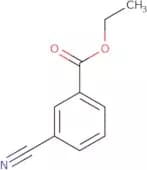

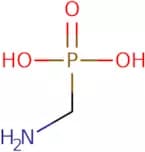
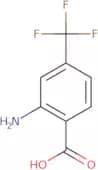
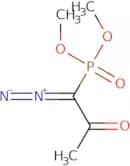


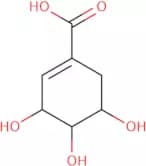
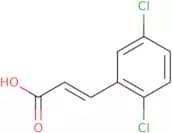
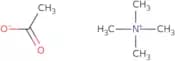
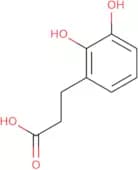


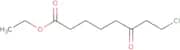
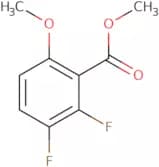
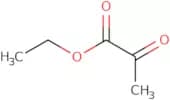
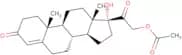
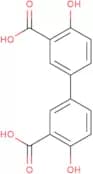
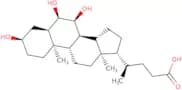
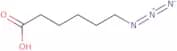
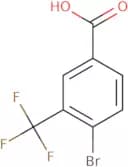
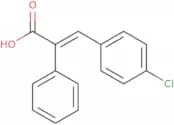
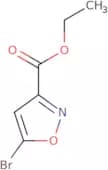
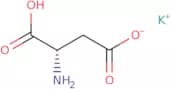
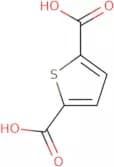
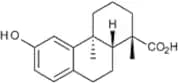
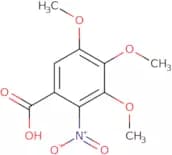
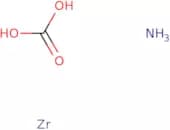
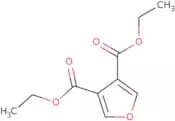
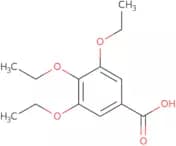
![2-[(4-Isopropylphenyl)amino]nicotinic acid](/_next/image/?url=https%3A%2Fstatic.cymitquimica.com%2Fproducts%2F3D%2Fthumb-webp%2FFI136104.webp&w=3840&q=75)
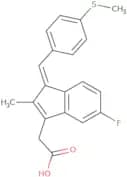
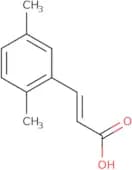
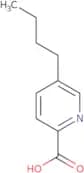

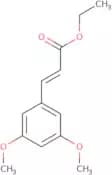
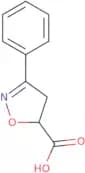
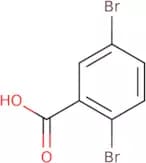
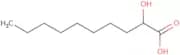
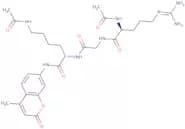
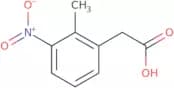
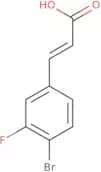

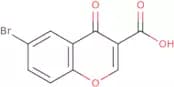
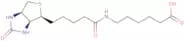
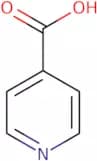
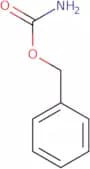
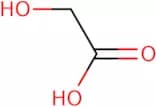

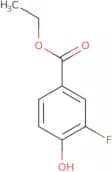
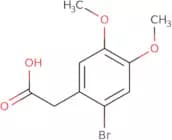
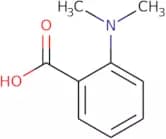
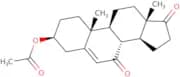
![4-[2'-(7''-Deazaguanine)ethyl]benzoic acid N-hydroxysuccinimide ester](/_next/image/?url=https%3A%2Fstatic.cymitquimica.com%2Fproducts%2F3D%2Fthumb-webp%2FFD20837.webp&w=3840&q=75)
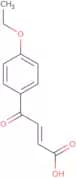
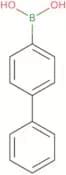
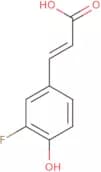
![[Nitrilotris(methylene)]tris-phosphonic acid pentasodiumsalt - 38.0 to 42.0%, in water](/_next/image/?url=https%3A%2Fstatic.cymitquimica.com%2Fproducts%2F3D%2Fthumb-webp%2FFN153153.webp&w=3840&q=75)
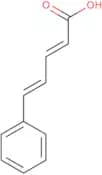
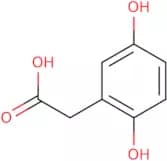
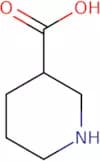
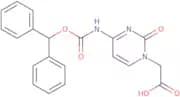
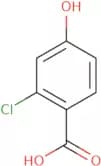
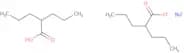
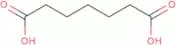
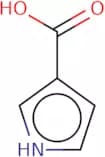
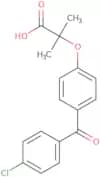
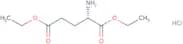
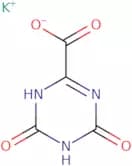
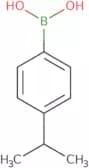
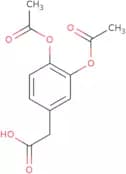

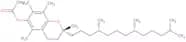

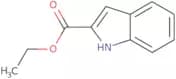
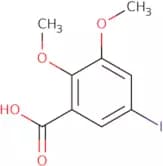
![Ethyl [2-methyl-3-(chlorosulfonyl)phenoxy]acetate](/_next/image/?url=https%3A%2Fstatic.cymitquimica.com%2Fproducts%2F3D%2Fthumb-webp%2FFE22936.webp&w=3840&q=75)
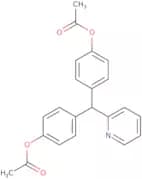
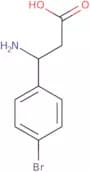
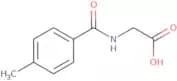
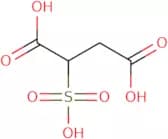
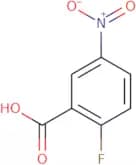

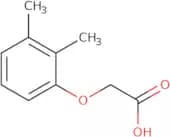

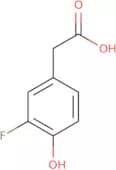
![[(3-Methylphenyl)amino]acetic acid](/_next/image/?url=https%3A%2Fstatic.cymitquimica.com%2Fproducts%2F3D%2Fthumb-webp%2FFM115478.webp&w=3840&q=75)
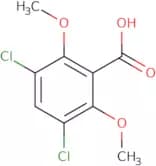
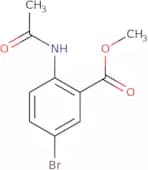
![Methyl 3-amino-6-methylthieno[2,3-b]pyridine-2-carboxylate](/_next/image/?url=https%3A%2Fstatic.cymitquimica.com%2Fproducts%2F3D%2Fthumb-webp%2FFM142163.webp&w=3840&q=75)
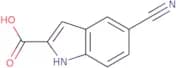

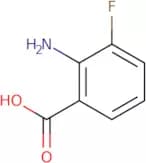
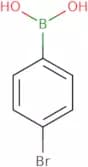
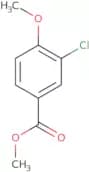
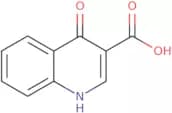
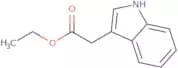
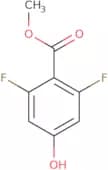
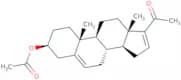

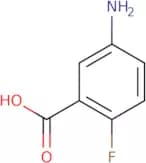
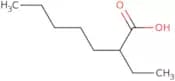
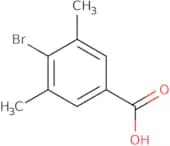
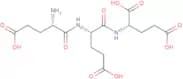
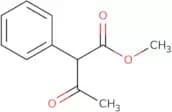
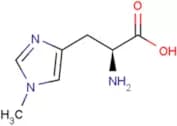

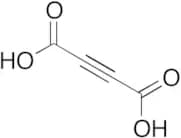

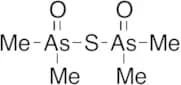

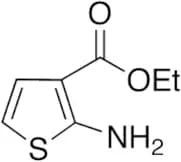

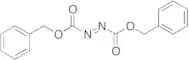
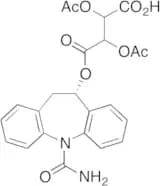
![Methyl 2-[2-[(2,5-Dimethylphenoxy)methyl]phenyl]-2-(hydroxy)acetic Acid Ester](/_next/image/?url=https%3A%2Fstatic.cymitquimica.com%2Fproducts%2FTR%2Fthumb-webp%2FM153970.webp&w=3840&q=75)

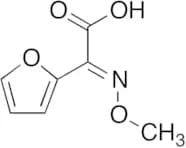
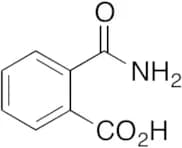
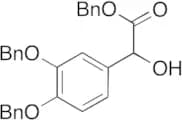
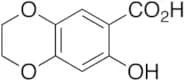

![Ethyl [(tert-Butyldimethylsilyl)oxy]acetate](/_next/image/?url=https%3A%2Fstatic.cymitquimica.com%2Fproducts%2FTR%2Fthumb-webp%2FE900620.webp&w=3840&q=75)
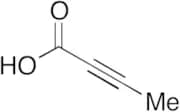
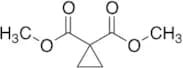

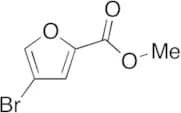
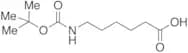
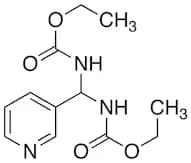
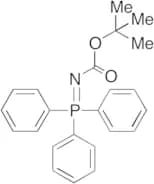
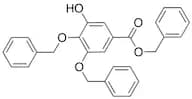
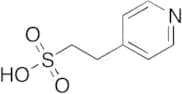
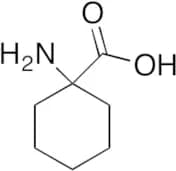
![2,2-Dimethylpropanoic Acid 1,1'-[[1-Ethyl-2-(4-hydroxyphenyl)-1,2-ethenediyl]di-4,1-phenylene] Est…](/_next/image/?url=https%3A%2Fstatic.cymitquimica.com%2Fproducts%2FTR%2Fthumb-webp%2FD473765.webp&w=3840&q=75)
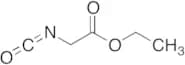
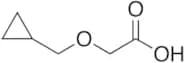



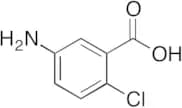
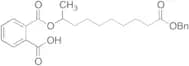
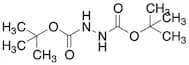
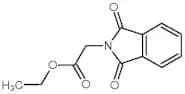

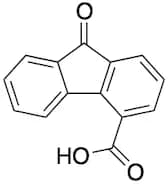
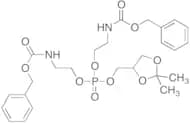
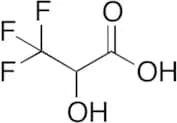
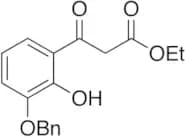
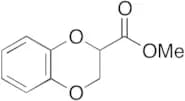
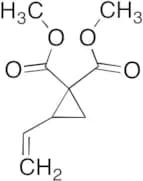
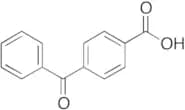
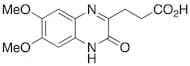
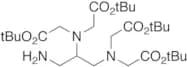
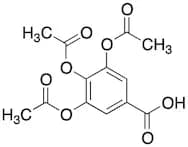
![2-(Cyclopropylmethoxy)-acetic Acid 1,1-Dimethyl-2-[4-(methylsulfonyl)phenyl]-2-oxoethyl Ester](/_next/image/?url=https%3A%2Fstatic.cymitquimica.com%2Fproducts%2FTR%2Fthumb-webp%2FC988675.webp&w=3840&q=75)
![P,P'-[(1,2-Phenylene)bis(methylene)]bisphosphonic Acid P,P,P',P'-tetraethyl ester](/_next/image/?url=https%3A%2Fstatic.cymitquimica.com%2Fproducts%2FTR%2Fthumb-webp%2FP319815.webp&w=3840&q=75)
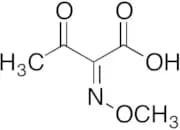
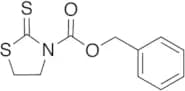
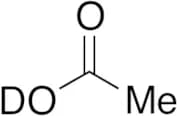
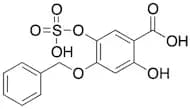
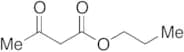
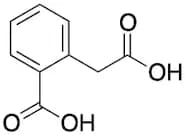
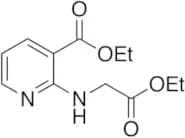
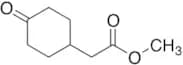
![(2S)-2-[[(phenylmethoxy)carbonyl]amino]-4-Pentenoic acid](/_next/image/?url=https%3A%2Fstatic.cymitquimica.com%2Fproducts%2FTR%2Fthumb-webp%2FP228100.webp&w=3840&q=75)

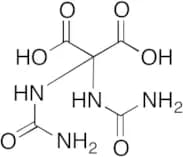

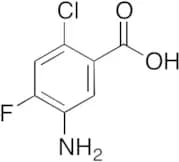
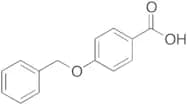
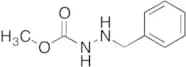
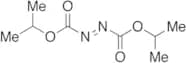
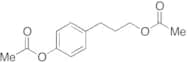
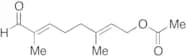
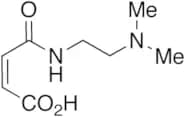
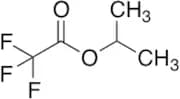
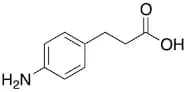

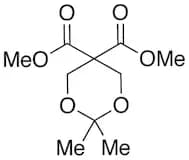
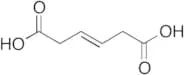
![Ethyl-[4-(thienylketo)-2,3-dichloro-phenoxy]acetate](/_next/image/?url=https%3A%2Fstatic.cymitquimica.com%2Fproducts%2FTR%2Fthumb-webp%2FE926740.webp&w=3840&q=75)
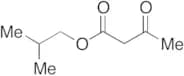
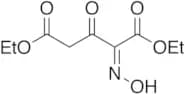
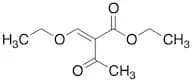

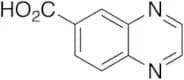
![2-[(1,3-Dihydro-1,3-dioxo-2H-isoindol-2-yl)acetyl]-butanedioic Acid Diethyl Ester](/_next/image/?url=https%3A%2Fstatic.cymitquimica.com%2Fproducts%2FTR%2Fthumb-webp%2FD449108.webp&w=3840&q=75)
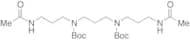
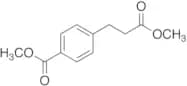
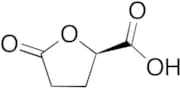
![N,N’-Di-Boc (R)-1-Azido-3-[[3-fluoro-4-(morpholin-4-yl)phenyl]amino]propan-2-yl Acetate](/_next/image/?url=https%3A%2Fstatic.cymitquimica.com%2Fproducts%2FTR%2Fthumb-webp%2FD422605.webp&w=3840&q=75)

![3-[(Carboxymethyl)thio]propionic Acid Dimethyl Ester](/_next/image/?url=https%3A%2Fstatic.cymitquimica.com%2Fproducts%2FTR%2Fthumb-webp%2FC181020.webp&w=3840&q=75)