Metabolism
Metabolism inhibitors are compounds that interfere with metabolic pathways, altering the production and utilization of energy within cells. These inhibitors are used to study the regulation of metabolism, the role of metabolic pathways in diseases like cancer and diabetes, and to develop new therapeutic strategies. Metabolism inhibitors can target various enzymes and processes involved in glycolysis, fatty acid oxidation, and other metabolic functions. At CymitQuimica, we offer a wide range of high-quality metabolism inhibitors to support your research in biochemistry, metabolic disorders, and drug development.
Subcategories of "Metabolism"
- AhR(42 products)
- Aminopeptidase(76 products)
- CETP(20 products)
- Carbonic Anhydrase(196 products)
- Casein Kinase(139 products)
- DHFR(30 products)
- Decarboxylase(4 products)
- Dehydrogenase(302 products)
- FAAH(64 products)
- FXR(62 products)
- Factor Xa(87 products)
- Fatty Acid Synthase(37 products)
- Ferroptosis(227 products)
- GR(3 products)
- GSNOR(3 products)
- Glucokinase(56 products)
- HIF/HIF Prolyl-Hydroxylase(146 products)
- HMG-CoA Reductase(34 products)
- Hydroxylase(36 products)
- IDO(84 products)
- LDL(7 products)
- Lipase(107 products)
- Lipid(62 products)
- Lipoxygenase(133 products)
- MAO(85 products)
- MPO(2 products)
- NAMPT(40 products)
- P450(6 products)
- PAI-1(26 products)
- PDE(170 products)
- PED(1 products)
- PKM(17 products)
- PPAR(170 products)
- Phospholipase(85 products)
- ROR(47 products)
- Retinoid Receptor(18 products)
- SGK(10 products)
- Thioredoxin(12 products)
- Transferase(30 products)
- Transporter(43 products)
- UGT(4 products)
- Xanthine Oxidase (XO) Inhibitors(9 products)
Show 34 more subcategories
Found 9195 products of "Metabolism"
Sort by
Purity (%)
0
100
|
0
|
50
|
90
|
95
|
100
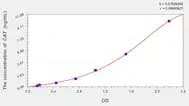
Horse CAT(Catalase) ELISA Kit
The test principle applied in this kit is Sandwich enzyme immunoassay. The microtiter plate provided in this kit has been pre-coated with an antibody specific to Horse CAT. Standards or samples are added to the appropriate microtiter plate wells then with a biotin-conjugated antibody specific to Horse CAT. Next, Avidin conjugated to Horseradish Peroxidase (HRP) is added to each microplate well and incubated. After TMB substrate solution is added, only those wells that contain Horse CAT, biotin-conjugated antibody and enzyme-conjugated Avidin will exhibit a change in color. The enzyme-substrate reaction is terminated by the addition of sulphuric acid solution and the color change is measured spectrophotometrically at a wavelength of 450nm ± 10nm. The concentration of Horse CAT in the samples is then determined by comparing the OD of the samples to the standard curve.Color and Shape:Colourless TransparentliquidDog CAT(Catalase) ELISA Kit
The test principle applied in this kit is Sandwich enzyme immunoassay. The microtiter plate provided in this kit has been pre-coated with an antibody specific to Dog CAT. Standards or samples are added to the appropriate microtiter plate wells then with a biotin-conjugated antibody specific to Dog CAT. Next, Avidin conjugated to Horseradish Peroxidase (HRP) is added to each microplate well and incubated. After TMB substrate solution is added, only those wells that contain Dog CAT, biotin-conjugated antibody and enzyme-conjugated Avidin will exhibit a change in color. The enzyme-substrate reaction is terminated by the addition of sulphuric acid solution and the color change is measured spectrophotometrically at a wavelength of 450nm ± 10nm. The concentration of Dog CAT in the samples is then determined by comparing the OD of the samples to the standard curve.Color and Shape:Colourless TransparentliquidDog PIIINP(Procollagen III N-Terminal Propeptide) ELISA Kit
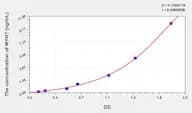
The test principle applied in this kit is Sandwich enzyme immunoassay. The microtiter plate provided in this kit has been pre-coated with an antibody specific to Dog PIIINP. Standards or samples are added to the appropriate microtiter plate wells then with a biotin-conjugated antibody specific to Dog PIIINP. Next, Avidin conjugated to Horseradish Peroxidase (HRP) is added to each microplate well and incubated. After TMB substrate solution is added, only those wells that contain Dog PIIINP, biotin-conjugated antibody and enzyme-conjugated Avidin will exhibit a change in color. The enzyme-substrate reaction is terminated by the addition of sulphuric acid solution and the color change is measured spectrophotometrically at a wavelength of 450nm ± 10nm. The concentration of Dog PIIINP in the samples is then determined by comparing the OD of the samples to the standard curve.Human MYH7(Myosin Heavy Chain 7, Cardiac Muscle, β) Microsample ELISA Kit
The test principle applied in this kit is Sandwich enzyme immunoassay. The microtiter plate provided in this kit has been pre-coated with an antibody specific to Human MYH7. Standards or samples are added to the appropriate microtiter plate wells then with a biotin-conjugated antibody specific to Human MYH7. Next, Avidin conjugated to Horseradish Peroxidase (HRP) is added to each microplate well and incubated. After TMB substrate solution is added, only those wells that contain Human MYH7, biotin-conjugated antibody and enzyme-conjugated Avidin will exhibit a change in color. The enzyme-substrate reaction is terminated by the addition of sulphuric acid solution and the color change is measured spectrophotometrically at a wavelength of 450nm ± 10nm. The concentration of Human MYH7 in the samples is then determined by comparing the OD of the samples to the standard curve.Mouse PRPH(Peripherin) Microsample ELISA Kit
The test principle applied in this kit is Sandwich enzyme immunoassay. The microtiter plate provided in this kit has been pre-coated with an antibody specific to Mouse PRPH. Standards or samples are added to the appropriate microtiter plate wells then with a biotin-conjugated antibody specific to Mouse PRPH. Next, Avidin conjugated to Horseradish Peroxidase (HRP) is added to each microplate well and incubated. After TMB substrate solution is added, only those wells that contain Mouse PRPH, biotin-conjugated antibody and enzyme-conjugated Avidin will exhibit a change in color. The enzyme-substrate reaction is terminated by the addition of sulphuric acid solution and the color change is measured spectrophotometrically at a wavelength of 450nm ± 10nm. The concentration of Mouse PRPH in the samples is then determined by comparing the OD of the samples to the standard curve.Color and Shape:Colourless TransparentliquidMouse BMP4(Bone Morphogenetic Protein 4) ELISA Kit
The test principle applied in this kit is Sandwich enzyme immunoassay. The microtiter plate provided in this kit has been pre-coated with an antibody specific to Mouse BMP4. Standards or samples are added to the appropriate microtiter plate wells then with a biotin-conjugated antibody specific to Mouse BMP4. Next, Avidin conjugated to Horseradish Peroxidase (HRP) is added to each microplate well and incubated. After TMB substrate solution is added, only those wells that contain Mouse BMP4, biotin-conjugated antibody and enzyme-conjugated Avidin will exhibit a change in color. The enzyme-substrate reaction is terminated by the addition of sulphuric acid solution and the color change is measured spectrophotometrically at a wavelength of 450nm ± 10nm. The concentration of Mouse BMP4 in the samples is then determined by comparing the OD of the samples to the standard curve.Color and Shape:Colourless TransparentliquidMouse GR(Glutathione Reductase) ELISA Kit
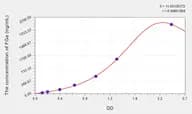
The test principle applied in this kit is Sandwich enzyme immunoassay. The microtiter plate provided in this kit has been pre-coated with an antibody specific to Mouse GR. Standards or samples are added to the appropriate microtiter plate wells then with a biotin-conjugated antibody specific to Mouse GR. Next, Avidin conjugated to Horseradish Peroxidase (HRP) is added to each microplate well and incubated. After TMB substrate solution is added, only those wells that contain Mouse GR, biotin-conjugated antibody and enzyme-conjugated Avidin will exhibit a change in color. The enzyme-substrate reaction is terminated by the addition of sulphuric acid solution and the color change is measured spectrophotometrically at a wavelength of 450nm ± 10nm. The concentration of Mouse GR in the samples is then determined by comparing the OD of the samples to the standard curve.Color and Shape:Colourless TransparentliquidMouse FGa(Fibrinogen α) Microsample ELISA Kit
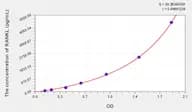
The test principle applied in this kit is Sandwich enzyme immunoassay. The microtiter plate provided in this kit has been pre-coated with an antibody specific to Mouse FGa. Standards or samples are added to the appropriate microtiter plate wells then with a biotin-conjugated antibody specific to Mouse FGa. Next, Avidin conjugated to Horseradish Peroxidase (HRP) is added to each microplate well and incubated. After TMB substrate solution is added, only those wells that contain Mouse FGa, biotin-conjugated antibody and enzyme-conjugated Avidin will exhibit a change in color. The enzyme-substrate reaction is terminated by the addition of sulphuric acid solution and the color change is measured spectrophotometrically at a wavelength of 450nm ± 10nm. The concentration of Mouse FGa in the samples is then determined by comparing the OD of the samples to the standard curve.Color and Shape:Colourless TransparentliquidHuman RANKL(Receptor Activator of Nuclear factor-kB Ligand) Microsample ELISA Kit
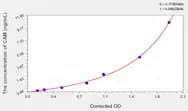
The test principle applied in this kit is Sandwich enzyme immunoassay. The microtiter plate provided in this kit has been pre-coated with an antibody specific to Human RANKL. Standards or samples are added to the appropriate microtiter plate wells then with a biotin-conjugated antibody specific to Human RANKL. Next, Avidin conjugated to Horseradish Peroxidase (HRP) is added to each microplate well and incubated. After TMB substrate solution is added, only those wells that contain Human RANKL, biotin-conjugated antibody and enzyme-conjugated Avidin will exhibit a change in color. The enzyme-substrate reaction is terminated by the addition of sulphuric acid solution and the color change is measured spectrophotometrically at a wavelength of 450nm ± 10nm. The concentration of Human RANKL in the samples is then determined by comparing the OD of the samples to the standard curve.Color and Shape:Colourless TransparentliquidHuman CAM(Calmodulin) Microsample ELISA Kit
The test principle applied in this kit is Sandwich enzyme immunoassay. The microtiter plate provided in this kit has been pre-coated with an antibody specific to Human CAM. Standards or samples are added to the appropriate microtiter plate wells then with a biotin-conjugated antibody specific to Human CAM. Next, Avidin conjugated to Horseradish Peroxidase (HRP) is added to each microplate well and incubated. After TMB substrate solution is added, only those wells that contain Human CAM, biotin-conjugated antibody and enzyme-conjugated Avidin will exhibit a change in color. The enzyme-substrate reaction is terminated by the addition of sulphuric acid solution and the color change is measured spectrophotometrically at a wavelength of 450nm ± 10nm. The concentration of Human CAM in the samples is then determined by comparing the OD of the samples to the standard curve.Color and Shape:Colourless TransparentliquidRat CYP11A1(Cytochrome P450 11A1) ELISA Kit
The test principle applied in this kit is Sandwich enzyme immunoassay. The microtiter plate provided in this kit has been pre-coated with an antibody specific to Rat CYP11A1. Standards or samples are added to the appropriate microtiter plate wells then with a biotin-conjugated antibody specific to Rat CYP11A1. Next, Avidin conjugated to Horseradish Peroxidase (HRP) is added to each microplate well and incubated. After TMB substrate solution is added, only those wells that contain Rat CYP11A1, biotin-conjugated antibody and enzyme-conjugated Avidin will exhibit a change in color. The enzyme-substrate reaction is terminated by the addition of sulphuric acid solution and the color change is measured spectrophotometrically at a wavelength of 450nm ± 10nm. The concentration of Rat CYP11A1 in the samples is then determined by comparing the OD of the samples to the standard curve.Color and Shape:Colourless TransparentliquidHuman PDP(Pyruvate Dehydrogenase Phosphatase) ELISA Kit
The test principle applied in this kit is Sandwich enzyme immunoassay. The microtiter plate provided in this kit has been pre-coated with an antibody specific to Human PDP. Standards or samples are added to the appropriate microtiter plate wells then with a biotin-conjugated antibody specific to Human PDP. Next, Avidin conjugated to Horseradish Peroxidase (HRP) is added to each microplate well and incubated. After TMB substrate solution is added, only those wells that contain Human PDP, biotin-conjugated antibody and enzyme-conjugated Avidin will exhibit a change in color. The enzyme-substrate reaction is terminated by the addition of sulphuric acid solution and the color change is measured spectrophotometrically at a wavelength of 450nm ± 10nm. The concentration of Human PDP in the samples is then determined by comparing the OD of the samples to the standard curve.Color and Shape:Colourless TransparentliquidCattle IL7(Interleukin 7) ELISA Kit
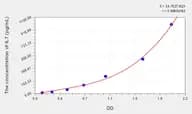
The test principle applied in this kit is Sandwich enzyme immunoassay. The microtiter plate provided in this kit has been pre-coated with an antibody specific to Cattle IL7. Standards or samples are added to the appropriate microtiter plate wells then with a biotin-conjugated antibody specific to Cattle IL7. Next, Avidin conjugated to Horseradish Peroxidase (HRP) is added to each microplate well and incubated. After TMB substrate solution is added, only those wells that contain Cattle IL7, biotin-conjugated antibody and enzyme-conjugated Avidin will exhibit a change in color. The enzyme-substrate reaction is terminated by the addition of sulphuric acid solution and the color change is measured spectrophotometrically at a wavelength of 450nm ± 10nm. The concentration of Cattle IL7 in the samples is then determined by comparing the OD of the samples to the standard curve.Color and Shape:Colourless TransparentliquidMouse TM(Thrombomodulin) Microsample ELISA Kit
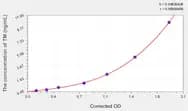
The test principle applied in this kit is Sandwich enzyme immunoassay. The microtiter plate provided in this kit has been pre-coated with an antibody specific to Mouse TM. Standards or samples are added to the appropriate microtiter plate wells then with a biotin-conjugated antibody specific to Mouse TM. Next, Avidin conjugated to Horseradish Peroxidase (HRP) is added to each microplate well and incubated. After TMB substrate solution is added, only those wells that contain Mouse TM, biotin-conjugated antibody and enzyme-conjugated Avidin will exhibit a change in color. The enzyme-substrate reaction is terminated by the addition of sulphuric acid solution and the color change is measured spectrophotometrically at a wavelength of 450nm ± 10nm. The concentration of Mouse TM in the samples is then determined by comparing the OD of the samples to the standard curve.Color and Shape:Colourless TransparentliquidRat FETUB(Fetuin B) ELISA Kit
The test principle applied in this kit is Sandwich enzyme immunoassay. The microtiter plate provided in this kit has been pre-coated with an antibody specific to Rat FETUB. Standards or samples are added to the appropriate microtiter plate wells then with a biotin-conjugated antibody specific to Rat FETUB. Next, Avidin conjugated to Horseradish Peroxidase (HRP) is added to each microplate well and incubated. After TMB substrate solution is added, only those wells that contain Rat FETUB, biotin-conjugated antibody and enzyme-conjugated Avidin will exhibit a change in color. The enzyme-substrate reaction is terminated by the addition of sulphuric acid solution and the color change is measured spectrophotometrically at a wavelength of 450nm ± 10nm. The concentration of Rat FETUB in the samples is then determined by comparing the OD of the samples to the standard curve.Color and Shape:Colourless TransparentliquidMouse CKB(Creatine Kinase, Brain) Microsample ELISA Kit
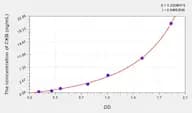
The test principle applied in this kit is Sandwich enzyme immunoassay. The microtiter plate provided in this kit has been pre-coated with an antibody specific to Mouse CKB. Standards or samples are added to the appropriate microtiter plate wells then with a biotin-conjugated antibody specific to Mouse CKB. Next, Avidin conjugated to Horseradish Peroxidase (HRP) is added to each microplate well and incubated. After TMB substrate solution is added, only those wells that contain Mouse CKB, biotin-conjugated antibody and enzyme-conjugated Avidin will exhibit a change in color. The enzyme-substrate reaction is terminated by the addition of sulphuric acid solution and the color change is measured spectrophotometrically at a wavelength of 450nm ± 10nm. The concentration of Mouse CKB in the samples is then determined by comparing the OD of the samples to the standard curve.Color and Shape:Colourless TransparentliquidMouse BALP(Bone-specific Alkaline Phosphatase) Microsample ELISA Kit
The test principle applied in this kit is Sandwich enzyme immunoassay. The microtiter plate provided in this kit has been pre-coated with an antibody specific to Mouse BALP. Standards or samples are added to the appropriate microtiter plate wells then with a biotin-conjugated antibody specific to Mouse BALP. Next, Avidin conjugated to Horseradish Peroxidase (HRP) is added to each microplate well and incubated. After TMB substrate solution is added, only those wells that contain Mouse BALP, biotin-conjugated antibody and enzyme-conjugated Avidin will exhibit a change in color. The enzyme-substrate reaction is terminated by the addition of sulphuric acid solution and the color change is measured spectrophotometrically at a wavelength of 450nm ± 10nm. The concentration of Mouse BALP in the samples is then determined by comparing the OD of the samples to the standard curve.Color and Shape:Colourless TransparentliquidDeferoxamine Mesylate
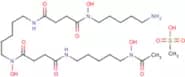
CAS:Deferoxamine Mesylate (DFOM) is an iron chelator and iron death inhibitor.Formula:C26H52N6O11SPurity:94.68% - 99.8%Color and Shape:SolidMolecular weight:656.79Rat AQP3(Aquaporin 3, Gill Blood Group) ELISA Kit
The test principle applied in this kit is Sandwich enzyme immunoassay. The microtiter plate provided in this kit has been pre-coated with an antibody specific to Rat AQP3. Standards or samples are added to the appropriate microtiter plate wells then with a biotin-conjugated antibody specific to Rat AQP3. Next, Avidin conjugated to Horseradish Peroxidase (HRP) is added to each microplate well and incubated. After TMB substrate solution is added, only those wells that contain Rat AQP3, biotin-conjugated antibody and enzyme-conjugated Avidin will exhibit a change in color. The enzyme-substrate reaction is terminated by the addition of sulphuric acid solution and the color change is measured spectrophotometrically at a wavelength of 450nm ± 10nm. The concentration of Rat AQP3 in the samples is then determined by comparing the OD of the samples to the standard curve.Color and Shape:Colourless TransparentliquidHuman CDH26(Cadherin 26) Microsample ELISA Kit
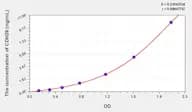
The test principle applied in this kit is Sandwich enzyme immunoassay. The microtiter plate provided in this kit has been pre-coated with an antibody specific to Human CDH26. Standards or samples are added to the appropriate microtiter plate wells then with a biotin-conjugated antibody specific to Human CDH26. Next, Avidin conjugated to Horseradish Peroxidase (HRP) is added to each microplate well and incubated. After TMB substrate solution is added, only those wells that contain Human CDH26, biotin-conjugated antibody and enzyme-conjugated Avidin will exhibit a change in color. The enzyme-substrate reaction is terminated by the addition of sulphuric acid solution and the color change is measured spectrophotometrically at a wavelength of 450nm ± 10nm. The concentration of Human CDH26 in the samples is then determined by comparing the OD of the samples to the standard curve.