Organic Halides
In this category, you can find organic molecules containing one or more halogen atoms in their structure. These organic halides include brominated, iodinated, chlorinated, and cyclic halide compounds. Organic halides are widely used in organic synthesis, pharmaceuticals, agrochemicals, and materials science due to their reactivity and ability to undergo a variety of chemical transformations. At CymitQuimica, we offer a comprehensive selection of high-quality organic halides to support your research and industrial applications, ensuring reliable and effective performance in your synthetic and analytical projects.
Subcategories of "Organic Halides"
Found 20440 products of "Organic Halides"
Sort by
Purity (%)
0
100
|
0
|
50
|
90
|
95
|
100
4-Chloro-3-sulfamoylbenzoyl Chloride (>90%)
CAS:Controlled Product<p>Stability Moisture Sensitive<br>Applications 4-Chloro-3-sulfamoylbenzoyl chloride is an intermediate used in the synthesis of indapamide, a diuretic used in the treatment of high blood pressure.<br>References Hoefle, M. L., et al.: J. Med. Chem., 11, 970 (1968); Wang, P., et al.: Beijing Ligong Daxue Xuebao, 21, 531 (2001); Yu, D., et al.: Huaxue Yu Shengwu Gongcheng, 24, 22 (2007); Xu, Z., et al.: Jingxi Huagong Zhongjianti, 35, 10 (2005)<br></p>Formula:C7H5Cl2NO3SPurity:>90%Color and Shape:NeatMolecular weight:254.09N,N’-Di-Boc (R)-1-Azido-3-[[3-fluoro-4-(morpholin-4-yl)phenyl]amino]propan-2-yl Acetate
Controlled Product<p>Applications N,N’-Di-Boc (R)-1-Azido-3-[[3-fluoro-4-(morpholin-4-yl)phenyl]amino]propan-2-yl Acetate is an intermediate used in the synthesis of N-Desacetyl-N,O-descarbonyl O-Acetyl Linezolid (D288280), which is an impurity of Linezolid (L466500); an oxazolidinone antimicrobial that inhibits bacterial mRNA translation.<br>References Brickner, S.J., et al.: J. Med. Chem., 39, 673 (1996); Ford, C.W., et al.: Antimicrob. Agents Chemother., 40, 1508 (1996); Rybak, M.J., et al.: Pharmacotherapy, 18, 456 (1998); Stevens, D.L., et al.: Clin. Infect. Dis., 34, 1481 (2002)<br></p>Formula:C25H38FN3O7Color and Shape:NeatMolecular weight:511.58Adipoyl Chloride
CAS:Controlled Product<p>Applications Adipoyl Chloride can be used in the synthesis of nylon. Also it is used in the synthesis of chiral polymer for membrane application.<br> Not a dangerous good if item is equal to or less than 1g/ml and there is less than 100g/ml in the package<br>References Gaymans, R. et al.: J. Polym. Sci., 15, 535 (1977); Hazarika, S. et al.: Polym. J., 41, 1067 (2009);<br></p>Formula:C6H8Cl2O2Color and Shape:Light Brown LiquidMolecular weight:183.034-Fluorobenzylamine
CAS:Controlled Product<p>Applications A benzylamine derivative as a potassium channel blocking agent.<br> Not a dangerous good if item is equal to or less than 1g/ml and there is less than 100g/ml in the package<br>References Banchelli, G., et al.: Pharmacol. Res., 41, 151 (2000), Ghelardini, C., et al.: Eur. J. Pharmacol., 329, 1 (1997), Schechter, L., et al.: J. Pharmacol. Exp. Ther., 282, 262 (1997), Knoll, J., et al.: Pharmacol. Toxicol., 82, 57 (1998), Meszaros, Z., et al.: Metabolism, 48, 113 (1999),<br></p>Formula:C7H8FNColor and Shape:Light YellowMolecular weight:125.142-Iodobenzotrifluoride
CAS:Controlled Product<p>Applications 2-Iodobenzotrifluoride acts as a reagent in the preparation, cyclooxygenase-1 inhibitory activity, and docking studies of aminoalkoxyphenylbenzamides. Prepartion and SAR of tricyclic 4,4-dimethyl-3,4-dihydrochromeno[3,4-d]imidazole derivatives as microsomal prostaglandin E2 synthase-1 (mPGES-1) inhibitors.<br>References Fukai, R., et al.: ChemMedChem, 6, 550 (2011); Muthukaman, N., et al.: Bioorg. Med. Chem. Lett., 27, 2594 (2017)<br></p>Formula:C7H4F3IColor and Shape:NeatMolecular weight:272.012-Bromo-1-(3-fluorophenyl)propan-1-one
CAS:Controlled Product<p>Applications 2-Bromo-1-(3-fluorophenyl)propan-1-one is an intermediate used to prepare arylalkanol-piperidine derivatives as triple reuptake inhibitors with antidepressant activities.<br>References Zheng, Y., et al.: Eur. J. Med. Chem., 54, 123 (2012)<br></p>Formula:C9H8BrFOColor and Shape:NeatMolecular weight:231.06Methyl a-Bromophenylacetate
CAS:Controlled Product<p>Applications Methyl α-bromophenylacetate is used in synthetic chemistry as an initiator for polymerization reactions (such as the polymerization of methyl methacrylate). Methyl α-bromophenylacetate is also used as a reagent to synthesize compounds that act as selective Serotonin (HCl: S274980) reuptake inhibitors (SSRI). SSRIs are used to modulate symptoms in autistic patients.<br> Not a dangerous good if item is equal to or less than 1g/ml and there is less than 100g/ml in the package<br>References Fors, B. & Hawker, C.: Angew. Chem. Int. Edit., 51, 8850 (2012); Ghoneim, O., et al.: Bioorgan. Med. Chem. Lett., 21, 6714 (2011); O’Reilly, R., et al.: Macromolecules, 40, 7441 (2007)<br></p>Formula:C9H9BrO2Color and Shape:NeatMolecular weight:229.074-Nitrobenzamidine, Hydrochloride
CAS:Controlled Product<p>Applications 4-Nitrobenzamidine, Hydrochloride (cas# 15723-90-7) is a compound useful in organic synthesis.<br></p>Formula:C7H7N3O2·ClHColor and Shape:NeatMolecular weight:201.612-Dimethylaminoisopropyl Chloride Hydrochloride
CAS:Controlled Product<p>Applications Hydrochloride salt of 2-Dimethylaminoisopropyl Chloride, used in the synthesis of analogues of lipophilic chalcones, which act as antitubercular agents.<br>References Ahmad, I. et al.: Bioorg. Med. Chem. Lett., 23, 1322 (2013); Rhee, H. et al.: Bull. Kor. Chem. Soc., 32, 2391 (2011);<br></p>Formula:C5H13Cl2NColor and Shape:NeatMolecular weight:158.073,4-Difluoroaniline
CAS:Controlled Product<p>Applications 3,4-Difluoroaniline was used to prepare thiourea-containing sorafenib analogs or fluorinated 2-(4-aminophenyl)benzothiazoles as potential antitumor agents.<br> Not a dangerous good if item is equal to or less than 1g/ml and there is less than 100g/ml in the package<br>References Yao, J., et al.: Bioorg. Med. Chem., 20, 2923 (2012); Hutchinson, I., et al.: J. Med. Chem., 44, 1446 (2001)<br></p>Formula:C6H5F2NColor and Shape:NeatMolecular weight:129.11(4-Bromobutyl)triphenylphosphonium Bromide
CAS:Controlled Product<p>Applications (4-Bromobutyl)triphenylphosphonium Bromide is used in the synthesis of cell-penetrating peptoids with cationic side chains.<br>References Koelmel, D. K., et al.: Eur. J. Med. Chem., 79, 231(2014)<br></p>Formula:C23H21N3O4·HClColor and Shape:NeatMolecular weight:439.892Triethylsilyl Trifluoromethanesulfonate
CAS:Controlled Product<p>Stability Moisture Sensitive and Hygroscopic<br>Applications Triethylsilyl Trifluoromethanesulfonate is a reagent used in the synthesis of pharmaceuticals such as cocosolide, an immunosuppressive agent.<br> Not a dangerous good if item is equal to or less than 1g/ml and there is less than 100g/ml in the package<br>References Gunasekera, S. et al.: Chem. Eur. J., 22, 8158 (2016);<br></p>Formula:C22H41F3N2O6S2SiColor and Shape:NeatMolecular weight:264.342-(4-Chlorophenyl)ethylamine
CAS:Controlled Product<p>Applications 2-(4-Chlorophenyl)ethylamine has been used as a reactant in the preparation of isoalloxazine derivatives as cholinesterase inhibitors with a potential use in Alzheimer therapy.<br>References Kanhed, A.M., et. al.: Bioorg. Chem., 61, 7 (2015)<br></p>Formula:C8H10ClNColor and Shape:NeatMolecular weight:155.622-Chloro-5-(hydrazinocarbonyl)benzenesulfonamide
CAS:Controlled Product<p>Applications 2-Chloro-5-(hydrazinocarbonyl)benzenesulfonamide is an intermediate in the synthesis of Besulpamide (B319750) which is an antihypertensive agent. It also exhibits diuretic activity in rats and dogs.<br>References Bojarska, J., et al.: J. Mol. Struct. 1116, 22 (2016); Colombo, M., et al.: Methods Find Exp Clin Pharmacol. 9, 101 (1987); Esteve, J., et al.: Methods Find Exp Clin Pharmacol.9, 121 (1987)<br></p>Formula:C7H8ClN3O3SColor and Shape:NeatMolecular weight:249.67Methyl Pentadecafluoroheptyl Ketone
CAS:Controlled Product<p>Applications Methyl Pentadecafluoroheptyl Ketone 754-85-8 (cas# 754-85-8) is a useful research chemical.<br></p>Formula:C9H3OF15Color and Shape:NeatMolecular weight:412.110-Bromo-1-decanol
CAS:Controlled Product<p>Stability Moisture Sensitive<br>Applications 10-Bromodecanol can be used to synthesize rotaxane dendrimers. It can also be used to synthesize J2326, a molecule that induces neurite outgrowth in neuronal cells.<br>References Wei, W., et al.: Proc. Natl. Acad. Sci. USA 112, 5597 (2015); Chang, P., et al.: Neuropharmacology 92, 146 (2015)<br></p>Formula:C10H21BrOColor and Shape:NeatMolecular weight:237.184,5-Dichloro-2-(3-trifluoromethylphenyl)-3(2H)pyridazinone
CAS:Controlled Product<p>Applications Norflurazon (N684500) intermediate.<br>References Mazzola, E.P., et al.: J. Agric. Food Chem., 32, 1102 (1984),<br></p>Formula:C11H5Cl2F3N2OColor and Shape:NeatMolecular weight:309.074-Fluoro-3-nitroaniline
CAS:Controlled Product<p>Applications 4-Fluoro-3-nitroaniline (cas# 364-76-1) is a useful research chemical.<br></p>Formula:C6H5FN2O2Color and Shape:NeatMolecular weight:156.11Carbon Tetrabromide
CAS:Controlled Product<p>Applications Carbon tetrabromide is commonly employed as an electron acceptor in organic synthesis reactions. Carbon tetrabromide is also an efficient catalyst for regioselective ring opening of epoxides with alcohols.<br> Not a dangerous good if item is equal to or less than 1g/ml and there is less than 100g/ml in the package<br>References Rosokha, S., et al.: Heteroatom Chem., 17, 449 (2006); Yadav, J., et al.: Synthesis, 2005, 2897 (2005)<br></p>Formula:CBr4Color and Shape:NeatMolecular weight:331.63(S)-1-(3-Chlorophenyl)-2-hydroxy-1-propanone
CAS:Controlled Product<p>Impurity Bupropion (S)-Hydroxy Propanone Impurity<br>Applications Bupropion intermediate.<br>References Kelley, J., et al.: J. Med. Chem., 39, 347 (1996), Musso, D., et al.: Bioorg. Med. Chem. Lett ., 7, 1 (1997)<br></p>Formula:C9H9ClO2Color and Shape:NeatMolecular weight:184.623,4-Diaminothiophene Dihydrochloride
CAS:Controlled Product<p>Applications 3,4-Diaminothiophene Dihydrochloride (cas# 90069-81-1) is a compound useful in organic synthesis.<br> Not a dangerous good if item is equal to or less than 1g/ml and there is less than 100g/ml in the package<br></p>Formula:C4H6N2S·2ClHColor and Shape:NeatMolecular weight:187.09(Bromomethyl)triphenylphosphonium bromide
CAS:Controlled Product<p>Applications (Bromomethyl)triphenylphosphonium bromide<br></p>Formula:C19H17Br2PColor and Shape:NeatMolecular weight:436.122-(4-Chloro-3-nitrobenzoyl)benzoic Acid
CAS:Controlled Product<p>Applications 2-(4-Chloro-3-nitrobenzoyl)benzoic Acid is an intermediate used in the synthesis of indanthrone derivatives. It is related to Chlorthalidone (C427500).<br>References Bradley, W., et al.; J. Chem. Soc., 2177 (1951)<br></p>Formula:C14H8ClNO5Color and Shape:NeatMolecular weight:305.672-Bromo-4-(ethoxycarbonylthio)-4-thiobenzoic Acid
CAS:Controlled Product<p>Applications 2-Bromo-4-(ethoxycarbonylthio)-4-thiobenzoic Acid (cas# 1076199-58-0) is a compound useful in organic synthesis.<br></p>Formula:C10H9BrO3S2Color and Shape:NeatMolecular weight:321.214-Bromo-α-phenylbenzenemethanol
CAS:Controlled Product<p>Applications 4-Bromo-α-phenylbenzenemethanol is used in the synthesis of diarylmethylpiperazines as potent and selective nonpeptidic δ-opioid receptor agonists. Is used in the ysnthesis of bronsted acid-catalyzed benzylation of 1,3-dicarbonyl derivatives.<br>References Plobeck, N. et al.: J. Med. Chem., 43, 3878 (2000); Sanz, R. et al.: Org. Lett., 9, 2027 (2007);<br></p>Formula:C13H11BrOColor and Shape:NeatMolecular weight:263.13Bromoethane
CAS:Controlled Product<p>Applications Bromoethane is used in the synthesis of novel non-competitive antagonists of kainate Glu1/Glu2 receptors (1). Bromoethane is a useful reagent to prepare tryptophan analogues and the antibiotic, Tamoxifen (2).<br> Not a dangerous good if item is equal to or less than 1g/ml and there is less than 100g/ml in the package<br>References (1) Kaczor, A. et al.: Lett Drug Discov 9, 891 (2012) (1) Ma, C. et al.: J. Org Chem. 66, 4525 (2001)<br></p>Formula:C2H5BrColor and Shape:NeatMolecular weight:108.972,4,5-Tribromo-phenol 1-Acetate
CAS:Controlled Product<p>Applications 2,4,5-Tribromo-phenol 1-Acetate is an intermediate in synthesizing 2,2',4,4',5,5'-Hexabromodiphenyl Ether (H290730). A polybrominated diphenyl ether (PBDE) used as a flame retardant. One of the new POPs under the Stockholm Convention<br>References Rayne, S., et al.: Environ. Int., 32, 575 (2006); Jakobsson, K., et al.: Chemosphere, 46, 709 (2002)<br></p>Formula:C8H5Br3O2Color and Shape:NeatMolecular weight:372.844-Bromophenethylamine
CAS:Controlled Product<p>Applications 4-Bromophenethylamine (cas# 73918-56-6) is a useful research chemical.<br></p>Formula:C8H10NBrColor and Shape:NeatMolecular weight:200.081-Bromododecane (n-Lauryl Bromide)
CAS:Controlled Product<p>Applications 1-Bromododecane (n-Lauryl Bromide) is a reagent used in the synthesis of porous organic polymers.<br>References Zhao, Y. et al.: ACS Macro. Lett., 7, 300 (2018);<br></p>Formula:C12H25BrColor and Shape:NeatMolecular weight:249.23n-Butyltriphenylphosphonium Bromide
CAS:Controlled Product<p>Applications n-Butyltriphenylphosphonium Bromide is used in the synthesis of inhibitors of tubulin polymerization thus expressing antimitotic and antitubulin properties. Also used in the synthesis of 3-phenylpropanoic acids as peroxisome proliferator-activated receptor dual agonists affecting the mitochondrial carnitine system.<br>References Cushman, M. et al.: J. Med. Chem., 38, 2041 (1995); Laghezza, A. et al.: J. Med. Chem., 56, 60 (2013);<br></p>Formula:C22H24BrPColor and Shape:NeatMolecular weight:399.35-Chloro-4-nitro-2,1,3-benzoselenadiazole
CAS:Controlled Product<p>Applications 5-Chloro-4-nitro-2,1,3-benzoselenadiazole (cas# 20718-46-1) is a compound useful in organic synthesis.<br>References Turesky, R., et al.: J. Agric. Food Chem., 53, 3248 (2005),<br></p>Formula:C6H2ClN3O2SeColor and Shape:NeatMolecular weight:262.51Bis(2,2,2-Trichloroethyl) Phosphorochloridate
CAS:Controlled Product<p>Applications Bis(2,2,2-Trichloroethyl) Phosphorochloridate acts as a reagent for the preparation, anticancer, and structure-activity relationship of norcantharidin analogs. Preparation and antiviral activity of amino-nucleosides and nucleotides.<br> Not a dangerous good if item is equal to or less than 1g/ml and there is less than 100g/ml in the package<br>References Tarleton, M., et al.: Eur. J. Med. Chem., 54, 573 (2012); McGuigan, C., et al.: Bioorg. Med. Chem. Lett., 6, 2445 (1996)<br></p>Formula:C4H4Cl7O3PColor and Shape:NeatMolecular weight:379.222-Bromo-4,5-dimethoxybenzoic Acid 2,3-Dimethoxyphenyl Ester
CAS:Controlled Product<p>Applications 2-Bromo-4,5-dimethoxybenzoic Acid 2,3-Dimethoxyphenyl Ester is an intermediate in the synthesis of Urolithin D (U847020) used in biological studies to evaluate DNA gyrase inhibitory activity of ellagic acid derivatives.<br>References Weidner-Weels, M. A., et al: Bioorg. Med. Chem. Lett., 8, 97 (1998)<br></p>Formula:C17H17BrO6Color and Shape:NeatMolecular weight:397.221,7-Dibromoheptane
CAS:Controlled Product<p>Applications 1,7-Dibromoheptane is a useful synthetic intermediate. 1,7-Dibromoheptane can be used in the synthesis of random thermotropic liquid crystalline copolyether and ternary copolyether. It can also be used in the synthesis of thermotropic liquid crystalline dendrimer exhibiting a nematic phase.<br> Not a dangerous good if item is equal to or less than 1g/ml and there is less than 100g/ml in the package<br>References Percec, V., et al.: J. Polym. Sci. A Polym. Chem., 25, 1943, 1987; Percec, V., et al.: Macromolecules 23, 5 (1990); Percec, V., et al.: Macromolecules, 25, 3843 (1992)<br></p>Formula:C7H14Br2Color and Shape:NeatMolecular weight:257.9941(R*,R*)-(±)-N,N-Diethyl Norephedrine Hydrochloride
CAS:Controlled Product<p>Applications (R*,R*)-(±)-N,N-Diethyl Norephedrine Hydrochloride is the salt analogue of rac-syn N,N-Diethyl Norephedrine (D444670), the main basic metabolite of Diethylpropione.<br>References Banci, F., et al.: Arzneim.-Forsch., 21, 1616 (1971); Mikhailova, D., et al.: Eur. J. Med. Chem., 13, 49 (1978)<br></p>Formula:C13H21NO·HClColor and Shape:NeatMolecular weight:243.773Triethyltin Bromide
CAS:Controlled Product<p>Applications Triethyltin Bromide is used as an endocrine disrupting compound, inducing adipogenesis through RXR and PPARγ activation.<br> Not a dangerous good if item is equal to or less than 1g/ml and there is less than 100g/ml in the package<br>References Grun, F. et al.: Mol. Endocrinol., 20, 2141 (2006); Yano, K. et al.: J. Health Sci., 49, 195 (2003)<br></p>Formula:C6H15BrSnColor and Shape:NeatMolecular weight:285.82,5-Dibromo-3,4-dinitrothiophene
CAS:Controlled Product<p>Applications 2,5-Dibromo-3,4-dinitrothiophene is a useful reagent used in the preparation of bromodinitro compounds and it’s derivatives.<br>References Wen, L., et al.: J. Chem. Crystallogr., 37, 387 (2007); Huang, P. H., et al.: Acta Crystallogr. E., 61, 3315 (2005)<br></p>Formula:C4Br2N2O4SColor and Shape:NeatMolecular weight:331.931-Bromo-4-phenylbutane
CAS:Controlled Product<p>Applications 1-Bromo-4-phenylbutane<br></p>Formula:C10H13BrColor and Shape:NeatMolecular weight:213.1144-Benzyloxy-2-bromonitrobenzene
CAS:Controlled Product<p>Applications 4-Benzyloxy-2-bromonitrobenzene (cas# 165190-62-5) is a compound useful in organic synthesis.<br></p>Formula:C13H10BrNO3Color and Shape:NeatMolecular weight:308.131-Bromo-2,4-difluorobenzene
CAS:Controlled Product<p>Applications 1-Bromo-2,4-difluorobenzene is a reactant used in the preparation of azole derivatives as highly-selective fungal CYP51 inhibitors.<br> Not a dangerous good if item is equal to or less than 1g/ml and there is less than 100g/ml in the package<br>References Hoekstra, W.J., et. al.: Bioorg. Med. Chem. Lett., 24, 3455 (2014)<br></p>Formula:C6H3BrF2Color and Shape:NeatMolecular weight:192.99Bis(2-chloroethyl) Ether(1,1'-Oxybis[2-chloro-ethane])
CAS:Controlled Product<p>Applications 1,1'-Oxybis[2-chloro-ethane] is a carcinogen. It is an intermediate used to prepare 2,2'-[Oxybis(2,1-ethanediylimino)]bis-ethanol which is patented as one of the antibacterial oral compositions in mouthwash.<br> Not a dangerous good if item is equal to or less than 1g/ml and there is less than 100g/ml in the package<br>References Norpoth, K., et al.: J. Cancer Res. Clin. Oncol., 112, 125 (1986); Weisburger, E., et al.: J. Nat. Cancer. Inst., 67, 75 (1981); Gaffar, A., et al.: U.S. (1980), US 4224309 A 19800923.<br></p>Formula:C4H8Cl2OColor and Shape:NeatMolecular weight:143.012-(Acetylamino)-2-[2-(4-bromo-2-chlorophenyl)ethyl]propanedioic Acid 1,3-Diethyl Ester
CAS:Controlled Product<p>Applications 2-(Acetylamino)-2-[2-(4-bromo-2-chlorophenyl)ethyl]propanedioic Acid 1,3-Diethyl Ester (cas# 1346604-54-3) is a compound useful in organic synthesis.<br></p>Formula:C17H21BrClNO5Color and Shape:NeatMolecular weight:434.711,6-Dibromohexane
CAS:<p>Applications 1,6-Dibromohexane is used as a reagent in the synthesis of novel benzo[b]xanthone derivatives which have potential antitumor activity. It is also used as a cross-linker for the cross-linking of glycuronans.<br> Not a dangerous good if item is equal to or less than 1g/ml and there is less than 100g/ml in the package<br>References Luo, L., et al.: J. Serb. Chem. Soc., 78, 1301 (2013); Matricardi, P., et al.: Carbohyd. Polym., 27, 215 (1995)<br></p>Formula:C6H12Br2Color and Shape:NeatMolecular weight:243.967(1-Ethoxycarbonylethyl)triphenylphosphonium Bromide
CAS:Controlled Product<p>Applications (1-Ethoxycarbonylethyl)triphenylphosphonium Bromide is a reagent that is used in the preparation abd Hepatitis C virus polymerase NS5B inhibitory of cyclohexylpyrazolylmethylacrylic acid.<br>References Martin S. W., et al.: Bioorg. Med. Chem. Lett., 21, 2869 (2011);<br></p>Formula:C23H24BrO2PColor and Shape:NeatMolecular weight:443.31N-Benzylguanidine hydrochloride
CAS:N-Benzylguanidine hydrochloride (N-BzGuaHCl) is a nitrogen-containing heterocyclic compound that belongs to the group of mitochondrial inhibitors. It is used as a cardiac agent and has also been shown to inhibit the activity of integrin receptors. N-BzGuaHCl has been shown to be effective in preventing tumor growth in mice, which may be due to its ability to inhibit the uptake of monoclonal antibodies by cells. This drug also inhibits the activity of benzalkonium chloride, which is often used as a preservative in cosmetics and household products.Formula:C8H11N3·HClPurity:Min. 95%Color and Shape:PowderMolecular weight:185.65 g/mol2-Bromothioanisole
CAS:<p>2-Bromothioanisole is an enolate that is derived from the reaction of thioanisoles with a variety of solvents. This compound has been shown to have inhibitory activities against sulfoxide formation by immobilized enzymes and molecular modeling studies. 2-Bromothioanisole can be used as a substrate molecule for preparation of sulfoxide compounds using high performance liquid chromatography (HPLC). The sulfoxides formed from this compound are found to inhibit the enzyme activity in the trichloroacetic acid, trifluoroacetic acid, and sulfonic acid.</p>Formula:C7H7BrSPurity:Min. 95%Molecular weight:203.1 g/moltert-Butyl 3-bromo-1H-indole-1-carboxylate
CAS:<p>Tert-Butyl 3-bromo-1H-indole-1-carboxylate is a versatile building block that can be used in the synthesis of complex compounds. It is a useful reagent and speciality chemical, as well as a useful intermediate in the production of research chemicals. Tert-Butyl 3-bromo-1H-indole-1-carboxylate has been found to be a useful scaffold for drug design and development, with potential applications in cancer treatment.</p>Formula:C13H14BrNO2Purity:Min. 95%Color and Shape:White To Off-White SolidMolecular weight:296.16 g/molN,N'-Bis-(4-chlorobenzylidene)-C-phenylmethanediamine
CAS:<p>N,N'-Bis-(4-chlorobenzylidene)-C-phenylmethanediamine is a fine chemical that is useful as a building block for the preparation of other compounds. It can also be used as a reaction component in research and as a reagent for synthesizing organic compounds. This compound has CAS No. 320734-42-7 and is classified as speciality chemicals.</p>Formula:C21H16Cl2N2Purity:Min. 95%Molecular weight:367.27 g/molBupivacaine hydrochloride
CAS:<p>Sodium channel blocker, targets channel intracellular domain</p>Formula:C18H28N2O·HClPurity:Min. 98 Area-%Color and Shape:White PowderMolecular weight:324.89 g/molMethyl 2-fluoro-6-hydroxybenzoate
CAS:<p>Methyl 2-fluoro-6-hydroxybenzoate is a colorless liquid that is soluble in water. It has a sulfur atom and two hydroxyl groups at the 2 and 6 positions on the benzene ring. This compound is an isotopologue of methyl 2,6-dihydroxybenzoate, which can be distinguished by deuterium labeling. At equilibrium, the tautomers are found in equal proportions. The hydrogen bond between the hydroxyl group at position 6 and the methyl group at position 2 plays a large role in determining the relative abundance of these tautomers. The equilibrium constant for this reaction is 1.01 x 10^9. Methyl 2-fluoro-6-hydroxybenzoate has been shown to have an isotope effect on its intermolecular interactions with other molecules, such as acceptors and donors, in solution.END>></p>Formula:C8H7FO3Purity:Min. 95%Molecular weight:170.14 g/molHoechst 33342
CAS:<p>2'-(4-Ethoxyphenyl)-5-(4-methyl-1-piperazinyl)-2,5'-bi-1H-benzimidazole trihydrochloride (EPMB) is a DNA binding agent that is used in tumor detection and research into apoptosis. It has been shown to inhibit the activity of p-glycoprotein, which is an efflux pump protein, and Bcl-2 protein. EPMB has also been shown to cause apoptosis in human squamous cell carcinoma cells in a concentration dependent manner. This compound has shown potential as a treatment for cancer because it inhibits the ability of cancer cells to proliferate by binding to the NMDA receptor.</p>Formula:C27H28N6O·3HCl·xH2OPurity:Min. 95%Color and Shape:Yellow PowderMolecular weight:561.93 g/molThiamine monophosphate chloride dihydrate
CAS:<p>Thiamine monophosphate chloride dihydrate is a form of the vitamin thiamine. It has been used in control analysis to measure the activity of enzymes that require thiamine as a cofactor, such as transketolase and pyruvate kinase. Thiamine monophosphate chloride dihydrate has also been studied in biochemical properties, where it was found that this compound can be cleaved by picolinic acid to form thiazole phosphate. The matrix effect is an important factor in polymerase chain reactions and has been shown to be dependent on the presence of dinucleotide phosphate. This compound is an essential component of energy metabolism and plays a role in protein synthesis. Thiamine monophosphate chloride dihydrate also has toxicological studies, including a model system using wild-type strains of yeast. These studies have shown that this compound leads to physiological effects such as inhibition of glycolysis and lactic acid production.</p>Formula:C12H18N4O4PS•Cl•(H2O)2Purity:Min. 99 Area-%Color and Shape:PowderMolecular weight:416.82 g/mol2-Bromo-3-pyridinol
CAS:2-Bromo-3-pyridinol is a nicotinic acetylcholine receptor antagonist that has anti-influenza activity. It was synthesized as an analogue of the natural product pyridostigmine, which inhibited influenza in mice. 2-Bromo-3-pyridinol binds to the nicotinic acetylcholine receptor at the same site as nicotine and prevents it from being activated by acetylcholine. This drug also inhibits tumor growth and proliferation in vitro and in vivo, showing potent cytotoxicity against carcinoma cells by inhibiting protein synthesis and cell division. 2-Bromo-3-pyridinol has been shown to inhibit Alzheimer's disease in a mouse model of this disorder. The drug inhibits amyloid plaque formation and toxicity in cultured cells, suggesting its potential for treating this disease.Formula:C5H4BrNOPurity:Min. 95%Color and Shape:White To Off-White SolidMolecular weight:174 g/mol2,3,5-Trichlorobenzyl alcohol
CAS:<p>2,3,5-Trichlorobenzyl alcohol is a chemical compound with the chemical formula CHClBrO. It is a colorless liquid that has a sweet odor and can be used as a research chemical or as a reagent. 2,3,5-Trichlorobenzyl alcohol is also used as an intermediate in organic synthesis and as a building block for complex compounds. The CAS number of this chemical is 4681-17-8.</p>Formula:C7H5Cl3OPurity:Min. 95%Molecular weight:211.47 g/molLithium fluoride
CAS:<p>Lithium fluoride (LiF) is a chemical compound that has high chemical stability and kinetic energy. It can be used as a laser medium or to generate light in the infrared region. Lithium fluoride is used to produce fluorine gas by reaction with hydrochloric acid, which is then reacted with hydrogen fluoride to produce hydrogen trifluoride. Lithium fluoride is also used for biological purposes, such as the treatment of hyperthyroidism. In addition, lithium fluoride can be used to treat syphilis and other sexually transmitted diseases because it has an inhibitory effect on bacterial growth. Lithium fluoride also inhibits erythrocyte proliferation by inhibiting DNA synthesis and protein synthesis in vivo.</p>Formula:LiFPurity:Min. 95%Color and Shape:PowderMolecular weight:25.94 g/mol4,4'-Difluorodiphenyliodonium chloride
CAS:<p>4,4'-Difluorodiphenyliodonium chloride is a hydrolyzed derivative of 4,4'-difluorodiphenyliodonium bromide that has been optimized for use in the rumen. It is used to reduce the population of ruminal microbes and to increase the digestibility of fiber in cattle rations. 4,4'-Difluorodiphenyliodonium chloride is also capable of reducing bacterial populations in plant cell cultures by inhibiting microbial growth. This compound is able to inhibit the production of fatty acids from dietary protein and may be useful as an anti-obesity agent.</p>Formula:C12H8ClF2IPurity:Min. 98 Area-%Color and Shape:PowderMolecular weight:352.55 g/mol2-Amino-5-fluorobenzamide
CAS:<p>2-Amino-5-fluorobenzamide (2AFB) is a compound that has been shown to have neurotoxic properties. 2AFB is a ring-opening agent, which means it can open the six-membered ring of aromatic compounds such as benzene or pyridine. 2AFB also has affinity for metal ions and therefore can be used in magnetic separations. The reaction system of 2AFB includes an enzyme, pentylenetetrazole (PTZ), that catalyzes the reaction between 2AFB and its substrate, 4-nitrophenol (4NP). This reaction produces free radicals that react with oxygen to produce peroxides. These peroxides are then detected by a chemiluminescence assay. In this way, the amount of 2AFB and 4NP can be measured quantitatively.<br>2AFB also has antioxidant properties, which may be due to its ability to scavenge free radicals from</p>Formula:C7H7FN2OPurity:Min. 95%Color and Shape:PowderMolecular weight:154.14 g/mol2-(Chlorophenyl)methanimine
CAS:2-(Chlorophenyl)methanimine is a fine chemical with CAS No. 91589-24-1 that is used in the synthesis of other research chemicals and speciality chemicals. This compound has a high quality, complex structure, and can be used as an intermediate or scaffold for a variety of reactions. 2-(Chlorophenyl)methanimine is also versatile, as it can be used as a building block or reagent in many different reactions.Formula:C7H6ClNPurity:Min. 95%Color and Shape:PowderMolecular weight:139.58 g/mol4-Fluoro-L-histidine
CAS:<p>4-Fluoro-L-histidine is a fluorinated analog of L-histidine that functions as an inhibitor of protein synthesis by the virus. 4-Fluoro-L-histidine was found to be more potent than L-histidine in inhibiting murine sarcoma virus (MSV) replication and cytopathogenicity in vitro. This molecule has been shown to be a pentadecapeptide, which is comprised of five amino acids. The conformational properties of 4FLH are similar to those of histidine, and it can act as a substrate for enzymes involved in protein synthesis. 4FLH is also available with a deuterium isotope effect, which may affect its biological activity.</p>Purity:Min. 95%[(1,2-Dimethyl-1H-benzimidazol-5-yl)methyl]amine dihydrochloride
CAS:<p>[(1,2-Dimethyl-1H-benzimidazol-5-yl)methyl]amine dihydrochloride is a reagent that is used as a reaction component in the synthesis of organic and inorganic compounds. It is used as a high quality research chemical for use in the production of fine chemicals and pharmaceuticals. This compound has many uses as a versatile building block, useful intermediate, or useful building block in the synthesis of complex compounds. It can also be used to make various speciality chemicals. [(1,2-Dimethyl-1H-benzimidazol-5-yl)methyl]amine dihydrochloride is stable at room temperature and can be stored under ambient conditions indefinitely.</p>Formula:C10H13N3·2HClPurity:Min. 95%Color and Shape:White PowderMolecular weight:248.15 g/molScoulerin hydrochloride
CAS:<p>Scoulerin hydrochloride is a fine chemical that is a versatile building block for the synthesis of complex compounds. Scoulerin hydrochloride has CAS number 20180-95-4 and can be used as a research chemical, reagent, or speciality chemical. Scoulerin hydrochloride has been shown to be useful in the synthesis of high quality and useful intermediate products. This compound also serves as an important reaction component for the synthesis of useful scaffolds.</p>Formula:C19H21NO4·HClPurity:Min. 95%Molecular weight:363.84 g/mol3-Cyano-4-fluorobenzoic acid
CAS:3-Cyano-4-fluorobenzoic acid is a fluorinated analog of 3-cyano-4-fluorobenzoic acid, which has been shown to be effective in the treatment of prostate cancer. It is a prodrug that is metabolized by activated esterases to release the active form. The 18F radiolabeled form of 3-Cyano-4-fluorobenzoic acid has a high affinity for prostate carcinoma cells and has been used as a diagnostic agent. This drug also has an excellent pharmacokinetic profile and can be used as a nonradioactive tracer for imaging tumor cells in vivo.Formula:C8H4FNO2Purity:Min. 95%Color and Shape:White To Off-White SolidMolecular weight:165.12 g/molN-Phenyl-2-nitro-4-trifluoromethyl-phenylamine
CAS:<p>N-Phenyl-2-nitro-4-trifluoromethylphenylamine is a versatile building block. It is a fine chemical that is used in research and as a reagent, speciality chemical, or useful scaffold for the synthesis of complex compounds. This compound has CAS No. 5108-04-3 and can be used as an intermediate in reactions. It is also useful in the synthesis of various types of building blocks. N-Phenyl-2-nitro-4-trifluoromethylphenylamine has been shown to be a high quality product that can be used in various ways.</p>Formula:C13H9F3N2O2Purity:Min. 95%Molecular weight:282.22 g/mol2-[[(2,4-Difluorophenyl)-2-oxiranyl]methyl]-1H-1,2,4-triazole methanesulfonate
CAS:2-[[(2,4-Difluorophenyl)-2-oxiranyl]methyl]-1H-1,2,4-triazole methanesulfonate (CAS No. 86386-77-8) is a fine chemical that is used as a versatile building block in organic synthesis and has been shown to be a useful intermediate in the preparation of other compounds. This compound is also an important reagent for research purposes. 2-[(2,4-Difluorophenyl)-2-oxiranyl]methyl]-1H-1,2,4-triazole methanesulfonate can be used as an effective reaction component in the synthesis of complex compounds with high purity and quality.Formula:C11H9F2N3O•CH4O3SPurity:Min. 95%Color and Shape:White PowderMolecular weight:333.31 g/mol4-Iodo-3-methylbenzoic acid methyl ester
CAS:<p>4-Iodo-3-methylbenzoic acid methyl ester is a chemical that is structurally analogous to 4-iodo-2,5-dimethoxybenzoic acid methyl ester. It is synthesized by the reaction of 3-methylbenzoic acid with ethyl chloroformate and iodomethane. 4-Iodo-3-methylbenzoic acid methyl ester has been shown to inhibit o6 alkylguanine DNA alkyltransferase (AGT) and o6 alkylguanine dna glycosylase (AGG). AGT and AGG are enzymes that repair DNA damage caused by reactive oxygen species. This inhibition leads to the accumulation of DNA damage in cells and induces apoptosis.</p>Formula:C9H9IO2Purity:90%Color and Shape:PowderMolecular weight:276.07 g/mol2-Chloro-4-methylaniline
CAS:2-Chloro-4-methylaniline is a molecule that can be classified as an amine. It is a functional theory, which is a chemical ionization technique used to study the structure of molecules. 2-Chloro-4-methylaniline has been shown to have high metabolic profiles and to produce many metabolic products when it reacts with chlorine in the environment. This chemical has been studied extensively for its potential carcinogenic properties. It was found that 2-chloro-4-methylaniline causes DNA damage in human erythrocytes and induces mutations in calf thymus DNA, suggesting that this molecule may be carcinogenic. 2-Chloro-4-methylaniline also binds to hemoglobin, which may lead to the formation of methemoglobin that reduces oxygen transport in red blood cells. The matrix effect of this chemical on clinical pathology is not known.Formula:C7H8ClNPurity:Min. 95%Molecular weight:141.6 g/mol1-(4-Bromophenyl)piperazine
CAS:Controlled Product<p>1-(4-Bromophenyl)piperazine is a chemical that is used in the synthesis of pharmaceuticals, such as antidepressants. It has been shown to inhibit monoamine neurotransmitter reuptake, including serotonin and dopamine. It also has an inhibitory effect on 5-hydroxytryptamine (5HT) release from nerve terminals and its binding to the 5HT7 receptor. 1-(4-Bromophenyl)piperazine can be used in chromatographic methods for validation of impurities, potential impurities, and other substances.</p>Formula:C10H13BrN2Purity:Min. 95 Area-%Color and Shape:PowderMolecular weight:241.13 g/mol2,3-Dichloroquinoxaline
CAS:<p>2,3-Dichloroquinoxaline is a chemical compound that has inhibitory properties against the growth of bacteria. It is reactive and can be used as a disinfectant and antimicrobial agent. 2,3-Dichloroquinoxaline has been shown to have a bactericidal effect against P. aeruginosa in the presence of hydrochloric acid. This chemical also binds to human immunoglobulin (Ig)G molecules and has transport properties. Quinoxalines are an important class of quinoline derivatives that include 2,4-dichlorobenzoic acid, which inhibits bacterial growth by binding to DNA gyrase. The fluorescence property of 2,3-Dichloroquinoxaline is due to its nitrogen nucleophile and chloride ion content. In addition, this chemical's protein–protein interaction activity leads it to bind with other proteins in the cell membrane or cytoplasmic membrane.</p>Formula:C8H4Cl2N2Purity:Min. 95%Color and Shape:Off-White PowderMolecular weight:199.04 g/mol4'-Trifluoromethyl-biphenyl-4-carboxylic acid
CAS:<p>4'-Trifluoromethyl-biphenyl-4-carboxylic acid is a versatile building block that is used in the synthesis of complex compounds. It is also a useful reagent, intermediate, and scaffold for organic reactions. The chemical's CAS number is 195457-71-7. This product has a high quality and can be used as a research chemical or speciality chemical.</p>Formula:C14H9F3O2Purity:Min. 95%Color and Shape:PowderMolecular weight:266.22 g/mol3-Amino-4-bromopyridine
CAS:<p>3-Amino-4-bromopyridine is a receptor binding ligand that belongs to the group of synthetic, active natural products. It has been shown to stabilize nicotinic acetylcholine receptors and inhibit the release of acetylcholine. 3-Amino-4-bromopyridine has been shown to be a potent antagonist at nicotinic acetylcholine receptors and can be used in the treatment of disorders such as Parkinson's disease, Alzheimer's disease, and schizophrenia. 3-Amino-4-bromopyridine binds to pyridiniums in an inorganic acid environment and stabilizes them, which prevents their interaction with carbolines that are important for the modulation of neuronal activity.</p>Formula:C5H5BrN2Purity:Min. 95%Color and Shape:Off-White PowderMolecular weight:173.01 g/mol4-Chloromethylbenzophenone
CAS:<p>4-Chloromethylbenzophenone is a chemical compound that can be used as an efficacious pesticide. It is reactive and photodegrades in the environment. The compound has been shown to have a high toxicity to animals and humans, leading to dermatitis or phoma. 4-Chloromethylbenzophenone is also known as a chlorinated hydrocarbon and has been shown to cause bioaccumulation in the environment.</p>Formula:C14H11ClOPurity:Min. 95%Color and Shape:White to off-white solid.Molecular weight:230.69 g/mol2-(2,4-Dichlorophenyl)-1,3-benzoxazol-5-amine
CAS:<p>2-(2,4-Dichlorophenyl)-1,3-benzoxazol-5-amine is a versatile building block that can be used in a wide range of chemical reactions. The compound is a reagent and speciality chemical with CAS No. 293737-83-4. It is an intermediate in the synthesis of pharmaceuticals and pesticides, as well as a useful scaffold for the synthesis of other compounds. 2-(2,4-Dichlorophenyl)-1,3-benzoxazol-5-amine has been shown to have high quality and can be used as a reaction component or building block in research labs.</p>Formula:C13H8Cl2N2OPurity:Min. 95%Color and Shape:PowderMolecular weight:279.12 g/mol4-Chloro-3-fluoroaniline
CAS:<p>4-Chloro-3-fluoroaniline is a synthetic compound with a molecular formula of C6H4ClFNO. It is an epoxide hydrolase inhibitor and has been shown to produce a frequency shift in the infrared spectrum. This compound also has an additive reaction yield and produces hydrogen fluoride when reacted with hydrochloric acid. 4-Chloro-3-fluoroaniline has two isomers, one that is fluorescent and the other that is not. The reaction product of the two isomers can be determined by mass spectrometry analysis. The dipole moment of this compound can be detected by fluorescence spectroscopy.</p>Formula:C6H5ClFNPurity:Min. 95%Color and Shape:PowderMolecular weight:145.56 g/mol3-(5-Chloro-2-hydroxyphenyl)pyrazole
CAS:3-(5-Chloro-2-hydroxyphenyl)pyrazole is a monosubstituted, stepwise, substituted pyrazole. It has been shown to exhibit antibacterial and antifungal properties against phytopathogens. 3-(5-Chloro-2-hydroxyphenyl)pyrazole binds to metal ions in the active site of the enzyme and inhibits its activity. The phenylhydrazine group is reduced by NADH to form a covalent bond with the enzyme's cysteine residue. The binding of this compound prevents the formation of an enzyme-substrate complex that catalyzes an essential reaction, leading to cell death.Formula:C9H7ClN2OPurity:Min. 95%Color and Shape:PowderMolecular weight:194.62 g/mol4-Amino-6-chloro-2-(methylthio) pyrimidine
CAS:<p>4-Amino-6-chloro-2-(methylthio) pyrimidine is a reactive chemical that is used in medicine as an antioxidant. It has been shown to have beneficial effects on atherosclerosis, colitis and cancer. 4-Amino-6-chloro-2-(methylthio) pyrimidine has also been shown to inhibit the production of reactive oxygen species (ROS). ROS are generated by lipoxygenase enzymes in soybean oil and cause damage to cells. 4-Amino-6-chloro-2-(methylthio) pyrimidine binds to the enzyme's heme group, preventing it from forming ROS.</p>Formula:C5H6ClN3SPurity:Min. 95%Molecular weight:175.64 g/mol1,1'-Di-n-octyl-4,4'-bipyridinium Dibromide
CAS:1,1'-Di-n-octyl-4,4'-bipyridinium Dibromide is a bifunctional organometallic compound. It is used as a catalyst in the reduction of nitro groups or other electron-deficient centers and in the transfer process with azides. This chemical has shown selectivity for aliphatic substrates over aromatic ones. The catalytic activity of 1,1'-Di-n-octyl-4,4'-bipyridinium Dibromide can be enhanced by replacing the hydrogen atom on the nitrogen atom with an alkene group. 1,1'-Di-n-octyl-4,4'-bipyridinium Dibromide is also a radical cation that can be reduced by electron donors to form radicals.Formula:C26H42Br2N2Purity:Min. 95%Color and Shape:Slightly Yellow PowderMolecular weight:542.43 g/mol5-Methoxy-3(2-aminopropyl)indole hydrochloride
CAS:Controlled Product5-Methoxy-3(2-aminopropyl)indole hydrochloride is a useful reagent for the synthesis of complex compounds and a versatile building block for the preparation of speciality chemicals. It is used in the production of fine chemicals, such as reagents and intermediates. This compound also has potential use as a research chemical or as a reaction component in organic syntheses.Formula:C12H16N2O·HClPurity:Min. 95%Molecular weight:240.73 g/mol4-Iodophenylboronic acid
CAS:<p>4-Iodophenylboronic acid is a chemical compound that has been shown to bind to disaccharides and form hydrogen bonding interactions. It has also been shown to enhance the chemiluminescence of ethylene diamine in a light emission assay, which is due to its ability to bind to fatty acids. 4-Iodophenylboronic acid has been used in studies on tumor xenografts and optical properties. 4-Iodophenylboronic acid has also been shown to have vibrational and nmr spectra that differ from other boronic acids. This compound is unique because it binds with water molecules more strongly than any other boronic acid.</p>Formula:C6H6BIO2Purity:Min. 95%Color and Shape:PowderMolecular weight:247.83 g/mol1-Methyl-1,2,3,4-tetrahydroquinolin-7-amine hydrochloride
CAS:<p>1-Methyl-1,2,3,4-tetrahydroquinolin-7-amine hydrochloride (MQ) is a fluorescent probe that has been used to study the photostability of cisplatin in real time. MQ was synthesized by reacting 3-(2'-bromoacetyl)-7-methoxy-1,2,3,4-tetrahydroquinolin with 7-aminoquinaldine. The emission spectrum of MQ peaks at 615 nm and has an extinction coefficient at 615 nm of 12.5 mM/cm. This probe has been shown to be photostable for long periods of time and can be used to visualize DNA polymerase activity in living cells.</p>Formula:C10H15ClN2Purity:Min. 95%Color and Shape:Off-White PowderMolecular weight:198.69 g/molTris(2-methoxyphenyl)bismuth dichloride
CAS:<p>Tris(2-methoxyphenyl)bismuth dichloride is a coordination compound with the chemical formula BiCl(OMeCH). It crystallizes in the triclinic crystal system and its molecular structure is trigonal. Tris(2-methoxyphenyl)bismuth dichloride has been characterized by X-ray and infrared spectroscopy, as well as by analysis of the axial, apical, and trigonal coordinates. The compound has been shown to form perchlorate and diperchlorate salts. The presence of bismuth atoms in this molecule produces a bright yellow color.</p>Formula:C21H21BiCl2O3Purity:Min. 95%Color and Shape:Off-White PowderMolecular weight:601.28 g/mol5-(3-Chlorophenyl)cyclohexane-1,3-dione
CAS:5-(3-Chlorophenyl)cyclohexane-1,3-dione is a versatile building block. It can be used as a reagent, speciality chemical, or useful building block in the synthesis of complex compounds. 5-(3-Chlorophenyl)cyclohexane-1,3-dione is also used as a reaction component or scaffold in the synthesis of valuable chemicals. This chemical has high purity and quality.Formula:C12H11ClO2Purity:Min. 95%Color and Shape:White PowderMolecular weight:222.67 g/mol5-Fluoro-D-Tryptophan
CAS:<p>5-Fluoro-D-Tryptophan is a fluorescent substrate for the enzyme indoleamine 2,3 dioxygenase (IDO) that is used in assays to determine the activity of this enzyme. IDO is an enzyme that is found in animals and catalyzes the first step in tryptophan metabolism by converting it to 5-fluoro-kynurenine. The amount of fluorescence generated can be detected with a fluorescence detector. 5-Fluoro-D-Tryptophan has been shown to have higher levels of uptake by tumor tissue than by normal tissue, which may be due to its ability to inhibit protein synthesis and cell division.</p>Formula:C11H11FN2O2Purity:Min. 95%Color and Shape:White/Off-White SolidMolecular weight:222.22 g/mol2-Amino-9-fluorenol
CAS:2-Amino-9-fluorenol is a hydrophobic compound that binds to RNA. 2-Amino-9-fluorenol has been shown to have a binding constant of 1.2 x 10, which is much higher than the binding constant for curculigoside (5.2 x 10). This substance has shown to be an effective inhibitor of RNA synthesis in HL60 cells and various bacterial strains by binding to the ribose moiety of RNA and preventing transcription. The metabolic pathway for 2-amino-9-fluorenol consists of two steps: one involving a reactive intermediate, potassium ion, and another with methylamine as the reactant. These reactions are catalyzed by enzymes such as acetaldehyde dehydrogenase and amino transferases, respectively.Formula:C13H11NOPurity:Min. 95%Color and Shape:Yellow solid.Molecular weight:197.23 g/mol1-Hexyl-3-methylimidazolium hexafluorophosphate
CAS:<p>1-Hexyl-3-methylimidazolium hexafluorophosphate is a cationic surfactant that is soluble in water. It has been shown to be effective for the removal of heavy metals, organic pollutants, and radioactive substances from wastewater by anion exchange resin. This compound also interacts with potassium hexafluorophosphate (KFP) to form a highly efficient ion pair. The transport properties of 1-hexyl-3-methylimidazolium hexafluorophosphate are due to its concentration dependent interactions with water molecules, which are affected by the temperature and pressure. The Langmuir adsorption isotherm has been used to describe the equilibrium between 1-hexyl-3-methylimidazolium hexafluorophosphate and KFP.</p>Formula:C10H19F6N2PPurity:Min. 95%Color and Shape:Colourless To Yellow LiquidMolecular weight:312.24 g/mol4'-Bromo-3'-methylacetophenone, 98%
CAS:<p>4'-Bromo-3'-methylacetophenone is a brominated derivative of acetophenone. It is a fine chemical that is used as a building block in the synthesis of organic compounds and research chemicals. 4'-Bromo-3'-methylacetophenone is also used as an intermediate in the production of pharmaceuticals, dyes, and pesticides. This compound reacts with amines to form N-substituted ureas. It is also used as a speciality chemical in high-quality paint manufacture, as a versatile building block for industrial applications, and as an intermediate for the production of other chemicals.</p>Formula:C9H9BrOPurity:Min. 95%Color and Shape:Clear LiquidMolecular weight:213.1 g/mol2-Chloro-3,4-dimethoxybenzylamine HCl
CAS:<p>2-Chloro-3,4-dimethoxybenzylamine HCl is a fine chemical that can be used as a building block to synthesize new compounds. It is also a useful intermediate in the production of pharmaceuticals and other organic chemicals. 2-Chloro-3,4-dimethoxybenzylamine HCl has been used as a reaction component for the synthesis of various complex compounds. This compound has been shown to have high purity and quality.</p>Formula:C9H12ClNO2·HClPurity:Min. 95%Molecular weight:238.11 g/mol7-Bromo-2-chlorothieno[3,2-d]pyrimidine
CAS:<p>7-Bromo-2-chlorothieno[3,2-d]pyrimidine is a high quality, reagent grade compound that is used as an intermediate in the synthesis of other complex compounds. It is also a useful scaffold for the synthesis of speciality chemicals and research chemicals. This compound can be used as a versatile building block for the synthesis of many different compounds.</p>Formula:C6H2BrClN2SPurity:Min. 95%Color and Shape:Off-White To Yellow SolidMolecular weight:249.52 g/mol4-Chloro-3-pyridinesulfonamide
CAS:<p>4-Chloro-3-pyridinesulfonamide is an antibacterial sulfonamide that inhibits the enzyme carbonic anhydrase. It has been shown to inhibit the growth of cancer cells in vitro and in vivo. The anticancer effect may be due to its ability to block the growth of cancer cells by interfering with DNA synthesis and inducing apoptosis, which causes cell death. 4-Chloro-3-pyridinesulfonamide also inhibits tuberculosis and tuberculostatic activity may be due to its inhibition of mycobacterium tuberculosis ribosomes. 4-Chloro-3-pyridinesulfonamide binds to the active site of bacterial anhydrase as well as human carbonic anhydrase II, blocking the conversion of CO2 into bicarbonate ions, which leads to a decrease in pH. This drug also binds to DNA and RNA, inhibiting DNA synthesis and RNA synthesis respectively, leading to cell</p>Formula:C5H5ClN2O2SPurity:Min. 95%Color and Shape:SolidMolecular weight:192.62 g/mol(S)-2-Bromopropionic acid
CAS:(S)-2-Bromopropionic acid is a synthetic compound that has been shown to bind to an antigen. The structure activity relationship of this compound has been studied in order to find a suitable surrogate for the synthesis of (S)-2-Bromopropionic acid. This compound was synthesized using solid-phase chemistry and the resulting product was purified by HPLC. The synthetic route for (S)-2-Bromopropionic acid included d-alanine, which was used as the biomolecular building block. The alkylation reaction involved the use of chloroacetic acid and methyl iodide, which were reacted with d-alanine in aqueous solution at room temperature. After hydrolysis, ester linkages were introduced with methanol and acetic anhydride. The final product was purified by recrystallization from methanol and acetone.Formula:C3H5BrO2Purity:Min. 95%Color and Shape:Slightly Yellow Clear LiquidMolecular weight:152.97 g/mol(3-Bromo-4,5-dimethoxyphenyl)acetone
CAS:(3-Bromo-4,5-dimethoxyphenyl)acetone is a reagent that is used as an intermediate in the synthesis of a variety of compounds. It also has potential use as a building block for the synthesis of a wide range of complex compounds. (3-Bromo-4,5-dimethoxyphenyl)acetone can be used as a building block for chemical reactions and research chemicals. This compound has been shown to have versatile applications and is useful in the synthesis of fine chemicals, speciality chemicals, and research chemicals.Formula:C11H13BrO3Purity:Min. 95%Molecular weight:273.12 g/mol9-Fluorenone-2-carboxylic acid
CAS:9-Fluorenone-2-carboxylic acid is a reducer that can be used in medicines and as a stabilizer. It has been shown to work synergistically with 2-benzoylbenzoic acid, polycarboxylic acid, and other conditioning agents. 9-Fluorenone-2-carboxylic acid has been shown to maximize the fluorescence of molecules and proteins, which may be due to its ability to stabilize them. This chemical also serves as a liquid phase for x-ray crystallography studies of proteins. The vibrational frequencies of 9-fluorenones are known to be between 250 and 350 cm−1.Formula:C14H8O3Purity:Min. 95%Color and Shape:Yellow PowderMolecular weight:224.21 g/mol2-Bromothiophene
CAS:<p>2-Bromothiophene is a brominated organic compound with six carbon atoms in a ring. It is synthesized by the Suzuki coupling reaction of 2-bromobenzene and aniline, which forms the pyrazole ring. The molecule can be used as a monomer for cationic polymerization to form polymers with high thermal stability. 2-Bromothiophene has been shown to be effective in treating chronic bronchitis, and can also be used as a photoelectron source.</p>Formula:C4H3BrSPurity:Min. 95%Color and Shape:Clear LiquidMolecular weight:163.04 g/mol3-Isopropoxybenzoyl chloride
CAS:<p>3-Isopropoxybenzoyl chloride is an organic compound that is used as a reactant, reagent, or building block in organic chemistry. 3-Isopropoxybenzoyl chloride is a versatile building block with a wide range of chemical properties. It has been shown to be useful as an intermediate and building block in the synthesis of complex compounds. 3-Isopropoxybenzoyl chloride can be used for research purposes and as a speciality chemical. This compound has been assigned the CAS number 214847-64-0.</p>Formula:C10H11ClO2Purity:Min. 95%Color and Shape:PowderMolecular weight:198.65 g/mol3,3'-Diaminobenzidine tetrahydrochloride
CAS:<p>3,3'-Diaminobenzidine tetrahydrochloride or DAB hydrochloride is the hydrochloride salt of biphenyl tetra-aniline. DAB hydrochloride is a water-soluble formulation of DAB and is used in immunohistochemical staining of nucleic acids and proteins. DAB hydrochloride is used in Alzheimer's disease research, Aβ protein amyloid plaques are targeted by a primary antibody, and subsequently by a secondary antibody, which is conjugated with a peroxidase enzyme. This will bind DAB as a substrate and oxidize causing a colour change. 3,3’-Diaminobenzidine tetrahydrochloride is also available as the tetrahydrochloride hydrate and as the free base.</p>Formula:C12H14N4•4HClPurity:Min. 95%Color and Shape:Off-White PowderMolecular weight:360.12 g/mol3-Bromobenzotrifluoride
CAS:3-Bromobenzotrifluoride is a chemical reagent that is used to synthesize aryl halides. It can be used in the cross-coupling reaction of an aryl bromide with an organopalladium complex to form an aryl triflate. 3-Bromobenzotrifluoride has been shown to be stable when heated, making it a good choice for synthesis reactions. The use of 3-bromobenzotrifluoride and other halides in chemical reactions was first demonstrated by Alder Wright in 1843. 3-Bromobenzotrifluoride can be used to synthesize isoxazolidines from diazonium salts and isoxazolidines from dehydrating agents such as phosphorus pentoxide. Isolation yields are also high, with chloride being the most common impurity found in the product.Formula:C7H4BrF3Purity:Min. 95%Color and Shape:Clear LiquidMolecular weight:225.01 g/mol2,2'-Diiodobiphenyl
CAS:<p>2,2'-Diiodobiphenyl is a preparative reagent that can be used to prepare diazonium salts. It is prepared by reacting an alkynyl group with an activatable probe. The product of this reaction has the same reactivity as the parent compound, but with a different spatial orientation and chemical properties. The 2,2'-diiodophenyl can be used for the preparation of carbazoles and transfer reactions. The following are some examples of 2,2'-diiodophenyl compounds:<br>-Ethane-1,1'-dibromo-2,2'-diiodobiphenyl<br>-Carbazole-4-carboxaldehyde<br>-Naphthalene-1,5-dicarboxaldehyde</p>Formula:C12H8I2Purity:Min. 95%Color and Shape:PowderMolecular weight:406 g/mol2-Hydroxy-3,5-diiodomethylnitrostyrene
CAS:<p>2-Hydroxy-3,5-Diiodomethylnitrostyrene is a high quality chemical that is useful as a reagent and an intermediate. It has been shown to be a useful scaffold in the synthesis of complex compounds and is also used as a building block in the synthesis of speciality chemicals. The compound can be used in reactions as both a reactant and a catalyst, which makes it versatile for research purposes. This chemical reacts with ketones to form nitroalkenes and has been shown to have good activity with aromatic amines, hydrocarbons, alcohols, carboxylic acids, esters, ethers and nitriles.</p>Formula:C10H9I2NO3Purity:Min. 95%Molecular weight:444.99 g/mol5-Bromo-6-chloroindolyl 1,3-diacetate
CAS:5-Bromo-6-chloroindolyl 1,3-diacetate is a versatile building block that can be used in the synthesis of complex compounds. It is a useful intermediate for the synthesis of speciality chemicals with high quality. 5-Bromo-6-chloroindolyl 1,3-diacetate is a reagent and reaction component for research chemicals with CAS No. 108847-96-7. It has a variety of applications in the manufacture of fine chemicals and pharmaceuticals, as well as being a useful scaffold for the production of new compounds.Formula:C12H9BrClNO3Purity:Min. 95%Color and Shape:Off-White PowderMolecular weight:330.57 g/molEthyl oxalyl monochloride
CAS:<p>Ethyl oxalyl monochloride is an ester that has been used to treat tumors. This drug is a prodrug that is hydrolyzed in vivo to form ethyl chloroformate and oxalic acid. Ethyl oxalyl monochloride inhibits the activity of receptors for acetylcholine, histamine, and serotonin. It also inhibits the production of nitric oxide, which causes vasodilation and hypotension. Ethyl oxalyl monochloride may be useful in treating bowel disease by inhibiting the production of prostaglandins.<br>br>br><br>Ethyl oxalyl monochloride has shown efficacy against autoimmune diseases such as rheumatoid arthritis and multiple sclerosis, but it can also cause eye disorders or hiv infection when used at higher concentrations.br>br><br>Ethyl oxalyl monochloride binds with lipids in mitochondrial membranes, leading to a decrease in mitochondrial membrane potential</p>Formula:C4H5ClO3Purity:Min. 95%Color and Shape:Colorless Clear LiquidMolecular weight:136.53 g/mol2,7-Dibromonaphthalene
CAS:<p>2,7-Dibromonaphthalene is a chemosensor that is used to sense the presence of halides in water. It reacts with anion radicals in the atmosphere to produce a fluorescent compound with a long wavelength emission. This reaction can be observed using ultraviolet spectroscopy and amination reactions. 2,7-Dibromonaphthalene has been shown to react with copper oxide to form a blue-green compound. This property has been used as an indicator of copper contamination in water and soil samples. 2,7-Dibromonaphthalene also reacts with metal ions to form metal cations, which can be detected using cyclen or other organic compounds.</p>Formula:C10H6Br2Purity:Min. 95%Color and Shape:PowderMolecular weight:285.96 g/mol4-(3-Chloro-benzyloxy)benzoic acid
CAS:<p>4-(3-Chloro-benzyloxy)benzoic acid (4CBA) is a useful scaffold for the synthesis of complex compounds. It is a versatile building block that can be used as an intermediate in the synthesis of fine chemicals and research chemicals. 4CBA is also a reactive compound that can be used in reactions to form covalent bonds, such as amide formation. 4CBA has a CAS number of 84403-70-3 and can be used in reactions involving organic chemistry, such as esterification, etherification, nitration, sulfonation, amidation, and chlorination.</p>Formula:C14H11ClO3Purity:Min. 95%Color and Shape:White PowderMolecular weight:262.69 g/mol5-Iodocytosine
CAS:<p>5-Iodocytosine (5-IC) is an analog of cytosine that can be used as a precursor for the synthesis of thymine. 5-IC has been shown to cross-couple with DNA, which may contribute to its antiviral potency. 5-IC is also a potent inhibitor of dna replication and herpes simplex virus. The biochemical properties of 5-IC have been extensively studied, including its ability to react with hydrochloric acid to form the corresponding tautomers. The hydrolysis rate increases at higher pH values and decreases at lower pH values. Bioconjugate chemistry has been applied to synthesize a bioconjugated prodrug of 5-IC for cancer treatment.</p>Formula:C4H4IN3OPurity:Min. 95%Color and Shape:PowderMolecular weight:237 g/mol1-(2-(4-(Chloromethyl)phenoxy)ethyl)azepane HCl
CAS:<p>1-(2-(4-(Chloromethyl)phenoxy)ethyl)azepane HCl is a versatile building block that can be used as a reagent, speciality chemical, or intermediate. It is also a useful scaffold for the synthesis of complex compounds. The compound has been shown to be useful in research and industry due to its high quality and versatility. 1-(2-(4-(Chloromethyl)phenoxy)ethyl)azepane HCl has CAS No. 223251-25-0 and can be used as a reaction component in organic synthesis reactions.</p>Formula:C15H23Cl2NOPurity:Min. 95%Color and Shape:Off-White PowderMolecular weight:304.25 g/mol2'-Bromo-4'-fluoroacetanilide
CAS:<p>2'-Bromo-4'-fluoroacetanilide is a synthetic derivative of acetanilide that is used in the treatment of diabetes mellitus. It has been shown to have antidiabetic properties as well as to inhibit the formation of nitrosamines, which are carcinogenic compounds. The synthesis of 2'-bromo-4'-fluoroacetanilide involves the addition of bromine and sodium hydrogen to acetylated acetanilide. This reaction occurs in a reaction vessel at an elevated temperature, with the solvent being an organic solvent. The final product is isolated by distillation and purified by recrystallization or column chromatography. Molecular docking analysis has shown that 2'-bromo-4'-fluoroacetanilide binds to ATP synthase, which is involved in gluconeogenesis and glycolysis, leading to its ability to inhibit glucose production in cells.</p>Formula:C8H7BrFNOPurity:Min. 95%Molecular weight:232.05 g/mol2-Nitro-4-ethylsulfonylchlorobenzene
CAS:<p>2-Nitro-4-ethylsulfonylchlorobenzene is a high quality, versatile and useful chemical. It has been used as an intermediate in the synthesis of other compounds, such as pharmaceuticals. As a reagent, it has been used to form complex compounds and to produce fine chemicals. 2-Nitro-4-ethylsulfonylchlorobenzene is also a useful scaffold for the production of research chemicals. This compound has shown potential for use in the production of speciality chemicals or as a reaction component.</p>Formula:C8H8ClNO4SPurity:Min. 95%Color and Shape:PowderMolecular weight:249.67 g/mol2-Bromo-3-fluorophenol
CAS:<p>2-Bromo-3-fluorophenol is a bifunctional chemical that reacts with glycols, such as ethylene glycol, to form epoxy ethers. It is also used as a stabilizer for polyurethane plastics and rubbers. 2-Bromo-3-fluorophenol is used in the production of dibenzoyl peroxide and phenolic resins. This compound has been shown to be stable when exposed to both heat and light.</p>Formula:C6H4BrFOPurity:Min. 95%Color and Shape:PowderMolecular weight:191 g/mol(2-Fluoro-3-methoxyphenyl)boronic acid
CAS:<p>2-Fluoro-3-methoxyphenylboronic acid is a boronic acid that has been shown to be orally activated. It is a potent inhibitor of the enzyme target, which is involved in the production of estradiol. 2-Fluoro-3-methoxyphenylboronic acid has been found to inhibit cellular growth and induce cancer cell death by targeting estrogen receptor β. This molecule also inhibits the growth factor, leading to inhibition of prostate cancer cells in vitro.</p>Formula:C7H8BFO3Purity:Min. 95%Color and Shape:White PowderMolecular weight:169.95 g/mol3-Bromo-2-fluoroaniline
CAS:<p>3-Bromo-2-fluoroaniline is a reagent, complex compound, and useful intermediate. It is used as a building block for chemical syntheses, such as the synthesis of pharmaceuticals and agrochemicals. 3-Bromo-2-fluoroaniline can be used in chemical reactions to form amines or nitriles, which are useful scaffolds for the synthesis of other compounds. 3-Bromo-2-fluoroaniline is also used as a building block in organic chemistry reactions that require an electron acceptor. This chemical has many applications in research chemicals and speciality chemicals production.</p>Formula:C6H5BrFNPurity:Min. 95%Color and Shape:Colourless To Pale Yellow LiquidMolecular weight:190.01 g/mol2-Chloro-5-hydroxymethylpyridine
CAS:<p>2-Chloro-5-hydroxymethylpyridine is a metabolite of the active substance 2-chloro-5,6-dihydroxymethylpyridine (mk-0674), which has been shown to inhibit cytochrome P450 enzymes. It is found in urine samples from patients treated with mk-0674 and can be used to monitor the efficacy of treatment. The biochemical properties of 2-chloro-5,6-dihydroxymethylpyridine have been studied in yeast cells and it has been shown that this compound is glucuronidated and excreted as a conjugate with glycine. The yeast strain Saccharomyces cerevisiae was used for these studies.</p>Formula:C6H6ClNOPurity:Min. 95%Color and Shape:Off-White To Light Brown SolidMolecular weight:143.57 g/mol3-Chlorophenylhydrazine hydrochloride
CAS:<p>3-Chlorophenylhydrazine hydrochloride is a pyrazole that has been shown to have potent antibacterial activity. It is used in the treatment of inflammatory diseases and has been shown to be effective against Helicobacter pylori, which causes gastritis, peptic ulcers, and stomach cancer. 3-Chlorophenylhydrazine hydrochloride is an acidic compound with a molecular weight of 192.2 g/mol. It contains a pyrazole ring that is eluted with hydrochloric acid and reacts with gyrase enzymes in bacteria, inhibiting DNA synthesis. 3-Chlorophenylhydrazine hydrochloride also has anti-inflammatory properties due to its ability to inhibit prostaglandin synthesis.</p>Formula:C6H7ClN2•HClPurity:Min. 95%Color and Shape:PowderMolecular weight:179.05 g/molFTY720 octanoic acid hydrochloride
CAS:<p>Please enquire for more information about FTY720 octanoic acid hydrochloride including the price, delivery time and more detailed product information at the technical inquiry form on this page</p>Formula:C19H31NO4•HClPurity:Min. 95%Molecular weight:373.92 g/mol2,6-Dichloro-4-(trifluoromethyl)aniline
CAS:<p>2,6-Dichloro-4-(trifluoromethyl)aniline is a colorless solid that is soluble in organic solvents. It is used as an absorber of chloride gas and other gases. 2,6-Dichloro-4-(trifluoromethyl)aniline reacts with hydrochloric acid to produce diazonium salt and chloride ions. The diazonium salt reacts with organic solvent and hydrogen gas to form the reaction products. In the presence of carbon dioxide and hydrogen chloride, 2,6-dichloro-4-(trifluoromethyl)aniline undergoes chlorinating reactions to produce hydrogen chloride gas and the chlorinated product.</p>Formula:C7H4Cl2F3NPurity:Min. 95%Color and Shape:PowderMolecular weight:230.01 g/molDL-alpha-Methylhistidine dihydrochloride
CAS:<p>DL-alpha-Methylhistidine dihydrochloride is a reagent that has been used as a complex building block. It is an intermediate in the preparation of other compounds and is also used as a speciality chemical. DL-alpha-Methylhistidine dihydrochloride can be used to synthesize a variety of useful compounds, including pharmaceuticals, agrochemicals, and research chemicals. DL-alpha-Methylhistidine dihydrochloride can also be used as a versatile building block for the synthesis of other fine chemicals.</p>Formula:C7H11N3O2·2HClPurity:Min. 95%Color and Shape:White PowderMolecular weight:242.1 g/mol3,5-Dibromo-4-hydroxybenzaldehyde
CAS:<p>3,5-Dibromo-4-hydroxybenzaldehyde is an aldehyde that is used as a precursor to other organic compounds. It can be produced using the efficient method of reacting 3,5-dibromo-4-hydroxybenzoic acid with sodium borohydride in methanol. The molecule has three hydroxymethyl groups and two functional groups. 3,5-Dibromo-4-hydroxybenzaldehyde is soluble in water and organic solvents such as ethanol and acetone. This compound has shown antibacterial activity against some strains of bacteria, including group P2 bacteria. The reaction yield for the synthesis of this compound is approximately 93%. The inhibitory activities of 3,5-dibromo-4-hydroxybenzaldehyde have been demonstrated against both Gram positive and Gram negative bacteria.</p>Formula:C7H4Br2O2Purity:Min. 95%Color and Shape:PowderMolecular weight:279.91 g/mol1-(Chloromethyl)-4-fluoronaphthalene
CAS:1-(Chloromethyl)-4-fluoronaphthalene is a halogenated, organic compound with two different forms, a trans and cis form. The trans form is the more stable, inactive form. The cis form is more reactive and can be converted to the trans form by heating or light. It has been studied for use in polymer synthesis and as an insecticide. 1-(Chloromethyl)-4-fluoronaphthalene has not been observed in the gas phase because it does not have any dipole moments in this state. However, it does show infrared and vibrational spectra that are explainable when it is in the gaseous phase. 1-(Chloromethyl)-4-fluoronaphthalene also emits Raman spectra when it is heated or exposed to light. These spectra help to characterize the molecule quantitatively by observing its transitions at different frequencies.Formula:C11H8ClFPurity:Min. 95%Color and Shape:White To Beige SolidMolecular weight:194.63 g/mol2,7-Dichloronaphthalene
CAS:<p>2,7-Dichloronaphthalene is a chlorinated organic chemical that has been used as an insecticide and acaricide. It is metabolized by cytochrome P-450 to form 2,7-dichloronaphthalene oxide, which is then converted to 2,7-dichloronaphthoic acid. This chemical can accumulate in adipose tissue and the liver of animals exposed to it. It also bioconcentrates in aquatic organisms and biomagnifies in food chains. 2,7-Dichloronaphthalene is not acutely toxic because it does not readily penetrate the skin or respiratory tract. Chronic exposure by ingestion or inhalation can cause adverse effects on the central nervous system, cardiac system, and blood cells. The most toxic effect of 2,7-dichloronaphthalene is its carcinogenic potential for humans and animals.</p>Formula:C10H6Cl2Purity:Min. 95%Color and Shape:White PowderMolecular weight:197.06 g/mol2-Fluorobenzophenone
CAS:<p>2-Fluorobenzophenone is a carbonyl group that is used as a sterilant. 2-Fluorobenzophenone is a precursor to 4-fluorobenzophenone, which can be synthesized by reacting with chlorine gas, chloromethyl ether, or polychlorinated biphenyls. 2-Fluorobenzophenone has been shown to be chemically stable and resistant to chemical ionization and thermal decomposition. It has been used as a photoinitiator for the polymerization of oxetane resins. 2-Fluorobenzophenones are also useful for the synthesis of functional groups such as oxetanes, epoxides, and dioxetanes. These compounds are typically found in polymers with an oxetane backbone.</p>Formula:C13H9FOPurity:Min. 95%Molecular weight:200.21 g/mol4-Nitro-3-(trifluoromethyl)aniline (FLU-1)
CAS:<p>4-Nitro-3-(trifluoromethyl)aniline (FLU-1) is a molecule that has been shown to be carcinogenic in both animals and humans. This compound has an activation energy of 4.2 kcal/mol, which is a measure of the amount of energy required for a reaction to occur. FLU-1 is stable in n-dimethylformamide and reacts with acetic acid to form an ester, which can be hydrolyzed to form 4-nitro-3-(trifluoromethyl)acetic acid. FLU-1 also reacts with ammonia and boron nitride to form 4-(aminocarbonyl)-3-(trifluoromethyl)aniline. The physical properties of this compound are dependent on the solvents used in the reaction. For example, its nmr spectra are different in chloroform than they are in acetone or</p>Formula:C7H5F3N2O2Purity:Min. 98 Area-%Color and Shape:PowderMolecular weight:206.12 g/molN-(2-Chlorophenyl)benzamide
CAS:<p>N-(2-Chlorophenyl)benzamide is a phenanthridone that reacts with chlorides in the presence of anilines to form singlet carbonyls. The photocyclization of these carbonyls yields an electron-deficient product that can be converted to a reactive electrophile by the addition of chlorine. This electrophilic species reacts with electron-rich aromatic compounds, such as phenols and benzene, to produce substitution products. The reaction rate for this process is dependent on the isotope effect, which is the change in reactivity due to changes in the mass number of atoms. The use of deuterium chloride instead of hydrogen chloride provides a kinetic isotope effect, which enhances the reaction rate.</p>Formula:C13H10ClNOPurity:Min. 95%Molecular weight:231.68 g/mol2-Bromo-5-fluorobenzyl alcohol
CAS:<p>2-Bromo-5-fluorobenzyl alcohol is a synthetic organoboron compound that can be used in the synthesis of other compounds. It has been shown to have a thermal expansion coefficient of 0.038 x 10^-6 K, which is an intermediate value for organic materials. The two polymorphic forms are monoclinic (space group P2/c) and hexagonal (P63). When 2-bromo-5-fluorobenzyl alcohol is irradiated with microwaves and magnetic fields, it undergoes anisotropic expansion, which suggests that intermolecular interactions are important in this phenomenon. This material has been shown to exhibit antifungal properties.</p>Formula:C7H6BrFOPurity:Min. 95%Color and Shape:PowderMolecular weight:205.02 g/mol2-Amino-9-fluorenone
CAS:<p>2-Amino-9-fluorenone is a borohydride reduction product of 2-amino-4,5,6,7-tetrahydrobenzofuran. It is synthesized by the reaction of ethyl esters with cavity and protonation. The synthesis of 2-amino-9-fluorenone has been shown to proceed through a noncompetitive inhibition mechanism. It is used as a fluorescent probe for amines in gravimetric analysis and mass spectrometry. 2-Amino-9-fluorenone has also been used as a fluorescence probe for carbonyl groups in fluoroimetric analysis.<br>2 aminofluorene exhibits steady state fluorescence when excited at 295 nm and 365 nm.</p>Formula:C13H9NOPurity:Min. 95%Molecular weight:195.22 g/mol4-Trifluoromethylbenzene-1-carbothioamide
CAS:<p>4-Trifluoromethylbenzene-1-carbothioamide (4FBA) is a non-toxic, organosulfur compound that is found in the fructus of Aurantii or Garcinia mangostana. 4FBA inhibits oxidant enzymes by reacting with their sulfhydryl groups and, as a result, prevents oxidation of other molecules. It has been shown to have antioxidant properties and inhibitory activity against two important enzymes that are involved in the progression of oxidative stress and inflammation. 4FBA has also been shown to be an effective inhibitor of chloride channels which may provide therapeutic potential for diseases such as sclerosis.</p>Formula:C8H6F3NSPurity:Min. 95%Color and Shape:PowderMolecular weight:205.2 g/mol3-Hydroxyanthranilic acid Hydrochloride
CAS:<p>3-Hydroxyanthranilic acid hydrochloride is a prodrug of 3-hydroxyanthranilic acid. It is metabolized by the liver to 3-hydroxyanthranilic acid, which inhibits the synthesis of proteins and blocks the formation of bacterial cell walls. The carboxyl group on this drug attaches to a hydrogen atom on the phenol group and forms a hydrogen bond with a protonated chloride atom to form an ionic bond. This drug also has an amino group that can donate a proton to become positively charged.</p>Formula:C7H7NO3·ClHPurity:Min. 95%Molecular weight:189.6 g/mol1-(2-Chlorophenyl)-5-phenyl-1-H-pyrazole-3-carboxylic acid
CAS:Controlled Product<p>1-(2-Chlorophenyl)-5-phenyl-1H-pyrazole-3-carboxylic acid is a high quality, reagent, complex compound that has been shown to be useful as an intermediate in the synthesis of a number of different compounds. It has been shown to be useful as a speciality chemical and research chemicals with versatile building blocks that can be used for the synthesis of other compounds. The CAS number for 1-(2-chlorophenyl)-5-phenyl-1H-pyrazole-3-carboxylic acid is 116572-69-1.</p>Formula:C16H11ClN2O2Purity:Min. 95%Molecular weight:298.72 g/mol(S)-(+)-2-Phenylglycine methyl ester hydrochloride
CAS:<p>(S)-(+)-2-Phenylglycine methyl ester hydrochloride is a nitro compound that inhibits the production of nitric oxide (NO) by inhibiting the enzyme nitric oxide synthase. It has shown inhibitory effects on bronchial hyperresponsiveness in animals with bronchial asthma and ischemic reperfusion injury. The compound also inhibits nitrogen-induced allergic reactions and inflammatory diseases. (S)-(+)-2-Phenylglycine methyl ester hydrochloride has been shown to have a protective effect against prostate cancer in animal models, although it was not active against prostate cancer cells in vitro. This may be due to its inability to cross the cell membrane or its inability to effectively penetrate the nucleus, which is where cancerous cells originate. The functional groups present on this molecule include amide, carbonyl, and hydroxyl groups.</p>Formula:C9H12ClNO2Purity:Min. 95%Color and Shape:White To Off-White SolidMolecular weight:201.65 g/mol4-Aminophenylboronic acid hydrochloride
CAS:<p>4-Aminophenylboronic acid hydrochloride is a fluorescent probe that can be used to detect hydrogen bonds in proteins. It has been used to measure water vapor in human serum and as an electrochemical impedance spectroscopy probe for the detection of ATP levels. This compound has also been used as a fluorescence probe for the detection of viruses and fetal bovine serum, as well as nanomaterials and matrix effect studies. 4-Aminophenylboronic acid hydrochloride is synthesized through the reaction of 4-aminophenylboronic acid with hydrochloric acid in water at high temperature, which produces a white solid. The thermal expansion coefficient of this compound is 2.6 x 10^-5 K^-1.</p>Formula:C6H8BNO2•HClPurity:Min. 95%Color and Shape:PowderMolecular weight:173.4 g/molAuramine O hydrochloride
CAS:Controlled ProductAuramine O hydrochloride is a fluorescent dye that is used in the diagnosis of wastewater. Auramine O hydrochloride is a reactive dye that binds to malonic acid and forms stable complexes. It has been used as a fluorescence probe for polymerase chain reaction (PCR) detection of human serum samples, and it has been shown to be thermodynamically stable under conditions of pH 8-12, at temperatures up to 80°C, and in the presence of organic solvents. In addition, this dye can be activated with UV light or sodium hypochlorite solution. This dye also reacts with amino groups on proteins and lipids on cell membranes, which makes it useful for microscopy studies.Formula:C17H21N3•HClColor and Shape:Yellow PowderMolecular weight:303.83 g/mol2-Cyano-5-fluorobenzoic acid
CAS:<p>2-Cyano-5-fluorobenzoic acid (2C5FBA) is a chemical that is synthesized by the reaction of sodium nitrite with methyl ester. It can be used in organic synthesis as a target product and can also be used as an intermediate for the synthesis of other chemicals. 2C5FBA has been shown to react with nitrogen to produce cyanide, which is toxic to humans and animals. 2C5FBA also reacts with acid methyl to produce methyl esters, which are often used as solvents in industrial settings.</p>Formula:C8H4FNO2Purity:Min. 95%Color and Shape:PowderMolecular weight:165.12 g/mol1-Biotinylamino-3,6,9-trioxaundecane-11-bromide
CAS:<p>1-Biotinylamino-3,6,9-trioxaundecane-11-bromide is a high quality reagent that is used in research and development. It has a CAS number of 1041766-91-9. 1-Biotinylamino-3,6,9-trioxaundecane-11-bromide is a versatile building block that can be used as an intermediate or scaffold in chemical reactions. It is also a useful reaction component for the synthesis of fine chemicals.</p>Formula:C18H32BrN3O5SPurity:Min. 95%Color and Shape:PowderMolecular weight:482.43 g/mol(R)-4-Chloro-3-hydroxybutyronitrile
CAS:(R)-4-Chloro-3-hydroxybutyronitrile is a chiral pharmaceutical that has been shown to have hypotensive effects and hypoglycaemic properties. It is formed by the asymmetric synthesis of a ketone, utilising a synthetic route. This drug has been shown to be effective in treating cerebral infarction and other conditions related to poor blood flow. The mechanism of action of (R)-4-Chloro-3-hydroxybutyronitrile is not yet known, but it is believed that it may act as an alcohol or nutrient utiliser.Formula:C4H6ClNOPurity:Min. 95%Color and Shape:Clear LiquidMolecular weight:119.55 g/mol1-(4-Hydroxybenzoyl)-4-methyl-piperazine hydrochloride
CAS:1-(4-Hydroxybenzoyl)-4-methyl-piperazine hydrochloride is a fine chemical that is used as a building block in organic synthesis, research and development of pharmaceuticals, and the production of agrochemicals. It can be used as a reagent or speciality chemical to produce high quality chemicals with various functional groups. 1-(4-Hydroxybenzoyl)-4-methyl-piperazine hydrochloride can be used in reactions such as nucleophilic substitution reactions, esterification reactions, amide bond formation, amidation reactions, and other reactions to produce versatile scaffolds.Formula:C12H16N2O2Purity:Min. 95%Molecular weight:220.27 g/mol2-Chlorophenylacetone
CAS:Controlled Product2-Chlorophenylacetone is an organic chemical compound that is a substrate for enzymes. It can be used as a reagent in the synthesis of phenylacetone and other substituted phenylacetic acids, which are chiral starting materials used in the production of pharmaceuticals, pesticides, dyes, and plastics. 2-Chlorophenylacetone binds to the active site on enzymes that catalyze reactions involving ethylene, nitroethane, chloride and phenylacetone. The binding site is defined by amino acid residues at positions corresponding to glycine (G), alanine (A), and aspartic acid (D) in the enzyme's active site. 2-Chlorophenylacetone has been shown to be a powerful inhibitor of dehydrogenase activity with IC50 values of 1.5 mM for acetaldehyde dehydrogenase from yeast cells and 3.2 mM for alcohol dehydrogenase from rat liver mitochondria. In addition, itFormula:C9H9ClOPurity:Min. 97%Color and Shape:LiquidMolecular weight:168.62 g/mol5,7-Dichloro-1H-imidazo[4,5-b]pyridine
CAS:<p>5,7-Dichloro-1H-imidazo[4,5-b]pyridine is a synthetic compound that has been shown to inhibit the replication of herpes simplex virus in cell culture. It is active against a broad range of viruses including HIV and influenza A. The antiviral potency of 5,7-dichloro-1H-imidazo[4,5-b]pyridine against herpes simplex virus may be due to its ability to act as an agonist on adenosine receptor subtypes such as A2aR. This drug also has immunosuppressive properties and can be used for the treatment of immunodeficiency disorders.</p>Formula:C6H3Cl2N3Purity:Min. 95%Color and Shape:PowderMolecular weight:188.01 g/mol4-Trifluoromethylphenyl hydrazine hydrochloride
CAS:<p>4-Trifluoromethylphenyl hydrazine hydrochloride is a fluorescent probe that can be used for the detection of hypoxia. It has been shown to be effective in detecting solid tumors, multiphase environments, and imaging. 4-Trifluoromethylphenyl hydrazine hydrochloride is an advanced probe that can be used to diagnose hypoxia. It binds to nitroreductase enzyme, which is found in tumor cells, and emits fluorescence when it reacts with oxygen. This reaction can be detected using a spectrophotometer or fluorimeter. The environment provides the necessary conditions for this reaction to take place, including low oxygen levels.</p>Formula:C7H7F3N2HClPurity:Min. 95.0%Color and Shape:PowderMolecular weight:212.6 g/molN-(2-Chloro-5-Nitrophenyl)Benzamide
CAS:<p>Please enquire for more information about N-(2-Chloro-5-Nitrophenyl)Benzamide including the price, delivery time and more detailed product information at the technical inquiry form on this page</p>Formula:C13H9ClN2O3Purity:Min. 95%Color and Shape:PowderMolecular weight:276.67 g/molTrt-cysteamine hydrochloride
CAS:Trt-cysteamine hydrochloride is a prodrug that is metabolized to cysteamine in vivo. Cysteamine inhibits the production of tumor necrosis factor (TNF) by binding to its receptor and blocking NF-κB signaling pathways. In vitro models have shown that trt-cysteamine hydrochloride has minimal effects on cells, but when used in vivo, it can inhibit oxidative stress and induce cell death. Trt-cysteamine hydrochloride also binds to molecular targets with disulfide bonds, which may be potential therapeutic targets for cancer treatment.Formula:C21H21NS·HClPurity:Min. 95%Color and Shape:White Off-White PowderMolecular weight:355.92 g/molo-(Trifluoromethoxy)benzonitrile
CAS:<p>o-(Trifluoromethoxy)benzonitrile is a fine chemical that is mainly used as a reagent in organic synthesis. It is also used as a building block in the synthesis of various other chemicals, such as pharmaceuticals, dyes, and pesticides. O-(Trifluoromethoxy)benzonitrile is a versatile intermediate that can be used to synthesize a variety of compounds with different functional groups. This compound has been shown to have high quality and can be used for research purposes or as an intermediate for industrial processes.</p>Formula:C8H4F3NOPurity:Min. 95%Molecular weight:187.12 g/mol(1-Benzothien-5-ylmethyl)amine hydrochloride
CAS:(1-Benzothien-5-ylmethyl)amine hydrochloride is a white crystalline solid that is soluble in organic solvents. It has been used as a research chemical, reagent, and speciality chemical. It is also an intermediate for the synthesis of other compounds.Formula:C9H9NS·HClPurity:Min. 95%Color and Shape:SolidMolecular weight:199.7 g/mol2-(4-Methoxyphenyl)-4,6-bis(trichloromethyl)-1,3,5-triazine
CAS:<p>2-(4-Methoxyphenyl)-4,6-bis(trichloromethyl)-1,3,5-triazine is a chemical compound that belongs to the class of cyanine dyes. It is used as a developer in photopolymerization and as an electron donor in electron-sensitive materials. 2-(4-Methoxyphenyl)-4,6-bis(trichloromethyl)-1,3,5-triazine has a viscosity of 0.56 Pa·s at 25°C and is sensitive to light with wavelengths ranging from 300 to 400 nm. This dye also has a yield of 1.0 g/g and a phenolic content of 0.2%.</p>Formula:C12H7Cl6N3OPurity:Min. 95%Color and Shape:White PowderMolecular weight:421.92 g/mol2-Amino-4,6-dibromophenol
CAS:2-Amino-4,6-dibromophenol is an organic compound that is used in research for the synthesis of benzoxazoles and related compounds. It is a lactam analog that can be synthesized from commercially available starting materials. 2-Amino-4,6-dibromophenol has been shown to have pharmacological activity against tumor cells. This compound has also been used to synthesize regiospecific skeletal analogs of natural products.Formula:C6H5Br2NOPurity:Min. 95 Area-%Color and Shape:Off-White PowderMolecular weight:266.92 g/mol4-Fluorophthalonitrile
CAS:<p>4-Fluorophthalonitrile is a colorless liquid that is insoluble in water and has a strong odor. This chemical is found naturally in coal tar and has been used to synthesize supramolecular devices, such as those that are capable of producing light. 4-Fluorophthalonitrile can be obtained synthetically by cross-coupling reactions with aryl chlorides or chlorine. It exhibits fluorescence when irradiated with light. 4-Fluorophthalonitrile also reacts with terminal alkynes to form aryl fluorides.</p>Formula:C8H3FN2Purity:Min. 95%Molecular weight:146.12 g/mol2-Fluoro-3-nitrotoluene
CAS:<p>2-Fluoro-3-nitrotoluene is a synthetic compound that is used as a drug substance to produce other drugs. It has been shown to inhibit cardiac contractility and can be used in the treatment of cardiogenic shock. This drug also has a low degree of toxicity and can be administered in an outpatient setting. 2-Fluoro-3-nitrotoluene is not symmetrical, which means it has two different shapes or configurations. One of these configurations is more stable than the other one. 2-Fluoro-3-nitrotoluene has two possible isomers that are mirror images of each other, called enantiomers. These two isomers have opposite effects on cardiac contractility and the effect depends on the type of heart disease being treated.</p>Formula:C7H6FNO2Purity:Min. 95%Color and Shape:Yellow Clear LiquidMolecular weight:155.13 g/mol3-(Difluoromethoxy)benzyl amine
CAS:<p>3-(Difluoromethoxy)benzyl amine is a high-quality reagent that is used as an intermediate in the synthesis of complex compounds. 3-(Difluoromethoxy)benzyl amine is also a useful building block for the synthesis of speciality chemicals and research chemicals. This compound can be used as a versatile building block, which can be used to synthesize different functional groups. 3-(Difluoromethoxy)benzyl amine is soluble in many organic solvents and has a boiling point of 193 °C.</p>Formula:C8H9F2NOPurity:Min. 95%Molecular weight:173.16 g/mol1-Bromo-2-(4-bromophenyl)ethylene
CAS:The 1-Bromo-2-(4-bromophenyl)ethylene (1-BPEE) is a highly reactive anion radical that can be generated from the reaction of chlorine with various organic compounds. The 1-BPEE is often used as an analytical method for the determination of the concentration of bromine in environmental samples. It has been shown to have antiviral and antimicrobial properties, and has been found to inhibit hepatitis B virus and human immunodeficiency virus type 1. The 1-BPEE is also a potential candidate for use in removing chlorinated organics from wastewater effluent.Formula:C8H6Br2Purity:Min. 95%Color and Shape:Off-White To Light (Or Pale) Yellow SolidMolecular weight:261.94 g/mol2-Chloro-4,5-diaminopyrimidine
CAS:<p>2-Chloro-4,5-diaminopyrimidine is a pyrimidine compound with the molecular formula CHClN. It can be synthesized by reacting glycine and phenol with piperidine in the presence of hydrochloric acid. 2-Chloro-4,5-diaminopyrimidine has a solubility of 1.2 g/100 mL in water and reacts with quinine to form a red solution. This product also reacts with proline to produce an orange solution that fluoresces green when exposed to UV light. 2-Chloro-4,5-diaminopyrimidine has been used as an intermediate in the synthesis of other compounds such as pyridoxal phosphate and cefixime.</p>Formula:C4H5ClN4Purity:Min. 95%Color and Shape:PowderMolecular weight:144.56 g/mol1,2-Bis(2-(4,5-dihydro-1H-imidazol-2-yl)propan-2-yl)diazene dihydrochloride
CAS:1,2-Bis(2-(4,5-dihydro-1H-imidazol-2-yl)propan-2-yl)diazene dihydrochloride is an analog of bis(pentafluorophenyl)diazene. It is a surfactant that can be used in micelles or as a solvent for amine reactions. It has been shown to cause death in mice and inhibit the growth of cells. The mechanism of this compound's effects is not fully understood but may involve the transfer of pentafluorophenyl groups from one molecule to another.Formula:C12H24Cl2N6Purity:Min. 95%Color and Shape:White PowderMolecular weight:323.26 g/molN-(2-Chlorophenyl)-2-mercaptoacetamide
CAS:2-Chloroacetamide is a useful building block that can be used to synthesize a variety of compounds. This chemical is also a versatile intermediate and can be used in the preparation of fine chemicals, research chemicals, and speciality chemicals. It is also a reaction component that can be used in the synthesis of complex compounds. 2-Chloroacetamide has been shown to have high quality properties and is often used as a reagent.Formula:C8H8ClNOSPurity:Min. 95%Color and Shape:White PowderMolecular weight:201.67 g/mol4-Hydrazinopiperidine dihydrochloride
CAS:<p>4-Hydrazinopiperidine dihydrochloride is a versatile chemical compound that can be used as a reagent and as a building block in organic synthesis. It is also an intermediate for the production of pharmaceuticals, dyes, and pesticides. 4-Hydrazinopiperidine dihydrochloride is a fine chemical that has been approved by the U.S. Food and Drug Administration (FDA) for use in food contact applications, such as polymers, coatings, adhesives and sealants.</p>Formula:C5H13N3·2ClHPurity:Min. 95%Molecular weight:188.1 g/mol5-Bromo-2-chloroaniline
CAS:5-Bromo-2-chloroaniline is an industrial chemical that is used as a boronic acid reagent in organic synthesis. It can be prepared by the reaction of trimethyl borate with 2-chloroaniline. The optimal conditions for this reaction are to use a grignard reagent and borate as the starting materials, and to perform the reaction at low temperature. This product has been shown to be an efficient target product for diazotization and boronic esterification reactions. 5-Bromo-2-chloroaniline hydrolyzes readily, so it should be stored in a cool place or under nitrogen gas to prevent degradation.Formula:C6H5ClBrNPurity:Min. 95%Color and Shape:PowderMolecular weight:206.47 g/mol2-Chloroacetophenone
CAS:Controlled Product<p>2-Chloroacetophenone is a chemical that has been shown to be an effective inhibitor of the enzyme form of the human acetylcholinesterase. It is used in experimental studies for its ability to inhibit the activity of other enzymes such as polymerase chain, which is involved in DNA replication. 2-Chloroacetophenone has also been shown to have anti-cancer properties, inhibiting skin cancer cells and cancer cells derived from cardiac tissue. The drug also has anti-inflammatory properties and can be used for the treatment of arthritis. 2-Chloroacetophenone's toxicity has been studied extensively and it does not appear to affect glomerular filtration rate or body mass index significantly, although it may affect receptor activity.</p>Formula:C8H7ClOPurity:Min. 95%Color and Shape:PowderMolecular weight:154.59 g/mol2-Bromostyrene
CAS:<p>2-Bromostyrene is a chemical that has been used as an analytical method for detecting the presence of cyclopentane rings in wastewater. The use of 2-bromostyrene has been shown to be an efficient method for the elimination of anilines and amines from wastewater, which are both active substances. This chemical also has a hydrophilic property, which enables it to be used as a control agent for efficient treatment of wastewater.</p>Formula:C8H7BrPurity:Min. 95%Color and Shape:Colorless PowderMolecular weight:183.05 g/mol4,5-Dimethoxy-2-fluorobenzylamine hydrochloride
CAS:4,5-Dimethoxy-2-fluorobenzylamine hydrochloride is a fine chemical that is the building block for a variety of other compounds. It has been used as an intermediate in organic synthesis and as a research chemical. 4,5-Dimethoxy-2-fluorobenzylamine hydrochloride has also been used as a reaction component in the preparation of complex compounds with interesting physical and chemical properties. This compound is also used as a reagent in the production of high quality products.Formula:C9H12FNO2·HClPurity:Min. 95%Molecular weight:221.66 g/molCalcium fluoride
CAS:<p>Calcium fluoride crystals are the mineral form of calcium fluoride, which is a high-resistance ionic conductor. Calcium fluoride has been used for many purposes, such as in the production of semiconductors and lasers. Calcium fluoride is also used as a radiation shield and in the production of hydrogen fluoride, which is an important chemical reagent. The crystal structure of calcium fluoride has been determined using x-ray crystallography and electron diffraction studies. This mineral has a hexagonal crystal system (space group P6 3 /mmc) with lattice constants a = 5.9 Å and c = 6.3 Å, where c equals the length of one side of an equilateral triangle that fits within the unit cell. The space group indicates that each unit cell contains twelve atoms: six Ca2+ and six F-. The unit cell dimensions are given by a = b = 1/2 × 10−8 m and c = 2 × 10⁻⁷ m. These</p>Formula:CaF2Purity:Min. 95%Molecular weight:78.07 g/mol(S,S,S)-2-Azabicyclo[3.3.0]octane-3-carboxylic acid benzyl ester hydrochloride
CAS:<p>(S,S,S)-2-Azabicyclo[3.3.0]octane-3-carboxylic acid benzyl ester hydrochloride is a research chemical that can be used as a reaction component or reagent in organic synthesis. This compound is also useful in the construction of complex compounds and fine chemicals with applications including drug discovery, pharmaceuticals, agrochemicals, and polymer chemistry.</p>Formula:C15H20ClNO2Purity:Min. 95 Area-%Color and Shape:White Off-White PowderMolecular weight:281.78 g/mol2-Bromo-2-phenylacetophenone
CAS:<p>2-Bromo-2-phenylacetophenone is a drug that has been used in the treatment of brain disorders. It is also an antioxidant that prevents radiation damage to the brain by absorbing radiation energy and dissipating it as heat. 2-Bromo-2-phenylacetophenone has shown neuroprotective effects in animals by inhibiting the activity of cyclooxygenase (COX)-2, which is related to cancer and inflammation. This substance can be synthesized by reacting sodium carbonate or hydroxide with an alkanoic acid in the presence of trifluoroacetic acid. The reaction products are separated from unreacted reactants and other impurities by solid phase synthesis, purified, and characterized using nuclear magnetic resonance spectra.</p>Formula:C14H11BrOPurity:Min. 95%Color and Shape:Off-White To Light Brown SolidMolecular weight:275.14 g/mol3-Bromothiophene-2-carbaldehyde
CAS:<p>3-Bromothiophene-2-carbaldehyde is an organic compound that has been shown to have antibacterial activity. It can be synthesized by reacting triethyl orthoformate with methyl ketones in the presence of a photocatalyst such as titanium dioxide or zinc oxide. This reaction produces 3-bromothiophene-2-carboxylic acid which reacts with ammonia and hydrogen bromide to form 3-bromothiophene-2-carbaldehyde. 3-Bromothiophene-2-carbaldehyde has been shown to inhibit the growth of cancer cells and induce apoptosis, which may be due to its ability to inhibit angiogenesis. The anticancer properties are most likely due to its ability to bind DNA and inhibit protein synthesis, leading to cell death.</p>Formula:C5H3BrOSPurity:Min. 95%Color and Shape:White To Yellow To Light Brown SolidMolecular weight:191.05 g/mol4,4',4''-Trimethoxytrityl chloride
CAS:<p>4,4',4''-Trimethoxytrityl chloride is a carbonyl compound that reacts with alkenyloxy groups to form alkaloids. It also reacts with halogen atoms to form halogenated products. 4,4',4''-Trimethoxytrityl chloride is used in the synthesis of ecteinascidins and acyl group compounds. This chemical can be used in the synthesis of alkaloids and alkenyloxy compounds. It has a reactive carbon atom that can be substituted by other organic groups.</p>Formula:C22H21ClO3Purity:Min. 95%Color and Shape:Off-White PowderMolecular weight:368.85 g/mol7-Amino-5-fluoro-1,3-dihydroindol-2-one
CAS:<p>7-Amino-5-fluoro-1,3-dihydroindol-2-one is a compound that can be used as a research chemical. It has been shown to react with various other compounds in the laboratory and may have potential uses as a versatile building block or useful intermediate. 7-Amino-5-fluoro-1,3-dihydroindol-2-one is also known for its high quality and speciality chemical status.</p>Formula:C8H7FN2OPurity:Min. 95%Color and Shape:PowderMolecular weight:166.15 g/mol2,4,6-Trichlorophenylhydrazine
CAS:2,4,6-Trichlorophenylhydrazine is an industrial chemical that has been used as a precursor for the production of other chemicals. It is also a potential cancer therapeutic agent. 2,4,6-Trichlorophenylhydrazine inhibits tumor growth in human studies by inhibiting cellular proliferation and inducing apoptosis. It reacts with hydrochloric acid to form a reactive intermediate that reacts with free radicals to produce cytotoxic products that damage DNA and inhibit tumor growth. The efficiency of this process depends on the pH of the reaction mixture and the concentrations of 2,4,6-trichlorophenylhydrazine and hydrochloric acid. This compound has high cytotoxicity in cells in culture. Malondialdehyde levels have been shown to increase after exposure to this chemical. Analysis of acetylated fatty acids from 2,4,6-trichlorophenylhydrazine-treated cells showed significant changes in fatty acid compositionFormula:C6H5Cl3N2Purity:Min. 95%Color and Shape:PowderMolecular weight:211.48 g/mol2-Iodo-N-phenylbenzamide
CAS:<p>2-Iodo-N-phenylbenzamide is a palladium compound that inhibits bacterial growth by binding to DNA and preventing transcription. The drug binds to the DNA as a monomer, but also forms polymeric matrixes with other drugs. 2-Iodo-N-phenylbenzamide has been shown to have genotoxic effects on subtilis and methicillin resistant Staphylococcus aureus (MRSA) in vitro, which may be due to its ability to form crosslinks between adjacent strands of DNA. 2-Iodo-N-phenylbenzamide has been shown to be an effective anti-bacterial agent against MRSA, methicillin resistant coagulase negative staphylococci and erythromycin resistant strains of Streptococcus pyogenes.</p>Formula:C13H10INOPurity:Min. 95%Molecular weight:323.13 g/mol1-Bromopinacolone
CAS:<p>1-Bromopinacolone is a synthetic analogue of the naturally occurring acetylcholine. It is used as a pharmaceutical preparation to treat psychotic disorders and inflammatory diseases, such as asthma. 1-Bromopinacolone has irreversible inhibition of the cholinergic receptor activity, which blocks the neurotransmitter signal from binding to its receptors. This drug also has an effect on the β-unsaturated ketones (PUFA), which are involved in syncytial virus infection. The molecular modelling of 1-bromopinacolone shows that it forms intramolecular hydrogen bonds with neighbouring nitrogen atoms and chlorine atoms, which stabilises its structure and leads to its high stability and low toxicity.</p>Formula:C6H11BrOPurity:Min. 95%Color and Shape:Colorless Clear LiquidMolecular weight:179.05 g/mol2-Bromopropionic acid tert-butyl ester
CAS:2-Bromopropionic acid tert-butyl ester is a chemical compound that belongs to the group of alkylation agents. It is used in organic synthesis as a reagent for the preparation of enolates and acrylates by transfer reactions. This compound can be used to prepare styrene copolymers with acrylic acid, methacrylic acid, and crotonic acid. 2-Bromopropionic acid tert-butyl ester has been shown to react with chloride ions in an electrophilic substitution reaction to form a radical species that reacts with oxygen in the presence of light or heat to form a dipole. This process has been shown using techniques such as gel permeation chromatography and mass spectroscopy.Formula:C7H13BrO2Purity:Min. 95%Color and Shape:Colorless Clear LiquidMolecular weight:209.08 g/molCimetropium bromide
CAS:<p>Cimetropium bromide is a pharmacological agent that binds to muscarinic receptors, inhibiting the release of acetylcholine. It is used in the treatment of bowel disease, such as constipation and irritable bowel syndrome. Cimetropium bromide has been shown to be effective in treating symptoms of these diseases, including decreased intestinal motility, increased stool consistency, and relief from abdominal pain. Cimetropium bromide has also been found to be effective in reducing symptoms of inflammatory bowel disease. This drug inhibits the release of acetylcholine by binding with muscarinic receptors on the smooth muscle cells lining the intestine and bladder. Cimetropium bromide is a potent antimuscarinic agent that can cause dry mouth and blurred vision.</p>Formula:C21H28BrNO4Purity:Min. 95%Color and Shape:White PowderMolecular weight:438.36 g/mol4-(Trifluoromethoxy)phenyl isocyanate
CAS:<p>4-(Trifluoromethoxy)phenyl isocyanate (4-TFPC) is a potent antagonist of the platelet P2Y12 receptor. It inhibits platelet aggregation and adhesion, as well as prevents the formation of blood clots. 4-TFPC has a low molecular weight and can be administered orally. It also has been shown to increase insulin sensitivity and reduce blood glucose levels in mice with type 2 diabetes. This antiplatelet agent binds to receptors on the surface of platelets, preventing activation. 4-TFPC is also an inhibitor of protein kinase C and phosphodiesterases, which are enzymes that regulate cell signalling pathways. In vitro studies have shown that 4-TFPC inhibits cycloheptyl (CPH)-induced aggregation in human platelets in a dose-dependent manner with an IC50 value of 0.5 μM.END></p>Formula:C8H4F3NO2Purity:Min. 95%Color and Shape:Colorless Clear LiquidMolecular weight:203.12 g/molPentafluorophenyl hydrazine
CAS:<p>Pentafluorophenyl hydrazine is an organic compound with the formula CHC(F)NH. It is a reactive species that participates in chemical reactions involving free radicals, such as oxidative DNA damage. Pentafluorophenyl hydrazine reacts with fatty acids to form trifluoroacetyl esters and pentafluorophenyl esters, which can be analyzed by gas chromatography-mass spectrometry. Pentafluorophenyl hydrazine is also used for the preparation of hydrochloric acid and carbonyl group derivatives. This compound can be prepared by reacting trifluoroacetic acid with phenol or phenol ethers under acidic conditions.</p>Formula:C6F5NHNH2Purity:Min. 95%Color and Shape:White PowderMolecular weight:198.09 g/molFumaryl Chloride
CAS:Formula:C4H2Cl2O2Purity:>95.0%(GC)(T)Color and Shape:Colorless to Light orange to Yellow clear liquidMolecular weight:152.965-(2-Chloroethyl)-4-methyl-thiazole hydrochloride
CAS:Controlled Product<p>5-(2-Chloroethyl)-4-methyl-thiazole hydrochloride is an inorganic acid that can be synthesized from 2-chloroethanol and thiourea. It has been used as a reagent to determine the activity of human liver enzymes, such as butyrolactone and thiocyanation. 5-(2-Chloroethyl)-4-methyl-thiazole hydrochloride has also been used in the study of drug absorption, with chloride as its conjugate base. 5-(2-Chloroethyl)-4-methyl-thiazole hydrochloride has been shown to have significant inhibitory effects on the growth of various infectious bacteria, including S. aureus. This compound is a specific agonist for ThP1 cells and is synthetically produced by reacting 2 chloroethanol with thiourea.</p>Formula:C6H8ClNS·HClPurity:Min. 95%Color and Shape:PowderMolecular weight:198.11 g/mol9-Mesityl-10-methylacridinium perchlorate
CAS:9-Mesityl-10-methylacridinium perchlorate is a cross-coupling reagent that can be used to form amines from alkenes via bond cleavage. The mechanism of this reaction involves irradiation, which generates radical species, and the use of molecular probes to rationalize the rate of the reaction. 9-Mesityl-10-methylacridinium perchlorate is a highly reactive compound with a short half life, which makes it an ideal candidate for generating radicals in order to study mechanistic studies on acridinium.Formula:C23H22ClNO4Purity:Min. 95%Color and Shape:PowderMolecular weight:411.88 g/mol2,3,4-Trifluoronitrobenzene
CAS:<p>2,3,4-Trifluoronitrobenzene is a chemical compound that contains fluorine and nitrogen. It can be used in the synthesis of medicines to treat cancer and autoimmune diseases. The reaction of 2,3,4-trifluoronitrobenzene with hydrochloric acid produces hydrogen fluoride and nitrous acid. Hydroxide solution is then added to the mixture, which causes a series of chemical reactions involving hydrogen ions. This process results in the formation of a factor receptor that is activated by growth factors. This activated factor receptor is then involved in eye disorders such as age-related macular degeneration and retinitis pigmentosa.</p>Formula:C6H2F3NO2Purity:Min. 95%Molecular weight:177.08 g/mol5-Amino-4-bromo-3-methylpyrazole hydrobromide
CAS:5-Amino-4-bromo-3-methylpyrazole hydrobromide is an intermediate in the synthesis of a variety of compounds. It is also a building block for the synthesis of heterocycles, such as pyrazoles, indazoles, benzoxazoles, and benzothiazoles. 5-Amino-4-bromo-3-methylpyrazole hydrobromide can be used as a reagent to synthesize pharmaceuticals and other useful compounds. 5-Amino-4-bromo-3-methylpyrazole hydrobromide is a versatile building block that can be used in the synthesis of many different types of compounds. This compound has been shown to react with various groups on organic molecules to form new chemical structures.Formula:C4H6BrN3•BrHPurity:Min. 95%Color and Shape:PowderMolecular weight:256.93 g/mol3',5'-Difluoroacetophenone
CAS:<p>3',5'-Difluoroacetophenone is a synthetic compound that belongs to the tetradentate class of ligands. It is used as a fluorescent probe for metal ions and has been shown to have thermodynamic, systematic, and biomolecular enhancement properties. 3',5'-Difluoroacetophenone has also been used as a fluorescent probe in fluorescence resonance energy transfer (FRET) experiments. 3',5'-Difluoroacetophenone binds to metal cations, such as copper(II) ions. When this compound is protonated, it emits a strong fluorescence signal that can be detected by fluorophore-acceptor probes. This chemical can be orally taken and excreted in urine after metabolism by the liver and kidneys.</p>Formula:C8H6F2OPurity:Min. 95%Color and Shape:PowderMolecular weight:156.13 g/molDiethylcarbamoyl Chloride
CAS:Formula:C5H10ClNOPurity:>98.0%(GC)(T)Color and Shape:Colorless to Yellow to Orange clear liquidMolecular weight:135.594-Chloro-6-iodoquinazoline
CAS:<p>4-Chloro-6-iodoquinazoline is a synthetic molecule that binds to the tyrosine kinase domain of trifluoroacetic acid polymerase chain (TFPPC) and inhibits its activity. 4-Chloro-6-iodoquinazoline has been shown to have antifilarial and anti-cancer properties. In addition, it has been shown to be an effective inhibitor of epidermal growth factor (EGF), which is a potent mitogen for cells in culture. In clinical studies, 4-chloro-6-iodoquinazoline has been shown to be safe for use in humans.</p>Formula:C8H4ClIN2Purity:Min. 95%Molecular weight:290.49 g/mol4-Chlorosalicylic acid
CAS:4-Chlorosalicylic acid is an inhibitor of bacterial growth that belongs to the group of phenolic compounds. It has been shown to inhibit the growth of bacteria in cell culture and be effective against a wide range of species, including Escherichia coli and Staphylococcus aureus. 4-Chlorosalicylic acid inhibits bacterial enzyme activities, such as 5-nitrosalicylic acid hydroxylase and diphenolase activities. This compound has also been shown to have anti-inflammatory properties, which may be due to its ability to inhibit prostaglandin synthesis. 4-Chlorosalicylic acid is an active intermediate in the production of other drugs such as 2,4-dichloroacetophenone and 2,5-dichlorobenzonitrile.Formula:C7H5ClO3Purity:Min. 95%Color and Shape:PowderMolecular weight:172.57 g/mol3-Bromo-2-methylbenzoic acid
CAS:<p>3-Bromo-2-methylbenzoic acid is a hydrogen bond donor. Hydrogen bonding may provide an explanation for the functional theory of 3-bromo-2-methylbenzoic acid, which has been shown to have anticancer properties in vitro and in vivo. This compound has been shown to be effective against cancer cells that express PDL1 (programmed cell death protein 1) and is being studied as a potential therapeutic agent for cancers that are resistant to conventional anticancer drugs. 3-Bromo-2-methylbenzoic acid has low solubility in water and is poorly absorbed from the gastrointestinal tract. It also does not bind to plasma proteins, which makes it pharmacologically active even at low doses. 3BBMBA inhibits viral replication by binding to the viral RNA polymerase enzyme, thereby inhibiting transcription and replication of the virus genome. In addition, it inhibits the proliferation of human cancer cells through inhibition of protein synthesis and DNA synthesis</p>Formula:C8H7BrO2Purity:Min. 95%Color and Shape:PowderMolecular weight:215.04 g/molNile blue chloride
CAS:<p>Nile blue chloride is a dye used in wastewater treatment. It can be used to measure the dry weight of a sample of material. Nile blue chloride has been shown to be a reliable fluorescent probe for bacterial detection in cell culture and tissue culture, as well as for the detection of infectious diseases. This compound has also been shown to have an effect on the oxygen transport in living cells, which may be due to its high affinity for fatty acids.</p>Formula:C20H20N3OClPurity:Min. 95%Color and Shape:PowderMolecular weight:353.85 g/mol4-(Trifluoromethyl)benzyl bromide
CAS:<p>4-Trifluoromethylbenzyl bromide is a choline derivative that acts as an anticancer agent. It is structurally similar to the anticancer drug doxorubicin, which has been shown to be effective against breast cancer and leukemia. 4-Trifluoromethylbenzyl bromide interacts with cellular proteins, including choline kinase, and inhibits the mitochondrial pathway. This leads to cell death through apoptosis. The molecule also interacts with nucleotide bases such as thymine and cytosine in DNA, inhibiting transcription and replication. 4-Trifluoromethylbenzyl bromide binds strongly to the hydroxyl group of cholesterol by an electrophilic substitution mechanism to form a covalent bond with its hydroxy group. The molecule can also bind to chloride ions by an ionic bond.</p>Formula:C8H6BrF3Purity:Min. 95%Color and Shape:White PowderMolecular weight:239.03 g/mol3-(Trifluoromethyl)benzonitrile
CAS:<p>3-(Trifluoromethyl)benzonitrile is an efficient method for the synthesis of diphenyl ethers. 3-(Trifluoromethyl)benzonitrile can be synthesized in a few steps from commercially available starting materials. The luminescence properties of 3-(Trifluoromethyl)benzonitrile make it an excellent candidate for use as a fluorescent probe. This compound has been used to study receptor binding and acceptor interactions in amine-containing monolayers, with molybdenum as the electron donor and benzonitrile as the electron acceptor. The bond cleavage of cyclopentane ring has also been studied using 3-(Trifluoromethyl)benzonitrile.</p>Formula:C8H4F3NPurity:Min. 95%Color and Shape:Clear LiquidMolecular weight:171.12 g/mol5-Bromoisophthalic acid
CAS:<p>5-Bromoisophthalic acid is a chemical compound that belongs to the carboxylate group and has a molecular weight of 155.03. It is also known as 5-bromo-2,4-diphenyl ether and has a chemical formula of C6H4BrO2. This compound exhibits peroxidase-like activity and has been shown to be more stable than phenol in acidic solutions. The dipole moment of 5-bromoisophthalic acid is 0.7 D, indicating that it is an aromatic compound with a nonpolar region on one side and a polar region on the other side. 5-Bromoisophthalic acid can form hydrogen bonds with water molecules and other compounds, which affects its properties such as fluorescence properties.</p>Formula:C8H5BrO4Purity:Min. 95%Color and Shape:White PowderMolecular weight:245.03 g/mol2-[4-(Trifluoromethyl)Phenoxy]Benzoic Acid
CAS:<p>2-[4-(Trifluoromethyl)phenoxy]benzoic acid is a research chemical that is used as a building block in organic synthesis. This compound can be used to synthesize other compounds and to create new reactions. 2-[4-(Trifluoromethyl)phenoxy]benzoic acid is a versatile building block for complex molecules and can be used as an intermediate or scaffold for the formation of other compounds. The high quality of this compound makes it useful for research purposes and its CAS number makes it easy to identify.</p>Formula:C14H9F3O3Purity:Min. 95%Color and Shape:PowderMolecular weight:282.21 g/mol2-Chlorobenzyl cyanide
CAS:<p>2-Chlorobenzyl cyanide (2CBA) is a disinfectant that has been used as an alternative to chlorine. It is not only effective against bacteria, but also against fungi, viruses, and parasites. 2CBA functions by the aerobic photooxidation of cells in water or air. In addition to its antimicrobial activity, 2CBA is also toxic to human ovary cells at high concentrations.<br>2CBA has a number of isomers, which differ in their solubility and ph-optimum. The most common form of 2CBA is the cis form, which has a higher solubility than the trans form. The cis form can be synthesized from benzyl chloride and sodium cyanide with sulfonation as the final step in production.<br>2CBA has an optimum ph value of 5-6 for its disinfectant activity; however, it can be used at a concentration of 1% at pH values below 5 or above 7</p>Formula:C8H6ClNPurity:Min. 95%Color and Shape:Colorless PowderMolecular weight:151.59 g/mol1H-Benzimidazol-2-ylmethylamine dihydrochloride
CAS:<p>VX-950 is an antibacterial agent that inhibits the synthesis of bacterial protein. It binds to a small molecule, benzimidazol-2-ylmethylamine, which reduces the production of proteins in the bacterial cell by inhibiting the enzyme dihydrofolate reductase. VX-950 has been shown to be effective against a number of pathogens including fungi and bacteria. VX-950 has also been shown to bind to two ligands, imidazolines and diazepinones, that are found in mammalian tissue. This binding allows it to reduce the production of proteins in hepatocytes as well as inhibit growth in Saccharomyces cerevisiae strain.</p>Formula:C8H9N3•(HCl)2Purity:Min. 95%Color and Shape:PowderMolecular weight:220.1 g/mol3,4-Dichloromethylphenidate HCl
CAS:Controlled Product<p>3,4-Dichloromethylphenidate HCl is a versatile building block that can be used in the synthesis of many complex compounds. It has been shown to be useful as a reagent and as an intermediate in the synthesis of pharmaceuticals. This compound may also have potential for use as a reaction component and scaffold in organic chemistry. 3,4-Dichloromethylphenidate HCl is available at high quality and is a useful building block for research purposes.</p>Formula:C14H17Cl2NO2·HClPurity:Min. 95%Color and Shape:PowderMolecular weight:338.66 g/mol5-Bromo-6-azauracil
CAS:<p>5-Bromo-6-azauracil is a nucleophilic compound that can be used to treat wastewater. It is also able to lyse cells and has been used as an immobilizing agent. The reactive nature of 5-Bromo-6-azauracil enables it to undergo nucleophilic substitutions with amines, which are present in the cell wall and other biomolecules. This process results in the formation of amide bonds, which leads to the inhibition of protein synthesis. 5-Bromo-6-azauracil has shown inhibitory effects on glucans, which may be due to its ability to form covalent bonds with glucose molecules.</p>Formula:C3H2BrN3O2Purity:Min. 95%Color and Shape:White To Off-White SolidMolecular weight:191.97 g/mol5-Bromo-2-fluorobenzaldehyde
CAS:<p>Intermediate in the synthesis of ipragliflozin</p>Formula:C7H4BrFOPurity:Min. 95%Color and Shape:PowderMolecular weight:203.01 g/mol2-(Chloromethyl)nicotinonitrile
CAS:<p>2-(Chloromethyl)nicotinonitrile is a chlorinated organic compound that is used as a reagent, building block, and intermediate in organic synthesis. It is also a useful scaffold for drug design. 2-(Chloromethyl)nicotinonitrile has been shown to be an effective intermediate for the synthesis of complex compounds, such as antibiotics and pharmaceuticals. This chemical is used in the production of fine chemicals, such as pesticides and cosmetics. CAS No. 848774-96-9</p>Formula:C7H5ClN2Purity:Min. 95%Color and Shape:Yellow PowderMolecular weight:152.58 g/mol4,7-Dichloroisatin
CAS:<p>4,7-Dichloroisatin is an organic compound that is synthesized by ring-opening of oxindole. It is a bifunctional molecule that can be used for the synthesis of other organic compounds. 4,7-Dichloroisatin has been found to be an efficient method for the synthesis of thiazolidinedione derivatives and can be used as a control experiment for this type of reaction. The mechanism for the reaction includes nitroaldol addition to the C=O group, followed by nucleophilic attack on the carbonyl group to form a tetrahedral intermediate. The intermediate then collapses to form a new C=N bond and release acetonitrile.</p>Formula:C8H3Cl2NO2Purity:Min. 95%Color and Shape:SolidMolecular weight:216.02 g/mol2,2'-Dichloro diphenyl disulfide
CAS:<p>2,2'-Dichloro diphenyl disulfide is a high quality chemical that is widely used as a reagent. It belongs to the category of complex compounds and has been extensively studied as an intermediate for the synthesis of pharmaceuticals. 2,2'-Dichloro diphenyl disulfide is also useful as a building block or scaffold for the preparation of a wide range of useful chemicals. This product can be used in research laboratories and by industry as a versatile building block in organic synthesis, with applications including use as a reaction component in the production of pharmaceuticals and agrochemicals.</p>Formula:C12H8Cl2S2Purity:Min. 95%Color and Shape:PowderMolecular weight:287.23 g/molS-Benzyl-L-cysteine methyl ester hydrochloride
CAS:<p>S-Benzyl-L-cysteine methyl ester hydrochloride is a thioether that can be synthesized from benzyl mercaptan and cysteine. It is used as an optical reagent in the determination of amines. This chemical has a helical conformation and it has been shown to have a transition at 280 nm. S-Benzyl-L-cysteine methyl ester hydrochloride is also a monomer in porphyrins, which are important for the production of heme and chlorophyll. This chemical is also catalytic, and its conformation changes when it reacts with amines.</p>Formula:C11H15NO2S·HClPurity:Min. 95%Color and Shape:PowderMolecular weight:261.77 g/mol(3-Bromopropoxy)-tert-butyldimethylsilane
CAS:<p>(3-Bromopropoxy)-tert-butyldimethylsilane is a synthetic molecule that has been shown to inhibit prostate cancer cells. It binds to the phosphate group on the enzyme and inhibits its activity. (3-Bromopropoxy)-tert-butyldimethylsilane can be used as a chemical probe for identifying enzymes involved in phosphatase activity. This molecule has also been shown to have anti-cancer effects in vitro and in vivo assays, by preventing tumor growth and metastasis.</p>Formula:C9H21BrOSiPurity:Min. 95%Color and Shape:PowderMolecular weight:253.25 g/mol2-Chloro-5-methoxybenzoic acid
CAS:<p>2-Chloro-5-methoxybenzoic acid (2CMB) is a copper chelator that has been shown to have antagonistic properties against microglia cells. 2CMB is synthesized from 2,5-dichlorobenzoic acid and methoxylamine. It has been shown to inhibit the synthesis of inflammatory mediators in rat spinal cord microglia cells by inhibiting the activity of polyphosphoric acid, anions and additives. 2CMB also has a high affinity for chloride ions and can be used as a tracer to measure chloride profiles. 2CMB reacts with copper ions at a slow rate and can be used as an indicator for the presence of microglia cells.</p>Formula:C8H7ClO3Purity:Min. 95%Molecular weight:186.59 g/molEthyl bromofluoroacetate
CAS:<p>Ethyl bromofluoroacetate is a β-amino acid that is synthesized by the oxidation of ethyl formate with hydrogen peroxide. It has an inhibitory effect on mineralocorticoid receptor and can be used as a cross-coupling agent in organic chemistry. Ethyl bromofluoroacetate has been shown to have anti-cancer effects, but it can also inhibit insulin's ability to regulate glucose levels in the body, which may lead to diabetes.</p>Formula:C4H6BrFO2Purity:Min. 95%Color and Shape:PowderMolecular weight:184.99 g/mol3-(Trifluoromethoxy)phenol
CAS:<p>3-(Trifluoromethoxy)phenol is a drug that has been shown to function as an amide and a biomolecular. It has also been used in the development of drugs for depression, but it is not known whether it is effective in humans. 3-(Trifluoromethoxy)phenol binds to the cation channel of the NMDA receptor, which may be related to its antidepressant properties. The compound has been shown to have a radiotracer effect on positron emission tomography (PET). 3-(Trifluoromethoxy)phenol yields positrons when it undergoes deamination. This reaction is catalyzed by enzymes such as acetylcholine esterase, choline oxidase, and monoamine oxidases.</p>Formula:C7H5F3O2Purity:Min. 95%Color and Shape:Clear LiquidMolecular weight:178.11 g/mol2-(3-Chlorophenyl)ethanol
CAS:<p>2-(3-Chlorophenyl)ethanol (CLPE) is an agonist of the beta-adrenergic receptor. It is used in the treatment of asthma and other pulmonary diseases. CLPE binds to the beta-adrenergic receptor, which increases airway opening by relaxing bronchial smooth muscle. The drug also has a backup effect on the alpha-adrenergic receptors in the lungs, which helps to overcome any adverse effects caused by beta-blockers. CLPE has been shown to be effective in treating asthma attacks that are resistant to inhaled corticosteroids and long-acting β2-agonists. It may be used as an alternative treatment for patients who cannot tolerate or have not responded well to first line treatments such as long acting β2 agonists or inhaled corticosteroids.</p>Formula:C8H9ClOPurity:Min. 95%Color and Shape:Clear LiquidMolecular weight:156.61 g/mol3-Methyl-3,8-diaza-bicyclo[3.2.1]octane dihydrochloride
CAS:<p>3-Methyl-3,8-diaza-bicyclo[3.2.1]octane dihydrochloride is a high quality reagent that is useful as an intermediate in the synthesis of complex compounds and as a reagent for fine chemicals. 3-Methyl-3,8-diaza-bicyclo[3.2.1]octane dihydrochloride can be used as a versatile building block in the synthesis of speciality chemicals and research chemicals. It can also be used to synthesize a variety of reaction components, such as amines, carboxylic acids, alcohols, amides, and nitriles.</p>Formula:C7H16Cl2N2Purity:Min. 95%Color and Shape:PowderMolecular weight:199.12 g/mol1-(Trimethylsilyl)-2-naphthyl Trifluoromethanesulfonate
CAS:<p>1-(Trimethylsilyl)-2-naphthyl Trifluoromethanesulfonate is a solvent that has been used for the synthesis of oxygen heterocycles. It is also used as a reagent to cleave bonds in organic molecules, such as alkene, solvents, aldehydes and activated esters. This compound is an unsymmetrical nucleophile that reacts with electron-poor alkenes to generate an unsaturated bond between two carbons. Mechanistic studies have shown that the reaction proceeds through a concerted mechanism involving the formation of a covalent phosphine intermediate.</p>Formula:C14H15F3O3SSiPurity:Min. 95%Color and Shape:PowderMolecular weight:348.41 g/mol2-Fluoro-4-methylbenzoic acid methyl ester
CAS:2-Fluoro-4-methylbenzoic acid methyl ester is a versatile building block useful for the synthesis of a variety of compounds. It is an important intermediate and research chemical that can be used as a reaction component or speciality chemical. 2-Fluoro-4-methylbenzoic acid methyl ester is also a useful building block with high quality and reagent.Formula:C9H9FO2Purity:Min. 95%Color and Shape:Clear LiquidMolecular weight:168.16 g/mol1-(1-Naphthyl)piperazine hydrochloride
CAS:<p>1-(1-Naphthyl)piperazine hydrochloride is a 5-HT3 receptor antagonist that has been shown to act as a potent serotonergic agent in the central nervous system of mammals. It is believed to inhibit the presynaptic serotonin uptake, resulting in an increase of serotonin concentration at the postsynaptic 5-HT1A receptor cells. 1-(1-Naphthyl)piperazine hydrochloride has also been shown to be a potent 5-HT1A receptor agonist and has antinociceptive effects following administration. This drug has been found to be more selective for the peripheral nervous system than other drugs of this type. It does not cross the blood-brain barrier and therefore does not interfere with mental function or behavior.</p>Formula:C14H16N2·HClPurity:Min. 95%Molecular weight:248.75 g/mol3,5-Bis(Trifluoromethyl)bromobenzene
CAS:<p>3,5-Bis(trifluoromethyl)bromobenzene is a chemical compound that has the chemical formula of C6H2BrF3. It is a colorless liquid that is soluble in organic solvents and decomposes at high temperatures. This compound can be synthesized by reacting hydrochloric acid with trifluoromethanesulfonic acid and 3-hydroxybenzaldehyde. The synthesis method is an efficient one because it does not require the use of expensive starting materials or the use of toxic reagents. This compound can also be used as a precursor for other compounds such as biphenyl, an aromatic hydrocarbon that has many industrial uses. 3,5-Bis(trifluoromethyl)bromobenzene can also be used to synthesize halides and ethyl esters.</p>Formula:C8H3BrF6Purity:Min. 95%Color and Shape:PowderMolecular weight:293 g/mol2-Bromo-3,6-difluorobenzaldehyde
CAS:<p>2-Bromo-3,6-difluorobenzaldehyde is a versatile building block that is used in the synthesis of many complex compounds. It has been shown to be a useful intermediate and reaction component in organic synthesis. 2-Bromo-3,6-difluorobenzaldehyde can be used as a reagent or speciality chemical for research purposes. This compound has high quality and is a useful scaffold for the preparation of fine chemicals.</p>Formula:C7H3BrF2OPurity:Min. 95%Color and Shape:Off-White PowderMolecular weight:221 g/mol
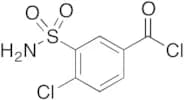

![N,N’-Di-Boc (R)-1-Azido-3-[[3-fluoro-4-(morpholin-4-yl)phenyl]amino]propan-2-yl Acetate](/_next/image/?url=https%3A%2Fstatic.cymitquimica.com%2Fproducts%2FTR%2Fthumb-webp%2FD422605.webp&w=3840&q=75)

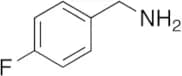
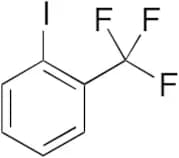
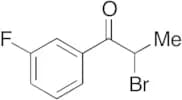
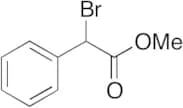


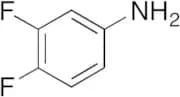
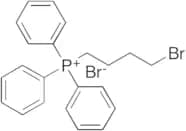
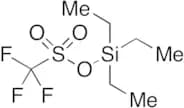

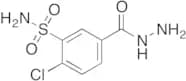
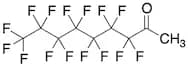

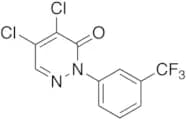

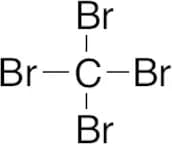
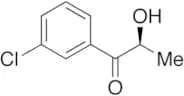

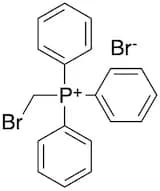
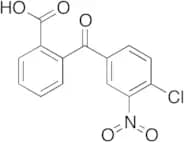
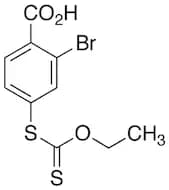
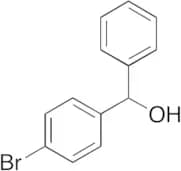
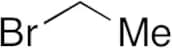
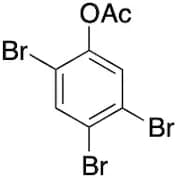
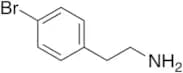

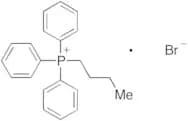

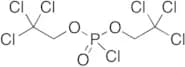
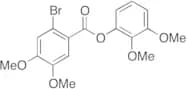

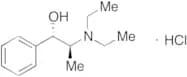
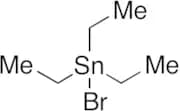
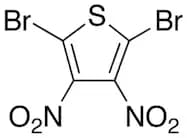
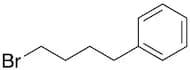
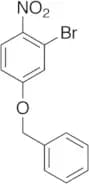
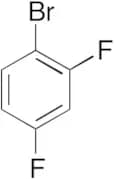
![Bis(2-chloroethyl) Ether(1,1'-Oxybis[2-chloro-ethane])](/_next/image/?url=https%3A%2Fstatic.cymitquimica.com%2Fproducts%2FTR%2Fthumb-webp%2FO870525.webp&w=3840&q=75)
![2-(Acetylamino)-2-[2-(4-bromo-2-chlorophenyl)ethyl]propanedioic Acid 1,3-Diethyl Ester](/_next/image/?url=https%3A%2Fstatic.cymitquimica.com%2Fproducts%2FTR%2Fthumb-webp%2FA170940.webp&w=3840&q=75)

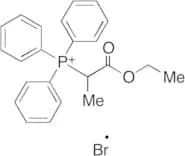
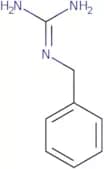

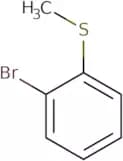
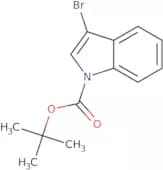
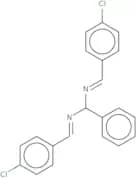
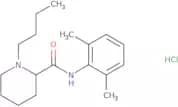
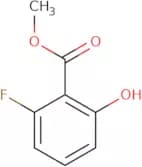
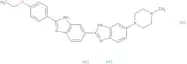


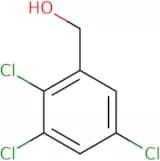

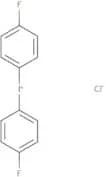
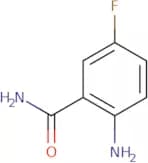
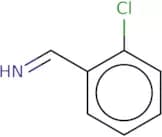
![[(1,2-Dimethyl-1H-benzimidazol-5-yl)methyl]amine dihydrochloride](/_next/image/?url=https%3A%2Fstatic.cymitquimica.com%2Fproducts%2F3D%2Fthumb-webp%2FFD135142.webp&w=3840&q=75)
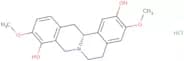
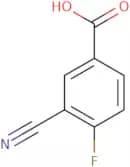
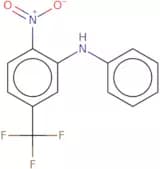
![2-[[(2,4-Difluorophenyl)-2-oxiranyl]methyl]-1H-1,2,4-triazole methanesulfonate](/_next/image/?url=https%3A%2Fstatic.cymitquimica.com%2Fproducts%2F3D%2Fthumb-webp%2FFD104245.webp&w=3840&q=75)
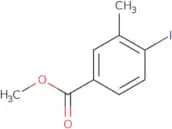
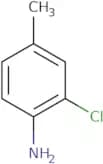
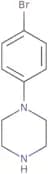
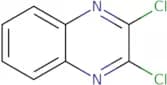
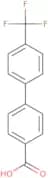
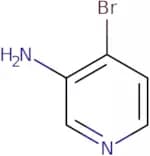
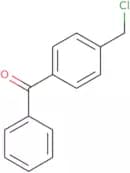
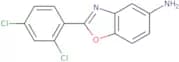
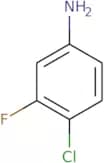
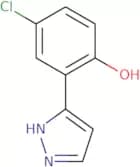

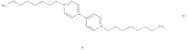
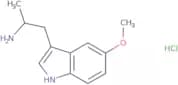
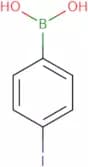
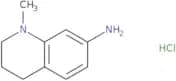

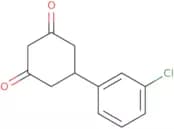
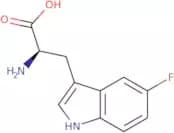
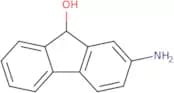

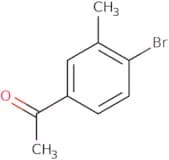
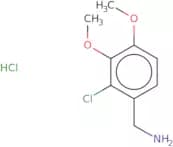
![7-Bromo-2-chlorothieno[3,2-d]pyrimidine](/_next/image/?url=https%3A%2Fstatic.cymitquimica.com%2Fproducts%2F3D%2Fthumb-webp%2FFB156457.webp&w=3840&q=75)

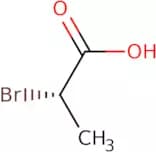
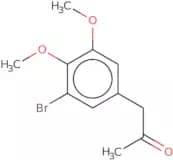
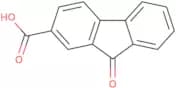

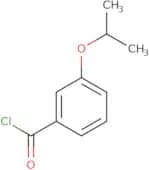
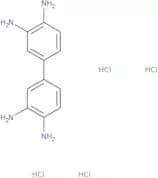
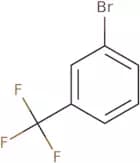
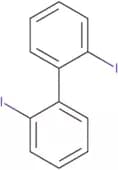
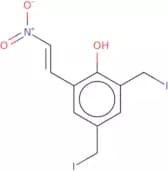
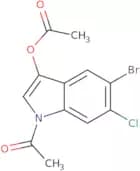
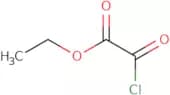
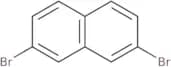

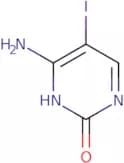
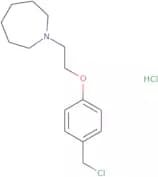
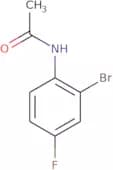


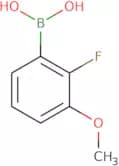
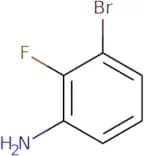
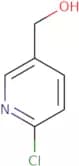

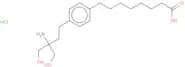
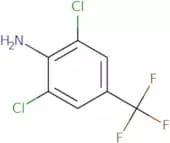

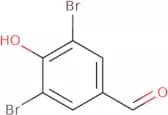

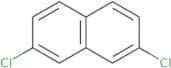

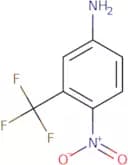
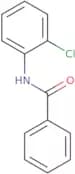
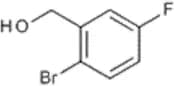
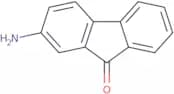
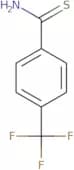
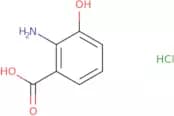

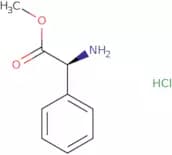
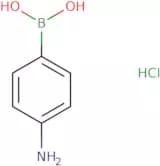
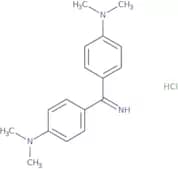
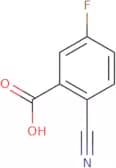

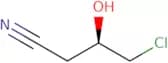
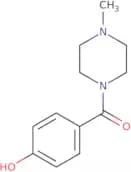
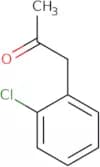
![5,7-Dichloro-1H-imidazo[4,5-b]pyridine](/_next/image/?url=https%3A%2Fstatic.cymitquimica.com%2Fproducts%2F3D%2Fthumb-webp%2FFD139433.webp&w=3840&q=75)
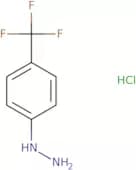
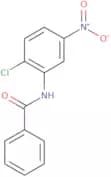
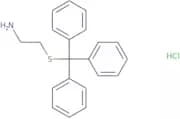

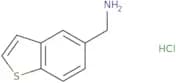

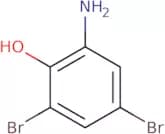
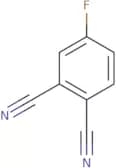

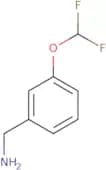

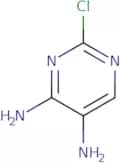
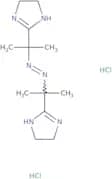
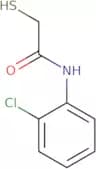
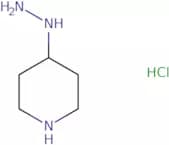
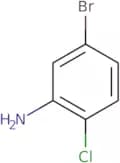
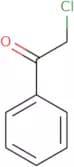
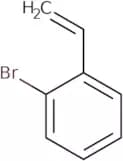
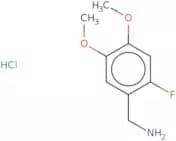

![(S,S,S)-2-Azabicyclo[3.3.0]octane-3-carboxylic acid benzyl ester hydrochloride](/_next/image/?url=https%3A%2Fstatic.cymitquimica.com%2Fproducts%2F3D%2Fthumb-webp%2FFA18053.webp&w=3840&q=75)
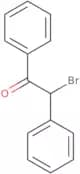

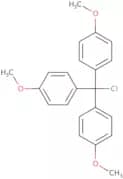
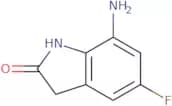
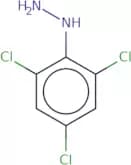
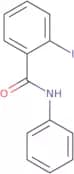
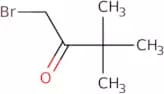
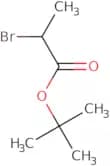
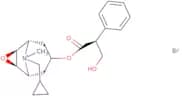
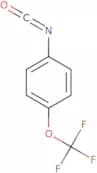
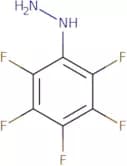
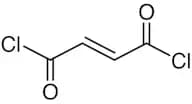

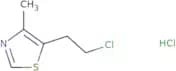
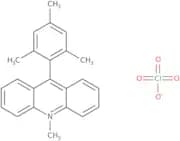
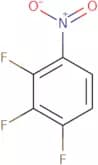
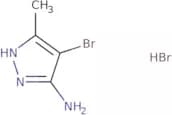
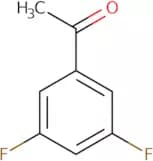
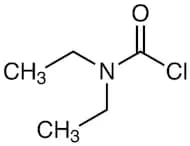
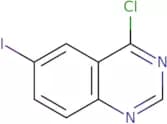
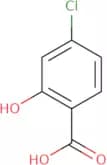
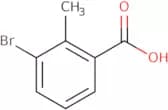
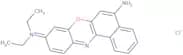
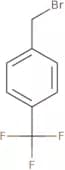
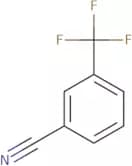
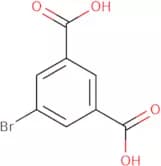
![2-[4-(Trifluoromethyl)Phenoxy]Benzoic Acid](/_next/image/?url=https%3A%2Fstatic.cymitquimica.com%2Fproducts%2F3D%2Fthumb-webp%2FFT53144.webp&w=3840&q=75)
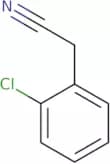
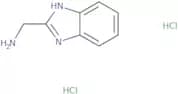
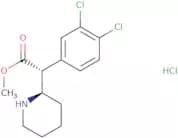

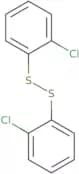

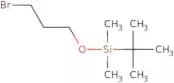
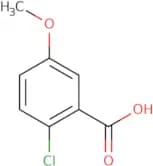
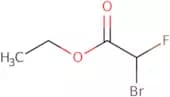
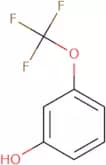
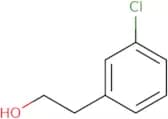
![3-Methyl-3,8-diaza-bicyclo[3.2.1]octane dihydrochloride](/_next/image/?url=https%3A%2Fstatic.cymitquimica.com%2Fproducts%2F3D%2Fthumb-webp%2FFM140947.webp&w=3840&q=75)