Antimicrobials
Antimicrobials are agents that destroy or inhibit the growth of microorganisms, including bacteria, viruses, fungi, and parasites. These compounds are essential in the prevention and treatment of infections, playing a crucial role in medicine, agriculture, and the food industry. At CymitQuimica, we offer an extensive range of high-quality, high-purity antimicrobials suitable for various scientific and industrial applications. Our catalog includes antibiotics, antifungals, antivirals, and disinfectants, all designed to meet the needs of research and development, as well as clinical and production applications. With our products, professionals can ensure the effectiveness and safety in infection control and public health protection.
Subcategories of "Antimicrobials"
- Antibiotics(4,111 products)
- Antifungals(835 products)
- Antiparasitics(704 products)
- Antivirals(762 products)
Found 2422 products of "Antimicrobials"
Sort by
Purity (%)
0
100
|
0
|
50
|
90
|
95
|
100
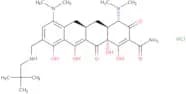
Dalbavancin HCl
CAS:<p>Second-generation lipoglycopeptide antibiotic</p>Formula:C88H100Cl2N10O28·HClPurity:85 To 105%Color and Shape:White Off-White PowderMolecular weight:1,853.15 g/molCytarabine hydrochloride - Bio-X ™
CAS:<p>Cytarabine is a pyrimidine nucleoside analogue that is used to treat leukaemia especially, non-lymphocytic leukaemia. This drug also has anti-viral and immunosuppressant properties. Cytarabine is cytotoxic and acts through direct DNA damage. Although its mechanism of action is not fully understood, it is said to inhibit DNA polymerase.</p>Formula:C9H13N3O5•HClPurity:Min. 95%Color and Shape:PowderMolecular weight:279.68 g/molC-390, Antibiotic for Culture Media Use Only
CAS:<p>C-390 is an antibacterial agent. Selective isolation of Pseudomonas aeruginosa from other bacterial species when added to an agar medium.</p>Formula:C29H27ClN2HClPurity:Min. 98.0 Area-%Molecular weight:490.05 g/molCeftibuten dihydrate
CAS:<p>Ceftibuten dihydrate is a third-generation cephalosporin antibiotic with action on bacterial cell wall synthesis and is used for treating respiratory tract infections, otitis media, and urinary tract infections.</p>Formula:C15H14N4O6S2•(H2O)2Purity:Min. 95%Color and Shape:PowderMolecular weight:446.46 g/molTobramycin
CAS:<p>Tobramycin used to treat severe infections with gram-negative bacteria and it is often applied in combination with beta-lactams. It has similar antimicrobial effects to gentamicin and is effective against all Enterobacteriacae, but more effective than gentamicin against P. aeruginosa, which is why it is often used for gentamicin-resistant strains, especially in the case of cystic fibrosis.</p>Formula:C18H37N5O9Purity:Min. 97 Area-%Color and Shape:White PowderMolecular weight:467.51 g/molVelpatasvir
CAS:<p>Antiviral; Hepatitis C virus NS5A antagonist</p>Formula:C49H54N8O8Purity:Min. 95 Area-%Color and Shape:White PowderMolecular weight:883 g/molC-390
CAS:<p>Antibiotic; used in selective media for P. aeruginosa</p>Formula:C29H27ClN2·HClPurity:Min. 98 Area-%Color and Shape:PowderMolecular weight:475.45 g/molCeftolozane sulfate
CAS:<p>Ceftolozane sulfate is a cephalosporin antibiotic with action against multidrug-resistant gram-negative bacteria and is used for treating complicated urinary tract infections and intra-abdominal infections.</p>Formula:C23H31N12O8S2•HO4SPurity:Min. 95%Color and Shape:PowderMolecular weight:764.77 g/molCaspofungin acetate
CAS:Controlled Product<p>Inhibitor of glucan synthase; antifungal compound</p>Formula:C52H88N10O15·2C2H4O2Purity:Min. 90 Area-%Color and Shape:PowderMolecular weight:1,213.42 g/molOritavancin
CAS:<p>Oritavancin is a semi-synthetic lipoglycopeptide antibiotic that inhibits bacterial cell wall synthesis by binding to the D-alanyl-D-alanine moiety of peptidoglycan precursors. It has been shown to be active against methicillin-resistant Staphylococcus aureus (MRSA) and Clostridium perfringens. Oritavancin also inhibits the growth of thp-1 cells in vitro and has been shown to be effective against endocarditis caused by MRSA.</p>Formula:C86H97Cl3N10O26Purity:Min. 95%Color and Shape:PowderMolecular weight:1,793.1 g/molSTAADIUM™ GalactoZide II
CAS:<p>STAADIUM™ GalactoZide II is a targeted inhibitor for β-galactosidase producing bacteria. The antibacterial activity of STAADIUM™ GalactoZide II is triggered by the enzyme β-galactosidase which is produced by E.coli (EHEC), thermophilic lactic acid bacteria, and other coliform bacteria. STAADIUM™ GalactoZide II can help to selectively inhibit the growth of E. coli in complex bacterial cultures and can be used in microbiome studies, food control, environmental safety, hygiene, and clinical diagnostics. STAADIUM™ GalactoZide II is not compatible with some experimental conditions, e.g. pH indicators such as neutral red, indigo stains, and possibly H2S staining. STAADIUM™ GalactoZide II can be added as an enzyme-specific selective supplement to agar plates and as an enrichment agent to broth culture.</p>Formula:C18H21NO7SPurity:Min. 95.0 Area-%Molecular weight:395.43 g/molSTAADIUM™ PeptiZide L-Ala
CAS:<p>STAADIUMTM PeptiZide L-Ala is a targeted inhibitor for L-alanine aminopeptidase-producing bacteria. The antibacterial activity of STAADIUMTM PeptiZide L-Ala is triggered by the enzyme L-alanine aminopeptidase, an enzyme located in the bacterial cell wall and is a characteristic of Gram-negative bacteria. L-alanine aminopeptidase has not been experimentally detected in Campylobacter species, anaerobic bacilli, Gram-positive and Gram-variable bacteria. More details in the application notes document.</p>Formula:C15H18ClN3O2SPurity:Min. 95 Area-%Color and Shape:PowderMolecular weight:339.84 g/molSulbactam sodium
CAS:<p>Sulbactam sodium is a beta-lactamase inhibitor with action on bacterial beta-lactamase enzymes and is used for enhancing the efficacy of beta-lactam antibiotics.</p>Formula:C8H10NNaO5SColor and Shape:White Off-White PowderMolecular weight:255.22 g/molAlvespimycin hydrochloride
CAS:<p>Alvespimycin hydrochloride is a chemical inhibitor that binds and inhibits the ATP-binding site of Hsp90, an enzyme involved in protein synthesis. This inhibition prevents the release of other proteins that are needed for protein synthesis, leading to cell death. Alvespimycin hydrochloride has been shown to have anti-cancer properties in vitro assays. Alvespimycin hydrochloride is a semi-synthetic derivative of the antibiotic geldanamycin</p>Formula:C32H48N4O8Purity:Min. 95%Color and Shape:PowderMolecular weight:616.75 g/molRafoxanide
CAS:<p>Anthelmintic; anti-parasitic</p>Formula:C19H11Cl2I2NO3Purity:Min. 95%Color and Shape:PowderMolecular weight:626.01 g/molTobramycin, Antibiotic for Culture Media Use Only
CAS:Controlled Product<p>Tobramycin is used to treat severe infections with gram-negative bacteria and it is often applied in combination with beta-lactams. It has similar antimicrobial effects to gentamicin and is effective against all Enterobacteriacae, but more effective than gentamicin against P. aeruginosa, which is why it is often used for gentamicin-resistant strains, especially in the case of cystic fibrosis.</p>Formula:C18H37N5O9Purity:Min. 97 Area-%Molecular weight:467.51 g/molRef: 3D-Q-201837
10gTo inquire25gTo inquire50gTo inquire100gTo inquire250gTo inquire-Unit-ggTo inquirePenicillin G sodium
CAS:<p>Penicillin G sodium is a natural penicillin antibiotic with action on bacterial cell wall synthesis and is used for treating bacterial infections such as pneumonia, gonorrhea, and anthrax.</p>Formula:C16H17N2NaSO4Color and Shape:White PowderMolecular weight:356.37 g/molDoravirine
CAS:<p>Non-nucleoside inhibitor of reverse transcriptase; anti-viral</p>Formula:C17H11ClF3N5O3Purity:Min. 97 Area-%Color and Shape:White PowderMolecular weight:425.75 g/molBiapenem
CAS:<p>Biapenem is a carbapenem antibiotic and is used for the treatment of bacterial infections. It inhibits bacterial cell wall synthesis by binding to penicillin-binding proteins.</p>Formula:C15H18N4O4SPurity:Min. 95%Color and Shape:White PowderMolecular weight:350.39 g/molNigericin sodium - from Streptomyces hygroscopicus
CAS:<p>Membrane pore-forming agent; H+, K+, Pb2+ ionophore; polyether antibiotic</p>Formula:C40H67O11NaPurity:Min. 95%Color and Shape:White PowderMolecular weight:746.94 g/molMaduramicin ammonium
CAS:<p>Maduramicin ammonium is an anticoccidial agent with action on protozoal parasites by disrupting ion gradients and is used for preventing coccidiosis in poultry.</p>Formula:C47H83NO17Purity:Min. 95%Color and Shape:PowderMolecular weight:934.16 g/molAmikacin hydrate
CAS:<p>Inhibitor of protein synthesis; aminoglycoside</p>Formula:C22H43N5O13·xH2OPurity:Min. 900 Μg/MgColor and Shape:PowderMolecular weight:585.6 g/molSimeprevir
CAS:<p>Anti-viral; NS3/4A protease inhibitor_x000D_</p>Formula:C38H47N5O7S2Purity:Min. 95%Color and Shape:PowderMolecular weight:749.94 g/molOleandomycin phosphate
CAS:Controlled Product<p>Oleandomycin phosphate is a macrolide antibiotic with action on bacterial protein synthesis inhibition and is used for treating respiratory tract infections and as a veterinary antibiotic.</p>Formula:C35H64NO16PPurity:(%) Reported (%)Color and Shape:PowderMolecular weight:785.85 g/molSTAADIUM™ GalactoZide I
CAS:<p>STAADIUM GalactoZide I is a targeted inhibitor for β-galactosidase producing bacteria. The antibacterial activity of STAADIUM GalactoZide I is triggered by the enzyme β-galactosidase which is produced by E.coli (EHEC), thermophilic lactic acid bacteria, and other coliform bacteria. STAADIUM GalactoZide I can help to selectively inhibit the growth of E. coli in complex bacterial cultures and can be useful in microbiome studies, food control, environmental safety, hygiene, and clinical diagnostics. GalactoZide I has a slightly lower inhibitory activity on coliforms compared to STAADIUM GalactoZide II but has a higher compatibility with pH indicators, e.g. neutral red and H2S staining.</p>Formula:C11H15NO7Purity:Min. 95 Area-%Molecular weight:273.24 g/molRef: 3D-Z-4006_P00
1gTo inquire5gTo inquire250mgTo inquire500mgTo inquire2500mgTo inquire-Unit-ggTo inquireCeftaroline fosamil acetate hydrate
CAS:<p>Ceftaroline fosamil acetate hydrate is a fifth-generation cephalosporin antibiotic with action against gram-positive bacteria, including MRSA and is used for treating bacterial skin infections and community-acquired pneumonia.</p>Formula:C22H22N8O8PS4•C2H3O2•H2OPurity:Min. 90 Area-%Color and Shape:PowderMolecular weight:762.76 g/molMicafungin sodium
CAS:<p>Anti-fungal; glucan synthase inhibitor</p>Formula:C56H70N9NaO23SPurity:Min. 97 Area-%Color and Shape:White PowderMolecular weight:1,292.26 g/molRetapamulin
CAS:<p>Antibiotic; binds bacterial ribosomes to inhibit protein synthesis</p>Formula:C30H47NO4SPurity:Min. 95%Color and Shape:PowderMolecular weight:517.76 g/molIvermectin
CAS:<p>Naturally produced by the soil bacterium Streptomyces avermitili, it is clinically used in the treatment of parasitosis in both humans and animals. Ivermectin is commercially available as a mixture of 80% 22, 23-dihydroavermectin B1a and 20% 22, 23-dihydroavermectin B1b. In 2020, Ivermectin indicated that it was a good antiviral agent in the treatment of SARS-CoV-2 and a new mechanism of action has been suggested. Ivermectin would act on importin α/β heterodimer and affect nuclear transport and the translocation of viral proteins.</p>Formula:C48H74O14Purity:Min. 90 Area-%Color and Shape:White Yellow PowderMolecular weight:875.09 g/molHexadecylphosphocholine
CAS:<p>Hexadecylphosphocholine, better known as miltefosine, belongs to the group of phospholipids. The long alkyl chain and a polar group of a molecule proved to be essential for antitumor activity, especially to cure breast cancer cells. The apoptotic process takes place in the plasma membrane, where molecules are inserted and then influence signaling pathways. Moreover, during preclinical studies hexadecylphosphocholine (He-PC) found to be highly effective in inhibiting the growth of chemically induced rat mammary carcinomas, and even a high percentage of the tumors regressed completely. The He-PC has many more applications such as antifungal agent, antiprotozoal drug, protein kinase inhibitor or immunomodulator. Even though miltefosine was originally developed in the 1980s as an anti-cancer agent, new studies have demonstrated activity against Leishmania parasites and neoplastic cells, and due to broad spectrum of antimicrobial effects, it is recommended as a first line treatment for free-living amebae infections.</p>Formula:C21H46NO4PMolecular weight:407.57 g/molRef: 3D-M-7200
1gTo inquire5gTo inquire10gTo inquire500mgTo inquire2500mgTo inquire-Unit-ggTo inquireColistin sodium methanesulfonate
CAS:<p>Colistin sodium methanesulfonate is an antibiotic, which is a derivative of polymyxin E sourced from the bacterium Paenibacillus polymyxa. Its mode of action involves disrupting the bacterial cell membrane by interacting with lipopolysaccharides and phospholipids, leading to cell death.</p>Formula:C58H115N16Na5O28S5Purity:ReportedColor and Shape:PowderMolecular weight:1,759.9 g/molIvermectin 8α-hydroperoxide
<p>**Ivermectin 8α-hydroperoxide** is a derivative of the antiparasitic agent ivermectin, which is synthesized through chemical modification. Ivermectin originally derives from the fermentation products of the bacterium *Streptomyces avermitilis*. The modification to form 8α-hydroperoxide involves the addition of a hydroperoxide group, potentially altering its biological properties.</p>Formula:C48H74O16Purity:Min. 95%Molecular weight:907.09 g/molSarafloxacin hydrochloride
CAS:<p>Sarafloxacin hydrochloride is a fluoroquinolone antibiotic with action on bacterial DNA gyrase and topoisomerase IV and is used for treating bacterial infections in veterinary medicine.</p>Formula:C20H18ClF2N3O3Purity:Min. 95%Color and Shape:Off-White PowderMolecular weight:421.82 g/molDifloxacin HCl - Bio-X ™
CAS:<p>Difloxacin is a bactericidal, broad-spectrum, fluroquinolone antibiotic which is active against both Gram-positive and Gram-negative bacteria. By interfering with the bacterial enzyme DNA gyrase, which is necessary for the upkeep and synthesis of bacterial DNA, it causes an antibacterial impact. It is used for the treatment of many bacterial infections including skin infections.</p>Formula:C21H19F2N3O3•HClPurity:Min. 95%Color and Shape:PowderMolecular weight:435.85 g/molFluconazole - Bio-X ™
CAS:<p>Fluconazole is an antifungal drug used to treat a wide range of fungal infections. Fluconazole is a cytochrome demethylase system inhibitor that acts by interfering with β-glucan biosynthesis. It has been shown to be effective in treating candidemia, a life-threatening form of candidiasis caused by the fungus Candida albicans. Fluconazole seems to be more effective than amphotericin B in treating some isolates of C. albicans, making it a valuable tool in the fight against this deadly fungal infection, although due to the increase of antimicrobial resistance, fluconazole has been studied in combination with other drugs (e.g. farnesol).</p>Formula:C13H12F2N6OPurity:(%) Min. 95%Color and Shape:PowderMolecular weight:306.27 g/molEfavirenz - Bio-X ™
CAS:<p>Efavirenz is a non-nucleoside-based reverse transcriptase inhibitor (NNRTI) of the reverse transcriptase of HIV-1. It inhibits the viral enzyme reverse transcriptase by binding to its active site. In certain cell culture assays, Efavirenz showed great efficiency when inhibiting wild-type HIV-1 replication. In the treatment of HIV, Efavirenz has been studied in combination with Emtricitabine and Tenofovir disoproxil fumarate for ease of administration in some clinical studies. Recent in vitro cell studies indicated Efavirenz is a potential treatment for pancreatic, prostate and triple-negative breast cancers due to its cytotoxicity against cancer cells.Efavirenz is part of our Bio-X ™ Range. These products are aimed at life science researchers who need high quality ready to use products for assay development, screening or other R&D work. With a solubility datasheet and convenient vials, all of our Bio-X ™ products are in stock across our global warehouses for rapid delivery and ease of use.</p>Formula:C14H9ClF3NO2Purity:Min. 95%Color and Shape:PowderMolecular weight:315.67 g/molKanamycin B
CAS:<p>Kanamycin B is a broad spectrum antibiotic active against both gram-positive and gram-negative bacteria, often used to treat eye infections. Compared to Kanamycin A, it exhibits stronger interaction with the acidic phospholipids.</p>Formula:C18H37N5O10Purity:Min. 95%Color and Shape:PowderMolecular weight:483.51 g/molAnhydro chlortetracycline HCl
CAS:<p>Anhydro chlortetracycline HCl is an antibiotic and is used for the treatment of bacterial infections. It binds to the 30S ribosomal subunit, inhibiting protein synthesis</p>Formula:C22H21ClN2O7·HClPurity:Min. 95%Color and Shape:Orange SolidMolecular weight:497.32 g/molTelithromycin
CAS:<p>Ketolide; binds bacterial ribosomes and inhibits translation</p>Formula:C43H65N5O10Purity:Min. 95%Color and Shape:White PowderMolecular weight:812 g/molMezlocillin sodium
CAS:<p>Mezlocillin sodium is a sodium salt form of mezlocillin with similar action and applications as mezlocillin.</p>Formula:C22H26N6O9S2•NaPurity:Min. 95%Color and Shape:PowderMolecular weight:605.6 g/molMetronidazole
CAS:<p>Metronidazole is a nitroimidazole antibiotic with action on anaerobic bacteria and protozoa by disrupting DNA synthesis and is used for treating infections like bacterial vaginosis, trichomoniasis, and certain parasitic infections.</p>Formula:C6H9N3O3Purity:Min. 95%Color and Shape:PowderMolecular weight:171.15 g/molTigecycline
CAS:<p>Inhibitor of protein synthesis; glycylcycline class</p>Formula:C29H39N5O8Purity:Min. 98 Area-%Color and Shape:Orange PowderMolecular weight:585.65 g/molAzithromycin
CAS:<p>A broad-spectrum antibiotic of macrolide class which targets 50S ribosome subunit and inhibits protein synthesis. Azithromycin is a semi-synthetic acid-stable derivative of erythromycin. In vitro, azithromycin is more efficient than erythromycin in some Gram-negative organisms such as Haemophilus influenzae, Haemophilus parainfluenzae, Moraxella catarrhalis, Neisseria gonorrhoeae and Borrelia burgdorferi.</p>Formula:C38H72N2O12Purity:945.0 To 1030.0 U/MgColor and Shape:White PowderMolecular weight:748.98 g/molTrimethoprim
CAS:<p>Trimethoprim is a diaminopyrimidine antibiotic with action on bacterial folate synthesis inhibition and is used for treating urinary tract infections and respiratory infections.</p>Formula:C14H18N4O3Purity:Min. 95%Color and Shape:PowderMolecular weight:290.32 g/molOfloxacin
CAS:<p>Ofloxacin is a fluoroquinolone antibiotic with action on bacterial DNA gyrase and topoisomerase IV and is used for treating bacterial infections like pneumonia, urinary tract infections, and skin infections.</p>Formula:C18H20FN3O4Purity:Min 98%Color and Shape:PowderMolecular weight:361.37 g/mol9-Deoxo-9a-aza-9a-homo erythromycin A
CAS:<p>9-Deoxo-9a-aza-9a-homo erythromycin A is a semi-synthetic macrolide antibiotic, which is derived from the naturally occurring antibiotic erythromycin. This compound is structurally modified to enhance its pharmacokinetic properties and antibacterial spectrum. By altering the erythromycin molecule, 9-Deoxo-9a-aza-9a-homo erythromycin A introduces a nitrogen atom into the lactone ring, thereby modifying its interaction with bacterial ribosomes.</p>Formula:C37H70N2O12Purity:(%) Min. 90%Color and Shape:White PowderMolecular weight:734.96 g/molAmpicillin sodium
CAS:<p>Ampicillin sodium is a broad-spectrum antibiotic, which is a semisynthetic derivative of penicillin. It is sourced from the natural fermentation products of Penicillium fungi, followed by chemical modification. Ampicillin functions by inhibiting bacterial cell wall synthesis. This is achieved through the irreversible binding to penicillin-binding proteins (PBPs), which play a crucial role in constructing the peptidoglycan layer of bacterial cell walls. This interruption of cell wall synthesis leads to cell lysis and ultimately the death of the bacteria.</p>Formula:C16H18N3O4S·NaPurity:Min. 95%Color and Shape:White PowderMolecular weight:371.4 g/molAztreonam
CAS:<p>A β-lactam antibiotic of monobactam subclass, which targets peptidoglycan synthesis in bacterial cell wall. Aztreonam is effective against Gram-negative aerobic bacteria and is more resistant to β-lactamases than other β-lactam antibiotics.</p>Formula:C13H17N5O8S2Purity:Min. 97 Area-%Color and Shape:White Off-White PowderMolecular weight:435.43 g/molPhleomycin HCl
CAS:<p>Phleomycin HCl is an antibiotic compound derived from *Streptomyces verticillus*, which is known for its robust DNA-cleaving activity. As an antibiotic, it functions primarily by inducing breaks in DNA strands, thereby inhibiting DNA replication and transcription processes. This mechanism of action is particularly effective in targeting rapidly dividing cells, making Phleomycin a valuable tool in molecular biology.</p>Formula:C55H85O21N20S2Cu•HClColor and Shape:Blue PowderMolecular weight:1,525 g/molDalbavancin
CAS:<p>Dalbavancin is a lipoglycopeptide antibiotic with action against gram-positive bacteria, including MRSA and is used for treating acute bacterial skin and skin structure infections.</p>Formula:C88H100Cl2N10O28Purity:Min. 95%Color and Shape:PowderMolecular weight:1,816.69 g/molMolnupiravir
CAS:Controlled Product<p>EIDD 2801 is an orally bioavailable prodrug of β-D-N4-hydroxycytidine and was shown to inhibit SARS-CoV-2 replication in human airway epithelial cells. EIDD 2801 was also tested in mice infected with SARS-CoV and MERS-CoV viruses. EIDD 2801 targets the RNA-dependent RNA polymerase (RdRp) and reduces virus titer and improved pulmonary function in experimental animals when used in prophylactic and therapeutic regime.</p>Formula:C13H19N3O7Purity:Min. 98 Area-%Color and Shape:PowderMolecular weight:329.31 g/molDarunavir ethanolate- Bio-X ™
CAS:<p>Darunavir is an HIV protease inhibitor that is used in the treatment of HIV-1 infection. This drug inhibits HIV-1 protease from binding and catalyzing by attaching to the enzyme and preventing HIV replication.</p>Formula:C27H37N3O7S·C2H6OPurity:Min. 99 Area-%Color and Shape:PowderMolecular weight:593.73 g/molSpiramycin base
CAS:<p>A broad-spectrum antibiotic of macrolide class, which inhibits 50S ribosomal subunit and inhibits protein synthesis. Spiramycin is also effective against Gram-positive and gram-negative bacteria as well as protozoal parasite Toxoplasma gondii.</p>Formula:C43H74N2O14Purity:Min. 95%Color and Shape:White PowderMolecular weight:843.05 g/molCyclosporin A
CAS:<p>Binds cyclophilin D and inhibits calcineurin; immunosuppressant</p>Formula:C62H111N11O12Purity:Min. 98.5 Area-%Color and Shape:White PowderMolecular weight:1,202.61 g/molCefaclor
CAS:<p>Inhibitor of bacterial cell wall biogenesis; cephalosporin</p>Formula:C15H14ClN3O4SPurity:Min. 95 Area-%Color and Shape:White PowderMolecular weight:367.81 g/molDesfuroyl ceftiofur sodium
CAS:<p>Desfuroyl ceftiofur sodium is a veterinary cephalosporin antibiotic, which is derived from cephalosporin C, a beta-lactam antibiotic produced by the fungus Cephalosporium acremonium. Its mode of action involves the inhibition of bacterial cell wall synthesis by binding to and inactivating penicillin-binding proteins (PBPs). This prevents the cross-linking of peptidoglycan layers, leading to cell lysis and bacterial death, particularly effective against Gram-negative and some Gram-positive bacteria.</p>Formula:C14H15N5O5S3•NaPurity:Min. 95%Molecular weight:452.5 g/molNeomycin EP impurity C (Neomycin C) trifluoroacetate
CAS:<p>Neomycin EP impurity C (Neomycin C) trifluoroacetate is a reference standard, which is a meticulously characterized chemical impurity often used in pharmaceutical analysis. This compound is derived from the fermentation of *Streptomyces fradiae*, which produces a complex mixture of aminoglycoside antibiotics, including Neomycin B and Neomycin C.</p>Formula:C23H46N6O13•(C2HF3O2)xPurity:Min. 95%Lactoferrin
CAS:<p>Lactoferrin is a multifunctional glycoprotein, which is primarily sourced from bovine milk, human milk, and other mammalian secretions. With its high affinity for iron, lactoferrin sequesters iron ions, which inhibits bacterial growth by depriving them of the iron necessary for proliferation. This mechanism enables lactoferrin to exhibit potent antimicrobial properties.</p>Formula:C141H224N46O29S3Purity:Min. 95%Color and Shape:PowderMolecular weight:3,123.8 g/molValidoxylamine A
CAS:<p>Validoxylamine A is an antibiotic, which is a secondary metabolite produced by certain strains of the Actinomyces species. It functions as a potent inhibitor of the enzyme glucose isomerase, which plays a crucial role in the isomerization of glucose to fructose, an important biochemical reaction in various microbial and plant systems.</p>Formula:C14H25NO8Purity:Min. 95%Molecular weight:335.35 g/molEnduracidin hydrochloride
CAS:<p>Enduracidin hydrochloride is an antimicrobial compound, which is a lipopeptide antibiotic derived from the genus Streptomyces, specifically Streptomyces fungicidicus or Streptomyces roseosporus. The compound exerts its antimicrobial activity by inhibiting the synthesis of bacterial cell walls, primarily targeting the lipid II cycle, a critical precursor in the peptidoglycan synthesis pathway. This inhibition disrupts the construction of peptidoglycan layers, ultimately leading to bacterial cell lysis and death.</p>Formula:C107H138Cl2N26O31HClPurity:Min. 95%Molecular weight:2,391.76 g/molGalidesivir dihydrochloride
CAS:<p>Galidesivir dihydrochloride is an investigational antiviral drug, which is a synthetic nucleoside analogue with broad-spectrum activity. It is derived from a modified adenosine analog structure, targeting viral RNA-dependent RNA polymerases. Galidesivir functions through the incorporation into viral RNA, leading to premature termination of RNA synthesis, effectively inhibiting viral replication. This mechanism aligns with its utility in combating various RNA viruses.</p>Formula:C11H15N5O3•(HCl)2Purity:Min. 95%Molecular weight:338.19 g/molVulgamycin
CAS:<p>Vulgamycin is a novel antibiotic, which is derived from a specific strain of soil bacteria belonging to the genus *Streptomyces*. This microorganism is known for its prolific secondary metabolite production, enabling the development of unique compounds with therapeutic potential. Vulgamycin operates by inhibiting bacterial cell wall synthesis, a mechanism of action that targets key enzymatic pathways, resulting in effective bactericidal activity against a wide range of Gram-positive bacteria.</p>Formula:C22H20O10Purity:Min. 95%Molecular weight:444.4 g/molDolutegravir sodium
CAS:<p>Dolutegravir sodium is an HIV integrase strand transfer inhibitor with action on HIV integrase to block viral replication and is used for treating HIV/AIDS in combination with other antiretroviral medications.</p>Formula:C20H19F2N3NaO5Purity:(Hplc) 98.0 To 102.0%Color and Shape:PowderMolecular weight:442.40 g/mol9’-deoxy-8’,8’-dihydroxyherbicidin
CAS:<p>9’-Deoxy-8’,8’-dihydroxyherbicidin is a specialized compound, classified as an antibacterial agent and secondary metabolite, which is naturally derived from microbial sources, specifically certain strains of actinomycetes. These microorganisms are prolific producers of bioactive secondary metabolites, including antibiotics and herbicidins, which exhibit diverse biological activities.</p>Formula:C18H23N5O9Purity:Min. 95%Molecular weight:453.4 g/molAdefovir - Bio-X ™
CAS:<p>Adefovir is an antiviral drug that is used for the treatment of hepatitis B infections. This drug works by blocking the enzyme reverse transcriptase, therefore preventing the replication of the virus in the body.</p>Formula:C8H12N5O4PPurity:Min. 95%Color and Shape:PowderMolecular weight:273.19 g/molHerbicidin H
CAS:<p>Herbicidin H is a naturally occurring microbial herbicide, which is derived from specific strains of soil-borne bacteria. This compound is primarily isolated from Streptomyces species, known for their prolific production of various bioactive secondary metabolites. The mode of action of Herbicidin H involves the disruption of essential cellular processes within plant cells, particularly affecting nucleic acid synthesis. This disruption leads to impaired growth and eventual plant death, making it a potent agent against a range of undesirable plant species.</p>Formula:C22H27N5O11Purity:Min. 95%Molecular weight:537.48 g/mol3'-N,N-Di(desmethyl) azithromycin
CAS:<p>A derivative of azithromycin, used as an antibiotic</p>Formula:C36H68N2O12Purity:Min. 95%Color and Shape:Off-white solid.Molecular weight:720.93 g/molLumefantrine - Bio-X ™
CAS:<p>This product is part of our Bio-X ™ Range. These products are aimed at life science researchers who need high quality ready-to-use products for assay development, screening or other R&D work. With a solubility datasheet and convenient vials, all of our Bio-X ™ products are in stock across our global warehouses for rapid delivery and ease of use.</p>Formula:C30H32Cl3NOPurity:Min. 95%Color and Shape:PowderMolecular weight:528.94 g/molClofarabine - Bio-X ™
CAS:<p>This product is part of our Bio-X ™ Range. These products are aimed at life science researchers who need high quality ready-to-use products for assay development, screening or other R&D work. With a solubility datasheet and convenient vials, all of our Bio-X ™ products are in stock across our global warehouses for rapid delivery and ease of use.</p>Formula:C10H11ClFN5O3Purity:Min. 95%Color and Shape:PowderMolecular weight:303.68 g/molSantonin
CAS:Controlled Product<p>Santonin is a terpenoid compound with action as an anthelmintic by paralyzing parasitic worms and is used for expelling intestinal worms.</p>Formula:C15H18O3Purity:Min. 98 Area-%Color and Shape:White PowderMolecular weight:246.3 g/mol2-Methyl-4-isothiazolin-3-one - 50% aqueous solution
CAS:<p>2-Methyl-4-isothiazolin-3-one is a biocidal agent, which is a synthetic compound derived from isothiazolinone chemistry. Its primary mode of action involves the inhibition of microbial cell growth by disrupting essential enzyme systems within the cells, leading to cell death. This compound is often supplied as a 50% aqueous solution, facilitating its integration into different mediums.</p>Formula:C4H5NOSMolecular weight:115.15 g/molRibavirin
CAS:Controlled Product<p>Ribavirin is a guanosine nucleoside analog with broad-spectrum antiviral properties. Ribavirin gets phosphorylated to ribavirin triphosphate in cells and competes with natural nucleotides for incorporation in a nascent RNA chain, thus interfering with RNA synthesis by inhibiting viral RNA polymerases. Ribavirin is also an inhibitor of inosinate dehydrogenase (IMP), which is involved in the biosynthesis of GTP.</p>Formula:C8H12N4O5Purity:Min. 95%Color and Shape:White PowderMolecular weight:244.2 g/mol2-[(2-Amino-6-oxo-3H-purin-9-yl)methoxy]ethyl (2S)-2-aminopropanoate
CAS:<p>2-[(2-Amino-6-oxo-3H-purin-9-yl)methoxy]ethyl (2S)-2-aminopropanoate is a nucleotide analog, a synthetic compound designed to mimic the structure of natural nucleotides incorporated into DNA. It is derived from chemical synthesis to specifically interfere with viral DNA replication. The compound acts by selectively inhibiting viral DNA polymerase, an enzyme essential for the replication of viral genetic material. This inhibition effectively halts the proliferation of the virus, rendering it unable to reproduce within the host cell.</p>Formula:C11H16N6O4Purity:Min. 95%Molecular weight:296.28 g/molGentamicin B
CAS:<p>Gentamicin B is an aminoglycoside antibiotic, which is derived from the bacterium Micromonospora. This derivative exhibits its mode of action by binding to the 30S subunit of the bacterial ribosome, disrupting protein synthesis. As a result, it causes misreading of mRNA, ultimately leading to cell death, thereby exhibiting bactericidal effects.</p>Formula:C19H38N4O10Purity:Min. 95%Molecular weight:482.5 g/molOxiconazole nitrate - Bio-X ™
CAS:<p>Oxiconazole is an anti-fungal agent that is used for the treatment of various dermatophyte infections. It can be used to treat athlete’s foot, ringworm and jock itch. This drug inhibits ergosterol biosynthesis and acts to destabilize the fungal cytochrome enzyme P450 51. Additionally, this drug has shown to inhibit DNA synthesis and suppress concentrations of ATP.</p>Formula:C18H14Cl4N4O4Purity:Min. 95%Color and Shape:PowderMolecular weight:492.14 g/molFengycin A analogue
CAS:<p>Fengycin A analogue is an antifungal lipopeptide, which is a cyclic compound derived from microbial sources, specifically produced by Bacillus subtilis strains. It functions primarily by disrupting the cell membranes of pathogenic fungi, leading to altered membrane permeability and subsequent cell death. The unique structure of fengycin allows it to interact with membrane lipids, compromising membrane integrity and inhibiting fungal growth.</p>Carbomycin
CAS:<p>Carbomycin is a macrolide antibiotic, which is derived from the bacterium Streptomyces halstedii. This antibiotic functions by binding to the 50S ribosomal subunit, thereby inhibiting bacterial protein synthesis. Through this mechanism, carbomycin effectively disrupts the growth and replication of susceptible bacterial strains, making it a potent tool in combating bacterial infections.</p>Formula:C42H67NO16Purity:Min. 95%Molecular weight:841.98 g/molCefditoren acid sodium
CAS:<p>Cefditoren acid sodium is an antibacterial agent that belongs to the class of third-generation cephalosporins, which is derived from Acremonium fungus and produced through chemical synthesis. This compound acts by inhibiting bacterial cell wall synthesis, leading to cell lysis and death. It achieves this by binding to specific penicillin-binding proteins (PBPs) located inside the bacterial cell wall. The interruption of peptidoglycan synthesis in the cell wall is crucial for maintaining bacterial cell integrity, and its inhibition results in the bactericidal activity of cefditoren acid sodium. It is effective against a range of Gram-positive and Gram-negative bacteria. The key applications of this compound include the treatment of bacterial infections such as respiratory tract infections, skin infections, and other conditions caused by susceptible bacteria. Its spectrum of activity and pharmacokinetic properties make it suitable for situations where third-generation cephalosporins are indicated. Understanding the specific interaction with PBPs and the resistance mechanisms is crucial for optimizing its clinical use and managing antibiotic resistance.</p>Formula:C19H17N6NaO5S3Purity:94%MinMolecular weight:528.56 g/molAmpicillin - Bio-X ™
CAS:<p>Ampicillin is a β-lactam antibiotic with a broad spectrum of activity against Gram-positive and Gram-negative bacteria. It is used in the treatment of bacterial infections, including those caused by methicillin-resistant Staphylococcus aureus (MRSA), Streptococcus pneumoniae, and Listeria monocytogenes. Ampicillin binds to penicillin-binding proteins in the bacterial cell wall by competitive inhibition. It prevents the formation of an antibiotic-inhibitor complex with the enzyme cell wall synthesis that is required for cell wall biosynthesis, inhibiting protein synthesis and cell division.</p>Formula:C16H19N3O4SPurity:Min. 95%Color and Shape:PowderMolecular weight:349.41 g/molCefatrizine
CAS:<p>Cefatrizine is a broad-spectrum antibiotic, which is a semisynthetic cephalosporin derived from cephalosporin C, a natural product originating from the fungus Acremonium chrysogenum. It exerts its mode of action through the inhibition of bacterial cell wall synthesis, a critical component for bacterial growth and replication. Specifically, cefatrizine targets and binds to penicillin-binding proteins (PBPs) located inside the bacterial cell wall, leading to the inhibition of peptidoglycan synthesis. This disruption results in cell lysis and ultimately bacterial cell death.</p>Formula:C18H18N6O5S2Purity:Min. 95%Molecular weight:462.5 g/molAmphotericin B - Bio-X ™
CAS:<p>Amphotericin B is a macrocycle antibiotic with very potent antifungal effects and resistance very rarely occurs. Amphotericin B is a polyene antifungal that binds to fungal cell membrane, i.e., ergosterol disrupts the membrane permeability leading to leakage of intracellular components. It is often used as an alternative therapy for leishmaniasis and to treat severe mycoses including: systemic Candida, Cryptococcus, blastomycosis, and histoplasmosis.</p>Formula:C47H73NO17Purity:Min. 75.0%Color and Shape:PowderMolecular weight:924.08 g/molCidofovir dihydrate - Bio-X ™
CAS:<p>Cidofovir is an anti-viral agent that is used to treat Cytomegalovirus (CMV) retinitis in patients with AIDS. This drug suppresses CMV replication by inhibiting viral DNA synthesis.</p>Formula:C8H14N3O6P•(H2O)2Purity:Min. 98 Area-%Color and Shape:PowderMolecular weight:315.22 g/molTaurolidine
CAS:Controlled Product<p>Taurine derivative; used to prevent infection in catheters</p>Formula:C7H16N4O4S2Color and Shape:White PowderMolecular weight:284.36 g/molPaclitaxel
CAS:<p>Tubulin ligand which promotes microtubule assembly and stabilises microtubule cytoskeleton against depolymerisation. The compound has anti-tumoral activity since its interference with cytoskeleton dynamics affects the assembly of mitotic spindle, segregation of chromosomes, cell division and blocks the cell cycle in G1 or M phase. The compound is also used for the purification of tubulin or microtubule-associated proteins.</p>Formula:C47H51NO14Purity:Min. 96.0 Area-%Molecular weight:853.91 g/molClevudine-d4
Controlled Product<p>Clevudine-d4 is a deuterium-labeled analog of the nucleoside analogue clevudine, which is a synthetic antiviral compound. It is derived from chemical synthesis, specifically designed for research purposes involving the metabolic and pharmacokinetic pathways of clevudine. Clevudine-d4 acts as an inhibitor of the hepatitis B virus (HBV) by interfering with the viral DNA polymerase. It incorporates into viral DNA, leading to chain termination during HBV replication.</p>Formula:C10H9FN2O5D4Purity:Min. 95%Molecular weight:264.25 g/molTerbinafine HCl - Bio-X ™
CAS:<p>Terbinafine is an antifungal drug that is used in the treatment of dermatophyte infections of the toenails and fingernails. Terbinafine also treats other skin infections. This drug works by inhibiting ergosterol synthesis which in return inhibits fungal squalene monooxygenase. This results in a disruption of fungal cell wall synthesis.</p>Formula:C21H25N•HClPurity:Min. 95%Color and Shape:PowderMolecular weight:327.89 g/molrec β-Defensin 2 (human)
CAS:<p>rec beta-Defensin 2 (human) is a recombinant peptide, which is a human-derived antimicrobial protein. It is sourced through recombinant DNA technology, enabling the production of a synthetic version of the natural peptide found in epithelial cells. Its mode of action involves disrupting microbial cell membranes, leading to cell lysis, in addition to modulating the immune response by interacting with immune cells and enhancing the production of cytokines.</p>Purity:Min. 95%Bleomycin
CAS:<p>Bleomycin is an antineoplastic antibiotic, which is derived from the bacterium *Streptomyces verticillus*. Its mode of action involves binding to DNA and inducing strand breaks through the generation of free radicals, particularly in regions rich in guanine and cytosine. This leads to inhibition of DNA synthesis and, consequently, cellular replication, making it effective in targeting rapidly dividing cancer cells.</p>Formula:C55H84N17O21S3Purity:Min. 95%Molecular weight:1,415.56 g/molCeftaroline fosamil acetate hydrate - Bio-X ™
CAS:<p>Ceftaroline fosamil is an antibacterial agent used to treat various bacterial infections such as pneumonia. Ceftaroline fosamil binds to the ribosomal RNA of bacteria, preventing the formation of proteins necessary for cell division. Ceftaroline fosamil has been shown to be highly active against Mycobacterium tuberculosis, Mycobacterium avium complex, and fungi such as Candida species.</p>Formula:C22H22N8O8PS4·C2H3O2·H2OPurity:Min. 95%Color and Shape:PowderMolecular weight:762.76 g/molTipranavir - Bio-X ™
CAS:<p>This product is part of our Bio-X ™ Range. These products are aimed at life science researchers who need high quality ready-to-use products for assay development, screening or other R&D work. With a solubility datasheet and convenient vials, all of our Bio-X ™ products are in stock across our global warehouses for rapid delivery and ease of use.</p>Formula:C31H33F3N2O5SPurity:Min. 95%Color and Shape:PowderMolecular weight:602.67 g/mol4-Epichlortetracycline
CAS:<p>4-Epichlortetracycline is a metabolite of chlortetracycline, which is derived from the Streptomyces genus of bacteria. It is structurally related to tetracycline antibiotics but differs specifically in its epimerization at the fourth position. This alteration results in a product with significantly reduced antibacterial activity compared to its parent compound. The mechanism of action primarily involves ribosomal binding, inhibiting protein synthesis in susceptible bacteria; however, the epimerization here compromises this efficacy.</p>Formula:C22H23ClN2O8Purity:Min. 95%Molecular weight:478.9 g/molCeftazidime - Bio-X ™
CAS:<p>Ceftazidime is a broad-spectrum beta-lactam antibiotic that inhibits bacterial growth by inhibiting penicillin-binding proteins (PBPs). It is used to treat many bacteria infections including pneumonia and septicaemia. It has shown to be effective against some treatment-resistant bacteria such as Pseudomonas aeruginosa.</p>Formula:C22H22N6O7S2Purity:Min. 95%Color and Shape:PowderMolecular weight:546.58 g/molFosmidomycin sodium hydrate
CAS:<p>Fosmidomycin sodium hydrate is an antibiotic, which is a natural product derived from Streptomyces lavendulae. This compound specifically inhibits the non-mevalonate pathway of isoprenoid biosynthesis by targeting 1-deoxy-D-xylulose 5-phosphate reductoisomerase (DXR), an essential enzyme in the pathway. By disrupting this process, fosmidomycin effectively impedes the synthesis of essential isoprenoid precursors, which are crucial for the survival and proliferation of certain bacteria and parasites.</p>Formula:C4H10NO5PPurity:Min. 95%Molecular weight:183.1 g/molAmicoumacin B
CAS:<p>Amicoumacin B is a bacterial metabolite, which is derived from *Bacillus subtilis*. This compound exhibits a strong antibacterial function by targeting bacterial ribosomes, thereby inhibiting protein synthesis. As a result, it disrupts the growth and proliferation of bacterial cells, making it effective against a broad spectrum of Gram-positive bacteria.</p>Formula:C20H28N2O8Purity:Min. 95%Molecular weight:424.4 g/molChloroquine sulfate
CAS:<p>Anti-malarial quinine analogue; effective against Covid-19 infection in vitro</p>Formula:C18H28ClN3O4SPurity:Min. 95%Color and Shape:PowderMolecular weight:417.95 g/molNinhydrin
CAS:<p>Ninhydrin is a chemical reagent, which is a saturated triketone compound utilized extensively in biochemical analysis and forensic science. It is synthesized through the dehydrogenation of related organic compounds and is often encountered in its crystalline form.</p>Formula:C9H6O4Molecular weight:178.14 g/molRef: 3D-Q-201472
1kgTo inquire5kgTo inquire10kgTo inquire500gTo inquire2500gTo inquire-Unit-kgkgTo inquireTautomycin from Streptomyces spiroverticillatus
CAS:<p>Tautomycin is a natural compound classified as a polyketide, which is isolated from the bacterium *Streptomyces spiroverticillatus*. This bacterium is renowned for its ability to produce biologically active secondary metabolites with diverse pharmacological properties. Tautomycin is recognized for its mode of action as a potent inhibitor of protein phosphatases, specifically protein phosphatase 1 (PP1) and protein phosphatase 2A (PP2A). These enzymes play critical roles in cellular processes by regulating phosphorylation states, which control various signaling pathways within the cell.</p>Formula:C41H66O13Purity:Min. 95%Color and Shape:PowderMolecular weight:766.95 g/molTubulysin A
CAS:<p>Tubulysin A is a natural cytotoxic agent, which is derived from myxobacteria. The compound originates from strains such as Archangium gephyra and Angiococcus disciformis, known for their prolific production of secondary metabolites. Tubulysin A exerts its mode of action by disrupting microtubule dynamics, which are essential for cell division and intracellular transport. It specifically binds to the microtubules and inhibits their polymerization, leading to cell cycle arrest and apoptosis in rapidly dividing cells.</p>Formula:C43H65N5O10SPurity:Min. 95%Molecular weight:844.07 g/molTerbinafine hydrochloride
CAS:<p>Activator of the two-pore domain potassium channel TASK3</p>Formula:C21H26ClNPurity:Min. 98 Area-%Color and Shape:PowderMolecular weight:327.89 g/molBleomycin A5
CAS:<p>Bleomycin A5 is an antitumor antibiotic, which is derived from the bacterium *Streptomyces verticillus*. Its mode of action involves the induction of DNA strand breaks, primarily by forming complexes with metal ions such as iron, which can generate reactive oxygen species. These species cause oxidative damage to the DNA, leading to single- and double-strand breaks. This DNA cleavage is crucial for its efficacy in inhibiting the proliferation of cancer cells.</p>Formula:C57H89N19O21S2Purity:Min. 95%Color and Shape:PowderMolecular weight:1,440.56 g/molTachyplesin I trifluoroacetate
CAS:<p>Tachyplesin I trifluoroacetate is an antimicrobial peptide with action on bacterial and fungal membranes by disrupting their integrity and is used for research on antimicrobial properties and potential therapeutic applications.</p>Formula:C99H151N35O19S4•(C2HF3O2)xPurity:Min. 95%Color and Shape:PowderMolecular weight:2,263.75 g/molTosufloxacin toluenesulfonate hydrate
CAS:<p>Tosufloxacin toluenesulfonate hydrate is a fluoroquinolone antibiotic with action on bacterial DNA gyrase and topoisomerase IV and is used for treating bacterial infections, particularly respiratory infections.</p>Formula:C19H15F3N4O3·C7H8O3S·H2OPurity:Min. 95%Color and Shape:PowderMolecular weight:594.56 g/molTosufloxacin toluenesulfonate hydrate - Bio-X ™
CAS:<p>Tosufloxacin is a fluoroquinolone antibiotic that inhibits DNA gyrase and topoisomerase IV, which are enzymes that maintain the integrity of bacterial DNA. It binds to bacterial 16S ribosomal RNA and inhibits protein synthesis, leading to cell death by inhibiting the production of proteins vital for cell division. Tosufloxacin has been shown to be effective against a variety of bacterial infections.</p>Formula:C19H15F3N4O3·C7H8O3S·H2OPurity:Min. 95%Color and Shape:PowderMolecular weight:594.56 g/molCeftazidime
CAS:<p>Ceftazidime is a third-generation cephalosporin antibiotic with action on bacterial cell wall synthesis and is used for treating severe bacterial infections like pneumonia, meningitis, and sepsis.</p>Formula:C22H22N6O7S2Purity:Min. 95.0 Area-%Color and Shape:PowderMolecular weight:546.58 g/molAmoscanate
CAS:<p>Amoscanate is an antiparasitic compound derived from synthetic chemical processes, which acts by disrupting the mitochondrial function of parasitic organisms. This compound intervenes in the energy metabolism of endoparasites, leading to their incapacitation and eventual death. Its action is selective for parasitic species, minimizing effects on the host organism.</p>Formula:C13H9N3O2SPurity:Min. 95%Molecular weight:271.3 g/molHM 4001 RTU ANTIMICROBIAL
CAS:<p>BIOSAFE® RTU Antimicrobial, 1% aqueous solution<br>BIOSAFE® Antimicrobial is a non-leaching silicon-based antimicrobial that imparts bacteriostatic, fungistatic, and algistatic properties<br>to coatings and resins for manufactured goods.<br>3-(Trihydroxysilyl)propyldimethyloctadecyl ammoniumchloride, 1% aqueous solution; 3-(Trihydroxysilyl)propyldimethyloctadecyl ammonium chloride; Octadecyldimethyl(3-trihydroxysilylpropyl)ammonium chloride, 84% active condensed; Silsesquioxanes, 3-(dimethyloctadecylammonio)propyl, hydroxy-terminated, chlorides<br>EPA Registration Number: 83019-21% of HM4100 in waterUsed in water based surface treatments and coatingsMicrobiostatic agent that protects articles from deterioration and discolorationLeach resistantActive against forms of fungi, algae, and bacteriaHigh antimicrobial performance in ISO and ASTM testingDoes not promote development of resistant microorganismsIncompatible with anionic detergentsTypical use concentrations of 0.25-0.5 wt% active relative to the substrate being treated<br>Water Based Surface Treatments<br>CarpetNon-wovensRoll goodsBuilding materialsShoesIndoor environment surfaces<br></p>Color and Shape:Colourless LiquidHM 4005 ANTIMICROBIAL
CAS:<p>BIOSAFE® Antimicrobial, 5% aqueous solution<br>BIOSAFE® Antimicrobial is a non-leaching silicon-based antimicrobial that imparts bacteriostatic, fungistatic, and algistatic properties<br>to coatings and resins for manufactured goods.<br>3-(Trihydroxysilyl)propyldimethyloctadecyl ammoniumchloride, 5% aqueous solution; 3-(Trihydroxysilyl)propyldimethyloctadecyl ammonium chloride; Octadecyldimethyl(3-trihydroxysilylpropyl)ammonium chloride, 84% active condensed; Silsesquioxanes, 3-(dimethyloctadecylammonio)propyl, hydroxy-terminated, chlorides<br>EPA Registration Number: 83019-35% of HM4100 in waterUsed in water based surface treatments and coatingsMicrobiostatic agent that protects articles from deterioration and discolorationLeach resistantActive against forms of fungi, algae, and bacteriaHigh antimicrobial performance in ISO and ASTM testingDoes not promote development of resistant microorganismsIncompatible with anionic detergentsTypical use concentrations of 0.25-0.5 wt% relative to the substrate being treated<br>Water Based Surface Treatments<br>CarpetNon-wovensRoll goodsBuilding materialsShoesIndoor environment surfaces<br></p>Color and Shape:Colorless To Yellow LiquidHM 4100 ANTIMICROBIAL
CAS:<p>BIOSAFE® Quaternary Siloxane Powder<br>BIOSAFE® Antimicrobial is a non-leaching silicon-based antimicrobial that imparts bacteriostatic, fungistatic, and algistatic properties<br>to coatings and resins for manufactured goods.<br>3-(Trihydroxysilyl)propyldimethyloctadecyl ammonium chloride; Octadecyldimethyl(3-trihydroxysilylpropyl)ammonium chloride, 84% active condensed; Silsesquioxanes, 3-(dimethyloctadecylammonio)propyl, hydroxy-terminated, chlorides<br>EPA Registration Number: 83019-1FDA Approved for Food ContactNSF 51 approvedNo VOCsUsed in resin blending, compounding, and coatingsMicrobiostatic agent that protects articles from deterioration and discolorationLeach resistantActive against forms of fungi, algae, and bacteriaHigh antimicrobial performance in ISO and ASTM testingDoes not promote development of resistant microorganismsRecommended process temperature: <170 °CTypical use concentrations of 0.25-0.5 wt% active relative to the substrate being treatedIncompatible with anionic surfactantsAvailable in aqueous solutions HM4005 and HM4001<br>Resin Compatibility<br>TPU - Thermoplastic PolyurethaneUrethane FoamPolyether bock amide (PEBAX®)Silicone (not post-cured)Polyamide 6 (PA6 or nylon 6)Acrylic (cast and thermoplastic)Acrylic AdhesivesSpun FiberFiberglass Gel Coat<br>Used in Certainty® SmartBoost™ Laundry Additive<br>For more information on BIOSAFE® products, please contact Customer Service at 888.734.8344.<br></p>Color and Shape:White Straw Yellow SolidHM 4072 ANTIMICROBIAL
CAS:<p>BIOSAFE® Antimicrobial 72% in methanol<br>BIOSAFE® Antimicrobial is a non-leaching silicon-based antimicrobial that imparts bacteriostatic, fungistatic, and algistatic properties<br>to coatings and resins for manufactured goods.<br>Octadecyldimethyl(3-trimethoxy silylpropyl)ammonium chloride, 72% in methanol; (Trimethoxysilylpropyl)octadecyldimethylammonium chloride; Dimethyloctadecyl[3-(trimethoxysilyl)propyl]ammonium chloride<br>EPA Registration Number: 83019-4Microbiostatic agent that protects articles from deterioration and discolorationActive against forms of fungi, algae, and bacteriaLeach resistantUsed in water based surface treatments and coatings,High antimicrobial performance in ISO and ASTM testingDoes not promote development of resistant microorganismsTypical use concentrations of 0.25-0.5 wt% active relative to the substrate being treatedIncompatible with anionic surfactantsAvailable as a no VOC powder HM4100<br>Water Based Surface Treatments<br>CarpetNon-wovensRoll goodsBuilding materialsShoesIndoor environment surfaces<br></p>Color and Shape:LiquidMolecular weight:496.29N-(2,2-Dimethoxyethyl)-4-methyl-N-(3-thienylmethyl)benzenesulfonamide
CAS:Controlled ProductFormula:C24H34O6Color and Shape:NeatMolecular weight:418.5234,7-Difluoro-1,3-isobenzofurandione (Technical Grade, ~90%)
CAS:Controlled Product<p>Stability moisture sensitive<br>Applications 4,7-Difluoro-1,3-isobenzofurandione is used in the synthesis of phthalic compounds, phthalazines, and quinones with antimicrobial activity.<br>References Cardia, M. et al.: J. Hetero. Chem., 40, 1011 (2003); Krohn, K.. et al.: Sci. Synth., 28, 367 (2006); Vina, D. et al.: Tetrahedron, 65, 1574 (2009);<br></p>Formula:C8H2F2O3Purity:~90%Color and Shape:NeatMolecular weight:184.16-Bromobenzene-1,2,4-triol
CAS:Controlled ProductFormula:C6H5BrO3Color and Shape:NeatMolecular weight:205.016R,10R-Dimethyl-2-pentadecanone
CAS:Controlled Product<p>Applications 6R,10R-Dimethyl-2-pentadecanone is a byproduct in the synthesis of (+)-Phytone (P398050), which is an constituent of leaf essential oil of Lawsonia Inermis growing in Nepal with potential anti-microbial activities.<br>References Satyal, P., et al.: Pharmacol., 1, 31 (2012);<br></p>Formula:C17H34OColor and Shape:NeatMolecular weight:254.4512,2'-Methylenebis(4-bromophenol)
CAS:Controlled Product<p>Applications 2,2'-Methylenebis(4-bromophenol) can be derived from bromophenols from the red alga Odonthalia corymbifera and display potential antimicrobial activity. It is used as an intermediate in the synthesis of Albuterol Dimer (A514515) which is an impurity of the drug Albuterol used to treat asthma.<br>References Oh, K., et al.: Bioorg. Med. Chem. Lett., 18, 104 (2008); Haddad, N., et al.: Tetrahedron Lett., 43, 1135 (2002);<br></p>Formula:C24H34O4Color and Shape:NeatMolecular weight:386.524(S)-2-((S)-2-((tert-Butoxycarbonyl)amino)-3-methylbutanamido)-3-(4-hydroxyphenyl)propanoic Acid Methyl Ester
CAS:Controlled Product<p>Applications (S)-2-((S)-2-((tert-butoxycarbonyl)amino)-3-methylbutanamido)-3-(4-hydroxyphenyl)propanoic Acid Methyl Ester is an intermediate in the synthesis of Aureusimine A (A794560), a metabolite of non-ribosomal origin produced by Staphylococcus aureusan, formed by the fusion of two amino acids. Aureusimine A was shown to exert control over the virulence cascade responsible for Golden Staph infection.<br>References Archer, G., et al.: Clin. Infect. Dis., 26, 1179 (1998); Novick, R., et al.: Mol. Microbiol., 48, 1429 (2003); Liang, X., et al.: Infect. Immun., 74, 4655 (2006); Geiger, T., et al.: J. Bacteriol., 190, 3419 (2008);<br></p>Formula:C30H29N3O7SColor and Shape:NeatMolecular weight:575.632[5-[(3aS,4S,6aR)-Hexahydro-2-oxo-1H-thieno[3,4-d]imidazol-4-yl]-1-oxopentyl]-3-(2-pyridinyldithio)-L-alanine
CAS:Controlled Product<p>Applications [5-[(3aS,4S,6aR)-Hexahydro-2-oxo-1H-thieno[3,4-d]imidazol-4-yl]-1-oxopentyl]-3-(2-pyridinyldithio)-L-alanine is an intermediate in the synthesis of Biotinyl Pyridinyldithio N-Hydroxysuccinimide Alanine Ester (B397300), which is an antimicrobial bisulfide prodrug.<br>References Ponpipom, et al.: J. Med. Chem., 24, 1388 (1981), Hausch, F., et al.: Bioconjug. Chem., 8, 885 (1997), Seelig, B., et al.: Chem. Biol., 6, 167 (1999),<br></p>Formula:C18H24N4O4S3Color and Shape:NeatMolecular weight:456.6Benzyltriphenylphosphonium Chloride
CAS:Controlled Product<p>Applications Benzyltriphenylphosphonium Chloride was used as a reagent in the organic synthesis of several compounds including that of stabilised phosphonium ylides containing saturated oxygen heterocycles. Also used in the synthesis of novel substituted cis-stilbene derivatives which display antimicrobial activity.<br> Not a dangerous good if item is equal to or less than 1g/ml and there is less than 100g/ml in the package<br>References Aitken, R., et al.: Org. Biomol. Chem., 14, 1794 (2016); Jain, D., et al.: World J. Pharm. Sci., 4, 1473 (2015);<br></p>Formula:C25H22P·ClColor and Shape:NeatMolecular weight:353.42(35.45)2,7-Dibromonapthalene
CAS:Controlled Product<p>Applications 2,7-Dibromonapthalene acts as a reagent for the expedient synthesis of aminopropoxy-functionalized bis(aryltriazoly) arylenes via click chemistry and their antimicrobial and hemolytic activity.<br> Not a dangerous good if item is equal to or less than 1g/ml and there is less than 100g/ml in the package<br>References Fu, T., et al.: ACS Med. Chem. Lett., 4, 841 (2013)<br></p>Formula:C10H6Br2Color and Shape:NeatMolecular weight:285.962-Bromo-6-methoxybenzene-1,4-diol
CAS:Controlled ProductFormula:C7H7BrO3Color and Shape:NeatMolecular weight:219.03Luliconazole
CAS:<p>Broad spectrum imidazole antifungal</p>Formula:C14H9Cl2N3S2Purity:Min. 95%Color and Shape:Off-White To Yellow SolidMolecular weight:352.9615Inpyrfluxam
CAS:<p>Inpyrfluxam is a fungicide with a mode of action as a succinate dehydrogenase inhibitor (SDHI), disrupting mitochondrial respiration in fungi. It is used for controlling plant diseases like rust and blight in crops such as cereals and soybeans.</p>Formula:C18H21F2N3OPurity:Min. 95%Color and Shape:PowderMolecular weight:333.4 g/molVidarabine monohydrate
CAS:<p>Vidarabine monohydrate is an antiviral agent with action on viral DNA polymerase to inhibit replication and is used for treating herpes simplex virus infections and varicella-zoster virus infections.</p>Formula:C10H13N5O4·H2OPurity:(¹H-Nmr) Min. 95 Area-%Color and Shape:White Off-White PowderMolecular weight:285.26 g/molToltrazuril
CAS:<p>Toltrazuril is an anticoccidial agent with action on protozoal parasites by disrupting their intracellular development and is used for treating coccidiosis in livestock and poultry.</p>Formula:C18H14F3N3O4SPurity:Min. 95%Color and Shape:White PowderMolecular weight:425.38 g/molCephalexin hydrate, Antibiotic for Culture Media Use Only
CAS:<p>Cephalexin hydrate is a first-generation cephalosporin antibiotic with action on bacterial cell wall synthesis and is used for treating respiratory tract infections, skin infections, and urinary tract infections.</p>Formula:C16H17N3O4S·H2OPurity:Min. 95 Area-%Color and Shape:White PowderMolecular weight:365.41 g/molThiabendazole
CAS:<p>Thiabendazole is a benzimidazole anthelmintic with action on parasitic worms by inhibiting energy metabolism and is used for treating infections like threadworm and roundworm.</p>Formula:C10H7N3SPurity:Min. 95%Color and Shape:PowderMolecular weight:201.25 g/molAzamulin
CAS:<p>Azamulin is a semi-synthetic antibiotic belonging to the class of pleuromutilins, which is derived from natural fermentation products of the basidiomycete fungi genus Clitopilus. Its mode of action involves potent selective inhibition of cytochrome P450 3A4 enzymes. This enzyme family is essential for the oxidation of organic substances, and Azamulin's role as an inhibitor makes it valuable for studying drug metabolism and interactions in vitro.</p>Formula:C24H38N4O4SPurity:Min. 95%Color and Shape:SolidMolecular weight:478.65 g/molCeftiofur
CAS:<p>Ceftiofur is a third-generation cephalosporin antibiotic with action on bacterial cell wall synthesis and is used for treating bacterial infections in veterinary medicine.</p>Formula:C19H17N5O7S3Purity:Min. 95%Color and Shape:Off-White PowderMolecular weight:523.57 g/molEnrofloxacin
CAS:<p>Enrofloxacin is a fluoroquinolone antibiotic with action on bacterial DNA gyrase and topoisomerase IV and is used for treating bacterial infections in animals.</p>Formula:C19H22FN3O3Purity:Min. 95%Color and Shape:White PowderMolecular weight:359.39 g/molGentamicin C2a
CAS:<p>Gentamicin C2a is an aminoglycoside antibiotic, which is a complex of compounds derived from the fermentation of the bacterium *Micromonospora purpurea*. Its mode of action involves binding to the bacterial 30S ribosomal subunit, thereby inhibiting protein synthesis and resulting in the bactericidal effect on susceptible strains. The disruption of protein synthesis prevents the growth and replication of bacteria, effectively killing them.</p>Purity:Min. 95%Color and Shape:PowderSulfadoxine
CAS:<p>Sulfadoxine is a long-acting sulfonamide antibiotic with action on bacterial folate synthesis inhibition and is used for treating malaria in combination with pyrimethamine.</p>Formula:C12H14N4O4SPurity:Min. 95%Color and Shape:PowderMolecular weight:310.33 g/molLincomycin hydrochloride
CAS:<p>Lincomycin is active against gram-positive bacteria such as staphylococci, streptococci, pneumococci, diphtheria bacillus, and clostridia. It is used to treat severe bacterial infections including: sepsis, osteomyelitis, septic endocarditis, pneumonia, pulmonary abscess, infected wounds, purulent meningitis and severe pseudomembranous colitis. Lincomycin is an alternative antibiotic for penicillin-resistant gram-positive bacteria.</p>Formula:C18H35ClN2O6SPurity:Min. 95%Color and Shape:Off-White PowderMolecular weight:443 g/mol(4''R)-4''-(Acetylamino)-4''-deoxyavermectin B1
CAS:<p>(4''R)-4''-(Acetylamino)-4''-deoxyavermectin B1 (Eprinomectin) is a macrocyclic lactone that inhibits invertebrate nerve function. It is a derivative of avermectin B1 and has been used to control malaria-transmitting mosquitoes. Eprinomectin has veterinary uses for cattle and other livestock to treat mosquitoes, lice, mites, ticks and flies. The drug is effective against the larvae and adult stages of the mosquito life cycle, but not oviposition (egg laying) by adults.</p>Formula:C50H75NO14Purity:Min. 95%Color and Shape:White Slightly Yellow PowderMolecular weight:914.13 g/molSulopenem
CAS:<p>Sulopenem is a thiopenem antibiotic with action on bacterial cell wall synthesis and is used for treating uncomplicated urinary tract infections.</p>Formula:C12H15NO5S3Purity:Min. 95%Color and Shape:Off-White Yellow PowderMolecular weight:349.45 g/molLanoconazole
CAS:<p>Anti-fungal; sterol demethylase inhibitor</p>Formula:C14H10ClN3S2Purity:Min. 98 Area-%Color and Shape:White PowderMolecular weight:319.83 g/molKitasamycin
CAS:<p>Kitasamycin is a macrolide antibiotic with a mode of action that inhibits bacterial protein synthesis by binding to the 50S ribosomal subunit. It is used for treating bacterial infections in veterinary medicine.</p>Formula:C40H67NO14Purity:Min. 95%Color and Shape:White PowderMolecular weight:785.96 g/molIsepamicin sulfate - 70%
CAS:<p>Isepamicin sulfate - 70% is a semi-synthetic aminoglycoside antibiotic, which is derived from naturally occurring antibiotic compounds through chemical modifications. Its mode of action involves binding to the bacterial 30S ribosomal subunit, disrupting protein synthesis and consequently causing bacterial cell death. This mechanism of action is typical of aminoglycosides, characterized by their bactericidal properties against a broad spectrum of Gram-negative bacteria, with some efficacy against certain Gram-positive bacterial strains.</p>Formula:C22H45N5O16SPurity:Min. 95%Color and Shape:White/Off-White SolidMolecular weight:667.68 g/molCefovecin Sodium
CAS:<p>Please enquire for more information about Cefovecin Sodium including the price, delivery time and more detailed product information at the technical inquiry form on this page</p>Formula:C17H18N5NaO6S2Molecular weight:475.48 g/molAmpicillin trihydrate
CAS:<p>Antibiotic of penicillin class; inhibits bacterial cell wall biogenesis</p>Formula:C16H19N3O4S·3H2OColor and Shape:White PowderMolecular weight:403.45 g/molAbafungin
CAS:<p>Abafungin is an antifungal agent and is used for treating fungal infections.</p>Formula:C21H22N4OSPurity:Min. 95%Color and Shape:PowderMolecular weight:378.49 g/molDestomycin A
CAS:<p>Destomycin A is an antibiotic, which is derived from the bacterium Streptomyces species. This compound exhibits a broad-spectrum mode of action by inhibiting protein synthesis in bacterial cells, thus impeding their growth and proliferation. Destomycin A targets the ribosomal subunits within bacterial cells, leading to disruption in their ability to synthesize essential proteins, ultimately contributing to its bacteriostatic effects.</p>Formula:C20H37N3O13Purity:Min. 97 Area-%Color and Shape:White PowderMolecular weight:527.52 g/molTinidazole
CAS:<p>Tinidazole is a nitroimidazole antibiotic with action on DNA synthesis disruption in anaerobic bacteria and protozoa and is used for treating infections like giardiasis, amebiasis, and trichomoniasis.</p>Formula:C8H13N3O4SPurity:Min. 95%Color and Shape:PowderMolecular weight:247.27 g/molThiacetazone
CAS:<p>Thiacetazone is an antitubercular agent with action on mycolic acid synthesis in Mycobacterium tuberculosis and is used for treating tuberculosis in combination with other drugs.</p>Formula:C10H12N4OSPurity:Min. 95%Color and Shape:PowderMolecular weight:236.29 g/molAcetyl daclatasvir
CAS:<p>Acetyl daclatasvir is a direct-acting antiviral agent, which is chemically derived from a series of small-molecule inhibitors. The source of this compound lies in rational drug design, focusing on targeting specific viral proteins involved in the replication of hepatitis C virus (HCV). Its mode of action involves inhibiting the NS5A protein, a non-structural protein essential for HCV RNA replication and virion assembly. By binding to NS5A, acetyl daclatasvir disrupts the replication complex, effectively halting the virus's ability to multiply within the host cells.</p>Purity:Min. 95%Foscarnet sodium
CAS:<p>Foscarnet sodium is a pyrophosphate analog antiviral agent with action on viral DNA polymerase and is used for treating cytomegalovirus and herpes simplex virus infections.</p>Formula:CNa3O5PPurity:Min. 95%Color and Shape:White PowderMolecular weight:191.95 g/molTenofovir diphosphate
CAS:<p>Tenofovir diphosphate is an antiviral compound, which is a key active metabolite derived from the prodrugs tenofovir disoproxil fumarate and tenofovir alafenamide, both originating from chemical synthesis. Its mode of action involves inhibiting the activity of HIV-1 reverse transcriptase by competing with the natural substrate, deoxyadenosine 5’-triphosphate, and causing chain termination after incorporation into viral DNA. This mechanism effectively prevents the replication of retroviral DNA, thus halting the progression of the infection.</p>Formula:C9H16N5O10P3Purity:Min. 95%Molecular weight:447.17 g/molAzlocillin sodium salt
CAS:<p>Azlocillin sodium salt is a penicillin antibiotic and is used for the treatment of bacterial infections. It inhibits bacterial cell wall synthesis.</p>Formula:C20H23N5O6SNaPurity:Min. 90 Area-%Color and Shape:White PowderMolecular weight:484.48 g/molAmikacin anhydrous
CAS:<p>Inhibitor of protein synthesis; aminoglycoside</p>Formula:C22H43N5O13Purity:Min. 95 Area-%Color and Shape:White PowderMolecular weight:585.6 g/mol3-Formyl rifamycin
CAS:<p>3-Formyl rifamycin is an intermediate in the synthesis of rifampicin that has been used to develop rifamycin derivatives with antibiotic activity. Rifampicin is aa anti-tuberculosis drug that inhibits bacterial DNA replication</p>Formula:C38H47NO13Purity:Min. 95 Area-%Color and Shape:Red PowderMolecular weight:725.78 g/molActinomycin V
CAS:<p>An analogue of Actinomycin D and an antitumor agent. Due to lower hepatotoxicity, Actinomycin V is more often used than Actynomycin D in chemotherapy and shows great efficiency against human breast cancer cells.</p>Formula:C62H84N12O17Purity:Min. 95%Color and Shape:PowderMolecular weight:1,269.4 g/molDoxorubicin hydrochloride, 10 mg/ml aqueous solution
CAS:<p>Doxorubicin hydrochloride, 10 mg/ml aqueous solution, is a chemotherapeutic agent, which is an anthracycline antibiotic derived from the bacterium *Streptomyces peucetius var. caesius*. Its mode of action involves the intercalation into DNA, disrupting the replication and transcription processes crucial for cancer cell proliferation. Additionally, it generates free radicals that cause further damage to cellular structures and inhibit topoisomerase II, thereby preventing the unwinding of DNA necessary for replication.</p>Formula:C27H29NO11•HClPurity:Min. 95%Color and Shape:PowderMolecular weight:579.98 g/molMyriocin
CAS:<p>Myriocin is a potent fungal metabolite that is an inhibitor of sphingolipid biosynthesis. It is originally sourced from the ascomycete fungus *Isaria* sinclairii. Myriocin functions by specifically inhibiting serine palmitoyltransferase, the key enzyme in the de novo sphingolipid biosynthesis pathway, effectively reducing the production of ceramides and sphingomyelins. This mechanism of action makes Myriocin a significant tool in the study of sphingolipid metabolism and signaling pathways.</p>Formula:C21H39NO6Purity:Min. 95%Color and Shape:PowderMolecular weight:401.54 g/molIonomycin calcium
CAS:<p>Ionomycin calcium is a potent calcium ionophore, which is derived from natural sources such as certain Streptomyces species. Its primary mode of action involves facilitating the translocation of calcium ions (Ca^2+) across biological membranes, specifically transporting them from external environments or intracellular stores into the cytoplasm. This action significantly elevates intracellular calcium levels.</p>Formula:C41H70O9•CaPurity:Min. 95%Molecular weight:747.07 g/molMonensin methyl ester
CAS:<p>ester of Monensin. Monensin is a polyether antibiotic isolated from Streptomyces cinnamonensis. It is widely used in ruminant animal feeds.</p>Formula:C37H64O11Purity:Min. 98 Area-%Molecular weight:684.91 g/molDi-2-(Hydroxyphenyl)acetamido Cefprozil (Mixture of E/Z isomers)
Controlled Product<p>Stability Light Sensitive<br>Applications Di-2-(Hydroxyphenyl)acetamido Cefprozil is an impurity in the synthesis of Cefprozil (C243910), semisynthetic oral cephalosporin consisting of approx. 90:10 Z/E isomeric mixture. Antibacterial.<br>References Jones, R.N., et al.: Diagn. Microb. Infect. Dis., 9, 11 (1988), Barbhaiya, R.H., et al.: Antimicrob. Agents Chemother., 34, 1204 (1990)<br></p>Formula:C26H26N4O7SColor and Shape:NeatMolecular weight:538.571,14-Tetradecanediol
CAS:Controlled Product<p>Applications 1,14-Tetradecanediol is a bioactive component of Hybanthus enneaspermus with anti-microbial activity against microbes.<br>References Anand, T., et al.: Int. J. Pharm. Pharm. Sci., 4, 646 (2012)<br></p>Formula:C14H30O2Color and Shape:NeatMolecular weight:230.394'-Chlorobiphenyl-4-carbaldehyde
CAS:Controlled ProductFormula:C13H9ClOColor and Shape:NeatMolecular weight:216.66Ceragenin CSA 44
CAS:<p>Applications CSA (cationic steroid antibiotics) is a class of facial amphiphiles with same mechanism of antimicrobial action as that of CPAs (cationic peptide antibiotics).<br>References Sundriyal, S., et al.: J. Mol. Model, 14, 265 (2008).<br></p>Formula:C41H71N3O8•3(HCl)Color and Shape:NeatMolecular weight:734.02336464,7-Dichloro-2-phenyl-1H-isoindole-1,3(2H)-dione
CAS:Controlled Product<p>Applications 4,7-Dichloro-2-phenyl-1H-isoindole-1,3(2H)-dione is an intermediate in the synthesis of phthalic compounds, phthalazines, and quinones with antimicrobial activity.<br>References Marriott, G. J., et al.: J. Chem. Soc., 134 (1939); Katayama, H., et al.: Tetrahedron., 63, 6642 (2007);<br></p>Formula:C14H7Cl2NO2Color and Shape:NeatMolecular weight:292.12(+)-Ledene
CAS:Controlled Product<p>Applications (+)-Ledene is an essential oil that is synthesized by viridiflorene synthase. It has been studied as an antioxidant, antimicrobial, antibiofilm and to treat various cancers.<br>References Negreiros, M.O., et al.: Pharm. Biol, 54, 3272-3279 (2016)<br></p>Formula:C15H24Color and Shape:NeatMolecular weight:204.352,4-Dichloro-5-thiazolecarboxaldehyde
CAS:Controlled Product<p>Applications Used in the synthesis of some novel thiazolidine-2,4-dione derivatives having antimicrobial activity.<br>References Colca, J., et al.: J. Biol. Chem., 278, 21972 (2003), Galimand, M., et al.: Antimicrob. Agents Chemother., 47, 2565 (2003), Rostom, S., et al.: Bioorg. Med. Chem., 17, 882 (2009),<br></p>Formula:C4HCl2NOSColor and Shape:NeatMolecular weight:182.036-Chloro-8-quinolinecarboxylic Acid
CAS:Controlled Product<p>Applications A 6-substituted 8-quinolinecarboxylic acid as antimicrobial and genotoxic agent.<br>References Weyer, R., et al.: Arzneim.-Forsch., 24, 269 (1974),<br></p>Formula:C10H6ClNO2Color and Shape:NeatMolecular weight:207.61Vaccenic Acid Ethyl Ester
CAS:Controlled ProductFormula:C20H38O2Color and Shape:NeatMolecular weight:310.512,3-Dichloro-6-nitroaniline
CAS:Controlled Product<p>Applications 2,3-Dichloro-6-nitroaniline is used as a reagent in the synthesis of 3-alkyl-, 3-halomethyl- and 3-carboxyethylquinoxaline-2-ones which have potential antimicrobial activity.<br> Not a dangerous good if item is equal to or less than 1g/ml and there is less than 100g/ml in the package<br>References Carta, A., et al.: Farmaco, 58, 1251 (2003)<br></p>Formula:C6H4Cl2N2O2Color and Shape:NeatMolecular weight:207.01Dihydropyran
CAS:Controlled Product<p>Stability Volatile<br>Applications 2,3-Dihydropyran is used in the synthesis of potent and selective myeloperoxidase inhibitors useful as antimicrobial oxidants. Also is used to synthesize novel and selective σ1 receptor ligands.<br>References Soubhye, J. et al.: J. Med. Chem., 56, 3943 (2013); Diaz, J. et al.: J. Med. Chem., 56, 3656 (2013);<br></p>Formula:C5H8OColor and Shape:NeatMolecular weight:84.12(9Z,11R,12S,13S)-11,12,13-Trihydroxy-9-octadecenoic Acid
CAS:Controlled ProductFormula:C18H34O5Color and Shape:NeatMolecular weight:330.46Dimethyl Phenylbutanol
CAS:Controlled ProductFormula:C12H18OColor and Shape:ColourlessMolecular weight:178.27(1R,2S,3R)-1-(2-Quinoxalinyl)-1,2,3,4-butanetetrol
CAS:Controlled Product<p>Applications (1R,2S,3R)-1-(2-Quinoxalinyl)-1,2,3,4-butanetetrol is an intermediate in the synthesis of 2-Quinoxalinecarboxylic Acid (Q765265), a residue of Carbadox (C175825) which is an antimicrobial drug.<br>References Harms, A.E., et al.: Org. Proc. Res. Develop., 8, 666 (2004);<br></p>Formula:C12H14N2O4Color and Shape:NeatMolecular weight:250.254-Amino-2-methyl-1-naphthalenol Hydrochloride
CAS:Controlled Product<p>Applications 4-Amino-2-methyl-1-naphthalenol Hydrochloride is used as a preservative for pharmaceuticals, foods, and beverages. It is also a strong antimicrobial agent, where gram-positive bacteria tend to be more susceptible than gram-negative bacteria.<br>References Pratt, R., et al.: J. Am. Pharmaceut. Assoc., 39(3), 127-134 (1950); Merrifield, L. S., et al.: Appl. Environ. Microbiol., 13(5), 766-770 (1965); Cornelius, J., et al.: J. Chromatogr. Sci., 5(6), 327-328 (1967)<br></p>Formula:C11H11NO·ClHColor and Shape:NeatMolecular weight:209.67Ethyl 2-chloro-2-(2-(4-chlorophenyl)hydrazono)acetate
CAS:Controlled Product<p>Applications (Z)-Ethyl 2-chloro-2-(2-(4-chlorophenyl)hydrazono)acetate is a reagent used in the preparation of pyrimidine and pyrimidinone-based compounds for their use as antimicrobials.<br>References Abbas, I et al.: J. Hetero. Chem., 54, 3447 (2017);<br></p>Formula:C10H10Cl2N2O2Color and Shape:NeatMolecular weight:261.1a,a'-Dilaurin
CAS:Controlled Product<p>Stability Hygroscopic<br>Applications α,α'-Dilaurin is a possible antimicrobial agent against gram-posistive organisms.<br>References Kabara, J., et al.; Antimicrob. Agents Chemother., 2, 23 (1972); Conley, A., et al.: Antimicrob. Agents Chemother., 4, 501 (1973)<br></p>Formula:C27H52O5Color and Shape:NeatMolecular weight:456.7K252a
CAS:Controlled Product<p>Applications K252a is a protein kinase inhibitor. It is an analogue of staurosporine (S685000). It shows potent antitumor activity but no antimicrobial activity in vitro, or in vivo toxicity in rodents.<br>References Kase, H., et al.: J. Antibiot., 39, 1059 (1986); Yasuzawa, T., et al.; J. Antibiot., 39, 1072 (1986)<br></p>Formula:C27H21N3O5Color and Shape:NeatMolecular weight:467.471,3-Dibenzyl-1H-benzo[d]imidazol-3-ium Chloride
CAS:Controlled Product<p>Stability Hygroscopic<br>Applications 1,3-Dibenzyl-1H-benzo[d]imidazol-3-ium Chloride is a useful reagent in the preparation of the antimicrobial benzimidazolium compounds via N-alkylation of benzimidazoles with benzyl chloride.<br>References Meng, J. P., et al.: Adv. Mat. Res., 554, 1686 (2012)<br></p>Formula:C21H19ClN2Color and Shape:NeatMolecular weight:334.853-Methyl-1-(triphenylphosphoranylidene)butan-2-one
CAS:Controlled ProductFormula:C23H23OPColor and Shape:NeatMolecular weight:346.42'-Hydroxy-3,4-dimethoxychalcone
CAS:Controlled ProductFormula:C17H16O4Color and Shape:NeatMolecular weight:284.313,6-Dichlorophthalic Anhydride
CAS:<p>Stability Moisture Sensitive<br>Applications 3,6-Dichlorophthalic Anhydride is an intermediate in the synthesis of phthalic compounds, phthalazines, and quinones with antimicrobial activity.<br>References Hansongnern, K., et al. Appl. Magnetic. Resonance., 23, 333 (2003);<br></p>Formula:C8H2Cl2O3Color and Shape:NeatMolecular weight:217.006L-Psicose
CAS:Controlled Product<p>Applications An epimer of L-Fructose that is a potential inhibitor of microbial activity in bovine lactoperoxidase system. A metabolite of Allitol.<br>References Al,-Baari, A.N. et al.: J. Food Prod., 74, 134 (2011); Carr, J.G. et al.: Phytochem., 7, 1 (1968);<br></p>Formula:C6H12O6Color and Shape:NeatMolecular weight:180.16(+)-Phytone
CAS:Controlled Product<p>Applications (+)-Phytone is an constituent of leaf essential oil of Lawsonia Inermis growing in Nepal with potential anti-microbial activities.<br>References Satyal, P., et al.: Pharmacol., 1, 31 (2012);<br></p>Formula:C18H36OColor and Shape:NeatMolecular weight:268.48Silver Bromide
CAS:Controlled Product<p>Applications Silver Bromide is used in the spectroscopic study of silver halides in montmorillonite and their antibacterial activity, also used in the antimicrobial compositions for use in wound care products.<br>References Sohrabnezhad, S., et al.: J. Photochem. Photobiol., 163, 150 (2016); Adams, L. L., et al.: From U.S. Pat. Appl. Publ. (2016), US 20160220728 A1 20160804<br></p>Formula:AgBrColor and Shape:NeatMolecular weight:187.773-[Benzyl-(2-methoxycarbonylethyl)amino]propionic Acid Methyl Ester
CAS:Controlled Product<p>Applications 3-[BENZYL-(2-METHOXYCARBONYL-ETHYL)-AMINO]-PROPIONIC ACID METHYL ESTER (cas# 793-19-1) is a useful research chemical.<br></p>Formula:C15H21NO4Color and Shape:NeatMolecular weight:279.33Berberrubine Chloride
CAS:<p>Stability Hygroscopic<br>Applications Berberrubine Chloride is a novel alkaloid with novel nitric-oxide donating activity. Antitumor and an antimicrobial agent.<br>References Chen, J. et al.: Eur. J. Med. Chem., 132, 173 (2017); Jeyakkumar, P. et al.: Bioorg. Med. Chem. Lett., 27, 1737 (2017);<br></p>Formula:C19H16ClNO4Color and Shape:NeatMolecular weight:357.79(2S)-2,6-Diisothiocyanato-Hexanoic Acid Ethyl Ester
CAS:Controlled ProductFormula:C10H14N2O2S2Color and Shape:NeatMolecular weight:258.36Indolicidin TFA Salt
CAS:Controlled Product<p>Applications Indolicidin is an antimicrobial peptide containing multiple tryptophan residues.<br></p>Formula:C100H132N26O13•x(C2HF3O2)Color and Shape:NeatMolecular weight:1906.28114024-(Phenylthio)-1,2-benzenediamine
CAS:Controlled Product<p>Stability Air Sensitive<br>Applications 4-(Phenylthio)-1,2-benzenediamine is used in the synthesis of bis(2-chloroethyl)aminophosphoryl-containing compounds which are potential anticancer agents. It is also used in the synthesis of 2-substituted-2,3-dihyrdro-5-thiophenoxy-1H-1,3,2-benzodiazaphosphole 2-oxides which exhibit antimicrobial activity.<br>References Rao, L. N., et al.: Phosphorus Sulfur, 177, 399 (2002); Rao, L. N., et al.: Phosphorus Sulfur, 158, 39 (2000)<br></p>Formula:C12H12N2SColor and Shape:NeatMolecular weight:216.301-Pyridin-2-yl-propan-2-one
CAS:Controlled Product<p>Applications 1-Pyridin-2-yl-propan-2-one is an antimicrobial bioactive compound extracted from Lactarius vellereus fermenting liquor.<br>References Ji, H., et al.: Beijing Linye Daxue Xuebao, 30, 92 (2008); Song, R., et al.: From Faming Zhuanli Shenqing (2008), CN 101230368 A 20080730;<br></p>Formula:C8H9NOColor and Shape:NeatMolecular weight:135.171H-Indazol-3-amine
CAS:Controlled Product<p>Applications 1H-Indazol-3-amine is a reagent used in the preparation of indazole derivatives as potential antimicrobial and antitumor agents.<br>References Plescia, S., et al.: ARKIVOC, 10, 163 (2010)<br></p>Formula:C7H7N3Color and Shape:Light RedMolecular weight:133.15Naftoxate
CAS:<p>Naftoxate is a synthetic ester, which is synthesized chemically from raw materials such as fatty alcohols and carboxylic acids. With its ability to reduce surface tension, Naftoxate operates as a surfactant, facilitating emulsification and dispersion of hydrophobic substances within various aqueous systems. The compound achieves this by altering the interface between liquids, enabling them to mix more effectively.</p>Formula:C19H14N2OS2Purity:Min. 95%Molecular weight:350.5 g/molCefazolin, Antibiotic for Culture Media Use Only
CAS:<p>Cefazolin is a semi-synthetic, non-beta lactam antibiotic used for the treatment of a variety of bacterial infections. It inhibits cell wall synthesis by binding to one or more of penicillin-binding proteins (PBPs), which are bacterial transpeptidases that crosslink peptidoglycan strands. Cefazolin binds to PBPs present on the surface of all Gram-negative bacteria as well as many Gram-positive bacteria. It is not effective against methicillin-resistant staphylococcus and MRSA unless combined with another antibiotic such as vancomycin or flucloxacillin. A study showed that cefazolin can decrease inflammation and tumor necrosis factor-beta levels in pregnant women with systemic inflammatory disease. It has been tested in the development of an anti-inflammatory agent for use in patients with autoimmune diseases such as rheumatoid arthritis and lupus erythe.</p>Formula:C14H14N8O4S3Molecular weight:454.51 g/molHerbimycin
CAS:<p>Herbimycin is an antibiotic, which is a natural product derived from Streptomyces bacteria. It functions primarily as a tyrosine kinase inhibitor, disrupting cellular signaling pathways by binding to the ATP-binding site of kinases and inhibiting phosphorylation events. This mode of action makes it an effective tool for scientists studying signal transduction processes and oncogenic transformation.</p>Formula:C30H42N2O9Purity:Min. 95%Molecular weight:574.66 g/mol(Z)-Azoxystrobin
CAS:<p>(Z)-Azoxystrobin is a strobilurin fungicide, which is a synthetic derivative of naturally occurring antifungal compounds produced by fungi such as *Strobilurus tenacellus*. Its mode of action involves the inhibition of mitochondrial respiration in target fungi, specifically by binding to the Qo site of the cytochrome bc1 complex. This disrupts electron transport in the mitochondria, leading to the cessation of ATP production and subsequent cell death.</p>Formula:C22H17N3O5Purity:Min. 95%Molecular weight:403.4 g/molEnrofloxacin HCl
CAS:<p>Enrofloxacin HCl is a fluoroquinolone antibiotic, which is a synthetic compound derived from chemical synthesis. Its mode of action involves the inhibition of bacterial DNA gyrase and topoisomerase IV, critical enzymes in bacterial DNA replication and transcription processes. This action disrupts bacterial cellular division and transcription, leading to cell death.</p>Formula:C19H22FN3O3•HClPurity:Min. 95%Molecular weight:395.86 g/molDescarbamylnovobiocin
CAS:<p>Descarbamylnovobiocin is a synthetic derivative of the antibiotic novobiocin, which is originally sourced from Streptomyces species. As a derivative, it modifies certain structural elements of the parent compound to potentially enhance or alter its antimicrobial properties. Its mode of action is primarily through the inhibition of bacterial DNA gyrase and topoisomerase IV, essential enzymes for DNA replication and cell division. By impeding these enzymes, descarbamylnovobiocin disrupts the supercoiling of bacterial DNA, thereby inhibiting bacterial growth and proliferation.</p>Formula:C30H35NO10Purity:Min. 95%Molecular weight:569.6 g/molLexithromycin
CAS:<p>Please enquire for more information about Lexithromycin including the price, delivery time and more detailed product information at the technical inquiry form on this page</p>Formula:C38H70N2O13Purity:Min. 95%Molecular weight:762.97 g/molOmadacycline hydrochloride
CAS:<p>Omadacycline hydrochloride is a modern tetracycline-class antibiotic, which is a synthetic derivative sourced from tetracycline compounds. The mode of action involves binding to the bacterial 30S ribosomal subunit, thereby inhibiting protein synthesis, which ultimately interferes with bacterial growth. Omadacycline exhibits a broad spectrum of activity, showing efficacy against a range of Gram-positive and Gram-negative bacterial strains, including those resistant to other tetracyclines and antibiotics.</p>Formula:C29H40N4O7·HClPurity:Min. 95%Molecular weight:593.11 g/molPenipurdin A
CAS:<p>Please enquire for more information about Penipurdin A including the price, delivery time and more detailed product information at the technical inquiry form on this page</p>Formula:C18H16O6Purity:Min. 95%Molecular weight:328.3 g/molAfabicin
CAS:<p>Afabicin is an antibiotic, which is a derivative of the natural product lipiarmycin. It acts by inhibiting the bacterial enzyme DNA-dependent RNA polymerase, crucial for bacterial growth and reproduction. This targeted action disrupts RNA synthesis, effectively halting the proliferation of susceptible bacterial strains.</p>Formula:C23H24N3O7PPurity:Min. 95%Molecular weight:485.4 g/molKanamycin C
CAS:<p>Inhibitor of protein synthesis; aminoglycoside</p>Formula:C18H36N4O11Purity:Min. 95%Molecular weight:484.5 g/molNisin - >900IU/mg, contains min 50% NaCl
CAS:<p>Nisin (>900 IU/mg, contains min 50% NaCl) is a lantibiotic peptide with action on bacterial cell membranes and is used for preserving food and controlling gram-positive bacteria.</p>Formula:C143H230N42O37S7Purity:Min. 95%Color and Shape:PowderMolecular weight:3,354.08 g/mol
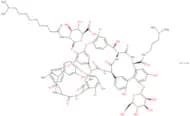

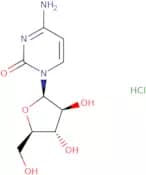

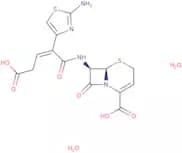
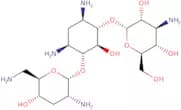
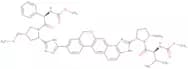
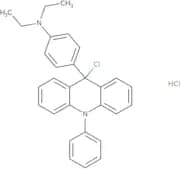

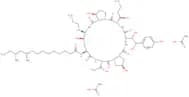
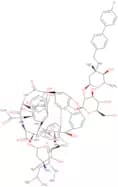

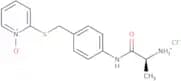


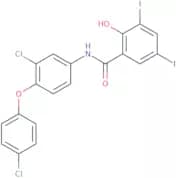


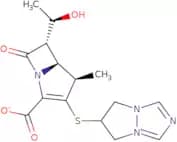
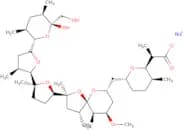

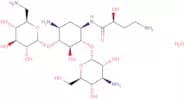
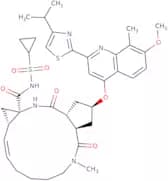
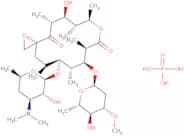

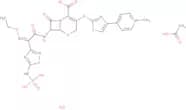
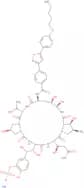
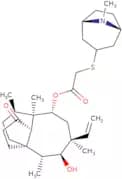
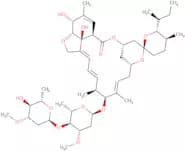

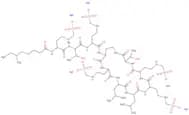
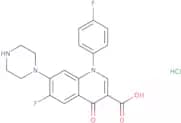
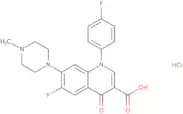
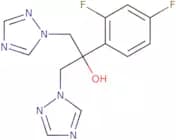
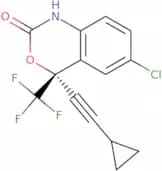
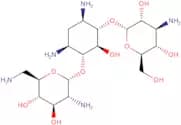
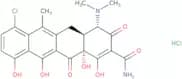
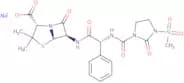
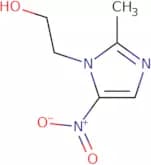
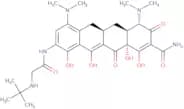
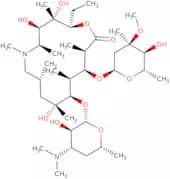
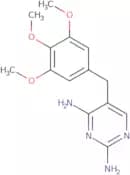
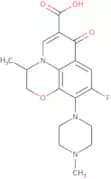
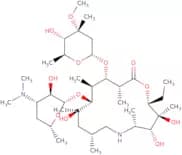
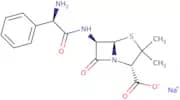
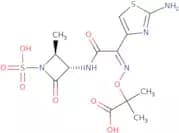


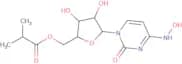
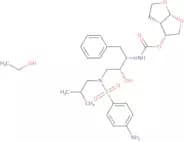
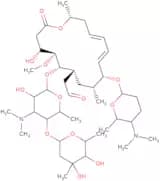
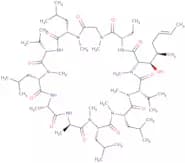


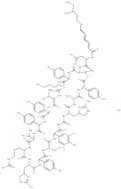
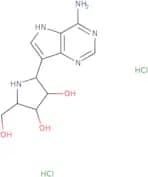

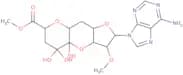
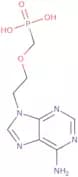
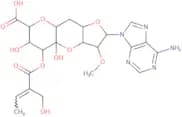
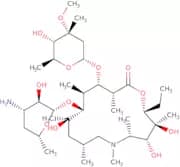
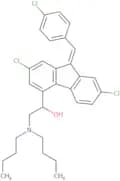
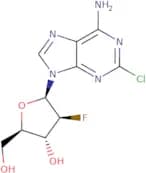
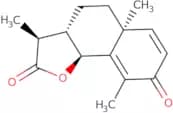

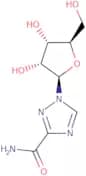
![2-[(2-Amino-6-oxo-3H-purin-9-yl)methoxy]ethyl (2S)-2-aminopropanoate](/_next/image/?url=https%3A%2Fstatic.cymitquimica.com%2Fproducts%2F3D%2Fthumb-webp%2FJDA49964.webp&w=3840&q=75)

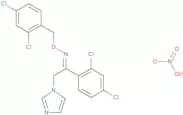
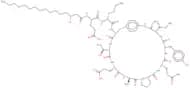
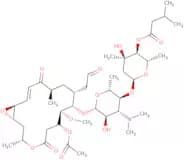
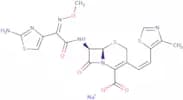
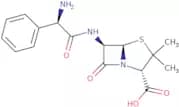
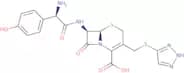

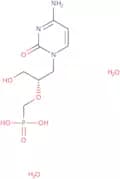
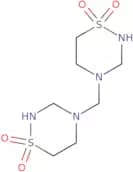

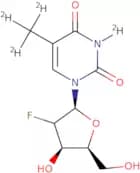
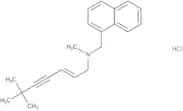
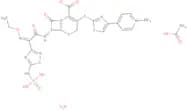
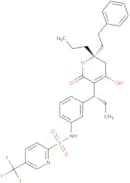


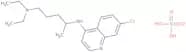

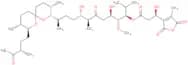


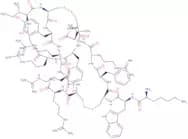
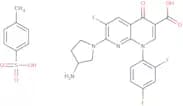
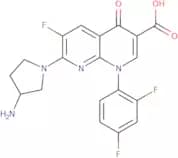

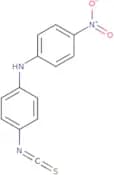



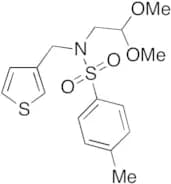


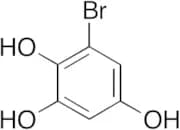

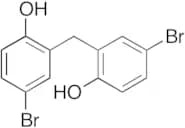
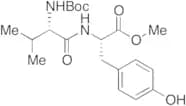
![[5-[(3aS,4S,6aR)-Hexahydro-2-oxo-1H-thieno[3,4-d]imidazol-4-yl]-1-oxopentyl]-3…](/_next/image/?url=https%3A%2Fstatic.cymitquimica.com%2Fproducts%2FTR%2Fthumb-webp%2FH291770.webp&w=3840&q=75)
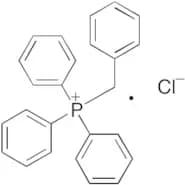
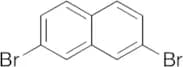

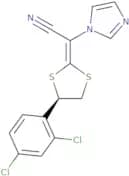

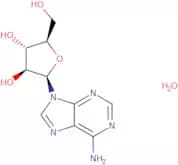
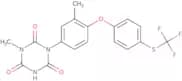
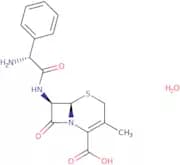
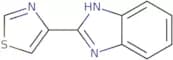
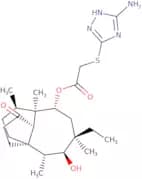
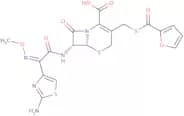
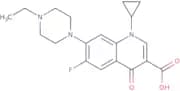
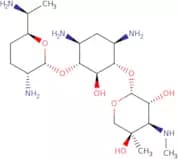
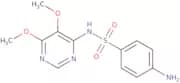


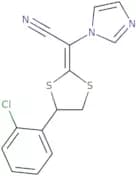
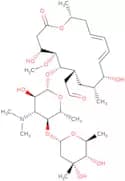
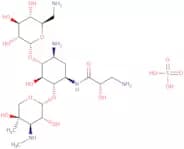
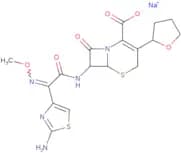


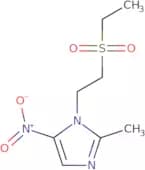
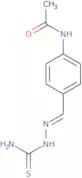
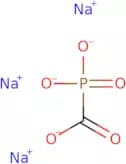
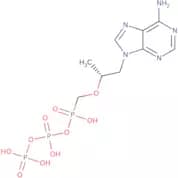
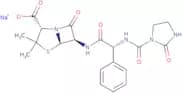
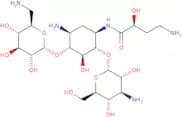
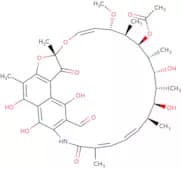

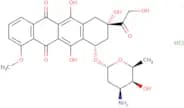
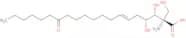
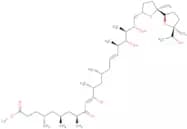



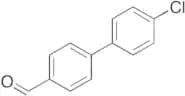
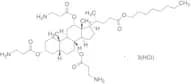
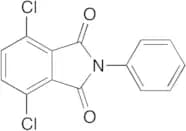
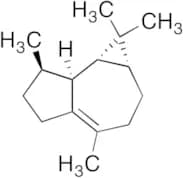

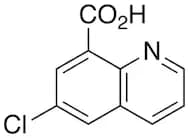


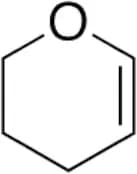

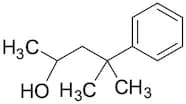

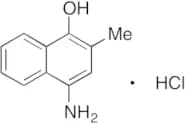

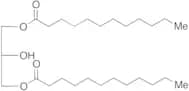
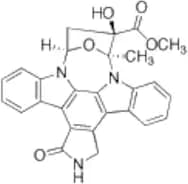
![1,3-Dibenzyl-1H-benzo[d]imidazol-3-ium Chloride](/_next/image/?url=https%3A%2Fstatic.cymitquimica.com%2Fproducts%2FTR%2Fthumb-webp%2FD159141.webp&w=3840&q=75)

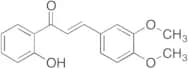
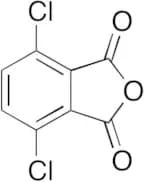


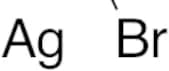
![3-[Benzyl-(2-methoxycarbonylethyl)amino]propionic Acid Methyl Ester](/_next/image/?url=https%3A%2Fstatic.cymitquimica.com%2Fproducts%2FTR%2Fthumb-webp%2FB130175.webp&w=3840&q=75)