Amino Acids (AA)
Amino acids (AAs) are the fundamental building blocks of proteins, playing a crucial role in various biological processes. These organic compounds are essential for protein synthesis, metabolic pathways, and cell signaling. In this category, you will find a comprehensive range of amino acids, including essential, non-essential, and modified forms, which are vital for research in biochemistry, molecular biology, and nutritional sciences. At CymitQuimica, we provide high-quality amino acids to support your research and development needs, ensuring accuracy and reliability in your experimental outcomes.
Subcategories of "Amino Acids (AA)"
- Amino Acid Derivatives(3,955 products)
- Amino Acid and Amino Acid Related Compounds(3,465 products)
- Amino Acids with Oxygen or Sulphur(168 products)
- Boc- Amino Acids(351 products)
- Fmoc Amino Acids(1,710 products)
Found 38248 products of "Amino Acids (AA)"
Sort by
Purity (%)
0
100
|
0
|
50
|
90
|
95
|
100
Suc-Ala-Ala-Pro-Nva-pNA
CAS:<p>Suc-Ala-Ala-Pro-Nva-pNA is a tetrapeptide. It is one of the most potent trypsin inhibitors that has been identified to date and it has been shown to inhibit pancreatic trypsin with a potency similar to that of the synthetic inhibitor benzamidine. Suc-Ala-Ala-Pro-Nva-pNA binds to the active site of trypsin, preventing proteolysis of peptides. This inhibition is reversible because it does not bind covalently to any other sites on the enzyme. Suc-Ala-Ala-Pro-Nva-pNA inhibits proteases by binding to their active site and blocking access by the substrate. The binding occurs through noncovalent hydrophobic interactions with amino acids in the active site, including valine, leucine, phenylalanine, and methionine.</p>Formula:C26H36N6O9Purity:Min. 95%Molecular weight:576.6 g/molH-D-Arg-Arg-Pro-Hyp-Gly-β-(2-thienyl)-Ala-Ser-D-Phe-b-(2-thienyl)-Ala-Arg-OH
CAS:<p>Enalaprilat is a prodrug that is converted to the active drug enalapril in vivo. It is a potent angiotensin-converting enzyme (ACE) inhibitor that prevents the conversion of angiotensin I to angiotensin II, which leads to vasodilatation and reduced blood pressure. Enalaprilat has been shown to be effective in lowering blood pressure in patients with cardiac insufficiency or hypertension. It also has been shown to decrease the production of endogenous bradykinin, which acts on its receptor B2, leading to vasodilatation and reduced blood pressure. The most common side effect of enalaprilat therapy is cutaneous reactions such as erythema, rash, or pruritus.</p>Formula:C56H83N19O13S2Purity:Min. 95%Molecular weight:1,294.51 g/molCyclo(-D-Tyr-Arg-Gly-Asp-Cys(carboxymethyl)-OH) sulfoxide
CAS:<p>Please enquire for more information about Cyclo(-D-Tyr-Arg-Gly-Asp-Cys(carboxymethyl)-OH) sulfoxide including the price, delivery time and more detailed product information at the technical inquiry form on this page</p>Formula:C26H36N8O11SPurity:Min. 95%Molecular weight:668.68 g/molH-Leu-Phe-NH2·HCl
CAS:<p>H-Leu-Phe-NH2·HCl is a peptide that has been shown to have antiviral and anticancer properties. It blocks the replication of viruses by interacting with the amino acid sequence on the virus’s outer layer, which prevents the virus from binding to cells. H-Leu-Phe-NH2·HCl has also been shown to have anticancer properties. This peptide stimulates cancer cells to produce proteins that are required for their growth and proliferation, leading to increased tumor size. The effectiveness of this drug is enhanced when combined with other cancer drugs, such as cisplatin or vinblastine. H-Leu-Phe-NH2·HCl also has an excellent safety profile and does not cause any toxicity in healthy cells or tissues.</p>Formula:C15H23N3O2·HClPurity:Min. 95%Molecular weight:313.82 g/molH-Phe-Gly-Gly-OH
CAS:<p>H-Phe-Gly-Gly-OH is a phosphatase enzyme inhibitor that acts as a competitive inhibitor of serine/threonine phosphatases. It has been shown to inhibit the activity of protein data, which are enzymes that catalyze the hydrolysis of phosphate groups from proteins. This inhibition of protein data leads to an increase in the levels of protein kinase A (PKA) and cyclic AMP (cAMP) in human serum. H-Phe-Gly-Gly-OH also inhibits an enzyme called phospholipase A2, which is responsible for fatty acid metabolism, leading to an accumulation of fatty acids in cells. It has been shown that H-Phe-Gly-Gly-OH has anticancer activity against meningioma and squamous carcinoma cells in humans.</p>Formula:C13H17N3O4Purity:Min. 95%Molecular weight:279.29 g/molFA-Phe-Val-NH2
CAS:<p>Please enquire for more information about FA-Phe-Val-NH2 including the price, delivery time and more detailed product information at the technical inquiry form on this page</p>Formula:C21H25N3O4Purity:Min. 95%Molecular weight:383.44 g/molMAGE-1 Antigen (161-169) (human) acetate salt
CAS:<p>MAGE-1 is a costimulatory molecule that is expressed on the surface of antigen presenting cells. It has been shown to be a very potent target for monoclonal antibodies. MAGE-1 can be used as an antigen in diagnostic tests, such as ELISA and Western blotting. It can also be used to generate monoclonal antibodies for use as therapeutic agents in cancer therapy and for the treatment of viral infections such as influenza virus. The MAGE-1 antigen has been shown to have high affinity binding with the paratope of Papilloma virus, which may help explain its clinical relevance in these diseases.</p>Formula:C41H57N11O17Purity:Min. 95%Molecular weight:975.96 g/molH-Met-AMC acetate salt
CAS:<p>Please enquire for more information about H-Met-AMC acetate salt including the price, delivery time and more detailed product information at the technical inquiry form on this page</p>Formula:C15H18N2O3SPurity:Min. 95%Molecular weight:306.38 g/molN-Boc-L-proline
CAS:<p>N-Boc-L-proline is a proline derivative that has been synthesized as a drug candidate for cancer treatment. It has been shown to inhibit the activity of the enzyme, buserelin, which is involved in the synthesis of histamine and other substances. N-Boc-L-proline has also been shown to cause neuronal death by hydrogen bond formation with nitrogen nucleophiles in the brain, leading to apoptosis. The chromatographic method was used to analyze reaction products from N-Boc-L-proline with sodium carbonate. This compound has solubility data and an intramolecular hydrogen bond that can be detected by nmr spectroscopy. Trifluoroacetic acid was used as a solvent for this experiment.</p>Formula:C10H17NO4Purity:Min. 95%Color and Shape:White PowderMolecular weight:215.25 g/molFmoc-Gln(1-adamantyl)-OH
CAS:<p>Please enquire for more information about Fmoc-Gln(1-adamantyl)-OH including the price, delivery time and more detailed product information at the technical inquiry form on this page</p>Formula:C30H34N2O5Purity:Min. 95%Molecular weight:502.6 g/molNeuronostatin-13 (mouse, rat) trifluoroacetate salt
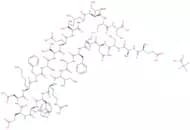
<p>Please enquire for more information about Neuronostatin-13 (mouse, rat) trifluoroacetate salt including the price, delivery time and more detailed product information at the technical inquiry form on this page</p>Formula:C65H112N20O17Purity:Min. 95%Molecular weight:1,445.71 g/molSubstance P (2-11)
CAS:<p>Substance P (2-11) H-Pro-Lys-Pro-Gln-Gln-Phe-Phe-Gly-Leu-Met-NH2 is a peptide that is the product of proteolytic cleavage of substance P. It binds to the neurokinin receptor and induces degranulation in mast cells and sensory neurons. It has been used as a diagnostic tool for mast cell degranulation. Substance P (2-11) H-Pro-Lys-Pro-Gln-Gln-Phe has also been used to assess lung function in anesthetized animals, circulations in muscle, and changes in perfusion during surgical procedures.</p>Formula:C57H86N14O12SPurity:Min. 95%Molecular weight:1,191.45 g/molBoc-D-Glu-OEt·DCHA
CAS:Controlled Product<p>Please enquire for more information about Boc-D-Glu-OEt·DCHA including the price, delivery time and more detailed product information at the technical inquiry form on this page</p>Formula:C12H21NO6·C12H23NPurity:Min. 95%Molecular weight:456.62 g/molFmoc-Lys(Boc)-Cys(Psi(Dmp,H)pro)-OH
CAS:<p>Please enquire for more information about Fmoc-Lys(Boc)-Cys(Psi(Dmp,H)pro)-OH including the price, delivery time and more detailed product information at the technical inquiry form on this page</p>Formula:C38H45N3O9SPurity:Min. 95%Molecular weight:719.84 g/mol12-(Boc-aminooxy)-dodecanoic acid
CAS:<p>Please enquire for more information about 12-(Boc-aminooxy)-dodecanoic acid including the price, delivery time and more detailed product information at the technical inquiry form on this page</p>Formula:C17H33NO5Purity:Min. 95%Molecular weight:331.45 g/molH-Tyr-Ile-Tyr-Gly-Ser-Phe-Lys-OH
CAS:<p>Please enquire for more information about H-Tyr-Ile-Tyr-Gly-Ser-Phe-Lys-OH including the price, delivery time and more detailed product information at the technical inquiry form on this page</p>Formula:C44H60N8O11Purity:Min. 95%Molecular weight:876.99 g/molFmoc-Tyr-Ala-OH
CAS:<p>Fmoc-Tyr-Ala-OH is a biochemical that is expressed in mammalian cells. It has been shown to activate enzymes and the production of proteins, which are essential for cell growth. Fmoc-Tyr-Ala-OH is also proteolytic and hydrolyzing, meaning it can be used to cleave proteins into smaller pieces. It has been shown to have acidic and neutral properties at different pH levels. This enzyme also has an inhibitory effect on the production of monoclonal antibodies in mcf-7 cells, which are derived from mouse mammary epithelial cells.</p>Formula:C27H26N2O6Purity:Min. 95%Molecular weight:474.51 g/molH-Pro-Val-Asp-OH
CAS:<p>Please enquire for more information about H-Pro-Val-Asp-OH including the price, delivery time and more detailed product information at the technical inquiry form on this page</p>Formula:C14H23N3O6Purity:Min. 95%Molecular weight:329.35 g/molFmoc-Glu(OtBu)-Thr(psi(Me,Me)pro)-OH
CAS:<p>Fmoc-glu(otbu)-thr(psi(Me,Me)pro)-OH is a c1-6 alkoxy, expressed, alkenyl, linker, c1-6 alkyl, efficiency, sequence that can be used for peptide synthesis. It is an efficient linker for the synthesis of peptides and has been shown to yield high yields with few side products. The hydroxyl group on the side chain of the amino acid residue provides an additional site for acylation. This product also contains an aralkyl and alkoxy group that can be used in further reactions.</p>Formula:C31H38N2O8Purity:Min. 95%Color and Shape:PowderMolecular weight:566.64 g/molFmoc-N-Me-Asp(OBzl)-OH
CAS:<p>Please enquire for more information about Fmoc-N-Me-Asp(OBzl)-OH including the price, delivery time and more detailed product information at the technical inquiry form on this page</p>Formula:C27H25NO6Purity:Min. 95%Color and Shape:PowderMolecular weight:459.49 g/molBoc-Gln-Pro-OH
CAS:<p>Please enquire for more information about Boc-Gln-Pro-OH including the price, delivery time and more detailed product information at the technical inquiry form on this page</p>Formula:C15H25N3O6Purity:Min. 95%Molecular weight:343.38 g/molNeuropeptide EI (human, mouse, rat) trifluoroacetate salt
CAS:<p>Neuropeptide EI is a cyclic peptide that has been shown to have receptor activity in the caudate putamen, as well as locomotor activity and metabolic rate. Neuropeptide EI has also been shown to inhibit lymphatic vessels and amide sequences in fat cells. It has been shown to have various biological functions, such as an anti-inflammatory agent, an analgesic, and a chemotherapeutic agent. It is active against cancer cells and autoimmune diseases, but is inactive against bacteria.</p>Formula:C63H98N16O23Purity:Min. 95%Molecular weight:1,447.55 g/molH-Ala-Phe-Ala-OH
CAS:<p>H-Ala-Phe-Ala-OH is a peptidomimetic that has been shown to have hydrogen bonding interactions with caco-2 cells. It also has the ability to form micelles and x-ray diffraction data show that the molecule has a right handed helical conformation. This compound was synthesized by reacting H-Ala-Phe with H-Gly-Gly in an amino acid condensation reaction, followed by hydrolysis of the amide bonds. The bioisosteres for this compound are tripeptides, which are amino acids linked by peptide bonds. The interaction of this compound with caco-2 cells is thought to be due to the hydrogen bonding interactions between this molecule and the hydroxyl groups on the cell surface.</p>Formula:C15H21N3O4Purity:Min. 95%Molecular weight:307.35 g/molFmoc-L-Lys(Alloc)-OH
CAS:<p>Fmoc-L-Lys(Alloc)-OH is a peptide that consists of an amino acid sequence that is a variant of the human insulin molecule. The peptide has been modified to incorporate a pegyl group, which increases the serum stability of this drug and prevents enzymatic degradation. This compound has been tested in vitro by binding to nuclear DNA and inhibiting receptor binding. Fmoc-L-Lys(Alloc)-OH has also shown anticancer effects in vivo with tumor xenografts and apoptosis protein expression in human serum, as well as an increase in serine protease activity.</p>Formula:C25H28N2O6Purity:Min. 98 Area-%Color and Shape:PowderMolecular weight:452.5 g/mol(Thr28, Nle 31)-Cholecystokinin-33 (25-33) (sulfated)
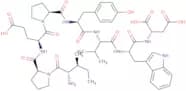
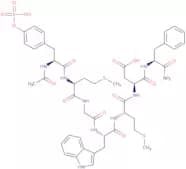
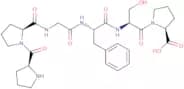
CAS:<p>Please enquire for more information about (Thr28, Nle 31)-Cholecystokinin-33 (25-33) (sulfated) including the price, delivery time and more detailed product information at the technical inquiry form on this page</p>Formula:C55H74N14O18SPurity:Min. 95%Molecular weight:1,251.33 g/molHymenistatin I Cyclo(-Pro-Pro-Tyr-Val-Pro-Leu-Ile-Ile)
CAS:<p>Hymenistatin I is a cyclic peptide that is synthesized from the natural amino acid L-proline. It has been shown to inhibit tumor growth and is used in the treatment of bladder cancer. The synthesis of Hymenistatin I begins with the protection of proline as an N-tert-butyloxycarbonyl derivative, followed by a sequence of coupling reactions. This synthetic process involves the use of a linker, such as tetrazole or succinimidyl ester, for example. The final product can then be purified by HPLC analysis. Hymenistatin I inhibits calcineurin inhibitor, which are immunosuppressive agents that are used to treat lymphocytic leukemia and other autoimmune diseases.</p>Formula:C47H72N8O9Purity:Min. 95%Molecular weight:893.12 g/mol(Deamino-Cys1,b-(3-pyridyl)-D-Ala2,Arg8)-Vasopressin trifluoroacetate salt
CAS:<p>DDAVP is an analogue of vasopressin, which belongs to the class of inositol phosphates. It is a potent agonist for the V1 receptor and has a higher affinity for this receptor than vasopressin. DDAVP also has antagonist properties at the V2 receptor. The biological activity of DDAVP is mediated by its ability to increase phospholipase A2 activity and cause the release of arachidonic acid from membrane phospholipids. This activation causes an increase in prostaglandin synthesis, leading to increased vascular permeability and hypotension. DDAVP may also have antidiuretic effects due to its antagonism of oxytocin receptors.</p>Formula:C45H63N15O11S2Purity:Min. 95%Molecular weight:1,054.21 g/molDnp-Pro-Leu-Gly-Leu-Trp-Ala-D-Arg-NH2 trifluoroacetate salt
CAS:<p>Please enquire for more information about Dnp-Pro-Leu-Gly-Leu-Trp-Ala-D-Arg-NH2 trifluoroacetate salt including the price, delivery time and more detailed product information at the technical inquiry form on this page</p>Formula:C45H64N14O11Purity:Min. 95%Molecular weight:977.08 g/molProadrenomedullin (1-20) (human)
CAS:<p>Proadrenomedullin (1-20) is a polypeptide that is found in human plasma. It is a member of the vasoactive intestinal peptide family and has been shown to be involved in the regulation of vascular tone, blood pressure, and blood vessel permeability. Proadrenomedullin (1-20) also inhibits the production of proinflammatory cytokines such as tumor necrosis factor-alpha, interleukin-6, and interleukin-8. This compound has been shown to have antiviral activity against HIV and herpes simplex virus type 1. Proadrenomedullin (1-20) also functions as a growth factor for tumor cells.</p>Formula:C112H178N36O27Purity:Min. 95%Molecular weight:2,460.84 g/molH-Gly-Met-Gly-OH
CAS:<p>H-Gly-Met-Gly-OH is an amide containing a sulfoxide group. It is synthesized from the amino acid glycine and the tripeptide Met-Gly-Gly. The synthesis of HMG was first reported by Sato in 1907, although it was not used as a drug until 1983. This drug has potential antitumor activity and inhibits the growth of certain tumor cells. HMG is metabolized by peptidases, which hydrolyze the peptide bond between glycine and Met-Gly-Gly. Hydrolysis of HMG yields glyoxylic acid (H2O2) and the amino acids glycine and methanol. HMG also inhibits the uptake of glucose into cells, which may be related to its antitumor effect. X-ray diffraction studies have shown that HMG has a carboxylate group at C6 that binds to three oxygen atoms, which are present in two</p>Formula:C9H17N3O4SPurity:Min. 95%Molecular weight:263.32 g/molH-Ala-Thr-OH
CAS:<p>H-Ala-Thr-OH is a dipeptide that is used as a stabilizer for the active form of methionine in some nutritional supplements. H-Ala-Thr-OH is synthesized by the hydroxylation of DL-methionine, which is then converted to H-Ala-Thr-OH by an aminopeptidase. The amino acid sequence of H-Ala-Thr-OH resembles that of l-threonine, but lacks an α carbon atom and an amino group on the carboxylic acid end. This dipeptide has been shown to be auxotrophic for both lysine and threonine when expressed in Escherichia coli.</p>Formula:C7H14N2O4Purity:Min. 95%Molecular weight:190.2 g/mol(H-Cys-betaNA)2·2 HCl (Disulfide bond)
CAS:<p>Please enquire for more information about (H-Cys-betaNA)2·2 HCl (Disulfide bond) including the price, delivery time and more detailed product information at the technical inquiry form on this page</p>Formula:C26H26N4O2S2·2HClPurity:Min. 95%Molecular weight:563.56 g/molPYX-1 trifluoroacetate salt
CAS:<p>Please enquire for more information about PYX-1 trifluoroacetate salt including the price, delivery time and more detailed product information at the technical inquiry form on this page</p>Formula:C70H105Cl2N19O16Purity:Min. 95%Molecular weight:1,539.61 g/molH-Gly-His-Arg-Pro-OH acetate salt
CAS:<p>H-Gly-His-Arg-Pro-OH acetate salt is a synthetic monoclonal antibody that binds to fibrinogen. It has been used in the production of a model protein and as an anticoagulant. H-Gly-His-Arg-Pro-OH acetate salt has been shown to inhibit the growth of tissue plasminogen activator, which is a growth factor for cells involved in blood clotting. This drug also inhibits the release of acetylcholine from nerve cells, which may be due to its ability to bind to plasma proteins.</p>Formula:C19H31N9O5Purity:Min. 95%Molecular weight:465.51 g/molSuc-Ala-Gln-Pro-Phe-pNA
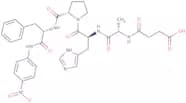
CAS:<p>Suc-Ala-Gln-Pro-Phe-pNA is a peptide that is composed of 18 amino acids. This peptide has a molecular weight of 2,812. It has been shown to have biochemical activity in vitro and in vivo. Suc-Ala-Gln-Pro-Phe-pNA is an erythropoietin receptor agonist that has shown homologous sequences with tyrosine kinase receptors and collagen. This protein was expressed in the endoplasmic reticulum, cytosol, and mitochondria of cells. The enzyme phosphatase hydrolyzed the peptide during incubation with calf thymus DNA.</p>Formula:C32H39N7O10Purity:Min. 95%Molecular weight:681.69 g/molSuc-Ala-Ala-Phe-pNA
CAS:<p>Suc-Ala-Ala-Phe-pNA is a peptide that is being studied for its potential to act as an anticancer agent. It inhibits the growth of tumor cells by binding to the neurokinin receptor and thereby blocking the production of substances such as epidermal growth factor, which promote tumor growth. Suc-Ala-Ala-Phe-pNA also has been shown to inhibit the activity of enzymes involved in glucocorticoid receptors, which are proteins that play a key role in regulating the immune response. This peptide also has been shown to be active against mouse skin cells and human prostate cancer cells. In addition, it is believed that this peptide may be useful in gene therapy because it can induce apoptosis in tumor cells without affecting normal tissue.</p>Formula:C25H29N5O8Purity:Min. 95%Molecular weight:527.53 g/molH-D-Leu-pNA
CAS:<p>Please enquire for more information about H-D-Leu-pNA including the price, delivery time and more detailed product information at the technical inquiry form on this page</p>Formula:C12H17N3O3Purity:Min. 95%Molecular weight:251.28 g/molBiotinyl-(Gln1)-Gastrin I (human) Biotinyl-Gln-Gly-Pro-Trp-Leu-Glu-Glu-Glu-Glu-Glu-Ala-Tyr-Gly-Trp-Met-Asp-Phe-NH2
CAS:<p>Please enquire for more information about Biotinyl-(Gln1)-Gastrin I (human) Biotinyl-Gln-Gly-Pro-Trp-Leu-Glu-Glu-Glu-Glu-Glu-Ala-Tyr-Gly-Trp-Met-Asp-Phe-NH2 including the price, delivery time and more detailed product information at the technical inquiry form on this page</p>Formula:C107H141N23O33S2Purity:Min. 95%Molecular weight:2,341.53 g/mol4-Iodo-1-methylpyrazole
CAS:<p>4-Iodo-1-methylpyrazole is a reductive agent that is used in organic synthesis. It can be used as a reducing agent for the conversion of aldehydes and ketones to alcohols. 4-Iodo-1-methylpyrazole can be crystallized from diethyl etherate and blood. The product yield from this reaction is high, but it requires an oxidant such as trifluoride or plavix to react with the diacetates. 4-Iodo-1-methylpyrazole can also be synthesized by reacting allylsilanes with iodine gas in the presence of a base. This synthesis method produces 4-iodo-1-methylpyrazole in good yield and with little difficulty.</p>Formula:C4H5IN2Purity:Min. 95%Color and Shape:White To Light (Or Pale) Yellow To Tan SolidMolecular weight:208 g/molFmoc-L-Sec(phenyl)-OH
CAS:<p>Please enquire for more information about Fmoc-L-Sec(phenyl)-OH including the price, delivery time and more detailed product information at the technical inquiry form on this page</p>Formula:C24H21NO4SePurity:Min. 95%Molecular weight:466.39 g/mol(Des-Pyr 1,Des-Gly10,D-Leu6,Pro-NHEt 9)-LHRH trifluoroacetate salt
CAS:<p>Please enquire for more information about (Des-Pyr 1,Des-Gly10,D-Leu6,Pro-NHEt 9)-LHRH trifluoroacetate salt including the price, delivery time and more detailed product information at the technical inquiry form on this page</p>Formula:C54H79N15O10Purity:Min. 95%Molecular weight:1,098.3 g/molLeptin (93-105) (human)
CAS:<p>Please enquire for more information about Leptin (93-105) (human) including the price, delivery time and more detailed product information at the technical inquiry form on this page</p>Formula:C64H110N20O23Purity:Min. 95%Molecular weight:1,527.68 g/molN-α-Trityl-Nε-Fmoc-L-lysine
CAS:<p>N-alpha-Trityl-Nepsilon-Fmoc-L-lysine is a pentapeptide that is used in peptides. It has been shown to have cytotoxicity and permeability, as well as being biologically active. N-alpha-Trityl-Nepsilon-Fmoc-L-lysine has also been used in solid phase synthesis of peptides. This pentapeptide can be synthesized using the Miyaura cross coupling reaction with an ether or Suzuki cross coupling reaction. N-alpha-Trityl-Nepsilon-Fmoc-L-lysine is a bicyclic molecule that can be synthesized on a solid phase.</p>Formula:C40H38N2O4Purity:Min. 95%Molecular weight:610.74 g/molN-Methyl-1-propanamine
CAS:<p>N-Methyl-1-propanamine is a compound made up of ethylene diamine and activated chlorine. It has been used as a model system to study the biological properties of amines. This compound has been shown to have anti-cancer effects in human serum and is active against inflammation diseases. N-Methyl-1-propanamine is soluble in water, but not in ethanol or acetone. It has a pH optimum at 10 and decomposes at temperatures higher than 120°C. The activation energies for the reactions of this compound with hydrogen bond acceptors, such as alcohols and ethers, are relatively low (around 20 kcal/mol).</p>Formula:C4H11NPurity:Min. 95%Molecular weight:73.14 g/molH-Gly-Gly-AMC hydrochloride salt
CAS:<p>H-Gly-Gly-AMC is a fluorescent substrate for the detection of protease activity. It can be used in a homogeneous assay to measure the protease activity of cells. The assay provides an accurate measurement of protease activity and the ability to normalize data to account for differences in cell number and protein content. H-Gly-Gly-AMC hydrochloride salt (HGG) is also a fluorogenic substrate for the determination of cell death or damage, which can be measured using aminoluciferin. This assay is based on the release of aminoluciferin from lysed cells, which fluoresces in proportion to the amount released.</p>Formula:C14H15N3O4Purity:Min. 95%Molecular weight:289.29 g/molFmoc-D-Val-Wang resin (200-400 mesh)
<p>Please enquire for more information about Fmoc-D-Val-Wang resin (200-400 mesh) including the price, delivery time and more detailed product information at the technical inquiry form on this page</p>Purity:Min. 95%H-Tyr-Phe-OH
CAS:<p>H-Tyr-Phe-OH is a peptide that is derived from the amino acid sequence of human epidermal growth factor and has been shown to inhibit HIV infection in vitro. H-Tyr-Phe-OH binds to the dna binding site on the protein gp120, which is essential for viral binding to cells and subsequent infection. The peptide has also been shown to bind to serum aminotransferase levels and produce an antibody response in humans. This peptide has biological properties that may be useful for treatment of many infectious diseases, such as hepatitis and HIV infection.</p>Formula:C18H20N2O4Purity:Min. 95%Molecular weight:328.36 g/molH-His-Glu-OH
CAS:<p>H-His-Glu-OH is a compound that has been identified in bacterial cells. It is an amino acid with a high concentration of histidine, glutamic acid, and l-glutamic acid. This compound is found in the virus of influenza and may be the active ingredient that induces fever and inflammation. H-His-Glu-OH can be detected by chromatographic methods or clinical chemistry tests. It also has antiviral properties against influenza A (H1N1) virus.</p>Formula:C11H16N4O5Purity:Min. 95%Molecular weight:284.27 g/molBoc-Ala-Gly-OH
CAS:<p>Boc-Ala-Gly-OH is a synthetic chemotactic peptide. It was originally synthesized in the form of an N-terminal amide and conjugated to a variety of carrier proteins, including bovine serum albumin, ovalbumin, thyroglobulin, and keyhole limpet hemocyanin. Boc-Ala-Gly-OH has been shown to stimulate the growth of various cell types including platelets and erythrocytes, as well as to inhibit tumor growth.</p>Formula:C10H18N2O5Purity:Min. 95%Molecular weight:246.26 g/molBoc-Ser(Val-Fmoc)-OH
CAS:<p>Boc-Ser(Val-Fmoc)-OH is a biomolecule that is used for the synthesis of peptides. It has been shown to be an efficient synthetic method for the synthesis of peptides and isopeptides. The use of this biomolecule in peptide synthesis allows for the production of large quantities of peptides without racemization or epimerization that can occur with other methods. This synthetic method provides a means to produce both amino acid and dipeptide sequences, as well as the incorporation of non-natural amino acids.</p>Formula:C28H34N2O8Purity:Min. 95%Molecular weight:526.58 g/molH-Cys-Val-2-Nal-Met-OH TFA salt
CAS:<p>H-Cys-Val-2-Nal-Met-OH is a peptide sequence that contains two ancillary substituents and one bidentate ligand. It has the potential to be a bioactive ligand due to its ability to form heterocomplexes with coordination complexes. The peptide sequences are dianionic, making them highly suitable for use in labeling experiments. H-Cys-Val-2-Nal-Met-OH is also a ligand that can bind to diphosphine and be used for labeling purposes.</p>Formula:C26H36N4O5S2•C2HF3O2Purity:Min. 95%Molecular weight:662.74 g/molAc-Glu-Ser-Met-Asp-aldehyde (pseudo acid)
CAS:<p>Ac-Glu-Ser-Met-Asp-aldehyde is a molecule that is naturally produced by the human body. It has been shown to be an endogenous caspase activator, which may lead to apoptosis. Ac-Glu-Ser-Met-Asp-aldehyde can also bind to cholesterol and influence its synthesis, thus affecting the production of other proteins. This molecule has a protease activity and can cleave peptides at specific sites. The sequences of this molecule have been determined and it has been found that these sequences are similar to those found in other proteases such as serine proteases.</p>Formula:C19H30N4O10SPurity:Min. 95%Molecular weight:506.53 g/molH-Gly-Gly-Pro-Ala-OH
CAS:<p>Glycosaminoglycans are polysaccharides that are made of repeating disaccharide units composed of a sugar and a uronic acid. Glycosaminoglycans serve as structural components in the extracellular matrix, where they provide tensile strength and elasticity to tissues. They also function as enzymes, providing energy for cellular processes. This glycosaminoglycan is found in human tissue, specifically the cervix and blood group antigens. It has been shown to have an effect on creatine kinase activity, which can be used as a screening tool for women who have had hysterectomies or biopsies done.</p>Formula:C12H20N4O5Purity:Min. 95%Molecular weight:300.31 g/molH-Pro-Val-Gly-OH
CAS:<p>Please enquire for more information about H-Pro-Val-Gly-OH including the price, delivery time and more detailed product information at the technical inquiry form on this page</p>Formula:C12H21N3O4Purity:Min. 95%Molecular weight:271.31 g/molH-Trp-Asn-OH
CAS:<p>H-Trp-Asn-OH is a synthetic amino acid with the chemical formula H-Trp-Asn-OH. It has been shown to act as a competitive antagonist of the 5HT3 receptor and can be used in the treatment of diseases such as irritable bowel syndrome, depression, and anxiety. The crystal structure of H-Trp-Asn-OH shows that it is an L type polymerase that contains a carboxy group. The docking studies show that this compound binds to the receptor proteins of the subunits and inhibits fission by triphosphatases, which are enzymes involved in cellular processes such as transcription and protein synthesis.</p>Formula:C15H18N4O4Purity:Min. 95%Molecular weight:318.33 g/molH-Met-Phe-OH
CAS:<p>H-Met-Phe-OH is a synthetic polymerase chain that has been shown to be effective in treatment trials for various diseases such as ventricular dysfunction, cancer, inflammatory diseases, and virus. H-Met-Phe-OH binds to the DNA template strand and initiates the synthesis of RNA from nucleotide triphosphates. This molecule also has chemotactic activity and can be used as a diagnostic tool for inflammation or cancer. H-Met-Phe-OH can also be used in biological samples to detect viruses or hepatitis B.</p>Formula:C14H20N2O3SPurity:Min. 95%Molecular weight:296.39 g/molSaposin C (15-32) (rat)
CAS:<p>Please enquire for more information about Saposin C (15-32) (rat) including the price, delivery time and more detailed product information at the technical inquiry form on this page</p>Formula:C89H155N21O29Purity:Min. 95%Molecular weight:1,983.31 g/molZ-L-Thr-OH
CAS:<p>Z-L-Thr-OH is a synthetic peptide that contains the amino acid sequence of l-threonine. It is an amide with a carbamic acid and chloride functional group. The monomers are linked by ring-opening reactions, which are sequences of reactions in which the bond between two adjacent carbon atoms is broken and then immediately formed again with the addition of another molecule. Z-L-Thr-OH has been shown to hydrolyze leukocytes and inhibit bacterial growth in vitro. In vivo studies have also shown that Z-L-Thr-OH inhibits neutrophil recruitment, degranulation, and oxidative burst in response to chemoattractants or bacteria. This peptide has also been shown to be effective against methicillin resistant Staphylococcus aureus (MRSA) and other clinically significant pathogens.</p>Formula:C12H15NO5Purity:Min. 95%Color and Shape:PowderMolecular weight:253.25 g/molMoth Cytochrome C (MCC) Fragment
CAS:<p>Please enquire for more information about Moth Cytochrome C (MCC) Fragment including the price, delivery time and more detailed product information at the technical inquiry form on this page</p>Formula:C78H129N23O26Purity:Min. 95%Molecular weight:1,805 g/molHippuryl-His-Leu-OH
CAS:<p>Hippuryl-His-Leu-OH is a peptide that inhibits the activity of angiotensin converting enzyme (ACE) at a concentration of 50 μM. It has been shown to inhibit cyclase and other enzymes in vitro. The binding of this compound to ACE prevents the conversion of angiotensin I to angiotensin II, which is a potent vasoconstrictor. Hippuryl-His-Leu-OH also has inhibitory properties against atrial natriuretic peptide (ANP), and can be used as an antihypertensive agent. This drug has been shown to have growth factor β1 activities, and can be used for the treatment of cardiac diseases such as myocardial infarction. Structural analysis shows that this drug binds to the active site of ACE, inhibiting its activity by blocking access to substrate or by altering substrate specificity.</p>Formula:C21H27N5O5Purity:Min. 95%Color and Shape:White PowderMolecular weight:429.47 g/molH-Asn-bNA
CAS:<p>Please enquire for more information about H-Asn-bNA including the price, delivery time and more detailed product information at the technical inquiry form on this page</p>Formula:C14H15N3O2Purity:Min. 95%Molecular weight:257.29 g/molH-[15N]Tyr-OH
CAS:<p>H-[15N]Tyr-OH is a metabolite of tyrosine. It is the conjugate acid of propionic acid, and the conjugate base of 4-hydroxybenzyl. H-[15N]Tyr-OH is a phenylalanine and aromatic amino acid that has an aromatic ring with a phenyl substituent. This metabolite is hydroxy, which means it has one hydroxyl group on the phenyl ring. H-[15N]Tyr-OH binds to daphnia in vivo, causing death. The cause for this may be due to its ability to react with oxygen, forming reactive oxygen species (ROS).</p>Purity:Min. 95%Z-Gly-Gly-His-OH
CAS:<p>Z-Gly-Gly-His-OH is a synthetic amino acid that has been shown to bind to metal ions such as copper and zinc. The interaction with the metals may be due to the presence of the carboxyl group on the side chain. Z-Gly-Gly-His-OH is also able to catalyze the hydrolysis of ester bonds in organic solvents, which may be due to its interactions with cations. Z-Gly-Gly-His-OH can also interact with enzymes such as protein kinases, leading to changes in enzyme activity.</p>Formula:C18H21N5O6Purity:Min. 95%Molecular weight:403.39 g/molN-α-Fmoc-Nε-allyloxycarbonyl-D-lysine
CAS:<p>N-alpha-Fmoc-Nepsilon-allyloxycarbonyl-D-lysine is a medicament that is modified with an amino group at the alpha position. It is synthesized by modification of the chain with a ganirelix acetate. N-alpha-Fmoc-Nepsilon-allyloxycarbonyl-D-lysine can be used to produce ganirelix, which inhibits the release of follicle stimulating hormone (FSH). The chemical synthesis of this drug has been shown to be successful in large scale production, and it has been shown to be effective in treating patients with prostate cancer. Impurities in this drug have been found and treated by removing the methyl ester group from the lysine residue.</p>Formula:C25H28N2O6Purity:Min. 95%Molecular weight:452.5 g/molL-Phenylalanine methyl ester
CAS:<p>Phenylalanine methyl ester is a metabolite of phenylalanine that is formed by the action of the enzyme phenylalaninase. It has been shown to have anti-inflammatory properties, which may be due to its ability to inhibit the production of pro-inflammatory cytokines such as colony-stimulating factor (CSF) and tumor necrosis factor alpha (TNFα). This drug also inhibits amyloid protein aggregation, a process that causes Alzheimer's disease. Phenylalanine methyl ester has been used in clinical trials for treating infectious diseases. The drug increases the number of white blood cells in the body and stimulates antibody production. Phenylalanine methyl ester binds to sodium citrate and forms stable complexes with hydrogen bonds or ionic interactions.</p>Formula:C10H13NO2Purity:Min. 95%Molecular weight:179.22 g/molH-Ile-Pro-OH
CAS:<p>H-Ile-Pro-OH is an amino acid that is a constituent of sphingolipids, which are important for the metabolism of lipids and other biological substances. H-Ile-Pro-OH can be found in casein as well as oxidation products of casein. It has been used in diagnostic tests to measure levels of hippuric acid in plasma samples. The dietary intake of H-Ile-Pro-OH can be determined by measuring the concentration of this amino acid in plasma samples. Synthetic H-Ile-Pro-OH can also be used for studies on the metabolism of tryptophan. This amino acid has been shown to inhibit chloride ion transport across the cell membrane and fatty acid synthesis, as well as proteolysis and protein degradation by pancreatic enzymes.</p>Formula:C11H20N2O3Purity:Min. 95%Molecular weight:228.29 g/molLeptin (126-140) (human)
CAS:<p>Please enquire for more information about Leptin (126-140) (human) including the price, delivery time and more detailed product information at the technical inquiry form on this page</p>Formula:C65H103N15O26Purity:Min. 95%Molecular weight:1,510.6 g/molSuc-Ala-Leu-Pro-Phe-OH
CAS:<p>Please enquire for more information about Suc-Ala-Leu-Pro-Phe-OH including the price, delivery time and more detailed product information at the technical inquiry form on this page</p>Formula:C27H38N4O8Purity:Min. 95%Molecular weight:546.61 g/molH-Glu-Ala-pNA
CAS:<p>Please enquire for more information about H-Glu-Ala-pNA including the price, delivery time and more detailed product information at the technical inquiry form on this page</p>Formula:C14H18N4O6Purity:Min. 95%Molecular weight:338.32 g/molFmoc-Ala-Ala-Pro-OH
CAS:<p>Fmoc-Ala-Ala-Pro-OH is a building block that is used in organic synthesis as a reaction component or reagent. It can be used to synthesize a wide range of complex compounds with speciality chemical and fine chemical applications. Fmoc-Ala-Ala-Pro-OH is also a versatile building block that can be used to synthesize various useful scaffolds, such as the Fmoc amino acid sequence, which has been shown to bind heparin. This compound has high purity and can be used in research and development.</p>Formula:C26H29N3O6Purity:Min. 95%Color and Shape:PowderMolecular weight:479.53 g/molH-Phe-β-Ala-OH
CAS:<p>H-Phe-beta-Ala-OH is a dipeptide analog of dermorphin. It has been shown to be an antinociceptive agent in the tail-flick test, and also inhibits the effects of naloxone, an opioid antagonist. H-Phe-beta-Ala-OH may be an effective analgesic that could be used as a substitute for morphine.</p>Formula:C12H16N2O3Purity:Min. 95%Molecular weight:236.27 g/molFA-OSu
CAS:<p>FA-OSu is a nucleophile that is used in peptide synthesis. It has an affinity for amides, which can be used as a synthetic intermediate. FA-OSu is also a synergistic compound with perimeter, and has been shown to hydrolyse the amide bond of tetrapeptides. This product is insoluble in water and has been shown to be effective against P. aeruginosa by transpeptidation and hydrolysis. FA-OSu can be synthesized from commercially available chemicals or enzymatically from the amino acid phenylalanine.</p>Formula:C11H9NO5Purity:Min. 95%Molecular weight:235.19 g/molAcetyl-ACTH (7-24) (human, bovine, rat) trifluoroacetate salt
CAS:<p>Please enquire for more information about Acetyl-ACTH (7-24) (human, bovine, rat) trifluoroacetate salt including the price, delivery time and more detailed product information at the technical inquiry form on this page</p>Formula:C107H170N32O21Purity:Min. 95%Molecular weight:2,240.7 g/molH-D-Phe-D-Phe-OH
CAS:<p>H-D-Phe-D-Phe-OH is a polypeptide that contains 24 amino acids. It is synthesized by the filamentous fungus, Aspergillus niger, and has been found to be an optimal substrate for aminopeptidase. H-D-Phe-D-Phe-OH has also been shown to be a homolog of the halophilic enzyme from Halobacterium salinarum.</p>Formula:C18H20N2O3Purity:Min. 95%Molecular weight:312.36 g/mol(D-Ala3)-Dynorphin A (1-11) amide trifluoroacetate salt
CAS:<p>Please enquire for more information about (D-Ala3)-Dynorphin A (1-11) amide trifluoroacetate salt including the price, delivery time and more detailed product information at the technical inquiry form on this page</p>Formula:C64H106N22O12Purity:Min. 95%Molecular weight:1,375.67 g/mol(Ala92)-Peptide 6
CAS:<p>Please enquire for more information about (Ala92)-Peptide 6 including the price, delivery time and more detailed product information at the technical inquiry form on this page</p>Formula:C93H155N31O26Purity:Min. 95%Molecular weight:2,123.42 g/molBoc-D-Arg(Pmc)-OH
CAS:<p>Boc-D-Arg(Pmc)-OH is a triazole derivative that inhibits the production of proinflammatory cytokines. It is used as a therapeutic for premature infants to reduce the risk of infections, such as sepsis and meningitis. Boc-D-Arg(Pmc)-OH has been shown to inhibit interleukin 1 receptor (IL1R) and IL1β synthesis in human cells. Boc-D-Arg(Pmc)-OH binds to the triazole ring of IL1β, preventing the formation of an enzyme complex that is required for IL1β synthesis. This binding also prevents the formation of an enzyme complex that is required for IL1R synthesis. The conformation of the peptide chain may be important for its activity, with some stereoisomers being more potent than others.</p>Formula:C25H40N4O7SPurity:Min. 95%Molecular weight:540.67 g/molH-Phe-Val-OH
CAS:<p>H-Phe-Val-OH, also known as humanized Val-Phe-His-Leu (VHL), is a monoclonal antibody that binds to the antigen epidermal growth factor (EGF). It has been shown to have diagnostic and therapeutic properties in vitro. This antibody is used in the diagnosis of cancer tissues and is able to identify carcinoma cell lines. Furthermore, it can be used to diagnose hepatitis C virus infection. H-Phe-Val-OH blocks the binding of EGF with its receptor on the surface of cells and prevents the proliferation of cancerous cells. It also inhibits cancer growth by reducing the synthesis of proteins such as epidermal growth factor and transforming growth factor alpha.</p>Formula:C14H20N2O3Purity:Min. 98%Color and Shape:PowderMolecular weight:264.32 g/molHIV-1 gag Protein p24 (65-73) (isolates MAL/U455) trifluoroacetate salt
CAS:<p>Please enquire for more information about HIV-1 gag Protein p24 (65-73) (isolates MAL/U455) trifluoroacetate salt including the price, delivery time and more detailed product information at the technical inquiry form on this page</p>Formula:C44H79N11O14S2Purity:Min. 95%Molecular weight:1,050.3 g/molZ-Gly-Val-OH
CAS:<p>Z-Gly-Val-OH is an inhibitor that can be used for the synthesis of peptides. It is a c-terminal amino acid with an optically active, cyclic structure. Z-Gly-Val-OH can be coupled to azide and spheric amino acids, and it undergoes racemization in solvents containing additives. This reagent can also be used for the synthesis of peptides with epimerization or chlorine.</p>Formula:C15H20N2O5Purity:Min. 95%Color and Shape:PowderMolecular weight:308.33 g/molH-Lys(acetimidoyl)-OH
CAS:<p>Lysine acetimidate is a reactive compound that can be activated by the addition of an acid. Lysine acetimidate is a potent activator of macrophages and other inflammatory cells. It has been used in experimental models to study bowel disease and repair mechanisms. In these models, lysine acetimidate has shown to have anti-inflammatory effects, which may be due to its ability to decrease the production of pro-inflammatory cytokines by immune cells. The metabolic disorder caused by lysine acetimidate is still being studied. Lysine acetimidate also has immunomodulatory effects, as it can inhibit the synthesis of epidermal growth factor (EGF) in lung cells and cause damage to alveolar type II cells in the lung.</p>Formula:C8H17N3O2Purity:Min. 95%Molecular weight:187.24 g/molHIV-1 gag Protein p24 (137-154)
CAS:<p>Please enquire for more information about HIV-1 gag Protein p24 (137-154) including the price, delivery time and more detailed product information at the technical inquiry form on this page</p>Formula:C92H158N26O26SPurity:Min. 95%Molecular weight:2,076.46 g/molAMCA-Glu-Glu-Lys-Pro-Ile-Ser-Phe-Phe-Arg-Leu-Gly-Lys(biotinyl)-NH2
CAS:<p>Please enquire for more information about AMCA-Glu-Glu-Lys-Pro-Ile-Ser-Phe-Phe-Arg-Leu-Gly-Lys(biotinyl)-NH2 including the price, delivery time and more detailed product information at the technical inquiry form on this page</p>Formula:C90H131N21O22SPurity:Min. 95%Molecular weight:1,891.2 g/mol1-t-Boc-piperidine-4-spiro-5'-[1',3'-bis-t-boc]-hydantoin
CAS:<p>Please enquire for more information about 1-t-Boc-piperidine-4-spiro-5'-[1',3'-bis-t-boc]-hydantoin including the price, delivery time and more detailed product information at the technical inquiry form on this page</p>Formula:C22H35N3O8Purity:Min. 95%Molecular weight:469.53 g/mol3-(2R,3S)-Phenylisoserine
CAS:<p>3-(2R,3S)-Phenylisoserine is a chiral enantiomer that can be used in organic synthesis. It is a reactive compound and has the ability to form amide bonds with other compounds. 3-(2R,3S)-Phenylisoserine is also able to react with nitro groups and form an oxime. It is not soluble in water but it is soluble in organic solvents like acetone or methanol. 3-(2R,3S)-Phenylisoserine can be synthesized by the enzymatic methods of benzyloxymethyl hydrazine and hydrochloric acid.</p>Formula:C9H11NO3Purity:Min. 95%Color and Shape:PowderMolecular weight:181.19 g/molCaspase-3/7 Inhibitor II Ac-Asp-Asn-Leu-Asp-aldehyde (pseudo acid)
CAS:<p>Caspase-3/7 Inhibitor II Ac-Asp-Asn-Leu-Asp-aldehyde (pseudo acid) is a peptide inhibitor of caspases. It blocks the activation of these proteases and their subsequent cleavage of substrates in the apoptotic pathway. This drug has potent inhibitory activity against caspases 3, 7, 8, 9, and 10. Caspase-3/7 Inhibitor II Ac-Asp-Asn-Leu-Asp-aldehyde (pseudo acid) specifically interacts with the active site and inhibits the enzyme by binding to an aspartic acid residue at position D197 in human caspase 3. Caspase 3/7 Inhibitor II Ac-Asp-Asn-Leu-Asp-aldehyde (pseudo acid) is localized to mitochondria and binds to acetyldeviceine (acDEV), a substrate for caspases</p>Formula:C20H31N5O10Purity:Min. 95%Molecular weight:501.49 g/molMeOSuc-Ala-Ala-Pro-Ala-chloromethylketone
CAS:<p>MeOSuc-Ala-Ala-Pro-Ala-chloromethylketone is a peptidyl substrate for the enzyme carboxypeptidase A. This substrate has a high specificity for carboxypeptidase A and does not bind to other enzymes such as carboxypeptidase B, D, or L. The hydrophobic nature of this substrate has been shown in both hamsters and macaques. MeOSuc-Ala-Ala-Pro-Ala-chloromethylketone also shows cardiovascular effects in both animal models. It is possible that this effect is due to the proteolytic activity of the enzyme. More research needs to be done to identify the sequence of this peptide and how it may affect humans.</p>Formula:C20H31ClN4O7Purity:Min. 95%Molecular weight:474.94 g/mol(S)-β-methyl-γ-butyrolactone
CAS:<p>(S)-Beta-methyl-gamma-butyrolactone is a synthetic vitamin D2 that is used in the synthesis of calciferol. It is also used for the stereospecific synthesis of 25-hydroxyvitamin D3, which is an active metabolite of vitamin D2. The compound has been found to be effective against rickets, hypocalcemia, and osteomalacia. (S)-beta-methyl-gamma-butyrolactone has shown optical activity and can be used as a chiral auxiliary in the syntheses of vitamin A, retinoids, and other drugs that require optically pure starting materials.</p>Formula:C5H8O2Purity:Min. 95%Color and Shape:Clear LiquidMolecular weight:100.12 g/molFarnesyl-Met-OMe
CAS:<p>Please enquire for more information about Farnesyl-Met-OMe including the price, delivery time and more detailed product information at the technical inquiry form on this page</p>Formula:C21H37NO2SPurity:Min. 95%Molecular weight:367.59 g/molp-Hydroxyhippuryl-His-Leu-OH
CAS:<p>P-hydroxyhippuryl-His-Leu-OH is a natriuretic that has been shown to have beneficial effects on diabetic patients. It can be used to prevent and treat proliferative diabetic retinopathy, which is a complication of diabetes. P-hydroxyhippuryl-His-Leu-OH increases the glomerular filtration rate and decreases the ventricular mass index, which may be due to its ability to inhibit angiotensin II receptors in the brain. P-hydroxyhippuryl-His-Leu-OH also inhibits angiotensin converting enzyme, an enzyme that converts angiotensin I into angiotensin II. This inhibition leads to an increase in levels of atrial natriuretic peptide (ANP), brain natriuretic peptide (BNP), and the downstream effectors of these peptides, namely nitric oxide synthase and cyclooxygenase</p>Formula:C21H27N5O6Purity:Min. 95%Molecular weight:445.47 g/molHIV (gp120) Fragment (308-331)
CAS:<p>HIV is a type of virus that causes AIDS. HIV infects the cells of the human immune system, destroying them and making the body vulnerable to infections from other types of viruses and bacteria. The gp120 protein is an envelope glycoprotein that mediates binding to the CD4 receptor on host T-helper cells and induces fusion of viral and cellular membranes. The gp120 protein has been studied using a variety of methods, including neutralizing antibody binding experiments, enzyme-linked immunosorbent assays (ELISA), Western blotting, peptide mapping, and density lipoprotein binding assays. This fragment contains residues 308-331 in a human immunodeficiency virus (HIV) type 1 gp120 protein.</p>Formula:C114H199N41O31Purity:Min. 95%Molecular weight:2,640.06 g/molZ-Gly-Leu-NH2
CAS:<p>Z-Gly-Leu-NH2 is a synthetic peptide that has been designed to mimic the amino acid sequence of casein. It is a metalloendopeptidase inhibitor and can be used in the synthesis of proteins. Z-Gly-Leu-NH2 inhibits the activity of subtilisin, which is a proteolytic enzyme. The inhibition of subtilisin by Z-Gly-Leu-NH2 prevents the hydrolysis of peptide bonds in protein substrates. This inhibition leads to an increase in molecular weight and molecular weight distribution, as well as an increase in the number of high molecular weight peaks on chromatograms. This peptide also has serine protease inhibitory activity and can be used as a synthetic substrate for kinetic studies.</p>Formula:C16H23N3O4Purity:Min. 95%Molecular weight:321.37 g/molH-Trp-Gly-Gly-Tyr-OH
CAS:<p>Please enquire for more information about H-Trp-Gly-Gly-Tyr-OH including the price, delivery time and more detailed product information at the technical inquiry form on this page</p>Formula:C24H27N5O6Purity:Min. 95%Molecular weight:481.5 g/molHIV-1 rev Protein (34-50)
CAS:<p>Please enquire for more information about HIV-1 rev Protein (34-50) including the price, delivery time and more detailed product information at the technical inquiry form on this page</p>Formula:C97H173N51O24Purity:Min. 95%Molecular weight:2,437.74 g/molH-Ala-Ala-Pro-Ala-OH
CAS:<p>H-Ala-Ala-Pro-Ala-OH is a tetrapeptide that inhibits elastase, an enzyme that breaks down elastin. This compound has been shown to have anti-elastolytic activity in vitro and in vivo. H-Ala-Ala-Pro-Ala-OH was administered intraperitoneally to hamsters with induced emphysema, resulting in a decrease of elastin abnormalities and improvement of the ultrastructure of the lungs. It also improves pancreatic morphology and function in porcine pancreatitis models.</p>Formula:C14H24N4O5Purity:Min. 95%Molecular weight:328.36 g/molZ-Arg(Mtr)-OtBu
CAS:<p>Please enquire for more information about Z-Arg(Mtr)-OtBu including the price, delivery time and more detailed product information at the technical inquiry form on this page</p>Formula:C28H40N4O7SPurity:Min. 95%Molecular weight:576.71 g/molZ-Glu-Tyr-OH
CAS:<p>Z-Glu-Tyr-OH is a disulfide bond with a cavity. It is soluble in acidic solutions and has a cationic surface. Z-Glu-Tyr-OH is an enzyme inhibitor that blocks the activity of α subunit of protein kinase C, which is involved in intracellular signal transduction pathways. The inhibition of this enzyme may lead to apoptosis, or programmed cell death. Z-Glu-Tyr-OH also inhibits fatty acid synthesis by blocking the activity of hydroxylase enzymes, such as 3β-hydroxysteroid dehydrogenase and 17α-hydroxylase. This compound has been shown to inhibit indole-3-propionic acid production by inhibiting the kinetic and sephadex g-100 activities of the enzyme indoleamine 2,3 dioxygenase.</p>Formula:C22H24N2O8Purity:Min. 95%Molecular weight:444.43 g/molH-Gly-Gly-Met-OH
CAS:<p>H-Gly-Gly-Met-OH is a hydrophobic amino acid with a decelerated reaction. It has been shown to modulate the growth of organisms, such as Staphylococcus aureus and Streptococcus pneumoniae. This molecule also has aspirin-like activity against S. aureus and can be used for cavity prevention. H-Gly-Gly-Met-OH is effective in inhibiting the growth of S. aureus, but not against Streptococcus pneumoniae. The test organism used in this study was Escherichia coli K12. H-Gly-Gly-Met-OH has been shown to have sequences that are similar to those found in kinetically slow peptides and tripeptides, which may explain its stability when encapsulated in liposomes for oral administration.</p>Formula:C9H17N3O4SPurity:Min. 95%Molecular weight:263.32 g/molDynorphin A (1-8) acetate salt
CAS:<p>Dynorphin A (1-8) acetate salt H-Tyr-Gly-Gly-Phe-Leu-Arg-Arg-Ile-OH acetate salt is a synthetic, nonpeptide opioid agonist. It binds to the delta receptor and inhibits nociception in the central nervous system. This compound has been shown to produce acute phase and subchronic toxicity in rats and has been shown to possess antinociceptive effects in mice. Dynorphin A (1-8) acetate salt H-Tyr-Gly-Gly-Phe-Leu-Arg-Arg-Ile-OH acetate salt has also been shown to antagonize the enzyme inhibitors of phospholipase A2, cyclooxygenase, and lipoxygenase.<br>MECHANISM OF ACTION: Dynorphin A (1–8) is an endogenous peptide that modulates neurotransmission at the</p>Formula:C46H72N14O10Purity:Min. 95%Molecular weight:981.15 g/molH-Gly-2-chlorotrityl resin (200-400 mesh)
CAS:<p>Please enquire for more information about H-Gly-2-chlorotrityl resin (200-400 mesh) including the price, delivery time and more detailed product information at the technical inquiry form on this page</p>Purity:Min. 95%Bexagliflozin
CAS:<p>Bexagliflozin is a drug that is used to treat type II diabetes in adults. It helps to control blood sugar levels by inhibiting the enzyme DPP-IV and increasing insulin release from the pancreas. Bexagliflozin has been shown to be effective in lowering blood sugar levels in patients with chronic kidney disease and cancer, as well as those with a body mass index (BMI) of 30 or higher. This drug is an oral hypoglycaemic agent that can be used for diagnostic purposes. It has also been shown to be clinically effective for the treatment of diabetic nephropathy and diabetic retinopathy. The enantiomers of bexagliflozin can be differentiated according to their pharmacological properties, which may allow for more targeted therapy.</p>Formula:C24H29ClO7Purity:Min. 95%Molecular weight:464.94 g/molH-Gly-Gly-NH2·HCl
CAS:<p>Gly-Gly-NH2·HCl is a nanosized antibiotic that has been shown to have antibacterial properties. It is activated by long-chain inorganic acids, such as hydrochloric acid, and organic solvents, such as acetone. This compound has an amide group that makes it acidic. The hydrocarbon chain of this molecule may be either short or long.</p>Formula:C4H9N3O2·HClPurity:Min. 95%Molecular weight:167.59 g/molAloc-Ala-OH·DCHA
CAS:<p>Aloc-Ala-OH·DCHA is a linker that can be utilized in nucleotide synthesis. It is synthesized by reacting the amine group of alanine with the acid chloride of DCHA. The product of this reaction, Aloc-Ala-OH·DCHA, is an amide bond with a free hydroxyl group on one end and a free amino group on the other end. The C-terminal carboxylic acid function of this compound reacts with phosphoramidite to yield the desired n-terminal threonine residue. This linker can also be used to conjugate other compounds such as nucleosides or phosphodiester bonds.</p>Formula:C7H11NO4·C12H23NPurity:Min. 95%Color and Shape:SolidMolecular weight:354.48 g/molH-Trp-Ala-OH
CAS:<p>H-Trp-Ala-OH is a synthetic amino acid that has been used as an analytical reagent. The compound has shown antihypertensive activity in animal studies and can be used to prepare samples for chromatography or spectrophotometry. H-Trp-Ala-OH is soluble in water, but not in ethanol or ether. It has a neutral pH, and the carbonyl group makes it spontaneously fluorescent.</p>Formula:C14H17N3O3Purity:Min. 95%Molecular weight:275.3 g/molH-Glu-Glu-OH
CAS:<p>H-Glu-Glu-OH is an organic acid that has proteolytic and gene product properties. It is a hyperactive compound that can be used as a sample preparation reagent for the detection of glutamic acid in proteins. H-Glu-Glu-OH inhibits protein synthesis by binding to ribosomes, which are responsible for the production of proteins in the cell, and prevents their function. Magnetic resonance spectroscopy has been used to investigate the uptake of H-Glu-Glu-OH into mammalian cells and ovarian follicles.</p>Formula:C10H16N2O7Purity:Min. 95 Area-%Color and Shape:White PowderMolecular weight:276.24 g/molH-DL-Leu-DL-Ala-OH
CAS:<p>Please enquire for more information about H-DL-Leu-DL-Ala-OH including the price, delivery time and more detailed product information at the technical inquiry form on this page</p>Formula:C9H18N2O3Purity:Min. 95%Molecular weight:202.25 g/molH-Ala-2-chlorotrityl resin (200-400 mesh)
<p>Please enquire for more information about H-Ala-2-chlorotrityl resin (200-400 mesh) including the price, delivery time and more detailed product information at the technical inquiry form on this page</p>Purity:Min. 95%BAM-22P (8-22) trifluoroacetate salt
CAS:<p>BAM-22P (8-22) trifluoroacetate salt is a compound that has been shown to be an effective drug for the treatment of pain. It has been shown to have an effect on bone cancer, which can be activated by serotonin. This compound may be beneficial in treating nerve injury and fibrosarcoma cells. BAM-22P (8-22) trifluoroacetate salt is an allosteric modulator of the serotonin receptor and may be used as a treatment for pain in wild-type mice. The molecule is also a serotonin reuptake inhibitor, which prevents the reuptake of serotonin into the presynaptic neuron. This leads to increased levels of serotonin in the synapse and increased pain relief.</p>Formula:C91H127N25O23SPurity:Min. 95%Molecular weight:1,971.2 g/molH-Ala-Pro-Phe-OH
CAS:<p>Please enquire for more information about H-Ala-Pro-Phe-OH including the price, delivery time and more detailed product information at the technical inquiry form on this page</p>Formula:C17H23N3O4Purity:Min. 95%Molecular weight:333.38 g/mol(Nle 27)-GRF (1-29) amide (human)
CAS:<p>Please enquire for more information about (Nle 27)-GRF (1-29) amide (human) including the price, delivery time and more detailed product information at the technical inquiry form on this page</p>Formula:C150H248N44O42Purity:Min. 95%Molecular weight:3,339.85 g/molSubstance P (4-11)
CAS:<p>Substance P (4-11) H-Pro-Gln-Gln-Phe-Phe-Gly-Leu-Met-NH2 is a fluorescent peptide that binds to calcium and chloride ions. It has been shown to have an affinity for both peptide and calmodulin binding. This peptide has also been shown to be highly heat stable and can be used in a wide range of temperatures. The substance P (4-11) sequence is found in porcine, rat, bovine, and human proteins. The amino acid sequence is composed of 4 amino acids: proline, glutamine, phenylalanine, and leucine. This peptide's optimum pH is 7.5 with a temperature range of 35°C to 45°C. It has been shown that the activity of this peptide decreases as the concentration increases. It has also been shown to be susceptible to aminopeptidases at high concentrations or when</p>Formula:C46H67N11O10SPurity:Min. 95%Molecular weight:966.16 g/molAc-Pen-Arg-Gly-Asp-Cys-OH (Disulfide bond)
CAS:<p>Disulfide bond is an analytical method for the determination of the concentration-time curve. It is a cyclic peptide that competes with fibrinogen for binding to platelets. Disulfide bond has been shown to be an antagonist of receptor antagonist, and has potential applications in the treatment of autoimmune diseases. Disulfide bond can also be used as a model system for toxicological studies and experimental models in humans.</p>Formula:C22H36N8O9S2Purity:Min. 95%Molecular weight:620.7 g/molGLP-2 (1-34) (human) trifluoroacetate salt
CAS:<p>Structure/Function: human; Trifluoroacetate salt</p>Formula:C171H266N48O56SPurity:Min. 95%Molecular weight:3,922.3 g/mol(Asn7)-Amyloid b-Protein (1-40) trifluoroacetate salt
CAS:<p>(Asn7)-Amyloid b-Protein (1-40) trifluoroacetate salt H-Asp-Ala-Glu-Phe-Arg-His-Asn-Ser-Gly-Tyr-Glu-Val-His-His-Gln-Lys<br>The product is a compound that has been shown to inhibit the formation of beta amyloid peptides in the brain. It binds to the beta amyloid peptide and prevents its aggregation, thereby preventing the formation of plaques and inhibiting neuronal cell death. The product contains no detectable levels of trehalose, which makes it ideal for use in brain imaging studies. This product may also be used as a predictive biomarker for Alzheimer's disease because it can be detected in cerebrospinal fluid and plasma.</p>Formula:C194H296N54O57SPurity:Min. 95%Molecular weight:4,328.82 g/molAc-Asp-Arg-Leu-Asp-Ser-OH
CAS:<p>Ac-Asp-Arg-Leu-Asp-Ser-OH is a peptide that has been synthesized to mimic the activity of aspartic acid. It has been shown to have prophylactic and/or therapeutic effects on infectious diseases and autoimmune diseases. Ac-Asp-Arg-Leu-Asp-Ser-OH may be used for the treatment of cancer, inflammatory diseases, and neurodegenerative diseases. Ac-Asp-Arg-Leu-Asp-Ser OH also acts as a cryoprotectant and diluent in drug development.</p>Formula:C25H42N8O12Purity:Min. 95%Molecular weight:646.65 g/mol2-Methoxy-6-picolinic acid
CAS:<p>2-Methoxy-6-picolinic acid (2MPA) is a picolinate that has been shown to be an effective catalyst for the conversion of alcohols into allylic alcohols. 2MPA is able to catalyze the reaction by abstracting hydrogen from the carbonyl group, and then adding it to the adjacent carbon. This reaction can produce peroxide as a byproduct, which is subsequently hydrolyzed to form water and alcohol. The β-unsaturated carbonyl group of 2MPA provides additional stability for this catalytic process.<br>2MPA can also be used as a catalyst in other reactions, such as the oxidation of benzylic alcohols with hydrogen peroxide to form benzylic carbonyl compounds.</p>Formula:C7H7NO3Purity:Min. 95%Color and Shape:PowderMolecular weight:153.14 g/molFmoc-Ser(tBu)-Pro-OH
CAS:<p>Please enquire for more information about Fmoc-Ser(tBu)-Pro-OH including the price, delivery time and more detailed product information at the technical inquiry form on this page</p>Formula:C27H32N2O6Purity:Min. 95%Molecular weight:480.55 g/molH-Asp(Leu-OH)-OH
CAS:<p>H-Asp(Leu-OH)-OH is a bioactive molecule that can induce apoptosis in cancer cells. Mechanistically, this compound induces apoptosis by increasing the amount of reactive oxygen species (ROS) and reducing mitochondrial membrane potential in cancer cells. The anti-cancer activity of H-Asp(Leu-OH)-OH has been shown to be dose dependent and it has been observed to cause vacuolization in kidney cells. Chemical compositions show that H-Asp(Leu-OH)-OH is composed of Aspartic acid, Leucine, and Hydroxyl groups.</p>Formula:C10H18N2O5Purity:Min. 95%Molecular weight:246.26 g/mol(Des-Gly10,D-Tyr5,D-Leu6,Pro-NHEt 9)-LHRH
CAS:<p>Please enquire for more information about (Des-Gly10,D-Tyr5,D-Leu6,Pro-NHEt 9)-LHRH including the price, delivery time and more detailed product information at the technical inquiry form on this page</p>Formula:C59H84N16O12Purity:Min. 95%Molecular weight:1,209.4 g/mol(R,S)-α-Amino-3-hydroxy-5-methyl-4-isoxazolepropionic acid hydrobromide
CAS:<p>(R,S)-AMPA is a synthetic analog of the excitatory neurotransmitter glutamate, specifically designed to activate AMPA receptors, a subtype of ionotropic glutamate receptors. These receptors are pivotal in mediating fast synaptic transmission in the central nervous system. (R,S)-AMPA serves as a prototypical agonist for AMPA receptors, facilitating the study of receptor function and synaptic plasticity.</p>Formula:C7H10N2O4•HBrPurity:Min. 95%Molecular weight:267.08 g/molH-Gly-His-OH·HCl
CAS:<p>H-Gly-His-OH·HCl is a methyl ester of histidine. It has an axial orientation, and the optical rotation is +25.4° (c=1 in methanol). H-Gly-His-OH·HCl is synthesized from glutamic acid, glutamate, and imidazole by using a method based on the catalytic properties of copper. H-Gly-His-OH·HCl can be used as a ligand for the enzyme peroxidase, which catalyzes oxidation reactions with hydrogen peroxide or organic peroxides to form water and oxidized products. The efficiency of this reaction increases with increasing concentrations of H-Gly-His-OH·HCl.<br>!--END--></p>Formula:C8H12N4O3·HClPurity:Min. 95%Molecular weight:248.67 g/molTyr-α-CGRP (human) trifluoroacetate salt
CAS:<p>Please enquire for more information about Tyr-alpha-CGRP (human) trifluoroacetate salt including the price, delivery time and more detailed product information at the technical inquiry form on this page</p>Formula:C172H276N52O51S2Purity:Min. 95%Molecular weight:3,952.48 g/molMet(O)14-Exenatide trifluoroacetate salt
CAS:<p>Please enquire for more information about Met(O)14-Exenatide trifluoroacetate salt including the price, delivery time and more detailed product information at the technical inquiry form on this page</p>Formula:C184H282N50O61SPurity:Min. 95%Molecular weight:4,202.57 g/mol(His(3-Me)2)-LHRH trifluoroacetate salt
CAS:<p>Please enquire for more information about (His(3-Me)2)-LHRH trifluoroacetate salt including the price, delivery time and more detailed product information at the technical inquiry form on this page</p>Formula:C56H77N17O13·C2HF3O2Purity:Min. 95%Molecular weight:1,310.34 g/molOctreotide trifluoroacetate salt (Dimer, Antiparallel) (
<p>Please enquire for more information about Octreotide trifluoroacetate salt (Dimer, Antiparallel) ( including the price, delivery time and more detailed product information at the technical inquiry form on this page</p>Formula:C98H132N20O20S4Purity:Min. 95%Molecular weight:2,038.48 g/molH-Leu-Arg-Pro-OH
CAS:<p>Please enquire for more information about H-Leu-Arg-Pro-OH including the price, delivery time and more detailed product information at the technical inquiry form on this page</p>Formula:C17H32N6O4Purity:Min. 95%Molecular weight:384.47 g/molH-Gly-Asp-Arg-Ala-Asp-Gly-Gln-Pro-Ala-Gly-Asp-Arg-Ala-Asp-Gly-Gln-Pro-Ala-OH
CAS:<p>Please enquire for more information about H-Gly-Asp-Arg-Ala-Asp-Gly-Gln-Pro-Ala-Gly-Asp-Arg-Ala-Asp-Gly-Gln-Pro-Ala-OH including the price, delivery time and more detailed product information at the technical inquiry form on this page</p>Formula:C68H108N26O29Purity:Min. 95%Molecular weight:1,753.74 g/molCyclo(-D-Ser-Pro-D-Val-Leu-D-Trp)
CAS:<p>Please enquire for more information about Cyclo(-D-Ser-Pro-D-Val-Leu-D-Trp) including the price, delivery time and more detailed product information at the technical inquiry form on this page</p>Formula:C30H42N6O6Purity:Min. 95%Molecular weight:582.69 g/molH-Lys-Gly-Asp-Ser-OH trifluoroacetate salt
CAS:<p>Please enquire for more information about H-Lys-Gly-Asp-Ser-OH trifluoroacetate salt including the price, delivery time and more detailed product information at the technical inquiry form on this page</p>Formula:C15H27N5O8Purity:Min. 95%Molecular weight:405.4 g/molN-[(RS)-1-Carboxy-3-phenyl-propyl]-Ala-Ala-Phe-4-Abz-OH trifluoroacetate salt
CAS:<p>The N-[(RS)-1-carboxy-3-phenyl-propyl]-Ala-Ala-Phe-4-Abz-OH trifluoroacetate salt is a synthetic substrate for the study of metalloendopeptidase. This compound was used to develop a model system to study the function of human liver, and has been shown to inhibit the growth of PC12 cells. The N-[(RS)-1-Carboxy-3-phenyl-propyl]-Ala-Ala-Phe-4-Abz-OH trifluoroacetate salt is also an experimental model for congestive heart failure. This compound has been shown to increase glomerular filtration rate in experimental animals as well as basic fibroblast growth factor activity in cell culture by increasing intracellular calcium levels.</p>Formula:C32H36N4O7Purity:Min. 95%Molecular weight:588.65 g/molN-(2-Carbamoyl-ethyl)-Val-Leu-anilide
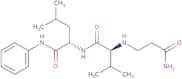
CAS:<p>Please enquire for more information about N-(2-Carbamoyl-ethyl)-Val-Leu-anilide including the price, delivery time and more detailed product information at the technical inquiry form on this page</p>Formula:C20H32N4O3Purity:Min. 95%Molecular weight:376.49 g/molTRAP-6 amide trifluoroacetate salt
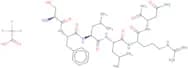
CAS:<p>Protease-activated receptor 1 (PAR-1) selective activating peptide, TFA salt. 98%.</p>Formula:C34H57N11O8Purity:Min. 95%Color and Shape:PowderMolecular weight:747.89 g/mol4-Amino-3-methoxypyridine
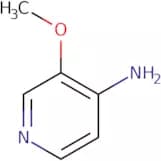
CAS:<p>4-Amino-3-methoxypyridine (4AMMP) is a naturally occurring amino acid that can be found in the nuclei of innervated tissues. It is an inhibitor of the enzyme tyrosine hydroxylase and inhibits the synthesis of catecholamines. The concentration of 4AMMP in blood was measured by radioactivity. This agent has been used for studies on the thalamic nucleus and cortex, as well as for measuring catecholamine levels in tissue homogenates.</p>Formula:C6H8N2OPurity:Min. 95%Molecular weight:124.14 g/molAnthranilyl-HIV Protease Substrate III trifluoroacetate salt
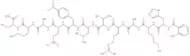
CAS:<p>Please enquire for more information about Anthranilyl-HIV Protease Substrate III trifluoroacetate salt including the price, delivery time and more detailed product information at the technical inquiry form on this page</p>Formula:C65H100N20O17Purity:Min. 95%Molecular weight:1,433.61 g/mol4-Nitro-Z-Gly-Trp-Gly-OH
CAS:<p>Please enquire for more information about 4-Nitro-Z-Gly-Trp-Gly-OH including the price, delivery time and more detailed product information at the technical inquiry form on this page</p>Formula:C23H23N5O8Purity:Min. 95%Molecular weight:497.46 g/mol(Tyr36)-pTH-Related Protein (1-36) amide (chicken)
CAS:<p>Please enquire for more information about (Tyr36)-pTH-Related Protein (1-36) amide (chicken) including the price, delivery time and more detailed product information at the technical inquiry form on this page</p>Formula:C184H301N57O55Purity:Min. 95%Molecular weight:4,191.71 g/molH-Arg-Phe-Ala-OH acetate salt
CAS:<p>Please enquire for more information about H-Arg-Phe-Ala-OH acetate salt including the price, delivery time and more detailed product information at the technical inquiry form on this page</p>Formula:C18H28N6O4Purity:Min. 95%Molecular weight:392.45 g/mol(Val5)-Angiotensin I trifluoroacetate salt
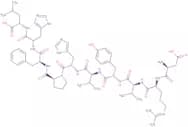
CAS:<p>Angiotensin I is a peptide that belongs to the class of substances called angiotensins. This substance is found in many tissues and organs, including the brain, adrenal gland, and lung. Angiotensin I has been shown to be a pressor agent and also has biochemical effects on amino acid composition. The c-terminal sequence of this substance has been determined by incubating the molecule with pepsin at different pH values. The molecular weight of this substance is 938 Da and it has an amino acid composition of Asp-Arg-Val-Tyr-Val-His-Pro-Phe-His-Leu.</p>Formula:C61H87N17O14Purity:Min. 95%Molecular weight:1,282.45 g/molLQEQ-19 (human) trifluoroacetate salt
<p>Please enquire for more information about LQEQ-19 (human) trifluoroacetate salt including the price, delivery time and more detailed product information at the technical inquiry form on this page</p>Formula:C106H170N30O34Purity:Min. 95%Molecular weight:2,408.67 g/molFmoc-Leu-Gly-OH
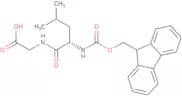
CAS:<p>Fmoc-Leu-Gly-OH is a dipeptide that is reversibly soluble in water and organic solvents. It has been found to be stable at millimeter and nanometer scales, which makes it suitable for use as a hydrogel or fiber. Fmoc-Leu-Gly-OH has also been shown to form membranes of variable thickness (from micrometers to nanometers) that are sensitive to pH changes. This means that the membrane can be used for sensing pH levels in a variety of environments. Dipeptides are amphiphiles, meaning they have both hydrophilic and lipophilic properties. This makes them useful for forming self-assembled structures, such as hydrogels and membranes, that are capable of transporting water molecules through the structure.</p>Formula:C23H26N2O5Purity:Min. 95%Color and Shape:PowderMolecular weight:410.46 g/molHIV (gp120) Fragment (421-438) trifluoroacetate salt
CAS:<p>Please enquire for more information about HIV (gp120) Fragment (421-438) trifluoroacetate salt including the price, delivery time and more detailed product information at the technical inquiry form on this page</p>Formula:C99H148N24O25S2Purity:Min. 95%Molecular weight:2,138.51 g/molL-Glutamic acid α-amide
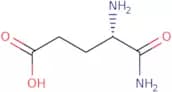
CAS:<p>L-Glutamic acid alpha-amide is an ester hydrochloride that is a tissue culture amide. It is a cyclic peptide analog and a hydroxyl group. L-glutamic acid alpha-amide has been shown to inhibit the inflammatory response in the bowel disease, Crohn's disease, by blocking the toll-like receptor 4 and 5. This drug also inhibits protein synthesis, which may be due to its ability to bind to fatty acids, thereby inhibiting the production of proteins vital for cell division.</p>Formula:C5H10N2O3Purity:Min. 95%Color and Shape:White PowderMolecular weight:146.14 g/molH-Asn-Gln-Glu-Gln-Glu(EDANS)-Arg-OH trifluoroacetate salt
<p>Please enquire for more information about H-Asn-Gln-Glu-Gln-Glu(EDANS)-Arg-OH trifluoroacetate salt including the price, delivery time and more detailed product information at the technical inquiry form on this page</p>Formula:C42H62N14O16SPurity:Min. 95%Molecular weight:1,051.09 g/molH-Lys-Gly-Gly-OH hydrochloride salt
CAS:<p>Histidine is a non-essential amino acid that has been shown to be involved in the regulation of cell growth and differentiation. It is also involved in the biosynthesis of nucleotides, collagen, and carnitine. Kinetic studies on histidine have been done by acetylation of histidine with acetic anhydride and pyridine. The kinetic method used was based on the reaction between histidine and p-nitrophenyl phosphate. The transfer reactions were performed with a strain containing lysine residues which were then adsorbed onto a surface-enhanced Raman spectroscopy (SERS) substrate. These experiments were performed using techniques such as resonance mass spectrometry (RMS), surface-enhanced Raman spectroscopy (SERS), and protonation selective mass spectrometry (PSMS).</p>Formula:C10H20N4O4Purity:Min. 95%Molecular weight:260.29 g/molFmoc-Tyr(tBu)-Wang resin (100-200 mesh)
<p>Please enquire for more information about Fmoc-Tyr(tBu)-Wang resin (100-200 mesh) including the price, delivery time and more detailed product information at the technical inquiry form on this page</p>Purity:Min. 95%H-Leu-Ser-Lys-Leu-OH trifluoroacetate salt
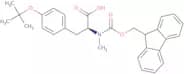
CAS:<p>Please enquire for more information about H-Leu-Ser-Lys-Leu-OH trifluoroacetate salt including the price, delivery time and more detailed product information at the technical inquiry form on this page</p>Formula:C21H41N5O6Purity:Min. 95%Molecular weight:459.58 g/molFmoc-N-methyl-O-tert-butyl-L-tyrosine
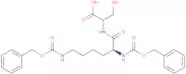
CAS:<p>Fmoc-N-methyl-O-tert-butyl-L-tyrosine is a peptide that mimics the natural substrate serine protease. It has been used to study protein-protein interactions in proteases and their cleavage specificity. This peptide was designed as a peptidomimetic, which is an analog of a protein or peptide. The systematic synthesis of this molecule has been studied extensively and it has been shown that the maximum number of modifications occurs at the N terminus and the minimal number at the C terminus. The residue of this molecule is modified by proteolytic modification, which is a chemical modification that changes the amino acid sequence. Fmoc-N-methyl-O-tert-butyl-L-tyrosine has minimal quantified stability, which means that it can be quantified but not stable for long periods of time.</p>Formula:C29H31NO5Purity:Min. 95%Molecular weight:473.56 g/molZ-Lys(Z)-Ser-OH
CAS:<p>Please enquire for more information about Z-Lys(Z)-Ser-OH including the price, delivery time and more detailed product information at the technical inquiry form on this page</p>Formula:C25H31N3O8Purity:Min. 95%Molecular weight:501.53 g/molAmyloid Bri Protein (1-23) trifluoroacetate salt
CAS:<p>Please enquire for more information about Amyloid Bri Protein (1-23) trifluoroacetate salt including the price, delivery time and more detailed product information at the technical inquiry form on this page</p>Formula:C116H175N31O35S2Purity:Min. 95%Molecular weight:2,627.95 g/molH-Met-2-chlorotrityl resin (200-400 mesh) (Low Substitution)
<p>Please enquire for more information about H-Met-2-chlorotrityl resin (200-400 mesh) (Low Substitution) including the price, delivery time and more detailed product information at the technical inquiry form on this page</p>Purity:Min. 95%Z-Asu (OtBu)-OH·DCHA
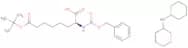
CAS:Controlled Product<p>Please enquire for more information about Z-Asu (OtBu)-OH·DCHA including the price, delivery time and more detailed product information at the technical inquiry form on this page</p>Formula:C20H29NO6·C12H23NPurity:Min. 95%Molecular weight:560.77 g/molCyclo(-D-Trp-Tyr)
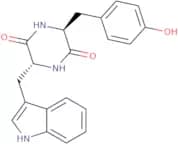
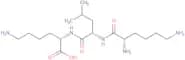
CAS:<p>Cyclo(-D-Trp-Tyr) is a cyclic peptide that is produced by the fungus Microbispora sp. It has been shown to inhibit the growth of Staphylococcus aureus, as well as other bacteria, fungi and cancer cells. Cyclo(-D-Trp-Tyr) binds to the ribosomal RNA in these cells and inhibits protein synthesis. The peptide does not bind to subtilisin or bgc-823, but does bind to lung fibroblasts and leukemia cells.</p>Formula:C20H19N3O3Purity:Min. 95%Molecular weight:349.38 g/molH-Lys-Leu-Lys-OH triacetate salt
CAS:<p>Please enquire for more information about H-Lys-Leu-Lys-OH triacetate salt including the price, delivery time and more detailed product information at the technical inquiry form on this page</p>Formula:C18H37N5O4•3C2H4O2Purity:Min. 95%Molecular weight:567.67 g/molSapecin
CAS:<p>Sapecin is an antimicrobial peptide, which is derived from the hemolymph of the silk moth (Bombyx mori) with potent bactericidal action. The source of Sapecin is the immune system of the silk moth, where it acts as a natural defense mechanism against microbial infections. Its mode of action involves disrupting bacterial cell membranes, leading to cell lysis and death. The peptide achieves this by inserting itself into the lipid bilayer, creating pores that compromise the structural integrity of the membrane.</p>Formula:C164H266N58O52S6Purity:Min. 95%Molecular weight:4,074.62 g/molZ-Gly-Pro-Ala-OH
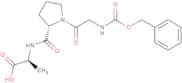
CAS:<p>Z-Gly-Pro-Ala-OH is a peptidase that hydrolyzes the terminal amino acids from the N-terminal of peptides and proteins. It is used as a drug therapy for neurodegenerative diseases. Z-Gly-Pro-Ala-OH has an acidic active site and can be synthesized in an on-line process. It can be monitored using a number of techniques, including monitoring by bovine serum, kinetic analysis, and analytical methods. The optimum pH for this enzyme is 5.5 to 7.0.</p>Formula:C18H23N3O6Purity:Min. 95%Molecular weight:377.39 g/mol(Leu13)-Motilin (human, porcine) trifluoroacetate salt
CAS:<p>Motilin is a gastrointestinal hormone that stimulates gastric motility and the release of pancreatic enzymes. It is also used to treat postoperative ileus, abdominal pain, and gastroduodenal ulcers. Motilin is administered nasogastrically to stimulate the movement of food through the stomach and intestines. The trifluoroacetate salt form is used in this application because it has a longer duration of action than other salts.</p>Formula:C121H190N34O35Purity:Min. 95%Molecular weight:2,681.01 g/molBombesin (8-14) acetate salt
CAS:<p>Bombesin (8-14) acetate salt H-Trp-Ala-Val-Gly-His-Leu-Met-NH2 acetate salt is a bifunctional peptide that has been shown to inhibit the growth of prostate cancer cells. Bombesin (8-14) acetate salt H-Trp-Ala-Val-Gly-His-Leu-Met-NH2 acetate salt also has antiinflammatory properties and is used in treating inflammatory diseases. It inhibits collagen synthesis and fibrinogen activation, which may be important in the treatment of autoimmune diseases such as rheumatoid arthritis. Bombesin (8 14) acetate salt H Trp Ala Val Gly His Leu Met NH2 Acetate Salt has been shown to have no effect on healthy tissues when administered systemically.</p>Formula:C38H57N11O7SPurity:Min. 95%Molecular weight:812 g/molH-Gly-Gly-Lys-Arg-OH acetate salt
CAS:<p>The H-Gly-Gly-Lys-Arg-OH acetate salt is a diagnostic agent that belongs to the group of active analogues. It is an analogue of sialin, a compound that has been shown to be involved in the molecular pathogenesis of cancer tissues. Sialic acid is an important component of many glycoproteins and glycolipids found in the human body. This compound is metabolized by sialidase enzymes, which are present in various tissues and organs such as the brain, kidney, liver, and plasma. The H-Gly-Gly-Lys-Arg-OH acetate salt inhibits these enzymes by binding to them and preventing their action. This drug also inhibits ATP dependent transport systems for neuronal cells.</p>Formula:C16H32N8O5Purity:Min. 95%Molecular weight:416.48 g/mol1-Oleoyl-3-palmitoyl-rac-glycero-2-phosphoethanolamine
CAS:<p>Please enquire for more information about 1-Oleoyl-3-palmitoyl-rac-glycero-2-phosphoethanolamine including the price, delivery time and more detailed product information at the technical inquiry form on this page</p>Formula:C39H76NO8PPurity:Min. 95%Molecular weight:718 g/molInsulin B (22-25)
CAS:<p>Please enquire for more information about Insulin B (22-25) including the price, delivery time and more detailed product information at the technical inquiry form on this page</p>Formula:C26H35N7O5Purity:Min. 95%Molecular weight:525.6 g/molLHRH (sea bream)
CAS:<p>Please enquire for more information about LHRH (sea bream) including the price, delivery time and more detailed product information at the technical inquiry form on this page</p>Formula:C52H68N14O14Purity:Min. 95%Molecular weight:1,113.18 g/molLeech Osmoregulatory Factor
CAS:<p>Leech Osmoregulatory Factor H-Ile-Pro-Glu-Pro-Tyr-Val-Trp-Asp-OH (LOF) is a polyunsaturated peptide that regulates osmotic pressure. It has been purified from the leech Hirudo medicinalis and can be used in diagnosis or treatment of eye disorders, such as diabetic neuropathy, or in the treatment of diseases associated with high blood viscosity. LOF binds to the surface of cells and induces changes in cell shape. The binding of LOF to receptors on the cell membrane triggers receptor binding and subsequent activation of ion channels. This leads to an increase in water permeability across the cell membrane and increases the glomerular filtration rate. LOF also binds to monoclonal antibodies that are specific for eye disorders or other conditions associated with high blood viscosity, which may be useful for diagnosis or treatment.</p>Formula:C50H67N9O14Purity:Min. 95%Molecular weight:1,018.12 g/molNeuromedin S (human) trifluoroacetate salt
<p>Please enquire for more information about Neuromedin S (human) trifluoroacetate salt including the price, delivery time and more detailed product information at the technical inquiry form on this page</p>Formula:C173H265N53O44Purity:Min. 95%Molecular weight:3,791.29 g/molFmoc-Asn(Trt)-Wang resin (100-200 mesh)
<p>Please enquire for more information about Fmoc-Asn(Trt)-Wang resin (100-200 mesh) including the price, delivery time and more detailed product information at the technical inquiry form on this page</p>Purity:Min. 95%(Ala13)-Apelin-13 (human, bovine, mouse, rat) acetate salt
CAS:<p>Apelin-13 is a peptide hormone that is secreted from the stomach and small intestine. It may have analgesic effects through its interaction with μ-opioid receptors, which are also activated by morphine. Apelin-13 has been shown to increase locomotor activity in rats, suggesting it can potentiate the antinociceptive effect of morphine.</p>Formula:C63H107N23O16S·xC2H4O2Purity:Min. 95%Molecular weight:1,474.74 g/molFmoc-Tyr-Ala-diazomethylketone
CAS:<p>Please enquire for more information about Fmoc-Tyr-Ala-diazomethylketone including the price, delivery time and more detailed product information at the technical inquiry form on this page</p>Formula:C28H26N4O5Purity:Min. 95%Molecular weight:498.53 g/mol5-Iodo-2-methoxybenzyl alcohol
CAS:<p>5-Iodo-2-methoxybenzyl alcohol (5IMB) is a conjugate that inhibits tubulin polymerization and mitochondrial membrane integrity. It has significant inhibitory effects on colchicine-induced apoptosis in colon cancer cells, inducing apoptotic cell death by the activation of caspase 3 and annexin. 5IMB also has an inhibitory effect on mitochondria, leading to mitochondrial membrane depolarization and apoptotic cell death. This conjugate also induces the death of human cancer cells, specifically mcf-7, which are involved in tumour growth and metastasis. The mechanism of action for 5IMB is through its ability to induce mitochondrial membrane depolarization, leading to apoptotic cell death.</p>Formula:C8H9O2IPurity:Min. 95%Molecular weight:264.06 g/molNeuropeptide Y-Lys(biotinyl) (free acid) (human, rat) trifluoroacetate salt
<p>Please enquire for more information about Neuropeptide Y-Lys(biotinyl) (free acid) (human, rat) trifluoroacetate salt including the price, delivery time and more detailed product information at the technical inquiry form on this page</p>Formula:C205H310N58O61S2Purity:Min. 95%Molecular weight:4,627.14 g/mol4,6-Dichloro-2-methylnicotinic acid
CAS:<p>Please enquire for more information about 4,6-Dichloro-2-methylnicotinic acid including the price, delivery time and more detailed product information at the technical inquiry form on this page</p>Purity:Min. 95%H-Gly-Arg-Gly-Asp-D-Ser-Pro-OH trifluoroacetate salt
CAS:<p>H-Gly-Arg-Gly-Asp-D-Ser-Pro-OH trifluoroacetate salt (HGGDS) is a collagen gel that is used in the treatment of autoimmune diseases, such as arthritis and lupus. HGGDS inhibits the production of fibrinogen, which is a protein involved in blood clotting, by binding to its receptor on human fibroblasts. It also inhibits the production of basic proteins needed for the generation of collagen and activation of integrin receptors, which are involved in cell adhesion and migration. HGGDS also blocks transcription polymerase chain reactions (PCRs), which are necessary for the synthesis of DNA. This can lead to a decrease in cell proliferation and an increase in apoptosis.</p>Formula:C22H37N9O10Purity:Min. 95%Molecular weight:587.58 g/molEndothelin-1 (human, bovine, dog, mouse, porcine, rat) trifluoroacetate salt
CAS:<p>Please enquire for more information about Endothelin-1 (human, bovine, dog, mouse, porcine, rat) trifluoroacetate salt including the price, delivery time and more detailed product information at the technical inquiry form on this page</p>Formula:C109H159N25O32S5·C2HF3O2Purity:Min. 95%Molecular weight:2,605.93 g/molPHM-27 (human) trifluoroacetate salt
CAS:<p>PHM-27 is a human protein that contains a c-terminal histidine and n-terminal lysine. It contains an amino acid composition of histidine, valine, alanine, aspartic acid, glycine, serine, threonine, arginine, and methionine. PHM-27 is present in the cardiovascular system, nervous system, gastrointestinal system, and respiratory system. It has been shown to be involved in the synthesis of peptides important for blood clotting.</p>Formula:C135H214N34O40SPurity:Min. 95%Molecular weight:2,985.41 g/molFA-Phe-Ala-OH
CAS:<p>F-Phe-Ala-OH is a peptidyl amide that is ionizable at physiological pH. It has a constant and kinetic residue, as well as a hydrophobic, uncharged, and carboxypeptidase activity. F-Phe-Ala-OH catalyzes transpeptidation reactions between the amino acid residues of proteins. This reaction involves the elimination of one water molecule from the peptide bond to form an amine and an imine, which are then hydrolyzed to form the new peptide bond. The optimum pH for this catalysis is acidic.</p>Formula:C19H20N2O5Purity:Min. 95%Molecular weight:356.37 g/molDansyl-Tyr-Val-Gly-OH trifluoroacetate salt
CAS:<p>Dansyl-Tyr-Val-Gly-OH trifluoroacetate salt is a glyoxylate analog that can be used as a substrate in the kinetic assays for glyoxalase I. The enzyme catalyses the conversion of this compound to Dansylglyoxal, which can be detected by absorbance at 360 nm. The second order rate constant and acidic pH of the reaction have been determined using biophysical experiments and expressed as a function of substrate concentration. Inactivates papilloma virus, which is the virus that causes genital warts, at low concentrations.</p>Formula:C28H34N4O7SPurity:Min. 95%Molecular weight:570.66 g/molTyr-Bradykinin
CAS:<p>Bradykinin is a peptide with a variety of physiological effects. It is formed by the cleavage of kininogen by kallikrein, and it is involved in the regulation of vascular tone and blood pressure, as well as responses to pain and inflammation. Bradykinin stimulates the release of histamine from mast cells, which causes an inflammatory response. Bradykinin also has been shown to stimulate the release of leukotrienes, prostaglandins, and cytokines from human lung tissue. The interaction between bradykinin and its receptors has been studied extensively using in vitro assays. The conformational changes in this peptide have been characterized by spectroscopic studies such as nuclear magnetic resonance (NMR) and circular dichroism (CD). In addition, bradykinin can be detected using luminescence techniques such as chemiluminescence or bioluminescence. Studies have shown that micromolar concentrations of bradykinin</p>Formula:C59H82N16O13Purity:Min. 95%Molecular weight:1,223.38 g/molVIP (3-28) (human, mouse, rat) trifluoroacetate salt
CAS:<p>Please enquire for more information about VIP (3-28) (human, mouse, rat) trifluoroacetate salt including the price, delivery time and more detailed product information at the technical inquiry form on this page</p>Formula:C138H226N40O39SPurity:Min. 95%Molecular weight:3,101.58 g/molD-(-)-2-Chlorophenylglycine methyl ester hydrochloride
CAS:<p>Please enquire for more information about D-(-)-2-Chlorophenylglycine methyl ester hydrochloride including the price, delivery time and more detailed product information at the technical inquiry form on this page</p>Formula:C9H10ClNO2•HClPurity:Min. 95%Molecular weight:236.1 g/molMinigastrin I tifluoroacetic acid
CAS:<p>Please enquire for more information about Minigastrin I tifluoroacetic acid including the price, delivery time and more detailed product information at the technical inquiry form on this page</p>Formula:C74H99N15O26S•(CF3CO2H)xPurity:Min. 95%Molecular weight:1,646.73 g/molBoc-Ser(Bzl)-PAM resin (200-400 mesh)
<p>Please enquire for more information about Boc-Ser(Bzl)-PAM resin (200-400 mesh) including the price, delivery time and more detailed product information at the technical inquiry form on this page</p>Purity:Min. 95%Methyl L-tyrosinate
CAS:<p>Methyl-L-tyrosinate is a drug that has been shown to increase the activity of tyrosinase, an enzyme involved in the production of melanin. It also prevents the oxidation of tyrosine and phenylalanine, which are precursors to melanin. Methyl L-tyrosinate has been studied for its potential effects on hepatitis and Parkinson's disease. This drug binds to the hydroxyl group of tyrosinase and inhibits its activity. The inhibition of this enzyme leads to a decrease in melanin synthesis, which may be beneficial for those with vitiligo or other skin disorders where pigment loss is desired. This drug also prevents oxidative carbonylation and functional assays have shown that it has an affinity for potassium ion coordination chemistry.</p>Formula:C10H13NO3Purity:Min. 95%Molecular weight:195.22 g/molH-Gly-Gly-Lys-Ala-Ala-OH acetate salt
CAS:<p>Please enquire for more information about H-Gly-Gly-Lys-Ala-Ala-OH acetate salt including the price, delivery time and more detailed product information at the technical inquiry form on this page</p>Formula:C16H30N6O6Purity:Min. 95%Molecular weight:402.45 g/molUroguanylin Topoisomer B (human) trifluoroacetate salt
<p>Please enquire for more information about Uroguanylin Topoisomer B (human) trifluoroacetate salt including the price, delivery time and more detailed product information at the technical inquiry form on this page</p>Formula:C64H102N18O26S4Purity:Min. 95%Molecular weight:1,667.86 g/molpTH (1-44) (human)
CAS:<p>Please enquire for more information about pTH (1-44) (human) including the price, delivery time and more detailed product information at the technical inquiry form on this page</p>Formula:C225H366N68O61S2Purity:Min. 95%Molecular weight:5,063.87 g/molH-Pro-Pro-Gln-OH trifluoroacetate salt
CAS:<p>Please enquire for more information about H-Pro-Pro-Gln-OH trifluoroacetate salt including the price, delivery time and more detailed product information at the technical inquiry form on this page</p>Formula:C15H24N4O5Purity:Min. 95%Molecular weight:340.38 g/molH-Asp(OtBu)-2-chlorotrityl resin (200-400 mesh)
<p>Please enquire for more information about H-Asp(OtBu)-2-chlorotrityl resin (200-400 mesh) including the price, delivery time and more detailed product information at the technical inquiry form on this page</p>Purity:Min. 95%1-Boc-4-aminoindole
CAS:<p>Please enquire for more information about 1-Boc-4-aminoindole including the price, delivery time and more detailed product information at the technical inquiry form on this page</p>Formula:C13H16N2O2Purity:Min. 95%Molecular weight:232.28 g/molFA-Gly-Val-NH2
CAS:<p>Please enquire for more information about FA-Gly-Val-NH2 including the price, delivery time and more detailed product information at the technical inquiry form on this page</p>Formula:C14H19N3O4Purity:Min. 95%Molecular weight:293.32 g/mol2-Bromo-3-methylbenzoic acid
CAS:<p>2-Bromo-3-methylbenzoic acid is an alcohol that has been shown to be selective for the stereoselective synthesis of chiral secondary alcohols. It has been used in the reduction of 2-formylphenylboronic acid, yielding a mixture of the two possible diastereomers, and in the reductive elimination of carboxylic acids, which can be used as an alternative to the Baylis-Hillman reaction. The compound also has inhibitory activity against several bacteria, including methicillin resistant Staphylococcus aureus (MRSA) and Mycobacterium tuberculosis. 2-Bromo-3-methylbenzoic acid is photochromic and changes color from yellow to red when exposed to UV light.</p>Formula:C8H7BrO2Purity:Min. 95%Color and Shape:PowderMolecular weight:215.04 g/molEGF Receptor (988-993) (phosphorylated) (human)
CAS:<p>Please enquire for more information about EGF Receptor (988-993) (phosphorylated) (human) including the price, delivery time and more detailed product information at the technical inquiry form on this page</p>Formula:C31H46N7O16PPurity:Min. 95%Molecular weight:803.71 g/molAcetyl-Cholecystokinin Octapeptide (2-8) (sulfated)
CAS:<p>Please enquire for more information about Acetyl-Cholecystokinin Octapeptide (2-8) (sulfated) including the price, delivery time and more detailed product information at the technical inquiry form on this page</p>Formula:C47H59N9O14S3Purity:Min. 95%Molecular weight:1,070.22 g/molH-Trp(Boc)-2-chlorotrityl resin (100-200 mesh)
<p>Please enquire for more information about H-Trp(Boc)-2-chlorotrityl resin (100-200 mesh) including the price, delivery time and more detailed product information at the technical inquiry form on this page</p>Purity:Min. 95%(Tyr4,D-Phe12)-Bombesin
CAS:<p>Please enquire for more information about (Tyr4,D-Phe12)-Bombesin including the price, delivery time and more detailed product information at the technical inquiry form on this page</p>Formula:C77H110N22O19SPurity:Min. 95%Molecular weight:1,679.9 g/molAc-Val-Arg-Pro-Arg-AMC trifluoroacetate salt
CAS:<p>Please enquire for more information about Ac-Val-Arg-Pro-Arg-AMC trifluoroacetate salt including the price, delivery time and more detailed product information at the technical inquiry form on this page</p>Formula:C34H51N11O7•C2HF3O2Purity:Min. 98 Area-%Color and Shape:PowderMolecular weight:839.86 g/molBradykinin (2-7) acetate salt
CAS:<p>Please enquire for more information about Bradykinin (2-7) acetate salt including the price, delivery time and more detailed product information at the technical inquiry form on this page</p>Formula:C29H40N6O8Purity:Min. 95%Molecular weight:600.66 g/mol4-Fluoro-2-methoxyphenol
CAS:<p>4-Fluoro-2-methoxyphenol is a fluorinating agent that is used in the manufacture of pharmaceuticals, plastics and pesticides. It has been shown to induce apoptosis in cultured cells by upregulating reactive oxygen species (ROS) and increasing mitochondrial membrane permeability, as well as inhibiting cellular physiology. 4-Fluoro-2-methoxyphenol also inhibits the production of ATP and may be toxic to cells by interfering with dinucleotide phosphate.</p>Formula:C7H7FO2Purity:Min. 95%Color and Shape:Clear LiquidMolecular weight:142.13 g/molAF-2
CAS:<p>AF-2 is a potent, selective and competitive antagonist at the nicotinic acetylcholine receptor (nAChR). AF-2 binds to the extracellular domains of the nAChR and prevents agonists from binding. It has been shown to inhibit acetylcholine release in isolated heart preparations with high affinity and selectivity. The drug has been tested as an anthelmintic against Caenorhabditis elegans and found to be effective. AF-2 is a cholinergic compound that binds to ganglia, leading to a biphasic response. It also has significant effects on the central nervous system, inhibiting both nicotinic and muscarinic acetylcholine receptors.<br>AF-2 is sequenced according to the following formula: <br>H-Lys-His-Glu-Tyr-Leu-Arg-Phe <br>NH2</p>Formula:C47H70N14O10Purity:Min. 95%Molecular weight:991.15 g/molSuc-Ala-His-Pro-Phe-pNA
CAS:<p>Suc-Ala-His-Pro-Phe-pNA is an amide that binds to the casein kinase II, phosphatase, and inhibits cellular growth. The biochemical and cell specific activity of this drug target has been shown using biochemical and cellular assays. Suc-Ala-His-Pro-Phe-pNA has potent inhibitory activity against the enzyme phosphatase, which is a drug target for many diseases such as cancer. This compound also inhibits fk506 binding to endoplasmic reticulum protein FKBP12, which is a drug target for immunosuppressive therapy in organ transplantation. Suc-Ala-His-Pro-Phe-pNA has been shown to have high protease activity towards peptidyl substrates.</p>Formula:C33H38N8O9Purity:Min. 95%Molecular weight:690.7 g/mol(Des-Gly10,D-His2,D-Ser(tBu)6,Pro-NHEt 9)-LHRH acetate salt
<p>Please enquire for more information about (Des-Gly10,D-His2,D-Ser(tBu)6,Pro-NHEt 9)-LHRH acetate salt including the price, delivery time and more detailed product information at the technical inquiry form on this page</p>Formula:C60H86N16O13Purity:Min. 95%Molecular weight:1,239.42 g/molSuc-Ala-Glu-Pro-Phe-AMC
CAS:<p>Please enquire for more information about Suc-Ala-Glu-Pro-Phe-AMC including the price, delivery time and more detailed product information at the technical inquiry form on this page</p>Formula:C36H41N5O11Purity:Min. 95%Molecular weight:719.74 g/molH-Gly-Gly-Arg-Ala-OH acetate salt
CAS:<p>Please enquire for more information about H-Gly-Gly-Arg-Ala-OH acetate salt including the price, delivery time and more detailed product information at the technical inquiry form on this page</p>Formula:C13H25N7O5Purity:Min. 95%Molecular weight:359.38 g/mol
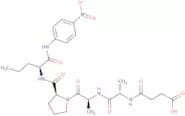

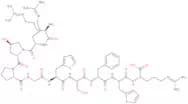

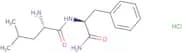
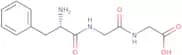
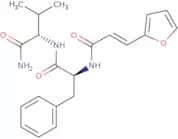


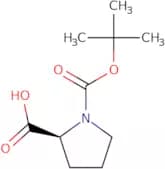
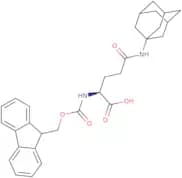


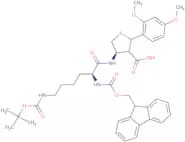


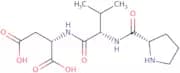
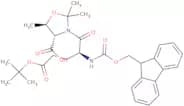
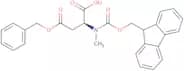

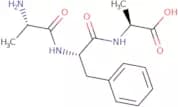


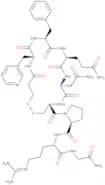


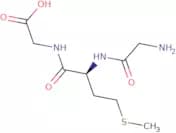
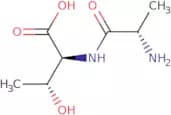


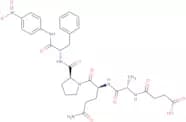
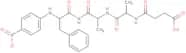
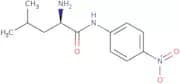

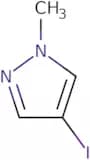
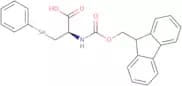
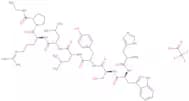

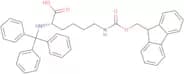
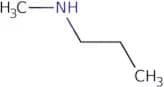
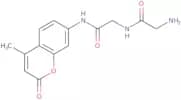

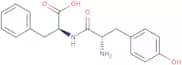
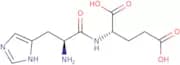
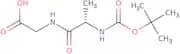
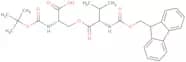
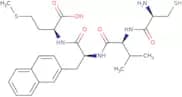
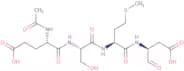
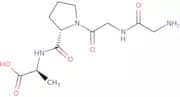
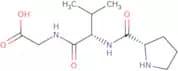

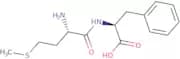

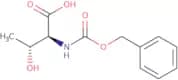
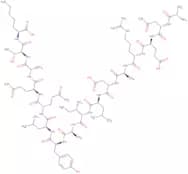
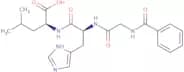
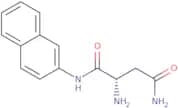
![H-[15N]Tyr-OH](/_next/image/?url=https%3A%2Fstatic.cymitquimica.com%2Fproducts%2F3D%2Fthumb-webp%2FFT107850.webp&w=3840&q=75)
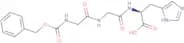
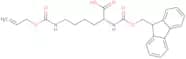
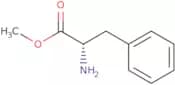
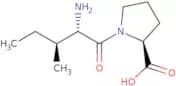

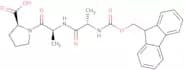

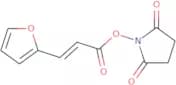

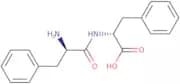
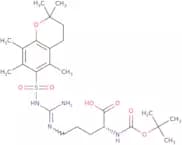
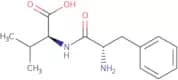


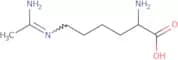


![1-t-Boc-piperidine-4-spiro-5'-[1',3'-bis-t-boc]-hydantoin](/_next/image/?url=https%3A%2Fstatic.cymitquimica.com%2Fproducts%2F3D%2Fthumb-webp%2FFB18981.webp&w=3840&q=75)
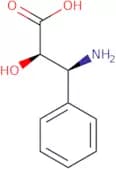
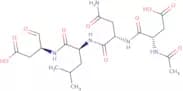
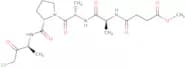
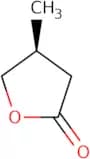
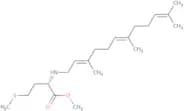
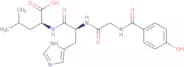
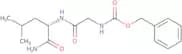

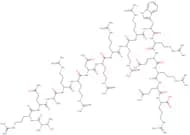
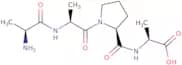

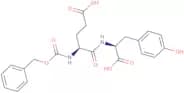

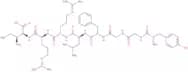
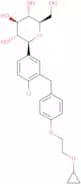


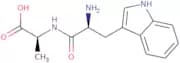
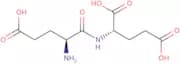


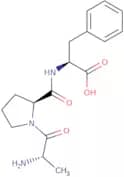

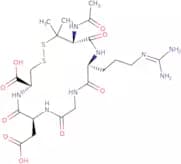



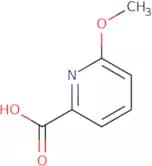
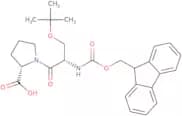
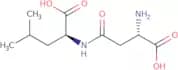
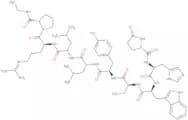
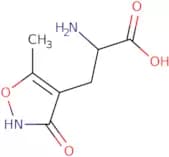
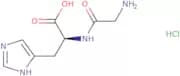

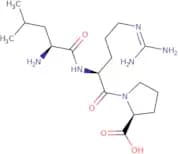
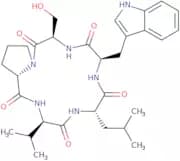
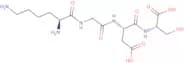
![N-[(RS)-1-Carboxy-3-phenyl-propyl]-Ala-Ala-Phe-4-Abz-OH trifluoroacetate salt](/_next/image/?url=https%3A%2Fstatic.cymitquimica.com%2Fproducts%2F3D%2Fthumb-webp%2FFR111118.webp&w=3840&q=75)