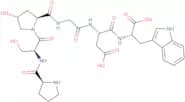
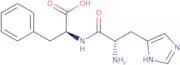
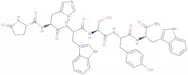
Amino Acids (AA)
Amino acids (AAs) are the fundamental building blocks of proteins, playing a crucial role in various biological processes. These organic compounds are essential for protein synthesis, metabolic pathways, and cell signaling. In this category, you will find a comprehensive range of amino acids, including essential, non-essential, and modified forms, which are vital for research in biochemistry, molecular biology, and nutritional sciences. At CymitQuimica, we provide high-quality amino acids to support your research and development needs, ensuring accuracy and reliability in your experimental outcomes.
Subcategories of "Amino Acids (AA)"
- Amino Acid Derivatives(3,955 products)
- Amino Acid and Amino Acid Related Compounds(3,464 products)
- Amino Acids with Oxygen or Sulphur(168 products)
- Boc- Amino Acids(351 products)
- Fmoc Amino Acids(1,710 products)
Found 38247 products of "Amino Acids (AA)"
Sort by
Purity (%)
0
100
|
0
|
50
|
90
|
95
|
100
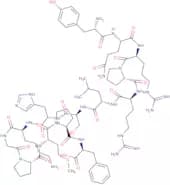
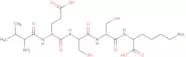
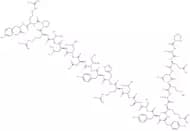
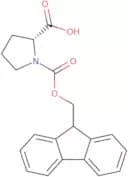
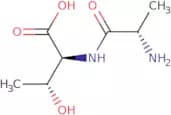
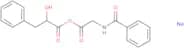
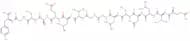
H-Val-His-Leu-Thr-Pro-OH
CAS:<p>Please enquire for more information about H-Val-His-Leu-Thr-Pro-OH including the price, delivery time and more detailed product information at the technical inquiry form on this page</p>Formula:C26H43N7O7Purity:Min. 95%Molecular weight:565.66 g/mol(Gln53)-Connexin 37 (51-58) (human, mouse, rat)
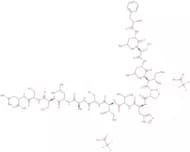
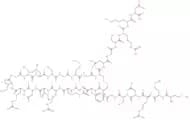
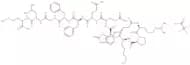
CAS:<p>Please enquire for more information about (Gln53)-Connexin 37 (51-58) (human, mouse, rat) including the price, delivery time and more detailed product information at the technical inquiry form on this page</p>Formula:C40H59N11O15Purity:Min. 95%Molecular weight:933.96 g/molpTH-Related Protein (7-34) amide (human, mouse, rat) trifluoroacetate salt
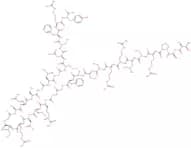
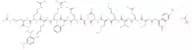
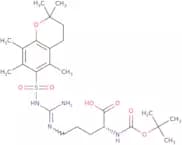
CAS:<p>Please enquire for more information about pTH-Related Protein (7-34) amide (human, mouse, rat) trifluoroacetate salt including the price, delivery time and more detailed product information at the technical inquiry form on this page</p>Formula:C153H247N49O37Purity:Min. 95%Molecular weight:3,364.91 g/molH-Arg(Pbf)-OtBu·HCl
CAS:<p>Please enquire for more information about H-Arg(Pbf)-OtBu·HCl including the price, delivery time and more detailed product information at the technical inquiry form on this page</p>Formula:C23H38N4O5S·HClPurity:Min. 95%Color and Shape:PowderMolecular weight:519.1 g/molNeuropeptide Y (13-36) (porcine) trifluoroacetate salt
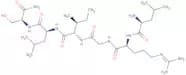
CAS:<p>Please enquire for more information about Neuropeptide Y (13-36) (porcine) trifluoroacetate salt including the price, delivery time and more detailed product information at the technical inquiry form on this page</p>Formula:C135H209N41O36Purity:Min. 95%Molecular weight:2,982.36 g/molZ-Leu-Arg-Gly-Gly-AMC acetate salt
CAS:Controlled Product<p>Please enquire for more information about Z-Leu-Arg-Gly-Gly-AMC acetate salt including the price, delivery time and more detailed product information at the technical inquiry form on this page</p>Formula:C34H44N8O8Purity:Min. 95%Molecular weight:692.76 g/molSuc-Ala-Ala-Val-Ala-pNA
CAS:<p>Suc-Ala-Ala-Val-Ala-pNA is a synthetic peptide that is structurally similar to the natural peptide Vasoactive Intestinal Peptide. The amino acid sequence of this peptide is identical to that of the natural peptide with the exception of two additional amino acids, Ala and Val. Suc-Ala-Ala-Val-Ala-pNA has been shown to have vasoactive properties and it can be used for the treatment of inflammatory diseases such as Crohn's disease. This peptide has also been shown to inhibit protease activity by binding to the reactive site on serine proteases, which are involved in the degradation of extracellular proteins.</p>Formula:C24H34N6O9Purity:Min. 95%Molecular weight:550.56 g/molN-Tritylglycine
CAS:<p>N-Tritylglycine is an acidic amino acid that can be protonated in a highly acidic environment. It has been shown to inhibit the growth of tumor tissue by inducing apoptosis and inhibiting protein synthesis. N-Tritylglycine is used as a reagent for analytical chemistry, where it is used to detect amines such as histamine and serotonin. N-Tritylglycine also has been shown to be potent inhibitor of kinesin.</p>Formula:C21H19NO2Purity:Min. 95%Molecular weight:317.38 g/molFluorescein-6-carbonyl-Asp(OMe)-Glu(OMe)-Val-DL-Asp(OMe)-fluoromethylketone
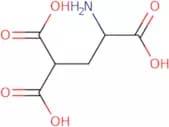
CAS:<p>Please enquire for more information about Fluorescein-6-carbonyl-Asp(OMe)-Glu(OMe)-Val-DL-Asp(OMe)-fluoromethylketone including the price, delivery time and more detailed product information at the technical inquiry form on this page</p>Formula:C43H45FN4O16Purity:Min. 95%Molecular weight:892.83 g/mol3-Hydroxy-3-methylglutaric acid
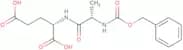
CAS:<p>3-Hydroxy-3-methylglutaric acid is an organic acid that is a valuable intermediate in the chemical production of epidermal growth factor. 3-Hydroxy-3-methylglutaric acid also has been shown to be useful as a reagent for the detection of bacterial strains, including E. coli, Salmonella enterica, and Pseudomonas aeruginosa. The enzyme activities of 3-hydroxy-3-methylglutaric acid are not well understood, but it has been shown to have effects on congestive heart failure and bowel disease. 3-Hydroxy-3-methylglutaric acid may be used in the treatment of inflammatory bowel disease due to its ability to inhibit certain enzymes responsible for inflammation and pain. The long term toxicity and symptoms associated with 3-hydroxy-3-methylglutaric acid have not yet been studied, but it has been shown to have no effect on cardiac function</p>Formula:C6H10O5Purity:Min. 95%Molecular weight:162.14 g/molZ-Leu-Ala-OH
CAS:<p>Z-Leu-Ala-OH is a casein extract that has been processed by ultrafiltration to remove impurities. It is used in the diagnosis of dermatophyte infections and other diseases. Z-Leu-Ala-OH has been shown to inhibit the growth of Trichophyton mentagrophytes, an organism that causes skin infections, as well as the growth of some bacteria and fungi. In addition, this extract can be used to diagnose collagen diseases such as pancreatic disease and fibrinogen disorders.</p>Formula:C17H24N2O5Purity:Min. 95%Molecular weight:336.38 g/molBoc-Val-PAM resin (200-400 mesh)
<p>Please enquire for more information about Boc-Val-PAM resin (200-400 mesh) including the price, delivery time and more detailed product information at the technical inquiry form on this page</p>Purity:Min. 95%H-Trp-Trp-OH
CAS:<p>H-Trp-Trp-OH is a reaction product of the amino acid tryptophan and various electron donors. The radical form of H-Trp-Trp-OH has been studied using 2D nuclear magnetic resonance (NMR) spectroscopy to determine its structure. In addition, H-Trp-Trp-OH has been used to study the mechanism of protein phosphorylation reactions. This chemical can be prepared from a solution of tryptophan in water and an oxidizing agent such as hydrogen peroxide or sodium hypochlorite. The frequency shift observed for H-Trp-Trp-OH was attributed to the presence of a constant that was found to be 10 Hz/M, indicating that this substance is a radical form. The sample preparation technique used in this experiment consisted of adding an equal volume of acetic acid to an unknown sample and then centrifuging it at 5000 rpm for five minutes before measuring its fluorescence emission.</p>Formula:C22H22N4O3Purity:Min. 95%Molecular weight:390.44 g/molAc-D-Ala-D-lactic acid
CAS:<p>Please enquire for more information about Ac-D-Ala-D-lactic acid including the price, delivery time and more detailed product information at the technical inquiry form on this page</p>Formula:C8H13NO5Purity:Min. 95%Molecular weight:203.19 g/molH-Pro-met-oh
CAS:<p>H-Pro-met-oh is an endoplasmic protein that is activated by the acidic α subunit. It belongs to a class of molecules called incompletely activated proteins, which are synthesized in the endoplasmic reticulum. H-Pro-met-oh has been shown to be a potential cancer therapeutic agent. The biochemical and cellular effects of this drug have been studied in vitro on C2C12 cells, which are mouse muscle cells. H-Pro-met-oh has been shown to stimulate fetal bovine growth factor (FGF), which may have therapeutic applications for treating cancer or other diseases where FGF levels are reduced.</p>Formula:C10H18N2O3SPurity:Min. 95%Molecular weight:246.33 g/mol(Lys7)-Phalloidin trifluoroacetate
CAS:<p>Please enquire for more information about (Lys7)-Phalloidin trifluoroacetate including the price, delivery time and more detailed product information at the technical inquiry form on this page</p>Formula:C35H49N9O9S•(C2HF3O2)xPurity:Min. 95%Molecular weight:771.88 g/molAc-Asp-Met-Gln-Asp-AMC
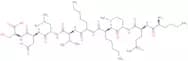
CAS:<p>Please enquire for more information about Ac-Asp-Met-Gln-Asp-AMC including the price, delivery time and more detailed product information at the technical inquiry form on this page</p>Formula:C30H38N6O12SPurity:Min. 95%Molecular weight:706.72 g/molH-Asn-Arg-Val-Tyr-Val-His-Pro-Phe-OH
CAS:<p>H-Asn-Arg-Val-Tyr-Val-His-Pro-Phe (HAV) is a small molecule that is a member of the ubiquitin ligase family. This drug has been shown to have a variety of biological effects, including cardiac and bowel disease, as well as hypertension. HAV has also been shown to reduce the risk of heart failure in people with chronic kidney disease. HAV binds to the protein PCSK9 and inhibits its function by binding to the epsilon site on PCSK9. This leads to an increase in low density lipoprotein cholesterol and a decrease in high density lipoprotein cholesterol levels. HAV also has an amide group that allows it to inhibit angiotensin II and act as a pressor agent.</p>Formula:C49H70N14O11Purity:Min. 95%Molecular weight:1,031.17 g/molH-Ile-NHOH acetate salt
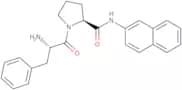
CAS:<p>H-Ile-NHOH acetate salt is an inhibitor of l-amino acid metabolism. It is a competitive inhibitor of the enzyme L-amino acid oxidase, which catalyzes the conversion of l-amino acids to alpha-keto acids and ammonia. H-Ile-NHOH acetate salt has been shown to inhibit the growth of wild type C. glutamicum in a molecular modeling study. In addition, this compound has been shown to block messenger RNA (mRNA) synthesis in a mutant strain of C. glutamicum that does not have the frameshifting mutation. H-Ile-NHOH acetate salt is also known to be an inhibitor of fatty acid biosynthesis by blocking the activity of acyl carrier protein synthetase and acyl carrier protein reductase.</p>Formula:C6H14N2O2Purity:Min. 95%Molecular weight:146.19 g/molH-Ala-Phe-Pro-bNA·HCl
CAS:<p>Please enquire for more information about H-Ala-Phe-Pro-bNA·HCl including the price, delivery time and more detailed product information at the technical inquiry form on this page</p>Formula:C27H30N4O3·HClPurity:Min. 95%Molecular weight:495.01 g/molL-Tyrosine dipotassium
CAS:<p>L-Tyrosine dipotassium salt is a high quality, reagent, complex compound, useful intermediate and fine chemical. It is a useful scaffold that can be used in the synthesis of various important natural products. L-Tyrosine dipotassium salt is a versatile building block that has been widely applied in research on the development of new drugs, such as antiviral agents and antibiotics. L-Tyrosine dipotassium salt can act as a reaction component for many organic reactions. It also has applications in many areas such as medicine, food production, and environmental protection.</p>Formula:C9H11NO3•K2Purity:Min. 95%Molecular weight:259.39 g/molH-Glu-Ala-Gly-Asp-Asp-Ile-Val-Pro-Cys-Ser-Met-Ser-Tyr-Thr-Trp-Thr-Gly-Ala-OH
CAS:<p>H-Glu-Ala-Gly-Asp-Asp-Ile-Val-Pro-Cys-Ser-Met-Ser-Tyr-Thr-Trp-Thr-Gly-Ala is a peptide that is synthesized and expressed in the laboratory. It has been shown to have a constant amino acid sequence, which can be used as a control for protein studies. This peptide is unreactive with surrounding environments and does not undergo photochemical reactions. HAGGS has also been shown to be thermostable, yielding high yields of protein from it. The reactive nature of this peptide makes it unsuitable for use in solvents other than water or buffers containing water. HAGGS has been shown to have proteolytic activity against the hepatitis virus, HIV, and influenza virus. This peptide's fluorescence emission maxima is at 270 nm, which allows it to be observed under UV light.</p>Formula:C81H119N19O30S2Purity:Min. 95%Molecular weight:1,903.05 g/molStaphylococcus Aureus Protein A (SpA)-Derived Peptide
CAS:<p>Please enquire for more information about Staphylococcus Aureus Protein A (SpA)-Derived Peptide including the price, delivery time and more detailed product information at the technical inquiry form on this page</p>Formula:C68H118N20O22Purity:Min. 95%Molecular weight:1,567.79 g/molZ-Gly-Ala-OH
CAS:<p>Z-Gly-Ala-OH is an amide that is synthesized by the solid-phase synthesis of a protected amino acid. The amino acid sequence was determined by sequencing the product and comparing it to the amino acid composition of known glycyl-amides. The enzyme active site was found to be located on the side chain of Gly, which is a polar residue. This catalytic site is only occupied in one orientation, with Ala occupying the opposite side chain position. The yields for this reaction are very high and are not affected by changes in temperature or pH. Z-Gly-Ala-OH has a chiral center at position 3 and can exist as two enantiomers, Z-(+)-glycylalanine and its mirror image, Z-(−)-glycylalanine.</p>Formula:C13H16N2O5Purity:Min. 95%Molecular weight:280.28 g/molAc-3,5-dinitro-Tyr-OEt
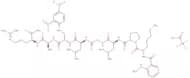
CAS:<p>Please enquire for more information about Ac-3,5-dinitro-Tyr-OEt including the price, delivery time and more detailed product information at the technical inquiry form on this page</p>Formula:C13H15N3O8Purity:Min. 95%Molecular weight:341.27 g/mol(4-((2-Methylphenyl)aminocarbonyl)-aminophenyl)acetyl-Fibronectin CS-1 Fragment (1980-1983)
CAS:<p>Please enquire for more information about (4-((2-Methylphenyl)aminocarbonyl)-aminophenyl)acetyl-Fibronectin CS-1 Fragment (1980-1983) including the price, delivery time and more detailed product information at the technical inquiry form on this page</p>Formula:C36H48N6O9Purity:Min. 95%Molecular weight:708.8 g/molH-Arg-Gly-Asp-Ser-Pro-Ala-Ser-Ser-Lys-Pro-OH
CAS:<p>H-Arg-Gly-Asp-Ser-Pro-Ala-Ser-Ser-Lys-Pro-OH is a peptide that is derived from the sequence of fibronectin. It has been shown to be taken up by urchin cells, which are spherical and have a toroidal shape. This peptide also has modular properties and forms a particle with a pegylated molecule. The amino acid sequence of this peptide is unmodified. H-Arg-Gly-Asp-Ser-Pro-Ala-Ser-Ser-Lys Pro -OH is a synthetic ligand that can be used in the ligation of mesenchyme cells.</p>Formula:C40H68N14O16Purity:Min. 95%Molecular weight:1,001.05 g/molH-Lys-Lys-Lys-Trp-Lys-Lys-Lys-OH acetate salt
CAS:Controlled Product<p>Please enquire for more information about H-Lys-Lys-Lys-Trp-Lys-Lys-Lys-OH acetate salt including the price, delivery time and more detailed product information at the technical inquiry form on this page</p>Formula:C47H84N18O8Purity:Min. 95%Molecular weight:1,029.29 g/mol(Tyr0)-Atriopeptin II (rat)
CAS:<p>Please enquire for more information about (Tyr0)-Atriopeptin II (rat) including the price, delivery time and more detailed product information at the technical inquiry form on this page</p>Formula:C107H165N35O34S2Purity:Min. 95%Molecular weight:2,549.8 g/molAc-His-His-Gly-His-OH
CAS:<p>Ac-His-His-Gly-His-OH is a lysine ligand with an acetyl group and two histidine residues. Acetylation of the hydroxyl group on the lysine residue is necessary for binding to metal ions, such as protonation. This molecule has been shown to have five different protonation states at neutral pH. The protonated form has been found to be more soluble in water than the deprotonated form. Acetylation of both lysines in the molecule leads to hydrolytic cleavage of the amide bond, which causes it to become insoluble in water. Acetylation also alters chemical properties, such as changes in color; for example, this molecule exhibits dichroism when viewed under polarized light.</p>Formula:C22H28N10O6Purity:Min. 95%Molecular weight:528.52 g/molAcetyl-L-leucine amide
CAS:<p>Acetyl-L-leucine amide is a drug used to treat symptoms of depression in geriatric patients. It is an amide form of acetyl-L-leucine, which is an amino acid that plays a role in the synthesis of proteins and lipids. Acetyl-L-leucine amide has been shown to have antidepressant effects in geriatric patients with mild to moderate depression. This drug can be used as part of a combination therapy for infectious diseases, such as tuberculosis, when there is no infection or when resistance to other antibiotics has occurred. Acetyl-L-leucine amide has also been shown to be effective against cervical cancer and breast cancer cells. The synthesis of this drug involves two steps: first, reacting L-leucine with acetyl chloride; second, reacting the product with aqueous ammonia solution.</p>Formula:C8H16N2O2Purity:Min. 95%Molecular weight:172.22 g/molH-Ala-Val-NH2·HCl
CAS:<p>Please enquire for more information about H-Ala-Val-NH2·HCl including the price, delivery time and more detailed product information at the technical inquiry form on this page</p>Formula:C8H17N3O2·HClPurity:Min. 95%Molecular weight:223.7 g/molBoc-Ile-PAM resin (200-400 mesh)
<p>Please enquire for more information about Boc-Ile-PAM resin (200-400 mesh) including the price, delivery time and more detailed product information at the technical inquiry form on this page</p>Purity:Min. 95%Amyloid Dan Protein (1-34) (reduced) trifluoroacetate salt
CAS:<p>Please enquire for more information about Amyloid Dan Protein (1-34) (reduced) trifluoroacetate salt including the price, delivery time and more detailed product information at the technical inquiry form on this page</p>Formula:C185H270N48O51S2Purity:Min. 95%Molecular weight:4,046.55 g/molH-Ala-Gly-Ala-OH
CAS:<p>H-Ala-Gly-Ala-OH is a small molecule that regulates the replication of viruses. It was discovered by x-ray crystallography and has been shown to inhibit the replication of viruses in cell culture. H-Ala-Gly-Ala-OH effectively inhibits viral replication by binding to the protein that is required for viral RNA synthesis. This molecule also affects other cellular processes, such as regulating gene expression and DNA repair. The molecular orbital energies have been calculated using density functional theory and analysed using diffraction data from X-ray crystallography. H-Ala-Gly-Ala-OH binds to the virus's surface by electrostatic interactions with the phosphate backbone of the nucleic acid, preventing it from infecting cells. At low temperatures, HAAGAO can inhibit both DNA and RNA synthesis in vitro, but at higher temperatures it only inhibits RNA synthesis.</p>Formula:C8H15N3O4Purity:Min. 95%Molecular weight:217.22 g/molBoc-Phe-PAM resin (200-400 mesh)
<p>Please enquire for more information about Boc-Phe-PAM resin (200-400 mesh) including the price, delivery time and more detailed product information at the technical inquiry form on this page</p>Purity:Min. 95%DABCYL-Glu-Arg-Nle-Phe-Leu-Ser-Phe-Pro-EDANS trifluoroacetate salt
CAS:<p>Please enquire for more information about DABCYL-Glu-Arg-Nle-Phe-Leu-Ser-Phe-Pro-EDANS trifluoroacetate salt including the price, delivery time and more detailed product information at the technical inquiry form on this page</p>Formula:C76H98N16O15SPurity:Min. 95%Molecular weight:1,507.76 g/molH-Trp-Gly-Tyr-OH
CAS:<p>H-Trp-Gly-Tyr-OH is a carbohydrate binding molecule that has been shown to have an anhydrase activity. It also has sequences with homologous enzymes in other organisms, such as multienzyme and chromatographic enzymes. This molecule is soluble in water and insoluble in organic solvents. H-Trp-Gly-Tyr-OH binds to hemicellulosic carbohydrates and catarrhine carbonic anhydrase, which are found only in higher primates. Mutational analysis has shown that the H-Trp-Gly-Tyr-OH protein can be converted into a cyclopentadienyl derivative, which is not found in nature.</p>Formula:C22H24N4O5Purity:Min. 95%Molecular weight:424.45 g/molFmoc-Arg(Pbf)-Wang resin (200-400 mesh)
<p>Please enquire for more information about Fmoc-Arg(Pbf)-Wang resin (200-400 mesh) including the price, delivery time and more detailed product information at the technical inquiry form on this page</p>Purity:Min. 95%Thrombin B-Chain (147-158) (human)
CAS:<p>Please enquire for more information about Thrombin B-Chain (147-158) (human) including the price, delivery time and more detailed product information at the technical inquiry form on this page</p>Formula:C54H84N16O18Purity:Min. 95%Molecular weight:1,245.34 g/molFmoc-N-methyl-L-leucine
CAS:<p>Please enquire for more information about Fmoc-N-methyl-L-leucine including the price, delivery time and more detailed product information at the technical inquiry form on this page</p>Formula:C22H25NO4Purity:Min. 95%Color and Shape:PowderMolecular weight:367.44 g/mol2-Hydroxy-5-[(4-{[(6-methoxypyridazin-3-yl)amino]sulfonyl}phenyl)diazenyl]benzoic acid
CAS:<p>Used in treatment of nonspecific ulcerative colitis</p>Formula:C18H15N5O6SPurity:Min. 95%Color and Shape:PowderMolecular weight:429.41 g/molZ-Gly-Pro-Arg-4MbNA acetate salt
CAS:Controlled Product<p>Please enquire for more information about Z-Gly-Pro-Arg-4MbNA acetate salt including the price, delivery time and more detailed product information at the technical inquiry form on this page</p>Formula:C32H39N7O6·C2H4O2Purity:Min. 95%Molecular weight:677.75 g/molSuc-Gly-Gly-Phe-pNA
CAS:<p>Suc-Gly-Gly-Phe-pNA is a colorimetric substrate for Chymotrypsin and Streptomyces griseus protease B. Activity is quantified by the release of p-nitroaniline which is measured by absorbance at 405 nm.</p>Formula:C23H25N5O8Purity:Min. 95%Molecular weight:499.47 g/molZ-L-Alanine
CAS:<p>Z-L-Alanine is a cytosolic enzyme inhibitor that inhibits the activity of enzymes involved in protein catalysis. This inhibition is stereoselective, with the L-enantiomer having the stronger inhibitory effect. Z-L-Alanine has been shown to be an effective inhibitor of proteolytic enzymes and has been used as an additive in buffers to prevent enzymatic degradation. Molecular modeling studies have demonstrated that Z-L-Alanine can bind to the active site of these enzymes and inhibit their activity by binding to the catalytic triad of serine, aspartate, and histidine residues. The molecular structure of Z-L-Alanine resembles that of a natural substrate for these enzymes, which may account for its effectiveness in inhibiting them. FTIR spectroscopy has confirmed the presence of Z-L-alanine in a sample obtained from a bacterial culture. Liquid chromatography has shown that this amino acid is present at high levels in various</p>Formula:C11H13NO4Purity:Min. 95%Color and Shape:White Off-White PowderMolecular weight:223.23 g/molH-Leu-2-chlorotrityl resin (200-400 mesh) (Low Substitution)
<p>Please enquire for more information about H-Leu-2-chlorotrityl resin (200-400 mesh) (Low Substitution) including the price, delivery time and more detailed product information at the technical inquiry form on this page</p>Purity:Min. 95%GLP-1 (7-36)-Lys(6-FAM) amide (human, bovine, guinea pig, mouse, rat) trifluoroacetate salt
CAS:<p>Please enquire for more information about GLP-1 (7-36)-Lys(6-FAM) amide (human, bovine, guinea pig, mouse, rat) trifluoroacetate salt including the price, delivery time and more detailed product information at the technical inquiry form on this page</p>Formula:C176H248N42O52Purity:Min. 95%Molecular weight:3,784.1 g/mol(D-Arg0, Hyp 3,D-Phe7)-Bradykinin trifluoroacetate salt
CAS:<p>Bradykinin is a peptide hormone that has been found to act through the bradykinin receptor. It has also been found to be an antagonist of the receptor, as it inhibits the growth of cells that are stimulated by bradykinin. This drug can be used for the treatment of asthma and other inflammatory diseases. The sequence of this drug is D-Arg0, Hyp 3,D-Phe7)-Bradykinin trifluoroacetate salt H-D-Arg-Arg-Pro-Hyp-Gly-Phe-Ser-D-Phe-Phe-Arg-OH trifluoroacetate salt.</p>Formula:C60H87N19O13Purity:Min. 95%Molecular weight:1,282.45 g/molFmoc-Asp(OtBu)-Wang resin (100-200 mesh)
<p>Please enquire for more information about Fmoc-Asp(OtBu)-Wang resin (100-200 mesh) including the price, delivery time and more detailed product information at the technical inquiry form on this page</p>Purity:Min. 95%H-Leu-Tyr-Leu-OH
CAS:<p>H-Leu-Tyr-Leu-OH is a molecule that contains a pyrrolidine ring and methyl groups. The molecule is an amino acid, which is one of the twenty that are used to form proteins. It has three terminal residues, which are H, Leu, and Tyr. The crystallographic structure of the compound was determined by x-ray crystallographic studies and it was found to be orthorhombic with a sephadex crystal lattice. The molecular conformation of this compound can be altered through kinetic or equilibrium processes.</p>Formula:C21H33N3O5Purity:Min. 95%Molecular weight:407.5 g/molZ-Leu-Tyr-chloromethylketone
CAS:<p>Z-Leu-Tyr-chloromethylketone is a peptide that binds to the reticulum and prevents the release of calcium ions. It is a chloromethyl ketone, which inhibits the L-type calcium channels in cells. Z-Leu-Tyr-chloromethylketone has been shown to block the influx of calcium ions into cytosolic compartments. This process leads to inhibition of protein synthesis and cell death by apoptosis.</p>Formula:C24H29ClN2O5Purity:Min. 95%Molecular weight:460.95 g/molH-Arg(Pmc)-2-chlorotrityl resin (200-400 mesh)
<p>Please enquire for more information about H-Arg(Pmc)-2-chlorotrityl resin (200-400 mesh) including the price, delivery time and more detailed product information at the technical inquiry form on this page</p>Purity:Min. 95%Z-β-Ala-Gly-Gly-OH
CAS:<p>Please enquire for more information about Z-beta-Ala-Gly-Gly-OH including the price, delivery time and more detailed product information at the technical inquiry form on this page</p>Formula:C15H19N3O6Purity:Min. 95%Molecular weight:337.33 g/mol(3S)-3-(tert-Butoxycarbonyl)amino-1-chloro-4-phenyl-2-butanone
CAS:<p>(3S)-3-(tert-Butoxycarbonyl)amino-1-chloro-4-phenyl-2-butanone is an organic compound that belongs to the class of carbonyl reductase. It is used as a catalyst for the transformation of secondary alcohols to ketones or aldehydes, including isopropyl alcohol. The reaction proceeds via an intermediate carboxylic acid. The enzyme has been found in various microorganisms, and can be purified from Bacillus megaterium and Streptomyces lividans. The enzyme’s activity can be inhibited by steric effects, metal ions, or other compounds. (3S)-3-(tert-Butoxycarbonyl)amino-1-chloro-4-phenyl-2-butanone crystallizes in two forms: one with the chiral center at the 3 position and one with it at the 4 position.</p>Purity:Min. 95%L-Lysine diisocyanate
CAS:<p>L-Lysine diisocyanate is an organic compound that is a reactive site for the production of calcium stearate and ethylene diamine. It has been shown to be a reactive site in vitro, but not in vivo. L-Lysine diisocyanate reacts with water vapor to produce hydrogen cyanide, which is toxic to cells. The presence of l-lysine can inhibit the formation of hydrogen cyanide, but it also inhibits uptake into cells and tissue cultures.</p>Formula:C8H10N2O4Purity:Min. 95 Area-%Molecular weight:198.18 g/mol1-Methyl-4-(4,4,5,5-tetramethyl-[1,3,2]dioxaborolan-2-yl)-1h-imidazole
CAS:<p>Please enquire for more information about 1-Methyl-4-(4,4,5,5-tetramethyl-[1,3,2]dioxaborolan-2-yl)-1h-imidazole including the price, delivery time and more detailed product information at the technical inquiry form on this page</p>Formula:C10H17BN2O2Purity:Min. 95%Color and Shape:PowderMolecular weight:208.07 g/molAmyloid P Component (33-38) amide trifluoroacetate salt
CAS:<p>Please enquire for more information about Amyloid P Component (33-38) amide trifluoroacetate salt including the price, delivery time and more detailed product information at the technical inquiry form on this page</p>Formula:C37H56N10O7SPurity:Min. 95%Molecular weight:784.97 g/molTIPP
CAS:<p>TIPP is a peptide that belongs to the group of chemokines. It has been shown to have receptor binding activity and to stimulate the release of pro-inflammatory cytokines in cancer cells. TIPP interacts with membranes by forming hydrogen bonds with carbonyl groups and hydroxyl groups, which are located in the membrane. This results in a low energy barrier for intramolecular hydrogen transfer, making it a suitable candidate for drug design. TIPP also interacts with receptors, such as δ receptors, which may contribute to its anti-cancer properties.</p>Formula:C37H38N4O6Purity:Min. 95%Molecular weight:634.72 g/molH-Cys-psi(CH2NH)Val-psi(CH2NH)Phe-Met-OH trifluoroacetate salt
CAS:<p>FTI-277 is a peptidomimetic compound that inhibits HIV-1 protease. FTI-277 is an orally active, potent, and selective inhibitor of HIV-1 protease. The drug has been shown to be effective in the treatment of HIV infection in various clinical trials. FTI-277 inhibited HIV replication in activated cells and disrupted virion production by binding to the target enzyme. FTI-277 also has potential for use as a diagnostic tool for detecting the presence of HIV in body fluids.</p>Formula:C22H38N4O3S2Purity:Min. 95%Molecular weight:470.69 g/molUrotensin I
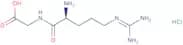
CAS:<p>Please enquire for more information about Urotensin I including the price, delivery time and more detailed product information at the technical inquiry form on this page</p>Formula:C210H340N62O67S2Purity:Min. 95%Molecular weight:4,869.46 g/molH-Arg-Gly-OH·HCl
CAS:<p>Please enquire for more information about H-Arg-Gly-OH·HCl including the price, delivery time and more detailed product information at the technical inquiry form on this page</p>Formula:C8H17N5O3·HClPurity:Min. 95%Molecular weight:267.71 g/mol(Deamino-Cys3, Nle 4,Arg5,D-2-Nal 7,Cys11)-a-MSH (3-11) amide trifluoroacetate salt
CAS:<p>Please enquire for more information about (Deamino-Cys3, Nle 4,Arg5,D-2-Nal 7,Cys11)-a-MSH (3-11) amide trifluoroacetate salt including the price, delivery time and more detailed product information at the technical inquiry form on this page</p>Formula:C56H76N18O9S2Purity:Min. 95%Molecular weight:1,209.45 g/molCyclo(-Glu-Glu)
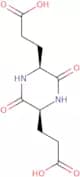
CAS:<p>Please enquire for more information about Cyclo(-Glu-Glu) including the price, delivery time and more detailed product information at the technical inquiry form on this page</p>Formula:C10H14N2O6Purity:Min. 95%Molecular weight:258.23 g/molFluorogenic Human CMV Protease Substrate trifluoroacetate salt
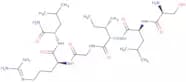
CAS:<p>Please enquire for more information about Fluorogenic Human CMV Protease Substrate trifluoroacetate salt including the price, delivery time and more detailed product information at the technical inquiry form on this page</p>Formula:C73H109N23O18SPurity:Min. 95%Molecular weight:1,628.86 g/molH-Ser-Ile-Gly-Ser-Leu-Ala-Lys-OH trifluoroacetate salt
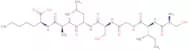
CAS:<p>H-Ser-Ile-Gly-Ser-Leu-Ala-Lys-OH trifluoroacetate salt is a recombinant, fluorescent, hydrazide, labile protein that has been synthesized with a murine amino acid sequence. This protein has been shown to be reactive with the cytokine IL2 and can be used for labeling of cells or proteins in cytometric analysis. The N-terminal end of this protein is acidic, allowing for it to react with periodate or hydroxylamine for tagging purposes.</p>Formula:C29H54N8O10Purity:Min. 95%Molecular weight:674.79 g/molAnti-Inflammatory Peptide 1
CAS:<p>Anti-Inflammatory Peptide 1 is a peptide that has been shown to have anti-inflammatory properties. It is synthesized from H-Met-Gln-Met-Lys-Lys-Val-Leu-Asp-Ser-OH, with the hydroxyl group linked by an ester bond to the N terminal of the peptide. Antiinflammatory peptides can be used as potential biomarkers for inflammatory diseases or as a treatment for these diseases.</p>Formula:C45H82N12O14S2Purity:Min. 95%Molecular weight:1,079.34 g/mol(Des-octanoyl)-Ghrelin (human) acetate salt
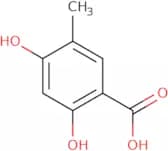
CAS:<p>Acetate salt</p>Formula:C141H235N47O41·xC2H4O2Purity:Min. 95%Molecular weight:3,244.67 g/mol2,4-Dihydroxy-5-methylbenzoic acid
CAS:<p>2,4-Dihydroxy-5-methylbenzoic acid is a high quality chemical that can be used as a reagent, intermediate, or building block. It has many uses in the production of fine chemicals and research chemicals. 2,4-Dihydroxy-5-methylbenzoic acid is also a versatile building block for organic synthesis reactions. This compound has shown to have anti-inflammatory properties and may be useful as a treatment for arthritis.</p>Formula:C8H8O4Purity:Min. 95%Color and Shape:PowderMolecular weight:168.15 g/mol(D-Trp32)-Neuropeptide Y (human, rat) trifluoroacetate salt
CAS:<p>Please enquire for more information about (D-Trp32)-Neuropeptide Y (human, rat) trifluoroacetate salt including the price, delivery time and more detailed product information at the technical inquiry form on this page</p>Formula:C196H288N56O56SPurity:Min. 95%Molecular weight:4,356.79 g/molPAR-2 (6-1) amide (mouse, rat) trifluoroacetate salt
CAS:<p>PAR-2 (6-1) amide is a proteolytic enzyme that is activated by inflammatory stimuli. It has been shown to be a major contributor to the pathogenesis of inflammatory bowel disease, and is found in neurons, the bowel, and pancreatic acinar cells. PAR-2 (6-1) amide activates proteases such as trypsin and chymotrypsin and also functions as an antimicrobial peptide. Activation of PAR-2 (6-1) amide leads to the cleavage of proteins at specific sites on their amino acid chains. This cleavage can lead to changes in protein conformation or function. PAR-2 (6-1) amide has been shown to increase endothelial cell proliferation and inhibit bacterial growth, but does not have any effect on cultured normal human skin fibroblasts.</p>Formula:C29H56N10O7Purity:Min. 95%Molecular weight:656.82 g/molMethyltetrazine amine
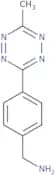
CAS:<p>A building block used for derivatization of carboxylic acids or activated esters with methytetrazine moiety. The stability of Methyltetrazine Amine is substantially improved compared to hydrogen substituted tetrazine-tmine. Superior stability of methyltetrazine-amine allows this reagent to be used in wider range of chemical transformations. Long-term storage of methyltetrazine-amine, especially in aqueous buffer, is also greatly improved compared to Tetrazine Amine.Supplied as the HCl salt</p>Formula:C10H11N5Purity:Min. 95%Color and Shape:PowderMolecular weight:201.23 g/molBoc-Ala-Gly-OSu
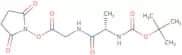
CAS:<p>Please enquire for more information about Boc-Ala-Gly-OSu including the price, delivery time and more detailed product information at the technical inquiry form on this page</p>Formula:C14H21N3O7Purity:Min. 95%Molecular weight:343.33 g/mol(D-Arg1,D-Phe5,D-Trp7·9,Leu11)-Substance P
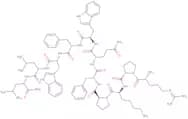
CAS:<p>Substance P is a neuropeptide that binds to the tachykinin receptor NK1. It has potent anti-inflammatory and mitogenic activities, which are mediated through its binding to the NK1 receptor. Substance P can stimulate lung cancer cells to proliferate and inhibit their apoptosis, which may be due to an autocrine mechanism. In addition, it has been shown that substance P can potentiate the growth of some cancers such as colon cancer in vitro and in vivo by increasing DNA synthesis and cell proliferation. This peptide also has a dose-dependent effect on cell growth, with high doses inhibiting cell proliferation at higher levels than low doses.</p>Formula:C79H109N19O12Purity:Min. 95%Molecular weight:1,516.83 g/molSpexin trifluoroacetate salt
CAS:<p>Please enquire for more information about Spexin trifluoroacetate salt including the price, delivery time and more detailed product information at the technical inquiry form on this page</p>Formula:C74H114N20O19SPurity:Min. 95%Molecular weight:1,619.89 g/molH-Val-4MbNA·HCl
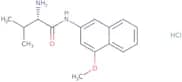
CAS:<p>Please enquire for more information about H-Val-4MbNA·HCl including the price, delivery time and more detailed product information at the technical inquiry form on this page</p>Formula:C16H20N2O2·HClPurity:Min. 95%Molecular weight:308.8 g/molH-Asp-Phe-NH2
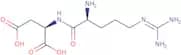
CAS:<p>H-Asp-Phe-NH2 is a carboxy terminal amide of angiotensin, which is a peptide hormone. It is an analog of angiotensin II, which has been shown to have a number of therapeutic effects in the treatment of infectious diseases and cancer. H-Asp-Phe-NH2 has been shown to activate the angiotensin system by binding to serine protease, thereby regulating blood pressure and body fluid levels. This drug also has anti-inflammatory properties that may be due to its ability to inhibit prostaglandin synthesis. The optimal pH for this chemical reaction is 7.5. Structural studies on this compound have revealed that it can form hydrogen bonds with amino acids in proteins and tissues such as cysteine, histidine, and lysine.</p>Formula:C13H17N3O4Purity:Min. 95%Molecular weight:279.29 g/molH-Arg-D-Asp-OH
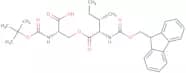
CAS:<p>Please enquire for more information about H-Arg-D-Asp-OH including the price, delivery time and more detailed product information at the technical inquiry form on this page</p>Formula:C10H19N5O5Purity:Min. 95%Molecular weight:289.29 g/molBoc-Ser(Ile-Fmoc)-OH
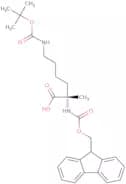
CAS:<p>Boc-Ser(Ile-Fmoc)-OH is a peptide synthesis reagent that can be used for the efficient and convenient preparation of peptides. It is a synthetic, non-natural amino acid that has been synthesized by the chemists at Pfizer. Boc-Ser(Ile-Fmoc)-OH is an epimer of natural L-serine and has been shown to be more soluble than L-serine making it easier to work with. This reagent can also be used in the synthesis of biomolecules such as proteins and nucleic acids. The chemistry behind this compound has been published in the journal Biomolecular Chemistry.</p>Formula:C29H36N2O8Purity:Min. 95%Molecular weight:540.6 g/molFmoc-α-Me-Lys(Boc)-OH
CAS:<p>Fmoc-a-Me-Lys(Boc)-OH is a versatile building block that can be used in the synthesis of complex compounds. It is a reagent and speciality chemical, which are substances used in research laboratories. Fmoc-a-Me-Lys(Boc)-OH has been used as an intermediate in the synthesis of drugs such as antihypertensive agents, anticonvulsants, and antibiotics. It has also been used as a reaction component in organic syntheses to produce peptides, polymers, and other compounds with biologically active properties.</p>Formula:C27H34N2O6Purity:Min. 95%Color and Shape:White PowderMolecular weight:482.57 g/molAc-DL-Lys(Ac)-OH
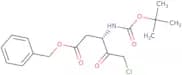
CAS:<p>Please enquire for more information about Ac-DL-Lys(Ac)-OH including the price, delivery time and more detailed product information at the technical inquiry form on this page</p>Formula:C10H18N2O4Purity:Min. 95%Molecular weight:230.26 g/molBoc-Asp(OBzl)-chloromethylketone
CAS:<p>Boc-Asp(OBzl)-chloromethylketone is a synthetic molecule that is immunoreactive with gp120, the virus protein. It has been shown to inhibit the proliferation of human neuroblastoma cells and induce cell death. This compound also has an effect on cytokine production in vitro. This drug is currently being studied as a potential treatment for HIV infection. Boc-Asp(OBzl)-chloromethylketone binds to the receptor type and viral type, which are essential for the virus life cycle and induces antibody production in vivo.</p>Formula:C17H22ClNO5Purity:Min. 95%Molecular weight:355.81 g/molDABCYL-(Asn670,Leu671)-Amyloid b/A4 Protein Precursor770 (669-674)-EDANS ammonium salt
CAS:<p>Please enquire for more information about DABCYL-(Asn670,Leu671)-Amyloid b/A4 Protein Precursor770 (669-674)-EDANS ammonium salt including the price, delivery time and more detailed product information at the technical inquiry form on this page</p>Formula:C54H70N12O15SPurity:Min. 95%Molecular weight:1,159.27 g/mol(D-Trp6)-LHR
<p>Please enquire for more information about (D-Trp6)-LHR including the price, delivery time and more detailed product information at the technical inquiry form on this page</p>Formula:C83H115N25O17Purity:Min. 95%Molecular weight:1,734.96 g/molH-Lys-Thr-OH hydrochloride salt
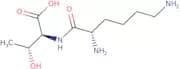
CAS:<p>H-Lys-Thr-OH hydrochloride salt is a synthetic amino acid that has been used in the synthesis of a cyclic peptide. The synthesis was achieved by metathesis reactions, which involved the reaction of an acid chloride with a chiral amine to form an ester. H-Lys-Thr-OH hydrochloride salt has been shown to have high binding constants to its targets and can be used as a selective reagent for the synthesis of virus proteins. It is also able to bind to carboxylate groups, which are common in wild type viruses and gene products. This reagent also has cleavage products, which can be used for efficient method for synthesizing cyclic peptides.</p>Formula:C10H21N3O4Purity:Min. 95%Molecular weight:247.29 g/molLIP1 (human) trifluoroacetate salt
<p>Please enquire for more information about LIP1 (human) trifluoroacetate salt including the price, delivery time and more detailed product information at the technical inquiry form on this page</p>Formula:C133H229N45O37Purity:Min. 95%Molecular weight:3,050.52 g/molNFAT Inhibitor trifluoroacetate salt
CAS:<p>NFAT Inhibitor trifluoroacetate salt H-Met-Ala-Gly-Pro-His-Pro-Val-Ile-Val-Ile-Thr-Gly-Pro-His-Glu-Glu (NFAT) is an inhibitor drug that has been shown to inhibit the nuclear factor of activated T cells (NFAT). NFAT is a transcriptional regulator that controls the expression of inflammatory genes in macrophages and other cell types. NFAT inhibitors have been shown to be effective for treating bowel diseases, such as ulcerative colitis and Crohn's disease, by inhibiting the activation of macrophages. NFAT inhibitors are also used in vitro as a tool for studying cellular signaling pathways. The most common type of NFAT inhibitor is fluconazole, which blocks calcineurin activity and prevents the activation of NFAT. However, other types of inhibitors are being developed, including mmp9 activity or</p>Formula:C75H118N20O22SPurity:Min. 95%Molecular weight:1,683.93 g/molSuc-Ala-Lys-Pro-Phe-pNA
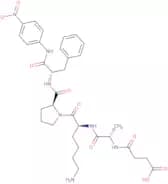
CAS:<p>Suc-Ala-Lys-Pro-Phe-pNA is a casein that has been modified to contain additional lysine residues. This modification increases the protein’s stability, making it more resistant to hydrolysis by phosphatases. Suc-Ala-Lys-Pro-Phe-pNA also contains a peptide sequence that is homologous to a part of the endoplasmic reticulum chaperone FK506 binding protein (FKBP). The peptide sequence in this casein acts as an artificial chaperone and can be used in cell culture experiments to stabilize newly synthesized proteins.</p>Formula:C33H43N7O9Purity:Min. 95%Molecular weight:681.74 g/molH-D-Leu-D-Leu-OH
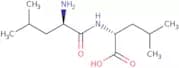
CAS:<p>H-D-Leu-D-Leu-OH is a type of molecule that can be found in the human body. It is an amino acid with specificities and transport mechanisms that are not yet well understood. This compound is resistant to aminopeptidase activity and has been shown to have a ph optimum in the intestinal tract. Acetylation of this molecule may also have an effect on its transport rate, as it has been shown to affect the transport rate of D-tryptophan and D-alanine. H-D-Leu-D-Leu-OH is a type of molecule that can be found in the human body. It is an amino acid with specificities and transport mechanisms that are not yet well understood. This compound is resistant to aminopeptidase activity and has been shown to have a ph optimum in the intestinal tract. Acetylation of this molecule may also have an effect on its transport rate, as</p>Formula:C12H24N2O3Purity:Min. 95%Molecular weight:244.33 g/molThr-Ala-Pro-Arg-Atrial Natriuretic Factor (1-28) (human, bovine, porcine) trifluoroacetate salt
CAS:<p>Thr-Ala-Pro-Arg-Atrial Natriuretic Factor (1-28) (human, bovine, porcine) trifluoroacetate salt is a peptide hormone that regulates blood pressure by causing the kidneys to excrete sodium and water. It is used as a model system for studying the physiological effects of urodilatin and has been shown to inhibit the cyclase enzyme. Thr-Ala-Pro-Arg-Atrial Natriuretic Factor (1-28) (human, bovine, porcine) trifluoroacetate salt may also have an antihypertensive effect through its ability to reduce levels of natriuretic peptides in plasma. This drug is also being investigated as a possible treatment for congestive heart failure. The small molecular weight makes it suitable for use as a natriuretic or antihypertensive drug with minimal side effects.</p>Formula:C145H234N52O44S3Purity:Min. 95%Molecular weight:3,505.93 g/molH-Met-His-OH
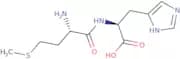
CAS:<p>H-Met-His-OH is a metabolite of methionine, which has been shown to have insulin sensitizing effects. H-Met-His-OH is produced from the reaction of methionine with hydrochloric acid and water molecule. This compound has been shown to modulate glucose metabolism by increasing insulin sensitivity in diabetic rats. It has also been shown to be able to increase estradiol levels in female mice, which may be due to its ability to inhibit protein synthesis. H-Met-His-OH also binds to histidine residues on the protein surface and may regulate protein kinetics via an unidentate mechanism.</p>Formula:C11H18N4O3SPurity:Min. 95%Molecular weight:286.35 g/molPhylloseptin-L2 trifluoroacetate salt
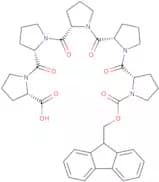
CAS:<p>Please enquire for more information about Phylloseptin-L2 trifluoroacetate salt including the price, delivery time and more detailed product information at the technical inquiry form on this page</p>Formula:C76H126N18O19Purity:Min. 95%Molecular weight:1,595.92 g/molFmoc-Pro-Pro-Pro-Pro-Pro-OH
CAS:<p>Please enquire for more information about Fmoc-Pro-Pro-Pro-Pro-Pro-OH including the price, delivery time and more detailed product information at the technical inquiry form on this page</p>Formula:C40H47N5O8Purity:Min. 95%Molecular weight:725.83 g/molFmoc-Met-Wang resin (100-200 mesh)
<p>Please enquire for more information about Fmoc-Met-Wang resin (100-200 mesh) including the price, delivery time and more detailed product information at the technical inquiry form on this page</p>Purity:Min. 95%Fmoc-Arg(Mtr)-Wang resin (200-400 mesh)
<p>Please enquire for more information about Fmoc-Arg(Mtr)-Wang resin (200-400 mesh) including the price, delivery time and more detailed product information at the technical inquiry form on this page</p>Purity:Min. 95%Fmoc-4-(7-hydroxy-4-coumarinyl)-Abu-OH
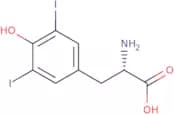
CAS:<p>Please enquire for more information about Fmoc-4-(7-hydroxy-4-coumarinyl)-Abu-OH including the price, delivery time and more detailed product information at the technical inquiry form on this page</p>Formula:C28H23NO7Purity:Min. 95%Molecular weight:485.48 g/mol3,5-Diiodo-L-tyrosine
CAS:<p>3,5-Diiodo-L-tyrosine (3DILT) is an iodinated amino acid that can be used as a marker for human immunodeficiency virus (HIV) infection. It is synthesized by the reaction of 3,5-diiodotyrosine with L-tyrosine in the presence of a metal chelate and dinucleotide phosphate. This reaction proceeds via nucleophilic substitution on the aromatic ring with an iodide ion. The product is then purified to remove unreacted 3,5-diiodotyrosine and the metal chelate. 3DILT reacts with antibodies in a luminescence immunoassay to produce light that can be detected. The detection limit of this assay is 10 pg/mL.</p>Formula:C9H9I2NO3Purity:Min. 95%Molecular weight:432.98 g/molH-Tyr-Leu-OH
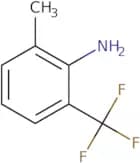
CAS:<p>H-Tyr-Leu-OH is a peptide that has been shown to have regulatory effects on the synthesis of dopamine and 5-hydroxytryptamine (5HT), which is responsible for mood, appetite, and sleep. H-Tyr-Leu-OH is an orally active compound that has antidepressant-like activity in animals. It has also been shown to have antiobesity effects by regulating the secretion of proctolin from the pancreas. H-Tyr-Leu-OH has a pH optimum of 7, which is neutral. This compound can be used in cell culture experiments to study the effect of pH on enzyme preparations.</p>Formula:C15H22N2O4Purity:Min. 95%Molecular weight:294.35 g/mol2-methyl-6-(trifluoromethyl)aniline
CAS:<p>2-Methyl-6-(trifluoromethyl)aniline is a colorless, oily liquid with a sulfurous odor. It is soluble in water and alcohol. The reaction rate of 2-methyl-6-(trifluoromethyl)aniline with sulfoxides is faster than that of benzyl anilines, but slower than that of anilino derivatives. The addition of hydrophobic groups to the 2-methyl-6-(trifluoromethyl)aniline molecule increases the reaction rate. 2-Methyl-6-(trifluoromethyl)aniline can be used as an anesthetic agent because it is a potent inhibitor of nerve conduction in sciatic nerves. It also has been shown to be effective in desulfurizing propylene, which is important for the production of polypropylene plastics and synthetic rubber. 2-Methyl-6-(triflu</p>Formula:C8H8F3NPurity:Min. 95%Molecular weight:175.15 g/molAngiotensin (1-12) (human) trifluoroacetate salt
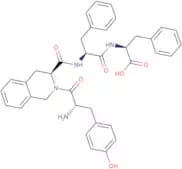
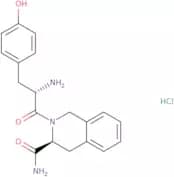
CAS:<p>Please enquire for more information about Angiotensin (1-12) (human) trifluoroacetate salt including the price, delivery time and more detailed product information at the technical inquiry form on this page</p>Formula:C73H109N19O16Purity:Min. 95%Molecular weight:1,508.77 g/molH-Tyr-L-1,2,3,4-tetrahydroisoquinoline-3-carboxamide·HCl
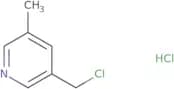
CAS:<p>H-Tyr-L-1,2,3,4-tetrahydroisoquinoline-3-carboxamide·HCl is a monoclinic crystalline compound. It has a molecular weight of 607.14 and contains the dipeptide Tyr-Lys in its structure. H-Tyr-L-1,2,3,4-tetrahydroisoquinoline-3-carboxamide·HCl crystallizes in the P21/c space group and has an asymmetric unit cell with dimensions a=8.851 Å, b=7.965 Å and c=5.98 Å. This compound has been shown to have antibacterial properties against methicillin resistant Staphylococcus aureus (MRSA) isolates and Clostridium perfringens strains by inhibiting bacterial protein synthesis through inhibition of peptidyl transferase activity.</p>Formula:C19H21N3O3·HClPurity:Min. 95%Molecular weight:375.85 g/mol3-(Chloromethyl)-5-methylpyridine hydrochloride
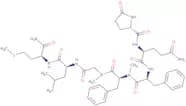
CAS:<p>3-(Chloromethyl)-5-methylpyridine hydrochloride (3CMPH) is a chemical compound that is synthesized from chlorine and methylpyridine. 3CMPH can be produced by the reaction of chlorination with toluene or hydrogen chloride. The synthesis of 3CMPH is done in two steps: first, reacting toluene with chlorine gas at high temperature and pressure in the presence of sulfuric acid, followed by the addition of sulfuric acid to the resulting product. In the second step, hydrogen chloride reacts with methylpyridine in an alkaline solution, yielding 3-(chloromethyl)-5-methylpyridine hydrochloride as a white solid. 3CMPH has been shown to have antihistamine effects and can be used for treating allergies. It can also be used as a skin protectant against uv light and rupatadine.</p>Formula:C7H8ClN·HClPurity:Min. 95%Molecular weight:178.06 g/mol(Pyr 5,N-Me-Phe8, Sar 9)-Substance P (5-11)
CAS:<p>Senktide is a substance P analog that has been shown to produce tail-flick responses in animals. The maximum response of the tail-flick test can be enhanced by the administration of either dopamine or serotonin. Inhibition of metabolism is likely to be responsible for these effects, as demonstrated by experiments in Sprague-Dawley rats. Senktide is an experimental model for studying the role of substance P in the regulation of blood pressure and locomotor activity. This compound also has pressor properties that are similar to those of dopamine and serotonin, which may be due to its ability to stimulate alpha-adrenergic receptors and inhibit dopaminergic neurons via a presynaptic mechanism.</p>Formula:C43H61N9O9SPurity:Min. 95%Molecular weight:880.07 g/molH-Cys(4-methoxytrityl)-2-chlorotrityl resin (200-400 mesh)
<p>Please enquire for more information about H-Cys(4-methoxytrityl)-2-chlorotrityl resin (200-400 mesh) including the price, delivery time and more detailed product information at the technical inquiry form on this page</p>Purity:Min. 95%N-Me-Abz-Lys-Pro-Leu-Gly-Leu-Dap (Dnp)-Ala-Arg-NH2 trifluoroacetate salt
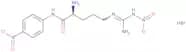
CAS:<p>Please enquire for more information about N-Me-Abz-Lys-Pro-Leu-Gly-Leu-Dap (Dnp)-Ala-Arg-NH2 trifluoroacetate salt including the price, delivery time and more detailed product information at the technical inquiry form on this page</p>Formula:C51H79N17O13Purity:Min. 95%Molecular weight:1,138.28 g/molH-Arg(NO2)-pNA·HBr
CAS:<p>Please enquire for more information about H-Arg(NO2)-pNA·HBr including the price, delivery time and more detailed product information at the technical inquiry form on this page</p>Formula:C12H17N7O5·HBrPurity:Min. 95%Molecular weight:420.22 g/mol(Tyr0)-Apelin-13 (human, bovine, mouse, rat)
CAS:<p>Please enquire for more information about (Tyr0)-Apelin-13 (human, bovine, mouse, rat) including the price, delivery time and more detailed product information at the technical inquiry form on this page</p>Formula:C78H120N24O18SPurity:Min. 95%Molecular weight:1,714 g/molAtrial Natriuretic Factor (1-29) (chicken)
CAS:<p>Please enquire for more information about Atrial Natriuretic Factor (1-29) (chicken) including the price, delivery time and more detailed product information at the technical inquiry form on this page</p>Formula:C124H211N47O40S5Purity:Min. 95%Molecular weight:3,160.62 g/molBoc-Pro-Leu-Val-OMe
CAS:<p>Boc-Pro-Leu-Val-OMe is a peptide analog of Dolastatin 10 which has been shown to inhibit the production of ATP in mitochondria. The compound binds to the active site of bacterial topoisomerase IV, and this binding prevents the enzyme from cleaving DNA. Boc-Pro-Leu-Val-OMe is a small molecule that has an intramolecular structure, and it interacts with DNA to form a stable complex.</p>Formula:C22H39N3O6Purity:Min. 95%Molecular weight:441.56 g/molAc-Arg-Phe-Met-Trp-Met-Arg-NH2
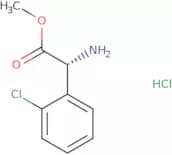
CAS:<p>Ac-Arg-Phe-Met-Trp-Met-Arg-NH2 is a synthetic peptide that binds to the opioid receptors, which are found in many areas of the body, including the brain and peripheral nervous system. Ac-Arg-Phe-Met-Trp-Met-Arg-NH2 has been shown to bind to the mu receptor with an affinity of ˜1 nM. It has also been shown to have antiinflammatory and anticancer properties. Ac-Arg-Phe-Met-Trp-Met -Arg NH2 has also been found in some cases to be effective against neurodegenerative diseases such as Alzheimer's disease. Ac Arg Phe Met Trp Met Arg NH2 is often used as a diluent for peptides and proteins because it does not cause aggregation.</p>Formula:C44H66N14O7S2Purity:Min. 95%Molecular weight:967.22 g/molD-(-)-2-Chlorophenylglycine methyl ester hydrochloride
CAS:<p>Please enquire for more information about D-(-)-2-Chlorophenylglycine methyl ester hydrochloride including the price, delivery time and more detailed product information at the technical inquiry form on this page</p>Formula:C9H10ClNO2•HClPurity:Min. 95%Molecular weight:236.1 g/molFA-Phe-Ala-OH
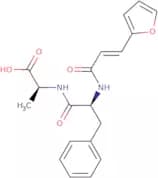
CAS:<p>F-Phe-Ala-OH is a peptidyl amide that is ionizable at physiological pH. It has a constant and kinetic residue, as well as a hydrophobic, uncharged, and carboxypeptidase activity. F-Phe-Ala-OH catalyzes transpeptidation reactions between the amino acid residues of proteins. This reaction involves the elimination of one water molecule from the peptide bond to form an amine and an imine, which are then hydrolyzed to form the new peptide bond. The optimum pH for this catalysis is acidic.</p>Formula:C19H20N2O5Purity:Min. 95%Molecular weight:356.37 g/molIL-6 (88-121) (human)
CAS:<p>Please enquire for more information about IL-6 (88-121) (human) including the price, delivery time and more detailed product information at the technical inquiry form on this page</p>Formula:C179H281N45O58SPurity:Min. 95%Molecular weight:4,023.48 g/mol(Pro34)-Neuropeptide Y (porcine) trifluoroacetate salt
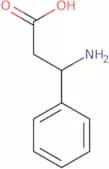
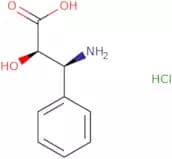
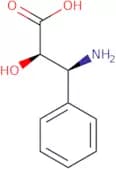
CAS:<p>Please enquire for more information about (Pro34)-Neuropeptide Y (porcine) trifluoroacetate salt including the price, delivery time and more detailed product information at the technical inquiry form on this page</p>Formula:C190H286N54O56Purity:Min. 95%Molecular weight:4,222.63 g/molDL-3-Amino-3-phenylpropionic acid
CAS:<p>DL-3-Amino-3-phenylpropionic acid is an amino acid that is synthesized by the reaction of malonic acid and ethyl ester. This compound is a competitive inhibitor of the enzyme pyruvate carboxylase and inhibits this enzyme in the conversion of pyruvic acid to acetyl CoA, which plays a key role in metabolism. DL-3-Amino-3-phenylpropionic acid has been shown to inhibit the growth of bacteria such as Escherichia coli, Salmonella typhimurium and Staphylococcus aureus. The inhibition of pyruvate carboxylase by DL-3-Amino-3-phenylpropionic acid prevents the production of acetaldehyde from pyruvate, which is toxic to cells.</p>Formula:C9H11NO2Purity:Min. 95%Molecular weight:165.19 g/molEnterostatin (human, mouse, rat) acetate salt
CAS:<p>Enterostatin is a peptide hormone that inhibits the release of insulin, gastric acid and pancreatic juices. Enterostatin has been shown to have a number of biological properties, including an anti-obesity effect in humans. In mice, enterostatin has been shown to decrease food intake, increase energy expenditure and weight loss. Enterostatin also decreases the levels of serum cholesterol and triglycerides in rats. This drug has a number of pharmacological activities including inhibition of platelet aggregation and vasodilation. Enterostatin is related to peptide hormones such as ghrelin, which stimulates appetite, and cholecystokinin (CCK), which reduces appetite. It may be used as an alternative treatment for obesity or metabolic disorders like diabetes mellitus type 2 or hyperlipidaemia.</p>Formula:C21H36N8O6Purity:Min. 95%Molecular weight:496.56 g/molH-Gly-Arg-Gly-Asp-Ser-Pro-Cys-OH trifluoroacetate salt
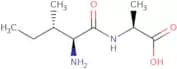
CAS:<p>H-Gly-Arg-Gly-Asp-Ser-Pro-Cys-OH trifluoroacetate salt is a peptide that has been shown to inhibit the growth of tumor cells. It has also been shown to have biological properties in a number of experimental models, including in vitro and in vivo studies. H-Gly-Arg-Gly-Asp-Ser-Pro-Cys-OH trifluoroacetate salt inhibits muscle cell proliferation by binding to the extracellular matrix protein collagen type I. This inhibition leads to reduced tissue formation and body growth. This peptide also inhibits the proliferation of cancer cells by blocking the production of growth factor beta 1 (GFβ1).</p>Formula:C25H42N10O11SPurity:Min. 95%Molecular weight:690.73 g/molH-Ile-Ala-OH
CAS:<p>H-Ile-Ala-OH is a high quality product that has been extensively validated for its stability and effectiveness. It is a zymogen that has been shown to be active against pancreatic enzymes. H-Ile-Ala-OH binds to the hydrophobic region of the enzyme, which may be due to hydrogen bonding. The diameter of this molecule is 8.3 Ångströms, which allows it to bind to the enzyme's active site. H-Ile-Ala-OH has been shown to have prognostic value in cancer patients and can be used as a profile marker in porcine cells.</p>Formula:C9H18N2O3Purity:Min. 95%Molecular weight:202.25 g/molFmoc-L-Asp-ODmb
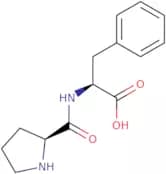
CAS:<p>Albumin is a major protein in the blood, which can be conjugated with Fmoc-L-Asp-ODmb to form an albumin conjugate. This albumin conjugate has been shown to have a strong binding affinity for Alzheimer's disease related amyloid beta peptides and thus could serve as a vaccine for this disease. The albumin conjugate may also be used as a tracer for Alzheimer's disease or other amyloid diseases. Additionally, the conjugate may be used in antibody detection methods such as enzyme-linked immunosorbent assay.</p>Formula:C28H27NO8Purity:Min. 95%Molecular weight:505.52 g/molH-Pro-Phe-OH
CAS:<p>H-Pro-Phe-OH is a synthetic peptide that is used in the treatment of high blood pressure. It has been shown to decrease blood pressure by increasing the production of nitric oxide and by decreasing activity of angiotensin converting enzyme, which are factors that have an influence on blood pressure. H-Pro-Phe-OH has been shown to be effective for treating HIV infection and amyloidosis. H-Pro-Phe-OH binds to collagen and increases its production in tissues, which may be responsible for its antihypertensive effects. It also inhibits the growth of bacteria by binding to their cell walls and inhibiting their protein synthesis. The metabolic products of H-Pro-Phe-OH are not yet known, but it is thought that they may contain hydroxyproline or hydroxylysine residues.</p>Formula:C14H18N2O3Purity:Min. 95%Color and Shape:White PowderMolecular weight:262.3 g/molNeuromedin U-23 (rat) trifluoroacetate salt
CAS:<p>Neuromedin U-23 (rat) is a peptide that belongs to the family of tachykinins, which are small neuropeptides that act as neurotransmitters in the central nervous system. It is a potent stimulator of intestinal motility and has been shown to have protective effects against oxidative stress in cells. Neuromedin U-23 (rat) shares sequence similarity with human neuromedin N-19 and binds to the same receptors in the brain, suggesting it may have similar physiological effects. This peptide has been shown to inhibit tumor cell growth by inducing apoptosis, but it does not appear to have any effect on healthy cells.</p>Formula:C124H180N34O31Purity:Min. 95%Molecular weight:2,642.97 g/molLymnaDFamide-1
CAS:<p>LymnaDFamide-1 is a neuropeptide that belongs to the family of c-terminal peptides. It is a dipeptide with a sequence of L-Pro-Tyr-Asp-Arg-Ile-Ser-Asn-Ser-Ala-Phe. This peptide was found in the nervous system of invertebrates, where it is believed to play an important role in the regulation of neurotransmitter release. In mammals, LymnaDFamide has been detected in the brain and in the gallbladder. It may be involved in regulating feeding behavior and gastric motility.</p>Formula:C68H96N18O22Purity:Min. 95%Molecular weight:1,517.6 g/molH-Pro-Ser-Hyp-Gly-Asp-Trp-OH
CAS:<p>H-Pro-Ser-Hyp-Gly-Asp-Trp-OH is a cyclic hexapeptide with a high activity against platelets. It is an antagonist of the cyclic RGD sequence, which is present in fibrinogen, fibronectin, vitronectin and other proteins. This peptide binds to the n-terminal residue of these proteins and prevents them from binding to their receptors on the surface of platelets. H-Pro-Ser-Hyp-Gly-Asp-Trp-OH has been shown to be specific for human platelets and does not bind to erythrocytes or leukocytes.</p>Formula:C30H39N7O11Purity:Min. 95%Molecular weight:673.67 g/molH-His-Phe-OH
CAS:<p>H-His-Phe-OH is a polypeptide that is used in the diagnosis of chronic kidney disease. It is synthesized by the chemical reaction between histidine and phenylalanine. H-His-Phe-OH has been shown to have a molecular weight of 4,000 Da, with a diameter of 5 nm. The binding constants for this molecule are 3.5 x 10^6 M^(-1), and its stability in biological fluids has been shown to be greater than 100 hours at pH 7.4, 37°C.</p>Formula:C15H18N4O3Purity:Min. 95%Molecular weight:302.33 g/molType A Allatostatin I
CAS:<p>Type A Allatostatin I is a fatty acid that is synthesized in the liver and binds to the G protein-coupled receptor, alpha-MSH. Allatostatin I inhibits fatty acid synthesis and has been shown to have a protective effect on hepatic steatosis caused by methanol solvent exposure. It also has insecticidal properties which may be due to its ability to inhibit chitin synthesis in insects. Moreover, Type A Allatostatin I has shown ecological effects as an inhibitor of polymerase chain reactions (PCRs) for DNA replication. This compound also inhibits RNA synthesis in vitro at physiological levels. Type A Allatostatin I has been shown to be an endogenous factor that plays a role in obesity and diabetes, as well as its pathogenic mechanism.</p>Formula:C61H94N18O16Purity:Min. 95%Molecular weight:1,335.51 g/mol(D-Trp6)-LHRH (1-6) amide
CAS:<p>Please enquire for more information about (D-Trp6)-LHRH (1-6) amide including the price, delivery time and more detailed product information at the technical inquiry form on this page</p>Formula:C45H49N11O9Purity:Min. 95%Molecular weight:887.94 g/molH-Phe-Pro-bNA·HCl
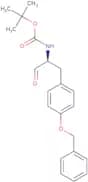
CAS:<p>Please enquire for more information about H-Phe-Pro-bNA·HCl including the price, delivery time and more detailed product information at the technical inquiry form on this page</p>Formula:C24H25N3O2·HClPurity:Min. 95%Molecular weight:423.93 g/molBoc-Tyr(Bzl)-aldehyde
CAS:<p>Please enquire for more information about Boc-Tyr(Bzl)-aldehyde including the price, delivery time and more detailed product information at the technical inquiry form on this page</p>Formula:C21H25NO4Purity:Min. 95%Molecular weight:355.43 g/molCalcium-Like Peptide
CAS:<p>Please enquire for more information about Calcium-Like Peptide including the price, delivery time and more detailed product information at the technical inquiry form on this page</p>Formula:C40H75N9O10Purity:Min. 95%Molecular weight:842.08 g/molAc-muramyl-Ala-D-Glu(Lys(stearoyl)-OH)-NH2
CAS:<p>Ac-muramyl-Ala-D-Glu(Lys(stearoyl)-OH)-NH2 is a synthetic peptide that was designed to mimic the sequence of muramyl dipeptide (MDP), which is found in bacterial cell walls. Ac-muramyl-Ala-D-Glu(Lys(stearoyl)-OH)-NH2 binds to the protein albumin, which is an important component of human blood plasma and has been shown to be elevated in patients with autoimmune diseases. This peptide also inhibits the activity of metal hydroxides, such as aluminum hydroxide and calcium hydroxide, by binding to their surface, reducing their antimicrobial activity. The effect on locomotor activity has not been studied. Ac-muramyl-Ala-D-Glu(Lys(stearoyl)-OH)-NH2 may have effects on various cells types including macrophages and T</p>Formula:C43H78N6O13Purity:Min. 95%Color and Shape:SolidMolecular weight:887.11 g/molTyr-CRF (human, rat)
CAS:<p>Please enquire for more information about Tyr-CRF (human, rat) including the price, delivery time and more detailed product information at the technical inquiry form on this page</p>Formula:C217H353N61O65S2Purity:Min. 95%Molecular weight:4,920.63 g/molFibronectin Fragment (1377-1388)
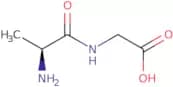
CAS:<p>Please enquire for more information about Fibronectin Fragment (1377-1388) including the price, delivery time and more detailed product information at the technical inquiry form on this page</p>Formula:C56H97N19O20Purity:Min. 95%Molecular weight:1,356.49 g/molH-Ala-Gly-OH
CAS:<p>H-Ala-Gly-OH is a synthetic amino acid that is used to produce the peptide hormone luteinizing hormone (LH). It has been shown that H-Ala-Gly-OH is an antigen specific antibody response and has a hydrogen bond. The functional groups of H-Ala-Gly-OH include amine, carboxyl, and hydroxyl. Structural analysis of this compound was completed using a kinetic method. The conformational properties of H-Ala-Gly-OH were determined by nmr spectra and titration method. This synthetic amino acid may inhibit protein synthesis in vivo through treatment with carbohydrate.</p>Formula:C5H10N2O3Purity:Min. 95%Molecular weight:146.14 g/molH-γ-Carboxy-DL-Glu-OH
CAS:<p>H-gamma-Carboxy-DL-Glu-OH is a protein that contains the sequence of amino acids -Gln-Gly-Leu. The basic structure of H-gamma-Carboxy-DL-Glu-OH includes an alpha helix, beta sheet and random coil. The rate constant for the reaction with sephadex g100 is 2.5x10^8 M^(-1) s^(-1). The signal peptide is located at the N terminus of the molecule. The mitochondrial membrane potential can be reduced by H-gamma-Carboxy-DL-Glu-OH. Glp1 analogues are compounds that stimulate glucose uptake and glycogen synthesis in muscle cells, which may be due to their ability to increase mitochondrial membrane potential. H gamma Carboxy DL Glu OH has been shown to have physiological levels in cells and it has been shown to inhibit growth in model systems. It also</p>Formula:C6H9NO6Purity:Min. 95%Molecular weight:191.14 g/molH-Lys-Met-OH formiate salt
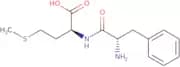
CAS:<p>Please enquire for more information about H-Lys-Met-OH formiate salt including the price, delivery time and more detailed product information at the technical inquiry form on this page</p>Formula:C11H23N3O3SPurity:Min. 95%Molecular weight:277.38 g/molH-Phe-Met-OH
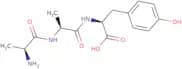
CAS:<p>H-Phe-Met-OH is a postulated, synthetic, odorant binding molecule that has been reported to have high specificity for leukemia cells. H-Phe-Met-OH binds specifically to the surface of leukemia cells and stabilizes them. It also potentiates the effect of other drugs used in leukemia therapy. These properties make it an ideal candidate for developing new treatments for leukemias.</p>Formula:C14H20N2O3SPurity:Min. 95%Molecular weight:296.39 g/molH-Ala-Ala-Tyr-OH
CAS:<p>Please enquire for more information about H-Ala-Ala-Tyr-OH including the price, delivery time and more detailed product information at the technical inquiry form on this page</p>Formula:C15H21N3O5Purity:Min. 95%Molecular weight:323.34 g/molA-VI-5 acetate salt
CAS:<p>Please enquire for more information about A-VI-5 acetate salt including the price, delivery time and more detailed product information at the technical inquiry form on this page</p>Formula:C22H40N6O10Purity:Min. 95%Molecular weight:548.59 g/molMca-Amyloid β/A4 Protein Precursor770 (667-676)-Lys(Dnp)-Arg-Arg amide trifluoroacetate salt
CAS:<p>Please enquire for more information about Mca-Amyloid beta/A4 Protein Precursor770 (667-676)-Lys(Dnp)-Arg-Arg amide trifluoroacetate salt including the price, delivery time and more detailed product information at the technical inquiry form on this page</p>Formula:C87H129N27O28SPurity:Min. 95%Molecular weight:2,033.19 g/molZ-His(Z)-OH ethanol solvate
<p>Please enquire for more information about Z-His(Z)-OH ethanol solvate including the price, delivery time and more detailed product information at the technical inquiry form on this page</p>Formula:C22H21N3O6Purity:Min. 95%Molecular weight:423.42 g/mol(2-Methylindol-1-yl)acetic acid·DCHA
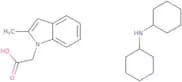
CAS:Controlled Product<p>Please enquire for more information about (2-Methylindol-1-yl)acetic acid·DCHA including the price, delivery time and more detailed product information at the technical inquiry form on this page</p>Formula:C11H11NO2·C12H23NPurity:Min. 95%Molecular weight:370.53 g/mol(Sar 1,Ile8)-Angiotensin II
CAS:<p>Angiotensin II is a peptide hormone. It is a potent vasoconstrictor that also stimulates the release of aldosterone from the adrenal gland, leading to an increase in blood pressure. Angiotensin II can be produced either by proteolytic cleavage of angiotensinogen (a zymogen) or by post-translational modification of angiotensin I (a decapeptide). Angiotensin II is a potent agonist of the thrombin receptor and binds to one of four subtypes of angiotensin receptors (AT1). The AT1 receptor antagonist is a drug that blocks the biological activity of angiotensin II and has been used clinically for treatment of hypertension.</p>Formula:C46H73N13O10Purity:Min. 95%Molecular weight:968.15 g/molFmoc-octyl-D-Gly-OH
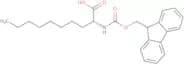
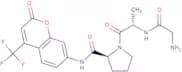
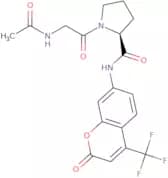
CAS:<p>Fmoc-octyl-D-Gly-OH is a supramolecular polymer with a wide range of applications, including oil recovery and as a nanomaterial. Fmoc-octyl-D-Gly-OH is synthesized by the ring opening polymerization of octylglycol with D,L lactic acid. It has been shown to be an effective emulsifier in water, which may be due to its synergistic effect with other molecules. Fmoc-octyl-D-Gly-OH also has the ability to self assemble into a variety of morphologies such as nanoribbons, nanowires, and gel networks. This polymer can also be used as a hydrogenation catalyst for organic synthesis reactions that require high pressures and temperatures. Fmoc-octyl-D-Gly-OH has also been used in the production of ultrasonication devices for use in medicine.</p>Formula:C25H31NO4Purity:Min. 95%Molecular weight:409.52 g/molH-Gly-Ala-Pro-AFC
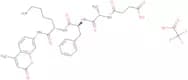
CAS:<p>Please enquire for more information about H-Gly-Ala-Pro-AFC including the price, delivery time and more detailed product information at the technical inquiry form on this page</p>Formula:C20H21F3N4O5Purity:Min. 95%Molecular weight:454.4 g/molSuc-Ala-Phe-Lys-AMC trifluoroacetate salt
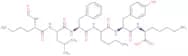
CAS:<p>Please enquire for more information about Suc-Ala-Phe-Lys-AMC trifluoroacetate salt including the price, delivery time and more detailed product information at the technical inquiry form on this page</p>Formula:C32H39N5O8·C2HF3O2Purity:Min. 95%Molecular weight:735.7 g/molFor-Nle-Leu-Phe-Nle-Tyr-Lys-OH
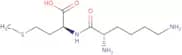
CAS:<p>For-Nle-Leu-Phe-Nle-Tyr-Lys-OH is an amino acid sequence that is a proteolytic fragment of the erythrocyte membrane protein band 3. It has been shown to be able to inhibit the activity of cytosolic calcium and actin filament polymerization, as well as inhibiting apoptosis in human polymorphonuclear leukocytes (PMNL). This compound has been found to be effective in preventing uptake of bacteria by neutrophils, which may be due to its ability to alter the pH gradient across the membrane and increase intracellular calcium levels. For-Nle-Leu-Phe-Nle-Tyr-Lys-OH also inhibits diacylglycerol synthesis, which may contribute to its antiinflammatory effects.</p>Formula:C43H65N7O9Purity:Min. 95%Molecular weight:824.02 g/molH-Arg-Met-OH acetate salt
CAS:<p>H-Arg-Met-OH acetate salt is a reactive chemical that is used in the treatment of hepatitis. It has been shown to be effective against virus and heart disease, as well as being active in the prevention of insulin resistance. H-Arg-Met-OH acetate salt is also used to determine if a person has had an allergic reaction by testing for elevated serum levels of this chemical. H-Arg-Met-OH acetate salt can be found in the blood, urine, and liver cells. This chemical is also present in mouse spleen cells and has been shown to react with specific antibodies.</p>Formula:C11H23N5O3SPurity:Min. 95%Molecular weight:305.4 g/molMitogenic Pentapeptide Palmitoyl-Cys((RS)-2,3-di(palmitoyloxy)-propyl)-Ser-Ser-Asn-Ala-OH
CAS:<p>Mitogenic Pentapeptide Palmitoyl-Cys((RS)-2,3-di(palmitoyloxy)-propyl)-Ser-Ser-Asn-Ala-OH is a synthetic pentapeptide that can be used to induce cell proliferation and antibody production. This peptide has been used in clinical trials with regulatory approval for use in humans. It has been shown to promote antibody response in animal experiments and to be active against tumor cells in tissue culture and cell cultures. Mitogenic Pentapeptide Palmitoyl-Cys((RS)-2,3-di(palmitoyloxy)-propyl)-Ser-Ser-Asn-Ala-OH also activated the monoclonal antibodies produced by hybridoma cells.</p>Formula:C67H124N6O14SPurity:Min. 95%Molecular weight:1,269.8 g/molH-Lys-Pro-OH hydrochloride salt
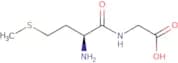
CAS:<p>H-Lys-Pro-OH hydrochloride salt is a monoclonal antibody that is used to treat psychotic disorders. It blocks the binding of gamma-aminobutyric acid (GABA) to its receptor, which reduces neuronal activity and has a calming effect on the central nervous system. H-Lys-Pro-OH hydrochloride salt also inhibits the phosphatase enzyme and prevents it from breaking down phosphotungstic acid, which is used in this process. The antibody also binds to the analog of gamma aminobutyric acid, preventing it from binding with its receptor. H-Lys-Pro-OH hydrochloride salt may be advantageous in treating kidney fibrosis because it prevents cell proliferation and growth in tissue cultures by inhibiting enzymes involved in collagen synthesis. H-Lys-Pro-OH hydrochloride salt may also be useful as an antitumor agent because it inhibits tumor growth by blocking uptake and replication of DNA.</p>Formula:C11H21N3O3Purity:Min. 95%Molecular weight:243.3 g/molH-Met-Gly-OH
CAS:<p>H-Met-Gly-OH is a radical scavenger that has been shown to have potent antioxidant properties. It is an amide with two nitrogen atoms and can be used as a marker protein in human serum, where it binds to fatty acids and inhibits the formation of free radicals. H-Met-Gly-OH has been shown to chelate metal ions such as copper, iron, and zinc. The uptake of these metal ions by the human body may cause genotoxic effects or other toxic reactions, which can be prevented by using H-Met-Gly-OH as a chelating agent. This compound also has broad spectrum antimicrobial activity against microbes that are resistant to many antibiotics.</p>Formula:C7H14N2O3SPurity:Min. 95%Molecular weight:206.26 g/molFmoc-Ile-Wang resin (200-400 mesh)
<p>Please enquire for more information about Fmoc-Ile-Wang resin (200-400 mesh) including the price, delivery time and more detailed product information at the technical inquiry form on this page</p>Purity:Min. 95%Procathepsin B (26-50) (rat)
CAS:<p>Please enquire for more information about Procathepsin B (26-50) (rat) including the price, delivery time and more detailed product information at the technical inquiry form on this page</p>Formula:C123H198N34O33SPurity:Min. 95%Molecular weight:2,713.16 g/molZ-Phe-OBzl
CAS:<p>Z-Phe-OBzl is an opioid drug that has been used as a research tool for studying the effects of opioid drugs on the nervous system. Z-Phe-OBzl is a synthetic peptide with a high affinity for opioid receptors. It has been shown to be a potent natural product antagonist and endogenous agonist, which may be useful in the treatment of pain. The oral bioavailability of Z-Phe-OBzl has also been reported to be greater than 90%.</p>Formula:C24H23NO4Purity:Min. 95%Molecular weight:389.44 g/molBoc-Met-Gly-OH
CAS:<p>Boc-Met-Gly-OH is an ester that can be synthesized by the reaction of Boc-glycine and methanol in aqueous sodium hydroxide. The product is soluble in organic solvents, such as dichloromethane, chloroform, and diethyl ether. Monitoring of this reaction yields the acid residues. The ester also has hydrophilic properties due to its amino group and methylene side chain. This compound can be used as a catalyst for reactions involving chloride or hydrophobic amino groups. It is not active for reactions with hydrophilic amino acids or immobilized catalysts.</p>Formula:C12H22N2O5SPurity:Min. 95%Molecular weight:306.38 g/molDynorphin A trifluoroacetate salt
CAS:<p>Dynorphin A is a peptide that belongs to the class of opioid peptides. It acts as a kappa-opioid receptor agonist and is involved in the transmission of pain signals and other information from the central nervous system to the peripheral nervous system. Dynorphin A has been shown to inhibit the release of neurotransmitters, such as acetylcholine, dopamine, serotonin, and norepinephrine. It also blocks the action of transmitters at postsynaptic membranes by binding to their receptors. Dynorphin A binds with high affinity to kappa-opioid receptors and can be used for treatment of heroin addiction and chronic pain.</p>Formula:C99H155N31O23Purity:Min. 95%Molecular weight:2,147.49 g/mol(Arg8)-Vasopressin (free acid) trifluoroacetate salt
CAS:<p>Please enquire for more information about (Arg8)-Vasopressin (free acid) trifluoroacetate salt including the price, delivery time and more detailed product information at the technical inquiry form on this page</p>Formula:C46H64N14O13S2Purity:Min. 95%Molecular weight:1,085.22 g/molCortistatin-29 (human) trifluoroacetate salt
CAS:<p>Please enquire for more information about Cortistatin-29 (human) trifluoroacetate salt including the price, delivery time and more detailed product information at the technical inquiry form on this page</p>Formula:C149H223N47O42S3Purity:Min. 95%Molecular weight:3,440.85 g/molAc-Asp-Tyr(PO3H2)-Val-Pro-Met-Leu-NH2
CAS:<p>Please enquire for more information about Ac-Asp-Tyr(PO3H2)-Val-Pro-Met-Leu-NH2 including the price, delivery time and more detailed product information at the technical inquiry form on this page</p>Formula:C36H56N7O13PSPurity:Min. 95%Molecular weight:857.91 g/mol(Pyr 3)-Amyloid b-Protein (3-40) trifluoroacetate salt
CAS:<p>Please enquire for more information about (Pyr 3)-Amyloid b-Protein (3-40) trifluoroacetate salt including the price, delivery time and more detailed product information at the technical inquiry form on this page</p>Formula:C187H283N51O53SPurity:Min. 95%Molecular weight:4,125.63 g/mol3-Hydroxy-5-methylpyridine
CAS:<p>3-Hydroxy-5-methylpyridine (3HMP) is a chemical substance that has been classified as an amine. It is a product of the metabolism of purines, which are nitrogenous bases found in DNA and RNA. 3HMP is produced by aerogenic bacteria (such as Enterobacter), and can be used to estimate the number of these bacteria present in water samples. 3HMP has been shown to have antiviral properties against influenza virus, and can be used as a biomarker for the presence of other viruses in animals. 3HMP also has mineralization properties, which have been studied extensively, particularly with regards to pancreatic disease.</p>Formula:C6H7NOPurity:Min. 95%Color and Shape:PowderMolecular weight:109.13 g/molBoc-Thionoleu-1-(6-nitro)benzotriazolide
CAS:<p>Please enquire for more information about Boc-Thionoleu-1-(6-nitro)benzotriazolide including the price, delivery time and more detailed product information at the technical inquiry form on this page</p>Formula:C17H23N5O4SPurity:Min. 95%Molecular weight:393.46 g/molAxltide trifluoroacetate salt
CAS:<p>Please enquire for more information about Axltide trifluoroacetate salt including the price, delivery time and more detailed product information at the technical inquiry form on this page</p>Formula:C63H107N19O20S2Purity:Min. 95%Molecular weight:1,514.77 g/molDABCYL-(Asn670,Leu671)-Amyloid b/A4 Protein Precursor770 (661-675)-EDANS ammonium salt
CAS:<p>Please enquire for more information about DABCYL-(Asn670,Leu671)-Amyloid b/A4 Protein Precursor770 (661-675)-EDANS ammonium salt including the price, delivery time and more detailed product information at the technical inquiry form on this page</p>Formula:C103H146N22O32SPurity:Min. 95%Molecular weight:2,236.46 g/mol(Leu31,Pro34)-Neuropeptide Y (13-36) (human, rat)
CAS:<p>Please enquire for more information about (Leu31,Pro34)-Neuropeptide Y (13-36) (human, rat) including the price, delivery time and more detailed product information at the technical inquiry form on this page</p>Formula:C134H206N39O35SPurity:Min. 95%Molecular weight:2,955.38 g/molFmoc-D-proline
CAS:<p>Please enquire for more information about Fmoc-D-proline including the price, delivery time and more detailed product information at the technical inquiry form on this page</p>Formula:C20H19NO4Purity:Min. 95%Molecular weight:337.37 g/molFMOC-D-CYS(TRT)-WANG RESIN - 200-400 mesh
<p>Please enquire for more information about FMOC-D-CYS(TRT)-WANG RESIN - 200-400 mesh including the price, delivery time and more detailed product information at the technical inquiry form on this page</p>Purity:Min. 95%H-Ala-Thr-OH
CAS:<p>H-Ala-Thr-OH is a dipeptide that is used as a stabilizer for the active form of methionine in some nutritional supplements. H-Ala-Thr-OH is synthesized by the hydroxylation of DL-methionine, which is then converted to H-Ala-Thr-OH by an aminopeptidase. The amino acid sequence of H-Ala-Thr-OH resembles that of l-threonine, but lacks an α carbon atom and an amino group on the carboxylic acid end. This dipeptide has been shown to be auxotrophic for both lysine and threonine when expressed in Escherichia coli.</p>Formula:C7H14N2O4Purity:Min. 95%Molecular weight:190.2 g/mol(H-Cys-betaNA)2·2 HCl (Disulfide bond)
CAS:<p>Please enquire for more information about (H-Cys-betaNA)2·2 HCl (Disulfide bond) including the price, delivery time and more detailed product information at the technical inquiry form on this page</p>Formula:C26H26N4O2S2·2HClPurity:Min. 95%Molecular weight:563.56 g/molO-Hippuryl-L-b-phenyllactic acid sodium salt
CAS:<p>Please enquire for more information about O-Hippuryl-L-b-phenyllactic acid sodium salt including the price, delivery time and more detailed product information at the technical inquiry form on this page</p>Formula:C18H16NNaO5Purity:Min. 95%Molecular weight:349.31 g/molPAR-2 (1-6) amide (mouse, rat) trifluoroacetate salt
CAS:<p>PAR-2 agonist is a synthetic peptide that activates PAR-2. It binds to PAR-2 receptors, which are present in the mesenteric vasculature and in various other tissues. Activation of PAR-2 leads to an increase in intracellular calcium concentration, activation of protein kinase C, cytosolic calcium ion release, phosphorylation of myosin light chain, muscle cell proliferation, transcription and translation initiation, and increased production of vasoactive intestinal peptide. This drug also has anti-inflammatory effects and stimulates epidermal growth factor (EGF) and thrombin receptor expression as well as growth factor production.</p>Formula:C29H56N10O7Purity:Min. 95%Molecular weight:656.82 g/molH-Phe-Gly-Phe-Gly-OH
CAS:<p>H-Phe-Gly-Phe-Gly-OH is a neutral, uv absorbing molecule. It can be found as a tetrapeptide sequence and in the form of isomers. H-Phe-Gly-Phe-Gly-OH is also known as Ileahexocin. The chemical ionization and matrix assisted laser desorption/ionization techniques have been used to detect this molecule in different matrices. H-Phe-Gly-Phe-Gly-OH has been shown to inhibit fatty acid synthesis, which may be due to its inhibition of the enzyme acetyl coenzyme A carboxylase (ACC). This molecule has also been shown to inhibit tripeptide synthesis, which may be due to its inhibition of the enzyme dipeptidyl peptidase IV (DPIV).</p>Formula:C22H26N4O5Purity:Min. 95%Color and Shape:PowderMolecular weight:426.47 g/molZ-Ala-Glu-OH
CAS:<p>Z-Ala-Glu-OH is an amino acid with a glutamate residue. It is a synthetic amino acid that has been shown to have excitotoxic effects in the brain. The mechanism of action is thought to involve the activation of ionotropic glutamate receptors and the inhibition of voltage-gated potassium channels, leading to neuronal cell death. This compound has been found to be a sweetener in biochemical reactions. Z-Ala-Glu-OH was shown to undergo proteolytic degradation, which may be due to aminopeptidases present in the gut or enzyme preparations used during digestion. This amino acid was also shown to have neurodegenerative properties when given orally to mealworms, as well as profiles that are similar to those found in humans with neurodegenerative diseases such as Alzheimer's disease and amyotrophic lateral sclerosis.</p>Formula:C16H20N2O7Purity:Min. 95%Color and Shape:PowderMolecular weight:352.34 g/molAc-Gly-Pro-AFC
CAS:<p>Ac-Gly-Pro-AFC is a dipeptidyl peptidase inhibitor that inhibits the action of protein-degrading enzymes called peptidases. Ac-Gly-Pro-AFC has been shown to be effective in treating diabetes by inhibiting the activity of fibroblast activation protein, which is involved in the development of diabetes. Ac-Gly-Pro-AFC also has an inhibitory effect on the enzyme connect, which is involved in cellular proliferation and differentiation. Clinical trials have been conducted to evaluate the efficacy of this drug for treatment of diabetic nephropathy with promising results. Ac-Gly-Pro-AFC has also been shown to have a beneficial effect on collagen synthesis and inhibition of proinflammatory cytokine release from activated macrophages.</p>Formula:C19H18F3N3O5Purity:Min. 95%Molecular weight:425.36 g/molFmoc-D-Val-Wang resin (200-400 mesh)
<p>Please enquire for more information about Fmoc-D-Val-Wang resin (200-400 mesh) including the price, delivery time and more detailed product information at the technical inquiry form on this page</p>Purity:Min. 95%Fmoc-Nle-Nle-OH
CAS:<p>Please enquire for more information about Fmoc-Nle-Nle-OH including the price, delivery time and more detailed product information at the technical inquiry form on this page</p>Formula:C27H34N2O5Purity:Min. 95%Molecular weight:466.57 g/molAc-Val-Glu-Ile-Asp-aldehyde (pseudo acid)
CAS:<p>Ac-Val-Glu-Ile-Asp-aldehyde is a pseudo acid that has been shown to induce apoptotic cell death in cultured cells. It is localized in the cerebellar granule and mitochondria of HL-60 cells and HK-2 cells. Ac-Val-Glu-Ile-Asp-aldehyde induces necrotic cell death when it binds to the serine protease zymogen, which is localized in the mitochondrial membrane. It also induces apoptosis by disrupting the mitochondrial membrane potential, leading to a release of cytochrome c into the cytosol. Ac-Val-Glu-Ile-Asp-aldehyde can bind to annexin and tubule cells, which are important for β cell function.</p>Formula:C22H36N4O9Purity:Min. 95%Molecular weight:500.54 g/molH-Pro-Val-Gly-OH
CAS:<p>Please enquire for more information about H-Pro-Val-Gly-OH including the price, delivery time and more detailed product information at the technical inquiry form on this page</p>Formula:C12H21N3O4Purity:Min. 95%Molecular weight:271.31 g/molpTH (2-34) (human) acetate salt
CAS:<p>Please enquire for more information about pTH (2-34) (human) acetate salt including the price, delivery time and more detailed product information at the technical inquiry form on this page</p>Formula:C178H286N54O49S2Purity:Min. 95%Molecular weight:4,030.64 g/molKentsin
CAS:<p>Kentsin H-Thr-Pro-Arg-Lys-OH is a synthetic peptide that is used as a conditioning agent in vitro and in vivo. It was initially developed as an anti-viral to combat HIV, but has been found to possess contraceptive properties. Kentsin H-Thr-Pro-Arg-Lys-OH inhibits the proliferation of human granulosa cells by blocking ovulation and interfering with the regular development of ovarian follicles. It has been shown to be effective against Pim1, a progesterone receptor on granulosa cells. The concentration response curve for Kentsin H-Thr-Pro-Arg Lys OH shows that it can inhibit ovulation at concentrations as low as 1 μM.</p>Formula:C21H40N8O6Purity:Min. 95%Molecular weight:500.59 g/molHippuryl-His-Leu-OH
CAS:<p>Hippuryl-His-Leu-OH is a peptide that inhibits the activity of angiotensin converting enzyme (ACE) at a concentration of 50 μM. It has been shown to inhibit cyclase and other enzymes in vitro. The binding of this compound to ACE prevents the conversion of angiotensin I to angiotensin II, which is a potent vasoconstrictor. Hippuryl-His-Leu-OH also has inhibitory properties against atrial natriuretic peptide (ANP), and can be used as an antihypertensive agent. This drug has been shown to have growth factor β1 activities, and can be used for the treatment of cardiac diseases such as myocardial infarction. Structural analysis shows that this drug binds to the active site of ACE, inhibiting its activity by blocking access to substrate or by altering substrate specificity.</p>Formula:C21H27N5O5Purity:Min. 95%Color and Shape:White PowderMolecular weight:429.47 g/molN-α-Fmoc-Nε-allyloxycarbonyl-D-lysine
CAS:<p>N-alpha-Fmoc-Nepsilon-allyloxycarbonyl-D-lysine is a medicament that is modified with an amino group at the alpha position. It is synthesized by modification of the chain with a ganirelix acetate. N-alpha-Fmoc-Nepsilon-allyloxycarbonyl-D-lysine can be used to produce ganirelix, which inhibits the release of follicle stimulating hormone (FSH). The chemical synthesis of this drug has been shown to be successful in large scale production, and it has been shown to be effective in treating patients with prostate cancer. Impurities in this drug have been found and treated by removing the methyl ester group from the lysine residue.</p>Formula:C25H28N2O6Purity:Min. 95%Molecular weight:452.5 g/mol4-Chloro-7-methoxyquinoline-6-carboxamide
CAS:<p>Intermediate in the synthesis of lenvatinib</p>Formula:C11H9ClN2O2Purity:Min. 95%Molecular weight:236.65 g/molLeptin (126-140) (human)
CAS:<p>Please enquire for more information about Leptin (126-140) (human) including the price, delivery time and more detailed product information at the technical inquiry form on this page</p>Formula:C65H103N15O26Purity:Min. 95%Molecular weight:1,510.6 g/molStresscopin (human)
CAS:<p>Please enquire for more information about Stresscopin (human) including the price, delivery time and more detailed product information at the technical inquiry form on this page</p>Formula:C195H326N56O53S2Purity:Min. 95%Molecular weight:4,367.15 g/molZ-Lys-Leu-OH
CAS:<p>Please enquire for more information about Z-Lys-Leu-OH including the price, delivery time and more detailed product information at the technical inquiry form on this page</p>Formula:C20H31N3O5Purity:Min. 95%Molecular weight:393.48 g/mol(2R,3S)-3-Amino-2-hydroxy-3-phenylpropanoic acid hydrochloride
CAS:<p>(2R,3S)-3-Amino-2-hydroxy-3-phenylpropanoic acid hydrochloride is an organic compound that is used in the manufacture of taxol, an anticancer drug. It is synthesized by reacting chloroacetic acid with a metal hydroxide, such as sodium hydroxide or potassium hydroxide. The reaction proceeds spontaneously to form the enantiomerically pure (2R,3S) form and unreacted (2S,3R) form. The (2R,3S) enantiomer has been found to be more reactive than the (2S,3R) form. Quaternary ammonium salts are formed when the (2R,3S) enantiomer reacts with quaternary ammonium compounds such as benzyltrimethylammonium chloride. This compound can also be used in catalytic reactions to produce drugs such as carbapenems and pen</p>Formula:C9H12ClNO3Purity:Min. 95%Molecular weight:217.65 g/molH-Thr-Arg-OH sulfate salt
CAS:<p>H-Thr-Arg-OH sulfate salt is a molecule that contains the active amino acid residues of vasoactive intestinal peptide (VIP) and reversed-phase high-performance liquid chromatography. The structure of VIP was determined by stepwise synthesis and chloromethyl ketone activation. It has been shown to have an intestinal effect, which is due to its ability to increase blood pressure. This drug also has potential as a therapeutic agent in the treatment of hypertension, heart disease, or diabetes mellitus.</p>Formula:C10H21N5O4Purity:Min. 95%Molecular weight:275.31 g/molBoc-D-Arg(Pmc)-OH
CAS:<p>Boc-D-Arg(Pmc)-OH is a triazole derivative that inhibits the production of proinflammatory cytokines. It is used as a therapeutic for premature infants to reduce the risk of infections, such as sepsis and meningitis. Boc-D-Arg(Pmc)-OH has been shown to inhibit interleukin 1 receptor (IL1R) and IL1β synthesis in human cells. Boc-D-Arg(Pmc)-OH binds to the triazole ring of IL1β, preventing the formation of an enzyme complex that is required for IL1β synthesis. This binding also prevents the formation of an enzyme complex that is required for IL1R synthesis. The conformation of the peptide chain may be important for its activity, with some stereoisomers being more potent than others.</p>Formula:C25H40N4O7SPurity:Min. 95%Molecular weight:540.67 g/molBiotinyl-Substance P trifluoroacetate salt
CAS:<p>Biotinyl-Substance P trifluoroacetate salt Biotinyl-Arg-Pro-Lys-Pro-Gln-Gln-Phe-Phe-Gly-Leu-Met-NH2 trifluoroacetate salt is a biotin conjugated Substance P analog. It is designed to bind to the amino acid sequences in the brain that are responsible for controlling and regulating pain. The drug's amino acid sequence was designed by accessing databases of amino acid sequences from all known organisms. The drug is administered as a sequence of cassettes, each containing an acid molecule that can be transferred to cells through nucleotide transfer.</p>Formula:C73H112N20O15S2Purity:Min. 95%Molecular weight:1,573.93 g/mol3-(2R,3S)-Phenylisoserine
CAS:<p>3-(2R,3S)-Phenylisoserine is a chiral enantiomer that can be used in organic synthesis. It is a reactive compound and has the ability to form amide bonds with other compounds. 3-(2R,3S)-Phenylisoserine is also able to react with nitro groups and form an oxime. It is not soluble in water but it is soluble in organic solvents like acetone or methanol. 3-(2R,3S)-Phenylisoserine can be synthesized by the enzymatic methods of benzyloxymethyl hydrazine and hydrochloric acid.</p>Formula:C9H11NO3Purity:Min. 95%Color and Shape:PowderMolecular weight:181.19 g/molCaspase-3/7 Inhibitor II Ac-Asp-Asn-Leu-Asp-aldehyde (pseudo acid)
CAS:<p>Caspase-3/7 Inhibitor II Ac-Asp-Asn-Leu-Asp-aldehyde (pseudo acid) is a peptide inhibitor of caspases. It blocks the activation of these proteases and their subsequent cleavage of substrates in the apoptotic pathway. This drug has potent inhibitory activity against caspases 3, 7, 8, 9, and 10. Caspase-3/7 Inhibitor II Ac-Asp-Asn-Leu-Asp-aldehyde (pseudo acid) specifically interacts with the active site and inhibits the enzyme by binding to an aspartic acid residue at position D197 in human caspase 3. Caspase 3/7 Inhibitor II Ac-Asp-Asn-Leu-Asp-aldehyde (pseudo acid) is localized to mitochondria and binds to acetyldeviceine (acDEV), a substrate for caspases</p>Formula:C20H31N5O10Purity:Min. 95%Molecular weight:501.49 g/molZ-Gly-Leu-NH2
CAS:<p>Z-Gly-Leu-NH2 is a synthetic peptide that has been designed to mimic the amino acid sequence of casein. It is a metalloendopeptidase inhibitor and can be used in the synthesis of proteins. Z-Gly-Leu-NH2 inhibits the activity of subtilisin, which is a proteolytic enzyme. The inhibition of subtilisin by Z-Gly-Leu-NH2 prevents the hydrolysis of peptide bonds in protein substrates. This inhibition leads to an increase in molecular weight and molecular weight distribution, as well as an increase in the number of high molecular weight peaks on chromatograms. This peptide also has serine protease inhibitory activity and can be used as a synthetic substrate for kinetic studies.</p>Formula:C16H23N3O4Purity:Min. 95%Molecular weight:321.37 g/molHIV-1 rev Protein (34-50)
CAS:<p>Please enquire for more information about HIV-1 rev Protein (34-50) including the price, delivery time and more detailed product information at the technical inquiry form on this page</p>Formula:C97H173N51O24Purity:Min. 95%Molecular weight:2,437.74 g/molH-Ala-Ala-Pro-Ala-OH
CAS:<p>H-Ala-Ala-Pro-Ala-OH is a tetrapeptide that inhibits elastase, an enzyme that breaks down elastin. This compound has been shown to have anti-elastolytic activity in vitro and in vivo. H-Ala-Ala-Pro-Ala-OH was administered intraperitoneally to hamsters with induced emphysema, resulting in a decrease of elastin abnormalities and improvement of the ultrastructure of the lungs. It also improves pancreatic morphology and function in porcine pancreatitis models.</p>Formula:C14H24N4O5Purity:Min. 95%Molecular weight:328.36 g/molBz-Asn-Gly-Thr-NH2
CAS:<p>Please enquire for more information about Bz-Asn-Gly-Thr-NH2 including the price, delivery time and more detailed product information at the technical inquiry form on this page</p>Formula:C17H23N5O6Purity:Min. 95%Molecular weight:393.39 g/molJKC-301 Cyclo(-D-Asp-Pro-D-Ile-Leu-D-Trp)
CAS:<p>Please enquire for more information about JKC-301 Cyclo(-D-Asp-Pro-D-Ile-Leu-D-Trp) including the price, delivery time and more detailed product information at the technical inquiry form on this page</p>Formula:C32H44N6O7Purity:Min. 95%Molecular weight:624.73 g/molH-Gly-Gly-NH2·HCl
CAS:<p>Gly-Gly-NH2·HCl is a nanosized antibiotic that has been shown to have antibacterial properties. It is activated by long-chain inorganic acids, such as hydrochloric acid, and organic solvents, such as acetone. This compound has an amide group that makes it acidic. The hydrocarbon chain of this molecule may be either short or long.</p>Formula:C4H9N3O2·HClPurity:Min. 95%Molecular weight:167.59 g/molAloc-Ala-OH·DCHA
CAS:<p>Aloc-Ala-OH·DCHA is a linker that can be utilized in nucleotide synthesis. It is synthesized by reacting the amine group of alanine with the acid chloride of DCHA. The product of this reaction, Aloc-Ala-OH·DCHA, is an amide bond with a free hydroxyl group on one end and a free amino group on the other end. The C-terminal carboxylic acid function of this compound reacts with phosphoramidite to yield the desired n-terminal threonine residue. This linker can also be used to conjugate other compounds such as nucleosides or phosphodiester bonds.</p>Formula:C7H11NO4·C12H23NPurity:Min. 95%Color and Shape:SolidMolecular weight:354.48 g/mol(Ala1)-PAR-4 (1-6) (mouse) trifluoroacetate salt
CAS:<p>(Ala1)-PAR-4 (1-6) (mouse) trifluoroacetate salt H-Ala-Tyr-Pro-Gly-Lys-Phe-OH trifluoroacetate salt is a potent inhibitor of protein kinase C, and has been shown to inhibit the growth of prostate cancer cells. It also inhibits phosphorylation of epidermal growth factor receptors, which leads to lower levels of epidermal growth factor in the cell. This drug also has antiplatelet effects and may be used as an antiplatelet agent for patients with vascular disease or diabetes.</p>Formula:C34H47N7O8Purity:Min. 95%Molecular weight:681.78 g/molBoc-Val-Pro-Arg-AMC
CAS:<p>Please enquire for more information about Boc-Val-Pro-Arg-AMC including the price, delivery time and more detailed product information at the technical inquiry form on this page</p>Formula:C31H45N7O7Purity:Min. 95%Molecular weight:627.73 g/mol(Met(O)27)-Glucagon (1-29) (human, rat, porcine) trifluoroacetate salt
CAS:<p>Please enquire for more information about (Met(O)27)-Glucagon (1-29) (human, rat, porcine) trifluoroacetate salt including the price, delivery time and more detailed product information at the technical inquiry form on this page</p>Formula:C153H225N43O50SPurity:Min. 95%Molecular weight:3,498.75 g/mol



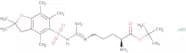
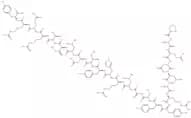
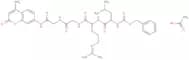


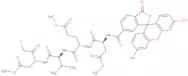
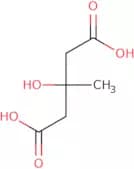


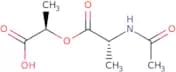
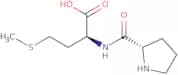
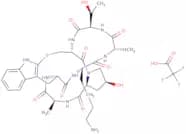
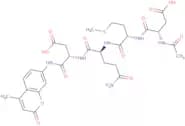


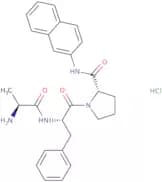
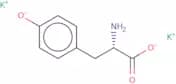
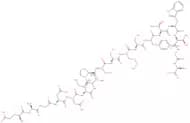
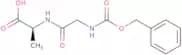
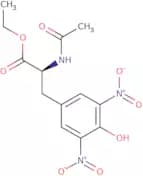
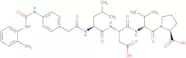
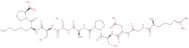

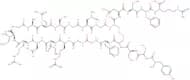


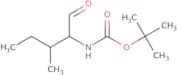

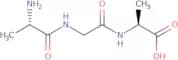
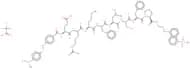


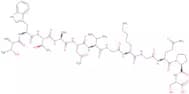
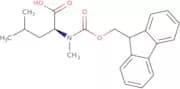
![2-Hydroxy-5-[(4-{[(6-methoxypyridazin-3-yl)amino]sulfonyl}phenyl)diazenyl]benzoic acid](/_next/image/?url=https%3A%2Fstatic.cymitquimica.com%2Fproducts%2F3D%2Fthumb-webp%2FFH134950.webp&w=3840&q=75)
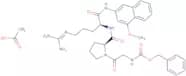
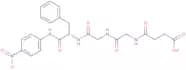



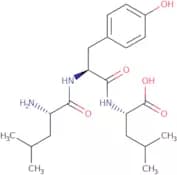
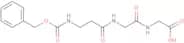
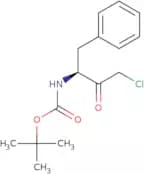
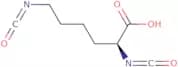
![1-Methyl-4-(4,4,5,5-tetramethyl-[1,3,2]dioxaborolan-2-yl)-1h-imidazole](/_next/image/?url=https%3A%2Fstatic.cymitquimica.com%2Fproducts%2F3D%2Fthumb-webp%2FFM166321.webp&w=3840&q=75)