Antimicrobials
Antimicrobials are agents that destroy or inhibit the growth of microorganisms, including bacteria, viruses, fungi, and parasites. These compounds are essential in the prevention and treatment of infections, playing a crucial role in medicine, agriculture, and the food industry. At CymitQuimica, we offer an extensive range of high-quality, high-purity antimicrobials suitable for various scientific and industrial applications. Our catalog includes antibiotics, antifungals, antivirals, and disinfectants, all designed to meet the needs of research and development, as well as clinical and production applications. With our products, professionals can ensure the effectiveness and safety in infection control and public health protection.
Subcategories of "Antimicrobials"
- Antibiotics(4,111 products)
- Antifungals(835 products)
- Antiparasitics(704 products)
- Antivirals(762 products)
Found 2422 products of "Antimicrobials"
Sort by
Purity (%)
0
100
|
0
|
50
|
90
|
95
|
100
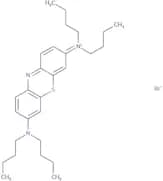
Basic violet 3 d6
CAS:<p>Basic Violet 3 is a synthetic dye, which is derived from coal tar sources with a mechanism of action involving the disruption of cellular components. This compound intercalates with nucleic acids, allowing it to bind to specific cellular structures. Its primary mode of action targets the chromosomal material, leading to colorimetric changes that enhance visualization.</p>Formula:C25H30ClN3Purity:Min. 95%Molecular weight:414 g/molFGI 106
CAS:<p>FGI 106 is an antifungal agent, which is derived from natural sources with a mechanism of action involving disruption of fungal cell wall integrity. The compound is isolated from naturally occurring substances, specifically targeting the structural components of the cell walls in various fungal species. By compromising the protective barrier of the cell wall, FGI 106 effectively inhibits fungal growth and proliferation, making it a potent tool against a variety of fungal pathogens.</p>Formula:C28H42Cl4N6Purity:Min. 95%Molecular weight:604.5 g/molUniconazole
CAS:<p>Uniconazole is a synthetic plant growth regulator, which is derived from triazole compounds. It acts as a potent inhibitor of gibberellin biosynthesis, specifically targeting enzymes involved in gibberellin production. By inhibiting gibberellins, uniconazole reduces internode elongation and alters growth patterns, resulting in shorter, more compact plants.</p>Formula:C15H18ClN3OPurity:Min. 95%Molecular weight:291.78 g/molL-Carnitine fumarate
CAS:<p>L-Carnitine fumarate is a compound that functions as a dietary supplement, which is synthesized by combining L-carnitine, an amino acid derivative naturally found in the body, with fumaric acid. This product is primarily sourced from fermentation or chemical synthesis processes to produce L-carnitine, which is then reacted with fumaric acid to form the fumarate salt. This combination enhances the stability and bioavailability of L-carnitine.</p>Formula:C7H15NO3·C4H4O4Purity:Min. 95%Molecular weight:277.27 g/molNSC-60339
CAS:<p>NSC-60339 is a synthetic antineoplastic agent derived from laboratory synthesis known for its targeted inhibition of specific cancer cell pathways. The compound operates by interfering with crucial cellular processes such as DNA replication or protein synthesis, depending on its exact mode of action.</p>Formula:C26H23ClN6O2Purity:Min. 95%Molecular weight:487 g/molMagainin 1
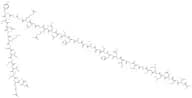
CAS:<p>Magainin 1 is a peptide antibiotic, which is sourced from the skin secretions of the African clawed frog, *Xenopus laevis*. It operates through a membranolytic mode of action, whereby it integrates into microbial cell membranes, forming pores and causing cell lysis by disrupting membrane integrity. This mechanism is largely non-specific, making it effective against a broad spectrum of bacteria and fungi.</p>Formula:C112H177N29O28SPurity:Min. 95%Molecular weight:2,409.85 g/molTerrelulamide A
CAS:<p>Terrelulamide A is a bioactive compound, specifically a cyclic peptide, which is derived from marine cyanobacteria. The source of Terrelulamide A is primarily marine environments where these cyanobacteria undergo complex biosynthetic processes to produce such metabolites. This compound's mode of action involves the disruption of cellular processes by binding to specific molecular targets that are critical in cell cycle regulation. It exhibits cytotoxic activity, effectively inhibiting cancer cell proliferation through its interaction with those pathways.</p>Formula:C20H26N6O7Purity:Min. 95%Molecular weight:462.5 g/molAmidithion
CAS:<p>Amidithion is an insecticidal and acaricidal compound, which is a derivative of organophosphorus chemistry. This compound is chiefly synthesized through the complex chemical manipulation of phosphoryl groups, rendering it a potent inhibitor of enzymatic activity in target organisms.</p>Formula:C7H16NO4PS2Purity:Min. 95%Molecular weight:273.3 g/molMomfluorothrin
CAS:<p>Momfluorothrin is a synthetic pyrethroid insecticide, which is a man-made derivative based on the natural pyrethrins. It functions primarily as a neurotoxic agent, targeting the sodium channels in the nervous system of insects, leading to paralysis and eventual death. This specific mode of action involves delaying the closing of the sodium channels, resulting in prolonged nerve impulses.</p>Formula:C19H19F4NO3Purity:Min. 95%Molecular weight:385.4 g/molAcivicin hydrochloride
CAS:<p>Acivicin hydrochloride is a synthetic compound that acts as a glutamine antagonist, sourced from microbial fermentation processes. It functions primarily through the inhibition of glutamine-utilizing enzymes, such as gamma-glutamyl transferase and carbamoyl phosphate synthetase, which play critical roles in nucleotide biosynthesis and other metabolic pathways. By disrupting these biochemical processes, Acivicin hydrochloride can hinder the proliferation of rapidly dividing cells, displaying potential antitumor properties.</p>Formula:C5H8Cl2N2O3Purity:Min. 95%Molecular weight:215.03 g/molPropiconazole
CAS:<p>Propiconazole is a triazole fungicide with action on fungal cell membranes by inhibiting ergosterol biosynthesis and is used for controlling fungal diseases in crops and turf.</p>Formula:C15H17Cl2N3O2Purity:Min. 95%Color and Shape:Clear LiquidMolecular weight:342.22 g/mol4-Epitetracycline hydrochloride
CAS:<p>4-Epitetracycline hydrochloride is a tetracycline antibiotic derivative, which is a secondary metabolite derived from bacterial sources, particularly Streptomyces species. It functions primarily by inhibiting protein synthesis in bacteria through binding to the 30S ribosomal subunit, preventing the attachment of aminoacyl-tRNA to the RNA-ribosome complex. This action hinders bacterial growth by interfering with vital processes necessary for bacterial survival and replication.</p>Formula:C22H25ClN2O8Purity:Min. 95%Color and Shape:PowderMolecular weight:480.9 g/molSulfadiazine-d4
CAS:<p>Sulfadiazine-d4 is an isotopically labeled antibiotic, which is a derivative of sulfadiazine containing four deuterium atoms. This compound is synthesized using advanced chemical techniques to replace hydrogen atoms with deuterium in the molecular structure. The mechanism of action involves inhibition of bacterial dihydropteroate synthase, an enzyme critical in the folate synthesis pathway. By preventing the production of folic acid, sulfadiazine-d4 effectively halts bacterial growth and replication.</p>Formula:C10H6D4N4O2SPurity:Min. 95%Molecular weight:254.3 g/molEnzaplatovir
CAS:<p>Enzaplatovir is a novel antiviral agent, which is a synthetic compound developed through advanced medicinal chemistry techniques. It functions as an inhibitor of RNA-dependent RNA polymerase, a critical enzyme in the replication cycle of various RNA viruses. By targeting this enzyme, Enzaplatovir effectively impedes viral RNA synthesis, thus disrupting viral replication.</p>Formula:C20H19N5O3Purity:Min. 95%Molecular weight:377.4 g/molAlthiomycin
CAS:<p>Althiomycin is a macrolide antibiotic, which is derived from Actinobacteria, specifically the genus Streptomyces. Its mode of action involves binding to the 50S subunit of the bacterial ribosome, thereby inhibiting protein synthesis. This mechanism effectively suppresses bacterial growth by interfering with the translation process, ultimately leading to pathogen elimination.</p>Formula:C16H17N5O6S2Purity:Min. 95%Molecular weight:439.50 g/molN,N′-1,2-Ethanediylbis[3-nitrobenzenesulfonamide]
CAS:<p>N,N′-1,2-Ethanediylbis[3-nitrobenzenesulfonamide] is a chemical compound, specifically a bis-sulfonamide derivative. It is synthesized through the reaction of sulfonamide derivatives with ethylenediamine, resulting in a unique structure characterized by its two nitrobenzenesulfonamide groups linked by an ethylene bridge. As a source, it is obtained through synthetic organic chemistry methods involving nitration and sulfonamidation processes.</p>Formula:C14H14N4O8S2Purity:Min. 95%Molecular weight:430.4 g/molPPA-904
CAS:<p>PPA-904 is an organophosphate compound, which is a chemically synthesized product. It functions as an additive, often utilized in industrial applications due to its unique chemical properties. As an organophosphate, PPA-904 acts through phosphorylation processes, interacting with various substrates to alter their chemical and physical characteristics. This mechanism is utilized to enhance material properties such as stability, functionality, or resistance to environmental conditions.</p>Formula:C28H42BrN3SPurity:Min. 95%Molecular weight:532.6 g/mol3'-N-Desmethyl-3'-N-tosyl azithromycin
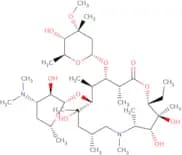
CAS:<p>3'-N-Desmethyl-3'-N-tosyl azithromycin is a semi-synthetic macrolide antibiotic analog, which is a derivative of azithromycin, a well-known member of the macrolide class of antibiotics. This compound is synthesized through chemical modifications of the parent molecule, azithromycin, to potentially enhance its pharmacokinetic and pharmacodynamic properties.</p>Formula:C44H76N2O14SPurity:Min. 95%Molecular weight:889.15 g/molAcequinocyl-hydroxy
CAS:<p>Acequinocyl-hydroxy is an acaricide, which is a chemical agent used to manage and control mite populations in various agricultural settings. It is derived from a combination of synthetic organic compounds designed specifically to disrupt the normal biological processes of target pests. The mode of action of Acequinocyl-hydroxy involves interference with the mitochondrial electron transport chain of mites, ultimately disrupting cellular respiration and leading to the death of the pest.</p>Formula:C22H30O3Purity:Min. 95%Molecular weight:342.5 g/molFenoprofen sodium salt dihydrate
CAS:<p>Fenoprofen sodium salt dihydrate is a nonsteroidal anti-inflammatory drug (NSAID), which is a synthetic compound derived from propionic acid. It acts by inhibiting the cyclooxygenase (COX) enzymes, COX-1 and COX-2, leading to decreased synthesis of prostaglandins. This reduction in prostaglandin synthesis is responsible for its analgesic, anti-inflammatory, and antipyretic effects.</p>Formula:C15H13NaO3·2H2OPurity:Min. 95%Molecular weight:264.25 g/mol8-Oxo-gtp 8-hydroxy-gtp
CAS:<p>8-Oxo-GTP, also known as 8-Hydroxy-GTP, is a nucleotide analog, which is synthetically derived. It closely resembles the naturally occurring guanosine triphosphate (GTP) but contains a modified 8-hydroxy group, making it a valuable tool for studying oxidative damage and nucleotide modification processes.</p>Formula:C10H16N5O15P3Purity:Min. 95%Molecular weight:539.18 g/molCefdinir monohydrate
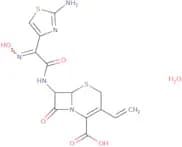
CAS:<p>Cefdinir monohydrate is a third-generation cephalosporin antibiotic, which is synthetically derived from cephalosporin C, a compound originally isolated from the fungus Acremonium. This antibiotic works by inhibiting bacterial cell wall synthesis through binding to penicillin-binding proteins (PBPs), which results in the interruption of peptidoglycan cross-linking. Consequently, this action leads to cell lysis and death of the bacterium.</p>Formula:C14H15N5O6S2Purity:Min. 95%Molecular weight:413.4 g/molFosravuconazole L-lysine ethanolate
CAS:<p>Fosravuconazole L-lysine ethanolate is an antifungal prodrug, which is a derivative of the widely used antifungal agent ravuconazole. This compound is synthesized through chemical modification to enhance its bioavailability and aqueous solubility, addressing limitations found in its parent compound. Fosravuconazole is designed to undergo in vivo conversion to ravuconazole, its active form, by enzymatic processes within the body.</p>Formula:C31H40F2N7O8PSPurity:Min. 95%Molecular weight:739.7 g/molVancomycin hydrochloride from streptomyces orientalis
CAS:<p>Vancomycin hydrochloride is a glycopeptide antibiotic, derived from the bacterium *Streptomyces orientalis*. This compound functions by inhibiting bacterial cell wall synthesis, specifically targeting the D-alanyl-D-alanine termini in peptidoglycan chains. It disrupts transglycosylation and transpeptidation, critical steps in cell wall biosynthesis, ultimately leading to cell lysis.</p>Formula:C66H75Cl2N9O24·HClPurity:Min. 95%Molecular weight:1,485.71 g/molLobucavir
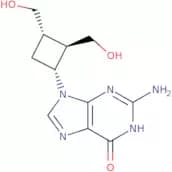
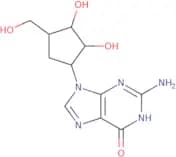
CAS:<p>Lobucavir is an antiviral compound with a mode of action that inhibits viral DNA polymerase. It is used for treating infections caused by herpesviruses and hepatitis B virus.</p>Formula:C11H15N5O3Purity:Min. 95%Molecular weight:265.27 g/molTyrothricin
CAS:<p>Tyrothricin is a peptide antibiotic, which is derived from the bacterium Bacillus brevis. This compound comprises a mixture of polypeptides, primarily gramicidin and tyrocidine, both of which are instrumental in its antimicrobial activity. The mode of action of tyrothricin involves disrupting bacterial cell membranes, leading to cell lysis and death. Gramicidin increases the permeability of the bacterial membrane to ions, while tyrocidine promotes disruption of membrane integrity, which together exert bactericidal and bacteriostatic effects.</p>Formula:C65H85N11O13Purity:Min. 95%Molecular weight:1,228.44 g/molCephradine
CAS:<p>Cephradine is a broad-spectrum antibiotic, which is a synthetic derivative of cephalosporin C, originating from the mold Cephalosporium acremonium. Its mode of action involves interfering with bacterial cell wall synthesis. Cephradine binds to penicillin-binding proteins (PBPs) located inside the bacterial cell wall, inhibiting the final transpeptidation step of peptidoglycan synthesis, which leads to cell lysis and death.</p>Formula:C16H23N3O6SPurity:Min. 95%Molecular weight:385.4 g/molAqabamycin A
CAS:<p>Aqabamycin A is an antibiotic compound, which is derived from marine microorganisms, specifically actinomycetes. These marine bacteria are known for producing a wide array of bioactive compounds, including antibiotics, due to their unique metabolites shaped by the oceanic environment. Aqabamycin A operates by inhibiting bacterial RNA polymerase, thereby disrupting the transcription process essential for bacterial protein synthesis. This specific mode of action targets the growth and replication of bacteria, making it a potent agent against pathogenic strains.</p>Formula:C16H11NO3Purity:Min. 95%Molecular weight:265.26 g/molCefacetrile sodium
CAS:<p>Cefacetrile sodium is a broad-spectrum antibiotic belonging to the cephalosporin class. It is a semi-synthetic derivative sourced from cephalosporin C, a naturally occurring compound derived from the Acremonium fungus. Its mode of action involves the inhibition of bacterial cell wall synthesis. This occurs by binding to penicillin-binding proteins within the bacterial cell membrane, ultimately leading to cell lysis and death due to the inability to synthesize peptidoglycan, a critical component of the bacterial cell wall.</p>Formula:C13H13N3NaO6SPurity:Min. 95%Molecular weight:362.31 g/mol(10E)-3-O-De(a-L-cladinose)-10-dehydro-11-dehydroxy-6-O-methyl-erythromycin
CAS:<p>Erythromycin derivative</p>Formula:C30H53NO9Purity:Min. 95%Molecular weight:571.74 g/molCarbovir monophosphate
CAS:<p>Carbovir monophosphate is an antiviral agent, which is a metabolite derived from the prodrug abacavir. It functions as a nucleotide analog that interferes with viral replication. The source of Carbovir monophosphate is the metabolic conversion of abacavir, an antiretroviral medication used in the treatment of HIV. This conversion occurs primarily in the liver, facilitated by cellular enzymes.</p>Formula:C11H14N5O5PPurity:Min. 95%Molecular weight:327.23 g/molDarunavir-D9
CAS:<p>Darunavir-D9 is a prodrug of darunavir, which is an HIV protease inhibitor. Darunavir-D9 has been shown to be bioequivalent in pharmacokinetic parameters to darunavir given as a tablet. The drug exhibits a low plasma concentration profile and high clearance values. This may be due to rapid absorption and distribution of the drug, with a short elimination half-life. Darunavir-D9 also has little effect on the matrix effect and reproducibility of the reaction monitoring assay, making it an ideal candidate for use in clinical trials.</p>Formula:C27H28D9N3O7SPurity:Min. 95%Molecular weight:556.72 g/molZabofloxacin
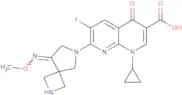
CAS:<p>Zabofloxacin is a synthetic fluoroquinolone antibiotic, which is derived from chemical synthesis with a distinct bactericidal mode of action. Its mechanism involves the inhibition of bacterial DNA gyrase and topoisomerase IV, enzymes critical for DNA replication, transcription, and repair. This dual targeting results in potent antibacterial activity against a wide range of Gram-positive and Gram-negative pathogens.</p>Formula:C19H20FN5O4Purity:Min. 95%Molecular weight:401.4 g/molDDD107498 succinate
CAS:<p>DDD107498 succinate is a potent antimalarial agent, which is a synthetic compound discovered through target-based drug screening. This compound is derived from intensive research initiatives focusing on eliminating malaria by disrupting a unique biochemical pathway in the parasite. It primarily acts by inhibiting the translation elongation factor 2, a critical protein that facilitates protein synthesis within the Plasmodium species responsible for malaria. By targeting this specific mechanism, the compound effectively halts the growth and replication of the parasite within the human bloodstream.</p>Formula:C31H37FN4O6Purity:Min. 95%Molecular weight:580.6 g/molCefquinome sulfate
CAS:<p>Cefquinome sulfate is a cephalosporin antibiotic, which is a synthetic, broad-spectrum antimicrobial agent. It is derived from the beta-lactam family, specifically designed to combat Gram-positive and Gram-negative bacterial pathogens. The mode of action involves inhibiting bacterial cell wall synthesis. It achieves this by binding to penicillin-binding proteins (PBPs) within the bacterial cell wall, ultimately leading to cell lysis and death due to the interruption of necessary cell wall components.</p>Formula:C23H26N6O9S3Purity:Min. 95%Color and Shape:White To Light (Or Pale) Yellow To Beige To Light Brown SolidMolecular weight:626.69 g/molWybutosine
CAS:<p>Modified nucleoside of phenylalanine tRNA</p>Formula:C21H28N6O9Purity:Min. 95%Molecular weight:508.48 g/molIndaziflam-desindenyl
CAS:<p>Indaziflam-desindenyl is an advanced herbicide, which is a product of synthetic chemistry, specifically designed for controlling the germination and growth of a broad spectrum of weed species. It operates through cellulose biosynthesis inhibition, targeting the cellulose production in plant cell walls, thus preventing proper cell division and development. This mode of action disrupts essential mechanisms in the plant's early growth stages, making it particularly effective as a pre-emergent herbicide.</p>Formula:C5H8FN5Purity:Min. 95%Molecular weight:157.15 g/molDichlobentiazox
CAS:<p>Dichlobentiazox is a fungicide, which is synthesized from synthetic chemical sources with a mode of action that targets specific fungal processes. It works by inhibiting the biosynthesis of essential cellular components in pathogenic fungi, thereby disrupting their growth and ability to proliferate.</p>Formula:C11H6Cl2N2O3S2Purity:Min. 95%Molecular weight:349.2 g/molMiloxacin
CAS:<p>Miloxacin is an antibacterial agent, which is sourced as a synthetic derivative of quinolone compounds. It exhibits its mode of action through the inhibition of bacterial DNA gyrase and topoisomerase IV, enzymes pivotal for DNA replication, transcription, and repair processes. This interference disrupts bacterial cell division, leading to cell death in susceptible organisms.</p>Formula:C12H9NO6Purity:Min. 95%Molecular weight:263.2 g/molRifamycin PR-14
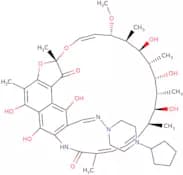
CAS:<p>Rifamycin PR-14 is a semi-synthetic antibiotic, which is derived from the naturally occurring antibiotic rifamycin. Originating from a fermentation process involving the bacterium Amycolatopsis mediterranei, rifamycin is modified to create the PR-14 variant to enhance its antibacterial properties and pharmacokinetic profile. This compound functions by inhibiting bacterial DNA-dependent RNA polymerase, effectively halting RNA synthesis and subsequent protein production, leading to bacterial cell death.</p>Formula:C43H54N2O12Purity:Min. 95%Molecular weight:790.9 g/molDicloxacillin sodium salt
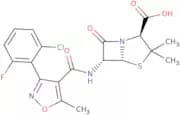
CAS:<p>Dicloxacillin is a penicillin antibiotic that is used to treat bacterial infections of the gastrointestinal tract, skin, and urinary tract. It binds to the penicillin-binding proteins in bacterial cell walls by competitive inhibition. Dicloxacillin inhibits bacterial growth by binding to the enzyme cell wall synthesis that is required for cell wall biosynthesis, inhibiting protein synthesis and cell division. This drug also has a toxic effect on respiratory system cells, which may be due to its ability to induce apoptosis. Dicloxacillin sodium salt is available as tablets for oral administration or as an intravenous solution for injection. It can interact with other drugs, such as benzalkonium chloride and matrix effect; it also has analytical methods such as chromatographic analysis and rate constant.</p>Formula:C19H17Cl2N3O5S·NaPurity:Min. 95%Molecular weight:493.32 g/mol8-Fluoro erythromycin
CAS:<p>8-Fluoro erythromycin is a synthetic derivative of the macrolide antibiotic erythromycin. It is derived from the fermentation of *Streptomyces erythraeus*, a species known for producing erythromycin, which is chemically modified to include a fluorine atom at the eighth position. This modification enhances its pharmacokinetic properties, improving its stability and bioavailability compared to the parent compound.</p>Formula:C37H66FNO13Purity:Min. 95%Molecular weight:751.92 g/molWF-3681
CAS:<p>WF-3681 is a chemical compound utilized as an insecticide, which is synthesized from organic compounds through a controlled chemical process. The mode of action for WF-3681 involves the disruption of the neural pathways in target insects, leading to paralysis and eventual death. This mechanism specifically interferes with neurotransmitter functions, ensuring efficacy against a broad range of agricultural pests. The compound's specificity minimizes impacts on non-target organisms and the surrounding environment.</p>Formula:C13H12O5Purity:Min. 95%Molecular weight:248.23 g/molA2ti-2
CAS:<p>A2ti-2 is an advanced metallurgical alloy, which is a synthesized product combining high-grade titanium and aluminum elements. It is engineered through a precise metallurgical process that involves controlled alloying at elevated temperatures, optimizing the atomic structure for superior performance traits. The mode of action for A2ti-2 involves its exceptional ability to maintain stability under extreme temperatures, providing resistance to thermal degradation and mechanical stress.</p>Formula:C18H18N4O2SPurity:Min. 95%Molecular weight:354.4 g/mol3,4,5-Trichlorophenol acetate
CAS:<p>3,4,5-Trichlorophenol acetate is a chlorinated aromatic compound, which is a derivative of trichlorophenol. It is typically sourced from chemical synthesis involving the chlorination and acetylation of phenolic compounds. The mode of action involves its interaction and potential binding with biological molecules, making it a subject of interest for biochemical studies.</p>Formula:C8H5Cl3O2Purity:Min. 95%Molecular weight:239.5 g/molLedipasvir diacetone
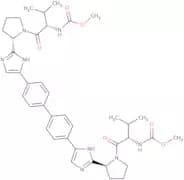
CAS:<p>Ledipasvir is a synthetic drug that inhibits the viral enzyme NS5A, which is necessary for viral replication. Ledipasvir has been shown to inhibit the growth of microorganisms such as bacteria and fungi. It also has antiviral properties, and is active against HIV-1. Ledipasvir can be used in chemotherapy to treat cancer and other diseases. This drug has high purity and is available at life science stores.</p>Formula:C55H66F2N8O8Purity:Min. 95%Molecular weight:1,005.2 g/molCyclopentylalbendazole
CAS:<p>Cyclopentylalbendazole is an anthelmintic compound, which is a synthetic derivative of benzimidazole, originally sourced from chemical synthesis processes. Its mode of action involves the selective binding to beta-tubulin, disrupting the polymerization of microtubules within the parasites. This inhibition of microtubule formation is crucial for cellular processes such as nutrient uptake and intracellular transport, eventually leading to immobilization and subsequent death of the parasites.</p>Formula:C14H17N3O2SPurity:Min. 95%Molecular weight:291.37 g/mol(+)-Oxanthromicin
CAS:<p>(+)-Oxanthromicin is a natural compound classified as a polyketide antibiotic, which is derived from certain strains of soil-dwelling actinomycetes. These microorganisms are known to produce a variety of biologically active secondary metabolites. The mode of action of (+)-Oxanthromicin involves the inhibition of specific bacterial enzymes, disrupting essential processes within the microbial cells. This interference can lead to growth inhibition or cell death, showcasing its potential as a therapeutic agent.</p>Formula:C36H30O12Purity:Min. 95%Molecular weight:654.6 g/molNafcilllin sodium monohydrate
CAS:<p>Nafcillin sodium monohydrate is a beta-lactam antibiotic, which is derived from the penicillin class of antimicrobials. It is specifically a semi-synthetic penicillin and is commonly sourced through chemical synthesis to enhance its stability and spectrum of activity. Nafcillin primarily exerts its bactericidal effects by inhibiting bacterial cell wall synthesis. It achieves this through its strong affinity for penicillin-binding proteins (PBPs), which are essential for maintaining the bacterial cell wall structure. By disrupting the formation of peptidoglycan cross-links, nafcillin effectively weakens the bacterial cell wall, leading to cell lysis and death, especially in gram-positive bacteria such as Staphylococcus aureus, including methicillin-sensitive strains (MSSA).</p>Formula:C21H21N2O5SNa·H2OPurity:Min. 95%Color and Shape:White to off-white solid.Molecular weight:454.47 g/molCycloxydim-sulfone-glutaric acid
CAS:<p>Cycloxydim-sulfone-glutaric acid is a synthesized herbicide, which is a derivative of cycloxydim, a cyclohexanedione compound. It is characterized by its ability to effectively inhibit acetyl-CoA carboxylase, an enzyme crucial in fatty acid biosynthesis within plant systems. The source of this compound is primarily through complex chemical synthesis processes that combine its constituent elements to enhance its stability and efficacy as a herbicide.</p>Formula:C10H16O6SPurity:Min. 95%Molecular weight:264.3 g/molTigecycline hydrate
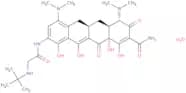
CAS:<p>Inhibitor of protein synthesis; glycylcycline class</p>Formula:C29H39N5O8Purity:Min. 95%Molecular weight:585.65 g/molPerfluidone
CAS:<p>Perfluidone is a systematic herbicide, which is a synthetic chemical compound with a specific mode of action targeting pre-emergent weed growth. It functions by inhibiting the synthesis of carotenoids, essential pigments in photosynthesis, thereby disrupting the cellular processes required for plant growth. This inhibition leads to an accumulation of toxic intermediates, causing the bleaching and eventual death of susceptible plant tissues.</p>Formula:C14H12F3NO4S2Purity:Min. 95%Molecular weight:379.4 g/molFosravuconazole
CAS:<p>Fosravuconazole is an antifungal agent, classified as a triazole antifungal, which is developed from a synthetic chemical source. It operates as a prodrug of ravuconazole, meaning that after administration, fosravuconazole is converted into its active form in the body. This conversion enhances the absorption and bioavailability of the drug, providing improved treatment efficacy against fungal infections.</p>Formula:C23H20F2N5O5PSPurity:Min. 95%Molecular weight:547.5 g/molNeticonazole
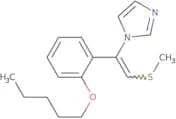
CAS:<p>Neticonazole is a synthetic antifungal compound, which is derived from pharmaceutical chemical synthesis. It functions primarily as an imidazole derivative, disrupting the synthesis of ergosterol, a crucial component of fungal cell membranes. This interference leads to increased cell membrane permeability, ultimately causing cell lysis and death of the fungal organism.</p>Formula:C17H22N2OSPurity:Min. 95%Molecular weight:302.4 g/molSulfadiazine
CAS:<p>Sulfadiazine is a sulfonamide antibiotic with action on bacterial folate synthesis inhibition and is used for treating toxoplasmosis and urinary tract infections.</p>Formula:C10H10N4O2SPurity:Min. 95%Color and Shape:PowderMolecular weight:250.28 g/molLoracarbef monohydrate
CAS:<p>Loracarbef monohydrate is a synthetic antibiotic, which is derived from carbacephem compounds with a mode of action that involves inhibiting bacterial cell wall synthesis. This is achieved by binding to penicillin-binding proteins, thereby blocking the cross-linking of peptidoglycan chains which are crucial for bacterial cell wall structural integrity.</p>Formula:C16H16ClN3O4·H2OPurity:Min. 95%Molecular weight:367.78 g/molGanciclovir, Antibiotic for Culture Media Use Only
CAS:<p>Ganciclovir is an antiviral agent specifically designed for culture media use. It is a synthetic analogue of 2'-deoxy-guanosine, derived from nucleoside compounds, and operates primarily by inhibiting the replication of viral DNA. Its mode of action involves selective phosphorylation by viral kinases, which converts it into ganciclovir triphosphate, a potent inhibitor of viral DNA polymerase, ultimately preventing viral DNA synthesis.</p>Formula:C9H13N5O4Purity:Min. 98.0 Area-%Molecular weight:255.23 g/molKanamycin sulfate
CAS:<p>Kanamycin sulfate is an aminoglycoside antibiotic, derived from the bacterium *Streptomyces kanamyceticus*. Its mode of action involves binding to the 30S subunit of the bacterial ribosome, thereby inhibiting protein synthesis and ultimately leading to bacterial cell death. This mechanism is particularly effective against gram-negative bacteria and certain gram-positive bacteria.</p>Formula:C18H40N4O16SPurity:Min. 95%Molecular weight:600.6 g/molHCV-IN-31
CAS:<p>HCV-IN-31 is a chemical inhibitor specifically designed for hepatitis C virus (HCV) research, which is synthesized through advanced organic chemistry techniques. It acts by interfering with the viral replication machinery, effectively reducing the replication rate of the virus in host cells. The inhibition mechanism primarily targets nonstructural proteins crucial for HCV RNA replication, thereby offering a potent blockade to viral proliferation.</p>Formula:C12H17FN6O3Purity:Min. 95%Molecular weight:312.3 g/mol7-epi-Clindamycin
CAS:<p>7-epi-Clindamycin is a clindamycin derivative, which is a semisynthetic antibiotic derived from the bacterium *Streptomyces lincolnensis*. Its mode of action involves binding to the 50S subunit of the bacterial ribosome, thereby inhibiting protein synthesis. This results in the suppression of bacterial growth, making it effective against certain Gram-positive bacteria and anaerobic species.</p>Formula:C18H34Cl2N2O5SPurity:Min. 95%Color and Shape:White To Off-White SolidMolecular weight:461.44 g/molFaldaprevir
CAS:<p>Hepatitis C virus protease inhibitor</p>Formula:C40H49BrN6O9SPurity:Min. 95%Color and Shape:White PowderMolecular weight:869.82 g/molNITD-916
CAS:<p>NITD-916 is an antiviral compound, which is a synthetic molecule designed for therapeutic purposes. Its source lies in medicinal chemistry, where it was developed through a detailed process of molecular optimization and testing to enhance its efficacy and pharmacokinetic properties. The mode of action of NITD-916 involves inhibiting viral replication by targeting specific non-structural proteins essential for the replication process of certain RNA viruses.</p>Formula:C20H25NO2Purity:Min. 95%Molecular weight:311.4 g/molQuinthiophos
CAS:<p>Quinthiophos is an organophosphate insecticide, which is synthesized chemically. Its mode of action involves the inhibition of the enzyme acetylcholinesterase, which is critical in nerve function. By disrupting this enzyme, quinthiophos causes an accumulation of acetylcholine at the synapses, leading to continual nerve signal transmission, paralysis, and eventual death of the targeted pests.</p>Formula:C17H16NO2PSPurity:Min. 95%Molecular weight:329.4 g/molTridehydro pirlimycin
CAS:<p>Tridehydro pirlimycin is an antibiotic compound, which is a synthetic derivative with origins in the lincosamide family. It is characterized by its ability to inhibit bacterial protein synthesis by binding to the 50S ribosomal subunit, leading to a bacteriostatic effect. The compound is primarily developed for its use in veterinary medicine, particularly in the treatment and management of bacterial infections in animals.</p>Formula:C17H25ClN2O5SPurity:Min. 95%Molecular weight:404.91 g/molNorfloxacin methyl ester
CAS:<p>Norfloxacin methyl ester is a synthetic derivative of the fluoroquinolone antibiotic, norfloxacin, which is sourced from chemical synthesis. Its mode of action involves inhibiting bacterial DNA gyrase and topoisomerase IV, enzymes crucial for DNA replication, transcription, repair, and recombination. This specific mechanism disrupts bacterial replication and cell division, leading to bacterial cell death.</p>Formula:C17H20FN3O3Purity:Min. 95%Molecular weight:333.36 g/molDermaseptin
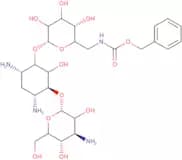
CAS:<p>Dermaseptin is a type of antimicrobial peptide, which is sourced predominantly from the skin secretions of frogs, specifically from the Phyllomedusinae subfamily. These peptides function by disrupting the microbial cell membranes through their amphipathic and cationic nature, leading to cell lysis and death. Dermaseptins exhibit a broad spectrum of antimicrobial activity, including action against bacteria, fungi, protozoa, and certain viruses, making them of significant interest in biomedical research.</p>Formula:C152H257N43O44S2Purity:Min. 95%Molecular weight:3,455.1 g/mol6'-N-Cbz-kanamycin A
CAS:<p>6'-N-Cbz-kanamycin A is a semi-synthetic aminoglycoside antibiotic derivative, specifically a Cbz (carbobenzyloxy) protected form of kanamycin A. It is derived from the natural product kanamycin, which is an antibiotic obtained from the bacterium *Streptomyces kanamyceticus*. The modification involves the introduction of a protective Cbz group at the 6' position, which can improve solubility, stability, or enable further chemical modifications.</p>Formula:C26H42N4O13Purity:Min. 95%Molecular weight:618.63 g/molValidamycin (technical)
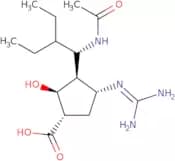
CAS:<p>Validamycin (technical) is an antifungal agent, which is a natural product derived from the actinomycete Streptomyces hygroscopicus. This compound functions through a specific mode of action by inhibiting the enzyme trehalase, crucial for the breakdown of trehalose into glucose. Consequently, this disruption in the carbohydrate metabolism weakens fungal structure and growth.</p>Formula:C20H35NO13Purity:Min. 95%Molecular weight:497.5 g/molPeramivir
CAS:<p>Selective and potent inhibitor of sialidases (neuraminidases) in influenza A and B viruses. The compound binds tightly to the viral neuraminidase active site in late stages of viral life-cycle. It inhibits shedding sialic acids from host cell surface glycans, which interact with viral hemagglutinin, and consequently prevents release of new viral particles from the host cell surface.</p>Formula:C15H28N4O4Purity:Min. 95%Color and Shape:PowderMolecular weight:328.41 g/mol(-)-Actinonin
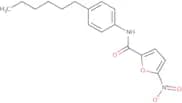
CAS:<p>Antibiotic peptide; inhibitor of aminopeptidase M and leucine aminopeptidase</p>Formula:C19H35N3O5Purity:Min. 95%Molecular weight:385.5 g/molN-(4-Hexylphenyl)-5-nitro-2-furancarboxamide
CAS:<p>N-(4-Hexylphenyl)-5-nitro-2-furancarboxamide is a synthetic organic compound, categorized as a nitroaromatic amide. It is synthesized through a condensation reaction involving 4-hexylphenylamine and 5-nitro-2-furancarboxylic acid. The compound's mode of action involves the potential to interfere with specific biomolecular interactions due to its structure, which includes a nitro group capable of engaging in electron transfer reactions. These interactions may modulate enzymatic activities or alter binding affinities between proteins and other biomolecules.</p>Formula:C17H20N2O4Purity:Min. 95%Molecular weight:316.35 g/molOmadacycline mesylate
CAS:<p>Omadacycline mesylate is a broad-spectrum antibiotic, which is a semi-synthetic derivative from the natural product tetracycline with enhanced stability and efficacy. It functions by inhibiting bacterial protein synthesis through binding to the 30S ribosomal subunit. This prevents the addition of amino acids to the nascent peptide chain, effectively halting bacterial growth.</p>Formula:C30H44N4O10SPurity:Min. 95%Molecular weight:652.76 g/molCloxacillin benzathine
CAS:<p>Cloxacillin benzathine is a beta-lactam antibiotic, which is synthesized from Penicillium fungi-derived penicillins. It acts by inhibiting bacterial cell wall synthesis. The mechanism involves the irreversible inhibition of penicillin-binding proteins (PBPs). This disruption in the bacterial cell wall structure ultimately leads to cell lysis and death.</p>Formula:C54H56Cl2N8O10S2Purity:Min. 95 Area-%Color and Shape:White PowderMolecular weight:1,112.11 g/molMorinamide hydrochloride
CAS:<p>Morinamide hydrochloride is a synthetic antitubercular agent, which is derived from chemical synthesis processes. Its mode of action involves disrupting the synthesis of mycolic acids in the cell walls of Mycobacterium tuberculosis, thereby inhibiting bacterial growth and proliferation. The compound serves primarily as an antimicrobial agent targeting tuberculosis infections. In a laboratory setting, Morinamide hydrochloride is utilized in the study of bacterial resistance mechanisms and the development of novel therapeutic agents. Its specific action on mycolic acid synthesis makes it a valuable tool for researchers aiming to elucidate the pathways involved in mycobacterial cell wall construction and to develop more targeted chemotherapeutic interventions. Due to its crucial role, understanding the mechanisms and efficacy of Morinamide hydrochloride can greatly benefit scientific efforts in combating tuberculosis, especially in light of increasing drug resistance.</p>Formula:C10H15ClN4O2Purity:Min. 95%Molecular weight:258.7 g/molClenpenterol d5 hydrochloride
CAS:<p>Clenpenterol d5 hydrochloride is a deuterated chemical compound, which is a stable isotopic variant of the beta-agonist Clenpenterol, commonly used in research and analytical studies. This compound is synthetically derived to enhance specificity and precision in scientific investigations. Deuteration involves the replacement of hydrogen atoms with deuterium, which contributes to the increased stability and differentiation of the isotopes during analysis.</p>Formula:C13H21Cl3N2OPurity:Min. 95%Molecular weight:332.7 g/molLysostaphin, from staphylococcus staphylolyticus
CAS:<p>Lysostaphin, from Staphylococcus staphylolyticus is a zinc metalloenzyme with action on bacterial cell walls by cleaving polyglycine cross-links and is used for treating staphylococcal infections and in research applications.</p>Purity:Min. 95%Color and Shape:PowderBacitracin A
CAS:<p>Bacitracin A is an antibiotic peptide, which is isolated from the bacterium Bacillus subtilis. It functions by interfering with the cell wall synthesis of bacteria. Specifically, Bacitracin A inhibits the dephosphorylation of the C55-isoprenyl pyrophosphate molecule, an essential lipid carrier that transports peptidoglycan building blocks to the growing cell wall. This disruption leads to the inhibition of peptidoglycan synthesis, a critical component of bacterial cell walls, resulting in cell lysis and death.</p>Formula:C66H103N17O16SPurity:Min. 95%Molecular weight:1,422.7 g/molMtbHU-IN-1
CAS:<p>MtbHU-IN-1 is a small-molecule inhibitor designed specifically for targeting the HU protein in Mycobacterium tuberculosis. This compound is derived through rational drug design and computational modeling efforts, exploiting the vulnerabilities of the bacterial DNA-binding proteins. Its mode of action involves binding to the HU protein, inhibiting its function, which is crucial for DNA structuring and stability within the bacterial cell. By disrupting HU protein function, MtbHU-IN-1 impairs bacterial chromosomal architecture, leading to an inability to replicate and ultimately cell death.</p>Formula:C44H36N4O12S2Purity:Min. 95%Molecular weight:876.9 g/mol6-o-Methacrylate
CAS:<p>6-o-Methacrylate is a monomer used in the synthesis of polymers, which is predominantly sourced from petroleum-based feedstocks through chemical synthesis. Its mode of action involves free radical polymerization, a process where the methacrylate group participates in chain reactions to form complex polymer structures. This compound is a key building block in the creation of various copolymers and homopolymers.</p>Formula:C23H30O9Purity:Min. 95%Molecular weight:450.5 g/molMCB-3681
CAS:<p>MCB-3681 is a small-molecule inhibitor, which is synthesized through advanced chemical processes. It operates at a molecular level by selectively targeting and inhibiting specific cellular pathways involved in cancer cell proliferation. The compound's action is characterized by its ability to interfere with enzyme activity crucial for the survival and growth of malignant cells, thus inducing apoptosis and inhibiting tumor progression.</p>Formula:C31H32F2N4O8Purity:Min. 95%Molecular weight:626.6 g/molAtisinium chloride
CAS:<p>Atisinium chloride is an organometallic compound, which is synthesized through advanced coordination chemistry techniques. The source of this compound lies in the strategic combination of organic ligands with metal centers, facilitating unique interactions that are pivotal to its functionality. The mode of action primarily involves the ability to participate in complex catalytic cycles, engaging in electron transfer processes that are essential for mediating chemical transformations.<br><br>This compound finds applications in specialized fields such as catalysis, where it is utilized to promote and drive reactions that may be inefficient under normal conditions. Its effectiveness in altering reaction pathways and increasing selectivity makes it valuable in synthetic chemistry and industrial processes. Additionally, atisinium chloride's unique properties might be leveraged in materials science for the development of novel materials with tailored functionalities. The intricate balance of its reactive properties and stability under varying conditions makes it a subject of ongoing research for further applications.</p>Formula:C22H34ClNO2Purity:Min. 95%Molecular weight:379.96 g/molEnt-avibactam sodium
CAS:<p>Ent-avibactam sodium is a pharmacological agent, categorized as a beta-lactamase inhibitor, which is synthetically derived. This compound acts by binding to and inhibiting the action of beta-lactamase enzymes produced by certain bacteria, thereby preventing the breakdown of beta-lactam antibiotics. Consequently, it restores the effectiveness of these antibiotics against resistant strains.</p>Formula:C7H10N3NaO6SPurity:Min. 95%Molecular weight:287.23 g/molCefetrizole
CAS:<p>Please enquire for more information about Cefetrizole including the price, delivery time and more detailed product information at the technical inquiry form on this page</p>Formula:C16H15N5O4S3Purity:Min. 95%Molecular weight:437.5 g/molLeptomycin A
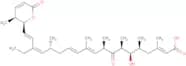
CAS:<p>Leptomycin A is a Streptomyces-produced inhibitor, which is derived from the bacterium Streptomyces spiroverticillatus. It functions by specifically binding to and inhibiting the CRM1 (exportin 1), a nuclear export receptor. This action blocks the nuclear export of proteins that contain a leucine-rich nuclear export signal (NES), thereby leading to their accumulation within the nucleus. The inhibition of CRM1 disrupts various cellular processes, including cell cycle regulation and signal transduction pathways.</p>Formula:C32H46O6Purity:Min. 95%Molecular weight:526.7 g/molEtofenprox-carboxy
CAS:<p>Etofenprox-carboxy is an insecticide, which is a synthetic chemical derivative with a unique pyrethroid-like structure. It acts on the nervous system of target insect species by disrupting their neuronal function. This disruption occurs through the stimulation of sodium channels, which, unlike traditional pyrethroids, provides a lower risk to mammals and non-target organisms. It is especially favored for its selective toxicity and reduced environmental persistence.</p>Formula:C25H26O4Purity:Min. 95%Molecular weight:390.5 g/molMetolachlor mercapturate
CAS:<p>Metolachlor mercapturate is a metabolite of the herbicide Metolachlor, which is derived from the degradation of the primary active ingredient found in various agricultural herbicide formulations. It is formed through biotransformation processes in plants, soil, and water, where the parent compound undergoes enzymatic reactions leading to its metabolic products. The primary mode of action involves the inhibition of elongase enzymes, which are crucial for the synthesis of fatty acids in plants, thus preventing cell division and impacting weed growth effectively.</p>Formula:C20H30N2O5SPurity:Min. 95%Molecular weight:410.5 g/molHexazinone metabolite D
CAS:<p>Hexazinone metabolite D is a derivative compound that results from the biotransformation of Hexazinone, which is a systemic herbicide. This metabolite originates from the breakdown processes mediated by biological or environmental factors in ecosystems where Hexazinone is applied. Its mode of action involves the inhibition of photosynthesis by targeting photosystem II, ultimately reducing the transfer of electrons, which leads to the disruption of energy production in susceptible plant species.</p>Formula:C10H15N3O3Purity:Min. 95%Molecular weight:225.24 g/molSofosbuvir d6
CAS:<p>Sofosbuvir d6 is a deuterated antiviral drug used for the treatment of Hepatitis C virus (HCV) infection, which is synthesized chemically. This modification involves the replacement of hydrogen atoms with deuterium, a stable isotope of hydrogen, resulting in enhanced pharmacokinetic properties. By incorporating deuterium, the metabolic stability of the compound is improved due to the kinetic isotope effect, which slows down the metabolic degradation of the compound.</p>Formula:C22H29FN3O9PPurity:Min. 95%Molecular weight:535.5 g/molPicarbutrazox
CAS:<p>Picarbutrazox is a fungicide, which is a product derived from chemical synthesis designed to protect crops by inhibiting fungal growth. It works through a specific mode of action that targets and disrupts the biosynthesis of essential lipids within fungal cells. This disruption ultimately leads to the cessation of cell membrane formation, impeding the growth and proliferation of the fungi.</p>Formula:C20H23N7O3Purity:Min. 95%Molecular weight:409.4 g/molLenacapavir
CAS:<p>Lenacapavir is a capsid inhibitor with a mode of action that interferes with the HIV capsid protein, disrupting multiple stages of the viral lifecycle. It is used for treating multidrug-resistant HIV infections.</p>Formula:C39H32ClF10N7O5S2Purity:Min. 95%Color and Shape:PowderMolecular weight:968.28 g/molOxohongdenafil
CAS:<p>Please enquire for more information about Oxohongdenafil including the price, delivery time and more detailed product information at the technical inquiry form on this page</p>Formula:C25H32N6O4Purity:Min. 95%Molecular weight:480.6 g/mol2-Amino-5-(4-hydroxy-3,5-dimethoxybenzyl)pyrimidin-4-ol
CAS:<p>2-Amino-5-(4-hydroxy-3,5-dimethoxybenzyl)pyrimidin-4-ol is a synthetic pyrimidine derivative, which is meticulously engineered through organic synthesis pathways. This compound emerges from a tailored chemical reaction involving the strategic manipulation of a pyrimidine core to incorporate specific functional groups. The unique structural configuration of this molecule allows it to interact with biological macromolecules, primarily through hydrogen bonding and pi-pi interactions, potentially influencing biochemical pathways.</p>Formula:C13H15N3O4Purity:Min. 95%Molecular weight:277.28 g/molDeoxylapachol
CAS:<p>Deoxylapachol is a naturally occurring metabolite, which is derived from the heartwood of certain Tabebuia tree species. It is a type of naphthoquinone, recognized for its biologically active properties. The mode of action of deoxylapachol involves the inhibition of certain enzymes and signaling pathways, contributing to its potential therapeutic effects. It disrupts cellular respiration and affects redox balance, which can lead to the selective targeting of certain pathogenic organisms and cancer cells.</p>Formula:C15H14O2Purity:Min. 95%Molecular weight:226.27 g/molGentamicin B sulfate
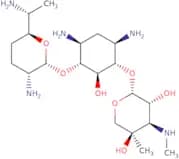
CAS:<p>Gentamicin B sulfate is an aminoglycoside antibiotic, which is produced through the fermentation process involving the actinomycete Micromonospora purpurea. This antibiotic functions primarily by binding to the 30S ribosomal subunit of bacteria, thereby inhibiting protein synthesis. This action disrupts the initiation of protein chain formation, ultimately leading to bacterial cell death. Gentamicin B sulfate is particularly effective against a variety of Gram-negative bacteria and some Gram-positive strains.</p>Formula:C19H40N4O14SPurity:Min. 95%Molecular weight:580.60 g/molMinocycline hydrochloride dihydrate
CAS:<p>Minocycline hydrochloride dihydrate is a broad-spectrum antibiotic, which is a synthetic derivative of tetracycline. It is sourced from chemical synthesis processes and possesses potent antimicrobial properties. The mode of action involves inhibiting bacterial protein synthesis by binding to the 30S ribosomal subunit, thereby preventing the addition of amino acids to the growing peptide chain. This mechanism effectively disrupts bacterial growth and replication.</p>Formula:C23H32ClN3O9Purity:Min. 95%Molecular weight:530 g/molThiosildenafil-despiperazine
CAS:<p>Thiosildenafil-despiperazine is a derivative of sildenafil, which is a phosphodiesterase type 5 (PDE5) inhibitor. This compound is synthesized through structural modifications of sildenafil, leading to alterations in its pharmacological profile and potential applications. The source of this derivative involves chemical synthesis techniques to modify the core structure of sildenafil, specifically targeting modifications in the piperazine ring and replacing it with a thioside group to enhance or alter desired effects.</p>Formula:C17H20N4O4S2Purity:Min. 95%Molecular weight:408.5 g/molErythromycin propionate
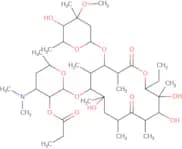
CAS:<p>Erythromycin propionate is an antibiotic, which is derived from the bacterium *Saccharopolyspora erythraea*. This compound functions by inhibiting protein synthesis in susceptible bacteria, specifically targeting the 50S ribosomal subunit. Erythromycin propionate achieves this by binding to the ribosomal RNA, thereby preventing the translocation step of protein elongation.</p>Formula:C40H71NO14Purity:Min. 95%Molecular weight:790 g/molPyraziflumid
CAS:<p>Pyraziflumid is a fungicide, which is chemically synthesized with a specific mode of action as a succinate dehydrogenase inhibitor (SDHI). This compound is designed to target mitochondrial complex II, disrupting critical energy production within fungal cells. The inhibition of succinate dehydrogenase prevents the fungi from efficiently undergoing respiration, ultimately leading to cell death.</p>Formula:C18H10F5N3OPurity:Min. 95%Molecular weight:379.3 g/molCarbazomycin D
CAS:<p>Carbazomycin D is a bioactive product classified as an antibiotic, which is derived from the bacterium Streptomyces. These actinomycetes are well-known for their ability to produce a wide range of secondary metabolites with antimicrobial properties. The mode of action of Carbazomycin D involves the inhibition of bacterial cell wall synthesis, effectively disrupting the growth and replication of gram-positive bacteria.</p>Formula:C17H19NO3Purity:Min. 95%Molecular weight:285.34 g/molSPR741
CAS:<p>SPR741 is an antimicrobial potentiator, which is derived from polymyxin B, an antibiotic sourced from the bacterium *Bacillus polymyxa*. Its mode of action involves permeabilizing the outer membrane of Gram-negative bacteria, allowing otherwise impermeable antibiotics to enter the bacterial cell. This potentiation effect significantly enhances the efficacy of co-administered antibiotics against resistant strains.</p>Formula:C44H73N13O13Purity:Min. 95%Molecular weight:992.1 g/molAqabamycin B
CAS:<p>Aqabamycin B is a novel antibiotic compound, which is derived from marine microorganisms. This secondary metabolite is isolated from a marine sponge-associated bacterium, showcasing the rich potential of oceanic sources for discovering new antimicrobial agents. The mode of action of Aqabamycin B involves inhibition of bacterial cell wall synthesis, disrupting the structural integrity and leading to cell lysis. Its efficacy extends predominantly to combatting multi-drug resistant bacterial strains.</p>Formula:C16H10N2O6Purity:Min. 95%Molecular weight:326.26 g/molAqabamycin C
CAS:<p>Aqabamycin C is an antibiotic compound, which is derived from marine bacteria, specifically, the actinomycete strain found in marine environments. Its mode of action involves the disruption of bacterial cell wall synthesis, making it particularly effective against certain gram-negative bacteria. This antibiotic selectively inhibits pathogens by interfering with their essential cellular processes.</p>Formula:C16H10N2O5Purity:Min. 95%Molecular weight:310.26 g/molClindamycin-2,4-diphosphate
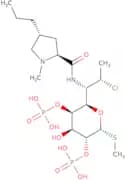
CAS:<p>Clindamycin-2,4-diphosphate is a phosphorylated derivative of the antibiotic clindamycin, which is a semi-synthetic lincosamide antibiotic originally derived from Streptomyces lincolnensis. Its mode of action involves the inhibition of bacterial protein synthesis by binding to the 50S ribosomal subunit, thereby preventing peptide chain elongation during translation. This mechanism effectively disrupts protein production in susceptible bacteria, leading to their growth inhibition or death.</p>Formula:C18H35ClN2O11P2SPurity:Min. 95%Molecular weight:584.94 g/mol(R)-(+)-Pantoprazole
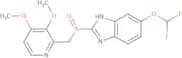
CAS:<p>(R)-(+)-Pantoprazole is a proton pump inhibitor (PPI), which is derived from benzimidazole compounds. Its mode of action involves the selective and irreversible inhibition of the H+/K+ ATPase enzyme system, commonly known as the proton pump, located on the gastric parietal cells. By binding covalently to this enzyme, (R)-(+)-Pantoprazole effectively reduces gastric acid secretion, leading to an increase in gastric pH.</p>Formula:C16H15F2N3O4SPurity:Min. 95%Molecular weight:383.4 g/mol6-(2-Chlorophenoxy)-5-fluoro-4(3H)-pyrimidinone
CAS:<p>6-(2-Chlorophenoxy)-5-fluoro-4(3H)-pyrimidinone is a heterocyclic compound, which is a synthetic derivative developed for biochemical research. This compound is synthesized through a series of organic reactions, involving halogenation and cyclization techniques, typically conducted in a controlled laboratory setting. Its design incorporates specific structural features, such as the chlorophenoxy and fluoro groups, which are strategically positioned to enhance its binding affinity and specificity.</p>Formula:C10H6ClFN2O2Purity:Min. 95%Molecular weight:240.62 g/molFenamiphos-sulfoxide d3 (S-methyl d3)
CAS:<p>Fenamiphos-sulfoxide d3 (S-methyl d3) is a deuterated, labeled pesticide intermediate, which is often utilized in advanced laboratory settings for precise analytical studies. This compound is synthesized as a stable isotope-labeled analog, enabling researchers to conduct sophisticated mass spectrometric analyses. Its mode of action involves serving as a reference or tracer in studies concerning the metabolism and degradation of fenamiphos, a well-known organophosphate pesticide.</p>Formula:C13H22NO4PSPurity:Min. 95%Molecular weight:322.38 g/molFamciclovir-d4
CAS:<p>Famciclovir-d4 is a deuterium-labeled antiviral nucleoside analog, which is a synthetic derivative of the guanine analog famciclovir. This compound is sourced through advanced chemical synthesis where deuterium atoms replace specific hydrogen atoms, providing an isotopic label that aids in the tracking and analysis of the pharmaceutical compound within biological systems.</p>Formula:C14H19N5O4Purity:Min. 95%Molecular weight:325.36 g/molBPH-1358
CAS:<p>BPH-1358 is a novel synthetic inhibitor, which is derived from a series of advanced chemoinformatics-based design strategies. It functions through the targeted binding to specific cell surface receptors involved in the modulation of immune responses. By blocking these receptors, BPH-1358 effectively alters signaling pathways that are crucial for immune activation and inflammatory responses.</p>Formula:C32H28N6O2Purity:Min. 95%Molecular weight:528.6 g/molThiabendazole NH d6
CAS:<p>Thiabendazole NH d6 is a deuterated derivative of Thiabendazole, which is an antifungal agent and pesticide. It is derived from synthetic sources, specifically designed by incorporating deuterium atoms into the molecular structure. This subtle isotopic modification enhances its utility in research settings, particularly in studies related to pharmacokinetics and metabolic profiling. The mode of action of Thiabendazole involves the inhibition of the enzyme fumarate reductase, interfering with the energy metabolism of fungal and parasitic organisms. Additionally, it disrupts microtubule formation, preventing cell division and growth.</p>Formula:C10H7N3SPurity:Min. 95%Molecular weight:207.29 g/mol4'-Ethynyl-2'-deoxyadenosine
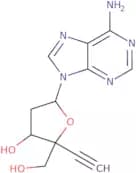
CAS:<p>4'-Ethynyl-2'-deoxyadenosine is a deoxynucleoside analogue, which is synthesized through chemical processes. This compound acts as an antiviral agent, primarily targeting the viral replication machinery. Its mode of action involves the incorporation into viral DNA by mimicking natural nucleosides, which subsequently inhibits the enzymatic activity of reverse transcriptase. This inhibition disrupts the synthesis of viral DNA, effectively curtailing viral replication.</p>Formula:C12H13N5O3Purity:Min. 95%Molecular weight:275.26 g/molTebufenozide-1-hydroxyethyl
CAS:<p>Tebufenozide-1-hydroxyethyl is an insect growth regulator, which is a synthetic chemical derived from a modified benzoic acid structure. Its mode of action involves mimicking the molting hormone ecdysone, which disrupts the normal development process of insects by inducing premature molting. This specific interference targets lepidopteran larvae, leading to incomplete development and eventual death, thereby controlling pest populations effectively without harming non-target organisms.</p>Formula:C22H28N2O3Purity:Min. 95%Molecular weight:368.5 g/molClarithromycin - EP
CAS:<p>A macrolide, broad-spectrum antibiotic that targets cytochrome P4503A4 (CYP3A4). Clarithromycin has been used to potentiate the pharmacological effects of some drugs that are metabolised by the cytochrome P450.</p>Formula:C38H69NO13Purity:Min. 95%Molecular weight:747.95 g/molCladospirone bisepoxide
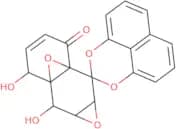
CAS:<p>Cladospirone bisepoxide is a naturally occurring bioactive compound, classified specifically as a fungal metabolite, which is derived from species within the Cladosporium genus. The compound exhibits a complex bisepoxide structure, contributing to its unique chemical properties. Its mode of action involves disrupting microbial cellular processes, displaying potent antimicrobial activity by interfering with the synthesis and functioning of vital cellular components in targeted microorganisms.</p>Formula:C20H14O7Purity:Min. 95%Molecular weight:366.3 g/molTioconazole
CAS:<p>Tioconazole is an antifungal agent, which is a synthetic derivative of imidazole with broad-spectrum activity against fungi. This compound is chemically synthesized through complex organic reactions to enhance its antimycotic efficacy. Tioconazole functions by inhibiting the synthesis of ergosterol, an essential component of the fungal cell membrane. By disrupting the ergosterol biosynthesis pathway, tioconazole destabilizes the fungal cell membrane, leading to increased permeability and eventual cell death.</p>Formula:C16H13Cl3N2OSPurity:Min. 95%Molecular weight:387.71 g/molTigecycline, Antibiotic for Culture Media Use Only
CAS:<p>Tigecycline is an antibiotic specifically tailored for use in culture media, which is derived from glycylcycline, a structural analogue of minocycline. Its mode of action involves binding to the 30S ribosomal subunit, thereby inhibiting protein synthesis in a broad spectrum of Gram-positive and Gram-negative bacteria. This action is distinct and not easily circumvented by common resistance mechanisms, such as efflux or ribosomal protection proteins, making tigecycline an effective agent in controlling bacterial contamination during microbiological studies.</p>Formula:C29H39N5O8Purity:Min. 95 Area-%Molecular weight:585.65 g/molHsv-tk substrate
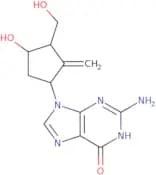
CAS:<p>HSV-tk substrate is a nucleotide analogue, which is a synthetic compound derived from the herpes simplex virus thymidine kinase (HSV-tk) gene. This substrate is specifically phosphorylated by the HSV-tk enzyme, a property that provides significant utility in molecular biology and genetic research. The mode of action involves the selective phosphorylation of the substrate by HSV-tk, which is typically absent in mammalian cells but can be introduced via genetic engineering. Once phosphorylated, the substrate becomes toxic to the host cell, allowing researchers to selectively target and eliminate cells expressing the HSV-tk gene.</p>Formula:C11H15N5O4Purity:Min. 95%Molecular weight:281.27 g/molEntecavir-13C2,15N
CAS:<p>Entecavir-13C2,15N is an isotopically labeled antiviral agent, which is a synthetic nucleoside analogue derived from natural sources. Its mode of action involves selectively inhibiting the reverse transcription activity of the hepatitis B virus (HBV) polymerase. By mimicking the natural substrates of the viral polymerase, Entecavir-13C2,15N becomes incorporated into viral DNA, ultimately leading to chain termination and suppression of viral replication.</p>Formula:C12H15N5O3Purity:Min. 95%Molecular weight:280.26 g/molSitafloxacin
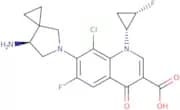
CAS:<p>Sitafloxacin is an antibacterial agent belonging to the fluoroquinolone class of antibiotics, which is synthetically derived from chemical processes involving fluorinated quinolones. Its mode of action involves the inhibition of bacterial DNA gyrase and topoisomerase IV, enzymes crucial for bacterial DNA replication and transcription. By interfering with these enzymes, Sitafloxacin effectively hampers bacterial DNA synthesis, leading to the eventual demise of the bacterial cell.</p>Formula:C19H18ClF2N3O3Purity:Min. 95%Color and Shape:SolidMolecular weight:409.81 g/molBensulide-oxon
CAS:<p>Bensulide-oxon is a metabolite derived from the organophosphate pesticide bensulide, which is predominantly used in agricultural settings. It forms as a result of environmental or biological processes that involve the oxidation of bensulide. As a potent acetylcholinesterase (AChE) inhibitor, bensulide-oxon disrupts normal neuronal signaling by preventing the breakdown of the neurotransmitter acetylcholine, leading to an accumulation that affects the nervous systems of target organisms.</p>Formula:C14H24NO5PS2Purity:Min. 95%Molecular weight:381.5 g/molButafenacil
CAS:<p>Butafenacil is a herbicide, which is a chemical formulation sourced from synthetic compounds. It acts by inhibiting protoporphyrinogen oxidase (PPO), an enzyme critical in the biosynthesis of chlorophyll. This inhibition disrupts the photosynthetic process, leading to the accumulation of reactive oxygen species that cause cell membrane damage and ultimately result in plant death.</p>Formula:C17H14ClF3N2O6Purity:Min. 95%Molecular weight:434.7 g/molChloraniformethan
CAS:<p>Please enquire for more information about Chloraniformethan including the price, delivery time and more detailed product information at the technical inquiry form on this page</p>Formula:C9H7Cl5N2OPurity:Min. 95%Molecular weight:336.4 g/molHodgkinsine B
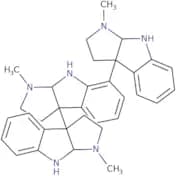
CAS:<p>Hodgkinsine B is an indole alkaloid, which is a complex organic compound derived from natural sources. It is isolated from the leaves of certain Rubiaceae family plants, including Psychotria colorata. Hodgkinsine B is characterized by its unique trimeric structure that contributes to its pharmacological properties.</p>Formula:C33H38N6Purity:Min. 95%Molecular weight:518.7 g/molAlbendazole-2-aminosulfoxide
CAS:<p>Albendazole-2-aminosulfoxide is a metabolite of the benzimidazole class of antiparasitic agents, which is derived from the biotransformation of albendazole in the liver. As a potent bioactive compound, its mode of action primarily involves the selective binding to the β-tubulin of parasitic organisms, disrupting the polymerization of microtubules necessary for their cellular structures. This disruption impedes vital processes such as glucose uptake and cellular division, leading to parasite death.</p>Formula:C10H13N3OSPurity:Min. 95%Molecular weight:223.3 g/molAmikacin B Sulfate
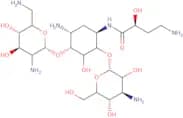
CAS:<p>Inhibitor of protein synthesis; aminoglycoside</p>Formula:C22H44N6O12xH2so4Purity:Min. 95%Molecular weight:584.62 g/molTebufloquin
CAS:<p>Tebufloquin is an insecticide, which is a synthetic compound designed to target specific pests. It is derived from chemical synthesis with a mode of action that interferes with critical biological pathways in insects, rendering them unable to survive or reproduce. Tebufloquin works primarily by targeting the nervous system of insects, leading to paralysis and eventual death.</p>Formula:C17H20FNO2Purity:Min. 95%Molecular weight:289.34 g/molMalformin C
CAS:<p>Malformin C is a cyclic pentapeptide, which is a secondary metabolite derived from certain strains of the fungus Aspergillus. Its mode of action involves disrupting cellular processes by interfering with cell division. Specifically, it is thought to affect mitotic spindle formation, leading to abnormal cell cycle progression.</p>Formula:C23H39N5O5S2Purity:Min. 95%Color and Shape:PowderMolecular weight:529.72 g/mol25-Desacetyl rifapentin
CAS:<p>25-Desacetyl rifapentin is a derivative of rifapentin, an antibiotic belonging to the rifamycin class, sourced from the bacterial species *Amycolatopsis rifamycinica*. This compound functions by inhibiting bacterial DNA-dependent RNA polymerase, which is crucial for transcription in susceptible bacterial strains. By inhibiting this enzyme, 25-Desacetyl rifapentin effectively hampers RNA synthesis, ultimately leading to bacterial cell death.</p>Formula:C45H62N4O11Purity:Min. 95%Color and Shape:PowderMolecular weight:834.99 g/molBO3482
CAS:<p>Please enquire for more information about BO3482 including the price, delivery time and more detailed product information at the technical inquiry form on this page</p>Formula:C14H20N2NaO5S2Purity:Min. 95%Molecular weight:383.4 g/molDimethenamid-oxalamid
CAS:<p>Dimethenamid-oxalamid is a pre-emergent herbicide, which is a synthetic compound developed for agricultural use. It is derived from research focused on improving crop protection through chemical innovation. The mode of action involves inhibiting the synthesis of very long-chain fatty acids (VLCFAs) in weeds, disrupting their cell division and growth processes, ultimately leading to the prevention of weed emergence.</p>Formula:C12H17NO4SPurity:Min. 95%Molecular weight:271.33 g/molTunicamycin V
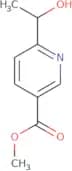
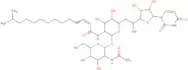
CAS:<p>Tunicamycin V is an antibiotic and nucleoside analog, which is a secondary metabolite derived from various Streptomyces species. It functions predominantly by inhibiting the initial step of N-linked glycosylation, a critical post-translational modification process in eukaryotic cells. This inhibition occurs through the blockage of UDP-N-acetylglucosamine: dolichyl-phosphate N-acetylglucosamine-1-phosphate transferase, thereby preventing the synthesis of dolichol-linked oligosaccharides and ultimately affecting protein folding and quality control mechanisms within the endoplasmic reticulum.</p>Formula:C38H62N4O16Purity:Min. 95%Molecular weight:830.9 g/mol2-(1-Hydroxyethyl)-6-ethylaniline
CAS:<p>2-(1-Hydroxyethyl)-6-ethylaniline is an organic chemical compound, which is often utilized as an intermediate in the synthesis of dyes, pigments, and other industrial chemicals. This compound is derived from aromatic amines and undergoes specific chemical reactions that enable its functionality in various synthetic processes.</p>Formula:C10H15NOPurity:Min. 95%Molecular weight:165.23 g/molDihydropenicillin F potassium
CAS:<p>Dihydropenicillin F potassium is a novel antibiotic compound, which is semisynthetic in nature, derived from the penicillin family. It is sourced through the modification of natural penicillins, bringing about enhanced stability and efficacy against certain resistant bacterial strains. The mode of action involves the inhibition of bacterial cell wall synthesis, primarily targeting the penicillin-binding proteins (PBPs). This disruption consequently leads to cell lysis and the eventual bacterial death.</p>Formula:C14H22N2O4S•KPurity:Min. 95%Molecular weight:353.5 g/molNocardamine
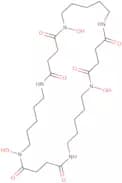
CAS:<p>Nocardamine is a siderophore-based antioxidant, which is naturally derived from the soil-dwelling actinobacteria known as Streptomyces. Its primary mode of action involves the chelation of metal ions, effectively sequestering them and preventing metal-catalyzed oxidation reactions. By binding to iron and other transition metals, Nocardamine mitigates oxidative stress at a cellular level, which could otherwise contribute to cellular damage and dysfunction.</p>Formula:C27H48N6O9Purity:Min. 95%Molecular weight:600.71 g/molCurvularin
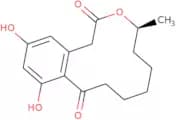
CAS:<p>Curvularin is a secondary metabolite, which is derived from the fungal genus *Curvularia*. This compound is produced through the natural biosynthetic pathways of filamentous fungi, specifically isolated from strains such as *Curvularia lunata*. Curvularin exerts its biological activity primarily through modulation of microtubule dynamics, making it a significant subject of study in cell biology. It disrupts the polymerization processes, impacting the assembly and stability of microtubules, which are critical components of the cytoskeleton involved in cell division, intracellular transport, and structural integrity.</p>Purity:Min. 95%Azithromycin Dihydrate
CAS:<p>Azithromycin Dihydrate is a macrolide antibiotic and is used for the treatment of various bacterial infections. It binds to the 23S rRNA of the 50S ribosomal subunit, inhibiting protein synthesis</p>Formula:C38H72N2O12·2H2OPurity:Min. 95 Area-%Color and Shape:PowderMolecular weight:785.02 g/molPolymyxin B1-I
CAS:<p>Polymyxin B1-I is an antimicrobial peptide, which is sourced from the bacterium *Bacillus polymyxa*. It functions by interacting with and disrupting the bacterial cell membranes. The polypeptide inserts into the phospholipid bilayer, causing increased permeability and eventual cell lysis. This mechanism is particularly effective against Gram-negative bacteria due to the structural composition of their outer membranes.</p>Formula:C56H98N16O13Molecular weight:1,203.5 g/molNarasin sodium
CAS:<p>Narasin sodium is an ionophore antibiotic, which is a type of compound that facilitates ion transport across biological membranes. It is derived from the fermentation of the bacterium *Streptomyces aureofaciens*. The mode of action involves the disruption of ion gradients in target organisms, specifically inhibiting the growth of certain pathogenic bacteria and protozoa by altering their cellular ionic balance.</p>Formula:C43H71NaO11Purity:Min. 95%Molecular weight:787.02 g/molPefloxacin-d3
CAS:Controlled Product<p>Pefloxacin-d3 is a deuterated fluoroquinolone antibiotic, which is a synthetic derivative of pefloxacin utilized primarily for research purposes. This compound is chemically modified to include deuterium atoms, a stable isotope of hydrogen, thus offering unique properties essential for precise quantitative analysis in pharmacokinetic studies.</p>Formula:C17H17D3FN3O3Purity:Min. 95%Molecular weight:336.38 g/molFlucloxacillin
CAS:<p>Flucloxacillin is a beta-lactam antibiotic, which is derived from the penicillin family. It is synthetically produced through chemical modification to enhance its stability against beta-lactamase enzymes. The mode of action of flucloxacillin involves inhibiting bacterial cell wall synthesis. It binds to penicillin-binding proteins (PBPs) located inside the bacterial cell wall, which in turn inhibits the transpeptidation or cross-linking of peptidoglycan chains. This action leads to cell lysis and ultimately, bacterial death.</p>Formula:C19H17ClFN3O5SPurity:Min. 95%Molecular weight:453.87 g/molNikkomycin Z from streptomyces tendae
CAS:<p>Nikkomycin Z is an antifungal agent, which is a secondary metabolite isolated from the bacterium Streptomyces tendae. This compound functions as a competitive inhibitor of chitin synthase, an essential enzyme responsible for the synthesis of chitin, a vital component of the fungal cell wall. By inhibiting this enzyme, Nikkomycin Z disrupts the structural integrity of the fungal cell wall, leading to impaired growth and cell lysis in susceptible fungi.</p>Formula:C20H25N5O10Purity:Min. 95%Molecular weight:495.4 g/molLeptomycin B
CAS:<p>Leptomycin B is a bacterial secondary metabolite, which is derived from the bacterium Streptomyces sp. This compound is a potent nuclear export inhibitor with a mechanism of action that targets and inhibits the export receptor CRM1 (Chromosomal Maintenance 1), also known as Exportin 1. By binding irreversibly to CRM1, Leptomycin B prevents the nuclear export of proteins and RNA, disrupting the nuclear-cytoplasmic transport essential for cell function.</p>Formula:C33H48O6Purity:Min. 95%Molecular weight:540.73 g/molSpiramycin I
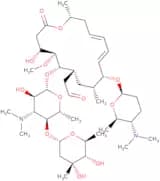
CAS:<p>Spiramycin I is a macrolide antibiotic with action on bacterial protein synthesis inhibition and is used for treating toxoplasmosis and bacterial infections.</p>Formula:C43H74N2O14Purity:Min. 95 Area-%Color and Shape:White PowderMolecular weight:843.05 g/molPolymyxin B nonapeptide TFA
CAS:<p>Polymyxin B nonapeptide TFA is an antimicrobial peptide, which is derived from the bacterium *Bacillus polymyxa*. This peptide is a truncated form of polymyxin B, lacking the fatty acyl tail and N-terminal amino acid, resulting in a nonapeptide structure. Its mode of action involves binding to the lipid A portion of bacterial lipopolysaccharides, thereby disrupting the integrity of the bacterial cell membrane. This interaction increases membrane permeability and leads to cell lysis, particularly in Gram-negative bacteria.</p>Formula:C53H79F15N14O21Purity:Min. 95%Molecular weight:1,533.3 g/mol4-Demethyl daunomycinone
CAS:<p>4-Demethyl daunomycinone is an anthracycline derivative, which is a natural or semi-synthetic compound derived from the bacterium *Streptomyces*. It is primarily studied for its potential use in anticancer therapies, given its structural similarity to other well-known anthracyclines like daunorubicin and doxorubicin. These compounds are known to intercalate into DNA, thereby disrupting the function of DNA and RNA synthesis, leading to the inhibition of cell proliferation.</p>Formula:C20H16O8Purity:Min. 95%Molecular weight:384.34 g/molMicafungin FR-179642 impurity (acid)
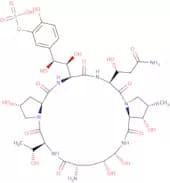
CAS:<p>Micafungin is an antifungal drug that inhibits the synthesis of ergosterol, a vital component of fungal cell membranes. It is a cyclic peptide with a lipophilic fatty acid chain that has been modified to allow penetration into cells. Micafungin is active against Candida and Aspergillus species and has shown activity against some strains of Cryptococcus neoformans. The MIC (minimum inhibitory concentration) for this drug ranges from 0.06 to 1 microgram/mL, depending on the bacterial strain being tested. Micafungin FR-179642 impurity (acid) is an impurity in micafungin that can be present as trace amounts in the final product and may contribute to hemolytic activity. This impurity is formed by hydrolysis during the synthesis process.</p>Formula:C35H52N8O20SPurity:Min. 95 Area-%Color and Shape:White PowderMolecular weight:936.9 g/molSisomicin sulfate
CAS:<p>Sisomicin sulfate is a sulfate salt form of sisomicin with similar action and applications as sisomicin.</p>Formula:C19H37N5O7·5H2SO4Purity:Min. 95%Color and Shape:PowderMolecular weight:1,385.45 g/molCecropin A
CAS:<p>Cecropin A is an antimicrobial peptide, which is derived from the immune systems of insects, specifically moths. It displays potent antimicrobial properties through its ability to disrupt bacterial cell membranes, leading to cell lysis and death. This peptide primarily targets Gram-negative bacteria but is also effective against some Gram-positive strains. Cecropin A has garnered significant scientific interest due to its potential applications in developing new antimicrobial agents, particularly in the face of increasing antibiotic resistance. By integrating Cecropin A into therapeutic strategies, researchers aim to broaden the spectrum of antimicrobial options available for use in both clinical and agricultural settings, offering a promising avenue for future drug development.</p>Formula:C184H313N53O46Purity:Min. 95%Molecular weight:4,003.78 g/molOteseconazole
CAS:<p>Oteseconazole is an antifungal medication, which is a synthetic triazole-derived agent. It functions by inhibiting the activity of the fungal enzyme lanosterol 14α-demethylase. This inhibition disrupts the synthesis of ergosterol, a vital component of fungal cell membranes, thereby interfering with cell membrane integrity and function, ultimately leading to fungal cell death.</p>Formula:C23H16F7N5O2Purity:Min. 95%Molecular weight:527.4 g/molCefmenoxime hydrochloride
CAS:<p>Cefmenoxime hydrochloride is a third-generation cephalosporin antibiotic with action on bacterial cell wall synthesis and is used for treating gynecological and obstetric infections.</p>Formula:C16H17N9O5S3HClPurity:Min. 95%Color and Shape:White PowderMolecular weight:529.79 g/molCefepime Related Compound E
CAS:<p>Cefepime Related Compound E is a chemical impurity, which is typically encountered as a byproduct in the synthesis or degradation of the antibiotic cefepime. This impurity is derived from synthetic processes used in the pharmaceutical industry and can originate from a variety of pathways during the manufacturing or storage of cefepime.</p>Formula:C13H20ClN3O3SPurity:Min. 95%Molecular weight:333.83 g/molSTAADIUM™ PeptiZide L-Pyr
CAS:<p>STAADIUMTM PeptiZide L-Pyr is a targeted inhibitor for pyroglutamyl-aminopeptidase-producing bacteria. The antibacterial activity of STAADIUMTM PeptiZide L-Pyr is triggered by the enzyme pyroglutamyl aminopeptidase (a.k.a. pyrase or pyrrolidonyl peptidase) that is present, not only in bacteria, but also in archaea, plants and animals. STAADIUMTM PeptiZide can be used to suppress the growth of Citrobacter freundii on diagnostic agar plates for Salmonella. L-pyrrolidonyl peptidase activity has also been exploited to distinguish Enterococcus species and Streptococcus pyogenes from other Streptococaceae species. More details in the application notes document.</p>Formula:C17H17N3O3SPurity:Min. 95 Area-%Color and Shape:PowderMolecular weight:343.41 g/molDMDNA31
CAS:<p>DMDNA31 is a synthetic nucleotide analog, which is a man-made compound designed to mimic the natural building blocks of DNA. It originates from advanced chemical synthesis processes, allowing precise control over its structure to mimic specific nucleotide sequences. DMDNA31 operates by integrating into DNA strands during replication, thereby enabling the study of genetic mutations and the mapping of genomic sequences.</p>Formula:C50H62N4O13Purity:Min. 95%Molecular weight:927 g/molCeftriaxone sodium
CAS:<p>Ceftriaxone sodium is a third-generation cephalosporin antibiotic with action on bacterial cell wall synthesis and is used for treating severe bacterial infections like meningitis and pneumonia.</p>Formula:C18H18N8Na2O7S3Purity:Min. 84 Area-%Color and Shape:White Yellow PowderMolecular weight:600.56 g/molOfloxacin Q acid
CAS:<p>Ofloxacin Q acid is a quinolone analog, which is a synthetic derivative known for its significant antibacterial properties. This compound is sourced from the chemical synthesis of fluoroquinolone derivatives, designed to enhance reactivity and efficacy in pharmaceutical applications. Ofloxacin Q acid acts by inhibiting bacterial DNA gyrase and topoisomerase IV, enzymes critical for DNA replication, transcription, and repair, thereby leading to the cessation of bacterial growth and replication.</p>Formula:C13H9F2NO4Purity:Min. 95%Molecular weight:281.21 g/molOxibendazole-amine hydrochloride
CAS:<p>Oxibendazole-amine hydrochloride is a synthetic anthelmintic compound, which is a derivative of benzimidazole, known for its broad-spectrum efficacy against various helminths. It primarily acts by disrupting the polymerization of tubulin into microtubules, effectively impairing essential cellular structures and functions within parasitic worms, leading to their death.</p>Formula:C10H13N3O•HClPurity:Min. 95%Color and Shape:PowderMolecular weight:227.69 g/molBacampicillin Hydrochloride
CAS:<p>Bacampicillin Hydrochloride is an aminopenicillin antibiotic and is used for the treatment of bacterial infections. It is a prodrug that is converted to ampicillin in the body, which then inhibits bacterial cell wall synthesis.</p>Formula:C21H28ClN3O7SPurity:Min. 95%Color and Shape:PowderMolecular weight:501.98 g/mol14-Bromodaunorubicin HBr
CAS:<p>14-Bromodaunorubicin HBr is a synthetic antitumor antibiotic derivative, which is a modified version of daunorubicin, an anthracycline antibiotic originally isolated from Streptomyces peucetius. With the inclusion of a bromine atom at the 14th position, this compound is designed to enhance the antitumor efficacy and alter pharmacokinetic properties compared to its parent molecule.</p>Formula:C27H28BrNO10·BrHPurity:75%MinMolecular weight:687.33 g/molErythromycin C
CAS:<p>Erythromycin C is a macrolide antibiotic, which is a type of product derived from the bacterium *Saccharopolyspora erythraea*. It functions by binding to the 50S subunit of the bacterial ribosome, inhibiting protein synthesis through blocking translocation of peptidyl-tRNA. This mode of action effectively prevents bacterial growth and replication, making it a potent bacteriostatic agent.</p>Formula:C36H65NO13Purity:Min. 95%Molecular weight:719.9 g/molSancycline hydrochloride
CAS:<p>Sancycline hydrochloride is a tetracycline antibiotic, which is derived from the natural fermentation process of Streptomyces bacteria. The mechanism of action involves the inhibition of protein synthesis by bindin directly to the 30S ribosomal subunit, thereby preventing the attachment of aminoacyl-tRNA to the A site of the ribosome. This action effectively halts the growth of bacteria by impeding protein production, making it bacteriostatic rather than bactericidal.</p>Formula:C21H23ClN2O7Purity:Min. 95%Molecular weight:450.87 g/molCeftizoxime
CAS:<p>Ceftizoxime is a third-generation cephalosporin antibiotic with action on bacterial cell wall synthesis and is used for treating respiratory tract infections, urinary tract infections, and gonorrhea.</p>Formula:C13H13N5O5S2Purity:Min. 95%Color and Shape:PowderMolecular weight:383.41 g/molCefazolin
CAS:<p>Cefazolin is a broad-spectrum antibiotic that inhibits the growth of Gram-positive and Gram-negative bacteria. It is an effective cephalosporin antibiotic against both aerobic and anaerobic bacteria. Cefazolin is used in clinical isolates to inhibit the growth of methicillin-resistant staphylococcus, resistant microorganisms, and systemic inflammation. Some studies has shown good results to inhibit tumor necrosis factor-α (TNFα) production in cell culture.</p>Formula:C14H14N8O4S3Purity:Min. 95%Molecular weight:454.51 g/molTenofovir alafenamide (free base)
CAS:<p>Tenofovir alafenamide (free base) is a prodrug of tenofovir with action on viral reverse transcriptase to block replication and is used for treating HIV/AIDS and chronic hepatitis B with improved safety profile.</p>Formula:C21H29N6O5PPurity:Min. 97 Area-%Color and Shape:PowderMolecular weight:476.47 g/molLaidlomycin
CAS:<p>Laidlomycin is an ionophore compound with a mode of action that disrupts ion gradients in bacterial cells. It is used as a feed additive to improve feed efficiency in cattle.</p>Formula:C37H62O12Purity:Min. 95%Molecular weight:698.88 g/molSulbactam pivoxyl
CAS:<p>**Sulbactam pivoxyl** is a prodrug, which is a chemically modified form of sulbactam intended to improve its pharmacokinetic properties. Sulbactam itself is a beta-lactamase inhibitor of synthetic origin, specifically designed to combat antibiotic resistance by inhibiting the beta-lactamase enzymes produced by certain bacteria. These enzymes typically break down beta-lactam antibiotics, rendering them ineffective.</p>Formula:C14H21NO7SPurity:Min. 95%Molecular weight:347.38 g/molMonensin
CAS:<p>Monensin is a polyether ionophore antibiotic, which is derived from the fermentation of the bacterium *Streptomyces cinnamonensis*. It operates by disrupting ion transport across biological membranes, primarily by facilitating the exchange of sodium and potassium ions. This ionophore action alters the osmotic balance in target cells, leading to their destabilization and death, particularly in Gram-positive bacteria and certain protozoa.</p>Formula:C36H62O11Purity:Min. 95%Molecular weight:670.87 g/mol1-(6-Amino-3,5-difluoro-2-pyridinyl)-7-[3-[3-[[1-(6-amino-3,5-difluoro-2-pyridinyl)-3-carboxy-8-chloro-6-fluoro-1,4-dihydro-4-oxo-7- quinolinyl]amino]-2-hydroxypropoxy]-1-azetidinyl]-8-chloro-6-fluoro-1,4-dihydro-4-oxo-3-quinolinecarboxylic acid
CAS:<p>1-(6-Amino-3,5-difluoro-2-pyridinyl)-7-[3-[3-[[1-(6-amino-3,5-difluoro-2-pyridinyl)-3-carboxy-8-chloro-6-fluoro-1,4-dihydro-4-oxo-7-quinolinyl]amino]-2-hydroxypropoxy]-1-azetidinyl]-8-chloro-6-fluoro-1,4-dihydro-4-oxo-3-quinolinecarboxylic acid is a fluoroquinolone antibiotic, engineered through synthetic chemistry. It is derived from chemical sources involving complex organic synthesis, highlighting its intricate molecular architecture. Its mode of action is distinctive, as it inhibits bacterial DNA gyrase and topoisomerase IV, enzymes crucial for DNA replication and transcription. This interference with bacterial DNA processes results in bactericidal effects, effectively eliminating susceptible bacterial strains.</p>Formula:C36H24Cl2F6N8O8Purity:Min. 95%Molecular weight:881.52 g/molRetrocyclin-1 trifluoroacetate salt
CAS:<p>Retrocyclin-1 trifluoroacetate salt is a synthetic antimicrobial peptide, which is derived from humanized sequences based on the theta-defensin family, originally found in certain primates. Retrocyclin-1 is particularly notable for its circular structure which contributes to its stability and biological activity. The peptide is produced through a process of solid-phase peptide synthesis, designed to mimic the native cyclic conformation of natural theta-defensins.</p>Formula:C74H128N30O18S6Purity:Min. 95%Molecular weight:1,918.4 g/molN-Acetal bromopride
CAS:<p>N-Acetal bromopride is a chemical compound that serves as a derivative of bromopride, which is a selective dopamine D2 receptor antagonist. This derivative is synthesized from bromopride, typically through organic chemical processes, and modified to possess an acetal functional group. The presence of this functional group potentially alters its pharmacokinetic or pharmacodynamic properties, although these specific changes may still be under research.</p>Formula:C16H24BrN3O3Purity:Min. 95%Molecular weight:386.28 g/molClindamycin 3-phosphate
CAS:<p>Clindamycin 3-phosphate is an antibiotic prodrug, which is a derivative of clindamycin. It is semisynthetic with a synthetic origin, derived by chemically modifying the natural compound lincomycin obtained from the bacterium *Streptomyces lincolnensis*. The mode of action of Clindamycin 3-phosphate involves the inhibition of bacterial protein synthesis. It binds to the 50S subunit of the bacterial ribosome, thereby interfering with the translocation step in protein elongation, ultimately leading to the suppression of bacterial growth.</p>Formula:C18H34ClN2O8PSPurity:Min. 95%Color and Shape:White To Off-White SolidMolecular weight:504.96 g/molLactoferricin B (4-14) (bovine) trifluoroacetate salt
CAS:<p>Lactoferricin B (4-14) (bovine) trifluoroacetate salt is a peptide derivative, which is a fragment derived from bovine lactoferrin. It is obtained by enzymatic digestion of lactoferrin, a glycoprotein with a well-established role in the innate immune system. This specific peptide, Lactoferricin B (4-14), is known for its potent antimicrobial properties, attributed to its amphipathic structure that facilitates the disruption of microbial membranes. Additionally, it can modulate immune responses through interactions with immune cells, thereby influencing inflammatory processes.</p>Formula:C70H113N25O13SPurity:Min. 95%Molecular weight:1,544.87 g/molGentamicin C1 pentaacetate
CAS:<p>Gentamicin C1 pentaacetate is an aminoglycoside antibiotic with action on bacterial protein synthesis inhibition and is used for research and analytical applications.</p>Formula:C21H43N5O7•(C2H4O2)5Purity:Min. 90%Color and Shape:Off-White PowderMolecular weight:777.86 g/molLomefloxacin hydrochloride
CAS:<p>Lumefantrine is an antimalarial compound with a mode of action that inhibits heme detoxification in Plasmodium parasites. It is used in combination with artemether for treating malaria.</p>Formula:C17H19F2N3O3•HClPurity:Min. 95%Color and Shape:PowderMolecular weight:387.81 g/molSulfadimethoxine sodium
CAS:<p>Sulfadimethoxine sodium is a sulfonamide antibiotic with action on bacterial folate synthesis inhibition and is used for treating respiratory and urinary tract infections in veterinary medicine.</p>Formula:C12H13N4NaO4SPurity:Min. 95%Color and Shape:White Off-White PowderMolecular weight:332.31 g/molCyclosporin V
CAS:<p>Cyclosporin V is an immunosuppressant medication with action on calcineurin inhibition and is used for preventing organ rejection in transplants and treating autoimmune diseases.</p>Formula:C63H113N11O12Purity:Min. 95%Color and Shape:PowderMolecular weight:1,216.64 g/molAmpicillin-sulbactam
CAS:<p>Ampicillin-sulbactam is a combination antibiotic, which is a pharmaceutical product derived from the penicillin class of beta-lactam antibiotics. Its source involves semi-synthetic processes, combining ampicillin with sulbactam. The mode of action of this compound is through the inhibition of bacterial cell wall synthesis. Ampicillin specifically binds to penicillin-binding proteins, thereby disrupting the cross-linking process essential for maintaining cell wall structural integrity, leading to bacterial lysis. Sulbactam functions as a beta-lactamase inhibitor, enhancing the efficacy of ampicillin by preventing its degradation by beta-lactamase enzymes produced by certain resistant bacterial strains.</p>Formula:C25H31N3O9S2Purity:Min. 95%Molecular weight:581.7 g/molBCX4430 freebase
CAS:<p>Adenosine analogue with antiviral activity</p>Formula:C11H15N5O3Purity:Min. 95%Molecular weight:265.27 g/molSapecin
CAS:<p>Sapecin is an antimicrobial peptide, which is derived from the hemolymph of the silk moth (Bombyx mori) with potent bactericidal action. The source of Sapecin is the immune system of the silk moth, where it acts as a natural defense mechanism against microbial infections. Its mode of action involves disrupting bacterial cell membranes, leading to cell lysis and death. The peptide achieves this by inserting itself into the lipid bilayer, creating pores that compromise the structural integrity of the membrane.</p>Formula:C164H266N58O52S6Purity:Min. 95%Molecular weight:4,074.62 g/molDicresulene Hydrate
CAS:<p>Dicresulene Hydrate is an anti-inflammatory compound, which is derived from synthetic sources. It functions primarily by inhibiting specific enzymes involved in the inflammatory response. This inhibition reduces the production of pro-inflammatory mediators, thereby mitigating inflammation and associated symptoms.</p>Formula:C15H16O8S2•(H2O)xPurity:Min. 95%Color and Shape:PowderMolecular weight:388.41 g/molGentamicin C2 sulfate
CAS:<p>Gentamicin C2 sulfate is an aminoglycoside antibiotic with action on bacterial protein synthesis inhibition and is used for treating severe bacterial infections.</p>Formula:C20H41N5O7Purity:(%) Min. 90%Color and Shape:PowderMolecular weight:463.57 g/molAripiprazole monohydrate
CAS:Controlled Product<p>Aripiprazole monohydrate is an atypical antipsychotic medication, which is synthesized through chemical processes involving aryl piperazine derivatives. It acts primarily as a partial agonist at dopamine D2 and serotonin 5-HT1A receptors and as an antagonist at 5-HT2A receptors, with additional activity at other neurotransmitter receptors. This unique mechanism of action sets it apart from typical antipsychotics that predominantly function as dopamine antagonists.</p>Formula:C23H29Cl2N3O3Purity:Min. 95%Color and Shape:PowderMolecular weight:466.4 g/molDoripenem
CAS:<p>Doripenem is a carbapenem antibiotic with action on bacterial cell wall synthesis and is used for treating complicated bacterial infections like intra-abdominal infections and urinary tract infections.</p>Formula:C15H24N4O6S2Purity:Min. 95%Color and Shape:White PowderMolecular weight:420.51 g/molCeftobiprole medocaril sodium
CAS:<p>Ceftobiprole medocaril sodium is a broad-spectrum cephalosporin antibiotic, which is a synthetically derived prodrug of ceftobiprole. Upon administration, ceftobiprole medocaril is rapidly converted into its active form, ceftobiprole, by the body's endogenous esterases. The mode of action involves binding to penicillin-binding proteins (PBPs) in the bacterial cell wall, leading to the inhibition of cell wall synthesis and ultimately the death of the bacteria. This action is effective against a wide range of gram-positive and gram-negative bacteria, including methicillin-resistant Staphylococcus aureus (MRSA) and penicillin-resistant Streptococcus pneumoniae.</p>Formula:C26H26N8O11S2NaPurity:Min. 95%Molecular weight:713.65 g/molHygromycin A
CAS:<p>Hygromycin A is an antimicrobial compound isolated from the bacterium *Streptomyces hygroscopicus*. It functions by inhibiting protein synthesis within microbial cells. This compound disrupts the elongation phase of translation by binding to the ribosomal subunit, therefore impeding mRNA decoding during protein assembly.</p>Formula:C23H29NO12Purity:Min. 95%Molecular weight:511.5 g/molFaropenem sodium hydrate
CAS:<p>Faropenem sodium hydrate is a hydrated form of faropenem sodium with similar action and applications as faropenem sodium hemipentahydrate.</p>Formula:C12H14NNaO5S·xH2OPurity:Min. 95%Color and Shape:PowderMolecular weight:307.3 g/molDaclatasvir
CAS:<p>Daclatasvir is a direct-acting antiviral agent, which is derived from synthetic chemical sources with a specific mode of action targeting the hepatitis C virus (HCV) replication process. It functions as an inhibitor of the HCV nonstructural protein 5A (NS5A), a vital component necessary for viral RNA replication and virion assembly. By binding to two distinct domains of NS5A, Daclatasvir disrupts its ability to function, thereby effectively halting the replication of the viral genome.</p>Formula:C40H50N8O6Purity:Min. 95%Molecular weight:738.88 g/molTaniborbactam hydrochloride
CAS:<p>Taniborbactam hydrochloride is a β-lactamase inhibitor that is synthetically derived for use in combination with β-lactam antibiotics. Its mode of action involves the inhibition of β-lactamase enzymes, which are produced by certain bacteria to confer resistance to β-lactam antibiotics, including cephalosporins and carbapenems.</p>Formula:C19H30BCl2N3O5Purity:Min. 95%Molecular weight:462.2 g/molDoxorubicin Impurity 2
CAS:<p>Doxorubicin Impurity 2 is a chemical impurity of doxorubicin with no direct therapeutic action but used in research and quality control.</p>Formula:C19H12O6Purity:Min. 95%Color and Shape:PowderMolecular weight:336.29 g/molQuinupristin
CAS:<p>Quinupristin is a semi-synthetic antibiotic, which is derived from the natural compound pristinamycin IIA produced by the bacterium Streptomyces pristinaespiralis. It operates by binding to the 50S ribosomal subunit in bacterial cells, inhibiting protein synthesis and thus exerting a bacteriostatic effect. This mechanism effectively disrupts the growth and proliferation of susceptible bacteria.</p>Formula:C53H67N9O10SPurity:Min. 95%Molecular weight:1,022.22 g/molSterigmatocystin
CAS:<p>Sterigmatocystin is a mycotoxin, which is a secondary metabolite primarily produced by certain species of the fungi Aspergillus and Bipolaris. This compound exhibits its mode of action by interfering with DNA, RNA, and protein synthesis, ultimately disrupting cellular processes. As a precursor to the well-known aflatoxins, sterigmatocystin shares a similar structure and exhibits carcinogenic properties.</p>Purity:Min. 95%Bleomycin A5 hydrochloride
CAS:<p>Bleomycin A5 hydrochloride is an antineoplastic antibiotic, which is derived from the bacterium Streptomyces verticillus. Its mode of action involves binding to DNA and inducing strand breaks through the generation of free radicals, specifically targeting deoxyribose units. This leads to the inhibition of DNA synthesis and cell division, ultimately resulting in cell death.</p>Formula:C57H89N19O21S2•HClPurity:Min. 95%Color and Shape:PowderMolecular weight:1,177.03 g/mol7-epi-Clindamycin 2-phosphate
CAS:<p>7-epi-Clindamycin 2-phosphate is a semisynthetic antibiotic derivative, which is sourced from chemical modifications of the natural antibiotic lincomycin. This compound operates by inhibiting bacterial protein synthesis. It achieves this by binding to the 50S subunit of the bacterial ribosome, thereby obstructing the translocation steps in protein elongation.</p>Formula:C18H34ClN2O8PSPurity:Min. 95%Color and Shape:White to off-white solid.Molecular weight:504.96 g/molCeftibuten
CAS:<p>Ceftibuten is a third-generation cephalosporin antibiotic, which is a beta-lactam class of antimicrobial agents derived from Acremonium, a genus of fungi. This product is synthesized to resist degradation by beta-lactamase enzymes, which are commonly produced by resistant bacteria, thereby maintaining its efficacy against a wide range of bacterial pathogens.</p>Formula:C15H14N4O6S2Purity:Min. 95%Molecular weight:410.43 g/molOleandomycin
CAS:<p>Oleandomycin is a macrolide antibiotic, which is derived from the bacterium *Streptomyces antibioticus*. This antibiotic functions by binding to the 50S subunit of the bacterial ribosome, thereby inhibiting protein synthesis. The interruption of this essential process ultimately leads to the cessation of bacterial growth and replication.</p>Formula:C35H61NO12Purity:Min. 95%Color and Shape:White PowderMolecular weight:687.86 g/molFengycin
CAS:<p>Fengycin is a cyclic lipopeptide from Bacillus subtilis acts as a biosurfactant and antifungal. As a fungicide, it has a mode of action that involves the formation of ion channels in the fungal lipid membrane, leading to membrane leakage This activity is negatively correlated to cholesterol levels, and may explain why mammalian cells, with higher cholesterol present, are not sensitive to fengycin.</p>Formula:C72H110N12O20Purity:Min. 90 Area-%Color and Shape:PowderMolecular weight:1,463.71 g/molN-Acetylamphotericin B
CAS:<p>N-Acetylamphotericin B is a derivative of the well-known antifungal agent Amphotericin B, which is derived from the bacterium *Streptomyces nodosus*. This compound is an acetylated version of Amphotericin B, designed to improve certain pharmacokinetic properties. It operates by binding to ergosterol, a key component of fungal cell membranes, leading to the formation of pores that disrupt membrane integrity, causing cell death. The acetylation is intended to reduce the compound's cytotoxicity and improve its solubility in aqueous solutions, potentially allowing for enhanced therapeutic applications.</p>Formula:C49H75NO18Purity:(%) Min. 75%Color and Shape:Yellow To Brown SolidMolecular weight:966.12 g/molEconazole
CAS:<p>Econazole is an imidazole antifungal agent with action on fungal cell membrane disruption and is used for treating fungal skin infections like athlete's foot and ringworm.</p>Formula:C18H15Cl3N2OPurity:Min. 98 Area-%Color and Shape:White PowderMolecular weight:381.68 g/molAmoxicillin
CAS:<p>Amoxicillin is an aminopenicillin antibiotic and is used for the treatment of various bacterial infections. It works by inhibiting the synthesis of bacterial cell wall mucopeptides, leading to cell lysis and death</p>Formula:C16H19N3O5SPurity:Min. 95%Color and Shape:PowderMolecular weight:365.41 g/molCasein
CAS:<p>Casein is a phosphoprotein, which is derived from milk. It originates primarily from cow's milk, where it constitutes about 80% of the total protein content. The mode of action for casein involves its ability to form a gel or clot in the stomach, which makes it highly efficient in nutrient delivery, especially the slow release of amino acids. This process is facilitated by its unique structural features, such as the presence of multiple phosphoryl groups that can bind calcium ions.</p>Purity:Min. 95%Color and Shape:PowderPuberulic acid
CAS:<p>Puberulic acid is a fungal metabolite that exhibits significant antimicrobial properties. It is derived from certain species of the Penicillium genus, a well-known source of various bioactive compounds. The mode of action of puberulic acid involves the disruption of microbial cell wall synthesis, leading to inhibited growth and eventual cell death of targeted microorganisms.</p>Formula:C8H6O6Purity:Min. 95%Molecular weight:198.13 g/molLinearmycin A
CAS:<p>Linearmycin A is an antibiotic compound, which is a secondary metabolite produced by the bacterium Streptomyces sp. Its mode of action involves disrupting bacterial protein synthesis, leading to the inhibition of bacterial growth. This compound exhibits strong efficacy against various Gram-positive and some Gram-negative bacteria, making it valuable in microbiological research.</p>Formula:C64H101NO16Purity:Min. 95%Molecular weight:1,140.5 g/mol



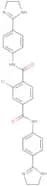

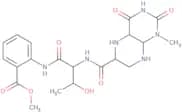
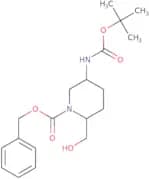

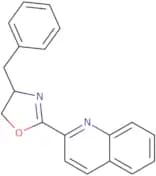
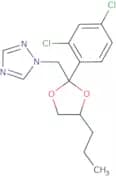
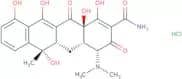


![N,N′-1,2-Ethanediylbis[3-nitrobenzenesulfonamide]](/_next/image/?url=https%3A%2Fstatic.cymitquimica.com%2Fproducts%2F3D%2Fthumb-webp%2FAAA09662.webp&w=3840&q=75)