Carbohydrates and glycoconjugates
Carbohydrates are organic compounds composed of carbon, hydrogen, and oxygen, with a basic structure formed by monosaccharides. These can combine to form disaccharides, oligosaccharides, or polysaccharides, depending on the number of monomeric units. Carbohydrates play a fundamental role in energy storage, cell structure, and cellular communication. Their derivatives are used in pharmaceutical products, such as sweeteners and excipients.
At CymitQuimica, we offer a wide range of carbohydrates and their derivatives for research and industrial applications.
Found 5013 products of "Carbohydrates and glycoconjugates"
Sort by
Purity (%)
0
100
|
0
|
50
|
90
|
95
|
100
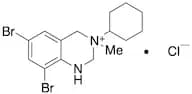
3-Cyclohexyl-6,8-dibromo-3-methyl-1,2,3,4-tetrahydroquinazolinium Chloride
CAS:<p>Impurity Bromhexine EP Impurity E Chloride<br>Applications 3-Cyclohexyl-6,8-dibromo-3-methyl-1,2,3,4-tetrahydroquinazolinium Chloride is an impurity of Bromhexine Hydrochloride (B678600). Bromhexine Hydrochloride impurity E Chloride. Bromhexine is an expectorant; mucolytic.<br>References Goicoechea, H., et al.: Talanta, 49, 793 (1999), Ribone, M., et al.: J. Pharm. Biomed. Anal., 23, 591 (2000),<br></p>Formula:C15H21Br2N2·ClColor and Shape:NeatMolecular weight:424.61Fingolimod Palmitate Amide
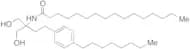
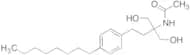
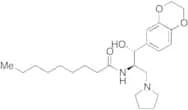
CAS:Controlled Product<p>Applications Fingolimod Palmitate Amide is an impurity of Fingolimod (F805000, HCl salt), a novel immune modulator that prolongs allograft transplant survival in numerous models by inhibiting lymphocyte emigration from lymphoid organs.<br>References Brinkmann, V., et al.: Transplantation, 72, 764 (2001), Brinkmann, et al.: J. Biol. Chem., 277, 24, 21453 (2002), Mtaloubian, M., et al.: Nature, 427, 355 (2004),<br></p>Formula:C35H63NO3Color and Shape:NeatMolecular weight:545.88N-(1-Hydroxy-2-(hydroxymethyl)-4-(4-octylphenyl)butan-2-yl)acetamide
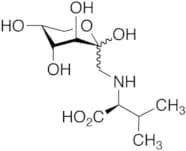
CAS:Formula:C21H35NO3Color and Shape:NeatMolecular weight:349.51Fructose Valine (mixture of diastereomers)
CAS:Controlled Product<p>Applications An Amadori compound having the potential to alter cellular adhesion, inhibit cancer metastasis and induce apoptosis.<br>References Horiuchi, T., et al.: Agric. Biol. Chem., 55, 333 (1991), Sosnovsky, G., et al.: J. Pharm. Sci., 82, 649 (1993), Glinsky, G., et al.: Cancer Res., 56, 5319 (1996),<br></p>Formula:C11H21NO7Color and Shape:Off-White To Dark BrownMolecular weight:279.299-Methyl Biotin (mixture of diastereomers)
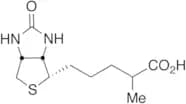
CAS:Controlled Product<p>Impurity Biotin EP Impurity D<br>Applications Biotin (B389040) impurity. Biotin EP Impurity D.<br>References Trotter, J., et al.: Biochemistry, 5, 713 (1966), Suurkuusk, J., et al.: Eur. J.Biochem., 28, 438 (1972),<br></p>Formula:C11H18N2O3SColor and Shape:NeatMolecular weight:258.34Isosorbide 2-Nitrate
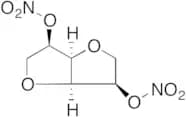
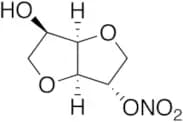
CAS:<p>Applications A metabolite of Isosorbide Dinitrate. Used as an antianginal.<br> Not a dangerous good if item is equal to or less than 1g/ml and there is less than 100g/ml in the package<br>References Goldberg, et al.: Acta Physiol. Scand., 15, 173 (1948), Silvieri, L.A., et al.: Anal. Profiles Drug Subs., 4, 225 (1975), Laufen, H., et al.: Arzneim.-Forsch., 33, 980 (1983),<br></p>Formula:C6H9NO6Color and Shape:WhiteMolecular weight:191.14Rebaudioside B
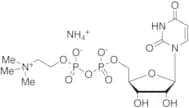
CAS:Controlled ProductFormula:C38H60O18Color and Shape:White To Off-WhiteMolecular weight:804.87Uridine Diphosphate Choline Ammonium Salt
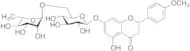
CAS:Controlled Product<p>Stability Very Hygroscopic<br>Applications CDPcholine cholinephosphotransferase analog.<br>References Kennedy, E.P., et al.: J. Biol. Chem.,222,185 (1956),<br></p>Formula:C14H28N4O12P2Color and Shape:White To Dark YellowMolecular weight:506.34Neoponcirin (Mixture of diastereomers)
CAS:Controlled ProductFormula:C28H34O14Color and Shape:NeatMolecular weight:594.56D-Biotin Dimer Acid
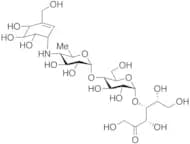
CAS:<p>Impurity Biotin EP Impurity A<br>Applications D-Biotin Dimer Acid (Biotin EP Impurity A) is an impurity of D-Biotin that can be used in the synthesis of D-Biotin.<br>References Hanka, L.J., Antimicrob. Agents Chemother., 1, 135 (1972), Corey, E.J., et al.: Tetrahedon Lett., 29, 57 (1988),<br></p>Formula:C18H28N4O4S2Color and Shape:NeatMolecular weight:428.569Acarbose D-Fructose Impurity
CAS:Controlled Product<p>Impurity Acarbose EP Impurity A<br>Applications Acarbose D-Fructose (Acarbose EP Impurity A) is an impurity of Acarbose (A123500) (1,2,3,4). Acarbose impurity A.<br>References (1) Kim, I., et al.: J. Biol. Chem., 267, 22108 (1992) (2) Tonozuka, T., et al.: Carbohydr. Res., 261, 157 (1994) (3) Brzozowski, A., et al.: Biochemistry, 36, 10837 (1997) (4) Cha, H., et al.: Eur. J. Biochem., 253, 251 (1998)<br></p>Formula:C25H43NO18Color and Shape:NeatMolecular weight:645.60Erdosteine
CAS:Controlled Product<p>Applications Erdosteine is a mucolytic. Erdosteine was developed for the treatment of chronic obstructive bronchitis.<br>References Kuvandik, G., et al.: Toxicol. Pathol., 36, 714 (2008), Koyu, A., et al.: Mol. Cell. Biochem., 331, 43 (2009), Fourches, D., et al.: Chem. Res. Toxicol., 23, 171 (2010),<br></p>Formula:C8H11NO4S2Color and Shape:NeatMolecular weight:249.313-Deoxyglucosone
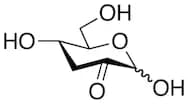
CAS:<p>Stability Hygroscopic, Light Sensitive, Temperature Sensitive<br>Applications An intermediate in the Maillard reaction of proteins with glucose, which is metabolised to 3-Deoxyfructose. An intermediate in the formation of pyrraline, which might contribute to a pathological effect, such as carcinogenesis.<br>References Kato, H. et al.: Agric. Biol. Chem., 51, 683 (1987), Hayase, F. et al.: J. Biol. Chem., 264, 3758 (1989), Kato, H. et al.: Biochimica et Biophysica Acta, 1035, 71 (1990)<br></p>Formula:C6H10O5Color and Shape:White To YellowMolecular weight:162.14Lewis A Trisaccharide
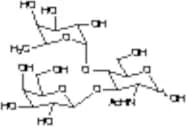
CAS:Controlled Product<p>Applications Lewis A Trisaccharide is a component of multiplex glycan bead arrays which play a role in various cellular functions.<br>References Dabelsteen, E., et al.: Cancer Research, 48, 181 (1988), Lasky, L.A.: Science, 258, 964 (1992), Mulligan, M.S., et al.: Nature, 364, 149 (1993), Mulligan, M.S., et al.: J. Exp. Med., 178, 623 (1993), Travis, J.: Science, 260, 906 (1993); Purohit, S. et al.: Nat. Comm., 9, 1 (2018);<br></p>Formula:C20H35NO15Color and Shape:NeatMolecular weight:529.49Sucrose Octasulfate, Ammonium Salt
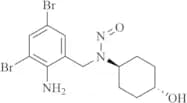
CAS:Controlled ProductFormula:C12H14O35S8·8H4NColor and Shape:NeatMolecular weight:1119.05N,N'-Methylene Ambroxol Hydrochloride
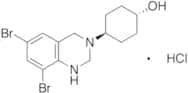
CAS:Controlled Product<p>Impurity Ambroxol EP Impurity B Hydrochloride<br>Stability Hygroscopic<br>Applications Ambroxol Cyclic Impurity is a metabolite as well as an impurity of the bronchosecretolytic drug, Ambroxol (A575900).<br>References Hammer, R. et al.: Arzneim.-Forsch., 28, 899 (1978); Nieder, M. et al.: HRC & CC, 9, 561 (1986); Huq, F. et al.: J. Pharmacol. Toxicol., 3, 147 (2008);<br></p>Formula:C14H18Br2N2O·ClHColor and Shape:White To Off-WhiteMolecular weight:426.574-Methylumbelliferyl a-L-Idopyranosiduronic Acid, Sodium
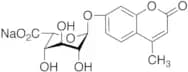
CAS:Controlled ProductFormula:C16H15O9·NaColor and Shape:White To Light YellowMolecular weight:374.27Xylotriose
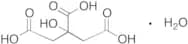
CAS:Controlled Product<p>Applications Xylotriose is a newly developed xylo-oligosaccharide, usually produced from xylan by enzymic hydrolysis, with many beneficial biomedical and health effects.<br>References Zhu, Z., et al.: Eur. Food Res. Technol., 241, 27 (2015)<br></p>Formula:C15H26O13Color and Shape:NeatMolecular weight:414.36Citric Acid Monohydrate
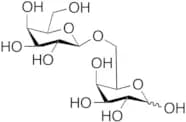
CAS:Controlled Product<p>Applications Citric Acid Monohydrate is a useful buffer component for antigen and epitope unmasking.<br></p>Formula:C6H8O7·H2OColor and Shape:White To Off-WhiteMolecular weight:210.146-O-β-D-Galactopyranosyl-D-galactose
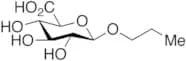
CAS:<p>Applications 6-O-β-D-Galactopyranosyl-D-galactose can be as a substrate of β-galactosidase in research studies.<br>References Kotake, T., et al.: Plant Physio., 138(3), 1563-1576 (2005)<br></p>Formula:C12H22O11Color and Shape:NeatMolecular weight:342.30Propyl β-D-Glucuronide
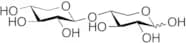
CAS:Controlled Product<p>Applications Propyl β-D-Glucuronide is a glucuronide of a short-chained aliphatic alcohol formed via glucuronidation in human liver microsomes in vitro.<br>References Jurowich, S. et al.: Alcohol, 32, 187 (2004);<br></p>Formula:C9H16O7Color and Shape:Light Beige SolidMolecular weight:236.22Xylobiose
CAS:Controlled Product<p>Applications Xylobiose is a disaccharide that can reduce the blood sugar and blood fat and inhibit the fat accumulation of diet-induced obese rats.<br>References Chen, H., et al.: Shipin Kexue, 35, 255 (2014)<br></p>Formula:C10H18O9Color and Shape:NeatMolecular weight:282.243-[2-(Ethylhexyl)oxyl]-1,2-propandiol
CAS:<p>Applications 3-[2-(Ethylhexyl)oxyl]-1,2-propandiol is the novel raw material for deodorants application and is widely used as a cosmetic emollient. 3-[2-(Ethylhexyl)oxyl]-1,2-propandiol reliably inhibits the odor-causing bacteria, yeast and fungi on the skin.<br>References Nagao, S.: Frag. J., 34, 39 (2006); Lawan, K. et al.: J. Health Sci., 23, 1 (2009); Leschke, M.: SOFW J., 136, 10 (2010);<br></p>Formula:C11H24O3Color and Shape:ColourlessMolecular weight:204.31α-D-Galactose
CAS:<p>Applications α-D-Galactose is the alpha anomer of D-Galactose (G155250), the C-4 epimer of Glucose (G595000). D-Galactose is found in milk and sugar beets as well as being synthesized by the body.<br>References De Smet, E. et al.: Nephrol. Dial. Transplant., 24, 2938 (2009); Kivele, R. et al.: Carb. Pol., 85, 645 (2011);<br></p>Formula:C6H12O6Color and Shape:White To Off-WhiteMolecular weight:180.16D-Psicose
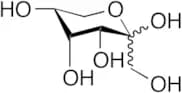
CAS:Controlled Product<p>Applications D-Psicose is a C3 epimer of L-Fructose, which maintains the ability to reduce fat accumulation when added to a diet through inhibition of intestinal α-glucosidase.<br>References Matsuo, T. et al.: J. Clin. Biochem. Nutri., 45, 202 (2009); Matsuo, T. et al.: J. Clin. Biochem. Nutri., 30, 55 (2001);<br></p>Formula:C6H12O6Color and Shape:Off-WhiteMolecular weight:180.16D-(-)-Tartaric Acid
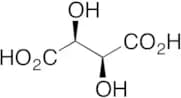
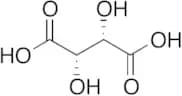
CAS:<p>Applications D-(-)-Tartaric Acid the synthetic enantiomer of L-(+)-Tartaric Acid (T007630), used in the preparation of synthetic analgesics.<br>References Van Bever, W. et al.: J. Med. Chem., 17, 1047 (1974);<br></p>Formula:C4H6O6Color and Shape:NeatMolecular weight:150.09Xylitol
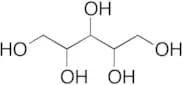
CAS:Controlled Product<p>Applications Xylitol, is a lower-calorie alternative to table sugar. Studies have shown xylitol chewing gum can help prevent acute otitis media. Xylitol is categorized by the U.S. Food and Drug Administration as a food additive.<br>References Code of Federal Regulations Title 21, US., FDA (2012); Azarparzhooh, A., et al.,: Cochrane data. Sys. Revi. (online) (11), (2011);<br></p>Formula:C5H12O5Color and Shape:NeatMolecular weight:152.155,6-trans-Vitamin D3
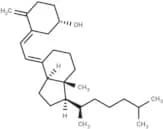
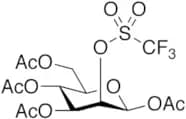
CAS:5,6-trans-Vitamin D3(5,6-trans-Cholecalciferol) is an isoform of Vitamin D3, which is converted from Vitamin D3 on the skin surface after light exposure.Formula:C27H44OPurity:98.23%Color and Shape:SolidMolecular weight:384.641,3,4,6-Tetra-O-acetyl-2-O-trifluoromethanesulfonyl-β-D-mannopyranose
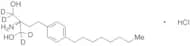
CAS:Controlled Product<p>Applications A radiolabelled pharmaceutical preparation for diagnostic aims used in positron emission tomography.<br>References Chirakal, R., et al.: Applied Radiation Isotopes, 46, 149 (1995), Kuge, Y., et al.: Nuclear Med. Biol., 29, 275 ( 2002),<br></p>Formula:C15H19F3O12SColor and Shape:NeatMolecular weight:480.36Fingolimod-d4 Hydrochloride
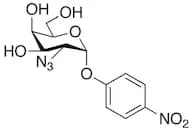
CAS:Controlled Product<p>Applications A labelled derivative of ISP-1 (myriocin), a fungal metabolite of the Chinese herb Iscaria sinclarii as well as a structural analogue of Sphingosine. It is a novel immune modulator that prolongs allograft transplant survival in numberour models by inhibiting lymphocyte emigration from lymphoid organs. Reported to be phosphorylated by sphingosine kinase to FTY720-P, which has been shown to potently stimulate GTPgS binding activity in S1P-transfected CHO cells (EC50 = 210 pM, 4.9 nM, 4.3 nM, and 1 nM for S1P1, S1P3, S1P4 and S1P5, respectively).<br>References Brinkmann, V., et al.: Transplantation, 72, 764 (2001), Brinkmann, et al.: J. Biol. Chem., 277, 24, 21453 (2002), Mtaloubian, M., et al.: Nature, 427, 355 (2004),<br></p>Formula:C19H30D4ClNO2Color and Shape:NeatMolecular weight:347.96p-Nitrophenyl 2-Azido-2-deoxy-α-D-galactopyranoside
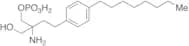
CAS:Controlled Product<p>Applications p-Nitrophenyl 2-Azido-2-deoxy-α-D-galactopyranoside (cas# 210418-04-5) is a compound useful in organic synthesis.<br></p>Formula:C12H14N4O7Color and Shape:NeatMolecular weight:326.26rac FTY720 Phosphate
CAS:Controlled Product<p>Applications rac FTY720 is a sphingosine 1-phosphate receptor modular, ameliorates experimental autoimmune encephalomyelitis by inhibition of T cell infiltration.<br>References Igarashi, J., et al.: J. Biol. Chem., 275, 32363 (2000), Bandhuvula, P., et al.: J. Biol. Chem., 280, 33697 (2005),<br></p>Formula:C19H34NO5PColor and Shape:NeatMolecular weight:387.45Lactitol Monohydrate
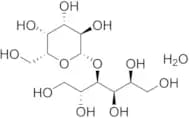
CAS:Controlled Product<p>Applications Lactitol Monohydrate is the hydrated form of Lactitol(L113550). Lactitol is listed as an excipient in some prescription drugs, such as Adderall. Lactitol is a sugar alcohol used as a replacement bulk sweetener for low calorie foods. It is also used medically as a laxative.<br>References Bolhuis, G., et al.: Drug Dev. Ind. Pharm., 35, 671 (2009); Toda, Y.: New Food Ind., 33, 21 (1991); Egger, B., et al.: Eur. J. Clin. Pharmacol., 37, 205 (1989);<br></p>Formula:C12H24O11·H2OColor and Shape:NeatMolecular weight:362.33Citric Acid-13C6
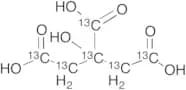
CAS:<p>Applications Citric Acid-13C6 is an isotope labelled compound of citric acid (C521000). Citric acid is mainly used as an acidifier, flavoring agent and chelating agent. Citric acid is also a metabolite of Dimethyl Fumarate (D464965), a compound used as a treatment for the relapsing forms of multiple sclerosis and psoriasis.<br>References Dawson, R.M., et al.: Data for Biochem. Rsch., (1959); Gruber, C. M., et al.: J. Pharmacol. Exp. Ther., 94, 65 (1948); Lofty, W.A., et al.: Bioresource. Tech., 98, 3470 (2007); Schimrigk, S., et al.: Eur. J. Neurol., 13, 604 (2006)<br></p>Formula:C6H8O7Color and Shape:NeatMolecular weight:198.08Oxonic Acid Potassium Salt
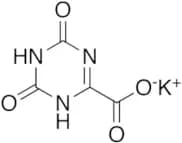
CAS:Controlled Product<p>Applications Antitumor effect potentiator and antitumor agent.<br>References Chelbova, et al.: Biochem. Pharmacol., 19, 1785 (1970), Collins, J., et al.: Clin. Pharmacol. Ther., 28, 235 (1980), Hoff, P., et al.: Anticancer Drugs, 9, 479 (1998), Backus, H., et al.: Oncol. Res., 12, 231(2000), Peters, G., et al.: J. Clin. Oncol., 19, 4267 (2001).<br></p>Formula:C4H2N3O4·KColor and Shape:NeatMolecular weight:195.17L-Thioproline
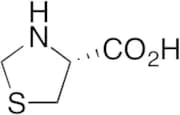
CAS:<p>Applications L-Thioproline is used to create a monolayer on gold electrodes for the determination Copper(II). L-Thioproline has shown to be an effect inhibitor of proline absorption in Saccharomyces chevalieri.<br> Not a dangerous good if item is equal to or less than 1g/ml and there is less than 100g/ml in the package<br>References Cui, X., et. al.: Sci. China Chem., 53, 257 (2010); Magana-Schwenchke, N., Schwencke, J.: BBA-Biomembranes, 173, 313 (1969)<br></p>Formula:C4H7NO2SColor and Shape:NeatMolecular weight:133.17D-Salicin
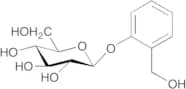
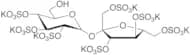
CAS:<p>Applications Salicin is an anti-inflammatory agent produced by the bark of a willow tree. Analgesic.<br>References Schmid, B. et al.: Eur J Pharmacol., 57, 387 (2001);<br></p>Formula:C13H18O7Color and Shape:WhiteMolecular weight:286.28Sucrose Heptasulfate, Potassium Salt, Technical Grade
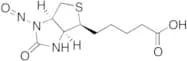
CAS:<p>Applications Used as a reference standard for the drug Sucralfate.<br></p>Formula:C12H15O32S7·7KColor and Shape:Off-WhiteMolecular weight:1169.371'-Nitrosobiotin
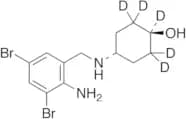
CAS:<p>Applications Nitrosobiotin Impurity is a useful research chemical.<br></p>Formula:C10H15N3O4SColor and Shape:NeatMolecular weight:273.31rac-trans-Ambroxol-d5
CAS:Controlled Product<p>Applications A labelled metabolite of Bromohexine. Ambroxol Hydrochloride is a bronchosecretolytic drug.<br>References Jauch, R., et al.: Arzneim-Forsch., 13, 474 (1963)<br></p>Formula:C13H13D5Br2N2OColor and Shape:NeatMolecular weight:383.132-Methylcitric Acid
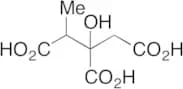
CAS:<p>Applications 2-Methylcitric Acid is a metabolite of Citric Acid (C521000). It is formed from the condensation of propionoyl-CoA and oxaloacetic acid catalyzed by a citrate synthase enzyme.<br>References Allen, R. H., et al.: Metabolism, 42, 978 (1993)<br></p>Formula:C7H10O7Color and Shape:NeatMolecular weight:206.152-Amino-2-[2-(4-hexylphenyl)ethyl]-1,3-propanediol
CAS:Controlled ProductFormula:C17H29NO2Color and Shape:NeatMolecular weight:279.42Lauramine Oxide
CAS:Controlled Product<p>Applications Lauramine Oxide, is an frequently-used amine oxide surfactant. It is strongly hydrophilic , and it forms normal micelles and normal liquid crystalline phases.<br> Not a dangerous good if item is equal to or less than 1g/ml and there is less than 100g/ml in the package<br>References Kocherbitov, v., et al.: J. Molec. Struct.: Theochem., 808, 111 (2007); Kocherbitov, v., et al.: J. Phys. Chem. B., 110 (27), 13649 (2006);<br></p>Formula:C14H31NOColor and Shape:NeatMolecular weight:229.40Neotame
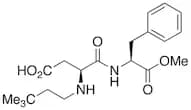
CAS:<p>Applications An alkylated dipeptide reported to be 6000 to 10000 times sweeter than sucrose; structurally related to Aspartame. A non-nutritive sweetener.<br>References Ranney, R., et al.: J. Toxicol. Environ. Health, 2, 441 (1976), Padden, B.E., et al.: Anal. Chem., 71, 3325 (1999), Arai, H., et al.: Metabolism, 56, 115 (2007),<br></p>Formula:C20H30N2O5Color and Shape:NeatMolecular weight:378.46myo-Inositol Trispyrophosphate Hexasodium Salt
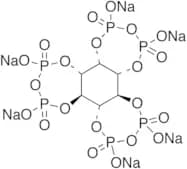
CAS:Controlled Product<p>Stability Hygroscopic<br>Applications A novel membrane-permeant allosteric effector of hemoglobin (Hb), enhances the regulated oxygen release capacity of red blood cells, thus counteracting the effects of hypoxia in diseases such as cancer and cardiovascular ailments.<br>References Duarte,C.D. et al.: Chembiochem., 11, 2543 (2010); Biolo, A. et al.: Proc. Nat. Acad. Sci. U.S.A., 106, 1926 (2009);<br></p>Formula:C6H6O21P6NaColor and Shape:NeatMolecular weight:737.88Shikimic Acid
CAS:<p>Applications Naturally occurring (-)-form is a major biosynthetic precursor of phenylalanine, tyrosine, and tryptophan and hence of the majority of plant alkaloids. It is also involved in the biosynthesis of lignin, flavonpids and other important aromatic compounds.<br>References Evans, I.A., et al.: Nature, 250, 348 (1974), Harborne, J.B., et al.: Biosynthesis, 6, 40 (1980),<br></p>Formula:C7H10O5Color and Shape:White To Off-WhiteMolecular weight:174.15Tartaric Acid Methyl Ester
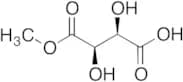
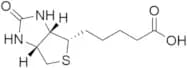
CAS:Controlled Product<p>Applications Tartaric Acid Methyl Ester is useful for developing stabilizers as additives in methanol-gasoline. In addition, Tartaric Acid Methyl Ester can be used to synthesize novel enantiopure γ/δ-amino acid via trans-acetalization.<br>References Jiang, X. and Tang, Y.: Asian J. Chem. 25, 8451 (2013); Guarna, A., et al.: Tetrahedron 58, 9865 (2002)<br></p>Formula:C5H8O6Color and Shape:NeatMolecular weight:164.11Biotin
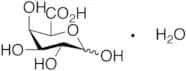
CAS:<p>Applications Biotin is a growth factor present in minute amounts in every living cell. Plays an indispensable role in numerous naturally occurring carboxylation reactions. Occurs mainly bound to proteins or polypeptides. The richest sources are liver, kidney, pancreas, yeast, and milk. The biotin content of cancerous tumors is higher than that of normal tissue.<br>References du Vigneaud, et al.: J. Biol. Chem., 146, 475 (1942); Traub, et al.: Nature, 178, 649 (1956); Siegel, H., et al.: Experienta, 37, 789 (1981); Vesely, D.L., Science, 216, 1329 (1982); Hugues, M., et al.: Biochemistry, 31, 12 (1992);<br></p>Formula:C10H16N2O3SColor and Shape:WhiteMolecular weight:244.31D-Galacturonic Acid Monohydrate
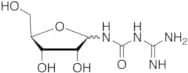
CAS:<p>Applications Used in the synthesis of N-(D-galacturonoyl) amino acids and dipeptides.<br>References Klaus, U., et al.: Environ. Sci. Technol., 34, 3514 (2000),<br></p>Formula:C6H10O7·H2OColor and Shape:NeatMolecular weight:212.151-D-Ribofuranosyl-3-guanylurea (α/β-Mixture)
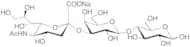
CAS:Controlled Product<p>Stability Very Hygrocsopic<br>Applications A labile hydrolysis product of the antitumor nuceloside 5-Azacytidine (A796000).<br>References Beisler, J. A. et al.: J. Med. Chem., 21, 204 (1978); Chan, K.K. et al.: J. Pharmac. Sci., 68, 807 (1979);<br></p>Formula:C7H14N4O5Color and Shape:NeatMolecular weight:234.213'-Sialyllactose Sodium Salt
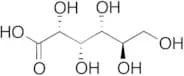
CAS:Formula:C23H38NO19·NaColor and Shape:Off-WhiteMolecular weight:655.53D-Gluconic Acid (50% in Water)
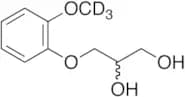
CAS:<p>Applications D-Gluconic Acid is used as a reagent in the synthesis of Pangamic Acid (P179500, Ca Salt); a mineral supplement that is sometimes referred to as Vitamin B15 although it is not a true vitamin.<br>References Mansurova, I.D. et al.: Eks. Patol. Pech., 1, 58 (1973); Apanasenko, A.A.: Cor Vasa, 15, 20 (1973); Alkhanova, N.A.: Nauch. Tru. Kaz. Gosud. Med. Inst., 41, 83 (1974)<br></p>Formula:C6H12O7Color and Shape:Single SolutionMolecular weight:196.1553rac Guaifenesin-d3
CAS:Controlled Product<p>Applications rac Guaifenesin-d3 (cas# 1189924-85-3) is a compound useful in organic synthesis.<br></p>Formula:C102H3H11O4Color and Shape:NeatMolecular weight:201.23Erdosteine Thioacid Disodium Salt
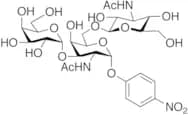
CAS:Controlled Product<p>Stability Air Sensitive, Hygroscopic<br>Applications The active metabolite of Erdosteine (E596050).<br>References Dechant, K., et al.: Drugs, 52, 875 (1996), Braga, P., et al.: Arzneim.-Forsch., 49, 344 (1999), Braga, P., et al.: Antimicrob. Agents Chemother., 43, 1013 (1999),<br></p>Formula:C8H11NO5S2·2NaColor and Shape:Off-WhiteMolecular weight:311.294-Nitrophenyl 2-Acetamido-6-O-(2-acetamido-2-deoxy-β-D-glucopyranosyl) -3-O-(β-D-galactopyranosyl)-2-deoxy-α-D-galactopyranoside
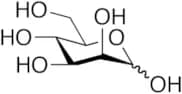
CAS:Controlled ProductFormula:C28H41N3O18Color and Shape:NeatMolecular weight:707.63D-Mannose
CAS:Controlled Product<p>Applications D-Mannose is a carbohydrate that is important in the glycosylation of molecules in a variety of cellular processes. It is involved in N and O glycosylation of bovine why protein products, used in infant formulas. It is also responsible for the O-glycosylation of the T helper cell-derived cytokine interlukin-17A, an important cell-signaling molecule.<br>References van Leeuwen, S. et al.: J. Agri. Food Chem., 60, 12553 (2012); Geoghegan, K. et al.: Prot. Express. Purif., 87, 27 (2013);<br></p>Formula:C6H12O6Color and Shape:NeatMolecular weight:180.162-Oleoyl Glycerol-d5
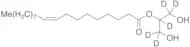
CAS:Controlled Product<p>Applications Labelled 2-Oleoylglycerol (O528020). A metabolite of 2-acylglycerol used as biomarker.<br>References Owen, M., et al.: Biochem. J., 323, 17 (1997), Waterman, I., et al.: J. Lipid Res., 43, 1555 (2002), Chon, S., et al.: J. Biol. Chem., 282, 33346 (2007),<br></p>Formula:C21H35D5O4Color and Shape:NeatMolecular weight:361.57trans-Doxercalciferol
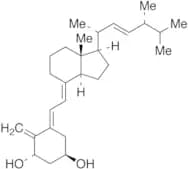
CAS:Controlled Product<p>Applications A Vitamin D derivative.<br> Not a dangerous good if item is equal to or less than 1g/ml and there is less than 100g/ml in the package<br>References Koeffler, M.R., et al.: Blood, 74, 82 (1989),<br></p>Formula:C28H44O2Color and Shape:NeatMolecular weight:412.651-Linoleoyl-rac-glycerol-d5
CAS:Controlled Product<p>Applications Labelled 1-Linoleyl glyceride, a free-living amoeba control agent; also a biomarker of metabolic responses to hepatotoxicants and carcinogens.<br>References Isidorov, V., et al.: Anal. Sci., 21, 1483 (2005); Isidorov, V., et al.: Food Chem., 115, 1056 (2009);<br></p>Formula:C21H33D5O4Color and Shape:NeatMolecular weight:359.556,6'-Iminobis(N,N,N-trimethyl-1-hexanaminium) Dibromide Hydrobromide
CAS:<p>Applications 6,6'-Iminobis[N,N,N-trimethyl-1-hexanaminium is an impurity of the pharmaceutical Welchol (Colesevelam).<br>References Schoftner, R., et al.: J. Chromatogr., 920, 333 (2001),<br></p>Formula:C18H44Br3N3Color and Shape:NeatMolecular weight:542.27trans-4-Aminocyclohexanol
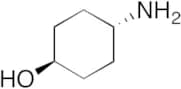
CAS:<p>Applications trans-4-Aminocyclohexanol, used in the preparation of potential hypertensive agents and other biologically active compounds.<br> Not a dangerous good if item is equal to or less than 1g/ml and there is less than 100g/ml in the package<br>References Chan, K.L. et al.: As. J. Pharmacol. Sci., 1, 91 (1979);<br></p>Formula:C6H13NOColor and Shape:NeatMolecular weight:115.1741-Kestose
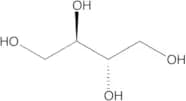
CAS:<p>Applications 1-Kestose is a fructooligosaccharide with prebiotic properties which displays antihyperglycemic activity suggesting that it may be used in treating diabetes.<br>References Bharti, S., et al.: Process Biochem., 50, 317 (2015); Mutanda, T., et al.: J. Ind. Microbiol. Biot., 41, 893 (2014);<br></p>Formula:C18H32O16Color and Shape:NeatMolecular weight:504.44Erythritol
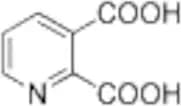
CAS:Controlled Product<p>Applications Erythritol a sugar alcohol used as a food additive.<br>References Leisso, R., et al.: J. Agr. Food. Chem., 61, 1373 (2013); Hillmann, H., et al.: J. Agr. Food. Chem., 60, 9974 (2012);<br></p>Formula:C4H10O4Color and Shape:NeatMolecular weight:122.122,3-Pyridinedicarboxylic Acid
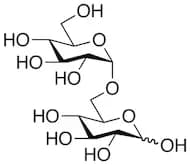
CAS:Controlled Product<p>Applications An inhibitor of glucose synthesis.<br>References Martirosyan, A., et al.: Biochem. Pharmacol., 68, 1729 (2004),<br></p>Formula:C7H5NO4Color and Shape:Off White SolidMolecular weight:167.12Isomaltose
CAS:<p>Stability Very Hygroscopic<br>Applications One of the main product of transformation of maltose into prebiotic isomaltooligosaccharides by novel α-glucosidase from Xantophyllomyces dendrorhous.<br>References Tzortzis, G., et al.: Appl. Microbiol. Biotechnol., 63, 286 (2003), Chaen, H., et al.: J. Biosci. Bioeng., 92, 177 (2001), Ferrer, M., et al.: Biochem. J., 391, 269 (2005),<br></p>Formula:C12H22O11Color and Shape:WhiteMolecular weight:342.30Biotin Diacid
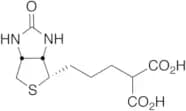
CAS:Controlled Product<p>Impurity Biotin EP Impurity B<br>Applications Biotin Diacid (Biotin EP Impurity B) is an impurity of Biotin (B389040).<br>References Trotter, J., et al.: Biochemistry, 5, 713 (1966), Suurkuusk, J., et al.: Eur. J.Biochem., 28, 438 (1972),<br></p>Formula:C11H16N2O5SColor and Shape:NeatMolecular weight:288.32Fingolimod Hydrochloride
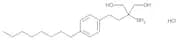
CAS:Formula:C19H33NO2·ClHColor and Shape:White To Off-WhiteMolecular weight:343.93L-Phenylalanine Methyl Ester Hydrochloride
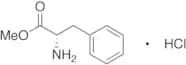
CAS:Controlled Product<p>Applications Protected (S) enantiomer of the amino acid Phenylalanine.<br>References Zhu, P., et al.: Bioorg. Med. Chem. Lett., 19, 6966 (2009), Cramer, B., et al.: Bioorg. Med. Chem., 18, 343 (2010),<br></p>Formula:C10H13NO2·HClColor and Shape:Off-WhiteMolecular weight:215.677D-Lactose Monohydrate
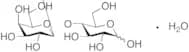
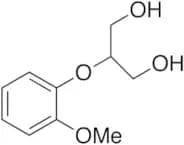
CAS:<p>Applications D-Lactose Monohydrate is an excipient used in dry powder inhaler of aspirin.<br>References Bais, N., et al.: Int. J. Pharm. Life Sci., 7, 5047-5050 (2016)<br></p>Formula:C12H22O11·H2OColor and Shape:White To Off-WhiteMolecular weight:360.312-(2-Methoxyphenoxy)-1,3-propanediol
CAS:<p>Impurity Guaifenesin EP Impurity B<br>Applications 2-(2-Methoxyphenoxy)-1,3-propanediol is a impurity of Guaifenesin (G810502. Guaifenesin Impurity D<br>References Schieffer, G.W., et al.: J. Pharma. Sci., 72, 1856 (1984);<br></p>Formula:C10H14O4Color and Shape:WhiteMolecular weight:198.22DL-Panthenol
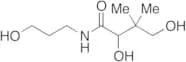
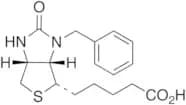
CAS:<p>Applications DL-Panthenol is used in the topical treatment of skin disorders, such as minor irritations and skin burns. Also used in the strengthening and treatment of hair.<br>References Ebner F. et al.: Am J Clin Dermatol. 3, 427 (2002); Heldermann, M. et al.: SOFW J. et al.: 40, 44 (2012);<br></p>Formula:C9H19NO4Color and Shape:Off-WhiteMolecular weight:205.251’N-Benzyl Biotin
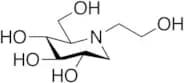
CAS:Controlled Product<p>Applications A biotin derivative used in the novel enantioselective syntheses of (+)-Biotin.<br>References Robinson, A.E.., et al.: J. Pharma. Pharmacol., 16, 342 (1964),<br></p>Formula:C17H22N2O3SColor and Shape:Light Beige SolidMolecular weight:334.43Deoxynojirimycin
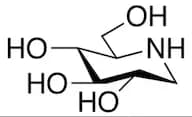
CAS:<p>Stability Hygroscopic<br>Applications Deoxynojirimycin inhibits mammalian glucosidase 1. As well, it inhibits intestinal and lysosmal alpha-glucosidases, beta-glucosidase from sweet almonds, pancreatic alpha-amylase and amyloglucosidase.<br>References Eur. J. Biochem., 142, 85-90 (1984), Crit. Rev. Biochem., 16, 21-48 (1984), Biochem. Biochem. Acta. , 825, 95 (1985), Suhm, K., et al.: J. Biol. Chem., 267, 21671 (1992)<br></p>Formula:C6H13NO4Color and Shape:NeatMolecular weight:163.17Acarbose
CAS:<p>Stability Hygroscopic<br>Applications Acarbose is used as an anti-diabetic (1).<br>References (1) Sailor, D., et al.: Arzneimittel-Forshc., 30, 2182 (1981)<br></p>Formula:C25H43NO18Color and Shape:Off-WhiteMolecular weight:645.60Citric acid-2,4-13C2
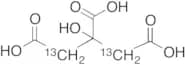
CAS:Controlled Product<p>Applications Citric acid-2,4-13C2 is an isotopic analog of citric acid (C521000), a component of the Krebs cycle.<br></p>Formula:C2C4H8O7Color and Shape:White To Light YellowMolecular weight:194.11Carbocisteine-13C3
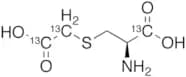
CAS:Controlled Product<p>Applications Labelled Carbocisteine (C178760). Carbocisteine is a mucolytic agent used in the treatment of respiratory disorders ranging from the influenza virus infection to chronic obstructive pulmonary disease (COPD).<br>References Stevenson, G.B. et al.: Eur. Resp. J., 27, 865 (2006); Suer, E. et al.: J. Infect. Chemother., 14, 333 (2008); Yamaya, M. et al.: Am. J. Physiol., 299, L160 (2010);<br></p>Formula:C213C3H9NO4SColor and Shape:NeatMolecular weight:182.17GENZ-123346
CAS:Controlled Product<p>Applications GENZ-123346 potently controls hyperglycemia in obese rodent models of insulin resistance.<br>References Wennekes, T., et al.: J. Med. Chem., 53, 689 (2010)<br></p>Formula:C24H38N2O4Color and Shape:NeatMolecular weight:418.573’N-Benzyl Biotin
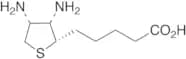
CAS:<p>Applications A biotin derivative used in the novel enantioselective syntheses of (+)-Biotin.<br>References Robinson, A.E.., et al.: J. Pharma. Pharmacol., 16, 342 (1964),<br></p>Formula:C17H22N2O3SColor and Shape:NeatMolecular weight:334.43Diamino Biotin
CAS:<p>Applications Biotin (B389040) impurity.<br>References Trotter, J., et al.: Biochemistry, 5, 713 (1966), Suurkuusk, J., et al.: Eur. J.Biochem., 28, 438 (1972),<br></p>Formula:C9H18N2O2SColor and Shape:NeatMolecular weight:218.32(-)-Biotin Sulfoxide
CAS:<p>Applications (-)-Biotin Sulfoxide, is a metabolite of Biotin (B389040), which is a growth factor present in minute amounts in every living cell, and plays an indispensable role in numerous naturally occurring carboxylation reactions.<br>References du Vigneaud, et al.: J. Biol. Chem., 146, 475 (1942), Traub, et al.: Nature, 178, 649 (1956), Siegel, H., et al.: Experienta, 37, 789 (1981), Vesely, D.L., Science, 216, 1329 (1982), Hugues, M., et al.: Biochemistry, 31, 12 (1992),<br></p>Formula:C10H16N2O4SColor and Shape:White To Off-WhiteMolecular weight:260.31Steviol glycosides
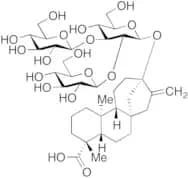
CAS:<p>Applications Stevioside is a glycoside from the stevia plant. Stevioside is a natural sweetening agent with sweetness about 250 times that of sugar with negligible effect on blood glucose. Stevioside, much like other steviol glycoside is known for its application in treatment of many diseases like diabetes and high blood pressure. It is also used as a food additive.<br>References Mishra, P. et al.: Glob. J. Biotechnol. Biochem., 5, 62 (2010); Gregersen, S. et al.: Metab. Clin. Exp., 53, 73 (2004); Chan, P. et al.: Life Sci., 63, 1679 (1998); Heerranz-Lopez, M. et al.: Agro Food Ind. Hi-Tech, 21, 38 (2010);<br></p>Formula:C38H60O18Color and Shape:WhiteMolecular weight:804.87D-Tagatose
CAS:<p>Applications A monosaccharide (hexose) that can be used as a low-calorie sweetener, as an intermediate for synthesis of other optically active compounds, and as an additive in detergent, cosmetic, and pharmaceutical formulation.<br>References Oh, D. et al.: Appl. Microbiol. Biotech., 76, 76, 1 (2007); Lu, Y. et al.: Int. J. Cosm. Sci., 24, 225 (2002); Donner, T.W. et al.: Diab. Obes. Metab., 1, 285 (1999);<br></p>Formula:C6H12O6Color and Shape:WhiteMolecular weight:180.16Plerixafor
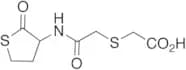
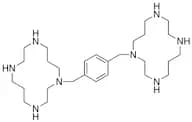
CAS:<p>Stability Hygroscopic<br>Applications Plerixafor is a hematopoietic stem cell (HSC) mobilizer that inhibits the CXCR4 chemokine receptor and blocks binding of its ligand, stromal cell-derived factor-1-α (SDF-1-α). This agent was approved on Dec. 15, 2008, as treatment in combination with granulocyte-colony stimulating factor (G-CSF) to mobilize HSCs to the peripheral blood for collection and subsequent autologous transplantation in patients with non-Hodgkin's lymphoma (NHL) and multiple myeloma (MM). Selective CXCR4 antagonist.<br>References Xie, T., et al.: Science, 290, 328 (2000), Leone, D., et al.: J. Pharmacol. Exp. Ther., 305, 1150 (2003), Chigaev, A., et al.: J. Immunol. 178, 6828 (2007), Kiel, M., et al.: Cell Stem Cell, 1, 204 (2007),<br></p>Formula:C28H54N8Color and Shape:Off White PowderMolecular weight:502.78N-Chloroacetyl DL-Homocysteine Thiolactone
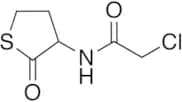
CAS:<p>Impurity Erdosteine Impurity RV 142<br>Applications An intermediate in the synthesis of Erdosteine (E596050).Erdosteine is a mucolytic agent used for the treatment of chronic obstructive bronchitis.<br>References Gobetti, M., et al.: Farmaco, Edizione Scientifica, 41, 69 (1986),<br></p>Formula:C6H8ClNO2SColor and Shape:NeatMolecular weight:193.65N-Glycolyl Neuraminic Acid
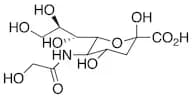
CAS:<p>Applications Regulation of N-glycolylneuraminic acid biosynthesis in rat and mouse liver.<br>References Malykh, Y., et al.: Biochimie, 83, 623 (2001), Angata, T., et al.: Chem. Rev., 102, 439 (2002), Soh, N., et al.: Anal. Sci., 18, 1159 (2002), Taylor, P., et al.: Clin. Biochem., 38, 328 (2005),<br></p>Formula:C11H19NO10Color and Shape:White To Off-WhiteMolecular weight:325.27D-Glucono-1,4-lactone (>85%)
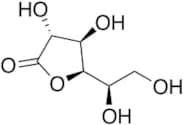
CAS:Controlled Product<p>Applications D-Glucono-1,4-lactone was a metabolite studied in mice tissue with induced chronic stress.<br>References Hamiliton, P. J., et al.: Sci. Rep., 10, 18134 (2020)<br></p>Formula:C6H10O6Purity:>85%Color and Shape:NeatMolecular weight:178.14Miglitol
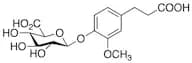
CAS:Controlled Product<p>Applications A potent α-glucosidase inhibitor. A new antidiabetic drug.<br>References Lembcke, B., et al.: Digestion, 31, 120 (1985), Yoshikuni, Y., et al.: J. Pharmacobio-Dyn., 11, 356 (1988),<br></p>Formula:C8H17NO5Color and Shape:WhiteMolecular weight:207.22Dihydro Ferulic Acid 4-O-β-D-Glucuronide Dilithium Salt
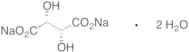
CAS:<p>Stability Very Hygroscopic<br>Applications A metabolite profiling of hydroxycinnamate derivative in plasma and urine after the ingestion of coffee by humans: identification of biomarkers of coffee consumption.<br>References Buchanan, C., et al.: J. Sci. Food Agric., 71, 459 (1996), Andreasen, M., et al.: J. Agric. Food Chem., 49, 5679 (2001), Poquet, L., et al.: Drug Metab. Dispos., 36, 190 (2008),<br></p>Formula:C16H18Li2O10Color and Shape:NeatMolecular weight:384.19Sodium L-(+)-Tartaric Acid Dihydrate
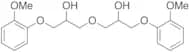
CAS:Formula:C4H4O6·2Na·2H2OColor and Shape:NeatMolecular weight:230.081,7-Di(2-methoxyphenoxy)-2,6-dihydroxy-4-oxaheptane
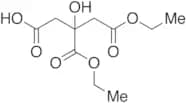
CAS:Controlled Product<p>Impurity Guaifenasin EP Impurity C<br>Applications 1,7-Di(2-methoxyphenoxy)-2,6-dihydroxy-4-oxaheptane is an impurity of Atenolol l (A790075), a cardioselective β-adrenergic blocker.<br>References Caplar, V., et al.: Anal. Profiles Drug Subs., 13, 1 (1984),<br></p>Formula:C20H26O7Color and Shape:Colourless To YellowMolecular weight:378.42Citric Acid 1,2-Diethyl Ester
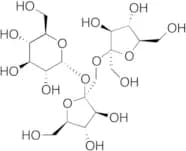
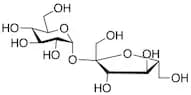
CAS:Controlled Product<p>Applications Citric Acid 1,2-Diethyl Ester is an ethyl citrate found in lemon juice.<br>References Neurath, G. et al.: Zeitsch. Lebens.-Untersuch. Forsch., 136, 284 (1968);<br></p>Formula:C10H16O7Color and Shape:Off-WhiteMolecular weight:248.23Sucrose
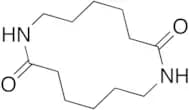
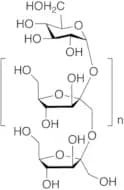
CAS:<p>Stability Hygroscopic<br>Applications Yuanzhen sugar is a polysaccharide polymer, containing a certain amount of fructooligosaccharides.<br>References Watanabe, T., et al.: Biosci. Biotech. Biochem., 72, 3167 (2008), You, Y., et al.: J. Agric. Food Chem., 57, 709 (2009),<br></p>Formula:C12H22O11Color and Shape:WhiteMolecular weight:342.301,8-Diaza-2,9-diketocyclotetradecane
CAS:Formula:C12H22N2O2Color and Shape:NeatMolecular weight:226.32Biotin-[2-(2-pyridyldithio)ethylamide]
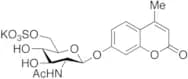
CAS:Controlled Product<p>Applications A sulfhydryl reactive biotinylaton reagent.<br>References Carlsson, J., et al.: Biochem. J., 173, 723 (1978), Ghebrehiwet, B., et al.: J. Immunol. Methods, 110, 251 (1988)<br></p>Formula:C17H24N4O2S3Color and Shape:White To Light YellowMolecular weight:412.594-Methylumbelliferyl 6-Sulfo-2-acetamido-2-deoxy-(β)-D-glucopyranoside Potassium Salt
CAS:Formula:C18H20NO11S·KColor and Shape:NeatMolecular weight:497.51Inulin
CAS:Controlled Product<p>Applications Is a safe plant polysaccharide with a variety of uses in the food and chemical medical industry. It is a functional food, providing functional groups for beneficial bacteria, as well as improving properties of food such as texture, hydration and shelf-life. They are also used for vaccine and drug delivery via soluble storage.<br>References Corradini, C. et al.: Anal. Bioanal. Chem., 405, 4591 (2013); Kumar, S. et al.: Mol. Pharm., 10, 1845 (2013);<br></p>Formula:(C6H10O5)nColor and Shape:Neattrans-4-[[(2-Amino-3,5-dibromophenyl)methylene]amino]cyclohexanol(Ambroxol Impurity C)
CAS:Controlled Product<p>Impurity Ambroxol EP Impurity C Hydrochloride<br>Stability Light Sensitive<br>Applications trans-4-[[(2-Amino-3,5-dibromophenyl)methylene]amino]cyclohexanol is an impurity of Ambroxol (A575900), a bronchosecretolytic drug and the metabolite of Bromhexine (B678600). Ambroxol EP Impurity C<br>References Jauch, R., et al.: Arzneim-Forsch., 13, 474 (1963)<br></p>Formula:C13H16Br2N2OColor and Shape:NeatMolecular weight:376.09N-Butyldeoxynojirimycin Hydrochloride
CAS:Controlled Product<p>Applications An inhibitor of a-glucosidase 1 as well as being an inhibitor of HIV cytopathicity. N-Butyldeoxynojirimycin has recently been used to retard lipid storage in the central nervous system of an animal model of Tay-Sachs disease.1-Deoxynojirimycin derivatives as selective inhibitors of glucosylceramide metabolism in man.<br>References Hettkamp, H., et al.: Eur. J. Biochem., 142, 85 (1984), Szumilo, T., et al.: Arch. Biochem. Biophys., 247, 261 (1986), Fleet, G.W.J., et al.: FEBS Letters, 237, Number 1,2, 128 (1988), Kolter, T., et al.: Angew. Chem. Int. Ed. Engl., 36, 1955 (1997),<br></p>Formula:C10H21NO4·ClHColor and Shape:NeatMolecular weight:255.74Aspartame-D3
CAS:Controlled Product<p>Applications A labelled dipeptide ester about 160 times sweeter than sucrose in aqueous solution. A non-nutritive sweetener.<br>References Cloninger, B., et al.: Science, 170, 81 (1970), Oppermann, et al.: J. Nutr., 103, 1454 (1973),<br></p>Formula:C14H15D3N2O5Color and Shape:NeatMolecular weight:297.32Rebaudioside C
CAS:<p>Stability Hygroscopic<br>Applications Rebaudioside C is a steviol glycoside used as a nutritive sweetener and may be used as a replacement for sugar in foods and beverages. Useful in the treatment of blood glucose sensitive diseases such as diabetes, high blood pressure, and obesity.<br>References Jooken, E. et al.: J. Agr. Food Chem., 60, 10606 (2012); Hellfritsch, C. et al.: J. Agr. Food. Chem., 60, 6782 (2012);<br></p>Formula:C44H70O22Color and Shape:White To Off-WhiteMolecular weight:951.01rac 1-Oleoyl Glycerol-d5
CAS:Controlled Product<p>Applications Monoglycerides fatty acid esters are useful for improvement of texture and flavor of beverages. 93% 1-Oleoyl, 7% 2-oleoyl.<br>References Lee, T.-H., et al.: J. Nat. Prod., 72, 1960 (2009),<br></p>Formula:C21D5H35O4Color and Shape:NeatMolecular weight:361.57Lactulose-13C
CAS:<p>Applications Lactulose is a synthetic, non-digestible sugar used in the treatment of chronic constipation; laxative.<br>References Voskuijl, W. et al.: Gut, 53, 1590 (2004);<br></p>Formula:C1113CH22O11Color and Shape:NeatMolecular weight:343.29D-Glucosaminic Acid
CAS:<p>Applications D-Glucosaminic Acid is a useful starting material for the synthesis of aldonic acids containing a free carboxyl group and having all hydroxyl functions esterified with a simple carboxylic acid are well established deriviatives.<br>References Major, R.T., et al.: J.A.C.S., 58, 2474 (1936), Hurd, C.D., et al.: J.A.C.S., 60, 235 (1938), Wolfrom, M., et al.: J.A.C.S., 61, 574 (1939)<br></p>Formula:C6H13NO6Color and Shape:NeatMolecular weight:195.17Steviolbioside
CAS:Controlled ProductFormula:C32H50O13Color and Shape:White To Off-WhiteMolecular weight:642.73Maltopentose
CAS:Controlled Product<p>Stability Hygroscopic<br>Applications Maltopentaose is a maltooligosaccharide that is used for research and diagnostic purposes. They can also be used in nutrients and healthcare.<br>References Ezure, Y. et al.: Biosci. Biotech. Biochem., 61, 1931 (1997); Hatonen, K. et al.: Am. J. Clin. Nutr., 96, 44 (2012);<br></p>Formula:C30H52O26Color and Shape:NeatMolecular weight:828.72S-(3-Hydroxypropyl)-L-cysteine
CAS:<p>Applications An antiinflammatory expectorant used in the treatment of MUC5 mucin obstructive pulmonary disease.<br>References Takeyama, K., et al.: J. Immunol.,164, 1546 (2000), Komatsu, H., et al.: Pulm. Pharmacol. Ther., 18, 121 (2005), Rhee, C., et al.: Eur. Respir. J., 32, 1195 (2008),<br></p>Formula:C6H13NO3SColor and Shape:NeatMolecular weight:179.245-Oxothiomorpholine-3-carboxylic Acid
CAS:<p>Applications 5-Oxothiomorpholine-3-carboxylic Acid is an impurity of Carbocistene (C178760), a mucolytic agent used in the treatment of respiratory disorders ranging from the influenza virus infection to chronic obstructive pulmonary disease (COPD).<br>References Stevenson, G.B. et al.: Eur. Resp. J., 27, 865 (2006); Suer, E. et al.: J. Infect. Chemother., 14, 333 (2008); Yamaya, M. et al.: Am. J. Physiol., 299, L160 (2010); Fanigliulo, A. et al.: J. Pharm. Biomed. Anal., 115, 39 (2015);<br></p>Formula:C5H7NO3SColor and Shape:White To Light BrownMolecular weight:161.181-Deoxy-1-(methylnitrosoamino)-D-glucitol
CAS:Formula:C7H16N2O6Color and Shape:White To Off-WhiteMolecular weight:224.21Biotin 5-Bromopentylamide
CAS:Controlled ProductFormula:C15H26BrN3O2SColor and Shape:NeatMolecular weight:392.35Fingolimod
CAS:Controlled Product<p>Applications Fingolimod is a novel immune modulator that prolongs allograft transplant survival in numerous models by inhibiting lymphocyte emigration from lymphoid organs.<br>References Brinkmann, V., et al.: Transplantation, 72, 764 (2001), Brinkmann, et al.: J. Biol. Chem., 277, 24, 21453 (2002), Mtaloubian, M., et al.: Nature, 427, 355 (2004),<br></p>Formula:C19H33NO2Color and Shape:NeatMolecular weight:307.47rac Biotin-d4
CAS:Controlled Product<p>Applications Growth factor present in minute amounts in every living cell. Plays an indispensable role in numerous naturally occurring carboxylation reactions. Occurs mainly bound to proteins or polypeptides. The richest sources are liver, kidney, pancreas, yeast, and milk. The biotin content of cancerous tumors is higher than that of normal tissue.<br>References du Vigneaud, et al.: J. Biol. Chem., 146, 475 (1942), Traub, et al.: Nature, 178, 649 (1956), Siegel, H., et al.: Experienta, 37, 789 (1981), Vesely, D.L., Science, 216, 1329 (1982), Hugues, M., et al.: Biochemistry, 31, 12 (1992),<br></p>Formula:C10D4H12N2O3SColor and Shape:NeatMolecular weight:248.34Carbocisteine
CAS:Controlled Product<p>Applications Carbocisteine is a mucolytic agent used in the treatment of respiratory disorders ranging from the influenza virus infection to chronic obstructive pulmonary disease (COPD).<br>References Stevenson, G.B. et al.: Eur. Resp. J., 27, 865 (2006); Suer, E. et al.: J. Infect. Chemother., 14, 333 (2008); Yamaya, M. et al.: Am. J. Physiol., 299, L160 (2010);<br></p>Formula:C5H9NO4SColor and Shape:White To Off-WhiteMolecular weight:179.19N-Butyldeoxynojirimycin Hydrochloride-d9
CAS:Controlled Product<p>Applications N-Butyldeoxynojirimycin Hydrochloride-d9 is labelled N-Butyldeoxynojirimycin Hydrochloride (B691000) which is an inhibitor of a-glucosidase 1 as well as being an inhibitor of HIV cytopathicity.<br>References Hettkamp, H., et al.: Eur. J. Biochem., 142, 85 (1984), Szumilo, T., et al.: Arch. Biochem. Biophys., 247, 261 (1986), Fleet, G.W.J., et al.: FEBS Letters, 237, Number 1,2, 128 (1988), Kolter, T., et al.: Angew. Chem. Int. Ed. Engl., 36, 1955 (1997),<br></p>Formula:C10H13D9ClNO4Color and Shape:NeatMolecular weight:264.79Biotin Sulfone
CAS:Controlled Product<p>Applications Biotin Sulfone, is derivative of Biotin (B389040), which is a growth factor present in minute amounts in every living cell, and plays an indispensable role in numerous naturally occurring carboxylation reactions.<br>References du Vigneaud, et al.: J. Biol. Chem., 146, 475 (1942), Traub, et al.: Nature, 178, 649 (1956), Siegel, H., et al.: Experienta, 37, 789 (1981), Vesely, D.L., Science, 216, 1329 (1982), Hugues, M., et al.: Biochemistry, 31, 12 (1992),<br></p>Formula:C10H16N2O5SColor and Shape:NeatMolecular weight:276.31D-Maltotriose
CAS:Controlled Product<p>Applications D-Maltotriose is a trisaccharide resulting from the digestion of Amalose by α-Amalase.<br>References Carvalho, G., et al.: App. Biochem. Biotechnol., 155, 356 (2009), Huuskonen, A., et al.: App. Environ. Microbiol., 76, 1563 (2010), Chang, S., et al.: J. Agric. Food Chem., 58, 2908 (2010),<br></p>Formula:C18H32O16Color and Shape:Off-WhiteMolecular weight:504.44Lactulose, >95%
CAS:Controlled Product<p>Applications Lactulose is a synthetic, non-digestible sugar used in the treatment of chronic constipation; laxative.<br>References Voskuijl, W. et al.: Gut, 53, 1590 (2004);<br></p>Formula:C12H22O11Purity:>95%Color and Shape:NeatMolecular weight:342.30Isomalt
CAS:<p>Stability Hygroscopic<br>Applications Isomalt is a sugar alcohol and artificial sweetener.<br>References Martinez-Cervera, S. et al.: Food Hydro., 35, 1 (2014); Ilic, I. et al.: Int. J. Pharm., 446, 6 (2013);<br></p>Formula:C12H24O11Color and Shape:White To Off-WhiteMolecular weight:344.31Cytidine 5’-Monophosphate Methyl Ester Sodium Salt
CAS:<p>Applications Cytidine 5’-Phosphate Methyl Ester Sodium Salt is an byproduct formed in the synthesis of analogs of Cytidine 5’-Diphosphate with an important role in the metabolism of phospholipids.<br>References Trotter, P., et al.: J. Biol. Chem., 270, 6062 (1995), Janssen, M., et al.: Yeast, 16, 641 (2000), Henneberry, A., et al.: Mol. Biol. Cell, 12, 511 (2001), Boumann, H., et al.: Biochemistry, 42, 3054 (2003),<br></p>Formula:C10H15N3NaO8PColor and Shape:White To Off-WhiteMolecular weight:359.24-Hydroxybutanesulfonate Sodium Salt (Technical Grade)
CAS:Controlled Product<p>Applications Impurity of β-cyclodextrin (C987830), a cyclic oligosaccharide produced from starch via enzymatic conversion.<br>References Johnson, M.D., et al.: J. Pharma. Sci., 83, 1142 (1994); Jain, A.C., et al.: Int. J. Pharma., 212, 177 (2001);<br></p>Formula:C4H9O4S·NaColor and Shape:NeatMolecular weight:176.17Sunset Yellow FCF
CAS:<p>Stability Light Sensitive<br>Applications Provisionally listed for use in food, drugs and cosmetics. Sunset Yellow is useful in fermented foods which must be heat treated. It may be found in orange sodas, orange jelly, marzipan, Swiss rolls, apricot jam, citrus marmalade, lemon curd, sweets, hot chocolate mix and packet soups, trifle mix, breadcrumbs, snack chips, shelf fresh noodles, cheese sauce mixes. Sunset Yellow is a sulfonated version of Sudan I, a possible carcinogen. Sunset Yellow itself may be responsible for causing an allergic reaction in people with an aspirin intolerance, resulting in various symptoms, including gastric upset, diarrhea, vomiting, nettle rash (urticaria), swelling of the skin (angioedema) and migraines. Dyes and metabolites, Environmental Testing<br>References Radomski, J.L., et al.: J. Pharmacol. Exp. Ther., 136, 259 (1962), Gaunt, I.F., et al.: Food Cosmet. Toxicol., 5, 747 (1967),<br></p>Formula:C16H10N2O7S2·2NaColor and Shape:NeatMolecular weight:452.372,3-Pyridinedicarboxylic Acid-d3 (Major)
CAS:Controlled Product<p>Applications A labelled inhibitor of glucose synthesis.<br>References Garcia-Salguero, L. et al.: Arch. Int. Physiol., Biochim. Biophys., 99, 237, (1991); Martirosyan, A., et al.: Biochem. Pharmacol., 68, 1729 (2004);<br></p>Formula:C7D3H2NO4Color and Shape:NeatMolecular weight:170.14D-Galactose
CAS:<p>Applications A C-4 epimer of Glucose (G595000) found in milk and sugar beets as well as being synthesized by the body. Potential use in oral therapy for nephrotic syndrome in focal and segmental glomerulosclerosis.<br>References De Smet, E. et al.: Nephrol. Dial. Transplant., 24, 2938 (2009); Kivele, R. et al.: Carb. Pol., 85, 645 (2011);<br></p>Formula:C6H12O6Color and Shape:NeatMolecular weight:180.16L-(+)-Tartaric Acid
CAS:Controlled Product<p>Applications L-(+)-Tartaric Acid is a naturally occurring chemical compound found in berries, grapes and various wines. It provides antioxidant properties and contributes to the sour taste within these products.<br>References Baiano, A. et al.: Food. Chem., 135, 2694 (2012); Forney, C. et al.: J. Berry. Res., 2, 169 (2012); Khiati, Z. et al.: Chem. Sci. Trans., 1, 185 (2012);<br></p>Formula:C4H6O6Color and Shape:WhiteMolecular weight:150.092'-Fucosyllactose (~90%)
CAS:Controlled ProductFormula:C18H32O15Purity:~90%Color and Shape:NeatMolecular weight:488.44Sucrose Octasulfate Sodium Salt
CAS:Controlled Product<p>Stability Hygroscopic<br>Applications Used as a reference standard for the drug Sucralfate.<br></p>Formula:C12H14O35S8·8NaColor and Shape:NeatMolecular weight:1158.66Sucralose
CAS:<p>Applications A low-calorie artificial sweetener<br>References Agresti, C., et al.: Eur. J. Pharm. Biopharm., 70, 226 (2008), Kidd, M., et al.: Am. J. Physiol., 295, G260 (2008),<br></p>Formula:C12H19Cl3O8Color and Shape:WhiteMolecular weight:397.634-Methylumbelliferyl 2-Amino-2-deoxy-α-D-glucopyranoside (>90%)
CAS:Formula:C16H19NO7Purity:>90%Color and Shape:NeatMolecular weight:337.32rac Guaifenesin-d5
CAS:Controlled ProductFormula:C10H9D5O4Color and Shape:NeatMolecular weight:203.25Trehalose 6-Phosphate Dipotassium Salt
CAS:<p>Stability Hygroscopic<br>Applications Trehalose 6-Phosphate Potassium Salt is an intermediate in the synthesis of D-(+)-Trehalose (T718750), a disaccharide composed of two α-glucose units. D-(+)-Trehalose is used in many processed foods as well as in biopharmaceutical monoclonal antibody formulations. When plants’ sugar levels are low, they reduce their investment in fatty acid synthesis. Trehalose 6-phoshate (T6P) regulates oil synthesis in plants. (Chem. and Eng. News p. 9 Oct. 1, (2018))<br>References Bosquillon, C. et al.: J. Cont. Rel., 99, 357 (2004); Arakawa, T. et al.: Adv. Drug Deliv. Rev., 46, 307 (2001); Singh, S.K. et al.: Pharmac. Res., 28, 873 (2011); Chem. and Eng. News p. 9 Oct. 1, (2018)<br></p>Formula:C12H21K2O14PColor and Shape:White To Light BrownMolecular weight:498.46Tetrabenzyl Voglibose
CAS:<p>Applications Tetrabenzyl-voglibose is a derivative of Voglibose which is an α-Glucosidase inhibitor used as an antidiabetic.<br>References Matsuo, T., et al.: Am. J. Clin. Nutr., 55, 314S (1992), Goke, B., et al.: Digestion, 56, 493 (1995), Shinozaki, K., et al.: Metabolism, 45, 731 (1996)<br></p>Formula:C38H45NO7Color and Shape:WhiteMolecular weight:627.77N-Acetyl-D-glucosamine-d3
CAS:Controlled Product<p>Applications A labelled pharmaceutical and cosmetic sugar.<br>References Rossi, V., et al.: J, Biol. Chem., 273, 1232 (1998), Fyfe, J., et al.: Blood, 103, 1573 (2004), Latge, J., et al.: Mol. Microbiol., 66, 279 (2007), Reese, T., et al.: Nature, 447, 92 (2007),<br></p>Formula:C8H12D3NO6Color and Shape:BeigeMolecular weight:224.23Manninotriose
CAS:<p>Manninotriose is a mannose-containing oligosaccharide that has been found to have high resistance against enzymes. This mannose-containing oligosaccharide can be used as a biomarker for the detection of activated macrophages in biological samples, such as serum and urine. It is also used as an activator of monoclonal antibodies, which are used in the diagnosis of autoimmune diseases. Manninotriose may act as a signal peptide for the activation of enzyme activities, such as glycosyl transferase reactions and caffeic acid hydrolase.</p>Formula:C18H32O16Purity:Min. 95 Area-%Color and Shape:White Off-White PowderMolecular weight:504.44 g/molCellobiitol
CAS:<p>Cellobiitol is produced by the borohydride reduction of cellobiose. Few publications discuss the chemistry of cellobiitol but applications in the food and pharmaceutical industries have been published.</p>Formula:C12H24O11Purity:Min. 95%Color and Shape:PowderMolecular weight:344.31 g/molHuman meconium oligosaccharides
<p>This mixture contains some of the neutral and sialylated oligosaccharides found in human meconium.</p>Purity:Min. 95%Color and Shape:PowderTridecyl β-D-maltopyranoside
CAS:<p>Tridecyl beta-D-maltopyranoside is a synthetic saccharide that has been modified with fluorination and methylation. The carbohydrate can be used in the synthesis of glycosylated proteins. The product is available for custom synthesis, and it is offered in high purity form.</p>Formula:C25H48O11Purity:Min. 97 Area-%Molecular weight:524.64 g/molMonosialyllacto-N-hexaose II
<p>Monosialyllacto-N-hexaose II is a synthetic, fluorinated oligosaccharide that is synthesized by glycosylation of the sugar monosialyllactose. Monosialyllacto-N-hexaose II has a molecular weight of 514.5 Da and is soluble in water. It can be used for applications such as custom synthesis, modification of complex carbohydrates, or click chemistry.</p>Purity:Min. 95%LS-tetrasaccharide C -sp-biotin
<p>LS-tetrasaccharide C -sp-biotin is a custom synthesis of an oligosaccharide with modifications. It is a high purity, synthetic biotinylated polysaccharide. LS-tetrasaccharide C -sp-biotin has been fluorinated and glycosylated. This product is a complex carbohydrate that has been modified with methylation and click chemistry.</p>Purity:Min. 95%Glycyl-6'-sialyllactose
<p>Glycyl-6'-sialyllactose is a custom synthesis that modifies glycyl 6'-sialyllactose. It has been fluorinated, methylated and then monosaccharide and synthetic. This product has been Click modified, which is an oligosaccharide. The CAS number for this product is 1040391-14-8. Glycyl-6'-sialyllactose is a saccharide with a complex carbohydrate structure. It is a sugar that contains the carbohydrates glucose, galactose and sialic acid.</p>Formula:C25H43N3O19Purity:Min. 95%Molecular weight:689.62 g/molXyloglucan nonasaccharide
CAS:<p>Xyloglucan is a non-cellulosic polysaccharide polymer that is important in plant cell walls. Xyloglucan nonasaccharide (XN) is a linear molecule with an average molecular weight of 10,000 Da and consists of xylose monomers. The XN molecule has a basic structure, which may be due to the presence of amino acid residues, although the exact function of these amino acids is not known. XN has been shown to inhibit colony-stimulating factor (CSF) production and induce CSF release in mouse bone marrow cells. This inhibition may be due to the binding of XN to the monoclonal antibody CD45R on the surface of mouse bone marrow cells.</p>Formula:C51H86O43Purity:Min. 95%Color and Shape:PowderMolecular weight:1,387.2 g/molLaminaritriose hendecaacetate
<p>Fully acetylated laminaritriose</p>Formula:C40H54O27Purity:Min. 95%Molecular weight:966.84 g/mol2-Aminoethyl 3-O-(α-D-galactopyranosyl)-β-D-galactopyranoside
CAS:<p>Ai Product Descriptions 50 Creative</p>Formula:C14H27NO11Purity:Min. 95%Molecular weight:385.36 g/molIsomaltitol
CAS:<p>Bulk sweetener; viscosity/bodying agent; humectant; cryoprotectant</p>Formula:C12H24O11Purity:Min. 95%Color and Shape:White SolidMolecular weight:344.31 g/molBlood Group A pentasaccharide
CAS:<p>Core antigen fragment in ABO blood group system</p>Formula:C32H55NO24Purity:Min. 95%Color and Shape:White PowderMolecular weight:837.77 g/mol3'-Sialyl Lewis A-sp-biotin
CAS:3'-Sialyl Lewis A-sp-biotin is a biotinylated oligosaccharideFormula:C50H84N6O26SPurity:Min. 95%Color and Shape:White PowderMolecular weight:1,217.29 g/molMethyl 2-acetamido-4-O-(2-acetamido-2-deoxy-b-D-glucopyranosyl)-2-deoxy-6-O-(a-L-fucopyranosyl)-b-D-glucopyranoside
CAS:<p>Methyl 2-acetamido-4-O-(2-acetamido-2,3-dideoxy-b-D-glucopyranosyl)-2,6O-(a,L-fucopyranosyl)-b-D-glucopyranoside is a synthetic carbohydrate. It is a high purity and custom synthesis product with CAS No. 97242-84-7. This product has been fluorinated and methylated as well as glycosylated and click modified to increase its stability.</p>Formula:C23H40N2O15Purity:Min. 95 Area-%Color and Shape:White Off-White PowderMolecular weight:584.57 g/molHeparin derived dp26 saccharide ammonium salt
<p>Heparin derived dp26 saccharide ammonium salt (HDA) is a glycosylation product of heparin. It is a complex carbohydrate polymer with a molecular weight of over 10,000 Da and consists of repeating disaccharides. The first sugar in the repeating disaccharide is N-acetyl-D-glucosamine, which is then methylated on the 6 position. HDA has been modified by fluorination to give it improved stability and prolonged half life. This product has been custom synthesized for use in biotechnology research and has high purity.</p>Formula:C156H207N13O247S39Na52Purity:Min. 95%Molecular weight:8,662.29 g/molGalactosyl isomaltol
CAS:<p>Galactosyl isomaltol is a sugar molecule that is produced by the enzymatic hydrolysis of lactose. It has been shown to have antimicrobial activity against human pathogens and can be used as an antioxidant. Galactosyl isomaltol binds to lysine residues on bacterial cell walls, preventing the formation of new cells and causing cell death by interfering with protein synthesis. The addition of galactosyl isomaltol to food decreases the levels of phycocyanin, which are a type of fluorescent pigment found in blue green algae. This compound also has magnetic resonance analysis properties that could be used for diagnosis.</p>Formula:C12H16O8Purity:Min. 95%Color and Shape:PowderMolecular weight:288.25 g/molLewis Y-O-(CH2)8-biotin
<p>Lewis Y-O-(CH2)8-biotin is a carbohydrate with the chemical formula (CHO)(CO)3OH. It is a methylated and glycosylated oligosaccharide that has been custom synthesized for use in biotechnology applications. Lewis Y-O-(CH2)8-biotin has been fluorinated at the C5 position to improve its stability and prevent hydrolysis, which may be due to its high purity. This carbohydrate is not commercially available and must be custom synthesized.</p>Purity:Min. 95%Heparin sulfate NS-oligosaccharide NS
<p>Heparin sulfate NS-oligosaccharide NS is a high purity, custom synthesis, sugar-based heparin. Heparin sulfate NS-oligosaccharide NS is designed for use in glycosylation reactions and provides the opportunity to introduce a variety of functional groups including Click modification, fluorination, methylation, and glycosylation. This product contains no animal derived ingredients. Heparin sulfate NS-oligosaccharide NS can be used in a range of applications such as pharmaceuticals, agrochemicals, and food additives.</p>Purity:Min. 95%2'-O-Fucosyllactulose
CAS:<p>2'-O-Fucosyllactulose is a modified carbohydrate that has been synthesized from a natural source. It is an oligosaccharide that contains the monosaccharide, fucose. This product can be used in the synthesis of polysaccharides and glycosylation reactions. 2'-O-Fucosyllactulose has been methylated, fluorinated, and glycosylated, which makes it suitable for use as a sugar in biotechnology applications.</p>Formula:C18H32O15Purity:Min. 90 Area-%Color and Shape:PowderMolecular weight:488.44 g/molMethyl 2-acetamido-2-deoxy-3-O-(a-L-fucopyranosyl)-b-D-glucopyranoside
CAS:<p>Methyl 2-acetamido-2-deoxy-3-O-(a-L-fucopyranosyl)-b-D-glucopyranoside is a glycosylation product of the natural sugar, galactose. It is a synthetic compound that has been modified with methyl groups and fluorine to form an active pharmaceutical ingredient. Methyl 2-acetamido-2-deoxy-3-O-(a-L-fucopyranosyl)-b-D-glucopyranoside can be used as a monosaccharide or oligosaccharide in the synthesis of complex carbohydrates.</p>Formula:C15H27NO10Purity:Min. 95%Color and Shape:PowderMolecular weight:381.38 g/molMaltodextrin, dextrose equivalent 10-15
CAS:<p>Ex starch-partial hydrolysis,food ingredient, moderatly sweet, easily digested</p>Color and Shape:PowderVerbascose
CAS:<p>Immunomodulatory pentasaccharide; prebiotic</p>Formula:C30H52O26Purity:Min. 95 Area-%Color and Shape:White PowderMolecular weight:828.72 g/molGM1-Pentasaccharide labelled by biotin
<p>GM1 pentasaccharide biotin (sodium salt) has a core tetrasaccharide structure (Galβ1,3GalNAcβ1,4Galβ1,4Glc) with sialic acid linked α2,3 to the inner galactose residue and biotin linked β to position 1 on the reducing glucose moiety (Ledeen, 2009). The parent ganglioside GM1 is abundant in all mammalian brains, where it covers 10%-20% of the total ganglioside mixture. It is found in epithelial membranes and is a key element for bacterial toxicity and viral infection as it is the intestinal receptor for cholera toxin the B-subunits of heat-labile toxin, rotavirus, and simian virus 40. GM1 ganglioside functions as a neurotrophic and neuroprotective compound and has been used therapeutically for diabetic and peripheral neuropathies. GM1 ganglioside also has the ability to bind amyloid-β proteins and is involved in Alzheimerâs pathogenesis (Chiricozzi, 2020).</p>Formula:C50H83N5O31SPurity:Min. 95%Color and Shape:White PowderMolecular weight:1,282.28 g/mola,a-D-Trehalose dihydrate - high purity
CAS:<p>Non-reducing disaccharide; mildly sweet energy source; protein stabilizer</p>Formula:C12H22O11·2H2OPurity:Min. 99 Area-%Color and Shape:PowderMolecular weight:378.33 g/mol4-O-(β-D-Glucopyranosyl)-β-D-thioglucopyranose
<p>4-O-(b-D-Glucopyranosyl)-b-D-thioglucopyranose is a methylated, saccharide. It is a polysaccharide that can be modified with Click chemistry to introduce a variety of modifications in order to make it more suitable for different applications. This compound may be glycosylated or fluorinated for use in pharmaceuticals, as well as have its carbohydrate content modified. 4-O-(b-D-Glucopyranosyl)-b-D-thioglucopyranose is used as a synthetic sugar and is CAS No. 97787-84-5.</p>Formula:C12H22O10SPurity:Min. 95%Molecular weight:358.36 g/mol4-Methoxyphenyl 3,6-di-O-benzyl-4-O-{2-O-acetyl-3-O-[3,6-di-O-benzyl-2,4-di-O-(3,4,6-tri-O-acetyl-2-deoxy-2-phthalimido-β-D-glucopyr anosyl)-α-D-mannopyranosyl]-6-O-[3,4-di-O-acetyl-2,6-di-O-(3,4,6-tri-O-acetyl-2-deoxy-2-phthalimido-β-D-glucopyranosyl
<p>This product is a custom synthesis of an oligosaccharide. It is a complex carbohydrate that has been modified with methylation, glycosylation, and fluorination. It is synthesized from monosaccharides and saccharides. The CAS number for this product is _________________.</p>Formula:C153H157N5O62Purity:Min. 95%Molecular weight:3,057.88 g/molk-Carratetraitol disulfate disodium salt
<p>k-carrageenan derived tetrasaccharide alcohol disulfate+(3-6 anhydrogalactose)</p>Formula:C24H38O25S2Na2Purity:Min. 95%Molecular weight:836.66 g/molMan-5 Glycan, 2-AB labelled
<p>Man-5 Glycan, 2-AB labelled is a synthetic oligosaccharide that contains a mannose and a galactose moiety. It has been synthesized by click chemistry with the use of 2-aminobenzaldehyde and glycosylation with methylated and fluorinated mannose. This compound is used as a standard for the detection of carbohydrate binding proteins.</p>Purity:Min. 95%Globotriose
CAS:<p>an important cell surface epitope that acts as the receptor for Shiga-like toxin</p>Formula:C18H32O16Purity:Min. 95%Color and Shape:PowderMolecular weight:504.44 g/mol4-Methoxyphenyl 2,3,6-O-acetyl-4-O-(2,4,6-tri-O-acetyl-β-D-galactopyranosyl)-β-D-glucopyranoside
<p>The compound is a custom synthesis of a complex carbohydrate. It is an oligosaccharide with CAS No. and polysaccharide that has been modified by methylation, glycosylation, and click modification. The compound is Methylated, Glycosylated, Click-modified Carbohydrate Sugar with high purity and fluorination.</p>Formula:C31H40O18Purity:Min. 95%Molecular weight:700.64 g/mol2-O-β-D-Galactopyranosyl-D-galactose
CAS:<p>Please enquire for more information about 2-O-β-D-Galactopyranosyl-D-galactose including the price, delivery time and more detailed product information at the technical inquiry form on this page</p>Formula:C12H22O11Purity:Min. 95%Molecular weight:342.30 g/mol1,6:2,3-Dianhydro-4-O-(2,3-di-O-benzyl-4,6-O-benzylidene-b-D-glucopyranosyl)-b-D-mannopyranose
CAS:<p>1,6:2,3-Dianhydro-4-O-(2,3-di-O-benzyl-4,6-O-benzylidene-b-D-glucopyranosyl)-b-D-mannopyranose is a complex carbohydrate that is synthesized from 1,6:2,3 dianhydro 4 O-(2,3 di O benzyl 4 6 O benzylidene b D glucopyranosyl) b D mannopyranose and has a molecular weight of 576. It contains two monosaccharides that are bound together by a glycosidic linkage. The monosaccharides are ribose and mannose. The structure of this compound includes modifications such as methylation, click modification, fluorination and sulfonation. This compound can be used in the synthesis of oligosaccharides and polysaccharides. This</p>Formula:C33H34O9Purity:Min. 95%Molecular weight:574.62 g/mol6-Sialylgalacto-N-biosyl-serine
<p>6-Sialylgalacto-N-biosyl-serine is a custom synthesis product that has been fluorinated and modified. The material is an Oligosaccharide, Polysaccharide, saccharide, Carbohydrate, Fluorination, complex carbohydrate with a CAS number of 60919-07-2. It is highly pure with a purity of > 98% by HPLC analysis. The modification on the sugar molecule includes Click chemistry and Methylation. The monosaccharide sugar is the saccharide part of the molecule.</p>Formula:C28H47N3O21Purity:Min. 95%Color and Shape:White/Off-White SolidMolecular weight:761.68 g/mol1,6-anhydrochitobiose
<p>1,6-Anhydrochitobiose is an anhydosugar that can be used in the synthesis of oligosaccharides and polysaccharides</p>Formula:C12H22N2O8Molecular weight:322.39 g/molSodium alginate, Laminaria Hyperborea
CAS:<p>Sodium alginate is a biocompatible polymer that is used in the treatment of wastewater. It is a water-soluble substance that forms a viscous solution when dissolved in water. Sodium alginate has been shown to inhibit the growth of bacteria and fungi, as well as to reduce the number of coliforms and other microorganisms in water. The potential for an alginate to be biocompatible depends on its chemical structure, with Laminaria Hyperborea being the most biocompatible. Alginates have been shown to have surface properties that are similar to those of natural tissue, making them useful for wound dressings.</p>Formula:C6H9NAO7Color and Shape:PowderMolecular weight:216.12 g/molSucrose octasulfate ammonium
CAS:<p>This comound is generally known as sucralfates and are medications primarily taken to treat active duodenal ulcers. They are also used for the treatment of gastroesophageal reflux disease (GERD) and stress ulcers. Sucralfate is a sucrose sulfate-aluminium complex that binds to the ulcer, creating a physical barrier that protects the gastrointestinal tract from stomach acid and prevents the degradation of mucus. It also promotes bicarbonate production and acts like an acid buffer with cytoprotective properties.</p>Formula:C12H22O35S8•(H3N)8Purity:Min. 98 Area-%Color and Shape:White PowderMolecular weight:1,119.05 g/molMan-8D1D3 N-Glycan
CAS:<p>Man-8D1D3 N-Glycan is a custom synthesis carbohydrate that is used as a structural component in polysaccharides and glycoproteins. This compound is used for the modification of saccharides, methylation, glycosylation, and click chemistry. The purity of this substance is high and it has been fluorinated for synthetic purposes.</p>Formula:C64H108N2O51Purity:Min. 90%Color and Shape:PowderMolecular weight:1,721.53 g/mol2-Acetamido-3-O-(2,3,4,6-tetra-O-acetyl-b-D-galactopyranosyl)-4,6-di-O-acetyl-2-deoxy-a-D-galactopyranosyl-Fmoc-L-serine tert-butyl ester
CAS:<p>The 2-acetamido-3-O-(2,3,4,6-tetra-O-acetyl-b-D-galactopyranosyl)-4,6-di-O-acetyl-2 deoxy -a D galactopyranosyl Fmoc L serine tert butyl ester is a custom synthesis of an oligosaccharide. It is a saccharide with a polysaccharide that is glycosylated and has a sugar at the end. This carbohydrate can be used for Modification, Fluorination, Methylation, Monosaccharide, Synthetic purposes.</p>Formula:C48H60N2O21Purity:Min. 95%Molecular weight:1,000.99 g/mol2-(3,4-Dihydroxyphenyl)-5,7-dihydroxy-4-oxo-4H-1-benzopyran-3-yl O-b-D-galactopyranosyl-b-D-glucopyranosiduronic acid
CAS:<p>This is a custom synthesis that is a complex carbohydrate. It has been modified, glycosylated, and methylated to create a saccharide with an Oligosaccharide and Polysaccharide. This product is fluorinated, custom synthesized, and has high purity. The CAS number for this product is 77154-70-2.</p>Formula:C27H28O18Purity:Min. 95%Molecular weight:640.5 g/molLacto-N-biose
CAS:<p>Neutral disaccharide naturally present in human breast milk and possible bifidus factor, acceptor for the Helicobacter pylori enzyme α1,2-fucosyltransferase and disaccharide involved in the expression of Lewis blood group antigens.</p>Formula:C14H25NO11Purity:Min. 90%Color and Shape:White PowderMolecular weight:383.35 g/molO-(2,2',3,3',4',6,6'-Hepta-O-acetyl-b-D-maltosyl)-N-hydroxysuccinimide
<p>O-(2,2',3,3',4',6,6'-Hepta-O-acetyl-b-D-maltosyl)-N-hydroxysuccinimide is a methylating reagent that is used in the synthesis of glycosides. It can be used to modify saccharides and polysaccharides with the desired sugar moiety.</p>Formula:C30H39NO20Purity:Min. 95%Molecular weight:733.64 g/molMethyl 6-O-acetyl-3-O-benzyl-N-Cbz-2-deoxy-4-O-(methyl-2-O-acetyl-3-O-benzyl-a-L-idopyranuronosyl)-a-D-glucopyranosaminide,
CAS:<p>Methyl 6-O-acetyl-3-O-benzyl-N-Cbz-2-deoxy-4-O-(methyl-2-O-acetyl-3-O-benzyl)-aLidopyranuronosyl)-aDglucopyranosaminide is a carbohydrate that belongs to the class of saccharides. It is a synthetic oligosaccharide that is made up of a monosaccharide, fructose, and 2 disaccharides, maltose and glucuronic acid. This product has been modified by fluorination, methylation, glycosylation, and click chemistry.</p>Purity:Min. 95%Blood group A trisaccharide-APE-[biotin]-HSA
<p>ABO trisaccharide conjugated to HSA via Biotin & an aminophenyl ethyl spacer</p>Purity:Min. 95%Lactobionic acid ethyl ester
<p>Lactobionic acid ethyl ester is a custom synthesis of an oligosaccharide that is modified by fluorination, methylation, and click modification. Lactobionic acid ethyl ester is synthesized from the sugar D-glucose and the monosaccharide D-galactose. This product can be used as a substitute for sucrose in food products as it has similar taste, texture and sweetness. It also has many other applications such as being used in the manufacture of polysaccharides and complex carbohydrates.</p>Purity:Min. 95%3'-Sialyl-N-acetyllactosamine sodium salt
CAS:<p>Component of glycoproteins and glycolipids expressed in antigens and receptors of proteins, bacteria and viruses. Found in the free form in human biofluids, including urine and milk - preventing adhesion of bacteria to urinary epithelium and inhibiting enteric pathogens respectively. An efficient inhibitor of neutrophil-activating protein of H.pylori (HPNAP)-mediated neutrophil activation.</p>Formula:C25H42N2O19·NaPurity:Min. 95%Color and Shape:White Off-White PowderMolecular weight:697.59 g/mol1,6-Anhydro-b-D-cellopentose
CAS:<p>1,6-Anhydro-b-D-cellopentose is a synthetic cello-oligomer</p>Formula:C30H50O25Purity:Min. 95%Color and Shape:PowderMolecular weight:810.7 g/molRutinose
CAS:<p>Rutinose is a naturally occurring polyphenol found in many plants, including the leaves and bark of rue plants. It is a glycoside derivative that has been shown to inhibit human colorectal adenocarcinoma cells (HL-60) by binding to DNA and inhibiting RNA synthesis. Rutinose also has been shown to have anti-inflammatory effects and has been used in the treatment of metabolic disorders such as diabetes mellitus. Rutinose is a bioactive compound with antioxidant properties that may be related to its ability to bind metal ions, including calcium ions at physiological pH levels. Rutinose also has been shown to have a signal peptide sequence that targets it for secretion into the blood stream, where it may act on brain functions.</p>Formula:C12H22O10Purity:Min. 90%Color and Shape:White PowderMolecular weight:326.3 g/mola-Maltotetraosyl-a,a-trehalose
CAS:<p>a-Maltotetraosyl-a,a-trehalose is a carbohydrate that is modified with fluorine. It is a complex carbohydrate with four maltotriose units linked by alpha,alpha-trehalose units. This compound can be custom synthesized and has high purity. It can also be methylated and glycosylated. Click modification can be done to the sugar in order to modify its properties.</p>Formula:C36H62O31Purity:Min. 95%Molecular weight:990.86 g/molMaltose syrup
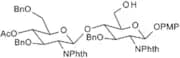
<p>Used for making baked goods, soft drinks, sweets, alcoholic drinks, and infant food. It is also used to produce the sugar substitute maltitol.</p>Purity:Min. 95%4-Methoxyphenyl 4-O-(4-O-acetyl-3,6-di-O-benzyl-2-deoxy-2-phthalimido-b-D-glucopyranosyl)-3-O-benzyl-2-deoxy-2-phthalimido-b-D-gluco pyranoside
<p>4-Methoxyphenyl 4-O-(4-O-acetyl-3,6-di-O-benzyl-2-deoxy-2-phthalimido-b-D-glucopyranosyl)-3,6,2′,4′″triphosphate (4MPP) is a methylated saccharide. It can be modified with click chemistry and has been shown to inhibit the synthesis of glycogen in the liver. 4MPP is a high purity product that has been synthesized from naturally occurring carbohydrates. It is also fluorinated for use in research.</p>Formula:C58H54N2O15Purity:Min. 95%Molecular weight:1,019.05 g/molMethyl 3-O-(2-acetamido-2-deoxy-b-D-galactopyranosyl)-a-D-galactopyranoside
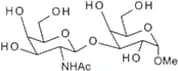
CAS:<p>Methyl 3-O-(2-acetamido-2-deoxy-b-D-galactopyranosyl)-a-D-galactopyranoside is a sugar that is synthesized by the Click modification of 3,4,6-trihydroxybenzoic acid and 2,3,6,7,8-pentahydroxyacetophenone. This sugar is used in glycosylation reactions to modify proteins or peptides.</p>Formula:C15H27NO11Purity:Min. 95%Color and Shape:White PowderMolecular weight:397.38 g/molLactobionate hydrazide
<p>Lactobionate hydrazide is a custom synthesis of an oligosaccharide. It is a complex carbohydrate with CAS No. that has been modified by glycosylation, methylation and fluorination. Lactobionate hydrazide is a polysaccharide which has been synthesized by click chemistry and contains high purity with a sugar content of over 99%. This oligosaccharide is not saccharide-bound and can be modified to produce different chemical structures. Lactobionate hydrazide has been used for glycogen storage disorders, as well as for the synthesis of oligosaccharides for the treatment of cancer cells.</p>Purity:Min. 95%GM1b-Oligosaccharide
<p>GM1b pentasaccharide (sodium salt) has a core tetrasaccharide structure (Galβ1,3GalNAcβ1,4Galβ1,4Glc) with a single sialic acid residue linked α2,3 to the terminal galactose residue (Ledeen, 2009). GM1b oligosaccaharide is the carbohydrate moiety in GM1b ganglioside, which is a minor component of human brain monosialoganglioside fraction. GM1b ganglioside and especially anti-GM1b IgG antibodies are associated with axonal Guillain-Barré syndrome, which develops followingâ¯C. jejuniâ¯infection (Yuki, 1999).</p>Formula:C37H61N2O29NaPurity:Min. 90 Area-%Color and Shape:PowderMolecular weight:1,020.87 g/molBenzyl 4-O-(β-D-galactopyranosyl)-β-D-glucopyranoside
CAS:<p>Benzyl 4-O-(b-D-galactopyranosyl)-b-D-glucopyranoside is a Glycosylation product that is custom synthesized to order. It is an oligosaccharide, which is synthesized by the modification of monosaccharides with other saccharides. This product has been fluorinated and acetylated at its C4 position and methylated at its C6 position. This compound has CAS No. 18404-72-3 and can be used as a sugar in the synthesis of complex carbohydrates or as a component of polysaccharides.</p>Formula:C19H28O11Purity:Min. 95%Color and Shape:PowderMolecular weight:432.42 g/molSucrose palmitate
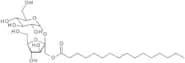
CAS:<p>The ‘tallowate’ esters are probably the best known derivatives of sucrose and many attempts have been made to commercialise them in order to exploit their excellent surfactant functionalities. The most functional products are the mono- and diesters of the tallow acids (stearic, palmitic, oleic) with hydrophile-lipophile balance (HLB) values that lend themselves to surfactant applications in foods and cosmetics. They also have other uses, for example in coating fruits with a semipermeable membrane that acts as a preservative. Manufacturing economics have prevented these products from mass production and they remain in niche applications.</p>Formula:C28H52O12Purity:(%) Min. 90.0%Color and Shape:White PowderMolecular weight:508.72 g/molk-Carrahexaitol trisulfate trisodium salt
<p>k-carrageenan derived hexasaccharide alcohol trisulfate+(3-6 anhydrogalactose)</p>Formula:C36H55O37S3Na3Purity:Min. 95%Molecular weight:1,244.97 g/mol2,3,6,2',3',4',6'-Hepta-O-acetyl-b-lactosyl azide
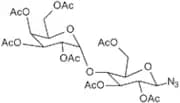
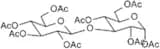
CAS:<p>2,3,6,2',3',4',6'-Hepta-O-acetyl-b-lactosyl azide is a custom synthesis of a carbohydrate that has been modified by the addition of acetyl groups to one end and the attachment of an azide group to the other. The synthesis of this compound has been completed in high purity and is available for purchase. This compound is a complex carbohydrate that is a sugar that can be modified by fluorination. It is also an oligosaccharide or polysaccharide with saccharide units.</p>Formula:C26H35N3O17Purity:Min. 95%Color and Shape:PowderMolecular weight:661.57 g/mol1,2,4,6-Tetra-O-acetyl-3-O-(2,3,4,6-tetra-O-acetyl-b-D-glucopyranosyl)-a-D-glucopyranose
CAS:<p>Acetyl protected laminaribose</p>Formula:C28H38O19Purity:Min. 95%Molecular weight:678.6 g/mol1,4-b-Galactotetraose
CAS:<p>1,4-b-Galactotetraose is a galactose containing tetrasaccharide</p>Formula:C24H42O21Purity:Min. 95%Color and Shape:PowderMolecular weight:666.58 g/mol1,4-b-D-Mannohexaose
CAS:<p>Isolated from ivory-nut mannan hydrolysates</p>Formula:C36H62O31Purity:Min. 90 Area-%Color and Shape:White PowderMolecular weight:990.86 g/molBlood group A type 4 linear trisaccharide-NGL
<p>Useful oligosaccharide-lipid conjugate for raising antibodies.</p>Purity:Min. 95%





![3-[2-(Ethylhexyl)oxyl]-1,2-propandiol](/_next/image/?url=https%3A%2Fstatic.cymitquimica.com%2Fproducts%2FTR%2Fthumb-webp%2FE918770.webp&w=3840&q=75)


![2-Amino-2-[2-(4-hexylphenyl)ethyl]-1,3-propanediol](/_next/image/?url=https%3A%2Fstatic.cymitquimica.com%2Fproducts%2FTR%2Fthumb-webp%2FA611073.webp&w=3840&q=75)







![Biotin-[2-(2-pyridyldithio)ethylamide]](/_next/image/?url=https%3A%2Fstatic.cymitquimica.com%2Fproducts%2FTR%2Fthumb-webp%2FB391500.webp&w=3840&q=75)
![trans-4-[[(2-Amino-3,5-dibromophenyl)methylene]amino]cyclohexanol(Ambroxol Impurity C)](/_next/image/?url=https%3A%2Fstatic.cymitquimica.com%2Fproducts%2FTR%2Fthumb-webp%2FA604605.webp&w=3840&q=75)
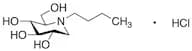
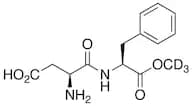
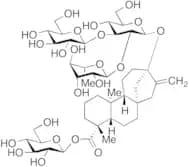


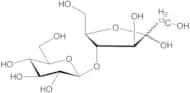
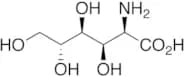
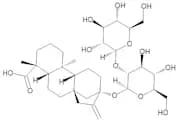
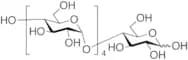

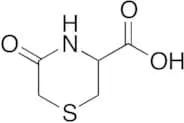
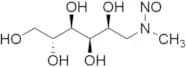
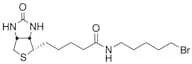
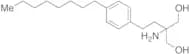
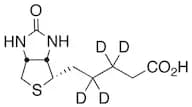

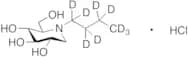
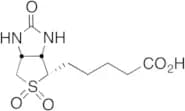

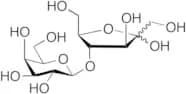
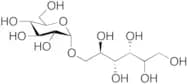
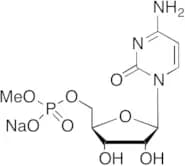

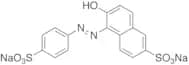
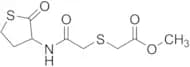
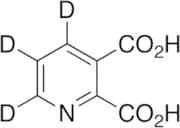

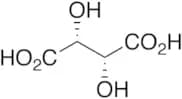

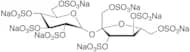
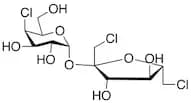
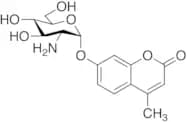
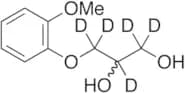
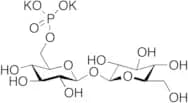
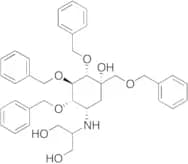
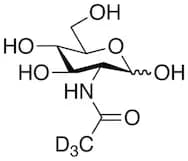
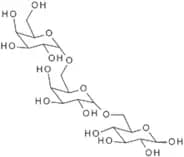

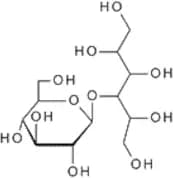



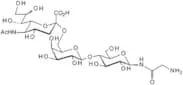
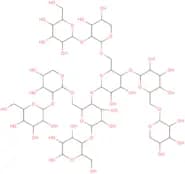

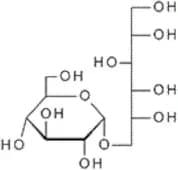
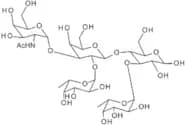
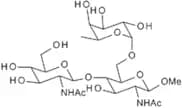
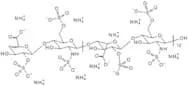


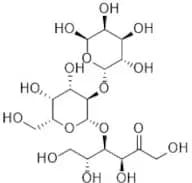

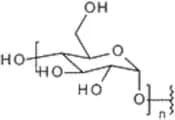
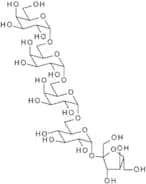
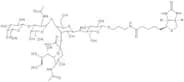

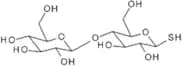


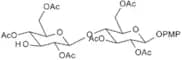
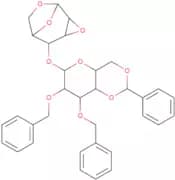
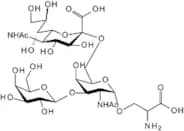
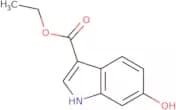
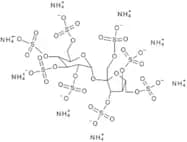


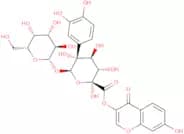

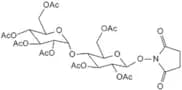
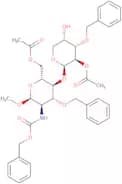
![Blood group A trisaccharide-APE-[biotin]-HSA](/_next/image/?url=https%3A%2Fstatic.cymitquimica.com%2Fproducts%2F3D%2Fthumb-webp%2FOB01687.webp&w=3840&q=75)