


Organometallic Ligands
In this category, you will be able to find a large number of organometallic molecules used as ligands in biomolecules. These organometallic ligands can be used in organic chemistry and synthesis in the laboratory. They play a critical role in forming coordination complexes and catalyzing various chemical reactions. At CymitQuimica, we offer a diverse selection of high-quality organometallic ligands to support your research and industrial needs.
Subcategories of "Organometallic Ligands"
- Buchwald Ligands(22 products)
- DPEN(4 products)
- DPHEN(4 products)
- JOSIPHOS(4 products)
- Phosphine(497 products)
- Porphirines(75 products)
Found 2887 products of "Organometallic Ligands"
Sort by
Purity (%)
0
100
|
0
|
50
|
90
|
95
|
100
GSK 137647A
CAS:<p>GSK 137647A is an investigational pharmaceutical compound, which is a selective agonist sourced from GlaxoSmithKline's research laboratories. Its mode of action involves the stimulation of beta-3 adrenergic receptors, which are primarily located in adipose tissue and, notably, in cardiac tissue. This receptor activation leads to increased lipolysis and thermogenesis in adipose tissues, while in the cardiac tissue, it modulates heart function.</p>Formula:C16H19NO3SPurity:Min. 95%Molecular weight:305.39 g/molLyn peptide inhibitor
CAS:<p>Lyn peptide inhibitor is a targeted peptide-based inhibitor derived synthetically to interact specifically with the Lyn kinase signaling pathway. As a research tool, it serves to elucidate the functional dynamics of Lyn kinase, which belongs to the Src family of tyrosine kinases involved in signal transduction processes critical to cellular differentiation, proliferation, and survival.</p>Formula:C115H184N30O24Purity:Min. 95%Molecular weight:2,370.9 g/molKP372-1
CAS:<p>KP372-1 is a selective inhibitor that is synthetically derived. This compound functions by targeting and interfering with specific signaling pathways involved in cell growth and survival. Its inhibitory action primarily affects pathways such as PI3K/Akt, which are integral to the processes of cellular proliferation and apoptosis.</p>Formula:C20H8N12O2Purity:Min. 95%Molecular weight:448.4 g/molFk 102 CO(III) pf6 salt
CAS:<p>FK 102 CO(III) PF6 is a cobalt(III) complex salt, which is a coordination compound utilized extensively in organometallic chemistry and catalysis. Derived from cobalt, a transition metal known for its diverse oxidation states and coordination abilities, this compound is synthesized through the combination of cobalt with specific ligands, resulting in a hexafluorophosphate salt. The mode of action of this complex involves its ability to facilitate electron transfer processes, making it an excellent catalyst for various organic reactions.</p>Formula:C24H21CoF18N9P3Purity:Min. 95%Molecular weight:929.31 g/molZJ 43
CAS:<p>ZJ 43 is an advanced biochemical compound that serves as a precision-targeted reagent, specifically designed for cellular and molecular biology applications. Derived from synthetic organic chemistry techniques, it features a high degree of purity and specificity, allowing it to interact with cellular proteins without significant off-target effects.</p>Formula:C12H20N2O7Purity:Min. 95%Molecular weight:304.3 g/molFN-1501
CAS:<p>FN-1501 is a synthetic bioactive compound, which is engineered through combinatorial chemistry with a specific focus on enzymatic activity. This product has been meticulously designed to emulate protease-like activity, facilitating the cleavage of peptide bonds within protein substrates. The mode of action involves the catalytic hydrolysis of peptide bonds, thereby enabling the precise dissection of protein structures for analytical studies.</p>Formula:C22H25N9OPurity:Min. 95%Molecular weight:431.5 g/mol18:1 BDP (S,S)
CAS:<p>18:1 BDP (S,S) is a synthetic lipid compound, which is derived from the combination of a saturated phospholipid backbone and a desaturated aliphatic chain. This compound is meticulously engineered to incorporate two stereochemically specific chiral centers, which significantly influence its interaction with biological membranes. The source of this compound lies in the precise chemical synthesis techniques employed to achieve the desired stereochemistry.</p>Formula:C78H146NO12PPurity:Min. 95%Molecular weight:1,320.97 g/mol(3S)-1-Cyano-N-[5-(4-morpholinyl)-2-thiazolyl]-3-pyrrolidinecarboxamide
CAS:<p>(3S)-1-Cyano-N-[5-(4-morpholinyl)-2-thiazolyl]-3-pyrrolidinecarboxamide is a small molecule pharmaceutical compound that acts as a kinase inhibitor. Originating from advanced synthetic chemistry efforts, it is designed to modulate specific cellular pathways through its interaction with protein kinases. Its mode of action involves binding to the ATP-binding site of target kinases, thereby inhibiting their phosphorylation activity and subsequent signal transduction pathways.</p>Formula:C13H17N5O2SPurity:Min. 95%Molecular weight:307.37 g/molHKI 357
CAS:<p>Please enquire for more information about HKI 357 including the price, delivery time and more detailed product information at the technical inquiry form on this page</p>Formula:C31H29ClFN5O3Purity:Min. 95%Molecular weight:574.05 g/molPF 05105679
CAS:<p>PF 05105679 is an investigational pharmaceutical compound developed by Pfizer, classified as a selective nicotinic acetylcholine receptor (nAChR) antagonist. It is synthesized through meticulous organic chemistry techniques, representing a targeted approach to modifying neural pathways. The compound functions by selectively inhibiting specific subtypes of nAChRs, which are ligand-gated ion channels integral to synaptic transmission and neurophysiological processes.</p>Formula:C26H21FN2O3Purity:Min. 95%Molecular weight:428.45 g/molPythidc
CAS:<p>Pythidc is a fungal inhibitor, which is derived from naturally occurring compounds with antimicrobial properties. This compound is isolated from specific plant metabolites through a series of extraction and purification processes. Its mode of action involves disrupting the cell membrane integrity of pathogenic fungi, thereby inhibiting their growth and proliferation. By targeting essential components of the fungal cell structure, Pythidc interferes with cell membrane synthesis and function, leading to cell lysis.</p>Formula:C10H6N2O4SPurity:Min. 95%Molecular weight:250.23 g/molRG7800
CAS:<p>RG7800 is a small molecule inhibitor, which is a product synthesized through advanced organic chemistry processes. Its mode of action involves the selective binding to specific proteins within cellular pathways, effectively inhibiting their function. This is achieved through high-affinity interactions that alter the conformational states of targeted molecules, thereby impeding their biological activity.</p>Formula:C24H28N6OPurity:Min. 95%Molecular weight:416.52 g/molGlyt1 inhibitor 1
CAS:<p>Glyt1 inhibitor 1 is a chemical compound that acts as an inhibitor of the GlyT1 transporter, which is a product of synthetic chemistry. This inhibitor binds selectively to the glycine transporter-1 (GlyT1), a key protein responsible for the reuptake of glycine, an important neurotransmitter, in the central nervous system. By inhibiting GlyT1, this compound increases glycine levels in synaptic clefts, which can enhance N-methyl-D-aspartate (NMDA) receptor activity.</p>Formula:C22H21N5O2Purity:Min. 95%Molecular weight:387.4 g/molGW 583340 Dihydrochloride
CAS:<p>GW 583340 Dihydrochloride is a selective antagonist primarily targeting the G protein-coupled receptor 55 (GPR55), which is a type of membrane receptor implicated in various physiological and pathological processes. It is synthesized through complex organic chemical processes involving specific assembly of molecular components to achieve high specificity and efficiency in receptor binding.</p>Formula:C28H25ClFN5O3S2·2HClPurity:Min. 95%Molecular weight:598.11 g/molARP 101
CAS:<p>ARP 101 is an advanced molecular compound designed for gene regulation research, which is synthesized from a highly refined organic substrate. Its mode of action involves binding to specific gene sequences, acting as a transcriptional modulator to either enhance or inhibit the expression of target genes. This is achieved through its precise interaction with transcriptional machinery and epigenetic factors, providing scientists with a powerful tool for elucidating mechanisms of gene expression and regulation.</p>Formula:C20H26N2O5SPurity:Min. 95%Molecular weight:406.5 g/molAP5
CAS:<p>AP5 is a selective NMDA receptor antagonist, which is a synthetic compound with critical applications in neuroscientific research. This compound is derived from a series of structural modifications to achieve selective binding to the NMDA receptor. AP5 functions by competitively inhibiting the glutamate binding site on the NMDA receptor, thereby blocking the receptor's ability to allow calcium influx into the neuron. This action is essential for its role in studies investigating neural signaling, plasticity, and excitotoxicity.</p>Formula:C28H28FNO4Purity:Min. 95%Color and Shape:PowderMolecular weight:461.5 g/molLinerixibat
CAS:<p>Linerixibat is an investigational pharmaceutical compound classified as an ileal bile acid transporter (IBAT) inhibitor. It is derived from chemical synthesis and acts by selectively targeting the IBAT, also known as the apical sodium-dependent bile acid transporter (ASBT), located in the distal ileum of the small intestine. By inhibiting this transporter, Linerixibat reduces the reabsorption of bile acids from the intestinal lumen, which leads to increased fecal bile acid excretion and reduced systemic levels of bile acids.</p>Formula:C28H38N2O7SPurity:Min. 95%Molecular weight:546.68 g/mol02:0 Coenzyme A
CAS:<p>02:0 Coenzyme A is a specialized biochemical reagent utilized in scientific research. It is synthesized through enzymatic reactions involving pantothenic acid, cysteamine, and adenosine triphosphate (ATP) under controlled laboratory conditions. The compound is conjugated with specific fatty acid chains, making it a key intermediate in the metabolism of these molecules.</p>Formula:C23H35N7Na3O17P3SPurity:Min. 95%Molecular weight:875.52 g/molWAY 127093B racemate
CAS:<p>WAY 127093B racemate is a small organic compound, which is a synthesized chemical product with selective inhibitory properties. It is designed to target the cyclooxygenase-2 (COX-2) enzyme, which is primarily sourced through organic synthesis in laboratory settings, rather than being naturally derived. The mechanism of action involves specific blockade of the COX-2 enzyme, which plays a crucial role in catalyzing the conversion of arachidonic acid to prostaglandins. These prostaglandins are mediators of inflammation, pain, and fever. By inhibiting COX-2, WAY 127093B racemate effectively reduces the production of pro-inflammatory prostaglandins while sparing cyclooxygenase-1 (COX-1) pathways, which are important for gastric and renal function.</p>Formula:C23H28N4O4Purity:Min. 95%Molecular weight:424.5 g/molEsomeprazole magnesium salt
CAS:<p>Esomeprazole magnesium salt is an enantiomerically pure proton pump inhibitor, which is derived from the class of compounds known as benzimidazoles. It is a synthetic compound, sourced through chemical synthesis that provides chirally-selective therapeutic effects. Through its mode of action, this compound specifically targets and irreversibly inhibits the H+/K+ ATPase enzyme situated on the gastric parietal cells, effectively blocking the final step of acid production in the stomach.</p>Formula:C34H36MgN6O6S2Purity:Min. 95%Molecular weight:713.1 g/molUR 1102
CAS:<p>UR 1102 is a chemical compound used primarily in biomedical research, sourced from synthetic chemical processes. It operates as a selective modulator with the ability to interact with targeted biological pathways or receptors, depending on its specific design and formulation. The mode of action includes binding to particular sites, thereby influencing signaling cascades or biochemical processes within the system.</p>Formula:C14H10Br2N2O3Purity:Min. 95%Molecular weight:414.05 g/molMK 0893
CAS:<p>MK 0893 is a synthetic compound that acts as a liver X receptor (LXR) antagonist, which is derived from targeted drug discovery efforts focusing on nuclear receptor modulation. Its mode of action involves competitively inhibiting ATP binding at the LXR, effectively reducing the receptor's transcriptional activity. LXRs are nuclear receptors that regulate cholesterol, fatty acid, and glucose homeostasis by modulating gene expression.</p>Formula:C32H27Cl2N3O4Purity:Min. 95%Molecular weight:588.48 g/molBMS-911543
CAS:<p>BMS-911543 is a selective inhibitor of cyclin-dependent kinases (CDKs), which is a product of Bristol-Myers Squibb. It originates from extensive research aiming to target the dysregulated cell cycle processes often found in cancer cells. BMS-911543 works by inhibiting specific CDKs, which are crucial regulators of cell cycle progression, particularly affecting CDK2 and CDK9. This mode of action interferes with the cyclin-CDK complex's ability to phosphorylate target substrates, ultimately inducing cell cycle arrest and promoting apoptosis in susceptible cancer cells.</p>Formula:C23H28N8OPurity:Min. 95%Molecular weight:432.52 g/molGMC 1-161
CAS:<p>GMC 1-161 is a specialized biochemical compound, acting as a mitochondrial function modulator, which is synthetically derived with high precision. Its primary mode of action involves the targeted inhibition of the mitochondrial electron transport chain, particularly affecting complexes I and III. This inhibition results in altered ATP synthesis and increased production of reactive oxygen species, which are critical mechanisms for studying cellular respiration and oxidative stress pathways.</p>Formula:C22H24ClNOPurity:Min. 95%Molecular weight:353.9 g/molMitoquinol
CAS:<p>Mitoquinol is a potent antioxidant compound, which is a synthetic derivative of coenzyme Q10, with a mitochondria-targeted mechanism of action. It is designed to accumulate selectively within mitochondria, the powerhouses of the cell, by linking the antioxidant moiety to a triphenylphosphonium cation. This lipophilic cation facilitates the compound's swift uptake into mitochondria driven by the organelle's large membrane potential.</p>Formula:C38H49O7PSPurity:Min. 95%Molecular weight:680.83 g/mol5-TAMRA-alkyne
CAS:<p>5-TAMRA-alkyne is a fluorescent dye, which is a synthetic compound derived from tetramethylrhodamine and equipped with an alkyne functional group. It operates through a fluorescence emission mechanism, where it absorbs light at a specific wavelength and re-emits it at a longer wavelength, allowing for visualization under specific conditions.</p>Formula:C28H25N3O4Purity:Min. 95%Molecular weight:467.52 g/molML324
CAS:<p>ML324 is a selective small-molecule modulator, which is a synthetically derived compound with the capacity to regulate molecular pathways. Specifically, it acts as an inhibitor of autophagy, a cellular degradation process critical for maintaining homeostasis.</p>Formula:C21H23N3O2Purity:Min. 95%Molecular weight:349.43 g/molHepsulfam
CAS:<p>Hepsulfam is an antitumor chemotherapy drug, which is a synthetic agent derived from the class of alkylating compounds. Its source lies in the chemical modification of nitrogen mustards, and it functions by forming interstrand cross-links in DNA, leading to the disruption of DNA replication and transcription. By preventing the proper division of cancerous cells, Hepsulfam exerts cytotoxic effects primarily during the S-phase of the cell cycle.</p>Formula:C7H18N2O6S2Purity:Min. 95%Molecular weight:290.4 g/mol(-)-Nyasol
CAS:<p>(-)-Nyasol is a naturally occurring lignan, which is a type of phytoestrogen found in certain plant species. It is primarily sourced from the roots of Anemarrhena asphodeloides, a herb widely used in traditional medicine. The compound exhibits its effects through modulation of estrogen receptors, demonstrating selective binding affinity that influences various estrogen-mediated pathways.</p>Formula:C17H16O2Purity:Min. 95%Molecular weight:252.31 g/molSphinganine-d7
CAS:Controlled Product<p>Sphinganine-d7 is a stable isotope-labeled analog of sphinganine, which is a bioactive lipid used extensively in biochemistry and molecular biology. This compound is derived from the natural sphingolipid backbone, with six deuterium atoms incorporated to facilitate tracking and measurement in scientific studies. The mode of action involves its role as a precursor in the biosynthesis of more complex sphingolipids, which are crucial components of cell membranes and play a role in signaling pathways.</p>Formula:C18H32D7NO2Purity:Min. 95%Molecular weight:308.55 g/molCdc42/Rac1 GTPase Inhibitor, ML141
CAS:<p>Cdc42/Rac1 GTPase Inhibitor, ML141, is a small molecule inhibitor, which is a synthetic compound specifically designed to interfere with cellular processes. Originating from high-throughput screening and medicinal chemistry optimization, this inhibitor functions by selectively targeting the Rho family of GTPases, specifically Cdc42 and Rac1. These GTPases play crucial roles in regulating the actin cytoskeleton, cell movement, and growth signaling pathways.</p>Formula:C22H21N3O3SPurity:Min. 95%Molecular weight:407.49 g/molBC-DXI-843
CAS:<p>BC-DXI-843 is an innovative biochemical compound, which is a synthesized molecule derived from advanced organic synthesis techniques. This compound functions through a specific binding interaction with target cellular proteins, modulating their activity for precise biological outcomes. Its mode of action involves the alteration of protein conformation, which subsequently influences downstream signaling pathways and cellular responses.</p>Formula:C28H26N4O4S2Purity:Min. 95%Molecular weight:546.7 g/molAMG 2850
CAS:<p>AMG 2850 is an investigational monoclonal antibody, which is derived from recombinant DNA technology with a specific mode of action targeting cancer cells. This therapeutic agent functions by binding to specific antigens expressed on the surface of malignant cells, thereby activating immune-mediated cytotoxic mechanisms or blocking signaling pathways crucial for tumor growth and survival. The precision of this antibody in targeting cancer cell antigens minimizes its impact on healthy cells, reducing potential side effects typically associated with broader-spectrum chemotherapies.</p>Formula:C19H17F6N3OPurity:Min. 95%Molecular weight:417.3 g/molBAY 57-1293
CAS:<p>BAY 57-1293 is an antiviral agent, specifically classified as a helicase-primase inhibitor. It is derived from synthetic sources, developed by Bayer. Its mode of action involves inhibiting the helicase-primase complex of the Herpes Simplex Virus (HSV), crucial for viral DNA replication. By targeting this complex, BAY 57-1293 effectively halts the replication process of the virus, thereby impeding its proliferation and infection capability.</p>Formula:C18H18N4O3S2Purity:Min. 95%Molecular weight:402.49 g/molETP 45658
CAS:<p>ETP 45658 is a synthetic polymer composite, which is fabricated from a combination of organic monomers and inorganic fillers. This innovative material is produced through a controlled polymerization process that ensures a uniform distribution of fillers, enhancing its structural integrity. The polymer matrix acts as a reinforcing agent, providing enhanced thermal stability and mechanical strength.</p>Formula:C16H17N5O2Purity:Min. 95%Molecular weight:311.34 g/molPlerixafor-d4
CAS:<p>Plerixafor-d4 is an isotopically-labeled compound, specifically a deuterium-labeled analog of plerixafor, which is a small-molecule antagonist of the C-X-C chemokine receptor type 4 (CXCR4). This synthetic compound is designed to facilitate studies in receptor binding and mechanism elucidation by providing a stable isotope label useful in pharmacokinetics and bioanalytical applications.</p>Formula:C28H54N8Purity:Min. 95%Molecular weight:506.8 g/molGne-7915 tosylate
CAS:<p>GNE-7915 tosylate is an investigational small molecule inhibitor, which is chemically synthesized, designed to target specific kinases involved in cancer pathways. As a product of rigorous medicinal chemistry, it is derived from sophisticated laboratory synthesis processes utilizing advanced chemical techniques aimed at optimizing specificity and potency.</p>Formula:C26H29F4N5O6SPurity:Min. 95%Molecular weight:615.6 g/molNsc 162535 disodium
CAS:<p>NSC 162535 disodium is a synthetic compound, classified as a chemical agent. It is derived from chemical synthesis processes intended for research and experimental purposes. The compound acts through biochemical interactions that affect specific cellular pathways, making it of interest for a variety of investigative biological studies.</p>Formula:C20H13N3Na2O8S2Purity:Min. 95%Molecular weight:533.4 g/molARS-1620
CAS:<p>ARS-1620 is a small-molecule inhibitor, which is derived from advanced medicinal chemistry efforts focused on targeting specific oncogenic mutations. This compound is synthesized with the precise intent to address challenges posed by mutant KRAS G12C, a particularly intractable target given its prevalence in various cancers such as lung and colorectal cancers.</p>Formula:C21H17ClF2N4O2Purity:Min. 95%Molecular weight:430.84 g/molAldose reductase-IN-1
CAS:<p>Aldose reductase-IN-1 is a potent and selective inhibitor, which is a synthetic small molecule with a specific mode of action aimed at targeting the aldose reductase enzyme. Originating from pharmacological research, this compound is designed to interfere directly with the enzyme's activity. Aldose reductase-IN-1 functions by binding to the active site of aldose reductase, thus preventing the reduction of glucose to sorbitol, a crucial step in the polyol pathway.</p>Formula:C17H10F3N5O3SPurity:Min. 95%Molecular weight:421.35 g/molRosiglitazone - Bio-X ™
CAS:<p>Rosiglitazone is an anti-diabetic drug that belongs to the thiazolidinedione class of drugs. It is used as an adjunct to diet and exercise to maintain glycaemic control in type 2 diabetes. This drug acts as a selective agonist at peroxisome proliferator activated receptors (PPAR) in target tissues for insulin action such as adipose tissue, skeletal muscle, and liver. Activation of these receptors regulates the transcription of insulin-responsive genes involved in the control of glucose production, transport, and utilization.</p>Formula:C18H19N3O3SPurity:Min. 95%Color and Shape:PowderMolecular weight:357.43 g/molc11 Topfluor phytosphingosine
CAS:<p>C11 TopFluor Phytosphingosine is a fluorescent lipid analog, which is derived from the naturally occurring bioactive lipid, phytosphingosine. This compound incorporates a fluorophore into its structure, facilitating the tracking and visualization of lipid behavior in biological systems through advanced imaging techniques. The structure, with a short yet distinct fluorescent tag, retains the key biological properties of phytosphingosine, thus allowing it to participate in cellular processes similarly to its natural counterpart.</p>Formula:C42H72N3O4F2Purity:Min. 95%Molecular weight:721.04 g/mol16:0 Pe-dtpa (gd)
CAS:<p>16:0 PE-DTPA (Gd) is a gadolinium-based contrast agent, which is a modified phospholipid compound. It is derived from saturating phosphatidylethanolamine with gadolinium(III) diethylenetriaminepentaacetic acid (DTPA). This specialized molecular structure enables it to enhance the contrast in magnetic resonance imaging (MRI) due to gadolinium's paramagnetic properties, which significantly accelerate the relaxation rates of nearby hydrogen nuclei.</p>Formula:C51H98GdN6O17PPurity:Min. 95%Molecular weight:1,255.58 g/molBMS 819881
CAS:<p>BMS 819881 is a synthetic chemical compound, classified as a pharmaceutical agent. This compound originates from synthetic processes in medicinal chemistry, developed as part of a structured drug discovery program. Its mode of action involves inhibiting specific molecular targets related to metabolic pathways, which are impactful in regulating physiological processes at the cellular level.</p>Formula:C24H21ClN2O4SPurity:Min. 95%Molecular weight:469 g/molSR33805
CAS:<p>SR33805 is a synthetic investigational compound, which is primarily derived from chemical synthesis with potential cardiovascular applications. This compound functions as a calcium channel antagonist, targeting specific ion channels that regulate the influx of calcium ions in cardiac and smooth muscle cells. By modulating these ion channels, SR33805 can affect muscle contractility and vascular tone.</p>Formula:C32H40N2O5SPurity:Min. 95%Molecular weight:564.7 g/mol(RS)-butyryltimolol
CAS:<p>(RS)-butyryltimolol is a non-selective beta-adrenergic receptor antagonist, commonly known as a beta-blocker. This compound is a synthetic derivative of timolol, an established therapeutic agent with enhanced properties due to its butyrylation. The source of (RS)-butyryltimolol lies in its chemical synthesis, whereby modifications to the timolol structure yield a compound with potential refined pharmacokinetics and dynamics.</p>Formula:C17H30N4O4SPurity:Min. 95%Molecular weight:386.51 g/molTolcapone - Bio-X ™
CAS:Controlled Product<p>Tolcapone is a catechol-O-methyltransferase (COMT) inhibitor that is used as adjunct therapy to manage symptoms of Parkinson’s disease. Although its precise mechanism is unknown, it is thought to be an inhibitor of COMT and allows for a greater reduction in the symptoms of Parkinson’s.</p>Formula:C14H11NO5Purity:Min. 95%Color and Shape:PowderMolecular weight:273.24 g/molMirin
CAS:<p>Mirin is a type of condiment, which is a sweet rice wine used predominantly in Japanese cuisine. It is derived from fermenting a mixture of steamed glutinous rice, cultured rice (koji), and distilled alcohol. This fermentation process yields a liquid with a distinct sweet flavor and moderately low alcohol content.</p>Formula:C10H8N2O2SPurity:Min. 95%Molecular weight:220.25 g/molAc-RYYRIK-NH2 TFA
CAS:<p>Ac-RYYRIK-NH2 TFA is a synthetic peptide, which is a chemical compound composed of amino acid sequences and synthesized for research purposes. This peptide is derived from protein sequences found in biological systems, enabling it to mimic natural biological functions. Its mode of action involves interacting with specific molecular targets within biochemical pathways, making it a useful tool in studying receptor binding, signal transduction, and protein-protein interactions.</p>Formula:C44H70N14O9•(C2HF3O2)xPurity:Min. 95%ZCZ 011
CAS:<p>ZCZ 011 is a synthetic compound, which is derived from an engineered biochemical process designed for high specificity in binding interactions. It operates primarily through a targeted mechanism that involves interaction with specific molecular targets, thereby modulating cellular pathways with precision. This specificity is achieved through the compound’s unique structural attributes that allow for selective affinity towards its intended molecular targets.</p>Formula:C21H18N2O2SPurity:Min. 95%Molecular weight:362.4 g/molML169
CAS:<p>ML169 is a small-molecule inhibitor, which is chemically synthesized and acts as a selective modulator of transcription factors. Its mode of action primarily involves the disruption of specific protein-protein interactions that are crucial for the transcriptional activity of targeted transcription factors, thereby inhibiting their ability to initiate or regulate the transcription of genes. This selective interference allows for precise manipulation of gene expression, making ML169 an invaluable tool in elucidating the fundamental mechanisms of transcriptional regulation.</p>Formula:C21H17BrFN3O4SPurity:Min. 95%Molecular weight:506.3 g/molATP-Red 1
CAS:<p>ATP-Red 1 is a fluorescent probe, which is a synthetic molecule that allows for the visualization and quantification of adenosine triphosphate (ATP) within live cells. This product is derived from benzothiazole, a heterocyclic compound, and it exploits the unique properties of this structure to detect ATP with high specificity. The mode of action of ATP-Red 1 involves a fluorescence enhancement mechanism, where its binding to ATP results in a significant increase in fluorescence intensity. This enables the direct monitoring of ATP dynamics in real-time.</p>Formula:C34H36BN3O4Purity:Min. 95%Molecular weight:561.5 g/molAligeron
CAS:Controlled Product<p>Aligeron is a natural alkaloid compound, which is derived from specific plant sources known for their medicinal properties. This compound functions through the inhibition of inflammatory pathways, specifically targeting mediators involved in the inflammatory response. Aligeron disrupts the activity of enzymes and signaling molecules that precipitate inflammation, thereby modulating the immune response to reduce inflammation and promote healing.</p>Formula:C20H24N2Purity:Min. 95%Molecular weight:292.4 g/molNfat transcription factor regulator-1
CAS:<p>Nfat transcription factor regulator-1 is a biochemical reagent, which is commonly derived from synthetic or recombinant sources. It functions by modulating the activity of NFAT (nuclear factor of activated T-cells) transcription factors, which are crucial in several cellular processes. Through its regulatory action, it influences NFAT's ability to translocate to the nucleus and bind DNA, effectively controlling the transcription of genes involved in immune responses and other cellular activities.</p>Formula:C17H10F6N4O2Purity:Min. 95%Molecular weight:416.28 g/molKainic Acid
CAS:<p>Kainic Acid is a potent neuroexcitant, which is derived from certain species of red algae such as Digenea simplex. It acts as an agonist of kainate receptors, a subtype of ionotropic glutamate receptors, leading to excitotoxicity through the influx of calcium ions and the overactivation of neuronal circuits. Kainic Acid's ability to induce seizures by mimicking the neurotransmitter glutamate makes it an invaluable tool in neuroscientific research.</p>Formula:C10H15NO4Purity:Min. 95%Molecular weight:213.23 g/molN-Methoxysuccinyl-Ala-Ala-Pro-Met p-nitroanilide
CAS:<p>N-Methoxysuccinyl-Ala-Ala-Pro-Met p-nitroanilide is a synthetic chromogenic substrate, which is typically utilized in biochemical assays to assess protease activity, particularly that of elastase-like enzymes. The product is derived from chemical synthesis in the laboratory, featuring a specific peptide sequence conjugated to the p-nitroanilide group.</p>Formula:C27H38N6O9SPurity:Min. 95%Molecular weight:622.7 g/molBNC105
CAS:<p>BNC105 is an experimental vascular-disrupting agent, which is a synthetic small molecule with a focus on antitumor activity. BNC105 originates from a careful chemical synthesis process tailored to disrupt the formation of new blood vessels, known as angiogenesis, within tumors. Its primary mode of action involves targeting the tubulin within the endothelial cells that line the blood vessels, leading to rapid disassembly of microtubules. This disruption of the cytoskeleton results in the collapse of the tumor vasculature, effectively cutting off the blood supply to the tumor and thereby causing tumor hypoxia and necrosis.</p>Formula:C20H20O7Purity:Min. 95%Molecular weight:372.37 g/molIlaprazole
CAS:<p>Ilaprazole is a proton pump inhibitor, which is a synthetic derivative aimed at decreasing gastric acid secretion. It is primarily sourced from chemical synthesis involving benzimidazole derivatives. Ilaprazole functions by selectively inhibiting the H+/K+ ATPase enzyme system located at the gastric parietal cells. This mode of action leads to prolonged suppression of gastric acid secretion due to an extended plasma half-life, which in turn promotes a sustained therapeutic effect.</p>Formula:C19H18N4O2SPurity:Min. 95%Molecular weight:366.44 g/mol1-(2-Benzyl-5-methylpyrazol-3-yl)-3-(3,4-difluorophenyl)urea
CAS:<p>1-(2-Benzyl-5-methylpyrazol-3-yl)-3-(3,4-difluorophenyl)urea is a synthetic chemical compound, which is typically synthesized through a series of organic reactions involving substituted pyrazoles and urea derivatives. This compound is primarily sourced from laboratory synthesis using controlled conditions to ensure purity and stability. Its mode of action involves the inhibition of specific protein kinases, which are essential in various signaling pathways within cells. By targeting these enzymes, this compound can disrupt cell proliferation and induce apoptosis, making it a valuable tool in cancer research.</p>Formula:C18H16F2N4OPurity:Min. 95%Molecular weight:342.3 g/molTAS-103
CAS:<p>TAS-103 is an investigational anti-cancer drug, which is a synthetic compound with origins in advanced medicinal chemistry. It functions as a topoisomerase inhibitor with dual-action targeting both topoisomerase I and II enzymes. Topoisomerases are crucial for modulating DNA supercoiling during replication and transcription processes. By interfering with these enzymes, TAS-103 hinders the DNA replication machinery, leading to replication fork stalling and subsequent induction of DNA damage, which can trigger cell death.</p>Formula:C20H19N3O2Purity:Min. 95%Molecular weight:333.4 g/molGeldanamycin-biotin
CAS:<p>Geldanamycin-biotin is a conjugate compound, which combines the naturally-derived antibiotic geldanamycin with biotin, a small molecule commonly used for labeling. Geldanamycin is sourced from the bacterium *Streptomyces hygroscopicus* and functions primarily as an inhibitor of Heat Shock Protein 90 (Hsp90), a molecular chaperone involved in stabilizing and folding many proteins essential for cancer cell survival and proliferation.</p>Formula:C54H85N7O17SPurity:Min. 95%Molecular weight:1,136.4 g/molLGX 818
CAS:<p>Inhibitor of B-Raf mutant (V600E); anti-neoplastic</p>Formula:C22H27ClFN7O4SPurity:Min. 95%Color and Shape:White/Off-White SolidMolecular weight:540.01 g/molGSK621
CAS:<p>GSK621 is a selective inhibitor, which is synthesized for research purposes in the modulation of enzymatic activity. This compound is sourced through synthetic chemical processes and designed to selectively target the phosphoinositide 3-kinase (PI3K) pathway. GSK621's mode of action involves the inhibition of the PI3K pathway, a critical signaling pathway involved in cellular functions such as growth, proliferation, and survival. By inhibiting this pathway, GSK621 can modulate aberrant signaling commonly observed in various cancers.</p>Formula:C26H20ClN3O5Purity:Min. 95%Molecular weight:489.91 g/mol12:0 Epc (Cl salt)
CAS:<p>12:0 EPC (Cl salt) is a cationic surfactant, which is a synthetic amphiphilic compound. It is sourced from quaternary ammonium compounds, commonly known for their ability to disrupt microbial cell membranes. As a cationic surfactant, its mode of action involves the interaction with negatively charged components of cell membranes, leading to increased permeability and eventual cell lysis.</p>Formula:C34H69NO8PClPurity:Min. 95%Molecular weight:686.34 g/molTegaserod
CAS:<p>5-HT4 serotonin receptor antagonist; used to treat irritable bowel syndrome</p>Formula:C16H23N5OPurity:Min. 95%Molecular weight:301.39 g/molTAK-071
CAS:<p>TAK-071 is a small-molecule pharmaceutical compound designed to modulate neuronal signaling. It is derived from rigorous medicinal chemistry optimization processes aimed at discovering selective central nervous system agents. TAK-071 acts as a positive allosteric modulator of the muscarinic M1 receptor, which is a subtype of the acetylcholine receptor widely distributed in the brain. Its mode of action includes enhancing cholinergic neurotransmission through selective binding and modulation, thus amplifying the effects of endogenous acetylcholine without directly activating the receptor itself.</p>Formula:C24H24FN3O3Purity:Min. 95%Molecular weight:421.5 g/molPancoprida
CAS:<p>Pancoprida is a bioactive peptide, which is a synthetic compound derived from rational peptide design and combinatorial chemistry techniques. It functions through the modulation of specific receptor pathways, primarily targeting neuronal and inflammatory processes. Pancoprida exhibits high affinity for serotonin receptors, influencing neurotransmitter release and uptake, and also modulates certain cytokine pathways, thereby reducing inflammation.</p>Formula:C18H24ClN3O2Purity:Min. 95%Molecular weight:349.9 g/molTCS 3035
CAS:<p>TCS 3035 is a photoinitiator, which is derived from a well-characterized synthetic process involving specialized chemical synthesis. This compound operates through a mode of action that involves the absorption of ultraviolet (UV) radiation, leading to the generation of free radicals. These radicals initiate the polymerization of monomeric or oligomeric species in UV-curable formulations.</p>Formula:C12H9NO5SPurity:Min. 95%Molecular weight:279.27 g/molMIND4-17
CAS:<p>Please enquire for more information about MIND4-17 including the price, delivery time and more detailed product information at the technical inquiry form on this page</p>Formula:C20H15N5O3SPurity:Min. 95%Molecular weight:405.4 g/mol[Ala113]-MBP (104-118)
CAS:<p>[Ala113]-MBP (104-118) is a synthetic peptide, which is derived from human myelin basic protein (MBP). It is used as a tool in neurobiological research to study demyelinating diseases such as multiple sclerosis. The peptide is synthesized by replacing the serine at position 113 with alanine in the MBP (104-118) sequence. This modification allows researchers to investigate the structural and functional roles of specific amino acids in interactions with cellular receptors or other proteins.</p>Formula:C67H104N20O19Purity:Min. 95%Molecular weight:1,493.7 g/molSelonsertib hydrochloride
CAS:<p>Selonsertib hydrochloride is a potent ASK1 (Apoptosis signal-regulating kinase 1) inhibitor, which is a targeted small molecule therapeutic derived from chemical synthesis. Its mode of action involves the inhibition of ASK1, a kinase enzyme involved in cellular apoptosis and inflammation pathways. Specifically, ASK1 is upstream in the MAPK signaling cascade that modulates oxidative stress responses, often implicated in various pathological states.</p>Formula:C24H25ClFN7OPurity:Min. 95%Molecular weight:482 g/molSKLB4771 (FLT3-IN-1)
CAS:<p>SKLB4771 (FLT3-IN-1) is a selective small molecule inhibitor predominantly known for targeting FLT3, a receptor tyrosine kinase implicated in various hematological malignancies. Originating from a structure-based design and optimization process, this compound functions by competitively inhibiting the ATP-binding site of FLT3, thereby obstructing its autophosphorylation and subsequent downstream signaling cascades.</p>Formula:C25H27N7O3S2Purity:Min. 95%Molecular weight:537.66 g/molBF 227
CAS:<p>BF 227 is a diagnostic compound, which is a synthetic amyloid-imaging agent used in positron emission tomography (PET) scans. It is derived from chemical synthesis, specifically designed to bind selectively to amyloid-beta plaques, a hallmark of Alzheimer's disease pathology. <br><br>The mode of action of BF 227 involves its ability to cross the blood-brain barrier and selectively bind to amyloid-beta deposits within the brain. Once administered, this compound exhibits high affinity to these plaques, allowing it to serve as a contrast agent in PET imaging. This binding is crucial as it illuminates areas of plaque accumulation, providing a visual representation of amyloid load and aiding in the diagnosis of Alzheimer’s.<br><br>BF 227 is primarily used in research and clinical settings to enable the non-invasive quantification of amyloid plaques in living patients. Its application is pivotal for early detection and differentiation of Alzheimer's disease from other forms of dementia. By providing insights into the extent of amyloid deposition, BF 227 assists in the evaluation of disease progression and the effectiveness of therapeutic interventions, thereby contributing significantly to Alzheimer's research and patient management.</p>Formula:C16H16FN3O2SPurity:Min. 95%Molecular weight:333.4 g/molMHP 133
CAS:<p>MHP 133 is a complex enzyme and motor protein, intricately involved in cellular transport mechanisms. It is derived from eukaryotic cellular structures, specifically synthesized and purified from genetically modified strains of yeast. The complex functions through ATP hydrolysis to facilitate movement along microtubules, a critical aspect of intracellular transport.</p>Formula:C17H20ClN5O3Purity:Min. 95%Molecular weight:377.8 g/molLGB-321 HCl
CAS:<p>LGB-321 HCl is a serotonergic receptor modulator, which is synthesized from artificial chemical precursors. Its mechanism of action involves the selective modulation of specific serotonin receptors, potentially altering neurotransmitter pathways associated with various psychiatric and neurological disorders. The modulation of these pathways is critical in understanding the role of serotonin in mood, anxiety, and cognitive functions.</p>Formula:C23H23ClF3N5O2Purity:Min. 95%Molecular weight:493.9 g/molUVI 3003
CAS:<p>UVI 3003 is a light stabilizer that functions as an ultraviolet (UV) absorber, primarily utilized in the protection of various materials from UV radiation. This product is synthesized from advanced chemical compounds designed to absorb UV light and prevent its transmission through the material. The mode of action involves converting UV radiation into harmless thermal energy, which is then dissipated, thereby protecting the underlying matrix from photodegradation.</p>Formula:C28H36O4Purity:Min. 95%Molecular weight:436.58 g/molN-[(E,2S,3R)-1,3-Dihydroxyhexadec-4-en-2-yl]hexadecanamide
CAS:<p>N-[(E,2S,3R)-1,3-Dihydroxyhexadec-4-en-2-yl]hexadecanamide is a bioactive lipid molecule, which is a derivative of sphingolipids, commonly found in higher eukaryotes. Sphingolipids are crucial components of cell membranes and play significant roles in cellular signaling pathways. This specific compound exhibits a unique configuration with both hydroxyl and amide functionalities that contribute to its interaction with biological membranes and proteins.</p>Formula:C32H63NO3Purity:Min. 95%Molecular weight:509.8 g/molXL228
CAS:<p>XL228 is an advanced bioactive compound, which is a synthetic molecule designed to target specific cellular pathways by modulating gene expression. It is derived from a chemically engineered process, ensuring high specificity and purity. By selectively inhibiting or activating key signaling cascades within target cells, XL228 can effectively alter cellular function at a molecular level.</p>Formula:C22H31N9OPurity:Min. 95%Molecular weight:437.54 g/molPyr10
CAS:<p>Pyr10 is an advanced catalytic agent, which is derived from modified zeolitic materials with high thermal stability and unique structural properties. Its mode of action involves facilitating pyrolytic reactions by providing active sites that enhance the breakdown of complex organic molecules into simpler compounds. This catalytic activity is primarily due to its porous structure and acid-base active centers, which promote efficient molecular interactions during thermal decomposition.</p>Formula:C18H13F6N3O2SPurity:Min. 95%Molecular weight:449.37 g/molCH 275
CAS:<p>CH 275 is a synthetic chemical compound that functions as an insecticide, originating from advanced chemical synthesis processes. This compound exerts its effects primarily through contact action, disrupting essential biological pathways in targeted pest species. By inhibiting neurotransmitter activity at synaptic junctions, CH 275 effectively paralyzes and neutralizes insects upon application.</p>Formula:C74H98N14O14S2Purity:Min. 95%Molecular weight:1,471.8 g/molIWP-O1
CAS:<p>IWP-O1 is a small molecule inhibitor designed to target the Wnt signaling pathway, which is pivotal in regulating key processes in cellular development and growth. This compound is derived through synthetic chemistry, crafted to bind specifically to Porcupine, an O-acyltransferase essential for Wnt protein secretion. By inhibiting Porcupine, IWP-O1 effectively disrupts the downstream activity of Wnt ligands, offering precise control over Wnt-dependent signaling cascades.</p>Formula:C26H20N6OPurity:Min. 95%Molecular weight:432.48 g/molLY367385
CAS:<p>LY367385 is a selective antagonist of the metabotropic glutamate receptor subtype 1 (mGluR1), originating from advanced pharmacological research. Its mode of action involves competitive inhibition at the glutamate binding site on mGluR1, effectively modulating synaptic transmission by decreasing receptor activity. This modulation interferes with glutamate-induced neuronal excitability, making LY367385 an invaluable tool in the exploration of glutamatergic signaling pathways.</p>Formula:C10H11NO4Purity:Min. 95%Molecular weight:209.2 g/molJNJ-17203212
CAS:<p>JNJ-17203212 is a pharmacological compound, specifically a selective antagonist of the transient receptor potential vanilloid 1 (TRPV1) receptor. This compound is derived from synthetic chemical processes, emphasizing its role in modulating ion channel activity. The TRPV1 receptor is a non-selective cation channel expressed predominantly in sensory neurons.</p>Formula:C17H15F6N5OPurity:Min. 95%Molecular weight:419.32 g/mol((1R,3S)-1-Amino-3-((R)-6-hexyl-5,6,7,8-tetrahydronaphthalen-2-yl)cyclopentyl)methanol
CAS:<p>((1R,3S)-1-Amino-3-((R)-6-hexyl-5,6,7,8-tetrahydronaphthalen-2-yl)cyclopentyl)methanol is a synthetic chemical compound, specifically a chiral aminocyclopentanol derivative. This compound is often synthesized in laboratories for research purposes. It originates from the manipulation of naphthalene derivatives, which are common in the study of bioactive molecules.</p>Formula:C22H35NOPurity:Min. 95%Molecular weight:329.5 g/molPIN1 human
CAS:<p>PIN1 human is a peptidyl-prolyl cis-trans isomerase enzyme, which is derived from human tissues and cellular extracts. This enzyme plays a critical role in the regulation of protein function through isomerization of specific serine/threonine-phosphorylated proline bonds. Its mode of action involves altering the conformation of phosphorylated proteins, affecting their stability, localization, and interaction with other cellular molecules.</p>Purity:Min. 95%N-1-(Fur-3-ylethyl)-N-hydroxyurea
CAS:<p>N-1-(Fur-3-ylethyl)-N-hydroxyurea is a chemical compound, which is a synthetic molecule designed for research and potential therapeutic applications. It is derived from organic synthetic processes involving urea and furanyl derivatives. The mode of action for N-1-(Fur-3-ylethyl)-N-hydroxyurea typically involves the inhibition of specific enzymatic activities, potentially through the formation of stable complexes with metal ions or disruption of enzyme-substrate interactions, although detailed mechanistic studies might be needed to fully elucidate its biochemical pathways.</p>Formula:C7H10N2O3Purity:Min. 95%Molecular weight:170.17 g/molCLK1-IN-1
CAS:<p>CLK1-IN-1 is a small molecule compound, specifically a selective inhibitor, which is synthesized in laboratory settings. This product targets CDC-like kinases (CLKs), particularly CLK1, which are a group of serine/threonine-protein kinases involved in the regulation of alternative splicing. CLK1-IN-1 functions by binding to the active site of CLK1, thereby inhibiting its kinase activity. This inhibition can modulate the splicing of pre-mRNA, which is crucial for understanding regulatory mechanisms in gene expression.</p>Formula:C24H16FN5OPurity:Min. 95%Molecular weight:409.4 g/molCalmodulin1, His tagged human
CAS:<p>Calmodulin1, His tagged human, is a recombinant protein that is utilized as a research tool in biochemistry and molecular biology. This protein is sourced from human calmodulin, which is a calcium-binding messenger protein expressed ubiquitously in eukaryotic cells. It is engineered to include a histidine tag that facilitates its purification and detection through affinity chromatography techniques. The mode of action for Calmodulin1 involves its role as a calcium-binding protein that can undergo conformational changes upon binding calcium ions. This interaction enables it to modulate the activity of various target enzymes and proteins, thus playing a pivotal role in calcium signaling pathways.</p>Purity:Min. 95%Avenanthramide A
CAS:<p>Avenanthramide A is a bioactive compound, which is a type of polyphenolic alkaloid, derived from oats (Avena sativa). This naturally occurring molecule is known for its potent antioxidant properties, which function by neutralizing free radicals and reducing oxidative stress within biological systems. Avenanthramide A exerts significant anti-inflammatory effects through the inhibition of nuclear factor-kappa B (NF-κB) activation, a key regulator of inflammation and immune response.</p>Formula:C16H13NO5Purity:Min. 95%Molecular weight:299.28 g/mol3-Cyclopropyl-N-[(1R,2R,3R,5S)-2,6,6-trimethylbicyclo[3.1.1]hept-3-yl]-2-thiophenemethanamine
CAS:<p>3-Cyclopropyl-N-[(1R,2R,3R,5S)-2,6,6-trimethylbicyclo[3.1.1]hept-3-yl]-2-thiophenemethanamine is a synthetic compound belonging to the class of bicyclic amines. Originating from advanced chemical synthesis processes, this compound is designed to interact with central nervous system receptors. Its primary mode of action involves the modulation of neurotransmitter pathways, which can influence various CNS activities.</p>Formula:C18H27NSPurity:Min. 95%Molecular weight:289.48 g/molCXCR2-IN-1
CAS:<p>CXCR2-IN-1 is an inhibitor targeting the chemokine receptor CXCR2, which is synthesized through chemical methods. Its mode of action specifically involves the antagonism of the CXCR2 receptor, leading to the modulation of neutrophil recruitment and migration. This receptor is known for playing a pivotal role in inflammatory response pathways, making CXCR2-IN-1 a significant tool in experimental settings where modulation of this pathway is needed.</p>Formula:C19H20Cl2FN3O4SPurity:Min. 95%Molecular weight:476.35 g/molN-[4-Methoxy-5-[[4-(1-methylindol-3-yl)pyrimidin-2-yl]amino]-2-[methyl-[2-(methylamino)ethyl]amino]phenyl]prop-2-enamide
CAS:<p>N-[4-Methoxy-5-[[4-(1-methylindol-3-yl)pyrimidin-2-yl]amino]-2-[methyl-[2-(methylamino)ethyl]amino]phenyl]prop-2-enamide is a selective kinase inhibitor, which is synthesized through advanced chemical processes targeting specific molecular structures. This compound operates by selectively inhibiting certain protein kinases involved in cellular signaling pathways, effectively disrupting proliferative signaling in cancer cells.</p>Formula:C27H31N7O2Purity:Min. 95%Molecular weight:485.6 g/molTrk-in-3
CAS:<p>Trk-in-3 is an inhibitor specifically targeting tyrosine kinase receptors, derived from a combination of synthesized natural compounds. This inhibitor functions by selectively binding to the ATP-binding site of Trk receptors, thus disrupting downstream signaling pathways that are crucial for cellular proliferation and survival.</p>Formula:C20H19F5N4O4Purity:Min. 95%Molecular weight:474.4 g/molJNJ 39758979
CAS:<p>JNJ 39758979 is a small molecule compound, which is a selective antagonist of the P2X7 receptor. This receptor is a purinergic ligand-gated ion channel sourced from human and mammalian cell lines, prominent in neurobiological and immunological tissues. The mode of action involves the inhibition of the P2X7 receptor, which plays a crucial role in inflammatory processes and cell death signaling pathways. By blocking this receptor, JNJ 39758979 reduces the release of pro-inflammatory cytokines, thus modulating neuroinflammation.</p>Formula:C11H19N5Purity:Min. 95%Molecular weight:221.3 g/molSR59230A
CAS:<p>SR59230A is a selective beta-3 adrenergic receptor antagonist, which is a synthetic compound primarily developed for research purposes in the field of molecular pharmacology. It functions as an inverse agonist at the beta-3 adrenergic receptors, which are a class of G protein-coupled receptors found predominantly in adipose tissue and the heart. By binding to these receptors, SR59230A effectively blocks the action of natural ligands, thereby modulating downstream signaling pathways.</p>Formula:C23H29NO6Purity:Min. 95%Molecular weight:415.5 g/molNTRC 824
CAS:<p>NTRC 824 is an innovative bioactive compound, meticulously developed from natural sources, with unique properties that facilitate its mode of action. The compound is derived through an advanced extraction and purification process ensuring its optimal efficacy and stability. NTRC 824 operates by modulating specific molecular pathways, which are central to its function in targeted applications.</p>Formula:C25H26F3N3O6SPurity:Min. 95%Molecular weight:553.6 g/molTG53
CAS:<p>TG53 is an innovative organic compound, which is synthesized through advanced organic chemistry techniques. Its source involves the complex coupling of select organic precursors that allows for precise control over the resultant molecular architecture. The mode of action of TG53 involves its high reactivity with specific biological macromolecules, facilitating targeted biochemical interactions that are integral for research and developmental applications.</p>Formula:C21H22ClN5O2Purity:Min. 95%Molecular weight:411.9 g/molCalcitroic acid
CAS:<p>Calcitroic acid is a metabolite of vitamin D, which is derived from the enzymatic degradation of calcitriol, the hormonally active form of vitamin D3. This compound is found within biological systems as a result of the breakdown processes occurring in the liver and kidneys, orchestrated by specific enzyme activities that convert calcitriol into calcitroic acid. Its mode of action involves participation in the metabolic pathways that facilitate the regulation of calcium and phosphate homeostasis in the body, albeit as a less active form compared to its precursor, calcitriol.</p>Formula:C23H34O4Purity:Min. 95%Molecular weight:374.5 g/molBostrycin
CAS:<p>Bostrycin is a polyketide-type natural product, which is a secondary metabolite produced by certain fungi, particularly those belonging to the genus Aschersonia. Its source lies in the complex biosynthetic pathways of these fungi, which synthesize diverse polyketides with bioactive properties. The mode of action of Bostrycin involves disrupting cellular processes, predominantly through the inhibition of specific enzyme activities and interference with DNA processes, which can lead to cell cycle arrest and apoptosis in target cells.</p>Formula:C16H16O8Purity:Min. 95%Molecular weight:336.29 g/mol3-(N-Methylpyrrolidin-2-ylmethyl)-5-(3-nitropyrid-2-ylamino)-1H-indole
CAS:<p>3-(N-Methylpyrrolidin-2-ylmethyl)-5-(3-nitropyrid-2-ylamino)-1H-indole is a synthetic compound that serves as a potential pharmacological agent. It is derived through chemical synthesis, primarily involving the coupling of various functional groups designed to optimize its interaction with specific biological targets. The mode of action of this compound involves binding to particular receptors or enzymes in biological systems, inducing a consequential biochemical response.</p>Formula:C19H21N5O2Purity:Min. 95%Molecular weight:351.4 g/molPF 06465469
CAS:<p>PF 06465469 is a monoclonal antibody, which is a form of biologic product derived from a single clone of cells, specifically engineered to interact with the immune system. This product is usually produced through recombinant DNA technology involving hybridoma techniques or phage display methods, allowing for high specificity and purity.</p>Formula:C30H33N7O2Purity:Min. 95%Molecular weight:523.63 g/molK67
CAS:<p>K67 is an advanced antimicrobial compound, which is a synthetic derivative developed through sophisticated chemical synthesis. Its mode of action involves disrupting bacterial cell membranes, leading to cell lysis and death. K67 selectively targets bacterial phospholipids, providing a powerful mechanism to combat diverse microbial populations, including antibiotic-resistant strains.</p>Formula:C29H30N2O7S2Purity:Min. 95%Molecular weight:582.7 g/molCCT 241533 hydrochloride
CAS:<p>Potent and specific inhibitor of checkpoint kinase CHK2 with IC50 of 3 nM. CCT 241533 binds to the ATP pocket of CHK2 and shows minimal cross-reactivity against related kinases. CCT 241533 blocked the activity of CHK2 and impaired DNA repair in response to DNA damage in human tumoral cell lines. The compound did not potentiate genotoxicity of several genotoxic compounds but it did potentiate the cytotoxicity of a PARP inhibitor olaparib.</p>Formula:C23H27FN4O4•HClPurity:Min. 95%Molecular weight:478.94 g/molMc-Gly-Gly-Phe
CAS:<p>This tripeptide active linker is cleaved enzymatically in targeted cells. It is commonly used in ADCs and other conjugates for controlled drug release.</p>Formula:C23H28N4O7Purity:Min. 95%Molecular weight:472.5 g/mol4-p-PDOT
CAS:<p>4-p-PDOT is a synthetic compound, specifically a melatonin receptor agonist, which is derived from chemical synthesis processes. It selectively binds to the MT2 subtype of melatonin receptors, modulating the regulatory feedback mechanisms of the circadian system. Through this selective agonistic interaction, it influences circadian rhythm regulation by altering the neurochemical signaling pathways associated with melatonin receptors.</p>Formula:C19H21NOPurity:Min. 95%Molecular weight:279.4 g/molPKCβpseudosubstrate
CAS:<p>PKCβpseudosubstrate is a peptide inhibitor, which is derived from the regulatory domain of protein kinase C beta (PKCβ). It functions by mimicking the substrate's binding sequence, thereby competitively inhibiting the kinase activity of PKCβ. As a pseudosubstrate, it binds to the catalytic domain of PKCβ, preventing the phosphorylation of actual substrates by occupying the active site.</p>Formula:C177H294N62O38S3Purity:Min. 95%Molecular weight:3,995 g/molTC-G 1003
CAS:<p>TC-G 1003 is an advanced chemical compound used as an inhibitor in various biochemical research applications. It is derived from highly specialized synthetic processes, ensuring a high degree of purity and specificity in its action. TC-G 1003 functions by selectively inhibiting specific cellular pathways, thus allowing researchers to dissect complex biological mechanisms with precision.</p>Formula:C26H25ClN2O2Purity:Min. 95%Molecular weight:432.9 g/molJHU-083
CAS:<p>JHU-083 is an investigational therapeutic agent, which is a potent small molecule inhibitor of glutamine metabolism. It originates from academic institutions focused on advancing biomedical research. The mode of action of JHU-083 involves the inhibition of glutaminase, an enzyme critical for converting glutamine to glutamate, a key energy source for proliferating cells. By impeding this metabolic pathway, JHU-083 effectively starves cancer cells of the necessary components for growth and survival.</p>Formula:C14H24N4O4Purity:Min. 95%Molecular weight:312.36 g/mol4-Ethyl-2,6-bis(3-pyridinylmethylene)-cyclohexanone
CAS:<p>4-Ethyl-2,6-bis(3-pyridinylmethylene)-cyclohexanone is a synthetic compound, which is primarily sourced through chemical synthesis involving the condensation of pyridine derivatives with cyclohexanone. Its structure, featuring pyridinylmethylene groups, suggests it can engage in π-π stacking interactions and electron-donating or withdrawing activities, key for modulating its physicochemical properties.</p>Formula:C20H20N2OPurity:Min. 95%Molecular weight:304.39 g/molTegafur - Bio-X ™
CAS:<p>Tegafur is an antineoplastic agent that is used for the treatment of gastric and colorectal cancers in combination with other medications. This drug is a prodrug of 5-fluorouracil and has anticancer properties by inhibiting thymidylate synthase during DNA synthesis. Additionally, Tegafur causes disruptions of RNA functions.<br><br>Tegafur is part of our Bio-X ™ Range. These products are aimed at life science researchers who need high quality ready-to-use products for assay development, screening or other R&D work. With a solubility datasheet and convenient vials, all of our Bio-X ™ products are in stock across our global warehouses for rapid delivery and ease of use.</p>Formula:C8H9FN2O3Purity:Min. 95%Color and Shape:PowderMolecular weight:200.17 g/molPiribedil
CAS:<p>Agonist of D2 and D3 dopamine receptors; anti-parkinson drug</p>Formula:C16H18N4O2Purity:Min. 95%Color and Shape:PowderMolecular weight:298.34 g/molSCH 336
CAS:<p>SCH 336 is an antibiotic compound derived from a type of fungus. This compound is characterized by its potent ability to disrupt the synthesis of bacterial cell walls. Its mechanism of action involves the inhibition of transpeptidase enzymes, which are essential for forming cross-links in the peptidoglycan layer of bacterial cell walls. This disruption leads to cell lysis and ultimately, the death of the bacterial cell.</p>Formula:C23H25NO8S3Purity:Min. 95%Molecular weight:539.6 g/molEthyl 1-(phenylsulfonyl)-1H-pyrrolo[2,3-b]pyridine-2-carboxylate
CAS:<p>Ethyl 1-(phenylsulfonyl)-1H-pyrrolo[2,3-b]pyridine-2-carboxylate is a specialized chemical compound, which is often utilized in the domain of medicinal chemistry as a potent small molecule inhibitor. This compound is synthetically derived, typically through a series of organic synthesis steps involving pyridine and sulfonylation reactions.</p>Formula:C16H14N2O4SPurity:Min. 95%Molecular weight:330.4 g/molSJB3-019A
CAS:<p>SJB3-019A is an advanced small molecule inhibitor, which is derived from synthetic chemical libraries and designed for precise biochemical interactions. This compound operates by selectively inhibiting specific kinases involved in pivotal signaling pathways within the cell. By targeting these pathways, SJB3-019A modulates cellular functions such as proliferation, differentiation, and apoptosis.</p>Formula:C16H8N2O3Purity:Min. 95%Molecular weight:276.25 g/molAcetic acid 2-[[(1R,2S)-2-aminocyclohexyl]amino]-4-[3-(triazol-2-yl)anilino]pyrimidine-5-carboxamide
CAS:Controlled Product<p>Acetic acid 2-[[(1R,2S)-2-aminocyclohexyl]amino]-4-[3-(triazol-2-yl)anilino]pyrimidine-5-carboxamide is a bioactive compound, which is synthesized through advanced organic chemistry techniques. This compound features a complex molecular structure characterized by a pyrimidine carboxamide backbone, enhanced with triazole and anilino moieties, positioned strategically to enable specific biological interactions.</p>Formula:C21H27N9O3Purity:Min. 95%Molecular weight:453.5 g/molRU 58841
CAS:<p>RU 58841 is a non-steroidal anti-androgen, which is a chemical compound sourced through synthetic processes in pharmaceutical laboratories. It functions by selectively binding to androgen receptors in the hair follicles, thereby inhibiting the action of androgens such as dihydrotestosterone (DHT). This mode of action prevents DHT from activating the receptor, which is a critical factor in the miniaturization of hair follicles.</p>Formula:C17H18F3N3O3Purity:Min. 95%Molecular weight:369.34 g/molSN 003
CAS:<p>SN 003 is an advanced drug delivery system, which is a microencapsulated formulation derived from a combination of biodegradable polymers. This system employs a gradual release mechanism, wherein the encapsulated compound is released over an extended period through diffusion and degradation. The polymers encapsulate active ingredients, protecting them from enzymatic degradation and improving their bioavailability.</p>Formula:C19H25N5O2Purity:Min. 95%Molecular weight:355.4 g/mol1-Chloro-3-(chloro(phenyl)methyl)benzene
CAS:<p>1-Chloro-3-(chloro(phenyl)methyl)benzene is an organochlorine compound, which is synthesized via halogenation processes involving benzene derivatives. These are generally derived from aromatic hydrocarbons and undergo electrophilic substitution reactions to introduce functional chloro groups. The mechanism involves the catalytic use of Lewis acids facilitating the attachment of chlorine atoms to the aromatic ring, leading to the formation of this di-chlorinated benzene structure.</p>Formula:C13H10Cl2Purity:Min. 95%Molecular weight:237.12 g/molPZ-2891
CAS:<p>PZ-2891 is a small molecule inhibitor, which is a synthetic compound derived through chemical synthesis with precision engineering. It operates by selectively inhibiting the enzyme poly(ADP-ribose) glycohydrolase (PARG), which plays a critical role in the repair of DNA single-strand breaks. By targeting PARG, PZ-2891 modulates the cellular response to DNA damage, thus influencing DNA repair pathways.</p>Formula:C20H23N5OPurity:Min. 95%Molecular weight:349.43 g/molJNJ-10229570
CAS:<p>JNJ-10229570 is a potent and selective antagonist of the neuropeptide Y Y5 receptor, which is a G-protein-coupled receptor implicated in the regulation of feeding behavior and energy homeostasis. Sourced from advanced pharmaceutical research, this compound functions by competitively inhibiting the binding of neuropeptide Y to its Y5 receptor, thereby modulating physiological processes related to appetite and energy balance.</p>Formula:C22H19N3O2SPurity:Min. 95%Molecular weight:389.47 g/molMethyl 5-fluoro-2-(2-(1-methyl-1H-1,2,4-triazol-5-yl)acetyl)-3-nitrobenzoate
CAS:<p>Methyl 5-fluoro-2-(2-(1-methyl-1H-1,2,4-triazol-5-yl)acetyl)-3-nitrobenzoate is a synthetic organic compound, which is derived from aromatic benzoate structures enhanced with fluorine, nitro, and triazole moieties. The source of this compound lies in advanced synthetic chemistry techniques, involving multiple steps that introduce these functional groups to a benzoate core, thereby enhancing its physicochemical properties.</p>Formula:C13H11FN4O5Purity:Min. 95%Molecular weight:322.25 g/molJMV 2959
CAS:<p>JMV 2959 is a selective antagonist, which is a type of pharmacological agent used in scientific research, particularly for studying the modulation of specific cellular signaling pathways. It is sourced through synthetic chemical methodologies that allow for precise control over its molecular structure, ensuring high specificity in its action. The mode of action of JMV 2959 involves the competitive inhibition at the receptor level, where it binds to the melanin-concentrating hormone receptor 1 (MCHR1) without activating it, thereby blocking the action of endogenous ligands.</p>Formula:C30H32N6O2Purity:Min. 95%Molecular weight:508.6 g/molEBI-2511
CAS:<p>EBI-2511 is a novel fungicide, which is derived from synthetic chemical processes, specifically designed to inhibit fungal growth. The source of EBI-2511 is synthetic organic chemistry, where precise molecular engineering is employed to target specific pathways in fungal metabolism.</p>Formula:C34H48N4O4Purity:Min. 95%Molecular weight:576.77 g/molEvt-101 dihyrochloride
CAS:<p>Evt-101 dihydrochloride is a selective NMDA receptor antagonist, which is a type of pharmacological compound derived synthetically. It primarily targets the NR2B subunit of the NMDA receptor, acting to modulate synaptic transmission by selectively inhibiting excitatory neurotransmitter activity, particularly glutamate. This mechanism aids in preventing excitotoxicity, a process implicated in various neurological disorders.</p>Formula:C16H13F3N4·2HClPurity:Min. 95%Color and Shape:PowderMolecular weight:391.2 g/molGSK2983559 active metabolite
CAS:<p>GSK2983559 is an investigative compound, which is a small-molecule therapeutic derived from pharmaceutical research. This compound is synthesized through advanced medicinal chemistry techniques employed by GlaxoSmithKline (GSK) to target specific biological mechanisms. The active metabolite of GSK2983559 exerts its effects primarily by modulating molecular pathways involved in inflammation, specifically inhibiting certain immune cell signaling cascades.</p>Formula:C21H22N4O4S2Purity:Min. 95%Molecular weight:458.55 g/mol(2S,3S)-E1R
CAS:<p>(2S,3S)-E1R is a stereoisomeric chemical compound, which is a synthetic chiral molecule derived from specific organic precursors. Its design is rooted in stereochemical arrangements, crucial for interactions with biological targets, offering insights into chiral specificity in biochemical pathways. The compound is typically synthesized through enantioselective synthesis, employing catalysts to ensure precise configuration.</p>Formula:C13H16N2O2Purity:Min. 95%Molecular weight:232.28 g/molE4CPG
CAS:<p>E4CPG is an enzyme catalyst, which is derived from recombinant DNA technology with advanced purification processes. It accelerates biochemical reactions by providing an alternative pathway with lower activation energy, thereby increasing efficiency in various applications. This catalyst allows for precise modulation of reaction rates, maintaining substrate specificity and reducing undesired side reactions.<br><br>E4CPG is primarily used in research settings where enhanced reaction kinetics are crucial. Its applications span biochemistry, molecular biology, and industrial biotechnology. In laboratory environments, it enables more accurate study of metabolic pathways and enzyme functions. Its ability to optimize reaction conditions makes it invaluable for experimental settings requiring high precision and reliability.</p>Formula:C11H13NO4Purity:Min. 95%Molecular weight:223.23 g/molML291
CAS:<p>ML291 is a chemical compound that functions as an investigative antimicrobial agent, which is synthesized through intricate organic chemistry processes to yield a distinct molecular structure. Its mode of action involves disrupting bacterial metabolic pathways, leading to the inhibition of essential enzymatic functions. By targeting specific cellular processes, ML291 effectively impedes the growth of various bacterial strains.</p>Formula:C16H16ClN3O6SPurity:Min. 95%Molecular weight:413.83 g/molFos, gst tagged human
CAS:<p>Fos, GST-tagged human, is a recombinant fusion protein, which is derived from human sources using molecular cloning techniques. This product contains the Fos proto-oncogene from Homo sapiens, fused to a Glutathione S-transferase (GST) tag, facilitating its purification and detection. The mode of action involves binding to the AP-1 transcription factor complex as a leucine zipper protein, playing a crucial role in mediating cellular signals that govern cell proliferation, differentiation, and survival.</p>Purity:Min. 95%ZLN024
CAS:<p>ZLN024 is a synthetic zinc ionophore, which is a chemical compound derived from organic synthesis processes designed to facilitate the transport of zinc ions across cell membranes. Its mode of action involves forming a complex with zinc ions, thereby altering the ions' lipophilicity and enabling their movement through the lipid bilayer of the membrane. This targeted delivery mechanism efficiently increases intracellular zinc concentrations, impacting various cellular processes.</p>Formula:C13H13BrN2OSPurity:Min. 95%Molecular weight:325.22 g/molT-448
CAS:<p>T-448 is a synthetic compound that functions as a biochemical agent, specifically engineered through advanced organic synthesis methods. Its composition emerges from the deliberate manipulation of chemical properties to achieve desired functional characteristics. T-448 operates by selectively interacting with specific biochemical pathways, enabling it to modulate enzymatic reactions or receptor activities with precision.</p>Formula:C21H24N4O5SPurity:Min. 95%Molecular weight:444.5 g/molSDZ 285-428
CAS:<p>Please enquire for more information about SDZ 285-428 including the price, delivery time and more detailed product information at the technical inquiry form on this page</p>Formula:C24H20ClN3OPurity:Min. 95%Molecular weight:401.89 g/mol(7Z)-Monomyristolein
CAS:<p>(7Z)-Monomyristolein is a monounsaturated fatty acid ester, which is a derived lipid metabolite found in various natural sources. It is commonly synthesized or isolated from specific plant oils or animal fats that contain myristoleic acid. In terms of its mode of action, (7Z)-Monomyristolein participates in cellular lipid metabolism and plays an essential role in lipid signaling pathways. This ester interacts with cellular membranes and enzymes, influencing various biological processes, including intracellular signaling and lipid homeostasis.</p>Formula:C17H32O4Purity:Min. 95%Molecular weight:300.43 g/mol16:0-18:1 Diether pg
CAS:<p>16:0-18:1 Diether PG is a synthetic lipid, which is derived from chemically modified glycerophospholipids. Its structure involves two ether-linked alkyl chains, with one saturated (16:0) and one monounsaturated (18:1) chain. This compound does not occur naturally but is synthesized for research purposes to mimic certain biological membrane properties.</p>Formula:C40H84NO8PPurity:Min. 95%Molecular weight:738.07 g/mol3-[4-(6-Quinolinyl)phenyl]-1-azabicyclo[2.2.2]octan-3-ol
CAS:<p>3-[4-(6-Quinolinyl)phenyl]-1-azabicyclo[2.2.2]octan-3-ol is a synthetic compound known for its role as a potent dopamine reuptake inhibitor. As a compound synthesized in laboratories, it primarily serves as a tool in neuroscience research. The compound's mode of action involves the selective inhibition of dopamine transporters, which prevents the reuptake of dopamine into presynaptic neurons. This results in increased extracellular concentrations of dopamine, facilitating enhanced dopaminergic signaling in the central nervous system.</p>Formula:C22H22N2OPurity:Min. 95%Molecular weight:330.42 g/molAGN 193109
CAS:<p>Pan-retinoic acid receptor (RAR) antagonist</p>Formula:C28H24O2Purity:Min. 95%Molecular weight:392.49 g/molPi3K/mtor inhibitor-2
CAS:<p>Pi3K/mTOR Inhibitor-2 is a synthetic small molecule, which is a highly specific chemical inhibitor. It is designed to simultaneously target and inhibit the phosphoinositide 3-kinase (Pi3K) and mechanistic target of rapamycin (mTOR) pathways. The source of Pi3K/mTOR Inhibitor-2 is entirely derived from lab-based chemical synthesis, ensuring a consistent and controlled formulation conducive to experimental reproducibility.</p>Formula:C20H13ClF2N4O4SPurity:Min. 95%Molecular weight:478.9 g/molTL4-12
CAS:<p>TL4-12 is a gene editing tool, which is a synthetic construct engineered through advanced biotechnological techniques. It operates via CRISPR-Cas9 technology, enabling the precise targeting and modification of specific genomic sequences in living cells. The Cas9 enzyme acts as molecular scissors, guided by a custom RNA sequence within TL4-12 to a unique DNA target location.</p>Formula:C25H27F3N6O2Purity:Min. 95%Molecular weight:500.5 g/molLapatinib ditosylate monohydrate
CAS:<p>Inhibitor of EGFR (ErbB1) and HER2 (ErbB2) receptor tyrosine kinases. Used for sensitization of HER2-overexpressing cancer cells to radiation as well as chemotherapy to tamoxifen- and trastuzumab-resistant cell lines. The compound blocks signalling via Akt and mitogen-activated protein kinase (MAPK) pathways leading to reduced cell survival. In trastuzumab resistant cancer cells, it inhibits HER2 phosphorylation, prevents receptor ubiquitination and causes accumulation of inactive HER2 dimers on the cell surface.</p>Formula:C29H26ClFN4O4S•(C7H8O3S)2•H2OPurity:Min. 95%Molecular weight:943.48 g/molNaminidil
CAS:<p>Naminidil is a pro-drug, which is synthetically derived through the modification of specific active compounds. This derivation involves chemical synthesis techniques aimed at enhancing bioavailability and selective activation in biological systems. The mode of action of Naminidil involves enzymatic conversion to its active form within the target tissues, allowing for localized therapeutic effects while minimizing systemic exposure. This targeted approach is designed to optimize the pharmacokinetic properties of the drug, enhancing its efficacy and safety profile.</p>Formula:C15H19N5Purity:Min. 95%Molecular weight:269.34 g/molSyk Inhibitor
CAS:<p>Syk Inhibitor is a small molecule compound designed to inhibit the activity of spleen tyrosine kinase (Syk), which is derived through advanced chemical synthesis from a variety of organic substrates. With its mode of action as a kinase inhibitor, Syk Inhibitor functions by specifically binding to the ATP-binding site of the Syk enzyme. This binding effectively blocks the phosphorylation processes necessary for signal transduction pathways that are critical in immune cell activation and function.</p>Formula:C18H15N3O3SPurity:Min. 95%Molecular weight:353.4 g/molN-Cyclohexylpropyl deoxynojirimycin, hydrochloride
CAS:<p>N-Cyclohexylpropyl deoxynojirimycin, hydrochloride is a specific glucosidase inhibitor, which is derived from natural sources, notably microorganisms like Streptomyces species. This compound functions by competitively inhibiting alpha-glucosidases, enzymes that play a crucial role in the cleavage of glucose moieties from glycoproteins and glycolipids. Its mode of action involves binding to the active site of these enzymes, thereby preventing the normal catalytic process.</p>Formula:C15H30ClNO4Purity:Min. 95%Molecular weight:323.85 g/molETP-46464
CAS:<p>ETP-46464 is a small molecule kinase inhibitor, which is synthesized through a complex organic chemistry process. It functions by selectively targeting and inhibiting specific kinase enzymes, thereby disrupting key signaling pathways involved in cell proliferation, survival, and differentiation.</p>Formula:C30H22N4O2Purity:Min. 95%Molecular weight:470.52 g/molSB-242084 hydrochloride
CAS:<p>SB-242084 hydrochloride is a selective antagonist of 5-HT2C receptors, which is a synthetic compound developed to study serotonergic pathways in neuroscience research. This compound originates from pharmaceutical research efforts to explore new avenues for modulating serotonin receptor subtypes, offering specificity for 5-HT2C receptors with minimal activity against 5-HT2A and 5-HT2B receptors.</p>Formula:C21H19ClN4O2·2HClPurity:Min. 95%Molecular weight:394.85 g/molUNC0379 TFA
CAS:<p>UNC0379 TFA is a selective chemical inhibitor, which is a synthetic small molecule specifically designed to target bromodomain and extra-terminal (BET) proteins. It is derived from a well-characterized pharmacological scaffold and is synthesized using established organic chemistry techniques. Its mode of action involves competitively binding to the acetyl-lysine recognition pocket of bromodomains, thereby preventing their interaction with acetylated histones. This inhibition disrupts the assembly of transcriptional machinery, hence modulating gene expression.</p>Formula:C25H36F3N5O4Purity:Min. 95%Molecular weight:527.58 g/molSR11237
CAS:<p>SR11237 is an advanced compound designed as a selective antagonist, which is synthesized through proprietary chemical processes. This product functions by specifically binding to a target receptor to inhibit its activity, thereby modulating the signaling pathways involved. SR11237 is primarily used in research to study receptor-mediated mechanisms and interactions within biological systems, providing insights into cellular processes and potential therapeutic targets.</p>Formula:C24H28O4Purity:Min. 95%Molecular weight:380.48 g/molBOP
CAS:<p>BOP is a coupling reagent, which is derived from phosphonium sources and employed in peptide synthesis. It functions by facilitating the formation of peptide bonds between amino acids through its highly effective activation mechanism. BOP acts as an agent that promotes the formation of amide bonds, crucial in the construction of polypeptide chains.</p>Formula:C25H28N3NaO7SPurity:Min. 95%Molecular weight:537.56 g/molSB 505124
CAS:<p>Inhibitor of ALK4, ALK5, and ALK7 receptors</p>Formula:C20H21N3O2Purity:Min. 95%Molecular weight:335.4 g/molWAY 127039-A-1 Sodium
CAS:<p>WAY 127039-A-1 Sodium Salt is a phosphodiesterase 4 (PDE4) inhibitor, which is a synthetically derived compound designed for biochemical research. Its primary source is laboratory synthesis, which allows for precise structural modifications, crucial for scientific studies. The mode of action of WAY 127039-A-1 Sodium Salt involves the inhibition of PDE4, an enzyme that breaks down cyclic adenosine monophosphate (cAMP). By preventing this breakdown, the compound effectively increases levels of cAMP within cells, thereby modulating inflammatory responses and reducing the release of pro-inflammatory cytokines.</p>Formula:C15H10BrNO4•NaPurity:Min. 95%Molecular weight:371.14 g/molSR 59230A hydrochloride
CAS:<p>SR 59230A hydrochloride is a selective beta-3 adrenergic antagonist, which is synthesized chemically. It is commonly used in research settings to investigate the role and functioning of beta-3 adrenergic receptors. The compound operates by effectively blocking these specific receptors, which are primarily found in adipose tissue and the heart, and are involved in energy homeostasis and cardiovascular regulation.</p>Formula:C21H27NO2·HClPurity:Min. 95%Molecular weight:361.91 g/molTUG-891
CAS:<p>TUG-891 is a selective agonist for the G-protein coupled receptor 120 (GPR120), which is derived from complex organic synthesis processes. Its mode of action involves the targeted activation of GPR120, a receptor deeply involved in the regulation of inflammation and metabolic pathways, particularly in the context of fatty acid signaling. The compound modulates downstream signaling cascades, leading to anti-inflammatory and insulin-sensitizing effects through GPR120 activation.</p>Formula:C23H21FO3Purity:Min. 95%Molecular weight:364.41 g/molSpadin
CAS:<p>Spadin is a peptide-based product, which originates from the neurotrophin receptor sortilin. It functions by modulating the activity of the TREK-1 potassium channels in the brain. This modulation results in the inhibition of these channels, leading to increased neuronal activity associated with antidepressant effects.</p>Formula:C96H142N26O22Purity:Min. 95%Molecular weight:2,012.3 g/mol13-Cis-retinol
CAS:<p>13-Cis-retinol is a geometric isomer of retinol, which is a type of vitamin A derivative predominantly sourced from animal products such as liver, fish oils, and dairy. This compound undergoes conversion from retinyl esters or dietary provitamin A carotenoids, and is known for its structural differences that influence its physiological interactions.</p>Formula:C20H30OPurity:Min. 95%Molecular weight:286.5 g/molPf-00356231 hydrochloride
CAS:<p>Pf-00356231 hydrochloride is a potent and selective inhibitor of the enzyme Dipeptidyl Peptidase IV (DPP-IV), a protease involved in the degradation of incretin hormones, which are important in glucose metabolism. This compound is synthesized through a series of chemical reactions known for their precision and selectivity, typically involving organic synthesis techniques used in pharmaceutical research.</p>Formula:C25H21ClN2O3SPurity:Min. 95%Molecular weight:464.96 g/molMAC13243
CAS:Controlled Product<p>MAC13243 is a small-molecule inhibitor, which is derived from synthetic chemical processes, designed to modulate specific biochemical pathways within cells. It primarily affects intracellular signaling pathways by binding selectively to target proteins and modifying their activity. The compound’s mode of action involves the disruption of protein-protein interactions necessary for the progression of certain cellular processes, making it a valuable tool for studying intricate signaling networks.</p>Formula:C20H25Cl2N3O2SPurity:Min. 95%Molecular weight:442.4 g/molRifogal
CAS:<p>Rifogal is an antibiotic product, which is derived from a natural compound produced by the bacterium *Amycolatopsis mediterranei*. This compound functions by inhibiting bacterial RNA synthesis through binding to the beta subunit of DNA-dependent RNA polymerase, effectively halting bacterial transcription processes. The specificity of Rifogal for prokaryotic RNA polymerase, as opposed to eukaryotic RNA polymerase, underlies its efficacy as an antimicrobial agent with selective action.</p>Formula:C37H47NO12Purity:Min. 95%Molecular weight:697.8 g/molDH 97
CAS:<p>DH 97 is a highly specialized catalytic agent, which is a product derived from advanced bioorganic synthesis techniques with sophisticated molecular engineering. This catalytic agent is designed to facilitate specific chemical reactions by lowering the activation energy, thus enhancing efficiency and selectivity. The source of DH 97 involves the integration of synthetic organic compounds and biologically active materials, allowing for unique properties not found in traditional catalysts.</p>Formula:C22H26N2OPurity:Min. 95%Molecular weight:334.5 g/molDarodipine
CAS:<p>Darodipine is a calcium channel blocker, which is derived from dihydropyridine compounds. Its primary mode of action involves the inhibition of voltage-gated calcium channels in the smooth muscle cells of the vascular system. By preventing calcium influx, Darodipine leads to reduced contraction of the vascular smooth muscle, resulting in vasodilation and decreased vascular resistance.</p>Formula:C19H21N3O5Purity:Min. 95%Molecular weight:371.4 g/molAR 420626
CAS:<p>AR 420626 is an advanced molecular sieve catalyst, which is derived from a robust zeolitic framework with precise pore architecture. Its mode of action is centered on facilitating selective adsorption and catalysis by exploiting the molecular dimensions within its crystalline structure. This enables the catalyst to achieve enhanced specificity and efficiency in molecular transformations.</p>Formula:C21H18Cl2N2O3Purity:Min. 95%Molecular weight:417.29 g/molApimostinel
CAS:<p>Apimostinel is a peptide-based therapeutic agent, which is derived from a modification of endogenous neuropeptides. It is designed to selectively modulate the NMDA receptor, a subtype of glutamate receptor, which plays a crucial role in synaptic plasticity and neural communication. Apimostinel functions as a partial agonist of the glycine site on the NMDA receptor. This mechanism supports synaptic strength and plasticity without the excessive activation associated with excitotoxicity, thereby providing potential neuroprotective effects.</p>Formula:C25H37N5O6Purity:Min. 95%Molecular weight:503.6 g/molAMN 082 Dihydrochloride
CAS:<p>AMN 082 Dihydrochloride is a chemical compound used primarily as a selective agonist of the metabotropic glutamate receptor 3 (mGluR3). It is synthesized in a laboratory setting, where precise chemical manipulation allows for specificity in receptor targeting. The product functions by modulating the mGluR3 receptor, which is a component of the broader metabotropic glutamate receptor family. These receptors are G-protein coupled and play a critical role in regulating synaptic transmission and plasticity in the central nervous system.</p>Formula:C28H28N2·HClPurity:Min. 95%Molecular weight:392.54 g/molMD2-TLR4-IN-1
CAS:<p>MD2-TLR4-IN-1 is a synthetic bioactive compound, which is a selective inhibitor predominantly targeting the TLR4/MD2 signaling complex. It is sourced from advanced chemical synthesis techniques focusing on the modulation of immune receptors. The mode of action of MD2-TLR4-IN-1 involves binding to the MD2-TLR4 complex, thereby inhibiting its activation and subsequent downstream signaling pathways. This results in the suppression of pro-inflammatory cytokine production.</p>Formula:C22H14Cl2N4OPurity:Min. 95%Molecular weight:421.28 g/molPRT062607 (P505-15) HCl
CAS:<p>PRT062607 (P505-15) HCl is a small-molecule inhibitor, which is a synthetic compound with a highly specific action on the 3-phosphoinositide-dependent protein kinase-1 (PDK1). This compound is derived through rational drug design processes aimed at modulating intracellular signaling pathways. PRT062607 acts by selectively binding to the ATP-binding site of PDK1, thereby inhibiting its kinase activity. This inhibition disrupts downstream signaling mediated by the phosphoinositide 3-kinase (PI3K) pathway, which is pivotal in regulating various cellular processes, including growth, survival, and metabolism.</p>Formula:C19H23N9O·HClPurity:Min. 95%Molecular weight:429.91 g/molCardiolipin
CAS:<p>Please enquire for more information about Cardiolipin including the price, delivery time and more detailed product information at the technical inquiry form on this page</p>Formula:C73H140Na2O17P2Purity:Min. 95%Molecular weight:1,397.8 g/molSomatostatin 1-28
CAS:<p>Somatostatin 1-28 is a synthetic peptide that is derived from the natural hormone somatostatin, which is primarily sourced from neuroendocrine cells in the hypothalamus, pancreas, and gastrointestinal tract. This peptide functions as a potent inhibitor of several physiological processes through its interaction with specific G-protein-coupled somatostatin receptors. These receptors are widely distributed across various tissues and organs, allowing somatostatin to modulate the release of several hormones and neurotransmitters.</p>Formula:C137H207N41O39S3Purity:Min. 95%Molecular weight:3,148.6 g/molCYM 5541
CAS:<p>CYM 5541 is a selective herbicide, which is synthesized from organic chemical compounds. It functions by interfering with the metabolic processes critical to weed growth and development. Specifically, CYM 5541 targets and inhibits specific enzymes that are essential for cell division and photosynthesis in undesirable plants.<br><br>The primary application of CYM 5541 is in agricultural settings, where it is used to manage weed populations that compete with crops for light, nutrients, and water. It is particularly effective in controlling broadleaf and grassy weeds. Through its precise mode of action, CYM 5541 enables efficient, targeted suppression of non-crop vegetation, thereby maintaining the health and yield of the desired plants. Its use in integrated pest management strategies underscores its role in sustainable farming practices, minimizing the environmental impact while maximizing agricultural productivity.</p>Formula:C19H28N2O2Purity:Min. 95%Molecular weight:316.44 g/molAZD3229
CAS:<p>AZD3229 is a kinase inhibitor, which is a small molecule derived from rational drug design efforts aimed at targeting receptor tyrosine kinases. It primarily acts on the KIT receptor, a type of protein that plays a crucial role in cell signal transduction. The mode of action for AZD3229 involves selective inhibition of KIT and certain mutant forms that are involved in disease pathogenesis, effectively blocking aberrant signaling pathways that contribute to tumor progression and resistance.</p>Formula:C24H26FN7O3Purity:Min. 95%Molecular weight:479.51 g/molCrinecerfont hydrochloride
CAS:<p>Crinecerfont hydrochloride is a pharmacological agent categorized as a selective corticotropin-releasing factor type 1 (CRF1) receptor antagonist. This compound is synthesized through advanced organic chemistry methodologies, deriving from a series of chemical modifications designed to achieve specificity for the CRF1 receptor.</p>Formula:C27H29Cl2FN2OSPurity:Min. 95%Molecular weight:519.5 g/molSX-682
CAS:<p>SX-682 is an orally bioavailable antagonist of the chemokine receptor CCR1, which is derived from advanced medicinal chemistry efforts targeting inflammatory pathways. Its mode of action involves selectively blocking the interaction between CCR1 and its ligands, thereby inhibiting the recruitment and activation of immune cells such as monocytes and macrophages. This action modulates inflammatory responses and has shown promise in dampening pathological inflammation.</p>Formula:C19H14BF4N3O4SPurity:Min. 95%Molecular weight:467.2 g/molElisartan
CAS:<p>Elisartan is an angiotensin II receptor blocker (ARB), which is derived from chemical synthesis with a mechanism of action centered around the selective inhibition of the angiotensin II type 1 (AT1) receptors. By obstructing these receptors, Elisartan effectively inhibits the vasoconstrictive and aldosterone-secreting effects of angiotensin II, which leads to the relaxation of blood vessels, a decrease in blood pressure, and reduced strain on the heart.</p>Formula:C27H29ClN6O5Purity:Min. 95%Molecular weight:553 g/molDS-1001b
CAS:<p>DS-1001b is a synthetic small molecule, which is derived from the modification of existing anti-inflammatory agents with the purpose of enhancing efficacy and minimizing side effects. Its mode of action involves the selective inhibition of specific pro-inflammatory cytokines, thereby reducing inflammation at the molecular level.</p>Formula:C29H29Cl3FN3O4Purity:Min. 95%Molecular weight:608.92 g/molFluorofenidone
CAS:<p>Fluorofenidone is an antifibrotic compound, which is a synthetic molecule. It functions by inhibiting the synthesis of collagen and other extracellular matrix components, mitigating the progression of fibrotic diseases. This mode of action involves the modulation of signaling pathways crucial to fibroblast proliferation and differentiation, ultimately reducing tissue fibrosis.</p>Formula:C12H10FNOPurity:Min. 95%Molecular weight:203.21 g/molHOE 33187
CAS:<p>HOE 33187 is a herbicide developed by Hoechst AG, which is a synthetic compound designed to interfere with plant growth. This product is an aryloxyphenoxypropionate, originating from chemical synthesis, targeting key biochemical pathways within susceptible plant species.</p>Formula:C25H24N6Purity:Min. 95%Molecular weight:408.5 g/molEthyl 1-benzyl-5-fluoro-1H-pyrrolo[2,3-b]pyridine-2-carboxylate
CAS:<p>Please enquire for more information about Ethyl 1-benzyl-5-fluoro-1H-pyrrolo[2,3-b]pyridine-2-carboxylate including the price, delivery time and more detailed product information at the technical inquiry form on this page</p>Formula:C17H15FN2O2Purity:Min. 95%Molecular weight:298.31 g/mol1,11-Bis(4-((1,4,8,11-tetraazacyclotetradecan-1-yl)methyl)benzyl)-1,4,8,11-tetraazacyclotetradecane
CAS:<p>1,11-Bis(4-((1,4,8,11-tetraazacyclotetradecan-1-yl)methyl)benzyl)-1,4,8,11-tetraazacyclotetradecane is a synthetic bifunctional chelating agent, which is typically used for the development of radiopharmaceuticals and diagnostics. This compound is synthesized through a series of specialized organic reactions, often derived from macrocyclic and benzyl-containing starting materials designed to impart specific chemical properties.</p>Formula:C46H84N12Purity:Min. 95%Molecular weight:805.24 g/mol3,4,5,6-Tetrahydroxyxanthone
CAS:<p>3,4,5,6-Tetrahydroxyxanthone is a hydroxylated xanthone compound, which is primarily derived from various natural plant sources, including certain species of lichens and higher plants. The four hydroxyl groups present in its structure contribute to its potent antioxidant properties, enabling it to scavenge free radicals effectively. This mode of action is crucial in mitigating oxidative stress, which is a fundamental process implicated in the pathogenesis of numerous diseases.</p>Formula:C13H8O6Purity:Min. 95%Molecular weight:260.2 g/molML385
CAS:<p>Please enquire for more information about ML385 including the price, delivery time and more detailed product information at the technical inquiry form on this page</p>Formula:C29H25N3O4SPurity:Min. 95%Molecular weight:511.59 g/molGSK 2250665A
CAS:<p>GSK 2250665A is an antiviral agent, which is a product of GlaxoSmithKline's research and development. It operates as a hepatitis C virus (HCV) NS3/4A protease inhibitor. The NS3/4A protease is essential for viral replication, and by inhibiting this enzyme, GSK 2250665A effectively disrupts the viral life cycle. This mode of action specifically targets the HCV replication machinery, decreasing the viral load in patients. The use of GSK 2250665A is primarily in the treatment of chronic hepatitis C, often in combination with other antiviral medications to enhance therapeutic efficacy. Through its targeted inhibition, it contributes to viral clearance and the management of hepatitis C, a disease which, if untreated, can lead to severe liver damage and other complications.</p>Formula:C26H29N5OSPurity:Min. 95%Molecular weight:459.61 g/mol2-Pyrrolidinylphosphonic acid
CAS:<p>2-Pyrrolidinylphosphonic acid is a specialized chemical compound, classified as a phosphonic acid derivative. This compound is synthesized through the intricate process of phosphorus chemistry, often involving a reaction between phosphorus trichloride and other organic moieties to incorporate the pyrrolidinyl group. Its mode of action typically involves interacting with specific biochemical pathways, attributed to its structural similarity to naturally occurring amino acids. This allows it to serve as a potential inhibitor or modulator of enzymatic activity, making it valuable in research.</p>Formula:C4H10NO3PPurity:Min. 95%Molecular weight:151.1 g/molSphingosine-d7
CAS:Controlled Product<p>Sphingosine-d7 is an isotopically labeled sphingolipid, which is a derivative of sphingosine where seven hydrogen atoms are replaced with deuterium. This modification is typically produced through chemical synthesis that incorporates deuterium, an isotope of hydrogen, to replace specific hydrogen atoms in the sphingosine molecule. The deuterium labeling does not alter the biochemical properties of sphingosine but allows for detailed tracking in biological systems using mass spectrometry.</p>Formula:C18H30D7NO2Purity:Min. 95%Molecular weight:306.54 g/molPocapavir
CAS:<p>Pocapavir is an investigational antiviral compound, which is a small molecule inhibitor derived from synthetic chemical processes. It operates by targeting the viral capsid of picornaviruses, specifically binding to the viral protein 1 (VP1), interfering with the virus's ability to attach and uncoat within host cells. The disruption of these crucial early steps effectively blocks the replication cycle of the virus.</p>Formula:C21H17Cl3O3Purity:Min. 95%Molecular weight:423.72 g/molUNC2170 trifluoroacetate
CAS:<p>UNC2170 trifluoroacetate is a small-molecule inhibitor, which is developed through targeted synthesis at academic and research institutions. This compound is specifically designed to interact with bromodomains, which are motifs within proteins involved in recognizing and interpreting acetylated lysines on histone tails, crucial for epigenetic regulation.</p>Formula:C14H21BrN2O·C2HF3O2Purity:Min. 95%Molecular weight:427.26 g/molGR 125743
CAS:<p>GR 125743 is a small molecule compound that acts as a selective antagonist of the chemokine receptor CCR5. It is derived from a synthetic source designed to inhibit the interaction between the CCR5 receptor and its natural ligands. The primary mode of action involves blocking the CCR5 receptor, which is a critical co-receptor used by the Human Immunodeficiency Virus (HIV) to enter and infect host cells. By preventing this interaction, GR 125743 hinders the virus's ability to propagate within the host organism.</p>Formula:C25H28N4O2Purity:Min. 95%Molecular weight:416.5 g/molS29434
CAS:<p>S29434 is a synthetic compound that functions as a selective adenosine A2A receptor antagonist. Originating from chemical synthesis, this product is designed to bind selectively to the A2A subtype of adenosine receptors, which are G protein-coupled receptors widely expressed in the central nervous system and peripheral tissues.</p>Formula:C21H18N4O3Purity:Min. 95%Molecular weight:374.4 g/molSAR 405838
CAS:<p>HDM2 antagonist; inhibits interaction between MDM2 and p53</p>Formula:C29H34Cl2FN3O3Purity:Min. 95%Color and Shape:White To Yellow SolidMolecular weight:562.5 g/molBTD
CAS:<p>BTD is a cutting-edge enzyme formulation, which is a biocatalyst derived from a genetically modified strain optimized for high-efficiency catalysis. This product functions through a specific enzymatic action that targets and transforms substrates with remarkable precision and speed, facilitating various biochemical reactions. It employs selective catalytic processes to achieve desired outcomes in complex molecular transformations.</p>Formula:C24H33N3O4SPurity:Min. 95%Molecular weight:459.6 g/molGSK343
CAS:<p>GSK343 is a small-molecule inhibitor, which is synthetically derived with the specific purpose of targeting and inhibiting the activity of the enzyme EZH2, a key component of the Polycomb Repressive Complex 2 (PRC2). This enzyme is responsible for the tri-methylation of histone H3 on lysine 27 (H3K27me3), a modification that plays a crucial role in gene silencing and epigenetic regulation.</p>Formula:C31H39N7O2Purity:Min. 95%Molecular weight:541.7 g/mol(3aS)-3a-Hydroxy-1-(3-hydroxyphenyl)-6-methyl-2,3-dihydropyrrolo[2,3-b]quinolin-4-one
CAS:<p>(3aS)-3a-Hydroxy-1-(3-hydroxyphenyl)-6-methyl-2,3-dihydropyrrolo[2,3-b]quinolin-4-one is an alkaloid compound, which is characterized by its complex polycyclic structure. Derived from natural sources such as plant species or synthesized through advanced organic chemistry techniques, this compound demonstrates potential through its complex pharmacodynamics. It exhibits activity by interacting with specific biological receptors, influencing signal transduction pathways, and modulating enzyme activities, thereby eliciting a variety of physiological responses.</p>Formula:C18H16N2O3Purity:Min. 95%Molecular weight:308.3 g/molYM17E
CAS:<p>YM17E is an antifungal antibiotic produced by the fermentation of a specific strain of the bacterium Streptomyces. This natural source has been optimized to create a compound with a potent mode of action that disrupts fungal cell wall synthesis, ultimately leading to cell lysis and death. YM17E functions by targeting the biosynthesis of critical cell wall components, thereby exerting its fungicidal effects through inhibition of essential enzymatic pathways.</p>Formula:C40H56N6O2Purity:Min. 95%Molecular weight:652.9 g/molGSK9311
CAS:<p>GSK9311 is a chemical compound, classified as a small molecule inhibitor, which is a synthetic product developed through advanced medicinal chemistry techniques. Its mode of action involves selectively binding to specific target proteins or enzymes in biological pathways, leading to the modulation of these pathways to achieve a desired pharmacological effect.</p>Formula:C24H31N5O3Purity:Min. 95%Molecular weight:437.53 g/molFluphenazine dihydrochloride
CAS:Controlled Product<p>Dopamine (D2) receptor antagonist; antipsychotic agent</p>Formula:C22H26F3N3OS•2HClPurity:Min. 95%Color and Shape:PowderMolecular weight:510.44 g/molBimolane
CAS:<p>Bimolane is an immunosuppressive agent, which is a synthetic chemotherapeutic drug with a distinctive mode of action involving the interference with DNA synthesis and inhibition of lymphocyte proliferation. The compound achieves this by intercalating into DNA strands, thereby disrupting the replication process and ultimately exerting its cytotoxic effects on rapidly dividing cells, such as those in the immune system. This mechanism of action positions Bimolane as a potent agent for suppressing immune responses.</p>Formula:C20H32N6O6Purity:Min. 95%Molecular weight:452.5 g/molCenisertib
CAS:<p>Cenisertib is a potent ATP-competitive kinase inhibitor, which is a synthetic small molecule developed for therapeutic use in oncology. Sourced from rational drug design and medicinal chemistry efforts, Cenisertib targets the aurora kinases, particularly AURORA A and B, which play critical roles in cell division and tumor progression.</p>Formula:C24H30FN7OPurity:Min. 95%Molecular weight:451.5 g/molA 37203
CAS:<p>Please enquire for more information about A 37203 including the price, delivery time and more detailed product information at the technical inquiry form on this page</p>Formula:C20H27F3N6OSPurity:Min. 95%Molecular weight:456.5 g/molGSK962040 hydrochloride
CAS:<p>GSK962040 hydrochloride is a selective sodium channel blocker, which is derived from synthetic chemical processes involving precise organic synthesis methods. This compound operates by selectively inhibiting specific sodium channel subtypes, thereby altering the electrophysiological properties of neuronal and muscle tissues. The mode of action involves blocking the influx of sodium ions through voltage-gated sodium channels, which diminishes excitatory signaling and stabilizes nerve membranes.</p>Formula:C25H34ClFN4OPurity:Min. 95%Molecular weight:461 g/molTalabostat
CAS:<p>Talabostat is a small-molecule inhibitor, specifically targeting dipeptidyl peptidase (DPP) enzymes. It is a synthetic compound designed to inhibit these serine proteases, which are known to play critical roles in tumor growth and metastasis by affecting the tumor microenvironment. The primary mode of action of Talabostat involves the irreversible inhibition of DPP IV and related enzymes, disrupting key signaling pathways that facilitate cancer cell proliferation and immune evasion.</p>Formula:C9H19BN2O3Purity:Min. 95%Molecular weight:214.07 g/mol25-Hydroxy vitamin d3 3,3'-biotinylaminopropyl ether
CAS:<p>25-Hydroxy vitamin D3 3,3'-biotinylaminopropyl ether is a synthesized compound, which is an analog designed for specific biochemical applications. It is derived from 25-Hydroxyvitamin D3, an active form of vitamin D found in the human body, combined with a biotin moiety through a flexible linker. The mode of action involves the binding of the biotin component to avidin or streptavidin, facilitating the targeted delivery and study of vitamin D3 pathways. This compound allows for the exploration of vitamin D3 interactions and mechanisms by enabling easy tracking and manipulation.</p>Formula:C40H65N3O4SPurity:Min. 95%Molecular weight:684 g/molWye 672
CAS:<p>Wye 672 is a potent, selective inhibitor of ATPase enzymes, which are pivotal in energy transfer and cellular processes. It is synthesized through a complex chemical process that ensures specificity and efficacy. Wye 672 functions by binding to the ATP-binding pocket of the target enzyme, thereby inhibiting its action. This mode of action disrupts the hydrolysis of ATP, a critical process in energy metabolism and signal transduction pathways.</p>Formula:C23H17F3N2O2SPurity:Min. 95%Molecular weight:442.5 g/molS55746
CAS:<p>Please enquire for more information about S55746 including the price, delivery time and more detailed product information at the technical inquiry form on this page</p>Formula:C43H42N4O6Purity:Min. 95%Molecular weight:710.82 g/mol(1R,2R)-N-((2R,3R)-2-Amino-3-methoxybutyl)-N-(4'-(methoxymethyl)-[1,1'-biphenyl]-4-yl)-2-(pyridin-2-yl)cyclopropane-1-carboxamide
CAS:<p>(1R,2R)-N-((2R,3R)-2-Amino-3-methoxybutyl)-N-(4'-(methoxymethyl)-[1,1'-biphenyl]-4-yl)-2-(pyridin-2-yl)cyclopropane-1-carboxamide is a chemical compound that belongs to the class of amides. It has been shown to enhance cognition in knockout mice and increase dopamine levels in the striatal membranes. This drug also has a dose dependent effect on phenylglycinol and prolongs its half life. (1R,2R)-N-((2R,3R)-2-Amino-3-methoxybutyl)-N-(4'-(methoxymethyl)-[1,1'-biphenyl]-4-yl)-2-(pyridin-2-yl)cyclopropane carbox</p>Formula:C28H33N3O3Purity:Min. 95%Molecular weight:459.6 g/mol


![(3S)-1-Cyano-N-[5-(4-morpholinyl)-2-thiazolyl]-3-pyrrolidinecarboxamide](/_next/image/?url=https%3A%2Fstatic.cymitquimica.com%2Fproducts%2F3D%2Fthumb-webp%2FVAD05066.webp&w=3840&q=75)


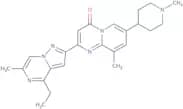


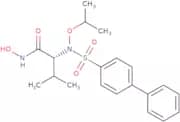
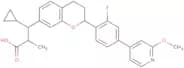

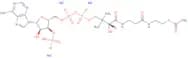

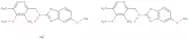
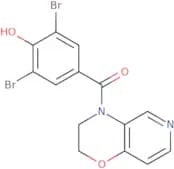
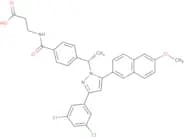

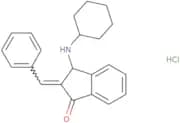





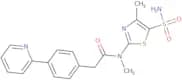


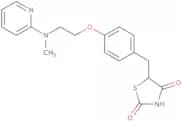

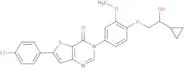
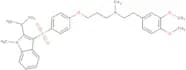


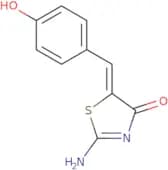


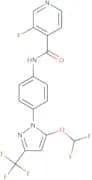

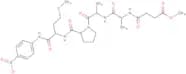


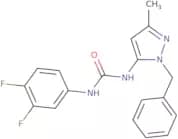


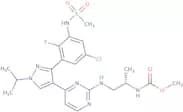


![[Ala113]-MBP (104-118)](/_next/image/?url=https%3A%2Fstatic.cymitquimica.com%2Fproducts%2F3D%2Fthumb-webp%2FZDA02678.webp&w=3840&q=75)
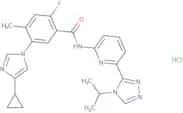


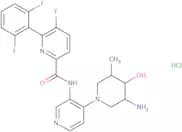

![N-[(E,2S,3R)-1,3-Dihydroxyhexadec-4-en-2-yl]hexadecanamide](/_next/image/?url=https%3A%2Fstatic.cymitquimica.com%2Fproducts%2F3D%2Fthumb-webp%2FYEA06537.webp&w=3840&q=75)


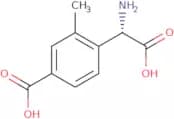


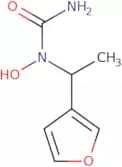


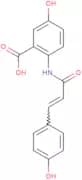
![3-Cyclopropyl-N-[(1R,2R,3R,5S)-2,6,6-trimethylbicyclo[3.1.1]hept-3-yl]-2-thiophenemethanamine](/_next/image/?url=https%3A%2Fstatic.cymitquimica.com%2Fproducts%2F3D%2Fthumb-webp%2FZNC46663.webp&w=3840&q=75)

![N-[4-Methoxy-5-[[4-(1-methylindol-3-yl)pyrimidin-2-yl]amino]-2-[methyl-[2-(methylamino)ethyl]amino…](/_next/image/?url=https%3A%2Fstatic.cymitquimica.com%2Fproducts%2F3D%2Fthumb-webp%2FWGC37399.webp&w=3840&q=75)
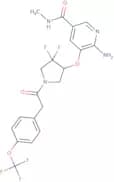
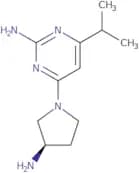
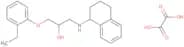


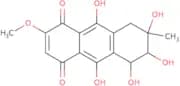
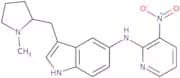


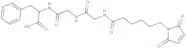
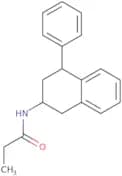


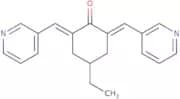
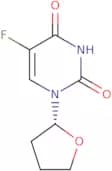


![Ethyl 1-(phenylsulfonyl)-1H-pyrrolo[2,3-b]pyridine-2-carboxylate](/_next/image/?url=https%3A%2Fstatic.cymitquimica.com%2Fproducts%2F3D%2Fthumb-webp%2FWFA60330.webp&w=3840&q=75)

![Acetic acid 2-[[(1R,2S)-2-aminocyclohexyl]amino]-4-[3-(triazol-2-yl)anilino]pyrimidine-5-carboxami…](/_next/image/?url=https%3A%2Fstatic.cymitquimica.com%2Fproducts%2F3D%2Fthumb-webp%2FVEC26198.webp&w=3840&q=75)

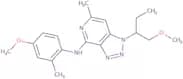


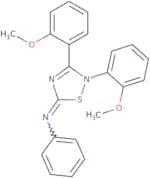


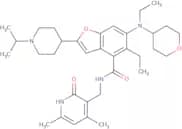


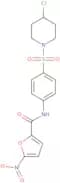



![3-[4-(6-Quinolinyl)phenyl]-1-azabicyclo[2.2.2]octan-3-ol](/_next/image/?url=https%3A%2Fstatic.cymitquimica.com%2Fproducts%2F3D%2Fthumb-webp%2FXHA57678.webp&w=3840&q=75)
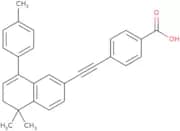


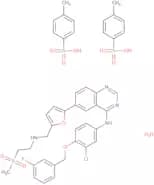


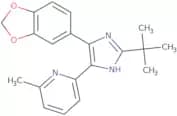


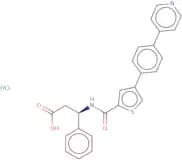
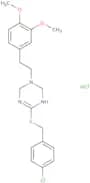
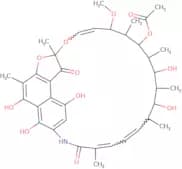


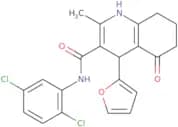


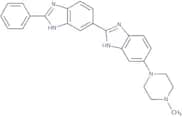
![Ethyl 1-benzyl-5-fluoro-1H-pyrrolo[2,3-b]pyridine-2-carboxylate](/_next/image/?url=https%3A%2Fstatic.cymitquimica.com%2Fproducts%2F3D%2Fthumb-webp%2FVMB91277.webp&w=3840&q=75)


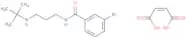
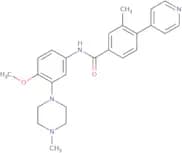


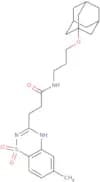

![(3aS)-3a-Hydroxy-1-(3-hydroxyphenyl)-6-methyl-2,3-dihydropyrrolo[2,3-b]quinolin-4-one](/_next/image/?url=https%3A%2Fstatic.cymitquimica.com%2Fproducts%2F3D%2Fthumb-webp%2FXID13642.webp&w=3840&q=75)

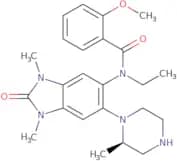

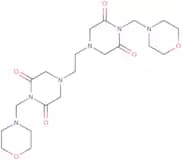


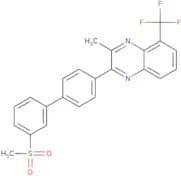

![(1R,2R)-N-((2R,3R)-2-Amino-3-methoxybutyl)-N-(4'-(methoxymethyl)-[1,1'-biphenyl]-4-yl)-2-(pyridin-…](/_next/image/?url=https%3A%2Fstatic.cymitquimica.com%2Fproducts%2F3D%2Fthumb-webp%2FUPD88408.webp&w=3840&q=75)