


Amines
Amines are a set of molecules containing an amino functional group (derived from ammonia). This category includes amines at any level of substitution : primary, secondary, tertiary, and ammonium salts. Amines are fundamental in organic synthesis and are widely used in pharmaceuticals, agrochemicals, and materials science. At CymitQuimica, we provide a comprehensive selection of amines to meet your research and industrial needs. Our range ensures access to various amines for diverse chemical processes and innovative research.
Subcategories of "Amines"
- Nitrosamines(2,606 products)
- Primary Amines(30,821 products)
- Quaternary Ammonium Cations and Salts(1,100 products)
- Secondary Amines(20,817 products)
- Tertiary Amines(17,117 products)
Found 8779 products of "Amines"
Sort by
Purity (%)
0
100
|
0
|
50
|
90
|
95
|
100
trans-4-(Diethylamino)cinnamaldehyde
CAS:<p>Trans-4-(Diethylamino)cinnamaldehyde is a molecule that has been systematically studied with several techniques, such as x-ray crystallography. It has been shown to be a fluorophore and can be used as a fluorescent probe. Trans-4-(Diethylamino)cinnamaldehyde can be used in the fluorescence method in which it reacts with other molecules and emits light. This reaction scheme is based on the principle of irradiation by UV light or visible light to produce an excited state. Fluorescence is detected at various wavelengths depending on the dye used. Trans-4-(Diethylamino)cinnamaldehyde also emits fluorescence when irradiated with ultraviolet light, which is often referred to as "violet" fluorescence. The wavelength of this emission is 365 nm and it can be detected using high yield techniques, such as fluorometers.</p>Formula:C13H17NOPurity:Min. 95%Color and Shape:PowderMolecular weight:203.28 g/mol5-Aminoisophthalic acid
CAS:<p>5-Aminoisophthalic acid is a molecule that belongs to the group of compounds classified as p2, which are characterized by a hydrogen bond. The molecule is synthesized from n-dimethylformamide and glycol ester. It can be used in the synthesis of other compounds, such as 5-aminoisophthalic acid, which has been shown to have hemolytic activity. FTIR spectroscopy analysis reveals that the structure of 5-aminoisophthalic acid has nitrogen atoms in its side chain. This molecule also has an ultraviolet absorption range of about 225 nm to about 300 nm and shows strong absorption bands at around 290 nm and 350 nm.</p>Formula:C8H7NO4Purity:Min. 95%Color and Shape:PowderMolecular weight:181.15 g/mol1-(2-Aminoethyl)pyrrolidine-2,5-dione hydrochloride
CAS:<p>1-(2-Aminoethyl)pyrrolidine-2,5-dione hydrochloride is a chemical intermediate that is used in the synthesis of biologically active compounds. It has been shown to be an excellent building block for synthesizing complex compounds, and is also a useful reagent. 1-(2-Aminoethyl)pyrrolidine-2,5-dione hydrochloride has been identified as a high quality research chemical and is commercially available in the form of bulk quantities or as a fine chemical.</p>Formula:C6H11ClN2O2Purity:Min. 95%Color and Shape:PowderMolecular weight:178.62 g/mol4-Bromo-3-methylbenzylamine hydrochloride
CAS:<p>4-Bromo-3-methylbenzylamine hydrochloride is a synthetic chemical that can be used in the synthesis of various products. This compound is a useful scaffold for the preparation of complex compounds, and it has been used as a reaction component in organic chemistry. It is also a versatile building block that can be used to synthesize fine chemicals with high purity. 4-Bromo-3-methylbenzylamine hydrochloride has been assigned CAS No. 1955514-32-5 by the Chemical Abstracts Service (CAS).</p>Formula:C8H10BrN·HClPurity:Min. 95%Molecular weight:236.54 g/mol[1-(Pyrrolidin-1-ylcarbonyl)butyl]amine hydrochloride
CAS:Controlled Product<p>Please enquire for more information about [1-(Pyrrolidin-1-ylcarbonyl)butyl]amine hydrochloride including the price, delivery time and more detailed product information at the technical inquiry form on this page</p>Formula:C9H18N2OPurity:Min. 95%Molecular weight:170.25 g/molN-(4-Methyl-3-nitrophenyl)acetamide
CAS:<p>3-Methyl-4-nitro-N-acetylbenzeneamine is a biodegradable chemical that acts as an inhibitor of the growth rate of bacteria in wastewater treatment. It has been shown to be effective in both aerobic and anaerobic environments. 3-Methyl-4-nitro-N-acetylbenzeneamine is a racemic mixture, consisting of two isomers that are easily separated by chromatography. The primary mechanism for degradation of this chemical is acetylation, which converts it into acetic acid and methyl acetate. 3-Methyl-4-nitro-N-acetylbenzeneamine can also be degraded by aerobic soil bacteria with the help of fatty acids. This chemical is not toxic to humans or animals and does not affect crop plants.br></p>Formula:C9H10N2O3Purity:Min. 95%Color and Shape:PowderMolecular weight:194.19 g/mol9-[5-Deoxy-5-[[cis-3-[2-[6-(1,1-dimethylethyl)-1H-benzimidazol-2-yl]ethyl]cyclobutyl](1-methylethyl)amino]-beta-D-ribofuranosyl]-9H- purin-6-amine
CAS:<p>Nilotinib is a small molecule that inhibits the tyrosine kinase activity of TK1, TK2, and TK3. It binds to the ATP-binding site of these kinases and prevents the phosphorylation of the cellular substrate. Nilotinib has been shown to inhibit the proliferation of leukemia cells in vitro, as well as to have antiproliferative effects in vivo. Nilotinib can be used for the treatment of chronic myelogenous leukemia (CML) and Philadelphia chromosome-positive acute lymphoblastic leukemia (Ph+ ALL). In addition, it has been shown to have synergistic effects with other drugs such as α1-acid glycoprotein inhibitors or methyltransferase inhibitors. Nilotinib can also be used for cases of hepatic steatosis.</p>Formula:C30H42N8O3Purity:Min. 95%Color and Shape:PowderMolecular weight:562.71 g/molTris(dimethylamino)sulfonium difluorotrimethylsilicate
CAS:<p>Tris(dimethylamino)sulfonium difluorotrimethylsilicate is a solute that is used in synthetic chemistry. It has been shown to stimulate bone growth in vitro and to inhibit the metastasis of cancer cells in animal studies. Tris(dimethylamino)sulfonium difluorotrimethylsilicate has also been shown to be an effective treatment for bladder cancer. This compound has been shown to bind to cortistatin, an active substance that inhibits the proliferation of human bladder cancer cells. The compound binds to benzyl groups on cortistatin and prevents it from binding with its receptors on the bladder cancer cells, leading to cell death.</p>Formula:C6H18N3S•C3H9F2SiPurity:90%Color and Shape:PowderMolecular weight:275.48 g/molN-Nitroso-N-methyl-4-aminobutyric acid
CAS:<p>N-Nitroso-N-methyl-4-aminobutyric acid (NMBA) is a solid with a low melting point which has been identified as a potentially carcinogenic component of both tobacco and tobacco smoke. NMBA is also one of a number of nitrosamine impurities which have been found to be present in angiotensin II receptor blocker (ARB) drugs used to treat high blood pressure.</p>Formula:C5H10N2O3Purity:Min. 98 Area-%Color and Shape:Slightly Yellow PowderMolecular weight:146.14 g/mol5-Amino-2-chlorobenzonitrile
CAS:<p>5-Amino-2-chlorobenzonitrile is a functional theory that has been optimised for the synthesis of pesticides. It has been shown to have high affinity constants and to be a good potential for monitoring. 5-Amino-2-chlorobenzonitrile is synthesized in the form of monoclonal antibodies, which are then optimised using vibrational frequencies. The parameters of these molecules are optimized by comparing the calculated frequencies with those obtained from experimental data. This theory can be used to develop new pesticides that are less harmful to humans and animals, as well as being more environmentally friendly.</p>Formula:C7H5ClN2Purity:Min. 95%Color and Shape:PowderMolecular weight:152.58 g/mol4-Aminoquinaldine
CAS:<p>4-Aminoquinaldine is a metastable redox potential compound that has been shown to reversibly reduce the mitochondrial membrane potential in leishmania. It also has been shown to have antimicrobial properties and is able to inhibit the growth of bacteria through hydrogen bonding interactions. 4-Aminoquinaldine is most effective against gram-positive bacteria and has an acidic pH, with a pKa of 3.4. The reaction mechanism for 4-aminoquinaldine involves nucleophilic attack at the C5 position of the quinolinium ring followed by elimination of H2O from the S2 position.</p>Formula:C10H10N2Purity:Min. 99 Area-%Color and Shape:PowderMolecular weight:158.2 g/mol(S,S)-(+)-N,N'-Bis(3,5-di-tert-butylsalicylidene)-1,2-cyclohexanediaminomanganese(III) chloride
CAS:<p>The preparation of racemic N,N'-Bis(3,5-di-tert-butylsalicylidene)-1,2-cyclohexanediaminomanganese(III) chloride (S,S)-(+)-N,N'-Bis(3,5-di-tert-butylsalicylidene)-1,2-cyclohexanediaminomanganese(III) chloride is carried out by the reaction of salicyaldehyde with manganese dioxide in acetonitrile. The mixture is heated to reflux for 3 hours. The product is purified by recrystallization from hot acetonitrile and then purified again by preparative thin layer chromatography using a chiral stationary phase. The product is obtained as a white powder in an overall yield of 52%.<br>The synthesis of (R)-(-)-N-(3,5-Di-tert-butylsalicyl</p>Formula:C36H52ClMnN2O2Color and Shape:PowderMolecular weight:635.2 g/mol3-Amino-4-chlorobenzoic acid
CAS:<p>3-Amino-4-chlorobenzoic acid is a diacid that has been shown to have strong steric interactions with manumycin and fibrinogen, which are proteins found in the human body. 3-Amino-4-chlorobenzoic acid has a carboxylate group at one end of the molecule, which can coordinate to metal ions such as chloride. The other end of the molecule contains a hydrogen atom that can form hydrogen bonds with other molecules. 3-Amino-4-chlorobenzoic acid can be synthesized by reacting 2 moles of chloroacetyl chloride with an amino acid.</p>Formula:C7H6ClNO2Purity:Min. 95%Color and Shape:PowderMolecular weight:171.58 g/mol3-Hydroxy-4-methoxyphenethylamine HCl
CAS:Controlled Product<p>3-Hydroxy-4-methoxyphenethylamine HCl is an amine that is found in plants. It has been shown to be a reactive compound with a carbonyl group and an amine group. 3-Hydroxy-4-methoxyphenethylamine HCl can act as a dopamine receptor agonist, causing the release of serotonin from neurons. This chemical also has anti-inflammatory properties and may be used to treat inflammatory diseases such as asthma. 3-Hydroxy-4-methoxyphenethylamine HCl may also have blood pressure lowering effects.</p>Formula:C9H14ClNO2Purity:Min. 95%Color and Shape:White to off-white solid.Molecular weight:203.67 g/mol2'-Aminoacetanilide
CAS:<p>2'-Aminoacetanilide is a colorless, crystalline compound that is soluble in water and has a bitter taste. It is used as an acidity regulator in food products, particularly bakery products. 2'-Aminoacetanilide can be found naturally in some microflora, such as lactic acid bacteria. <br>2'-Aminoacetanilide is an aromatic amine that contains both primary amino and functional groups. It is nucleophilic and reacts with proton by nucleophilic attack to form the corresponding amide or carbonyl group. 2'-Aminoacetanilide also has the ability to react with nitro compounds to form an amido-nitro adduct.</p>Formula:C8H10N2OPurity:Min. 95%Color and Shape:PowderMolecular weight:150.18 g/molIsobutyl 4-aminobenzoate
CAS:<p>Isobutyl 4-aminobenzoate is an anesthetic that has been shown to be effective in epidural anesthesia. It has been evaluated for the prevention of post-epidural pain and found to be chemically similar to lidocaine and bupivacaine. Isobutyl 4-aminobenzoate is also used topically as a nerve block agent.</p>Formula:C11H15NO2Purity:Min. 95%Color and Shape:Yellow PowderMolecular weight:193.24 g/mol2-Aminobenzhydrazide
CAS:<p>2-Aminobenzhydrazide is a hydrogen bond donor that binds to the 5-HT2 receptor. It has been shown to be effective in treating infectious diseases such as malaria and dengue fever. 2-Aminobenzhydrazide inhibits the production of the inflammatory hormone prostaglandin E2 by inhibiting cyclooxygenase, which is responsible for converting arachidonic acid into prostaglandins. This drug also has anti-inflammatory properties because it blocks the action of amide and hydrazide receptors, which are associated with pain transmission. 2-Aminobenzhydrazide has been shown to inhibit the growth of bacteria and fungi in culture, with inhibition constants of 4.4 x 10 M for Escherichia coli and 8 x 10 M for Candida albicans.</p>Formula:C7H9N3OPurity:Min. 95%Color and Shape:PowderMolecular weight:151.17 g/mol5-Chlorotryptamine hydrochloride
CAS:Controlled Product<p>5-Chlorotryptamine hydrochloride is a mitotic inhibitor that binds to the spindle. It has been shown to be an anti-proliferative agent in cells, as well as having anti-mitotic properties. 5-Chlorotryptamine hydrochloride binds to the c1-4 alkyl chains of the spindle and stops it from moving. This prevents the mitosis process and inhibits cell division. 5-Chlorotryptamine hydrochloride can also be used to inhibit kinesin, which is a protein involved in movement along microtubules.</p>Formula:C10H11ClN2·HClColor and Shape:PowderMolecular weight:231.12 g/molN,N,N',N'-Tetramethylenediamine
CAS:<p>Initiates acrylamide polymerization in combination with ammonium persulfate</p>Formula:C6H16N2Purity:Min. 98 Area-%Color and Shape:Colorless Slightly Yellow Clear LiquidMolecular weight:116.2 g/mol7-Aminodesacetoxycephalosporanic acid
CAS:<p>7-Aminodesacetoxycephalosporanic acid is a chemical compound that is used for wastewater treatment as a biocatalyst. It has been shown to have group P2 activity and can be used in the treatment of corynebacterium glutamicum. 7-Adca has been found to bind to the magnesium salt, which leads to control analysis and kinetic studies. The reactions are initiated by the addition of an electron donor, such as penicillin, which results in a transfer reaction. The nitrogen atoms are substituted with hydrogen atoms, which produces a fatty acid intermediate. This intermediate reacts with nitrogen atoms from another molecule of 7-Adca or 7-adca to form an amide bond. The amide bond is then hydrolyzed in water to produce 7-aminodesacetoxycephalosporanic acid and ammonia.</p>Formula:C8H10N2O3SPurity:Min. 95%Color and Shape:White PowderMolecular weight:214.24 g/mol1-(Aminomethyl)cyclopropanecarboxamide hydrochloride
CAS:<p>1-(Aminomethyl)cyclopropanecarboxamide hydrochloride is a versatile building block that can be used in the synthesis of complex compounds. It has been shown to be an excellent reagent for the synthesis of novel pharmaceuticals and speciality chemicals. This compound is also a useful intermediate for the preparation of high-quality products and can be used as a reaction component or scaffold in synthesis.</p>Formula:C5H10N2O·HClPurity:Min. 95%Color and Shape:White PowderMolecular weight:150.61 g/molO-Mesitylenesulfonylhydroxylamine - 10-65% water
CAS:<p>Aminating Reagent</p>Formula:C9H13NO3SPurity:Min. 70 Area-%Color and Shape:Colorless PowderMolecular weight:215.27 g/molDiisopropylammonium tetrazolide
CAS:Controlled Product<p>Diisopropylammonium tetrazolide or tetrazole diisopropylamine is used to synthesize nucleoside 3'-CE phosphoramidites, which are building blocks in the chemical synthesis of novel oligonucleotides. Tetrazole diisopropylamine catalyses the reaction of 2-cyanoethyl tetraisopropylphosphorodiamidite with a nucleophile, usually the 3’-OH of a suitably protected nucleoside. This approach has been used to efficiently make modified cytosine oligonucleotides.</p>Formula:C7H17N5Purity:Min. 95%Color and Shape:White PowderMolecular weight:171.24 g/mol10-Aminodecanoic acid
CAS:<p>10-Aminodecanoic acid is an organic compound that belongs to the group of fatty acids. It is a monomeric molecule with two carboxylic acid groups and one hydroxyl group. 10-Aminodecanoic acid has been shown to induce tumor regression in xenograft models for human prostate, breast, and colon cancer cells. The mechanism of action is currently unclear but may be due to specific interactions with amino acids on glycoproteins or amides on proteins. 10-Aminodecanoic acid also stabilizes membranes by forming hydrogen bonds with phospholipids.</p>Formula:C10H21NO2Purity:Min. 95%Color and Shape:White PowderMolecular weight:187.28 g/molN-tert-Butyl-N-(2-methyl-1-phenylpropyl)-O-(1-phenylethyl)hydroxylamine
CAS:N-tert-Butyl-N-(2-methyl-1-phenylpropyl)-O-(1-phenylethyl)hydroxylamine is a telechelic metathesis polymer that is soluble in organic solvents. This product has been shown to copolymerize with styrene, which can be used as a monomer. Copolymers of this product are resistant to chemical reactions and metal ion. The reaction time and temperature for this product depends on the nature of the monomers and initiator used. This substance is also able to undergo metathesis reactions, such as those involving silicon.Formula:C22H31NOPurity:Min. 95%Color and Shape:PowderMolecular weight:325.49 g/mol4-(2,5-Dimethoxyphenyl)-1,3-thiazol-2-amine
CAS:Please enquire for more information about 4-(2,5-Dimethoxyphenyl)-1,3-thiazol-2-amine including the price, delivery time and more detailed product information at the technical inquiry form on this pageFormula:C11H12N2O2SPurity:Min. 95%Molecular weight:236.29 g/mol5,6-Diethyl-2,3-dihydro-1H-inden-2-amine hydrochloride
CAS:Controlled Product<p>5,6-Diethyl-2,3-dihydro-1H-inden-2-amine hydrochloride is the salt form of a chemical compound that belongs to the group of acetylation agents. This chemical is highly soluble in water and is used as a reagent to acetylate amines. The industrial process for this compound begins with an acetone solution of 2,3-dihydroindene. Acetyl chloride reacts with 2,3-dithiobenzoyl chloride in an acid environment to produce 5,6-diethyl-2,3-dihydroindane. The product is treated with hydrogen chloride gas to produce 5,6-diethyl-2,3 dihydroindanamine hydrochloride. This compound has been shown to be toxic for aquatic life and can cause environmental pollution when released into the environment.</p>Formula:C13H19N•HClPurity:Min. 95%Color and Shape:White PowderMolecular weight:225.76 g/mol4-(Dimethylaminobenzylidene)rhodanine
CAS:<p>4-(Dimethylaminobenzylidene)rhodanine is a monosodium salt of the drug rhodanine. Rhodanine is a small-molecule, kinetically stable, and surface active agent that inhibits tumor growth by binding to sulfamoyl chloride, inhibiting the synthesis of DNA. Rhodanine has been shown to inhibit the growth of colon cancer cells in mice and human leukemia cells in vitro. This drug also inhibits the proliferation of erythrocytes and platelets. Rhodanine binds to chloride ions on cell surfaces and forms a complex with silver ions that can then be detected by electron microscopy or profiling studies using hydroxide solutions. The efficacy of 4-(dimethylaminobenzylidene)rhodanine as an anticancer agent is dependent on its concentration. A blood sample containing 4% dimethylaminobenzylidene rhodanine was found to have anti-t</p>Formula:C12H12N2OS2Purity:Min. 95%Color and Shape:PowderMolecular weight:264.37 g/mol4,6-Diamino-2-nitro-m-xylene
CAS:<p>Please enquire for more information about 4,6-Diamino-2-nitro-m-xylene including the price, delivery time and more detailed product information at the technical inquiry form on this page</p>Formula:C8H11N3O2·2ClHPurity:Min. 95%Molecular weight:254.10 g/molBenzo[d]isoxazol-5-amine
CAS:<p>Benzo[d]isoxazol-5-amine is a high quality, versatile building block that is used as a reagent for the synthesis of fine chemicals and pharmaceuticals. It can be used to synthesize useful scaffolds for drug discovery and as an intermediate in the synthesis of complex compound. Benzo[d]isoxazol-5-amine is also a reactive intermediate, which can be used in reactions with other building blocks to produce speciality chemicals such as research chemicals. This compound is soluble in water and has been classified by CAS as 239097-74-6.</p>Formula:C7H6N2OPurity:Min. 95%Color and Shape:PowderMolecular weight:134.14 g/mol3-Aminobenzamide
CAS:<p>3-Aminobenzamide is a drug that has been shown to be effective in the treatment of temozolomide-induced neuronal death. 3-Aminobenzamide inhibits the synthesis of ATP and blocks its binding to the atp-binding cassette transporter, which prevents the transport of this nucleotide into cells. This results in cell death due to insufficient energy metabolism and inability to repair DNA damage. 3-Aminobenzamide also increases production of reactive oxygen species, which are involved in reperfusion injury and myocardial infarcts. 3-Aminobenzamide is used as a model system for studying DNA repair and energy metabolism.</p>Formula:C7H8N2OPurity:Min. 95%Color and Shape:PowderMolecular weight:136.15 g/mol2-Amino-4-(trifluoromethyl)benzoic acid
CAS:<p>2-Amino-4-(trifluoromethyl)benzoic acid (2ATB) is a fluorescent compound that is used in assays to study the function of cells. It is a functional theory that 2ATB binds to the skeleton of cells, which are then subjected to optical properties testing. Fluorescence resonance energy transfer has been shown to occur between 2ATB and retinoic acid molecules in the cell nucleus, which may be related to cellular senescence. The structure of 2ATB has been determined by X-ray crystallography and it has been synthesized by halogenation.</p>Formula:C8H6F3NO2Purity:Min. 95%Color and Shape:PowderMolecular weight:205.13 g/molAminomethylphosphonic acid
CAS:<p>Aminomethylphosphonic acid has proven action as a mimetic of both D- and L-alanine; it acts as an inhibitor of cell wall enzymes such as D-Ala-D-Ala synthetase, alanine racemase (JAA02406), and UDP-N-acetylmuramyl-L-alanine synthetase</p>Formula:CH6NO3PPurity:Min. 95%Color and Shape:PowderMolecular weight:111.04 g/mol2-Amino-5-bromobenzoic acid
CAS:<p>2-Amino-5-bromobenzoic acid is a chemical compound that is used to synthesize other pharmaceuticals. It has been shown to have potent antiinflammatory activity and inhibit the growth of certain types of cancer cells. 2-Amino-5-bromobenzoic acid also has antiviral properties, and it inhibits the replication of human immunodeficiency virus type 1 (HIV-1) in cell culture. This drug has been shown to be effective against herpes simplex virus type 1 (HSV-1), varicella zoster virus (VZV), and cytomegalovirus (CMV). 2-Amino-5-bromobenzoic acid is poorly soluble in water; therefore, it can be administered intravenously as a prodrug. The absorption of this drug is dependent on pH levels, with higher concentrations found in acidic environments.</p>Formula:C7H6BrNO2Purity:Min. 95%Color and Shape:PowderMolecular weight:216.03 g/molDimethylammonium tetrafluoroborate
CAS:Controlled Product<p>Dimethylammonium tetrafluoroborate is a reagent that is used in organic chemistry. It is a solid with a melting point of -56°C and can be synthesized by the reaction of ethyl amine and hexafluoro-2-butyne. This reagent has been used to synthesize quaternary ammonium salts, anions, and aliphatic hydrocarbons. Dimethylammonium tetrafluoroborate is also employed as a solvent for some devices due to its physicochemical properties, including its low boiling point and high dielectric constant.</p>Formula:C2H8BF4NPurity:Min. 95%Molecular weight:132.9 g/molTris(hydroxymethyl)aminomethane acetate
CAS:<p>Tris(hydroxymethyl)aminomethane acetate is a compound that binds to antigen binding molecules in biological samples. It is a polymerase chain reaction (PCR) reagent and is used to prepare samples for PCR analysis. Tris(hydroxymethyl)aminomethane acetate has been shown to bind with receptor activity in the treatment of infectious diseases and metabolic disorders, such as alopecia areata and diabetes mellitus. Tris(hydroxymethyl)aminomethane acetate also stabilizes DNA templates for PCR analysis by preventing dNTPs from hydrolyzing prematurely. This prevents the formation of stable complexes with nucleotides, which may be useful in clinical pathology or plant physiology.</p>Formula:C4H11NO3·C2H4O2Purity:(Titration) Min. 98%Color and Shape:White PowderMolecular weight:181.19 g/mol4-Amino-5-aminomethyl-2-methylpyrimidine dihydrochloride
CAS:<p>4-Amino-5-aminomethyl-2-methylpyrimidine dihydrochloride is a vitamin B1 derivative that is biosynthesized by marine algal cells. It is active at high concentrations, and has been shown to have an interaction with the active site residues of hydrogen chloride. This analog has been used in genomic analyses and can be detected by mass spectrometry. It also has the ability to inhibit the growth of phytoplankton, which are microscopic plants living near the surface of water. The concentration of 4-amino-5-aminomethyl-2-methylpyrimidine dihydrochloride in seawater can be determined using a constant scaling factor based on plankton biomass.</p>Formula:C6H10N4•(HCl)2Purity:Min. 95%Color and Shape:Slightly Yellow PowderMolecular weight:211.09 g/mol5-Methoxytryptamine hydrochloride
CAS:Controlled Product<p>Non-selective serotonin receptor agonist that lacks affinity for the 5-HT3 receptor.</p>Formula:C11H15ClN2OMolecular weight:226.71 g/mol2-Amino-5-chlorothiophenol
CAS:<p>2-Amino-5-chlorothiophenol is an aminothiophene derivative that has been shown to be an effective antibacterial agent. It is a substrate in the synthesis of polyesters and is used as a precursor in the synthesis of ciprofloxacin, a broad spectrum antibiotic. 2-Amino-5-chlorothiophenol has been shown to catalyze the reaction between phenyl groups and heterocycles, which is an important step in the synthesis of ciprofloxacin and fluconazole. The optimal reaction temperature for this process is between 150°C - 180°C. The irradiation time for this process varies depending on the intensity of light used, with optimal results obtained after 10 minutes at 25 kGy.</p>Formula:C6H6ClNSPurity:Min. 95 Area-%Color and Shape:PowderMolecular weight:159.64 g/molgamma-(Aminooxy)propyl mercaptan HCl
CAS:<p>Gamma-aminopropyl mercaptan is a versatile building block that is used in the synthesis of complex organic compounds. It can be used as a reagent for research and as a speciality chemical. Gamma-aminopropyl mercaptan has been found to be useful in the synthesis of drugs, pesticides, and other biologically active substances. The compound has also been found to have anti-inflammatory properties.</p>Formula:C3H10ClNOSPurity:Min. 95 Area-%Color and Shape:PowderMolecular weight:143.64 g/mol4-Diethylaminobenzaldoxime
CAS:<p>4-Diethylaminobenzaldoxime is a reaction component that is used in the synthesis of complex compounds. It has been shown to be a useful scaffold for the construction of novel chemical entities. It also has high quality, and can be used as a reagent in research or as a speciality chemical. 4-Diethylaminobenzaldoxime is versatile and can be used as an intermediate or building block in organic chemistry. This chemical has CAS No. 54376-65-7 and is classified as a fine chemical.</p>Formula:C11H16N2OPurity:Min. 95%Color and Shape:PowderMolecular weight:192.26 g/molMethyl 2-amino-3,4-diethoxybenzoate
CAS:<p>Methyl 2-amino-3,4-diethoxybenzoate is a chemical compound that is used as a reagent for the preparation of other complex compounds. Methyl 2-amino-3,4-diethoxybenzoate has a CAS number of 1017083-69-0 and can be found in fine chemicals, research chemicals, and speciality chemicals. This chemical is also an intermediate for the synthesis of other compounds and has been shown to have many uses as a building block for more complex compounds. As a versatile building block, methyl 2-amino-3,4-diethoxybenzoate has been used in organic synthesis reactions to produce new compounds with unique properties.</p>Formula:C12H17NO4Purity:Min. 95%Color and Shape:PowderMolecular weight:239.27 g/mol(8β)-N-[3-(Dimethylamino)propyl]-N-[(ethylamino)carbonyl] -6-(2-propen-1-yl)-ergoline-8-carboxamide
CAS:<p>Agonist of D2 dopamine receptors</p>Formula:C26H37N5O2Purity:Min. 95%Color and Shape:PowderMolecular weight:451.6 g/molTrimipramine maleate salt
CAS:Controlled Product<p>Trimipramine is an antidepressant drug of the tricyclic type. It is used in the treatment of depression, anxiety, and insomnia. Trimipramine also possesses anti-cancer effects and has been shown to inhibit prostate cancer cells. In addition, trimipramine inhibits the accumulation of cholesterol by inhibiting its synthesis.<br>Trimipramine maleate salt is a maleate salt of trimipramine that is soluble in water and alcohols. The biological properties and pharmacological treatments are similar to those of trimipramine.</p>Formula:C24H30N2O4Purity:Min. 95%Color and Shape:PowderMolecular weight:410.51 g/molN,N-Diallyl-5-methoxytryptamine
CAS:Controlled Product<p>N,N-Diallyl-5-methoxytryptamine (DMAT) is a synthetic cannabinoid that has been shown to produce effects similar to those of tetrahydrocannabinol. It has been used in clinical studies to study the effects of cannabinoids on the central nervous system. DMAT binds with high affinity to 5-HT2A receptors and low affinity to histamine H1 receptors. DMAT also binds moderately with 5-HT1A receptors, which are serotonin receptors found in the cerebral cortex and hippocampus regions of the brain. DMAT is a potent monoamine neurotransmitter reuptake inhibitor, which means it prevents the reuptake of monoamines such as dopamine, norepinephrine, and serotonin by blocking their transporters. This results in an increase in extracellular concentrations of these monoamines. DMAT is structurally similar to other drugs that have been shown to cause seizures, such as meprobamate, benzodiazepines,</p>Formula:C17H22N2OPurity:Min. 95%Molecular weight:270.37 g/mol2-Aminoterephthalic acid
CAS:<p>2-Aminoterephthalic acid is a sulfa drug that has a skeleton containing two nitrogen atoms. It is a white, crystalline powder and can be dissolved in water. 2-Aminoterephthalic acid is used as an intermediate for the preparation of other sulfa drugs. The detection limit of this compound was determined to be 0.5 mg/L with the use of a chemiluminescence method and fluorescence probe. This compound reacts with acid to form an acid complex that can be detected by plasma mass spectrometry or electrochemical impedance spectroscopy.</p>Formula:C8H7NO4Purity:Min. 97 Area-%Color and Shape:White PowderMolecular weight:181.15 g/mol7-Amino-4-methylcoumarin
CAS:<p>Fluorescent probe for AMC-based labelling of oligosaccharides or peptides</p>Formula:C10H9NO2Purity:Min. 98 Area-%Color and Shape:Yellow PowderMolecular weight:175.18 g/mol1,3-Thiazol-5-ylmethylamine dihydrochloride
CAS:<p>1,3-Thiazol-5-ylmethylamine dihydrochloride is a useful scaffold for the preparation of complex compounds. It is a versatile building block that can be used to synthesize a wide range of chemical products. The compound has been shown to be an effective reagent in organic synthesis and is widely used as a research chemical. 1,3-Thiazol-5-ylmethylamine dihydrochloride is soluble in water and can be stored at room temperature.</p>Formula:C4H6N2S·2HClPurity:Min. 95%Color and Shape:PowderMolecular weight:187.09 g/molAmmonium metatungstate hydrate
CAS:<p>Ammonium metatungstate hydrate is a catalyst that is used for the efficient production of fatty acids from vegetable oils. It has been shown to be an effective catalyst in the reaction of deionized water and particle at various reaction temperatures. The cationic surfactant, optical properties, and morphology of the fatty acid are all dependent on the type of carbon source used in the reaction. Ammonium metatungstate hydrate is also used as a photocatalyst for gas sensors.</p>Formula:(H4N)6•H2O40W12•(H2O)xPurity:Min. 85%Color and Shape:PowderMolecular weight:2,956.3 g/molPropyl 4-aminobenzoate
CAS:<p>Propyl 4-aminobenzoate is an anti-angiogenic agent that inhibits the production of angiogenic factors. It has been shown to be effective in vivo with a kinetic data analysis and solubility data. Propyl 4-aminobenzoate reduces the size of angiogenic tumors and prevents new tumor formation. It also suppresses tumor growth by inhibiting the production of vascular endothelial growth factor (VEGF), thereby inducing apoptotic cell death. The induction of apoptotic cell death by propyl 4-aminobenzoate may be due to its ability to bind to and activate apoptosis protein, leading to a decrease in collagen synthesis and an increase in hyaluronic acid production.</p>Formula:C10H13NO2Purity:Min. 95%Color and Shape:PowderMolecular weight:179.22 g/mol2-[Methyl[(tridecafluorohexyl)sulphonyl]amino]ethyl acrylate
CAS:<p>Please enquire for more information about 2-[Methyl[(tridecafluorohexyl)sulphonyl]amino]ethyl acrylate including the price, delivery time and more detailed product information at the technical inquiry form on this page</p>Formula:C12H10F13NO4SPurity:80%MinColor and Shape:PowderMolecular weight:511.26 g/molTetraethylene glycol monoamine
CAS:<p>Tetraethylene glycol monoamine is a PEG polymer categorised as monofunctional (OH-PEG-X). Used as a linker, tetraethylene glycol monoamine is used to attached PEG to proteins, peptides, oligonucleotides, nanoparticles and small molecules via pegylation, a bioconjugation technique.</p>Formula:C8H19NO4Purity:Min. 95%Color and Shape:Colorless Clear LiquidMolecular weight:193.24 g/mol3,5-Dihydroxybenzylamine hydrochloride
CAS:<p>3,5-Dihydroxybenzylamine hydrochloride is a high quality chemical used as a reagent for organic synthesis. It has also been used as an intermediate for the production of other chemicals and in the synthesis of complex compounds. 3,5-Dihydroxybenzylamine hydrochloride is also a useful scaffold for drug design and development. It can be used to make fine chemicals with various applications such as research chemicals, versatile building blocks, reaction components, and speciality chemicals.</p>Formula:C7H10ClNO2Purity:Min. 95%Color and Shape:PowderMolecular weight:175.61 g/molThiamine tetrahydrofurfuryl disulfide
CAS:<p>Thiamine tetrahydrofurfuryl disulfide is a thiamine derivative that has been shown to serve as a cofactor for enzymes such as peptidyl-prolyl cis-trans isomerase, which catalyzes the formation of peptide hormones. It also plays a role in the synthesis of polymers such as cellulose. Thiamine tetrahydrofurfuryl disulfide can be found in crystalline cellulose and is an important component of two-way crossover studies on peptide hormones. This drug has been shown to stimulate oxidative metabolism in cells and may have therapeutic potential for treating conditions associated with oxidative injury, such as stroke, head trauma, and heart attack. <br>Thiamine tetrahydrofurfuryl disulfide may also have a role in the development of inflammatory responses through its interaction with toll-like receptor 4 (TLR4).</p>Formula:C17H26N4O3S2Purity:Min. 98 Area-%Color and Shape:PowderMolecular weight:398.55 g/molPyrimethamine
CAS:Pyrimethamine is an antimalarial agent that has been used in the treatment of various infectious diseases. Pyrimethamine is a folic acid antagonist which inhibits the synthesis of DNA and RNA by inhibiting the enzyme dihydrofolate reductase. The drug binds to sulfadiazine, a sulfa drug, which prevents its conversion to active form and thereby prevents bacterial growth. Pyrimethamine can be administered orally or intravenously. It exhibits low toxicity and is excreted in the urine as an inactive metabolite. In vitro assays have shown pyrimethamine to be effective against HIV-1 infection, but it is not active against other viruses such as herpes simplex virus and influenza virus.Formula:C12H13ClN4Purity:Min. 95%Color and Shape:PowderMolecular weight:248.71 g/mol(R)-N-Methyl-3-(1-naphthoxy)-3-(2-thienyl)propylamine hydrochloride
CAS:Controlled Product<p>(R)-N-Methyl-3-(1-naphthoxy)-3-(2-thienyl)propylamine hydrochloride is a nonsteroidal anti-inflammatory drug that has been shown to be effective for the treatment of osteoarthritis, rheumatoid arthritis, ankylosing spondylitis, and chronic low back pain. This drug can also be used for other inflammatory conditions such as psoriasis and Crohn's disease. The mechanism of action of (R)-N-Methyl-3-(1-naphthoxy)-3-(2-thienyl)propylamine hydrochloride is not fully understood. It may work by blocking the synthesis of prostaglandins in the body. This drug is metabolized in the liver to its active form, which binds to cyclooxygenase 1 and 2 enzymes to inhibit the production of prostaglandins. It also inhibits human serum x-ray</p>Formula:C18H19NOS•HClPurity:Min. 95%Color and Shape:White To Off-White SolidMolecular weight:333.88 g/mol[(2-Methylimidazo[2,1-b][1,3,4]thiadiazol-6-yl)methyl]amine dihydrochloride
CAS:<p>[(2-Methylimidazo[2,1-b][1,3,4]thiadiazol-6-yl)methyl]amine dihydrochloride is a high quality reagent with many uses. It is a complex compound that is used as an intermediate in the synthesis of many other compounds. This chemical has been shown to be useful as a scaffold for drug design and development. It also has been found to be a valuable building block for the synthesis of speciality chemicals and pharmaceuticals. This chemical can be used in reactions as a versatile building block and reaction component.</p>Formula:C6H8N4S·2HClPurity:Min. 95%Color and Shape:White PowderMolecular weight:241.14 g/molm-Aminophenolsulfate
CAS:m-Aminophenolsulfate is a sulfonated derivative of m-aminophenol. It has been used for wastewater treatment and as an analytical reagent for the determination of p2 group substances, such as sulfa drugs. It is also used in pharmaceutical preparations and human serum. m-Aminophenolsulfate may be activated by hydrochloric acid to form a reactive intermediate (m-aminophenoxy radical) that reacts with electron acceptors such as oxygen or nitrous oxide to generate reactive oxygen species. In this way, m-aminophenolsulfate can act as a broad-spectrum antimicrobial agent against both Gram negative and Gram positive bacteria. The mechanism of this reaction is adsorption on the bacterial cell wall, which leads to cell death through osmotic lysis or disruption of membrane integrity.Formula:C12H16N2O6SPurity:Min. 95%Color and Shape:PowderMolecular weight:316.33 g/mol6-Aminoindoline dihydrochloride
CAS:<p>Please enquire for more information about 6-Aminoindoline dihydrochloride including the price, delivery time and more detailed product information at the technical inquiry form on this page</p>Formula:C8H10N2•(HCl)2Purity:Min. 95%Molecular weight:207.1 g/molTriethylamine hydrochloride
CAS:<p>Triethylamine hydrochloride is a potential drug target and can be used to treat infectious diseases. Triethylamine hydrochloride inhibits the polymerase chain reaction, which is an important analytical technique for the detection of DNA sequences. It also has been shown to have antibacterial activity against Escherichia coli by inhibiting protein synthesis in bacteria. This may be due to its ability to form metal chelates with Fe3+, Cu2+, and Mn2+. Triethylamine hydrochloride has also been shown to inhibit the growth of Shigella flexneri and Mycobacterium tuberculosis by regulating transcription elongation through interaction with the RNA polymerase.</p>Formula:C6H16ClNColor and Shape:PowderMolecular weight:137.65 g/mol4-Octyloxybenzylamine
CAS:<p>4-Octyloxybenzylamine is a fine chemical that is used as a building block in research or as a reagent in the synthesis of other compounds. It has CAS No. 37806-64-7 and can be used in organic synthesis as a speciality chemical or as an intermediate or scaffold for complex organic molecules. 4-Octyloxybenzylamine has many uses, including being a versatile building block for synthesizing other compounds, such as polymers and polyesters, which are useful for commercial applications, such as textiles and plastics.</p>Formula:C15H25NOPurity:Min. 95%Color and Shape:PowderMolecular weight:235.37 g/mol2-[(Ethylamino)methyl]-4-nitrophenol
CAS:<p>Please enquire for more information about 2-[(Ethylamino)methyl]-4-nitrophenol including the price, delivery time and more detailed product information at the technical inquiry form on this page</p>Formula:C9H12N2O3Purity:Min. 95%Color and Shape:PowderMolecular weight:196.2 g/mol2,4-Diaminobenzaldehyde
CAS:<p>2,4-Diaminobenzaldehyde is a chemical compound that is used as an intermediate in the synthesis of drugs and other organic chemicals. It can be oxidized with periodate to produce 2,4-diaminophenol. This reaction system can then be desilyated to produce 2,4-diaminoanisole. Reaction time has a significant effect on the yield of this reaction system. The optimal dosage of periodate for this reaction system is 0.5 mM for 2,4-diaminophenol and 0.1 mM for 2,4-diaminoanisole. This reaction system can also be carried out using lavendamycin or tosyl chloride instead of periodate. The conversion efficiency of this reaction system is dependent on the presence or absence of methyl esters in the starting material and product.<br>END></p>Formula:C7H8N2OPurity:Min. 95%Color and Shape:White Yellow PowderMolecular weight:136.15 g/molL-2,4-Diaminobutyric acid dihydrochloride
CAS:<p>L-2,4-Diaminobutyric acid, dihydrochloride is a chemical compound that is a non-protein amino acid. It is used in the production of gamma-aminobutyric acid (GABA) and has been shown to be able to penetrate the blood-brain barrier. However, it also has many other health effects such as increasing fatty acids in the brain and decreasing GABA uptake. L-2,4-Diaminobutyric acid, dihydrochloride can be used for diagnostic purposes or animal health.</p>Formula:C4H10N2O2•(HCl)2Purity:Min. 95%Color and Shape:White to off-white solid.Molecular weight:191.06 g/mol4-Acetamido-2'-amino-2-nitrophenyl sulphide
CAS:<p>4-Acetamido-2'-amino-2-nitrophenyl sulphide is a versatile building block that is used as a reagent, speciality chemical, and useful scaffold. It is a complex compound with CAS No. 1017060-37-5. This compound has been shown to be useful in the synthesis of fine chemicals and other research chemicals. 4-Acetamido-2'-amino-2-nitrophenyl sulphide can also be used as an intermediate in reactions or as a reaction component, making it an important building block for high quality compounds.</p>Formula:C14H13N3O3SPurity:Min. 95%Color and Shape:PowderMolecular weight:303.34 g/molRetigabine
CAS:Controlled Product<p>Retigabine is a carbamate that binds to the benzodiazepine binding site of the gamma-aminobutyric acid receptor. It has been shown to have analgesic properties in animal studies, and has also been investigated as a potential treatment for epilepsy. Retigabine may be used in combination with other drugs, such as flumazenil, which can reverse its effects. The structural analog of retigabine is flumazenil, a drug that can reverse the effects of benzodiazepines such as diazepam and midazolam. Retigabine also interacts with other drugs through significant effects on their pharmacokinetics and pharmacodynamics.</p>Formula:C16H18FN3O2Purity:Min. 98 Area-%Color and Shape:White PowderMolecular weight:303.33 g/molBoc-(2S,4S)-4-amino-1-Fmoc-pyrrolidine-2-carboxylic acid
CAS:<p>Useful chiral building block</p>Formula:C25H28N2O6Purity:Min. 95%Molecular weight:452.5 g/mol[4-(2-Aminoethoxy)phenyl](phenyl)methanone HCl
CAS:<p>[4-(2-Aminoethoxy)phenyl](phenyl)methanone HCl is a fine chemical that belongs to the group of versatile building blocks. It can be used as a reagent, speciality chemical, useful building block, high quality research chemical, or useful intermediate. The CAS registry number is 1185504-45-3.</p>Formula:C15H15NO2·HClPurity:Min. 95%Color and Shape:White PowderMolecular weight:277.75 g/mol2-[3-[N-(4-tert-Butylbenzyl)-N-(pyridin-3-ylsulfonyl)aminomethyl]phenoxy]acetic acid
CAS:<p>2-[3-[N-(4-tert-Butylbenzyl)-N-(pyridin-3-ylsulfonyl)aminomethyl]phenoxy]acetic acid is a synthetic chemical compound, which is derived from organic synthesis processes involving aromatic compounds. It functions primarily through the modulation of specific biochemical pathways, likely involving interactions with enzymatic or receptor targets due to its structural characteristics. This compound is particularly noteworthy for its potential applications in biomedical research, where it may serve as a lead or active molecule in the development of new pharmaceutical agents. Its unique structure, featuring both aromatic and sulfonyl groups, allows for versatile interactions with biological targets, opening possibilities for its use in therapeutic development. Further research into its exact mechanisms and potential therapeutic uses could yield significant advancements in the treatment of various ailments.</p>Formula:C25H28N2O5SPurity:Min. 98 Area-%Color and Shape:PowderMolecular weight:468.57 g/mol2-Amino-7-chloro-9H-thioxanthen-9-one
CAS:<p>Please enquire for more information about 2-Amino-7-chloro-9H-thioxanthen-9-one including the price, delivery time and more detailed product information at the technical inquiry form on this page</p>Formula:C13H8ClNOSPurity:Min. 95%Molecular weight:261.73 g/mol1-Boc-1,8-diaminooctane
CAS:<p>1-Boc-1,8-diaminooctane is a polymerase that is used in the synthesis of DNA. It has been shown to be able to cleave supercoiled DNA and bind to acidic surfaces. This compound is fluorescent and can form covalent adducts with nucleic acids. 1-Boc-1,8-diaminooctane also has a piperidine group, which can act as a linker for other molecules such as anthracene. 1-Boc-1,8-diaminooctane is a neutral pH compound that reacts well with biomolecules.</p>Formula:C13H28N2O2Purity:Min. 95%Color and Shape:PowderMolecular weight:244.37 g/mol5-Carboxytetramethylrhodamine succinimidyl ester
CAS:<p>5-Carboxytetramethylrhodamine succinimidyl ester is a widely employed fluorescent dye (orange/red) that is suitable for different uses. In PCR applications, it has been used as both a reporter at the 5â or as a quencher at the 3â end. TAMRA-labelled oligonucleotides have been used to study interactions with DNA or DNA/protein interactions. It is an excellent fluorescent acceptor for FRET applications with a suitable dye pair. It is used as a protein/antibody labelling agent for structural studies, immunochemistry and flow cytometry. Bioconjugation is generally performed through coupling of the carboxylic acid to a primary amine at the N-terminus of a protein, on lysine side chains or amino-modified oligonucleotide. Carboxylic acids that are activated with succinimidyl esters react with primary amines.</p>Formula:C29H25N3O7Purity:Min. 95 Area-%Color and Shape:Red PowderMolecular weight:527.52 g/molPurmorphamine
CAS:<p>Purmorphamine is a cell factor that belongs to the group of morphogens. It is structurally related to dopamine and has been shown to be effective in the treatment of Parkinson's disease. Purmorphamine is involved in the regulation of neuronal survival, differentiation, proliferation, and axon guidance. Purmorphamine binds to a receptor on neurons called the cholinergic receptor, which stimulates a G-protein linked signal transduction pathway. This leads to an increase in intracellular calcium levels and activation of protein kinase C. Purmorphamine also has anti-inflammatory effects and can inhibit leukemia inhibitory factor (LIF). It has been shown to be effective against LPS-induced inflammatory responses by inhibiting protein synthesis. Purmorphamine also inhibits cancer cells through its ability to stimulate growth factor-β1 (GF-β1) gene expression.</p>Formula:C31H32N6O2Purity:Min. 95%Color and Shape:PowderMolecular weight:520.63 g/molN-Boc-ethylenediamine
CAS:<p>N-Boc-ethylenediamine is a chemical compound that belongs to the group of peptide hormones. It is historically used as a building block for peptides, such as luteinizing hormone releasing hormone (LHRH), which control reproduction and regulate the release of hormones. N-Boc-ethylenediamine has been shown to inhibit dpp-iv, an enzyme that breaks down proteins needed for cell growth and survival. This inhibition leads to cell death by apoptosis, or programmed cell death. N-Boc-ethylenediamine has also been shown to be an antimicrobial peptide against gram negative bacteria. The synthesis of this compound can be accomplished through several methods, including using diazonium salt or histone proteins. The analytical method involves hydrogen bonding between the amines and trifluoroacetic acid in order to produce the desired product.</p>Formula:C7H16N2O2Purity:Min. 95%Color and Shape:Clear LiquidMolecular weight:160.21 g/mol4-(5-Methoxy-1,2-dimethyl-1H-indol-3-yl)-1,3-thiazol-2-amine
CAS:<p>Please enquire for more information about 4-(5-Methoxy-1,2-dimethyl-1H-indol-3-yl)-1,3-thiazol-2-amine including the price, delivery time and more detailed product information at the technical inquiry form on this page</p>Formula:C14H15N3OSPurity:Min. 95%Color and Shape:PowderMolecular weight:273.35 g/mol2-Aminophenylboronic acid pinacol cyclic ester
CAS:<p>This compound is a drug target that is an organic molecule found in many pharmaceuticals. It is an acidic, ammonium persulfate-sensitive biomolecule, which can be introduced into cells and tissues to study their function. This compound has been shown to have cancer-fighting abilities, and has potent inhibitory activity against microbial infections. The compound also has suzuki coupling properties, which are used to introduce hemicyanine groups onto other molecules.</p>Formula:C12H18BNO2Purity:Min. 95%Color and Shape:White PowderMolecular weight:219.09 g/mol3-(2-Aminoethyl)-5-methoxy-1H-indole-2-carboxylic acid
CAS:<p>3-(2-Aminoethyl)-5-methoxy-1H-indole-2-carboxylic acid is a fine chemical that is used as a building block for research chemicals, reagents, and specialty chemicals. It has the CAS No. 52648-13-2. 3-(2-Aminoethyl)-5-methoxy-1H-indole-2-carboxylic acid is also a versatile building block for synthesis of complex compounds with high quality and is a reaction component in many reactions. This compound can serve as an intermediate or scaffold in chemical synthesis.</p>Formula:C12H14N2O3Purity:Min. 95%Color and Shape:White PowderMolecular weight:234.25 g/mol(2,3,4,9-Tetrahydro-1H-carbazol-6-ylmethyl)amine
CAS:<p>2,3,4,9-Tetrahydro-1H-carbazol-6-ylmethyl)amine is a fine chemical that can be used as a scaffold for the synthesis of various other compounds. It has been shown to be a useful intermediate in the synthesis of pharmaceuticals and research chemicals. This compound can also be used as an additive for speciality chemicals. 2,3,4,9-Tetrahydro-1H-carbazol-6-ylmethyl)amine is known to have high purity and quality. The reagent is also versatile and can be used in the synthesis of many different types of compounds.</p>Formula:C13H16N2Purity:Min. 95%Color and Shape:PowderMolecular weight:200.28 g/mol4-(4-Ethylphenyl)-1,3-thiazol-2-amine
CAS:Please enquire for more information about 4-(4-Ethylphenyl)-1,3-thiazol-2-amine including the price, delivery time and more detailed product information at the technical inquiry form on this pageFormula:C11H12N2SPurity:Min. 95%Molecular weight:204.29 g/mol(E)-N-(3-Methylaminopropyl)-2-thiopheneacrylamide hydrochloride
CAS:<p>(E)-N-(3-Methylaminopropyl)-2-thiopheneacrylamide hydrochloride is a high quality, reagent, complex compound, useful intermediate, fine chemical. It has CAS No. 1449108-90-0 and is used as a research chemical and building block in the synthesis of other compounds. (E)-N-(3-Methylaminopropyl)-2-thiopheneacrylamide hydrochloride can be used as a versatile building block in organic synthesis reactions and is an important reaction component for the preparation of speciality chemicals.</p>Formula:C11H17N2OSClPurity:Min. 95%Color and Shape:White PowderMolecular weight:260.78 g/mol3-Amino-5-nitro-2,1-benzisothiazole
CAS:<p>3-Amino-5-nitro-2,1-benzisothiazole is a diazonium salt that is used in wastewater treatment. It reacts with hydrogen peroxide to produce an unstable amine and a stable glycol ether. This process is known as the 3ABA reaction. The amine can be cleaved by water to produce ammonia and nitrous acid. Nitrous acid can react with organic matter in wastewater to form nitrate salts, which are soluble and easily removed from the wastewater stream. 3-Amino-5-nitro-2,1-benzisothiazole is also used in the manufacture of polyethylene terephthalate (PET) plastics. PET plastics are resistant to staining and have excellent color clarity.</p>Formula:C7H5N3O2SPurity:Min. 98 Area-%Color and Shape:PowderMolecular weight:195.2 g/mol2,2-dimethyl-5-(((4-phenoxyphenyl)amino)methylene)-1,3-dioxane-4,6-dione
CAS:<p>Please enquire for more information about 2,2-dimethyl-5-(((4-phenoxyphenyl)amino)methylene)-1,3-dioxane-4,6-dione including the price, delivery time and more detailed product information at the technical inquiry form on this page</p>Purity:Min. 95%3-Aminobenzanilide
CAS:<p>3-Aminobenzanilide is an organic compound that is used as a starting material in the synthesis of other compounds. It is also used in the synthesis of ethylenediamine and benzamide, which are used in the production of rubber. 3-Aminobenzanilide can be synthesized by reacting benzoyl chloride with ammonia or ethylenediamine. The reaction with ammonia produces 3-aminobenzamide, while that with ethylenediamine produces 3-aminobenzene. This compound has been shown to induce pentylenetetrazol convulsions and to produce neurological symptoms when administered at high doses.</p>Formula:C13H12N2OPurity:Min. 95%Color and Shape:White/Off-White SolidMolecular weight:212.25 g/molTetramethylammonium acetate monohydrate
CAS:<p>Tetramethylammonium acetate monohydrate is an on-line, inorganic acid that reacts with other reagents to form hydrogen bonds. Tetramethylammonium acetate monohydrate is used as a reactive solvent for organic solutes and has been used in hydrophilic interaction chromatography to separate fatty acids and phenolic acids. This compound has been shown to be effective in the treatment of chronic bronchitis due to its ability to break down mucus.</p>Formula:C6H15NO2•H2OColor and Shape:White PowderMolecular weight:151.2 g/mol4-Aminobenzamidine dihydrochloride
CAS:<p>4-Aminobenzamidine dihydrochloride is used as an analytical reagent for protease activity in tissue culture. It can also be used to inhibit the transcription-polymerase chain reaction (PCR) by binding to the catalytic site of the serine protease, which prevents DNA synthesis and transcription. 4-Aminobenzamidine dihydrochloride has been shown to inhibit platelet aggregation and possesses anti-inflammatory properties. It does not induce any adverse effects on skin or hair. The drug also binds with metal ions such as copper, iron, and zinc, preventing their absorption by the body. 4-Aminobenzamidine dihydrochloride is a metal chelate that also inhibits epidermal growth factor (EGF) and monoclonal antibodies.</p>Formula:C7H9N3·2HClPurity:Min. 95%Color and Shape:PowderMolecular weight:208.09 g/molThiamine sulfate inner salt
CAS:<p>Thiamine sulfate inner salt is a hyaluronic acid that is used in skin cancer treatment. It has been shown to have antimicrobial properties, which may be due to its ability to disrupt the cell membrane. Thiamine sulfate inner salt has also been shown to increase the germination rate of damaged seeds and can be used as a stabilizer for carrageenan. This compound is an acidic substance with a pH of 2-3. It is soluble in water and hydrochloric acid and reacts with magnesium salts, ethylene diamine, diamine tetraacetic acid, and antimicrobial peptides.</p>Formula:C12H16N4O4S2Purity:Min. 95%Color and Shape:White PowderMolecular weight:344.41 g/molSibutramine hydrochloride monohydrate
CAS:Controlled Product<p>Serotonin receptor 5-HT antagonist; noradrenaline reuptake inhibitor</p>Formula:C17H29Cl2NOPurity:Min. 95%Color and Shape:PowderMolecular weight:334.32 g/mol4-Amino-3-nitrophenol
CAS:<p>4-Amino-3-nitrophenol is a reactive aminophenol that can be synthesized from hydrogen sulfate and diethyl ester. It is used in the synthesis of amines and other chemicals, as well as in analytical methods for determining the concentration of nitrates, nitrites, and aminophenols. 4-Amino-3-nitrophenol has been shown to have photocatalytic activity.</p>Formula:C6H6N2O3Purity:Min. 95%Color and Shape:PowderMolecular weight:154.12 g/mol2,5-Dihydroxybenzenesulfonic acid N-ethylethanamine
CAS:<p>2,5-Dihydroxybenzenesulfonic acid N-ethylethanamine is a drug that has been used to treat muscle spasms. It is a potassium salt of 2,5-dihydroxybenzenesulfonic acid, which is the active form of the drug. The mechanism of this drug is not fully understood but it may act by relaxing smooth muscles in the bladder. This drug has been shown to be effective in combination therapy with sodium ferulate and sodium salts (sodium chloride and sodium bicarbonate) for treating muscle spasms caused by urinary tract infections.<br>Fluorescence measurements are used for analytical determinations because of their high sensitivity and low cost, as well as the ability to provide results quickly. The synchronous fluorescence technique enables rapid quantification of both free and protein bound 2,5-dihydroxybenzenesulfonic acid N-ethylethanamine in urine samples due to its high sensitivity.</p>Formula:C10H17NO5SPurity:Min. 95%Color and Shape:White PowderMolecular weight:263.31 g/mol2-Amino-5-nitro-2'-chlorobenzophenone
CAS:<p>2-Amino-5-nitro-2'-chlorobenzophenone (2ACCB) is a precursor for the synthesis of 2,4,6-trichlorophenol. 2ACCB reacts with hydrochloric acid in the presence of a scrubber to produce diphenyl ether and activated 2ACCB. The reaction rate can be increased by adding sodium hydroxide solution to the reaction solution. The hydroxy group on the 2ACCB molecule can be converted to a terpene by transfer reactions with glycol esters. This compound has been used as a sterilant and disinfectant in reaction solutions containing chlorine atoms or carbonyl groups.</p>Formula:C13H9ClN2O3Purity:Min. 95%Color and Shape:PowderMolecular weight:276.67 g/mol4'-Dimethylaminoacetophenone
CAS:<p>4'-Dimethylaminoacetophenone is a fluorescent probe that has been shown to be a potential use for measuring the activation energy of radical chain reactions. It has been shown to have synergistic effects with hydroxyl group radicals, and can be used as an indicator for carbon tetrachloride. The fluorescence properties of 4'-dimethylaminoacetophenone are dependent on the polarity of the solvent in which it is dissolved. This compound is a colorless liquid that is soluble in acetonitrile, but insoluble in water. 4'-Dimethylaminoacetophenone also has sunscreen properties, which may be due to its ability to absorb UV radiation.</p>Formula:C10H13NOPurity:Min. 95%Color and Shape:PowderMolecular weight:163.22 g/mol3-Aminocinnamic acid ethyl ester
CAS:3-Aminocinnamic acid ethyl ester is a synthetic compound that is derived from pyridine and has a liriodenine ring. The synthesis of this compound starts with an olefinic coupling reaction, which yields an imine intermediate. The imine is hydrolyzed to yield the desired product. 3-Aminocinnamic acid ethyl ester can be found in plants such as liriodenine and liriodendronine, as well as in animal tissues. It also acts as a neurotransmitter and activates the nitrate receptor on nerves, which leads to increased blood pressure or heart rate. 3-Aminocinnamic acid ethyl ester also binds to the cation channel of benzoquinoline drugs and mediates their effects on the central nervous system.Formula:C11H13NO2Purity:Min. 95%Color and Shape:PowderMolecular weight:191.23 g/molN-(3-Isopropylamino-2-hydroxypropyl) pindolol
CAS:<p>Please enquire for more information about N-(3-Isopropylamino-2-hydroxypropyl) pindolol including the price, delivery time and more detailed product information at the technical inquiry form on this page</p>Formula:C20H33N3O3Purity:Min. 95%Color and Shape:PowderMolecular weight:363.49 g/mol2-(4-Methyl-4H-1,2,4-triazol-3-yl)ethanamine dihydrochloride
CAS:<p>2-(4-Methyl-4H-1,2,4-triazol-3-yl)ethanamine dihydrochloride is a high quality chemical used as a building block in the synthesis of complex compounds. It is an intermediate in the manufacture of research chemicals, reagents and speciality chemicals. 2-(4-Methyl-4H-1,2,4-triazol-3-yl)ethanamine dihydrochloride is also a versatile building block that can be used in reactions to produce useful scaffolds. CAS No. 1158631-54-9</p>Formula:C5H10N4·2HClPurity:Min. 95%Color and Shape:White PowderMolecular weight:199.08 g/molSulfo rhodamine methanethiosulfonate
CAS:<p>Sulfo rhodamine methanethiosulfonate is a fluorescent dye that can be used for the modification of oligosaccharides. It is a water-soluble, non-toxic compound that is soluble in organic solvents and has a high affinity for proteins. This dye can be introduced into polysaccharides by chemical or enzymatic methods. Sulfo rhodamine methanethiosulfonate has been shown to modify glycosyltransferases, which are enzymes that transfer sugar molecules to other molecules. The introduction of sulfo rhodamine methanethiosulfonate alters the properties of polymers and can be used as an alternative to the use of radioactive isotopes in imaging studies.</p>Formula:C30H37N3O8S4Purity:Min. 95%Color and Shape:PowderMolecular weight:695.89 g/molN-(3-Aminopropylmethacrylamide HCl
CAS:<p>N-(3-Aminopropylmethacrylamide HCl is a water-soluble optical sensor that has been used in the field of bioanalysis. This compound has been shown to react with propranolol hydrochloride and produce a fluorescent product. The fluorescence intensity depends on the concentration of propranolol hydrochloride, which can be measured using an optical detector. N-(3-Aminopropylmethacrylamide HCl is synthesized from trifluoroacetic acid and 3-aminopropylamine using a solid-phase synthesis technique. This compound has also been used as a ligand for affinity chromatography and as a template molecule in nonsteroidal anti-inflammatory drug research.</p>Formula:C7H14N2O·HClPurity:Min. 95%Color and Shape:Brown White Yellow PowderMolecular weight:178.66 g/mol4,4'-Dimethyldiphenylamine
CAS:<p>4,4'-Dimethyldiphenylamine is an organic compound that has the chemical formula C9H12N2. It is a colorless liquid with a sweet smell. The molecule consists of two benzene rings joined by a methyl group and an amine group. 4,4'-Dimethyldiphenylamine is used in the production of dyes and plastics. It can react with other compounds to form different products depending on the reaction system, such as oxidation or reduction reactions. Kinetic analysis has shown that activation energies for these reactions are 13-14 kJ/mol. This product also has functional theory applications in the study of molecules with amines or nitro groups. Mass spectrometric analysis indicates that this product does not contain any chlorine atoms or ionic bonds. Deionized water can be added to this product during its production process to reduce oxidation products from forming during storage.</p>Formula:C14H15NPurity:Min. 95%Color and Shape:White PowderMolecular weight:197.28 g/mol2,4,6-Trimethylbenzylamine
CAS:<p>2,4,6-Trimethylbenzylamine is a benzyl amine that has been shown to increase bone mass and reduce insulin resistance. It is also used as a specific treatment for cardiovascular disorders, cardiovascular diseases, and cancer. Benzyl amines are ligands that activate the enzyme hydroxylase by binding to it and increasing the activity of this enzyme. This leads to an increase in the production of diacylglycerol (DAG) and monoacylglycerol (MAG), which are important signaling molecules involved in cellular growth. 2,4,6-Trimethylbenzylamine has been shown to have anti-inflammatory properties by inhibiting serotonin release from platelets.br><br>br><br>2,4,6-Trimethylbenzylamine is metabolized by cytochrome p450 enzymes such as CYP1A2 into 2-methyltetrahydrofuran-3(2</p>Formula:C10H15NColor and Shape:Clear LiquidMolecular weight:149.23 g/molTetrahexylammonium hydrogensulfate
CAS:<p>Tetrahexylammonium hydrogensulfate is a salt that is used in analytical chemistry to separate 3-mercaptopropionic acid from fatty acids. It is also used as a buffer in the chemical ionization mass spectrometry method for detection of cyclohexane ring. The separation of 3-mercaptopropionic acid from fatty acids can be achieved by using chromatographic science, which involves a co2 flow and chloride gas. This process has been shown to be effective for the analysis of urine samples, human serum, and hydrochloric acid. The reaction products are fatty acids and their derivatives, which are separated by chromatographic methods.</p>Formula:C24H53NO4SColor and Shape:PowderMolecular weight:451.75 g/mol4,4' -Bis(N,N-dimethylamino)-2,2' -bipyridine
CAS:<p>4,4' -Bis(N,N-dimethylamino)-2,2' -bipyridine (DMAB) is a ligand that is used in electrochemical studies. It has been shown to have ancillary properties, which means that it does not interact directly with the substrate but modifies its environment. DMAB can form a complex with the proton at the electrode surface and x-ray crystal structures have been obtained for this interaction. These structures demonstrate that DMAB binds to the tetrazole ring of pyridine and stabilizes the molecule by increasing its redox potentials.</p>Formula:C14H18N4Purity:Min. 95%Color and Shape:PowderMolecular weight:242.32 g/mol2-Amino-3,4-diethoxybenzoic acid
CAS:<p>2-Amino-3,4-diethoxybenzoic acid is a high quality chemical with a CAS No. 61948-72-9. It is an organic compound that belongs to the class of aromatic carboxylic acids and has a molecular weight of 174.2 g/mol. 2DHB is a useful intermediate in the synthesis of fine chemicals, research chemicals, and speciality chemicals like pharmaceuticals, pesticides, and dyes. It can also be used as a building block in the synthesis of many other compounds. The versatility of 2DHB makes it an important component in reactions involving nucleophilic substitution or addition reactions.</p>Formula:C11H15NO4Purity:Min. 95%Color and Shape:PowderMolecular weight:225.24 g/mol2-Amino-5-chlorobenzenesulfonamide
CAS:<p>2-Amino-5-chlorobenzenesulfonamide is a synthetic chemical that is used in the manufacture of amides and diazoxide. It is also found naturally in humans as a metabolite of the amino acid histidine. 2-Amino-5-chlorobenzenesulfonamide has been shown to be a potent receptor for the modulation of acetylcholine release by binding to muscarinic receptors, including M1 and M2 subtypes, and inhibiting the enzyme hydrolysis of acetylcholine. This chemical has been shown to be chemically stable at pH 5 or higher, and it has been found to be resistant to hydrolysis by enzymes such as esterases, glucuronidases, glutathione reductase, and cytochrome P450. 2-Amino-5-chlorobenzenesulfonamide is also an enantiomer that can bind to collagen in the human</p>Formula:C6H7ClN2O2SPurity:Min. 95%Color and Shape:PowderMolecular weight:206.65 g/molLofepramine
CAS:<p>Serotonin and norepinephrine reuptake inhibitor; anti-depressant</p>Formula:C26H27ClN2OPurity:Min. 95%Color and Shape:PowderMolecular weight:418.96 g/mol1-Aminoanthraquinone
CAS:<p>1-Aminoanthraquinone is a fluorescent dye that reacts with amino groups. It can be detected in urine samples using electrochemical impedance spectroscopy and has a detection time of about 2 hours. 1-Aminoanthraquinone is used as a marker for protein synthesis, which occurs when nitrogen atoms react with an inorganic acid to form a diazonium salt. This reaction proceeds via the formation of hydrogen bonds between the nitrogen and oxygen atoms of the diazonium salt and the hydrogen atoms on the amino group. The amine group on 1-aminoanthraquinone will then react with the hydrogen bond to form an intramolecular hydrogen bond. Structural analysis of this molecule shows that it has one benzene ring, two nitrogens, two oxygens, and one carbon atom.</p>Formula:C14H9NO2Purity:Min. 95%Color and Shape:Red PowderMolecular weight:223.23 g/mol7-Amino-3-[[(2,5-dihydro-6-hydroxy-2-methyl-5-oxo- 1,2,4-triazin-3-yl)thio]methyl]cephalosporanic acid
CAS:<p>Ceftriaxone is a semisynthetic, broad-spectrum antibiotic that is used to treat bacterial infections. It is especially effective against the following microorganisms: Gram-positive cocci and rods, Gram-positive bacilli, Gram-negative cocci and rods, and anaerobic bacteria. Ceftriaxone is a crystalline solid that can be dissolved in water or an organic solvent. It has been shown to have excellent stability in acidic solutions and at high temperatures. Ceftriaxone has a residue of 3% when it is administered intravenously or intramuscularly. The use of ceftriaxone as an antibiotic can be optimized by using reverse-phase chromatography with a cyclic gradient elution method.</p>Formula:C12H13N5O5S2Purity:95%NmrColor and Shape:PowderMolecular weight:371.39 g/molEthyl 4-aminophenylacetate
CAS:<p>Ethyl 4-aminophenylacetate is a synthetic compound that has been shown to have anticancer activity in vitro. It has been shown to inhibit the activation of mouse splenocytes by carbonyl group-containing compounds, which are induced by lipopolysaccharide (LPS). Ethyl 4-aminophenylacetate also inhibits the binding of primary amines to opioid receptors in vitro. This compound has not been tested in vivo for its anticancer activity.</p>Formula:C10H13NO2Purity:Min. 95%Color and Shape:PowderMolecular weight:179.22 g/mol2-Amino-3-benzoylbenzeneacetamide
CAS:<p>2-Amino-3-benzoylbenzeneacetamide is an ophthalmic drug that has significant cytotoxicity. It is used to treat inflammation of the retina and macula, as well as other diseases of the eye such as uveitis. 2-Amino-3-benzoylbenzeneacetamide is a nonsteroidal anti-inflammatory drug (NSAID) that inhibits prostaglandin synthesis by blocking cyclooxygenase. This agent has been shown to be effective in reducing pain and inflammation in animal models, but there are no studies on its side effects or analytical methods for detection. There are also no studies on the effectiveness of this drug for treating uveitis.</p>Formula:C15H14N2O2Purity:Min. 95%Color and Shape:PowderMolecular weight:254.28 g/mol2,3,5,6-Tetramethyl-1,4-phenylenediamine
CAS:<p>2,3,5,6-Tetramethyl-1,4-phenylenediamine is a chemical compound that has been used in clinical pathology and plant physiology. The potential of this molecule as a photosynthetic agent has been studied extensively. It has also been shown to have biochemical properties that are similar to those of chlorophylls. 2,3,5,6-Tetramethyl-1,4-phenylenediamine is able to transfer electrons between molecules in the electron transport chain. It can be found in both prokaryotes and eukaryotes but not in plants or algae. 2,3,5,6-Tetramethyl-1,4-phenylenediamine may be toxic when ingested orally or inhaled and is capable of producing irreversible inhibition when it reacts with oxygen.</p>Formula:C10H16N2Purity:98 To 102%Color and Shape:White To Tan SolidMolecular weight:164.25 g/mol3-(N-Methyl-N-pentylamino)propionic acid hydrochloride
CAS:<p>Trichloroethylene is a chlorinated hydrocarbon that is primarily used as a solvent. The propionic acid is the monosodium salt of 3-(N-Methyl-N-pentylamino)propionic acid hydrochloride, which is an organic compound. The monohydrate and trichloride are two polymorphic forms of this substance. Acetone and unreacted Trichloroethylene are substances that may be formed during the chemical process. The alkaline form of Trichloroethylene may be obtained by refluxing the substance with sodium hydroxide in water or with potassium hydroxide in alcohol. This substance can also exist in a polymorphic form.</p>Formula:C9H20ClNO2Purity:Min. 95%Color and Shape:PowderMolecular weight:209.71 g/mol3-Methyl-5-Isothiazolamine
CAS:<p>3-Methyl-5-isothiazolamine is a linear molecule with a molecular weight of 122.1. 3-Methyl-5-isothiazolamine has an interaction with chloride and can be used as a reagent for the identification of disulfides. Disulfide bonds are formed by the oxidation of sulfhydryl groups in proteins, which are reduced by glutathione reductase to produce sulfhydryl groups. 3-Methyl-5-isothiazolamine has been shown to react with molecular ions that are characteristic of isothiazoles and isothiazole derivatives, as well as aromatic compounds such as 4-hydroxybenzoic acid. This product also reacts with dehydrogenase enzymes, such as alcohol dehydrogenase, which produces oxidized products from carbohydrates and other organic molecules that contain hydroxyl groups.</p>Formula:C4H6N2SPurity:Min. 95%Color and Shape:PowderMolecular weight:114.17 g/mol[2-(1,3-Benzoxazol-2-yl)ethyl]amine hydrochloride
CAS:<p>2-(1,3-Benzoxazol-2-yl)ethyl]amine hydrochloride is a fine chemical that is used as a building block in the synthesis of other chemicals. It can be used as an intermediate in the production of pharmaceuticals and agrochemicals. 2-(1,3-Benzoxazol-2-yl)ethyl]amine hydrochloride is also used to synthesize useful scaffolds and reaction components. This compound has been shown to be stable at high temperatures and has low toxicity.</p>Formula:C9H10N2O·HClPurity:Min. 95%Color and Shape:White PowderMolecular weight:198.65 g/mol4-Amino-2-fluorobenzylamine dihydrochloride
CAS:<p>4-Amino-2-fluorobenzylamine dihydrochloride is a high quality, complex compound that can be used as a reagent, useful intermediate, or fine chemical. It is a versatile building block that can be used as a reaction component in the synthesis of speciality chemicals such as research chemicals and building blocks for drugs. It is also an important scaffold for drug design and development. 4-Amino-2-fluorobenzylamine dihydrochloride has CAS No. 2200281-02-1 and is useful in the synthesis of many different compounds.</p>Formula:C7H9FN2·2HClPurity:Min. 95%Color and Shape:PowderMolecular weight:213.08 g/mol(2S)-N-Boc-2-amino-4-azido-butanoic acid methyl ester
CAS:<p>(2S)-N-Boc-2-amino-4-azido-butanoic acid methyl ester is a high quality, reagent, complex compound, useful intermediate, fine chemical that is used as a building block in the synthesis of speciality chemicals.</p>Formula:C10H18N4O4Purity:Min. 95%Color and Shape:PowderMolecular weight:258.27 g/mol2-Amino-4-chlorobenzonitrile
CAS:<p>2-Amino-4-chlorobenzonitrile is a synthetic molecule that can be synthesized in a metal chelator. It has potent inhibitory activities against amines, choline, and other molecules. 2-Amino-4-chlorobenzonitrile also has fluorescence properties. The reaction mechanism of 2-Amino-4-chlorobenzonitrile is not well understood, but it is believed to inhibit the synthesis of proteins by binding to their functional groups. This chemical can also enhance the rate of reactions by removing a hydrogen ion from the reactant.</p>Formula:C7H5ClN2Purity:Min. 95%Color and Shape:PowderMolecular weight:152.58 g/mol(S)-2-Amino-3-(3,4-dihydroxyphenyl)-2-methylpropionic acid sesquihydrate
CAS:<p>(S)-2-Amino-3-(3,4-dihydroxyphenyl)-2-methylpropionic acid sesquihydrate is a synthetic drug that is used for the treatment of metabolic disorders such as diabetes mellitus. It has been shown in animal studies to increase locomotor activity and decrease bowel disease. It also has an effect on α7 nicotinic acetylcholine receptors and 2 adrenergic receptors.</p>Formula:C10H13NO4•(H2O)1Purity:Min 98%Color and Shape:PowderMolecular weight:238.24 g/molAc-Asp-Glu-Val-Asp-AMC ammonium salt
CAS:<p>Ac-Asp-Glu-Val-Asp-AMC ammonium salt is a small molecule that is used as a tool to study apoptosis in vitro. Ac-Asp-Glu-Val-Asp-AMC ammonium salt induces apoptosis by blocking the mitochondrial membrane potential and inducing the release of cytochrome c from mitochondria into the cytoplasm. This drug also induces activation of caspase 3, which initiates the cascade of events leading to cell death. Ac-Asp-Glu-Val-Asp-AMC ammonium salt has been shown to have an antiangiogenic effect on hl60 cells. This effect may be due to its ability to inhibit expression of survivin, a protein that protects cells from apoptosis. The efficacy of this drug in an experimental model has been shown to be dependent on toll like receptor (TLR) signaling pathways and mitochondrial function.br></p>Formula:C30H37N5O13•NH3Purity:Min. 97 Area-%Color and Shape:PowderMolecular weight:692.67 g/mol(R,R)-(-)N,N'-Bis(3,5-di-tert-butylsalicylidene)-1,2-cyclohexanediaminomanganese(III) chloride
CAS:<p>(R,R)-(-)N,N'-Bis(3,5-di-tert-butylsalicylidene)-1,2-cyclohexanediaminomanganese(III) chloride is a diamine ligand that has been used for the immobilization of ethylene. The reaction proceeds via an oxidation catalyzed by a metal such as copper or manganese. The reaction products are chlorides and alcohols. The molecular modeling and x-ray crystal structures of these reactions have been studied and kinetic data have been collected. Kinetics measurements show that the reactions are fast with an activation energy of 45 kcal/mol and proceed through a hydrogen transfer mechanism.</p>Formula:C36H52ClMnN2O2Purity:Min. 95%Color and Shape:PowderMolecular weight:635.2 g/mol3-Amino-4-methylpyridine
CAS:<p>3-Amino-4-methylpyridine is a chemical compound that belongs to the group of organic compounds. It is used as an intermediate in the synthesis of podophyllotoxin, a cytotoxic agent that inhibits protein synthesis and cell division. 3-Amino-4-methylpyridine binds to mammalian cells with high affinity and inhibits protein synthesis by inhibiting the enzyme ribosomal protein S6 kinase. This compound also has an inhibitory effect on tofacitinib citrate, which is a drug used for treatment of rheumatoid arthritis. 3-Amino-4-methylpyridine has been shown to be effective against chloride ions in its reaction mechanism, making it suitable for use in organic synthesis.</p>Formula:C6H8N2Purity:Min. 98 Area-%Color and Shape:PowderMolecular weight:108.14 g/mol5-Bromo-4,6-dimethylpyrimidin-2-amine
CAS:<p>Please enquire for more information about 5-Bromo-4,6-dimethylpyrimidin-2-amine including the price, delivery time and more detailed product information at the technical inquiry form on this page</p>Formula:C6H8BrN3Purity:Min. 95%Color and Shape:PowderMolecular weight:202.05 g/mol1,2-Diamino-3,4-ethylenedioxybenzene dihydrochloride
CAS:<p>1,2-Diamino-3,4-ethylenedioxybenzene dihydrochloride is a chemical compound that is used as a reference in chromatographic methods for the separation of fatty acids. It can also be used as a fluorescent derivative and has been shown to bind to chloroplasts, which are organelles that capture and store light energy. 1,2-Diamino-3,4-ethylenedioxybenzene dihydrochloride has been found in water vapor and was found to have splicing activity when bound to nucleic acid sequences. This chemical compound is an amino acid derivative with hydroxy groups and an acidic catalyst.</p>Formula:C8H10N2O2·2HClPurity:Min. 95%Color and Shape:PowderMolecular weight:239.1 g/molEnisamium iodide
CAS:<p>Enisamium iodide is an antiviral agent synthesized from isonicotinic acid derivatives, which is a small molecule inhibitor of viral RNA polymerase. It interferes with the replication process of various viruses by inhibiting the activity of RNA-dependent RNA polymerase, crucial for viral genome synthesis. Enisamium iodide exhibits its antiviral properties by impeding the replication of single-stranded RNA viruses, thereby mitigating viral propagation in host cells.</p>Formula:C14H15N2O•IPurity:90%Color and Shape:PowderMolecular weight:354.19 g/mol5,5'-Diamino-2,2'-bipyridine
CAS:<p>5,5'-Diamino-2,2'-bipyridine is an acidic metalloporphyrin that has been shown to react with epoxides to form nucleophilic adducts. This compound can be used as a ligand for lanthanide ions and reacts with aminopyridine to form bromoethane. 5,5'-Diamino-2,2'-bipyridine has been shown to have carcinogenic properties and may induce bromoethane mutagenicity in the liver. This compound is also mutagenic when added to propylene carbonate. 5,5'-Diamino-2,2'-bipyridine is luminescent in air or water when exposed to UV light.</p>Formula:C10H10N4Purity:Min. 97 Area-%Color and Shape:PowderMolecular weight:186.21 g/molO-(2,4-Dinitrophenyl)hydroxylamine
CAS:<p>O-(2,4-dinitrophenyl)hydroxylamine is a synthetic compound that binds to the enzyme bound site of the cap-dependent endonuclease. It is an inhibitor of influenza virus replication in vitro and has shown inhibitory activity against murine leukemia virus. O-(2,4-dinitrophenyl)hydroxylamine is also a model for the study of aminoglycoside antibiotics. The compound inhibits aminoglycoside-induced protein synthesis in eukaryotic cells and may be useful in understanding the mechanism of action and resistance to these antibiotics.</p>Formula:C6H5N3O5Purity:Min. 98 Area-%Color and Shape:Yellow PowderMolecular weight:199.12 g/molEthylenediaminetetraacetic acid tetrasodium salt tetrahydrate
CAS:<p>Ethylenediaminetetraacetic acid tetrasodium salt tetrahydrate is a chemical compound that is used in cell culture to protect cells from oxidative injury. It has been shown to be effective against a variety of antimicrobial agents, such as aromatic hydrocarbons and reactive oxygen species. Ethylenediaminetetraacetic acid tetrasodium salt tetrahydrate has been shown to have antioxidant properties by scavenging reactive oxygen species, which are produced during the process of oxidation. This chemical compound also prevents the breakdown of disulfide bonds and may have a protective effect on DNA by preventing strand breakage. Ethylenediaminetetraacetic acid tetrasodium salt tetrahydrate can be used for sample preparation and inhibits the polymerase chain reaction (PCR) in vitro at low concentrations.</p>Formula:C10H12N2Na4O8·4H2OPurity:Min. 95%Color and Shape:PowderMolecular weight:452.23 g/molDMAPS
CAS:A hygroscopic, zwitterionic monomer used in the synthesis of polysulfobetaines.Formula:C11H21NO5SPurity:(Total Nitrogen) Min. 98%Color and Shape:PowderMolecular weight:279.35 g/molN,N-Dimethyl-(tetrahydro-3,3 diphenyl-2-furilidine)ammonium bromide
CAS:<p>N,N-Dimethyl-(tetrahydro-3,3 diphenyl-2-furilidine)ammonium bromide is a synthetic opioid analgesic and is used in the treatment of severe pain. It has been shown to cause life-threatening cardiac effects, supratherapeutic concentrations, or fatalities in humans and animals. N,N-Dimethyl-(tetrahydro-3,3 diphenyl-2-furilidine)ammonium bromide has also been shown to cause gastrointestinal inflammation in animal models. This drug acts as an agonist at opioid receptors and can be fatal at high doses.</p>Formula:C18H20BrNOPurity:Min. 95%Color and Shape:White PowderMolecular weight:346.26 g/molN-Fmoc-S-2-amino-heptanoic acid
CAS:<p>N-Fmoc-S-2-amino-heptanoic acid is a metabolite of the pentose phosphate pathway that is also found in the glycolytic pathway. It is a cell activator and, as such, can be used to stimulate the production of insulin, dopamine, and other metabolic products. N-Fmoc-S-2-amino-heptanoic acid has been shown to reduce levels of glucose in rat brains with administration through the injection route. This compound has also been shown to inhibit glycolytic enzymes and increase cell toxicity.</p>Formula:C22H25NO4Purity:Min. 95%Color and Shape:White Off-White PowderMolecular weight:367.44 g/molTriethylmethylammonium chloride
CAS:<p>Triethylmethylammonium chloride is a disulfide bond forming agent that reacts with 4-benzoyloxybenzoic acid to produce an inorganic acid. It also reacts with the substrate film to form a nitrogen atom. This product has been used as a phase transition temperature indicator and as a probe for investigating the effects of thermal expansion on electrochemical impedance spectroscopy measurements. Triethylmethylammonium chloride has also been shown to cause acid formation from sodium carbonate, which can be used in the production of hydroxyl groups, amides or fatty acids.</p>Formula:C7H18ClNPurity:Min. 95%Color and Shape:PowderMolecular weight:151.68 g/molRactopamine hydrochloride - 97%
CAS:Controlled Product<p>Ractopamine is a beta-adrenergic agonist that stimulates the beta-2 receptor, leading to an increase in the release of fatty acids from adipocytes and glycerol from liver cells. The effect of ractopamine on the body weight and carcass composition can be measured by analyzing its concentration in blood plasma and urine after administration. Ractopamine is metabolized through hydrolysis into two metabolites: alpha-hydroxy-beta-methylpyridine carboxylic acid (AMPC) and pyridine carboxylic acid (PCA). These metabolites are excreted into the urine, which can then be quantified using analytical methods such as gas chromatography with an electrochemical detector.</p>Formula:C18H23NO3·HClPurity:Min. 95%Color and Shape:White PowderMolecular weight:337.84 g/molPantethine
CAS:<p>Pantethine is a dietary supplement, which is a derivative of pantothenic acid, sourced from vitamin B5. As a biologically active compound, it undergoes conversion to pantetheine, which then forms coenzyme A (CoA) and acyl-carrier proteins. This conversion is critical, as CoA is an essential cofactor involved in numerous biochemical reactions that are integral to fatty acid metabolism, among other processes.</p>Formula:C22H42N4O8S2Purity:Min. 95%Color and Shape:PowderMolecular weight:554.72 g/mol5-(Acetylamino)-N,N'-bis(2,3-dihydroxypropyl)-2,4,6-triiodo-1,3-benzenedicarboxamide
CAS:<p>5-(Acetylamino)-N,N'-bis(2,3-dihydroxypropyl)-2,4,6-triiodo-1,3-benzenedicarboxamide is a reactive iodinated contrast agent that is used in the diagnostic imaging of body cavities and blood vessels. It can be prepared by the acetylation of 5-(acetylamino)naphthalene-2,3-diol with 2,4,6-triiodobenzene dicarboxylic acid using an alkali metal as a base. The yields for this reaction are dependent on the type of solvent used. This chemical has two functional groups: an amide and an acetate group. It reacts with iohexol to form a radiocontrast product that contains both iodine and propanediol. This process is industrially carried out by mixing 5-(acetylamino)naphthalene-2,</p>Formula:C16H20I3N3O7Purity:Min. 95%Color and Shape:White PowderMolecular weight:747.06 g/mol2-Amino-3-chlorobenzamide
CAS:<p>This compound is a benzamide derivative that is oxidized by nature. It has been shown to undergo ring-opening in the presence of reducing agents, such as sodium borohydride, and yields 2-amino-4-chlorobenzaldehyde. This reaction system uses an efficient catalyst such as manganese dioxide to help speed up the rate of this reaction. The product of this reaction is then converted into a variety of isatins depending on the conditions used.</p>Formula:C7H7ClN2OPurity:Min. 95%Color and Shape:Off-White PowderMolecular weight:170.6 g/molDehydro norketamine
CAS:Controlled Product<p>Dehydro norketamine is a chiral compound that is used as a sample preparation for analytical methods. It has been shown to be the major metabolite of ketamine and can be detected in human serum, urine, and sweat. Dehydro norketamine has also been found to have similar pharmacological effects as ketamine, such as analgesia and hallucinogenic properties. The detection sensitivity of dehydro norketamine is lower than that of ketamine, as it cannot be detected in human serum at concentrations less than 0.5 ng/mL. The clinical relevance of dehydro norketamine is still being studied. The following product description should not exceed 150 words: Dehydro norketamine is a chiral compound that is used as a sample preparation for analytical methods. It has been shown to be the major metabolite of ketamine and can be detected in human serum, urine, and sweat. Dehydro nork</p>Formula:C12H12ClNOPurity:90%MinColor and Shape:PowderMolecular weight:221.68 g/molN-[(2-Fluorophenyl)methyl]-4-iodo-2,5-dimethoxybenzeneethanamine
CAS:Controlled Product<p>N-[(2-Fluorophenyl)methyl]-4-iodo-2,5-dimethoxybenzeneethanamine (25I-NBOMe) is a synthetic drug that acts as a potent agonist of the serotonin receptor 5-HT2A. It has been used in bioassays to study the function of this receptor and has been shown to be able to inhibit human liver metabolism. 25I-NBOMe is also an analytical tool for the detection and identification of cannabinoid derivatives, which are often found in synthetic cannabinoids. This compound can be analyzed by liquid chromatography tandem mass spectrometry (LC/MS/MS) methods with modifications that allow for the detection of metabolites.</p>Formula:C17H19FINO2Purity:Min. 95%Molecular weight:415.24 g/mol4-Chloro-2-nitrobenzylamine hydrochloride
CAS:<p>4-Chloro-2-nitrobenzylamine hydrochloride is a fine chemical that can be used as a reagent or speciality chemical. It is also a versatile building block and reaction component for the preparation of various chemical compounds. 4-Chloro-2-nitrobenzylamine hydrochloride has been used as an intermediate in the synthesis of other chemicals, such as 1,2,3,4,5,6-hexahydrobenzo[e]pyrrolo[1,2-a]pyrazine. This compound has been shown to have antibacterial activity against Escherichia coli and Pseudomonas aeruginosa.</p>Formula:C7H7ClN2O2•HClPurity:Min. 95%Molecular weight:223.06 g/molDeferoxamine mesylate
CAS:<p>Deferoxamine mesylate is an iron chelator that is used in the treatment of iron overload and to treat patients with chronic renal failure. Deferoxamine mesylate has been shown to inhibit angiogenesis by inhibiting the basic protein required for this process. It is also known to have a protective effect on myocardial cells, preventing cell death due to lack of oxygen (reactive oxygen species). Deferoxamine mesylate also inhibits neuronal death in a model system.<br>Deferoxamine mesylate binds to DNA and inhibits RNA synthesis, which has led to its use as a fluorescence probe for the detection of DNA binding activity. The drug has also been shown to act as a metal chelate, binding with metals such as iron, copper, and zinc.</p>Formula:C26H52N6O11SPurity:Min. 95 Area-%Color and Shape:PowderMolecular weight:656.79 g/molButaphosphan
CAS:<p>Butaphosphan is a drug that has been shown to have clinical relevance for the treatment of metabolic disorders. It is a prodrug that is converted into butaprost-diol, which has been shown to improve insulin sensitivity and reduce aminotransferase activity in rats. Butaphosphan can be used as an alternative to aminotransferase inhibitors such as ursodeoxycholic acid and cholestyramine for the treatment of patients with primary biliary cirrhosis. This drug has also been shown to have a protective effect on fatty acid metabolism, which may be due to its ability to inhibit the activity of enzymes involved in fatty acid synthesis. Butaphosphan is metabolized by cytochrome P450 enzymes and hydroxylases and can be detected using LC-MS/MS methods. The drug has also been shown to have beneficial effects on cortisol concentrations and liver histology when administered orally.</p>Formula:C7H18NO2PPurity:Min. 95%Color and Shape:White PowderMolecular weight:179.2 g/molethyl 2-amino-4-(2-fluorophenyl)-7,7-dimethyl-5-oxo-4,6,7,8-tetrahydro2H-chromene-3-carboxylate
CAS:<p>Please enquire for more information about ethyl 2-amino-4-(2-fluorophenyl)-7,7-dimethyl-5-oxo-4,6,7,8-tetrahydro2H-chromene-3-carboxylate including the price, delivery time and more detailed product information at the technical inquiry form on this page</p>Purity:Min. 95%2,3-dimethyl-4-((3-oxo-5-phenylcyclohex-1-enyl)amino)-1-phenyl-3-pyrazolin-5-one
CAS:<p>Please enquire for more information about 2,3-dimethyl-4-((3-oxo-5-phenylcyclohex-1-enyl)amino)-1-phenyl-3-pyrazolin-5-one including the price, delivery time and more detailed product information at the technical inquiry form on this page</p>Purity:Min. 95%3-Acetylamino-1-adamantane acetic acid
CAS:<p>3-Acetylamino-1-adamantane acetic acid is an epoxide that is soluble in water. It can be readily prepared from 3-aminoadamantan-1-ol by acylation with acetyl chloride. The yields of the reaction are high, and the product is soluble in water. This compound has a number of analogs that are also soluble in water and isosteric with it. The solubility of these analogs can be enhanced by substituting the amine group with a hydrophilic group such as methyl or carboxylic acid esters. 3-Acetylamino-1-adamantane acetic acid is a polycyclic molecule that contains two epoxide groups and therefore can act as an inhibitor for polycyclic hydrocarbon hydroxylases. It also inhibits the enzyme epoxide hydrolase, which catalyzes the conversion of epoxides to alcohols and oxiranes. In</p>Formula:C14H21NO3Purity:Min. 95%Molecular weight:251.32 g/molrac trans-3-amino-1-oxyl-2,2,5,5-tetramethylpyrrolidine-4-carboxylic acid
CAS:<p>Rac-trans-3-amino-1-oxyl-2,2,5,5-tetramethylpyrrolidine 4-carboxylic acid (rac TAT) is an axial chiral compound. It has a molecular weight of 246.36 and the empirical formula C11H19N3O4. Rac TAT is soluble in water and alcohols. Rac TAT crystallizes as a racemic mixture of enantiomers (Rac=50% + 50%). Rac TAT has been used as a probe for cyclic secondary amines with high resolution. Rac TAT also shows high selectivity for β-amino acids over α-amino acids. The configuration of the molecule is determined by the configuration of the biphenyl substituents at C4 and C5. Rac TAT can be synthesized from racemic trans 3 amino 1 oxyl 2 2 5 5 tetramethyl pyrrolidin 4</p>Formula:C9H17N2O3Purity:Min. 95%Color and Shape:PowderMolecular weight:201.24 g/mol(R)-4-(Methylsulfinyl)-1-butylamine
CAS:<p>(R)-4-(Methylsulfinyl)-1-butylamine is a chemical intermediate that is used in the synthesis of a number of useful compounds, such as pharmaceuticals and agrochemicals. It is also used as a reagent in the synthesis of other chemical compounds, such as fine chemicals, research chemicals, and speciality chemicals. (R)-4-(Methylsulfinyl)-1-butylamine is a versatile building block that can be used to synthesize complex compounds. This compound has been shown to be an effective intermediate for the production of drugs for treating malaria and cancer.</p>Formula:C5H13NOSPurity:Min. 95%Color and Shape:PowderMolecular weight:135.23 g/mol3'-Aminopropionanilide
CAS:<p>3'-Aminopropionanilide is a synthetic chemical that belongs to the group of aminopropionates. It has been used as a reaction component and reagent in organic synthesis. 3'-Aminopropionanilide is a versatile building block, which can be used to synthesize complex compounds with different functions. This compound is also an intermediate in the synthesis of other chemicals, such as pharmaceuticals or agrochemicals. 3'-Aminopropionanilide has a CAS number of 22987-10-6.</p>Formula:C9H12N2OPurity:Min. 95%Color and Shape:PowderMolecular weight:164.2 g/mol6-Amino-4-hydroxy-2-mercaptopyrimidine monohydrate
CAS:<p>6-Amino-4-hydroxy-2-mercaptopyrimidine monohydrate (6AP) is a chemical compound that has been shown to have potent antibacterial activity against Gram-positive bacteria. It is also effective at inhibiting the growth of S. aureus, both in vitro and in vivo. 6AP can be used as an alternative treatment for cancer, where it inhibits the growth of tumor cells by blocking ferrocene, which plays an important role in cancer cell proliferation and survival. The efficacy of 6AP against bacterial infections has been demonstrated in vitro with a variety of Gram-positive pathogens, including S. aureus, Streptococcus pneumoniae, Enterococcus faecalis, and Bacillus anthracis.</p>Formula:C4H5N3OS•H2OPurity:Min. 95%Color and Shape:PowderMolecular weight:161.18 g/molCbz-L-glutamine
CAS:<p>Cbz-L-glutamine is a water soluble compound that is used in the synthesis of pomalidomide. It is synthesized through a stepwise amide formation from methylamine and ethylene diamine. Cbz-L-glutamine has been shown to have an inhibitory effect on cancer cells, which may be due to its ability to break down hydroxamic acids. This chemical reaction causes the release of hydrogen ions, which leads to the disruption of various cellular processes, such as DNA replication and protein synthesis. The uptake of Cbz-L-glutamine by cancer cells has been shown in tissue culture experiments.</p>Formula:C13H16N2O5Purity:Min. 95%Color and Shape:PowderMolecular weight:280.28 g/mol6-Benzyloxytryptamine
CAS:Controlled Product<p>6-Benzyloxytryptamine is a drug that is metabolized by hydroxylation of the 6-hydroxyl group and glucuronidation. It is a positional isomer of tryptamine, with the methyl group on the 6 position instead of the 3 position. The 6-benzyloxytryptamine has been shown to have stimulatory effects in animals, but its effect on humans is not known.</p>Formula:C17H18N2OPurity:Min. 98.0 Area-%Color and Shape:PowderMolecular weight:266.34 g/mol3-[(4-Chlorophenyl)amino]-5,5-dimethylcyclohex-2-en-1-one
CAS:<p>The compound is a chiral molecule, meaning that it has two different structures. One side of the molecule is the mirror image of the other. The translation and conformation of this molecule are asymmetric because the carbon atoms in its chain are not lined up in a straight line. The hydrogen bonds that form between these chains are also asymmetric, as one side of the molecule has more than one hydrogen bond while the other side only has one hydrogen bond.</p>Formula:C14H16ClNOPurity:Min. 95%Molecular weight:249.74 g/mol(2-chlorophenyl)(4-(4-fluorophenyl)(2,5-thiazolyl))amine
CAS:<p>Please enquire for more information about (2-chlorophenyl)(4-(4-fluorophenyl)(2,5-thiazolyl))amine including the price, delivery time and more detailed product information at the technical inquiry form on this page</p>Purity:Min. 95%Imipramine hydrochloride
CAS:Controlled Product<p>Imipramine hydrochloride is a hydrochloride salt form of imipramine, a surface active tricyclic drug, a potent inhibitor of serotonin and norepinephrine reuptake. It has a greater affinity for the serotonin and it has more anticholinergic side effects which can be helpful in treating enuresis. Imipramine blocks D-2 receptors, H1 receptors, alpha 1 and alpha 2 adrenergic receptors and muscarinic receptors. It is used for therapy of depression (major and bipolar) and nocturnal enuresis in children. Also it is indicated for dysthymia, attention-deficit disorders, agoraphobia and it is effective in treating anxiety and panic disorders.</p>Formula:C19H25ClN2Purity:Min. 95%Color and Shape:PowderMolecular weight:316.87 g/mol4-(Dimethylamino)benzophenone
CAS:<p>4-(Dimethylamino)benzophenone is a chemical compound that is used in the synthesis of resins. It is a cationic polymerization initiator and has been shown to be an effective catalyst for the conversion of zirconium oxide into zirconia. 4-(Dimethylamino)benzophenone has been shown to be cytotoxic and genotoxic, with high resistance levels, in hl-60 cells. It can also induce polymerase chain reactions (PCR).</p>Formula:C15H15NOPurity:Min. 95%Color and Shape:PowderMolecular weight:225.29 g/mol2-Amino-3-fluorobenzoic acid
CAS:<p>2-Amino-3-fluorobenzoic acid is a covid-19 pandemic anti-infective agent that has been shown to modulate the nicotinic acetylcholine receptor. It has been shown to be effective in preventing the spread of influenza A (H1N1) and other flu strains, as well as the related H5N1 avian flu. 2-Amino-3-fluorobenzoic acid is an organofluorine compound with a five membered ring and fluorine atom in the para position. 2-Amino-3-fluorobenzoic acid binds to the ligand binding site of the acetylcholine receptor, which is found on nerve cells. The drug competitively inhibits acetylcholine's binding to this site, preventing activation of the receptor and blocking transmission of nerve impulses across synapses. This prevents muscle contraction, leading to paralysis and death from respiratory</p>Formula:C7H6FNO2Purity:Min. 95%Color and Shape:PowderMolecular weight:155.13 g/molN-(Ethoxy-Fluorophosphoryl)-N-Methylmethanamine
CAS:Controlled Product<p>Ethoxy-Fluorophosphoryl-N-Methylmethanamine is a chemical that belongs to the class of nerve agents. It can be used as an antidote for sarin poisoning. This compound reacts with the enzyme butyrylcholinesterase, which breaks down acetylcholine in the synapses. In this way, it blocks the transmission of nerve impulses and causes muscle paralysis. Ethoxy-Fluorophosphoryl-N-Methylmethanamine acts as an antagonist of acetylcholine receptors in both animals and humans. It also inhibits cholinesterase activity in blood pressure regulation, which leads to increased blood pressure levels. When administered at sublethal doses, this compound induces a long lasting sensitization of the central nervous system to other cholinergic drugs such as atropine or nerve gases such as sarin.</p>Formula:C4H11FNO2PPurity:Min. 95%Molecular weight:155.11 g/molSodium 2-[[3-(trifluoromethyl)phenyl]amino]benzoate
CAS:<p>Sodium 2-[[3-(trifluoromethyl)phenyl]amino]benzoate (TFPB) is a synthetic substrate that has been used in the synthesis of microcapsules. TFPB is soluble in water, which allows it to be administered orally and provides a non-toxic environment for the release of protein drugs. TFPB is also able to bind with receptors on polymorphonuclear leucocytes and can be used as an adjuvant therapy in women.</p>Formula:C14H9F3NNaO2Purity:Min. 95%Color and Shape:PowderMolecular weight:303.21 g/mol4,6-Diamino-5-(formylamino)pyrimidine hydrochloride
CAS:<p>4,6-Diamino-5-(formylamino)pyrimidine hydrochloride (4,6-dA-FAP) is a nucleic acid polymerase chain reaction probe that binds to damaged DNA. It can be used to identify the presence of nuclear DNA in human polymorphonuclear leukocytes. 4,6-Diamino-5-(formylamino)pyrimidine hydrochloride is also known as a redox indicator and has been shown to have antioxidant properties. This drug is not toxic at physiological levels, but it has been found to be an inhibitor of a number of enzymes. 4,6-Diamino-5-(formylamino)pyrimidine hydrochloride has been used in studies on cancer tissues and biological samples.</p>Formula:C5H7N5O•HClPurity:Min. 95%Color and Shape:PowderMolecular weight:189.6 g/mol3-Amino-pentanoic acid
CAS:<p>3-Amino-pentanoic acid is a natural product that is synthesized by the biosynthesis of the amino acid valine. 3-Amino-pentanoic acid is an intermediate in the synthesis of cyclic lipopeptides, which are important for biological activity. The biological properties of this compound are not yet fully known, but it has been shown to bind to receptors and inhibit their function. Chronic treatment with 3-amino-pentanoic acid has been demonstrated to be effective against infectious diseases caused by mutant strains of bacteria such as Escherichia coli and Salmonella enterica serovar Typhimurium. This drug has also been shown to have an effect on bacterial DNA gyrase and protein synthesis. It is possible that 3-amino-pentanoic acid may be used as a pharmaceutical drug for the treatment of infectious diseases in humans.</p>Formula:C5H11NO2Purity:Min. 95 Area-%Color and Shape:PowderMolecular weight:117.15 g/molAMPD
CAS:<p>AMPD, also known as 2-Amino-2-methyl-1,3-propanediol, is a buffer solution with a pH range of 7.8-9.7 and a pKa of 8.8. This chemical buffer is used in molecular biology, protein studies, enzyme assays, and separation techniques such as isatachophoresis (ITP) and SDS-gradient gel electrophoresis.</p>Formula:C4H11NO2Purity:Min. 95%Color and Shape:PowderMolecular weight:105.14 g/mol1-[[5-(p-Nitrophenyl)furfurylidene]amino]-hydantoin sodium
CAS:<p>Dantrolene sodium is a muscle relaxant that belongs to the group of pharmacological agents. It is used to treat muscle spasms and hyperactivity in patients with neuromuscular disorders. Dantrolene sodium inhibits calcium release by blocking the activity of the enzyme ryanodine receptor in skeletal muscle cells. This inhibition prevents uncontrolled contraction of muscles and reduces their energy consumption. The drug also has an effect on malignant hyperthermia, which is caused by an increase in the production of adenosine triphosphate (ATP) due to increased cellular metabolism. Dantrolene sodium can inhibit ATP synthesis, thus reducing energy production and stabilizing cell membranes, thereby preventing cell death in neurons and other tissues.</p>Formula:C14H10N4O5•NaPurity:Min. 95%Color and Shape:Yellow PowderMolecular weight:337.24 g/mol3-Aminoisoxazole
CAS:<p>3-Aminoisoxazole is a chemical compound that belongs to the class of quinoline derivatives. It has potent antitumor activity and has been shown to inhibit the growth of cancer cells in vitro. 3-Aminoisoxazole is also an inhibitor of inflammatory disease, and has been shown to inhibit the production of cytokines (e.g., TNF-α) and nitric oxide, which are key mediators of inflammation. The mechanism by which 3-aminoisoxazole inhibits the production of inflammatory cytokines and nitric oxide may be due to its ability to react with nucleophilic groups on proteins and deactivate them, or by inhibiting the formation of reactive oxygen species through chemical reactions.</p>Formula:C3H4N2OPurity:Min. 95%Color and Shape:Light (Or Pale) Yellow LiquidMolecular weight:84.08 g/molFmoc-4-amino-L-phenylalanine
CAS:<p>Fmoc-4-amino-L-phenylalanine is a molecule with the amino acid, aminophenylalanine, that is used in devices to detect epithelial cells. It has been functionalized with a fluoro group and can be used as a fluorescent probe for the detection of epithelial cells. Fmoc-4-amino-L-phenylalanine can also be used to diagnose tumors and tumor cells by detecting their presence in urine samples. This peptide has been shown to have anti-tumor properties when it interacts with the tumor cell membrane, which may be due to its ability to inhibit protein synthesis and induce apoptosis.</p>Formula:C24H22N2O4Purity:Min. 97 Area-%Color and Shape:Off-White PowderMolecular weight:402.44 g/molPropargylamine
CAS:<p>Propargylamine is an irreversible inhibitor that binds to the active site of the enzyme acetylcholinesterase (AChE) and blocks the breakdown of acetylcholine. This leads to increased levels of acetylcholine in the synaptic cleft, which enhances neurotransmission and causes increased muscle contractions. Propargylamine has been shown to be a potent chemotherapy agent against cancer cells, causing neuronal death. It also inhibits epidermal growth factor receptor (EGFR) signaling pathways, leading to decreased tumor cell proliferation. The drug may also have neurotrophic effects by stimulating nerve growth factors or preventing neuronal apoptosis.</p>Formula:C3H5NPurity:Min. 95%Color and Shape:Colorless Yellow Clear LiquidMolecular weight:55.08 g/mol2-Amino-4,6-dichloro-s-triazine
CAS:<p>2-Amino-4,6-dichloro-s-triazine is a chemical compound that is used as an antimicrobial agent in wastewater treatment. It inhibits the growth of bacteria by binding to cell walls and disrupting the formation of crosslinks between peptidoglycan strands, thereby inhibiting the synthesis of proteins necessary for bacterial growth and reproduction. 2-Amino-4,6-dichloro-s-triazine has been shown to be effective against group p2 bacteria in cell culture experiments. This drug also displays antiinflammatory properties and has been shown to inhibit HIV infection in vitro.</p>Formula:C3H2Cl2N4Purity:Min. 95%Color and Shape:White To Light (Or Pale) Yellow SolidMolecular weight:163.96565(1-(4-Diethylamino)phenyl)-2-nitroethane
CAS:<p>1-(4-Diethylamino)phenyl)-2-nitroethane is a reagent that is used as a building block in the synthesis of various heterocycles. It has been shown to be useful for the preparation of many heterocyclic compounds. The compound is also used as a research chemical and as a precursor to other organic compounds. 1-(4-Diethylamino)phenyl)-2-nitroethane is also an intermediate in the production of other speciality chemicals, such as pharmaceuticals, dyes, and pesticides.</p>Formula:C12H18N2O2Purity:Min. 95%Molecular weight:222.28 g/mol5-Bromo-1,3,4-thiadiazol-2-amine
CAS:<p>5-Bromo-1,3,4-thiadiazol-2-amine is a synthetic antiplatelet agent that belongs to the thiosemicarbazide class. It has been shown to have broad-spectrum antimicrobial activity against Gram-positive and Gram-negative bacteria. 5-Bromo-1,3,4-thiadiazol-2-amine is an orally bioavailable drug that can be used in the treatment of bacterial infections caused by Gram negative bacteria. The molecular modeling study suggests that this compound binds to the enzyme active site of DNA gyrase and inhibits its activity. 5Bromo-1,3,4-thiadiazol-2 amine is deuterated and can be used for molecular modeling studies because it is soluble in organic solvents.</p>Formula:C2H2BrN3SPurity:Min. 95%Color and Shape:PowderMolecular weight:180.03 g/mol2,2-Bis[4-(4-aminophenoxy)phenyl]propane
CAS:<p>2,2-Bis[4-(4-aminophenoxy)phenyl]propane is a monomer that is used in the production of polyurethanes. It has a number of alkyl substituents, including chloride, which are removed during the process. 2,2-Bis[4-(4-aminophenoxy)phenyl]propane reacts with chlorides to form hydrochloric acid and 2,2-bis(4-hydroxyphenyl)propane. The reaction time depends on the concentration of chloride and can be determined by gel permeation chromatography. This monomer has been shown to have a kinetic data that is dependent on temperature, as well as magnetic resonance spectroscopy and proton NMR data. The product also exhibits an increase in thermal expansion when compared to other monomers.</p>Formula:C27H26N2O2Purity:Min. 98 Area-%Color and Shape:White PowderMolecular weight:410.51 g/mol5-Aminophthalide
CAS:<p>5-Aminophthalide is a chemical compound that can be found as an oxidation product in cellular structures. It has been shown to have cancer-inhibiting properties and may be used for the treatment of prostate carcinoma. 5-Aminophthalide is a molecule that has two isomers, one with two chlorine atoms and one with three chlorine atoms. The molecule contains functional groups such as carbonyl, amine, and nitro groups. These functional groups are important for its activity and can bind to the enzyme dehydrogenase in bacteria, which is involved in the biosynthesis of guanine nucleotides. 5-Aminophthalide inhibits bacterial growth by binding to this enzyme and preventing it from functioning normally. This causes an accumulation of guanine nucleotides within cells, which prevents them from dividing.</p>Formula:C8H7NO2Purity:Min. 95%Color and Shape:Off-White PowderMolecular weight:149.15 g/molAminopterin
CAS:<p>Aminopterin is an antineoplastic agent and antifolate, which is a synthetic derivative of pteroylglutamic acid. It functions as a chemotherapeutic agent by inhibiting dihydrofolate reductase, an enzyme crucial in the folic acid pathway, thereby preventing the conversion of dihydrofolate to tetrahydrofolate. This disruption leads to impaired synthesis of purine nucleotides and thymidylate, which are essential for DNA synthesis and cell division.</p>Formula:C19H20N8O5Purity:Min. 97 Area-%Color and Shape:Slightly Yellow PowderMolecular weight:440.41 g/molSimvastatin hydroxy acid ammonium salt
CAS:<p>Simvastatin is a hydrated, acylated statin that is used as a lipid-lowering drug. It inhibits HMG-CoA reductase, an enzyme that plays a central role in cholesterol biosynthesis. The reaction solution can be activated by mixing with an acyltransferase and the desired acyl group. Simvastatin has a toxicity profile that includes myopathy, rhabdomyolysis, and liver failure. Simvastatin also inhibits lipoprotein lipase and prevents the hydrolysis of triglycerides to fatty acids and glycerol. This leads to reduced levels of low-density lipoproteins (LDLs) and increased levels of high-density lipoproteins (HDLs). Simvastatin is converted into an amide form by enzymatic cleavage, which may lead to metabolic inhibition.</p>Formula:C25H43NO6Purity:Min. 98 Area-%Color and Shape:White PowderMolecular weight:453.61 g/molColumbamine chloride
CAS:<p>Columbamine chloride is an alkaloid compound, which is a synthetic derivative known for its relevance in biochemical and pharmacological research. This compound is derived from plant sources, primarily found in specific species within the Berberidaceae family. It functions by interacting with cellular pathways, influencing various cellular processes through its effects on signaling pathways and enzyme activity.</p>Formula:C20H20NO4•ClPurity:Min. 98%Color and Shape:PowderMolecular weight:373.83 g/mol3-(Aminomethyl)adamantan-1-ol HCl
CAS:<p>3-(Aminomethyl)adamantan-1-ol HCl is a chemical substance that can be used as a reaction component, reagent, and useful scaffold in the synthesis of pharmaceuticals. It is also a speciality chemical with versatile building block and useful intermediate properties. 3-(Aminomethyl)adamantan-1-ol HCl has been shown to be an effective building block for complex compounds, such as those used in the synthesis of anti-inflammatory drugs.</p>Formula:C11H19NO·HClPurity:Min. 95%Color and Shape:PowderMolecular weight:217.74 g/mol2-[2-(2-t-Boc-aminoethoxy)ethoxy]ethanol
CAS:<p>2-[2-(2-t-Boc-aminoethoxy)ethoxy]ethanol is a versatile chemical building block that can be used to synthesize a variety of compounds. It has been shown to be useful as a reaction component in the synthesis of pharmaceuticals and agrochemicals. The compound is also used as an intermediate for the preparation of other compounds. 2-[2-(2-t-Boc-aminoethoxy)ethoxy]ethanol is soluble in organic solvents, such as chloroform, ethanol, or acetone. It has a CAS number of 139115-92-7 and is relatively easy to purify by recrystallization from methanol.</p>Formula:C11H23NO5Purity:Min. 95%Color and Shape:Clear LiquidMolecular weight:249.3 g/molethyl 4-(prop-2-enylamino)-3,5-thiazolecarboxylate
CAS:<p>Please enquire for more information about ethyl 4-(prop-2-enylamino)-3,5-thiazolecarboxylate including the price, delivery time and more detailed product information at the technical inquiry form on this page</p>Purity:Min. 95%(S)-Fmoc-2-amino-heptanedioic acid-7-tert-butyl ester
CAS:<p>Please enquire for more information about (S)-Fmoc-2-amino-heptanedioic acid-7-tert-butyl ester including the price, delivery time and more detailed product information at the technical inquiry form on this page</p>Formula:C26H31NO6Purity:Min. 95%Molecular weight:453.53 g/mol(PEO)3-Mono-amine
CAS:<p>(PEO)3-Mono-amine is a glucose analogue that is taken up by cells via glucose transporters. It has been shown to inhibit the growth of cancer cells in vitro and in vivo. This molecule can be conjugated with drugs, proteins, or other molecules for targeted delivery to tumor cells. The chemical stability of (PEO)3-Mono-amine makes it a potential candidate for use in on-line glucose sensing devices.</p>Formula:C6H15NO3Purity:Min. 96 Area-%Color and Shape:Clear LiquidMolecular weight:149.19 g/molN-(1-Naphthyl)ethylenediamine dihydrochloride
CAS:<p>N-(1-Naphthyl)ethylenediamine 2HCl is a diazonium salt that is used as an analytical reagent for the determination of nitrite ion in biological samples. It can be prepared by reacting 1-naphthylamine with ethylenediamine and hydrochloric acid. The optimum concentration of N-(1-naphthyl)ethylenediamine 2HCl is between 0.5 and 1.0 M, which should be determined before use. Sulphuric acid or sodium hydroxide can be added to adjust the pH of the solution to around 2.5, although this may change the color of the solution from orange to yellow. The reaction product is then extracted into chloroform and dried over anhydrous sodium sulphate or magnesium sulfate, followed by filtration and evaporation under reduced pressure at 40°C until dryness. The final product is stored in a dark place away from</p>Formula:C12H14N2•2HClPurity:(Titration) Min. 98%Color and Shape:White PowderMolecular weight:259.17 g/mol3-Cysteinylacetaminophen trifluoroacetic acid salt
CAS:<p>Acetaminophen is a common pain reliever and fever reducer. It is available over-the-counter in many countries. Acetaminophen is a member of the class of drugs known as analgesic, antipyretic, and anti-inflammatory drugs (APAP). The drug has been shown to be effective for acute pain relief, but not for chronic pain. Acetaminophen has also been found to be an effective analgesic when taken at high doses (above 1000 mg per day) for more than one week. In vivo studies have shown that acetaminophen inhibits mitochondrial membrane potential in hk-2 cells and cd-1 mice. This inhibition leads to apoptosis and cell death. Acetaminophen is not associated with serious side effects when used at the recommended dose, although it can lead to liver damage if taken in large quantities or on a prolonged basis.</p>Formula:C11H14N2O4S·xC2HO2F3Purity:(%) Min. 95%Color and Shape:Brown PowderMolecular weight:270.31 g/molDiethylenetriamine
CAS:Controlled Product<p>Diethylenetriamine is a chemical compound that has been studied extensively in the field of biological research. It is a metal chelator, meaning it binds to heavy metals, and can be used to remove them from the body. Diethylenetriamine is also an antimicrobial agent that has been shown to have a protective effect on the liver against gadolinium-induced lesions. It is used for wastewater treatment as well as metal carbonyls and metal-hydroxides reactions, such as electrochemical impedance spectroscopy. Diethylenetriamine can also be used in human immunoglobulin synthesis and Langmuir adsorption isotherm studies. Diethylenetriamine has been shown to bind with human serum proteins by hydrogen bonding interactions, which may explain its effects on the liver.</p>Formula:C4H13N3Purity:Min. 98 Area-%Color and Shape:Clear LiquidMolecular weight:103.17 g/mol4-Aminobenzoic acid sodium salt
CAS:<p>4-Aminobenzoic acid sodium salt is an aminobenzoic acid that is used as a pharmaceutical intermediate. It is soluble in water and alcohol and has a pH of 4.5. The compound has been shown to inhibit the growth of bacteria by binding to enzymes involved in fatty acid synthesis, which prevents the formation of fatty acids and results in cell death. The compound also inhibits allergic reactions through its inhibition of histamine release from mast cells. 4-Aminobenzoic acid sodium salt has been found to have anti-inflammatory properties, which may be due to its ability to bind to epidermal growth factor receptors on the surface of keratinocytes, leading to increased cell proliferation and less inflammation.</p>Formula:C7H6NO2NaPurity:Min. 95%Color and Shape:PowderMolecular weight:159.12 g/mol5-Amino-2-methoxybenzoic acid
CAS:<p>5-Amino-2-methoxybenzoic acid (5AMBA) is a hydrogen bond acceptor that binds to peptides and rna. It also has enzymatic activity, which can be used in the treatment of diseases such as Alzheimer's disease. 5AMBA is a small molecule that contains two methoxy groups and one hydrogen. It has been shown to bind to an intramolecular hydrogen bond within a peptide or rna sequence and inhibit enzymatic activity. This inhibition occurs by removing the nucleophile from the enzyme's active site or by sterically hindering access to the enzyme's active site. The luminescent properties of 5AMBA make it an ideal candidate for fluorescent labeling, with applications in biomolecular research.</p>Formula:C8H9NO3Purity:Min. 95%Color and Shape:PowderMolecular weight:167.16 g/molFosfomycin phenylethylamine
CAS:Controlled Product<p>Fosfomycin is a broad-spectrum antibiotic that is effective against bacteria, especially those resistant to other antibiotics. Fosfomycin acts by inhibiting the synthesis of bacterial cell wall mucopeptides. It binds to the terminal amino acid residues of the peptidoglycan polymer and prevents cross-linking, which is essential for the formation of a functional cell wall. Fosfomycin also has low toxicity in humans and can be used as an alternative treatment for pandemic Covid-19 virus. This drug can be detected at very low concentrations in plasma samples using liquid chromatography with mass spectrometry (LCMS), which makes it useful for analysis of biological fluids. Fosfomycin can be prepared by reacting sodium carbonate and calcium carbonate with fosfomycin hydrochloride in water. The reaction products are then purified by liquid chromatography, leading to high detection levels. Fosfomycin phenylethylamine is an</p>Formula:C8H11N·C3H7O4PPurity:Min. 95%Color and Shape:White PowderMolecular weight:259.24 g/molN-Nitrosodiisopropylamine
CAS:<p>N-Nitrosodiisopropylamine is an alkylating agent that binds to DNA and inhibits the synthesis of proteins, leading to cell death. It has been shown to be carcinogenic in animal studies, where it caused bladder cancer in Sprague-Dawley rats. N-Nitrosodiisopropylamine is also a reactive chemical compound that reacts with other chemicals in the body. It is often found as a contaminant in urine samples of smokers who are exposed to nitrites and other nitrogen oxides and can be detected using gas chromatography mass spectrometry (GC-MS/MS) methods. The most common method for sample preparation is liquid–liquid extraction followed by hydrolysis with hydroxide solution.</p>Formula:C6H14N2OPurity:Min. 95 Area-%Color and Shape:Off-White PowderMolecular weight:130.19 g/mol3,5-Dinitro-1,2-phenylenediamine
CAS:<p>3,5-Dinitro-1,2-phenylenediamine is an aromatic compound that is used as an anti-cancer drug. 3,5-Dinitro-1,2-phenylenediamine can be synthesized by the reaction of diethyl ester with nitrous acid. This product has been shown to inhibit the growth of cancer cells in culture and is cytotoxic to ovarian cancer cells. 3,5-Dinitro-1,2-phenylenediamine has also been shown to have a synergistic effect with other drugs. It inhibits the synthesis of DNA and RNA by binding to nucleic acids and blocking protein synthesis. This product is not active against bacteria or fungi but may be toxic if ingested.</p>Formula:C6H6N4O4Purity:Min. 95%Color and Shape:PowderMolecular weight:198.14 g/mol[1-(3-Methoxyphenyl)-1-methylethyl]amine hydrochloride
CAS:<p>[1-(3-Methoxyphenyl)-1-methylethyl]amine hydrochloride is an organic compound that can be used as a reagent and a building block. It has been shown to be a useful intermediate in the synthesis of various other compounds, such as pharmaceuticals. This chemical is also used in research, as it is versatile and can react with other compounds easily. [1-(3-Methoxyphenyl)-1-methylethyl]amine hydrochloride can be purchased at our store if you are interested in purchasing this product.</p>Formula:C10H15NO·HClPurity:Min. 95%Color and Shape:PowderMolecular weight:201.69 g/mol4,6-Dimethyl-N-phenylpyrimidin-2-amine
CAS:4,6-Dimethyl-N-phenylpyrimidin-2-amine is a fungicide that is effective against the production of nitrite ion in the liver. It has been shown to be a potent inhibitor of hepatic steatosis. 4,6-Dimethyl-N-phenylpyrimidin-2-amine was also shown to have an inhibitory effect on the growth of fungal strains in vitro. This compound has been demonstrated to be active against a number of plant pathogens and may be useful in postharvest applications. 4,6-Dimethyl-N-phenylpyrimidin-2-amine interacts with the hippocampus formation and may play a role in preventing neurodegenerative diseases such as Alzheimer's disease or Parkinson's disease.Formula:C12H13N3Purity:Min. 95%Color and Shape:PowderMolecular weight:199.25 g/mol2-(((2-Indol-3-ylethyl)amino)ethylidene)indane-1,3-dione
CAS:<p>Please enquire for more information about 2-(((2-Indol-3-ylethyl)amino)ethylidene)indane-1,3-dione including the price, delivery time and more detailed product information at the technical inquiry form on this page</p>Formula:C21H18N2O2Purity:Min. 95%Color and Shape:PowderMolecular weight:330.38 g/molMethyl 5-amino-2-methylbenzoate
CAS:<p>Methyl 5-amino-2-methylbenzoate is a potent inhibitor of the B-Raf protein, which is involved in cell proliferation and differentiation. Methyl 5-amino-2-methylbenzoate has been shown to inhibit the growth of cancer cells in vitro and in vivo. Methyl 5-amino-2-methylbenzoate inhibits the activity of b-Raf (a protein that plays a role in cell proliferation and differentiation) by binding to its ATP site and blocking phosphorylation. This inhibition leads to decreased cellular activity, resulting in tumor regression. Methyl 5-amino-2-methylbenzoate also shows efficacy against other proteins, such as BclxL, HSP90, and NF1. It does this by inhibiting their ATP sites and preventing them from functioning properly. For these reasons, methyl 5-amino-2-methylbenzoate is considered a promising drug for fighting cancer.</p>Formula:C9H11NO2Purity:Min. 95%Color and Shape:PowderMolecular weight:165.19 g/mol4-Amino-4H-pyrazolo[3,4-d]pyrimidine
CAS:<p>4-Amino-4H-pyrazolo[3,4-d]pyrimidine is an organic compound that is used as a building block in the synthesis of other compounds. It is a versatile chemical with many applications in research and industry. This compound can be used as a starting material for the synthesis of various other chemicals, such as pharmaceuticals, agrochemicals, and dyes. 4-Amino-4H-pyrazolo[3,4-d]pyrimidine has been shown to inhibit protein phosphatase 1 (PP1) activity and stimulate protein kinase C (PKC) activity.</p>Formula:C5H5N5Purity:Min. 95%Color and Shape:PowderMolecular weight:135.13 g/molBenzyldodecyldimethylammonium bromide
CAS:<p>Benzyldodecyldimethylammonium bromide (BDDAB) is a versatile building block that can be used in synthesis of complex compounds. It is also a reagent and CAS No. 7281-04-1. BDDAB is a high quality, useful intermediate for the synthesis of useful scaffolds and useful reaction components. This chemical is also useful as a specialty chemical due to its versatility and research chemicals because it can be used in synthesis of new compounds.</p>Formula:C21H38BrNPurity:Min. 95%Color and Shape:White PowderMolecular weight:384.44 g/mol2-Amino-3,4-dimethylbenzoic acid
CAS:<p>Protocatechuic acid is a phenolic compound that is found in the cell wall of plants. It has been shown to have radical scavenging activities and antioxidant properties. Protocatechuic acid binds to acetylcholine receptors, which are proteins that are involved in neurotransmission. Protocatechuic acid also inhibits the production of 4-hydroxy radicals, which are reactive oxygen species. This effect was observed when an ethanol extract was used as a source of protocatechuic acid in a study on rats with experimental myocardial infarction. The activity of the muscarinic acetylcholine receptor has been shown to be dose-dependent, with greater activity at lower concentrations and lower activity at higher concentrations. Higher doses can lead to allosteric modulation of this receptor by protocatechuic acid.</p>Formula:C9H11NO2Purity:Min. 95%Color and Shape:PowderMolecular weight:165.19 g/mol2-Nitrophenethylamine hydrochloride
CAS:Controlled Product<p>2-Nitrophenethylamine hydrochloride is a fine chemical that is useful as a versatile building block. It can be used as a reaction component, or in the synthesis of other chemicals. 2-Nitrophenethylamine hydrochloride has CAS No. 861337-74-8 and is a complex compound with many possible uses, including as a research chemical or speciality chemical. As an intermediate for other compounds, it can be used to produce high quality reagents and products.</p>Formula:C8H11ClN2O2Purity:Min. 95 Area-%Color and Shape:PowderMolecular weight:202.64 g/molTris(4-Aminophenyl)methane
CAS:<p>Tris(4-aminophenyl)methane is a molecule that can react with nitrous acid to form an aliphatic hydrocarbon, which is a type of organic compound. It has been shown to be effective in mammalian cells and in vitro. Tris(4-aminophenyl)methane reacts with nitrous acid to form a diamine adduct, which has been shown to have a diameter of 3.2 nanometers. The expression plasmid containing the gene for the protein tyrosinase was introduced into E. coli cells using an electroporation technique and then used as a template for transcription reactions. The reaction products were identified by gas chromatography/mass spectrometry (GC/MS). Tris(4-aminophenyl)methane has been shown to bind tightly to DNA molecules in nuclear DNA and RNA molecules in ribosomes, inhibiting their synthesis through adsorption mechanisms. This leads to cell death through the inhibition</p>Formula:C19H19N3Purity:Min. 95%Color and Shape:PowderMolecular weight:289.37 g/mol5-Fluoro-2-(trifluoromethyl)pyridin-4-amine
CAS:<p>5-Fluoro-2-(trifluoromethyl)pyridin-4-amine is a fine chemical that is used to create other organic compounds. This compound is an intermediate in the production of pharmaceuticals, pesticides, and herbicides. It can also be used as a reagent or a speciality chemical in research. 5-Fluoro-2-(trifluoromethyl)pyridin-4-amine can be used as a reaction component to synthesize other compounds and has been shown to have versatile functions as a building block for complex molecules. This compound is not classified by the Chemical Abstract Service (CAS) and does not have any reported toxic effects on humans.</p>Formula:C6H4F4N2Purity:Min. 95 Area-%Color and Shape:PowderMolecular weight:180.1 g/molMethyl 4-amino-3-bromobenzoate
CAS:<p>Methyl 4-amino-3-bromobenzoate is a benzodiazepine derivative that is used as an anxiolytic, sedative, and muscle relaxant. It has also been shown to have anti-convulsant properties. Methyl 4-amino-3-bromobenzoate can be synthesized from the corresponding amino acid. The structure of this compound is similar to that of diazepam, but it does not bind to the benzodiazepine receptor. Methyl 4-amino-3-bromobenzoate has been shown to inhibit protein–protein interactions between cellular proteins by dimerizing them, which may be related to its ability to induce cancer cell death.<br>Methyl 4-amino-3-bromobenzoate has been shown to inhibit protein–protein interactions between cellular proteins by dimerizing them, which may be related to its ability to induce cancer cell death.</p>Formula:C8H8BrNO2Purity:Min. 95%Color and Shape:Off-White PowderMolecular weight:230.06 g/mol4-Amino-1-Boc-piperidine
CAS:<p>4-Amino-1-Boc-piperidine is a potent inhibitor of the CCR5 receptor. It is an x-ray crystal structure with a hydroxide solution that inhibits the growth of cancer cells. The inhibitor binding site for 4-Amino-1-Boc-piperidine was determined to be the CCR5 receptor, which is located on the surface of hematopoietic cells. The compound has been shown to inhibit human T lymphocyte proliferation in vitro and inhibit HIV replication in infected patients. 4-Amino-1-Boc-piperidine is able to inhibit the growth of cancer cells by blocking the production of cytokines, such as interleukin 2, that are needed for cell division and growth.</p>Formula:C10H20N2O2Purity:Min. 95%Color and Shape:PowderMolecular weight:200.28 g/mol3-Amino-4-methylbenzoic acid methyl ester
CAS:<p>3-Amino-4-methylbenzoic acid methyl ester (3AMB) is an organic compound that is used as a reagent in the synthesis of amides. It can also be used to synthesize various heterocycles by reacting with aldehydes and ketones. 3AMB has been used as a substrate in assays for amines, yielding high yields. The compound's unsymmetrical structure can be attributed to the presence of different substituents on either side of the central carbon atom. 3AMB has been shown to inhibit metal ion enzymes such as dioxygenases and nitric oxide synthases, which are involved in the metabolism of nitric oxide and oxygen respectively. In addition, 3AMB has been shown to have anti-inflammatory properties and may be a potential candidate for use as an anticoagulant or antiplatelet drug.br>br><br>br>br><br>3AMB is</p>Formula:C9H11NO2Purity:Min. 95%Color and Shape:PowderMolecular weight:165.19 g/mol4-Amino-2-cyanotoluene
CAS:<p>4-Amino-2-cyanotoluene is a quinazoline compound that inhibits the synthesis of thymine, which is necessary for DNA replication. This compound binds to the enzyme thymidylate synthetase, thereby inhibiting the synthesis of thymine. The inhibitory effect has been shown in a study using calf thymus DNA. 4-Amino-2-cyanotoluene also inhibits the synthesis of other nucleic acids such as adenine and guanine.</p>Formula:C8H8N2Purity:Min. 95%Color and Shape:PowderMolecular weight:132.16 g/mol2-Amino-5-bromothiazole-4-carboxylic acid methyl ester
CAS:<p>2-Amino-5-bromothiazole-4-carboxylic acid methyl ester is a reagent that can be used as a building block for the synthesis of complex compounds. It is also an intermediate in the synthesis of other chemical compounds with therapeutic potential. 2-Amino-5-bromothiazole-4-carboxylic acid methyl ester is a fine chemical, which is useful for research purposes. The CAS number for this product is 850429-60-6.</p>Formula:C5H5BrN2O2SPurity:Min. 95%Color and Shape:PowderMolecular weight:237.08 g/mol3-(4-Dimethylaminophenyl)propionic acid hydrochloride
CAS:<p>3-(4-Dimethylaminophenyl)propionic acid hydrochloride is a white crystalline compound that is soluble in water. It has many uses as a building block, reagent, intermediate, or scaffold in organic synthesis due to its versatility and stability. 3-(4-Dimethylaminophenyl)propionic acid hydrochloride can be used as an additive to improve the performance of other substances. In addition, this chemical is a useful building block for the production of research chemicals or speciality chemicals.</p>Formula:C11H15NO2•HClPurity:Min. 95%Molecular weight:229.7 g/molEthyl 4-amino-3-nitrobenzoate
CAS:<p>Ethyl 4-amino-3-nitrobenzoate is a molecule that is used as an inhibitor of butyrylcholinesterase. It has been shown to have inhibitory effects on enzymes such as cholinesterase, which are involved in the breakdown of acetylcholine and other neurotransmitters. Ethyl 4-amino-3-nitrobenzoate is a dihydrate and it has been found to be an efficient inhibitor of butyrylcholinesterase with a KI value of 0.2 mM. Single crystal x-ray diffraction analysis showed that the compound was centrosymmetric with hydrogen bonding interactions. The parameters were rationalized by this analysis, which led to the discovery of a more efficient method for synthesizing this molecule.</p>Formula:C9H10N2O4Purity:Min. 95%Color and Shape:PowderMolecular weight:210.19 g/molPyridoxamine dihydrochloride
CAS:<p>Pyridoxamine dihydrochloride is a dinucleotide phosphate that is used as an antimicrobial agent. It has been shown to be toxic to certain bacteria, such as Staphylococcus aureus and Bacillus subtilis. Pyridoxamine dihydrochloride also has been shown to have inhibitory effects on the growth of yeast and fungi. This compound binds to calcium in the body, which may account for its observed toxicity to organisms that use this element for cellular processes. Pyridoxamine dihydrochloride has also been shown to have effects on the kidney and heart.</p>Formula:C8H14Cl2N2O2Color and Shape:White PowderMolecular weight:241.11 g/molDiethyl [[(3-chloro-4-fluorophenyl)amino]methylene]malonate
CAS:<p>Diethyl [(3-chloro-4-fluorophenyl)amino]methylene]malonate is a fine chemical that is useful as a building block and intermediate for the synthesis of more complex compounds. It has been used in research as a reaction component for the synthesis of other chemicals, such as pharmaceuticals and pesticides. The CAS number for diethyl [(3-chloro-4-fluorophenyl)amino]methylene]malonate is 70032-30-3.</p>Formula:C14H15ClFNO4Purity:Min. 95%Color and Shape:PowderMolecular weight:315.72 g/mol
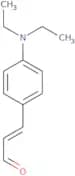

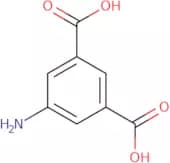
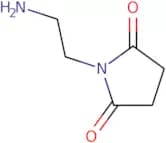
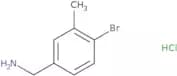
![[1-(Pyrrolidin-1-ylcarbonyl)butyl]amine hydrochloride](/_next/image/?url=https%3A%2Fstatic.cymitquimica.com%2Fproducts%2F3D%2Fthumb-webp%2FFP130657.webp&w=3840&q=75)
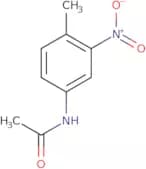
![9-[5-Deoxy-5-[[cis-3-[2-[6-(1,1-dimethylethyl)-1H-benzimidazol-2-yl]ethyl]cyclobutyl](1-methylethy…](/_next/image/?url=https%3A%2Fstatic.cymitquimica.com%2Fproducts%2F3D%2Fthumb-webp%2FFD146242.webp&w=3840&q=75)
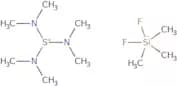
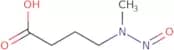
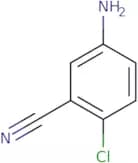
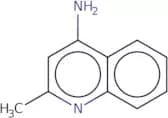
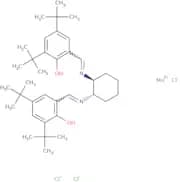
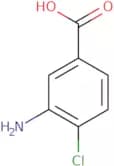
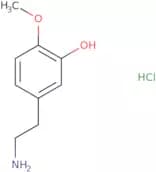
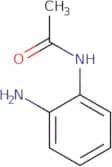
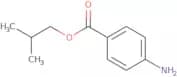
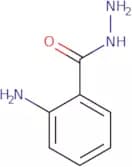

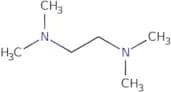


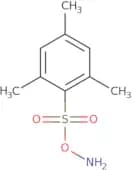
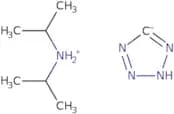

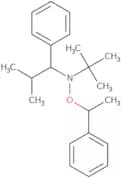
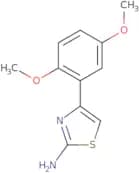
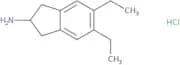
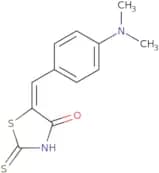
![Benzo[d]isoxazol-5-amine](/_next/image/?url=https%3A%2Fstatic.cymitquimica.com%2Fproducts%2F3D%2Fthumb-webp%2FFB143763.webp&w=3840&q=75)
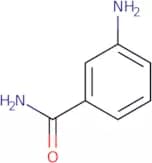
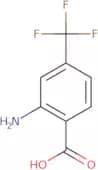
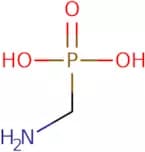
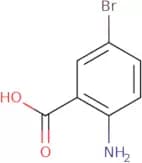
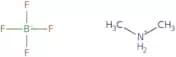
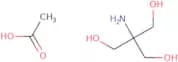
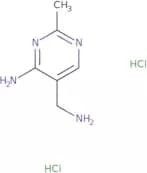



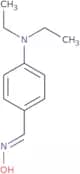
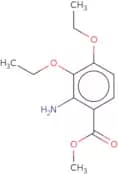
![(8β)-N-[3-(Dimethylamino)propyl]-N-[(ethylamino)carbonyl] -6-(2-propen-1-yl)-ergoline-8-carboxamide](/_next/image/?url=https%3A%2Fstatic.cymitquimica.com%2Fproducts%2F3D%2Fthumb-webp%2FFD19622.webp&w=3840&q=75)
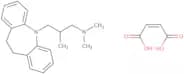
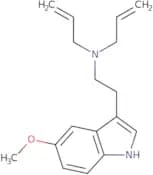
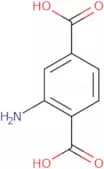
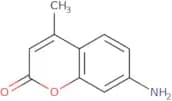
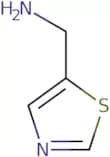

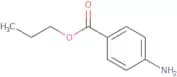
![2-[Methyl[(tridecafluorohexyl)sulphonyl]amino]ethyl acrylate](/_next/image/?url=https%3A%2Fstatic.cymitquimica.com%2Fproducts%2F3D%2Fthumb-webp%2FFM96258.webp&w=3840&q=75)

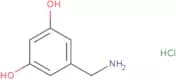
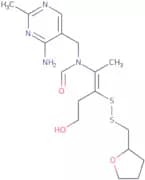
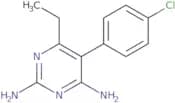
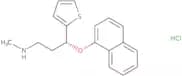
![[(2-Methylimidazo[2,1-b][1,3,4]thiadiazol-6-yl)methyl]amine dihydrochloride](/_next/image/?url=https%3A%2Fstatic.cymitquimica.com%2Fproducts%2F3D%2Fthumb-webp%2FFM123820.webp&w=3840&q=75)
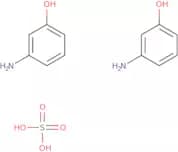
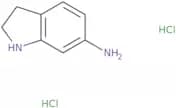
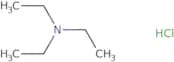

![2-[(Ethylamino)methyl]-4-nitrophenol](/_next/image/?url=https%3A%2Fstatic.cymitquimica.com%2Fproducts%2F3D%2Fthumb-webp%2FFE23132.webp&w=3840&q=75)
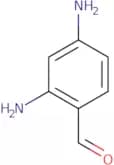
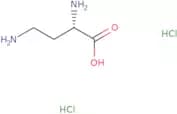
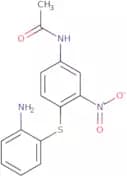
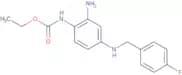
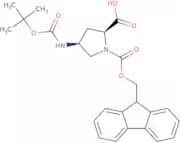
methanone HCl](/_next/image/?url=https%3A%2Fstatic.cymitquimica.com%2Fproducts%2F3D%2Fthumb-webp%2FFA133569.webp&w=3840&q=75)
![2-[3-[N-(4-tert-Butylbenzyl)-N-(pyridin-3-ylsulfonyl)aminomethyl]phenoxy]acetic acid](/_next/image/?url=https%3A%2Fstatic.cymitquimica.com%2Fproducts%2F3D%2Fthumb-webp%2FFT145127.webp&w=3840&q=75)
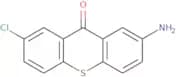

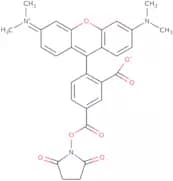
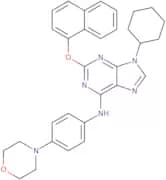
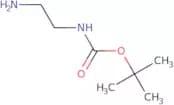
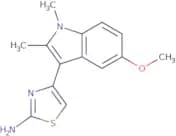
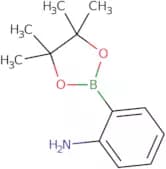
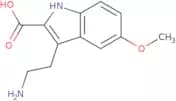
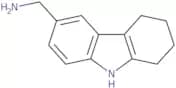

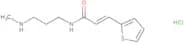
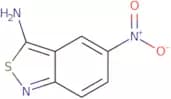
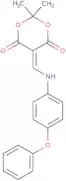
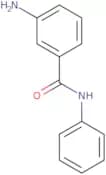
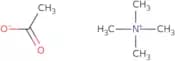
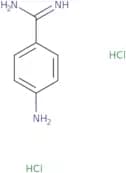
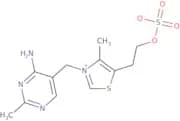

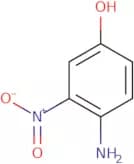

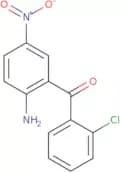

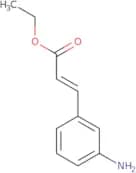
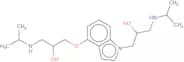
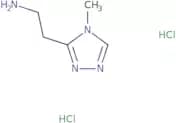
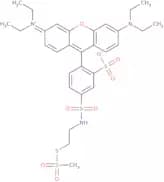
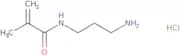
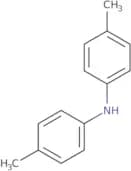
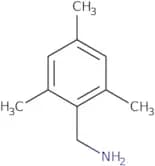
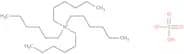
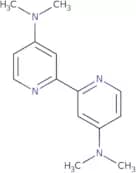
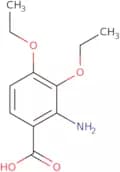
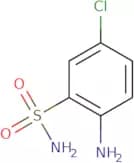
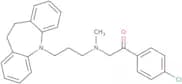
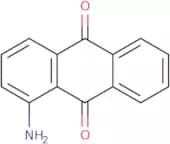
![7-Amino-3-[[(2,5-dihydro-6-hydroxy-2-methyl-5-oxo- 1,2,4-triazin-3-yl)thio]methyl]cephalosporanic …](/_next/image/?url=https%3A%2Fstatic.cymitquimica.com%2Fproducts%2F3D%2Fthumb-webp%2FFA17508.webp&w=3840&q=75)
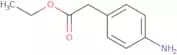
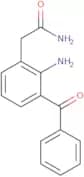

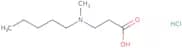

![[2-(1,3-Benzoxazol-2-yl)ethyl]amine hydrochloride](/_next/image/?url=https%3A%2Fstatic.cymitquimica.com%2Fproducts%2F3D%2Fthumb-webp%2FFB123800.webp&w=3840&q=75)
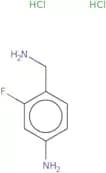
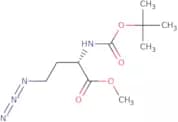

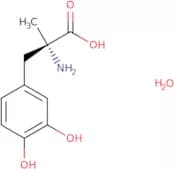
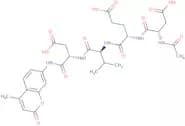
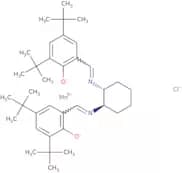

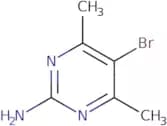
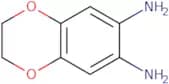
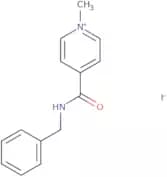
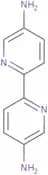
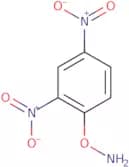

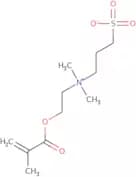
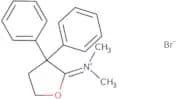
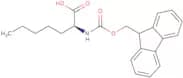
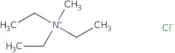

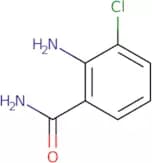
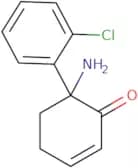
![N-[(2-Fluorophenyl)methyl]-4-iodo-2,5-dimethoxybenzeneethanamine](/_next/image/?url=https%3A%2Fstatic.cymitquimica.com%2Fproducts%2F3D%2Fthumb-webp%2FFF97685.webp&w=3840&q=75)


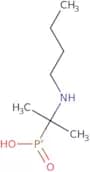
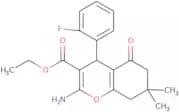
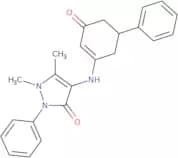
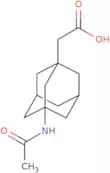
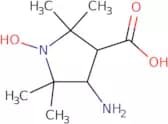
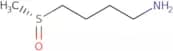
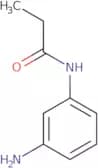
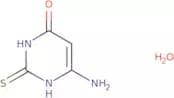
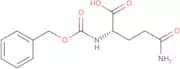
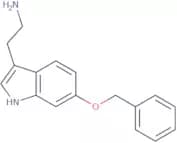
![3-[(4-Chlorophenyl)amino]-5,5-dimethylcyclohex-2-en-1-one](/_next/image/?url=https%3A%2Fstatic.cymitquimica.com%2Fproducts%2F3D%2Fthumb-webp%2FFC123031.webp&w=3840&q=75)
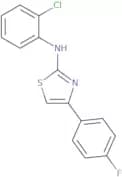
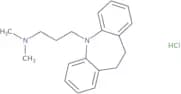
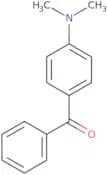
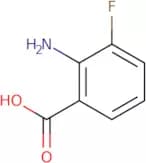
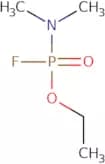
![Sodium 2-[[3-(trifluoromethyl)phenyl]amino]benzoate](/_next/image/?url=https%3A%2Fstatic.cymitquimica.com%2Fproducts%2F3D%2Fthumb-webp%2FFS92420.webp&w=3840&q=75)
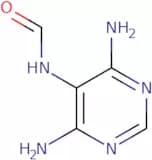
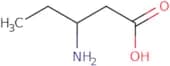
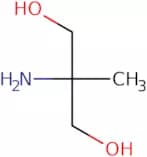
![1-[[5-(p-Nitrophenyl)furfurylidene]amino]-hydantoin sodium](/_next/image/?url=https%3A%2Fstatic.cymitquimica.com%2Fproducts%2F3D%2Fthumb-webp%2FFN44999.webp&w=3840&q=75)
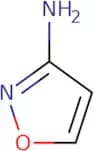
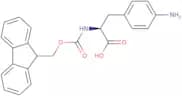

![2,2-Bis[4-(4-aminophenoxy)phenyl]propane](/_next/image/?url=https%3A%2Fstatic.cymitquimica.com%2Fproducts%2F3D%2Fthumb-webp%2FFB62700.webp&w=3840&q=75)
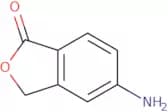
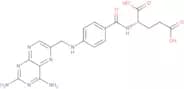
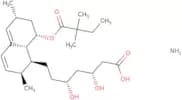
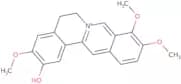
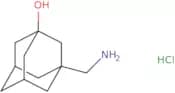
![2-[2-(2-t-Boc-aminoethoxy)ethoxy]ethanol](/_next/image/?url=https%3A%2Fstatic.cymitquimica.com%2Fproducts%2F3D%2Fthumb-webp%2FFB18924.webp&w=3840&q=75)
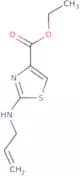


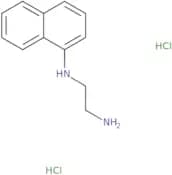
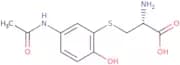
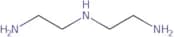
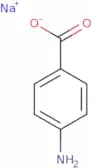
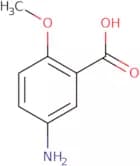
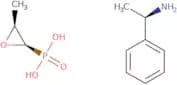
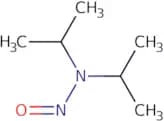
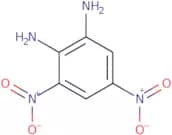
![[1-(3-Methoxyphenyl)-1-methylethyl]amine hydrochloride](/_next/image/?url=https%3A%2Fstatic.cymitquimica.com%2Fproducts%2F3D%2Fthumb-webp%2FFM136868.webp&w=3840&q=75)
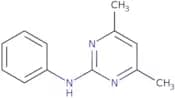

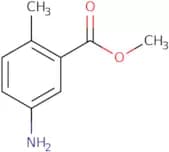
![4-Amino-4H-pyrazolo[3,4-d]pyrimidine](/_next/image/?url=https%3A%2Fstatic.cymitquimica.com%2Fproducts%2F3D%2Fthumb-webp%2FFA15519.webp&w=3840&q=75)

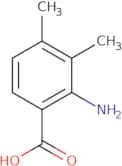
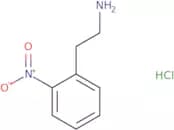
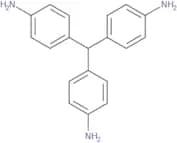

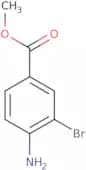
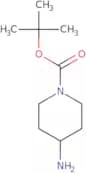
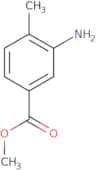
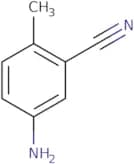
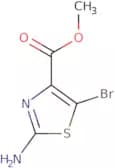
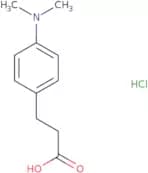
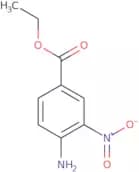
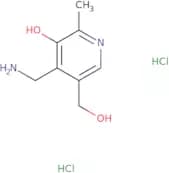
![Diethyl [[(3-chloro-4-fluorophenyl)amino]methylene]malonate](/_next/image/?url=https%3A%2Fstatic.cymitquimica.com%2Fproducts%2F3D%2Fthumb-webp%2FFD95922.webp&w=3840&q=75)